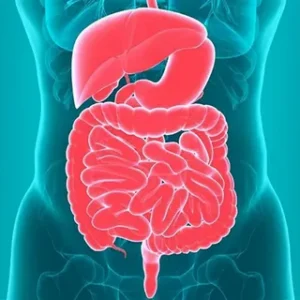
Your gut isn’t just responsible for digesting last night’s pizza—it’s basically the command center of your entire body. Here’s the kicker: when your gut’s out of whack, everything else follows suit. You’re bloated, your energy tanks, your immunity crashes, and that stubborn belly fat? It sticks around like an unwanted houseguest. But what if I told you that the solution might be sitting in your kitchen right now?
Introduction: Why Your Gut Deserves the VIP Treatment
Let’s be real—we’ve all been there. You eat something, and suddenly you’re uncomfortably bloated for the next three hours. Your jeans feel tighter, you feel sluggish, and you’re wondering why your body seems to be working against you. The truth? Your gut health is the unsung hero of your entire wellness journey.
Recent research shows that your gut microbiome influences everything from your weight to your immune system to your mental health. When you have a healthy gut, you’re not just digesting food better—you’re literally setting yourself up for success in every area of your life. The foods you eat either feed the good bacteria in your gut or feed the bad bacteria that cause inflammation, bloating, and weight gain.
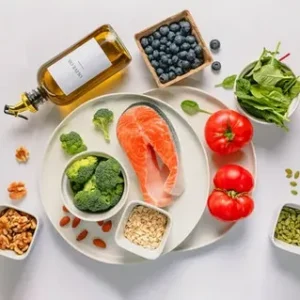
The exciting part? You don’t need expensive supplements or complicated protocols. You just need to know which foods are your gut’s best friends. Let me walk you through 8 doctor-approved foods that will transform your digestive health, help you shed that stubborn belly fat, strengthen your immunity, and finally say goodbye to bloating.
Section 1: Understanding Gut Health and Why It Matters
What Makes a Healthy Gut?
Your gut is home to trillions of bacteria—and yes, that’s actually a good thing. These microscopic organisms form what’s called your microbiome, and they’re essentially your internal health team. A healthy microbiome is diverse, meaning you have a good balance of beneficial bacteria that help you digest food, produce vitamins, and keep inflammation in check.
When your gut is healthy, several amazing things happen:
- Better digestion means less bloating and more comfort
- Stronger immunity because 70% of your immune system lives in your gut
- Easier weight management because your gut bacteria influence how you store fat
- Improved mental health through the gut-brain connection
- More stable energy levels throughout the day
The problem starts when your gut microbiome becomes imbalanced—a condition called dysbiosis. This happens when bad bacteria outnumber good bacteria, usually due to poor diet, stress, antibiotics, or lack of sleep. When dysbiosis occurs, your gut becomes inflamed, your digestion suffers, and your body starts storing more fat, especially around your belly.
The Belly Fat Connection
Here’s something most people don’t realize: belly fat isn’t just about calories. It’s deeply connected to gut inflammation and an imbalanced microbiome. When your gut is inflamed, your body produces more cortisol (the stress hormone), which signals your body to store fat around your midsection. Additionally, an unhealthy gut microbiome is associated with insulin resistance, which makes it harder for your body to regulate blood sugar and manage weight.
The good news? By healing your gut with the right foods, you’re not just improving digestion—you’re addressing the root cause of belly fat accumulation.
Section 2: The 8 Doctor-Approved Gut Health Foods That Transform Your Body
Food #1: Fermented Vegetables (Especially Sauerkraut and Kimchi)

Fermented vegetables are like probiotics in food form. They’re packed with live beneficial bacteria that colonize your gut and improve your microbiome diversity. When you eat fermented foods, you’re essentially introducing an army of good bacteria that fight off the bad guys and restore balance.
Sauerkraut and kimchi are particularly powerful because they’re made through a natural fermentation process that preserves the beneficial bacteria. Studies show that people who consume fermented vegetables regularly experience:
- Reduced bloating and gas
- Improved digestion
- Better immune function
- Lower inflammation markers
How to use it: Add a small serving (about 2-3 tablespoons) of fermented vegetables to your meals daily. You can have them as a side dish, add them to salads, or eat them straight from the jar. Start small if you’re new to fermented foods—your gut needs time to adjust to the increased beneficial bacteria.
Food #2: Bone Broth (The Gut Healer’s Secret Weapon)
Bone broth has been used for centuries in traditional medicine, and modern science is finally catching up to why it’s so powerful. When you simmer bones for 12-24 hours, you extract collagen, amino acids (especially glycine and glutamine), and minerals that directly heal your gut lining.
Your gut lining is like a selective barrier—it’s supposed to let nutrients through while keeping out harmful substances. When it becomes damaged (a condition called “leaky gut”), undigested food particles and toxins slip through, triggering inflammation throughout your body. This inflammation leads to bloating, weight gain, and a compromised immune system.
Bone broth repairs this damage by:
- Sealing the intestinal barrier
- Reducing inflammation in the digestive tract
- Providing amino acids that feed beneficial bacteria
- Supporting collagen production for skin health
How to use it: Drink 1-2 cups of bone broth daily, or use it as a base for soups and stews. You can make it at home or purchase high-quality versions from health food stores. Aim for broth that’s simmered for at least 12 hours to maximize nutrient extraction.
Food #3: Prebiotic-Rich Garlic and Onions
Here’s where it gets interesting: your gut bacteria need food to thrive, and that food is called prebiotics. Prebiotics are types of fiber that your body can’t digest, but your beneficial bacteria absolutely love them. Garlic and onions are among the most powerful prebiotic foods available.
When you consume garlic and onions, you’re essentially feeding your good bacteria and helping them multiply. This strengthens your microbiome, improves digestion, and reduces bloating. Additionally, garlic has antimicrobial properties that help eliminate harmful bacteria.
Research shows that regular garlic consumption:
- Increases beneficial bacteria diversity
- Reduces harmful bacteria overgrowth
- Improves cholesterol levels
- Enhances immune function
How to use it: Add raw or cooked garlic and onions to your meals regularly. Raw garlic is more potent, but cooked garlic still provides benefits. Aim for at least one clove of garlic and a quarter of an onion daily. Add them to salads, soups, stir-fries, or roasted vegetables.
Food #4: Fiber-Rich Flaxseeds and Chia Seeds
Fiber is the foundation of gut health, and flaxseeds and chia seeds are fiber powerhouses. These tiny seeds contain both soluble and insoluble fiber, which work together to:
- Feed beneficial bacteria
- Promote regular bowel movements
- Reduce inflammation
- Help you feel fuller longer (supporting weight loss)
The soluble fiber in these seeds forms a gel-like substance in your digestive tract that slows digestion and feeds your good bacteria. The insoluble fiber adds bulk to your stool and promotes healthy elimination. Together, they’re a dynamic duo for digestive health.
One study found that people who increased their fiber intake from flaxseeds experienced significant reductions in bloating and improvements in bowel regularity within just two weeks.
How to use it: Add 1-2 tablespoons of ground flaxseeds or chia seeds to your smoothies, oatmeal, yogurt, or salads daily. Ground flaxseeds are better absorbed than whole seeds. Soak chia seeds in liquid for a few minutes before consuming to activate their gel-forming properties and make them easier to digest.
Food #5: Leafy Greens (Spinach, Kale, and Arugula)
Leafy greens are nutritional powerhouses that support gut health in multiple ways. They’re rich in fiber, vitamins, minerals, and phytonutrients that feed your beneficial bacteria and reduce inflammation. Additionally, leafy greens contain a special compound called sulfoquinovose that specifically feeds a beneficial bacteria strain called Bacteroides.
When you eat plenty of leafy greens, you’re:
- Providing fuel for good bacteria
- Reducing inflammation in your digestive tract
- Supporting natural detoxification
- Improving nutrient absorption
- Boosting your immune system
How to use it: Aim for at least 2-3 cups of leafy greens daily. You can eat them raw in salads, blend them into smoothies, sauté them as a side dish, or add them to soups. Rotate between different types of greens to get a variety of nutrients and support diverse bacterial populations.
Food #6: Wild-Caught Fatty Fish (Salmon, Mackerel, Sardines)
Fatty fish are rich in omega-3 fatty acids, which are powerful anti-inflammatory compounds. Inflammation is at the root of most digestive issues, so reducing it is crucial for healing your gut. Omega-3s also support the growth of beneficial bacteria and help maintain the integrity of your gut lining.
Studies show that people who consume omega-3 rich fish regularly have:
- Lower inflammation markers
- Greater bacterial diversity
- Better digestion
- Improved immune function
- Reduced belly fat
How to use it: Aim for 2-3 servings of wild-caught fatty fish per week. Bake, grill, or steam your fish to preserve the omega-3 content. Avoid fried fish, as the cooking method can damage the healthy fats. If you don’t eat fish, consider a high-quality fish oil supplement or plant-based omega-3 sources like flaxseeds and walnuts.
Food #7: Resistant Starch (Cooled Cooked Potatoes and Green Bananas)
Resistant starch is a type of carbohydrate that “resists” digestion in your small intestine and instead feeds your beneficial bacteria in your colon. When you cook potatoes or rice and then cool them, the starch converts to resistant starch, making it incredibly beneficial for your gut.
Resistant starch:
- Feeds beneficial bacteria
- Reduces inflammation
- Improves insulin sensitivity
- Supports weight loss
- Reduces bloating
How to use it: Cook potatoes or rice, let them cool in the refrigerator for at least 12 hours, and then eat them cold or reheat them gently. You can add cooled potatoes to salads, eat them as a side dish, or blend them into soups. Green bananas also contain resistant starch—eat them slightly underripe for maximum benefits.
Food #8: Ginger (The Anti-Inflammatory Superstar)
Ginger has been used in traditional medicine for thousands of years, and modern research confirms its powerful anti-inflammatory and digestive benefits. Ginger contains compounds called gingerols that reduce inflammation, improve digestion, and reduce nausea and bloating.
When you consume ginger regularly, you experience:
- Reduced bloating and gas
- Improved digestion
- Less inflammation
- Better nutrient absorption
- Reduced nausea
How to use it: Add fresh ginger to your meals, brew it as a tea, or add it to smoothies. Aim for about 1-2 teaspoons of fresh grated ginger daily. You can also use ginger supplements, but fresh ginger provides the most benefits.
Section 3: The Gut Health Foods Comparison Table
| Food | Key Benefit | Best For | How Much Daily | How to Consume |
|---|---|---|---|---|
| Fermented Vegetables | Probiotics & bacteria diversity | Bloating relief | 2-3 tablespoons | Side dish or salad topper |
| Bone Broth | Gut lining repair | Leaky gut healing | 1-2 cups | Drink or soup base |
| Garlic & Onions | Prebiotic fiber | Feeding good bacteria | 1 clove + ¼ onion | Raw or cooked in meals |
| Flaxseeds & Chia | Soluble & insoluble fiber | Regularity & satiety | 1-2 tablespoons | Smoothies, oatmeal, salads |
| Leafy Greens | Vitamins & phytonutrients | Overall gut health | 2-3 cups | Raw, cooked, or blended |
| Fatty Fish | Omega-3 anti-inflammatories | Inflammation reduction | 2-3 servings/week | Baked, grilled, or steamed |
| Resistant Starch | Beneficial bacteria food | Weight loss support | 1 serving daily | Cooled cooked potatoes/rice |
| Ginger | Anti-inflammatory compounds | Bloating & nausea | 1-2 teaspoons | Tea, fresh, or supplements |
Section 4: How These Foods Work Together to Melt Belly Fat
The Science Behind Gut Health and Weight Loss
When you combine these 8 foods strategically, you’re creating an environment in your gut where beneficial bacteria thrive. Here’s exactly how this leads to belly fat loss:
Step 1: Reduce Inflammation
Foods like fatty fish, ginger, and bone broth reduce inflammation throughout your digestive system. Less inflammation means your body doesn’t need to store protective fat around your organs.
Step 2: Balance Blood Sugar
Resistant starch and fiber-rich foods improve insulin sensitivity, which means your body regulates blood sugar more effectively. Stable blood sugar prevents the energy crashes and cravings that lead to overeating.
Step 3: Increase Satiety
Fiber and resistant starch make you feel fuller longer, which naturally reduces calorie intake without requiring willpower or restriction.
Step 4: Improve Digestion
When your gut is healthy, you absorb nutrients more efficiently and eliminate waste more effectively. This means less bloating and a flatter belly.
Step 5: Reduce Cortisol
A healthy gut produces more serotonin and GABA, neurotransmitters that reduce stress. Lower stress means lower cortisol, which means your body stops signaling to store belly fat.
The Immunity Connection
Here’s something most people miss: your immune system and your gut are intimately connected. About 70% of your immune system lives in your gut, specifically in an area called the gut-associated lymphoid tissue (GALT). When your gut is healthy and your microbiome is balanced, your immune system is strong and responsive.
The foods in this list support immunity by:
- Providing nutrients that immune cells need to function
- Reducing inflammation that exhausts your immune system
- Supporting the growth of beneficial bacteria that produce immune-boosting compounds
- Sealing your gut barrier so harmful substances can’t trigger immune reactions
Section 5: The 30-Day Gut Health Transformation Plan
Week 1: Foundation Building
Start by adding the gentler foods to your diet:
- Daily: 2-3 cups of leafy greens, 1-2 tablespoons of ground flaxseeds
- 3-4 times weekly: Wild-caught fatty fish
- Daily: 1-2 teaspoons of fresh ginger (in tea or meals)
- Every other day: 2-3 tablespoons of fermented vegetables
This week is about introducing your body to these new foods without overwhelming your system. Pay attention to how you feel—you might experience some temporary bloating as your microbiome adjusts, but this is normal and usually passes within a few days.
Week 2: Adding Prebiotics
Once your body has adjusted, add the prebiotic foods:
- Continue everything from Week 1
- Daily: Add garlic and onions to your meals (at least 1 clove of garlic and ¼ onion)
- Daily: Start incorporating resistant starch (cooled cooked potatoes or rice)
By this week, you should notice improvements in digestion and a reduction in bloating. Your energy levels might also start to improve.
Week 3: Introducing Bone Broth
Now add the most powerful gut-healing food:
- Continue everything from Weeks 1-2
- Daily: 1-2 cups of bone broth (drink it warm or use it as a soup base)
This is where the real transformation accelerates. Bone broth directly heals your gut lining, which means better nutrient absorption and more dramatic improvements in bloating and belly fat reduction.
Week 4: Optimization and Consistency
By week 4, you should have all 8 foods incorporated into your daily routine. Focus on consistency and finding recipes you actually enjoy eating. This isn’t about perfection—it’s about creating sustainable habits.
Your ideal daily intake should look like:
- Breakfast: Smoothie with leafy greens, flaxseeds, and ginger
- Lunch: Salad with fermented vegetables, garlic, and onions
- Snack: Bone broth or herbal tea with ginger
- Dinner: Wild-caught fish with roasted leafy greens and cooled cooked potatoes
Section 6: Common Mistakes People Make (And How to Avoid Them)
Mistake #1: Going All-In Too Fast
Many people get excited and try to incorporate all 8 foods at once. This overwhelms your digestive system and can cause bloating, gas, and discomfort. Solution: Start with 2-3 foods and gradually add more over 2-4 weeks.
Mistake #2: Not Drinking Enough Water
Fiber works by absorbing water and moving through your digestive system. Without adequate hydration, fiber can actually cause constipation and bloating. Solution: Drink at least 8-10 glasses of water daily, especially when increasing fiber intake.
Mistake #3: Choosing Processed Versions
Store-bought fermented vegetables often contain added sugars and preservatives that feed bad bacteria. Canned bone broth might contain additives. Solution: Make your own fermented vegetables and bone broth, or choose high-quality versions with minimal ingredients.
Mistake #4: Ignoring Other Lifestyle Factors
Food is powerful, but it’s not everything. Sleep, stress, and exercise also dramatically impact your gut health. Solution: Aim for 7-9 hours of sleep, practice stress-reduction techniques, and move your body daily.
Mistake #5: Expecting Overnight Results
Gut healing takes time. Your microbiome changes gradually, and it typically takes 4-12 weeks to see significant improvements. Solution: Be patient with yourself and focus on consistency rather than quick fixes.
Section 7: Recipes to Get You Started
Simple Gut-Healing Smoothie Bowl
Ingredients:
- 1 cup unsweetened almond milk
- 1 cup fresh spinach
- ½ frozen banana
- 1 tablespoon ground flaxseeds
- 1 teaspoon fresh grated ginger
- ½ cup plain Greek yogurt
- Toppings: berries, coconut flakes, chia seeds
Instructions:
Blend the milk, spinach, banana, flaxseeds, ginger, and yogurt until smooth. Pour into a bowl and add your favorite toppings. This breakfast provides fiber, probiotics, anti-inflammatory compounds, and beneficial bacteria food—basically a gut-healing powerhouse in a bowl.
Healing Bone Broth Vegetable Soup
Ingredients:
- 4 cups bone broth
- 2 cups chopped leafy greens
- 1 cup diced cooled cooked potatoes
- 3 cloves minced garlic
- ½ diced onion
- 1 tablespoon fresh ginger
- Sea salt and pepper to taste
Instructions:
Heat bone broth in a pot, add garlic and onion, and sauté for 2 minutes. Add leafy greens, potatoes, and ginger. Simmer for 10 minutes until vegetables are tender. Season to taste. This soup combines multiple gut-healing foods in one comforting meal.
Crispy Salmon with Fermented Vegetable Salad
Ingredients:
- 6 oz wild-caught salmon
- 2 cups mixed leafy greens
- ¼ cup fermented vegetables
- 1 tablespoon olive oil
- Lemon juice, sea salt, and pepper
Instructions:
Season salmon with salt and pepper, then bake at 400°F for 12-15 minutes until cooked through. Toss leafy greens with olive oil and lemon juice, top with fermented vegetables, and serve with the salmon. This dinner provides omega-3s, probiotics, fiber, and anti-inflammatory compounds.
Section 8: The Real-World Results You Can Expect
Week 1-2: Initial Changes
Most people notice:
- Less bloating and gas
- More regular bowel movements
- Slightly improved energy
- Reduced cravings for sugar
Week 3-4: Noticeable Improvements
By this point, you’ll likely experience:
- Significant reduction in bloating
- Clearer skin (your gut health reflects on your skin)
- More stable energy throughout the day
- Improved digestion and comfort
- Initial weight loss (often 2-5 pounds)
Week 5-8: Transformation
This is when the real magic happens:
- Continued belly fat reduction
- Noticeably improved immune function (fewer colds and illnesses)
- Better mental clarity and mood
- Sustained energy levels
- Clothes fitting differently
Week 9-12: Long-Term Results
With consistent implementation:
- Significant belly fat reduction
- Strong immunity
- Stable weight management
- Improved overall health markers
- Sustainable habits that feel natural
Conclusion: Your Gut Health Journey Starts Now
Your gut isn’t just a digestive system—it’s the foundation of your entire health. By incorporating these 8 doctor-approved foods into your daily routine, you’re not just addressing bloating or belly fat. You’re fundamentally transforming your health from the inside out.
The beautiful part? These foods aren’t expensive supplements or complicated protocols. They’re real, whole foods that have been nourishing humans for centuries. Your body already knows how to work with them.
Start today. Pick one food from this list and add it to your next meal. Tomorrow, add another. By next week, you’ll have started a transformation that will ripple through every area of your life.
Your future self—the one with a healthy gut, a flatter belly, strong immunity, and endless energy—is waiting for you to make this decision. The question isn’t whether these foods work. The question is: are you ready to commit to your health?
Your gut is calling. Will you answer?
Call-to-Action
Ready to transform your gut health? Start with the 30-day plan today and experience the difference these 8 foods can make. Share your results in the comments below—I’d love to hear about your journey. And if you found this guide helpful, share it with someone who needs it. Your health journey might just inspire theirs.