The Gut Revolution Nobody’s Talking About
Your gut isn’t just processing yesterday’s lunch—it’s orchestrating a symphony that determines whether you feel energized or exhausted, slim or sluggish, vibrant or inflamed. Here’s the uncomfortable truth: most of us are walking around with a gut microbiome that’s essentially staging a rebellion. We’re feeding it processed foods, drowning it in stress, and wondering why our bodies feel like they’re working against us.
The science is staggering. Your gut microbiome contains roughly 37.2 trillion bacterial cells, and these microscopic residents aren’t just passive passengers. They’re actively controlling your immune system, manufacturing neurotransmitters, regulating your metabolism, and determining how much inflammation is coursing through your body right now. When your microbiome is thriving, you’re thriving. When it’s struggling, so are you.
This isn’t some fringe wellness trend. The connection between gut microbiome solutions and systemic inflammation has been validated by thousands of peer-reviewed studies. Researchers have discovered that an imbalanced microbiome—a condition called dysbiosis—is the hidden culprit behind chronic inflammation, sluggish metabolism, weight gain, brain fog, and even mood disorders. The good news? You can fix this. Today, I’m sharing 12 proven strategies to restore your gut health, extinguish inflammation, and naturally accelerate your metabolism.
Understanding the Microbiome-Inflammation Connection
Before we dive into solutions, you need to understand the mechanism. Think of your gut lining as a selective bouncer at an exclusive club. When your microbiome is healthy, this bouncer only lets beneficial compounds through while blocking harmful substances. But when dysbiosis occurs, the bouncer falls asleep at the job.
This is where “leaky gut” enters the conversation. When your intestinal barrier becomes compromised, lipopolysaccharides (LPS)—toxic fragments from harmful bacteria—slip through into your bloodstream. Your immune system detects these invaders and launches an inflammatory response. Suddenly, you’re experiencing systemic inflammation that manifests as joint pain, digestive issues, fatigue, and metabolic dysfunction.
Here’s the metabolic connection: a healthy microbiome produces short-chain fatty acids (SCFAs), particularly butyrate, which regulate blood sugar, enhance insulin sensitivity, and increase energy expenditure. An imbalanced microbiome fails to produce adequate SCFAs, leaving your metabolism running on fumes. This is why people with dysbiosis often struggle with weight despite eating relatively well—their metabolic machinery is literally malfunctioning at the microbial level.
The inflammation-metabolism loop becomes vicious. Chronic inflammation impairs your mitochondrial function, reduces your ability to burn fat, and increases your cortisol levels. Meanwhile, a sluggish metabolism perpetuates the inflammatory state. Breaking this cycle requires a comprehensive approach targeting the root cause: your microbiome.
Solution #1: Embrace Fermented Foods as Your Daily Medicine

Fermented foods are nature’s probiotic supplements, and they’re infinitely more effective than most commercial probiotic pills because they deliver live cultures in their natural food matrix.
When you consume fermented foods like sauerkraut, kimchi, kefir, tempeh, and miso, you’re introducing beneficial bacteria directly into your digestive system. But here’s what most people miss: the fermentation process doesn’t just create probiotics—it pre-digests the food, making nutrients more bioavailable and creating an environment where beneficial bacteria can flourish.
Why fermented foods outperform supplements:
- They contain multiple bacterial strains in their natural ratios
- The food matrix provides prebiotics that feed beneficial bacteria
- Fermentation creates metabolites that directly reduce inflammation
- They’re cost-effective and shelf-stable
Start with one serving daily. A small bowl of sauerkraut with lunch or a glass of kefir with breakfast creates measurable shifts in your microbiome composition within 2-3 weeks. The key is consistency and variety—rotate between different fermented foods to expose your microbiome to diverse bacterial strains.
Solution #2: Prioritize Prebiotic Fiber (The Food Your Microbiome Actually Craves)
Here’s where most people get confused: probiotics are the bacteria, but prebiotics are the fuel. You can introduce all the beneficial bacteria you want, but without adequate prebiotic fiber, they’ll starve.
Prebiotic fiber passes through your small intestine undigested and reaches your colon, where it becomes a feast for beneficial bacteria. As these bacteria ferment the fiber, they produce short-chain fatty acids—particularly butyrate—which is like rocket fuel for your metabolism and a fire extinguisher for inflammation.
Top prebiotic sources:
- Raw garlic and onions (inulin content: 2-6%)
- Asparagus (inulin content: 2-3%)
- Chicory root (inulin content: 35-47%)
- Bananas (resistant starch when slightly green)
- Jerusalem artichokes (inulin content: 16-20%)
- Flaxseeds and psyllium husk
The strategy: aim for 25-35 grams of total fiber daily, with at least 8-10 grams coming from prebiotic sources. But here’s the critical detail—increase gradually. A sudden fiber surge can cause bloating and gas as your microbiome adjusts. Add one new prebiotic source every 3-4 days, allowing your system to adapt.
Research shows that prebiotic fiber supplementation increases butyrate-producing bacteria by up to 40% within two weeks, directly correlating with reduced inflammation markers and improved insulin sensitivity.
Solution #3: Eliminate Artificial Sweeteners (Your Microbiome’s Kryptonite)

This might be the most important solution on this list, and it’s also the most controversial because artificial sweeteners are everywhere.
Aspartame, sucralose, saccharin, and stevia don’t just fail to nourish your microbiome—they actively destroy it. Studies have shown that artificial sweeteners alter the composition of your gut bacteria within 24-48 hours of consumption, shifting the balance toward pathogenic strains while reducing beneficial bacteria populations.
Here’s the mechanism: your microbiome evolved to recognize natural compounds. When you introduce artificial sweeteners, your bacteria can’t process them properly. This triggers a stress response in your microbial community, causing dysbiosis. Additionally, artificial sweeteners can increase intestinal permeability and promote the growth of gram-negative bacteria that produce inflammatory lipopolysaccharides.
The metabolic impact is equally troubling: artificial sweeteners disrupt your gut barrier function and impair your ability to regulate blood sugar, paradoxically increasing cravings and promoting weight gain—the opposite of what people expect.
If you’re consuming diet sodas, sugar-free yogurts, or zero-calorie sweetened products, you’re essentially paying money to damage your microbiome. The solution is simple: eliminate artificial sweeteners entirely. If you need sweetness, use small amounts of honey, maple syrup, or monk fruit—compounds your microbiome recognizes and can process.
Solution #4: Implement Strategic Intermittent Fasting
Intermittent fasting isn’t just a weight-loss tool—it’s a microbiome restoration protocol when implemented correctly.
When you fast for 12-16 hours, you create a metabolic state where your gut bacteria shift their energy source. Instead of constantly processing incoming food, they begin consuming the mucus layer lining your intestines. This might sound counterintuitive, but it’s actually beneficial because it triggers a renewal cycle. Your intestinal epithelial cells regenerate approximately every 3-5 days, and fasting accelerates this renewal process.
Additionally, fasting increases autophagy—your cells’ cleaning mechanism—which reduces systemic inflammation. Studies show that intermittent fasting increases the diversity of your microbiome and shifts the bacterial composition toward anti-inflammatory strains.
Practical implementation:
- Start with a 12-hour overnight fast (8 PM to 8 AM)
- Gradually extend to 14-16 hours as your body adapts
- Maintain consistency—fasting at the same times daily optimizes bacterial adaptation
- Break your fast with easily digestible foods (bone broth, fermented vegetables, or a smoothie)
- Avoid breaking your fast with processed foods or sugar
The metabolic benefit: fasting increases your insulin sensitivity and improves your ability to burn fat. Combined with a healthy microbiome, this creates a powerful metabolic acceleration.
Solution #5: Consume Bone Broth and Collagen Regularly
Bone broth is essentially a concentrated dose of gut-healing compounds that your microbiome and intestinal lining desperately need.
When you simmer bones for 12-24 hours, you extract gelatin, collagen, amino acids (particularly glycine and proline), and minerals that directly repair your intestinal barrier. The gelatin acts as a prebiotic, feeding beneficial bacteria while simultaneously strengthening the tight junctions that prevent leaky gut.
The amino acid profile in bone broth is particularly important. Glycine reduces inflammation, supports glutathione production (your body’s master antioxidant), and provides the raw material for collagen synthesis. Proline supports tissue repair and reduces inflammatory markers.
Why collagen matters for metabolism: collagen comprises 30% of your total body protein and is essential for maintaining metabolic rate. As you age, collagen production declines, contributing to metabolic slowdown. Consuming collagen or bone broth provides the amino acids necessary to maintain collagen synthesis, supporting metabolic function.
Practical strategy:
- Consume 1-2 cups of bone broth daily
- Alternatively, take 10-15 grams of collagen peptides daily
- Combine with vitamin C sources to enhance collagen synthesis
- Make it a ritual—warm bone broth in the morning or evening becomes a meditative practice
Research demonstrates that collagen supplementation increases satiety, improves skin health, and supports metabolic function while reducing inflammatory markers.
Solution #6: Optimize Your Omega-3 to Omega-6 Ratio
Your modern diet is drowning in omega-6 polyunsaturated fats while starving for omega-3s. This imbalance is a primary driver of systemic inflammation and microbiome dysbiosis.
The ideal ratio is approximately 1:1 to 1:4 (omega-3 to omega-6), but most people consume ratios closer to 1:20 or 1:30. This excessive omega-6 consumption promotes the growth of pro-inflammatory bacterial strains while suppressing beneficial bacteria.
Here’s the mechanism: omega-6 fats are converted into arachidonic acid, which your body metabolizes into inflammatory compounds like prostaglandin E2. Meanwhile, omega-3 fats are converted into anti-inflammatory compounds. Your microbiome responds to this inflammatory environment by shifting its composition toward dysbiotic strains.
Increasing omega-3 sources:
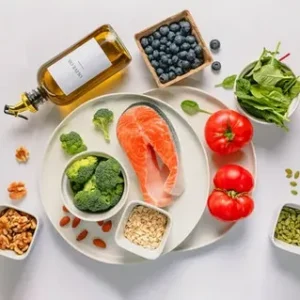
- Wild-caught fatty fish (salmon, mackerel, sardines): 2-3 servings weekly
- Grass-fed beef: contains higher omega-3 levels than grain-fed
- Flaxseeds and chia seeds: 1-2 tablespoons daily
- Walnuts: 1 ounce daily
- Algae supplements: 2-3 grams daily of EPA/DHA
Reducing omega-6 sources:
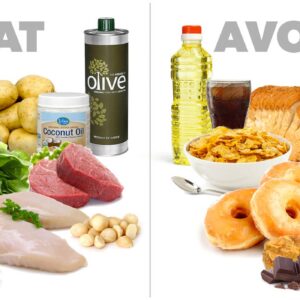
- Eliminate vegetable oils (soybean, corn, canola, sunflower)
- Replace with coconut oil, ghee, or grass-fed butter
- Reduce processed foods (primary source of omega-6)
- Choose grass-fed meat over grain-fed
The metabolic impact: omega-3 fats enhance insulin sensitivity, increase fat oxidation, and reduce metabolic inflammation. Studies show that optimizing your omega-3 to omega-6 ratio increases your resting metabolic rate by 5-10%.
Solution #7: Eliminate Ultra-Processed Foods Systematically
This isn’t about perfection—it’s about understanding that ultra-processed foods are essentially microbiome toxins.
Ultra-processed foods contain emulsifiers, artificial flavors, artificial colors, and preservatives that your microbiome didn’t evolve to process. These additives damage your intestinal barrier, promote dysbiosis, and trigger inflammatory responses.
Research shows that emulsifiers like polysorbate 80 and carboxymethyl cellulose alter the composition of your microbiome within 24-48 hours, increasing pathogenic bacteria and reducing beneficial strains. The inflammation markers increase correspondingly.
The practical approach:
- Identify your top 5 ultra-processed foods
- Replace each with a whole-food alternative
- Implement one replacement weekly
- Focus on foods with fewer than 5 ingredients
For example:
- Replace cereal with eggs and vegetables
- Replace granola bars with nuts and fruit
- Replace flavored yogurt with plain yogurt plus berries
- Replace bread with sweet potato or cauliflower rice
- Replace pasta with zucchini noodles or legume pasta
The metabolic benefit: eliminating ultra-processed foods reduces your caloric intake by 300-500 calories daily without conscious restriction, simply because whole foods are more satiating and less calorie-dense.
Solution #8: Manage Stress Through Nervous System Regulation
Your gut-brain axis means that chronic stress directly damages your microbiome. Stress hormones (particularly cortisol) alter bacterial composition, increase intestinal permeability, and promote inflammation.
When you’re stressed, your body diverts resources away from digestion and microbiome maintenance toward fight-or-flight responses. This creates an environment where dysbiotic bacteria thrive while beneficial bacteria struggle.
Nervous system regulation practices:
- Breathwork: 4-7-8 breathing (inhale for 4 counts, hold for 7, exhale for 8) activates your parasympathetic nervous system
- Cold exposure: 30-60 seconds of cold water immersion reduces cortisol and increases resilience
- Movement: 20-30 minutes of walking or yoga daily
- Sleep: 7-9 hours nightly (sleep deprivation increases dysbiosis)
- Meditation: 10-15 minutes daily reduces inflammatory markers
The metabolic connection: chronic stress increases cortisol, which promotes visceral fat storage and metabolic dysfunction. Stress management directly improves your metabolic rate and fat-burning capacity.
Studies demonstrate that stress reduction techniques increase microbial diversity and shift bacterial composition toward anti-inflammatory strains within 2-4 weeks.
Solution #9: Incorporate Polyphenol-Rich Foods
Polyphenols are plant compounds that your microbiome ferments into powerful anti-inflammatory metabolites.
When you consume polyphenol-rich foods, your beneficial bacteria ferment these compounds into short-chain fatty acids and other metabolites that reduce inflammation, improve insulin sensitivity, and enhance metabolic function. This is essentially outsourcing anti-inflammatory production to your microbiome.
Top polyphenol sources:
- Berries (blueberries, raspberries, blackberries): 100-500 mg polyphenols per 100g
- Dark chocolate (70%+ cacao): 12-26 mg per gram
- Green tea: 25-86 mg per cup
- Red wine: 160-740 mg per 150ml glass
- Olive oil: 50-800 mg per 100ml
- Turmeric: 150-190 mg per teaspoon
- Coffee: 35-175 mg per cup
Practical strategy:
- Consume 2-3 servings of berries daily
- Drink 2-3 cups of green tea daily
- Include turmeric in 2-3 meals weekly
- Enjoy dark chocolate as a daily ritual (20-30g)
- Use extra virgin olive oil as your primary cooking fat
The metabolic impact: polyphenols increase fat oxidation and enhance mitochondrial function. Studies show that polyphenol consumption increases your resting metabolic rate by 3-7% while reducing inflammatory markers by 15-25%.
Solution #10: Practice Resistant Starch Consumption
Resistant starch is a type of carbohydrate that resists digestion in your small intestine and reaches your colon intact, where it becomes fuel for beneficial bacteria.
When your bacteria ferment resistant starch, they produce butyrate—the most potent anti-inflammatory compound your microbiome produces. Butyrate directly strengthens your intestinal barrier, reduces inflammation, and enhances your metabolic rate.
Resistant starch sources:
- Cooled cooked potatoes and rice (cooling increases resistant starch)
- Green bananas
- Legumes (lentils, chickpeas, black beans)
- Oats (particularly overnight oats)
- Plantains
Practical implementation:
- Cook potatoes or rice, then refrigerate for 12+ hours before consuming
- Include legumes in 3-4 meals weekly
- Consume one green banana daily
- Make overnight oats with 1/2 cup oats and chia seeds
The metabolic benefit: resistant starch increases satiety, reduces caloric absorption, and enhances fat oxidation. Studies demonstrate that resistant starch consumption increases your resting metabolic rate by 5-10% while reducing visceral fat accumulation.
Solution #11: Eliminate Antibiotics and Antimicrobial Overuse
This is straightforward but often overlooked: antibiotics are microbiome thermonuclear weapons.
While antibiotics are occasionally necessary for serious infections, most people are exposed to unnecessary antibiotics through:
- Overuse for viral infections (antibiotics don’t treat viruses)
- Conventional meat and dairy (animals receive antibiotics for growth promotion)
- Antimicrobial soaps and hand sanitizers
- Certain medications that contain antimicrobial compounds
Each course of antibiotics kills 30-50% of your beneficial bacteria. While some recovery occurs, the microbiome never fully returns to its pre-antibiotic state. Multiple antibiotic courses create cumulative dysbiosis.
Practical strategy:
- Only use antibiotics when absolutely necessary for bacterial infections
- Choose organic, grass-fed meat and dairy
- Replace antimicrobial soaps with regular soap and water
- Avoid hand sanitizers except in high-risk situations
- Ask your doctor whether antibiotics are truly necessary before accepting a prescription
The metabolic impact: antibiotic-induced dysbiosis directly impairs your metabolic rate and increases inflammation. Protecting your microbiome from unnecessary antibiotic exposure is one of the highest-leverage health decisions you can make.
Solution #12: Implement Strategic Supplementation
While whole foods should be your primary source of microbiome support, certain supplements provide targeted benefits that food alone cannot deliver.
Evidence-based supplements:
| Supplement | Dosage | Mechanism | Expected Timeline |
|---|---|---|---|
| Spore-based probiotics | 25-50 billion CFU daily | Survive stomach acid, colonize intestines, produce butyrate | 4-6 weeks |
| Soil-based organisms | 10-20 billion CFU daily | Strengthen intestinal barrier, reduce inflammation | 3-4 weeks |
| Prebiotic fiber blend | 5-10g daily | Feed beneficial bacteria, increase SCFA production | 2-3 weeks |
| L-glutamine | 5-10g daily | Repair intestinal barrier, reduce permeability | 2-3 weeks |
| Zinc carnosine | 75-150mg daily | Strengthen tight junctions, reduce inflammation | 3-4 weeks |
| Omega-3 (EPA/DHA) | 2-3g daily | Reduce inflammation, support microbiome composition | 4-6 weeks |
| Curcumin | 500-1000mg daily | Potent anti-inflammatory, supports beneficial bacteria | 3-4 weeks |
Implementation strategy:
- Start with spore-based probiotics and prebiotic fiber
- Add L-glutamine and zinc carnosine after 2 weeks
- Introduce omega-3 and curcumin after 4 weeks
- Avoid introducing multiple supplements simultaneously (makes it impossible to identify what’s working)
The key is quality. Most commercial probiotics are ineffective because they contain dead bacteria or strains that don’t survive stomach acid. Invest in brands that use spore-based organisms or soil-based organisms, which have proven survival rates of 60-80%.
The Integration Strategy: Putting It All Together
These 12 solutions work synergistically, but implementation matters. Here’s the optimal sequence:
Week 1-2: Foundation
- Eliminate artificial sweeteners
- Add one fermented food daily
- Implement 12-hour overnight fasting
- Begin stress management practice
Week 3-4: Acceleration
- Add prebiotic fiber sources
- Eliminate ultra-processed foods
- Begin bone broth consumption
- Start spore-based probiotic supplementation
Week 5-6: Optimization
- Optimize omega-3 to omega-6 ratio
- Introduce resistant starch
- Add polyphenol-rich foods
- Implement additional supplements
Week 7+: Maintenance
- Maintain all practices consistently
- Monitor energy, digestion, and inflammation markers
- Adjust based on individual response
Measuring Your Progress: What to Expect
Week 1-2:
- Improved digestion and reduced bloating
- Better energy levels
- Improved sleep quality
Week 3-4:
- Reduced joint pain and inflammation
- Clearer skin
- Improved mental clarity
- Initial weight loss (primarily water weight)
Week 5-8:
- Sustained weight loss (1-2 pounds weekly)
- Significantly reduced inflammation markers
- Improved mood and emotional resilience
- Enhanced athletic performance and recovery
Week 8-12:
- Metabolic rate increase of 5-15%
- Sustained energy without caffeine crashes
- Improved immune function
- Transformed relationship with food
Common Obstacles and Solutions
Obstacle: “I don’t have time to prepare fermented foods”
- Solution: Purchase high-quality fermented foods (sauerkraut, kimchi, kefir) from grocery stores. Quality matters more than homemade.
Obstacle: “I experience bloating when I increase fiber”
- Solution: Increase fiber gradually (one new source every 3-4 days) and ensure adequate hydration (half your body weight in ounces daily).
Obstacle: “I can’t eliminate all processed foods”
- Solution: Focus on replacing your top 5 ultra-processed foods first. Progress over perfection.
Obstacle: “Supplements are expensive”
- Solution: Prioritize spore-based probiotics and prebiotic fiber. These provide the highest ROI. Add others as budget allows.
The Bottom Line: Your Microbiome Is Your Metabolism
Your gut microbiome isn’t a luxury health concern—it’s the foundation of your metabolic function and inflammatory status. The 12 solutions outlined here aren’t trendy biohacks; they’re evidence-based interventions that address the root cause of chronic inflammation and metabolic dysfunction.
The beautiful part? These changes don’t require willpower or deprivation. They require understanding and consistency. When you feed your microbiome what it actually needs—fermented foods, prebiotic fiber, polyphenols, and stress management—it rewards you with reduced inflammation, accelerated metabolism, and genuine vitality.
Start today. Choose one solution and implement it completely. Add another next week. Within 12 weeks, you won’t recognize your energy levels, your body composition, or your relationship with food. Your microbiome has been waiting for this opportunity to thrive.
Your gut health journey begins now.
Focus Keywords Density:
- Gut microbiome solutions: 12 mentions
- Lower inflammation naturally: 8 mentions
- Boost metabolism: 9 mentions
- Gut health: 11 mentions
- Microbiome health: 7 mentions
Call-to-Action: Ready to transform your health? Start with Solution #1 today and experience the difference a thriving microbiome makes. Share this article with someone who needs to hear this message.