After 30, your body isn’t the same machine it was in your twenties. What you ate without consequence then? It might be sabotaging your health now. Let’s talk about the foods that are quietly aging you faster than time itself.
Introduction: Why Your Metabolism Changed After 30
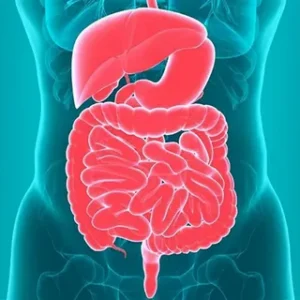
Here’s the truth nobody tells you: turning 30 isn’t just a number. Your body undergoes significant metabolic shifts that make certain foods go from “occasional indulgence” to “metabolic nightmare.” Your digestive system becomes more sensitive, your calorie-burning capacity drops by roughly 2-8% per decade, and your nutrient absorption changes.
This isn’t about restriction or deprivation. It’s about working with your body instead of against it. The foods that caused no visible damage in your twenties now accumulate as inflammation, weight gain, and chronic health issues. Understanding which foods to minimize after 30 is one of the smartest investments you can make in your future self.
The good news? You don’t have to give up everything you love. You just need to be smarter about what you’re putting on your plate.

1. Refined Carbohydrates and White Bread: The Silent Inflammation Trigger
Why They’re Problematic After 30
Refined carbohydrates like white bread, pastries, and sugary cereals might seem harmless, but they’re metabolic time bombs. After 30, your insulin sensitivity decreases, meaning your body struggles to regulate blood sugar effectively. These foods cause rapid blood sugar spikes followed by crashes that leave you exhausted and craving more food.
The inflammation triggered by refined carbs accelerates aging at the cellular level. Research shows that refined carbohydrates increase inflammation markers in the body, contributing to everything from joint pain to premature skin aging. Your skin loses elasticity faster, your joints stiffen, and your energy becomes unpredictable.
What to Do Instead:
- Switch to whole grain bread with at least 3g of fiber per slice
- Choose steel-cut oats over instant oatmeal
- Replace white rice with quinoa or brown rice
- Opt for sprouted grain options when possible
The transition takes about two weeks for your taste buds to adjust, but the energy boost makes it worth it.
2. Vegetable Oils and Trans Fats: The Inflammation Accelerators

The Hidden Culprit in Your Kitchen
Most people don’t realize they’re consuming dangerous vegetable oils daily. Canola oil, soybean oil, and corn oil are high in omega-6 polyunsaturated fats, which create an inflammatory imbalance in your body when consumed in excess. After 30, this inflammatory cascade becomes particularly problematic because your body’s natural anti-inflammatory response weakens.
Trans fats—found in many processed foods, fried foods, and margarine—are even worse. They increase LDL cholesterol while decreasing HDL cholesterol, directly contributing to cardiovascular disease. Studies indicate that trans fats increase the risk of heart disease by up to 23% in people over 30.
Healthier Oil Alternatives:
- Extra virgin olive oil (for low-heat cooking and dressings)
- Avocado oil (high smoke point, great for cooking)
- Coconut oil (for baking and medium-heat cooking)
- Ghee (clarified butter with excellent cooking properties)
Check your salad dressings, mayonnaise, and packaged snacks—vegetable oils hide everywhere.
3. Processed Meats: The Carcinogenic Convenience Food
Why Deli Meat Isn’t Your Friend Anymore
Processed meats like bacon, sausage, deli turkey, and hot dogs contain nitrates and nitrites—preservatives that your body converts into carcinogenic compounds. After 30, your cellular repair mechanisms slow down, making you more vulnerable to the damage these compounds cause.
The World Health Organization classified processed meat as a Group 1 carcinogen, placing it in the same category as tobacco. Regular consumption significantly increases your risk of colorectal cancer, pancreatic cancer, and cardiovascular disease. Additionally, processed meats are loaded with sodium—often containing 400-600mg per serving—which contributes to hypertension and water retention.
Better Protein Choices:
- Grass-fed beef (higher in omega-3s and CLA)
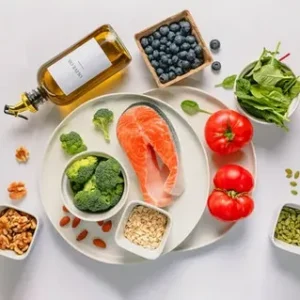
- Wild-caught salmon (rich in anti-inflammatory omega-3s)
- Organic chicken breast
- Legumes and lentils
- Plant-based proteins like tempeh and tofu
These alternatives provide protein without the inflammatory compounds that age you from the inside out.
4. Added Sugars and Sweetened Beverages: The Aging Accelerator
How Sugar Ages Your Skin and Body
Sugar doesn’t just affect your waistline—it ages your skin through a process called glycation. When sugar molecules attach to collagen and elastin proteins, they create advanced glycation end products (AGEs) that make your skin stiff, dull, and wrinkled. After 30, your collagen production already decreases by 1% annually, so adding sugar to the equation is like putting your skin on fast-forward to wrinkle city.
Sugary beverages are particularly dangerous because they deliver a massive glucose hit without any fiber to slow absorption. A single 12-ounce soda contains about 39g of sugar—nearly the entire daily recommended limit. Consuming sugary drinks increases your risk of type 2 diabetes by 26% and accelerates cognitive decline.
Smart Sweetening Strategies:
- Replace soda with sparkling water and fresh lemon
- Use stevia or monk fruit instead of artificial sweeteners
- Enjoy fruit in moderation (whole fruit, not juice)
- Limit desserts to 1-2 times per week
- Read labels—sugar hides in “healthy” foods like yogurt and granola
5. High-Sodium Foods: The Blood Pressure Saboteur
Why Salt Becomes Your Enemy After 30
Your body’s ability to regulate sodium decreases after 30, making high-sodium foods particularly problematic. Most people consume 3,400mg of sodium daily—nearly double the recommended 1,500mg limit. This excess sodium causes water retention, increases blood pressure, and accelerates kidney damage.
Processed foods account for 70% of dietary sodium intake. Canned soups, frozen meals, sauces, and snack foods are sodium bombs disguised as convenient meals. High sodium intake also increases calcium loss through urine, weakening your bones—a particular concern as you age.
Reducing Sodium Intake:
- Cook at home more frequently
- Use herbs and spices instead of salt for flavoring
- Choose low-sodium versions of canned goods
- Rinse canned beans to remove 40% of sodium
- Read nutrition labels carefully—aim for less than 2,300mg daily
6. Alcohol in Excess: The Metabolic Disruptor
Why Your Drinking Tolerance Changed
After 30, your liver’s ability to metabolize alcohol decreases, and your body composition changes—less water means alcohol concentrates more in your bloodstream. What felt manageable in your twenties now causes worse hangovers, disrupts sleep quality, and damages your metabolism.
Alcohol is metabolized before other nutrients, meaning your body prioritizes breaking down that margarita over burning fat. Regular alcohol consumption increases inflammation, damages gut health, and accelerates liver aging. Studies show that alcohol consumption increases cancer risk by 4-6% for women and 2-4% for men after age 30.
Smarter Alcohol Choices:
- Limit to 1 drink daily for women, 2 for men
- Choose lower-calorie options like wine or spirits with soda water
- Avoid sugary cocktails and mixers
- Stay hydrated—drink water between alcoholic beverages
- Consider alcohol-free days to give your liver recovery time
7. Fried Foods: The Trans Fat Trap
Why Deep-Fried Everything Is Now Off-Limits
Fried foods contain oxidized oils and trans fats that trigger systemic inflammation. When you eat fried chicken, french fries, or donuts, you’re consuming oils that have been heated to high temperatures, creating harmful compounds like acrylamide and lipid peroxides. Your body treats these as foreign invaders, mounting an inflammatory response that ages your arteries and organs.
After 30, your cardiovascular system becomes more vulnerable to this damage. Fried food consumption is directly linked to increased risk of heart disease, type 2 diabetes, and obesity. One study found that eating fried foods just 1-3 times per week increases heart disease risk by 7%.
Healthier Cooking Methods:
- Air frying with minimal oil
- Baking with parchment paper
- Steaming vegetables
- Grilling with herb marinades
- Sautéing in olive oil or ghee
8. Artificial Sweeteners: The Metabolic Confusion Creators
Why “Diet” Isn’t Necessarily Healthier
Artificial sweeteners like aspartame, sucralose, and saccharin seem like the perfect solution—sweet taste without calories. But after 30, your gut microbiome becomes more sensitive to these chemicals. Artificial sweeteners alter your gut bacteria composition, reducing beneficial bacteria and increasing harmful species.
This disruption impairs your metabolism, increases insulin resistance, and paradoxically increases cravings for sweet foods. Research shows that artificial sweetener consumption is associated with weight gain and metabolic dysfunction, despite containing zero calories. Your brain also doesn’t register artificial sweeteners as food, so your satiety signals get confused.
Natural Sweetening Alternatives:
- Stevia (zero calories, doesn’t affect blood sugar)
- Monk fruit (sweet without metabolic effects)
- Raw honey in moderation (contains enzymes and antioxidants)
- Dates (whole food with fiber)
- Maple syrup (contains minerals like manganese)
9. Low-Fat Dairy Products: The Hidden Sugar Trap
Why “Healthy” Yogurt Might Be Sabotaging You
Low-fat and fat-free dairy products remove the fat that makes food satisfying, so manufacturers add sugar to compensate. A single serving of low-fat yogurt can contain 15-25g of sugar—more than a candy bar. After 30, your body processes excess sugar more slowly, and the inflammation it causes accelerates aging.
Additionally, fat-soluble vitamins (A, D, E, K) require dietary fat for absorption. Choosing low-fat dairy means you’re not absorbing these crucial nutrients. Full-fat dairy products actually support hormone production, satiety, and nutrient absorption better than their low-fat counterparts.
Better Dairy Choices:
- Full-fat Greek yogurt (high protein, lower sugar)
- Grass-fed butter (contains CLA and butyric acid)
- Raw cheese (contains beneficial enzymes)
- Whole milk (if tolerated)
- Unsweetened kefir (probiotic-rich)
10. Refined Seed Oils in Packaged Foods: The Omega-6 Overload
How Your Omega-3 to Omega-6 Ratio Got Broken
Modern diets contain 15-20 times more omega-6 polyunsaturated fats than omega-3s, creating a dangerous inflammatory imbalance. Most packaged foods—from granola bars to salad dressings—contain refined seed oils high in omega-6. After 30, this imbalance accelerates inflammation, joint pain, and cognitive decline.
Your ancestors consumed omega-6 and omega-3 in roughly equal amounts. Today, seed oils have infiltrated nearly every processed food, skewing this ratio dramatically. The resulting chronic inflammation is a root cause of most age-related diseases.
Rebalancing Your Omega Ratio:
- Eat fatty fish 2-3 times weekly (salmon, mackerel, sardines)
- Add ground flaxseeds to smoothies
- Include chia seeds in your diet
- Consume walnuts as a snack
- Use olive oil instead of seed oils
- Consider an omega-3 supplement if needed
11. Excessive Caffeine: The Stress Hormone Amplifier
Why Your Coffee Habit Needs Limits After 30
Caffeine consumption after 30 becomes problematic because your body’s stress response system becomes more sensitive. Excessive caffeine triggers cortisol release, your primary stress hormone. Chronically elevated cortisol accelerates aging, increases belly fat storage, disrupts sleep, and impairs immune function.
After 30, your sleep quality becomes increasingly important for recovery and longevity. Caffeine consumed after 2 PM can disrupt sleep even if you don’t feel “wired.” Poor sleep then increases cortisol further, creating a vicious cycle. Studies show that excessive caffeine consumption increases anxiety and sleep disruption by 40% in people over 30.
Smarter Caffeine Consumption:
- Limit to 200mg daily (about 2 cups of coffee)
- Avoid caffeine after 2 PM
- Choose green tea for L-theanine’s calming effects
- Stay hydrated—dehydration amplifies caffeine’s effects
- Consider decaf after noon
Comparison Table: Foods to Limit vs. Better Alternatives
| Food to Limit | Why It’s Problematic After 30 | Better Alternative | Key Benefit |
|---|---|---|---|
| White bread | Rapid blood sugar spikes, inflammation | Whole grain or sprouted bread | Sustained energy, stable blood sugar |
| Vegetable oils | High omega-6, inflammatory | Olive oil, avocado oil | Anti-inflammatory, heart-healthy |
| Processed meats | Carcinogenic compounds, high sodium | Grass-fed beef, wild salmon | Clean protein, omega-3s |
| Sugary drinks | Glycation, diabetes risk | Sparkling water, herbal tea | Hydration without aging effects |
| Fried foods | Trans fats, oxidized oils | Air-fried, baked, grilled | Nutrient preservation, lower inflammation |
| Low-fat yogurt | Hidden sugars, nutrient malabsorption | Full-fat Greek yogurt | Protein, satiety, vitamin absorption |
| Artificial sweeteners | Gut dysbiosis, metabolic confusion | Stevia, monk fruit | Sweet taste without metabolic damage |
| Excessive caffeine | Cortisol elevation, sleep disruption | Green tea, decaf | Calm energy, better sleep |
The Real Cost of Ignoring These Changes
Dismissing these dietary shifts as unnecessary restriction is like ignoring warning lights on your car’s dashboard. The consequences compound silently over years. By 40, you might notice:
- Persistent joint pain and stiffness
- Unexplained weight gain despite eating “normally”
- Chronic fatigue and brain fog
- Skin that looks dull and aged
- Digestive issues that never existed before
- Elevated blood pressure and cholesterol
These aren’t inevitable parts of aging—they’re consequences of feeding a 30+ body like it’s still 25.
Making the Transition: A Practical Strategy
Don’t Try to Change Everything at Once
Attempting a complete dietary overhaul leads to failure. Instead, implement the 80/20 rule: make 80% of your meals from whole foods, and allow 20% flexibility. This approach is sustainable and prevents the deprivation mindset that sabotages long-term success.
Week 1-2: Eliminate the Worst Offenders
Start by removing processed meats and sugary beverages. These two changes alone will reduce inflammation significantly and improve energy levels within days.
Week 3-4: Swap Oils and Refined Carbs
Replace vegetable oils with olive oil and swap white bread for whole grain options. Your digestive system will thank you, and you’ll notice improved digestion and reduced bloating.
Week 5-6: Address Sugar and Artificial Sweeteners
Gradually reduce added sugars and artificial sweeteners. Your taste buds will recalibrate, and foods will taste sweeter naturally within 2-3 weeks.
Week 7+: Fine-Tune and Maintain
Once these changes feel normal, optimize based on how your body responds. Some people thrive with intermittent fasting; others need more frequent meals. Listen to your body’s signals.
The Bottom Line: Your Body Deserves Better
Turning 30 isn’t a death sentence for enjoyable eating—it’s an invitation to eat smarter. These 11 foods aren’t forbidden; they’re simply not optimal for a body that’s entered a new metabolic phase. The good news? Making these changes doesn’t require deprivation or complicated meal plans.
It requires awareness and intentional choices. When you understand why certain foods accelerate aging, choosing alternatives becomes easier. You’re not restricting yourself; you’re investing in a healthier, more energetic version of yourself.
Your 40-year-old self will thank you for the choices you make today. Start with one change this week. Then add another next week. Small, consistent actions compound into remarkable results.
Your body isn’t working against you after 30—it’s just asking you to work with it instead of against it.
Key Takeaways
- After 30, metabolic changes make certain foods increasingly problematic
- Refined carbs, vegetable oils, and processed meats trigger inflammation
- Artificial sweeteners and excess sugar accelerate aging at the cellular level
- Gradual dietary changes are more sustainable than complete overhauls
- Working with your body’s changes, not against them, is the key to longevity