Healing from Within: How an Anti-Inflammatory Diet Transforms Chronic Disease
Your body isn’t broken—it’s inflamed. Right now, millions of people are fighting invisible battles with chronic illnesses that doctors can’t quite fix with pills alone. But here’s the plot twist: the solution might already be sitting in your kitchen. Recent breakthrough research reveals that an anti-inflammatory diet doesn’t just manage symptoms; it can actually reverse the underlying damage driving chronic disease. This isn’t wishful thinking—it’s backed by rigorous science, and it’s changing lives.
Understanding Chronic Inflammation: The Silent Disease Nobody Talks About
Inflammation gets a bad rap, but here’s the thing: it’s not all villainous. Your body needs acute inflammation to fight infections and heal injuries. The problem emerges when inflammation becomes chronic—when it lingers for months or years like an unwelcome houseguest who won’t leave.
Chronic inflammation is the sneaky culprit behind most modern diseases. It’s the underlying mechanism driving heart disease, type 2 diabetes, autoimmune conditions, arthritis, and even cognitive decline. Unlike acute inflammation, which announces itself with redness and swelling, chronic inflammation operates silently in your bloodstream, gradually damaging tissues and organs. Researchers have discovered that elevated inflammatory markers—like C-reactive protein and interleukin-6—predict disease progression and premature death more accurately than cholesterol levels.

The Western lifestyle is essentially a chronic inflammation machine. Ultra-processed foods, seed oils, refined carbohydrates, chronic stress, and sedentary behavior all trigger inflammatory cascades. Your immune system, designed to protect you, becomes hyperactive and starts attacking your own tissues. This is why so many people develop multiple chronic conditions simultaneously—they’re all rooted in the same inflammatory soil.
The Inflammatory Cascade: How Disease Takes Root
When you consume inflammatory foods repeatedly, your gut barrier weakens. This condition, called “leaky gut,” allows bacterial lipopolysaccharides (LPS) to enter your bloodstream, triggering immune activation. Your body responds by producing inflammatory cytokines—chemical messengers that amplify the inflammatory response. Over time, this becomes your new baseline. Your immune system stays in constant alert mode, attacking healthy tissue and accelerating disease progression.
This is where diet becomes medicine. By eliminating inflammatory triggers and consuming foods rich in polyphenols and omega-3 fatty acids, you can interrupt this cascade at its source. You’re not just managing symptoms; you’re addressing the root cause.
The Science Behind Food as Medicine: What Research Actually Shows
The evidence supporting anti-inflammatory diets has moved beyond anecdotal territory. Large-scale clinical trials and longitudinal studies now demonstrate that dietary interventions can reverse markers of chronic disease and restore metabolic health.
The landmark PREDIMED study followed nearly 7,500 participants for five years, comparing a Mediterranean diet enriched with extra virgin olive oil or nuts against a control diet. The results were striking: participants following the anti-inflammatory Mediterranean approach experienced a 30% reduction in major cardiovascular events. More importantly, many participants reversed their pre-diabetic state and normalized blood sugar levels without medication.
Similarly, research published in the American Journal of Clinical Nutrition shows that eliminating processed foods and adopting a whole-food, plant-forward approach reduces inflammatory markers by 40-60% within just 12 weeks. Participants reported improved energy, better sleep, clearer skin, and reduced joint pain—benefits that extended far beyond what blood work revealed.
How Anti-Inflammatory Foods Work at the Cellular Level
Foods aren’t just calories; they’re information. Every bite sends signals to your genes, telling them whether to activate inflammatory or anti-inflammatory pathways. Polyphenols—plant compounds found in berries, leafy greens, and olive oil—activate nuclear factor erythroid 2-related factor 2 (Nrf2), a master regulator of antioxidant defense. Omega-3 fatty acids from fatty fish and seeds produce specialized mediators called resolvins and protectins that actively resolve inflammation.
When you consume foods like turmeric, ginger, and cruciferous vegetables, you’re essentially taking natural anti-inflammatory medicine. Curcumin in turmeric inhibits NF-κB, a protein complex that drives inflammatory gene expression. Sulforaphane in broccoli activates similar protective pathways. These aren’t metaphors—they’re measurable biochemical mechanisms.
The Anti-Inflammatory Diet Blueprint: Foods That Heal
Understanding which foods fight inflammation and which fuel it is foundational. This isn’t about restriction or deprivation; it’s about abundance. You’re adding powerful healing foods, not just removing problematic ones.
Foods That Extinguish Inflammation
Fatty Fish and Omega-3 Sources
Salmon, sardines, mackerel, and anchovies are nutritional powerhouses. They’re rich in EPA and DHA, long-chain omega-3 fatty acids that your brain and cardiovascular system desperately need. These fats reduce triglycerides, lower blood pressure, and decrease inflammatory markers. Aim for 2-3 servings weekly. If you don’t eat fish, consider algae-based supplements—they provide the same benefits without the mercury concerns.
Berries: Nature’s Anti-Inflammatory Candy
Blueberries, strawberries, raspberries, and blackberries contain anthocyanins, powerful antioxidants that cross the blood-brain barrier and protect neurological tissue. Studies show that regular berry consumption improves cognitive function, reduces arthritis pain, and stabilizes blood sugar. Add them to smoothies, salads, or eat them plain. Frozen berries are equally potent and often more affordable.
Leafy Greens and Cruciferous Vegetables
Spinach, kale, collards, and arugula contain vitamin K, folate, and polyphenols that reduce inflammatory markers. Cruciferous vegetables—broccoli, cauliflower, Brussels sprouts, cabbage—contain sulforaphane, a compound that activates detoxification pathways and suppresses inflammatory signaling. These vegetables should occupy half your plate at lunch and dinner.
Extra Virgin Olive Oil
This isn’t just a cooking ingredient; it’s medicine. Extra virgin olive oil contains oleocanthal, a compound that works similarly to ibuprofen but without the side effects. Research shows that consuming 50 milliliters daily reduces cardiovascular disease risk by 30%. Use it for salad dressings, drizzle it over cooked vegetables, and dip bread in it. Heat damages its beneficial compounds, so save it for finishing dishes rather than high-heat cooking.
Nuts and Seeds
Almonds, walnuts, flaxseeds, and chia seeds provide fiber, magnesium, and polyphenols. Walnuts specifically contain alpha-linolenic acid (ALA), a plant-based omega-3 that your body converts to EPA and DHA. A small handful daily—about 30 grams—provides substantial anti-inflammatory benefits. They’re also satiating, helping you naturally eat less without feeling deprived.
Herbs and Spices
Turmeric, ginger, cinnamon, rosemary, and oregano aren’t just flavor enhancers. They’re concentrated sources of bioactive compounds. Turmeric’s curcumin requires black pepper (piperine) for absorption, so always combine them. Ginger reduces nausea, joint pain, and inflammatory markers. Cinnamon stabilizes blood sugar and improves insulin sensitivity. Use these liberally—there’s no toxicity threshold.
Fermented Foods
Sauerkraut, kimchi, miso, tempeh, and yogurt contain beneficial bacteria that restore gut microbiota diversity. Your gut microbiome directly influences systemic inflammation; dysbiosis (microbial imbalance) drives inflammatory disease. Fermented foods provide live probiotics and prebiotics that feed beneficial bacteria. Include a small serving with meals.
Foods That Fuel Inflammation (The Culprits)
Ultra-Processed Foods and Seed Oils
Vegetable oils—soybean, canola, sunflower—are extracted using chemical solvents and contain excessive omega-6 polyunsaturated fats. The omega-6 to omega-3 ratio in modern diets is 15:1 or higher; it should be 2:1 or 3:1. This imbalance drives inflammatory cascades. Ultra-processed foods contain these oils plus refined carbohydrates, added sugars, and artificial additives—a perfect storm for inflammation.
Refined Carbohydrates and Added Sugars
White bread, pasta, pastries, and sugary beverages cause rapid blood sugar spikes, triggering insulin surges and inflammatory responses. Fructose is particularly problematic; it doesn’t suppress ghrelin (hunger hormone) and directly promotes liver inflammation. Eliminate these entirely or restrict them to occasional treats.
Processed Meats
Bacon, sausage, deli meats, and hot dogs contain nitrates and advanced glycation end products (AGEs) that trigger inflammatory responses. Red meat consumption should be moderate; processed meat should be minimized.
Alcohol and Excess Caffeine
While moderate red wine contains resveratrol (anti-inflammatory), excessive alcohol damages the gut barrier and promotes inflammation. Caffeine can increase cortisol and inflammatory markers in sensitive individuals.
Implementing the Anti-Inflammatory Lifestyle: Practical Strategies
Understanding the science is one thing; actually changing your diet is another. Here’s how to transition successfully without overwhelm.
Phase 1: Elimination (Weeks 1-2)
Start by removing the most inflammatory foods. This isn’t forever; it’s a reset period. Eliminate:
- All ultra-processed foods
- Refined carbohydrates and added sugars
- Seed oils and foods cooked in them
- Processed meats
- Alcohol and excessive caffeine
Replace them with whole foods: vegetables, fruits, legumes, nuts, seeds, and quality proteins. You’ll likely experience withdrawal symptoms—headaches, fatigue, irritability—as your body adjusts. This is normal and temporary. Stay hydrated and be patient.
Phase 2: Addition (Weeks 3-8)
Now focus on abundance rather than restriction. Add anti-inflammatory foods strategically:
Daily Non-Negotiables:
- 5-9 servings of vegetables (aim for variety and color)
- 2-3 servings of fruit (especially berries)
- 2-3 tablespoons of extra virgin olive oil
- Handful of nuts or seeds
- Herbs and spices with every meal
Weekly Targets:
- 2-3 servings of fatty fish
- 2-3 servings of legumes
- 1-2 servings of fermented foods
- Variety of whole grains (if tolerated)
Phase 3: Personalization (Week 9+)
Everyone’s biochemistry differs. Some people thrive on higher carbohydrates; others need lower amounts. Some tolerate grains; others don’t. Pay attention to how you feel. Track energy levels, digestion, joint pain, and mental clarity. Adjust based on your individual response.
Meal Planning Made Simple
| Meal | Anti-Inflammatory Option | Key Benefits |
|---|---|---|
| Breakfast | Berries, Greek yogurt, walnuts, cinnamon | Antioxidants, probiotics, sustained energy |
| Lunch | Grilled salmon, roasted broccoli, olive oil drizzle | Omega-3s, sulforaphane, polyphenols |
| Snack | Apple with almond butter | Fiber, magnesium, sustained blood sugar |
| Dinner | Grass-fed beef, roasted Brussels sprouts, sweet potato | Micronutrients, polyphenols, resistant starch |
| Beverage | Green tea or herbal tea | Catechins, reduced caffeine jitters |
Real-World Results: How People Reversed Chronic Disease
The science is compelling, but personal stories bring it to life. Thousands of people have used anti-inflammatory diets to reverse conditions that seemed permanent.
Reversing Type 2 Diabetes
Sarah, a 52-year-old woman, had been diabetic for eight years. Her A1C hovered around 8.2%, and her doctor kept increasing her medication doses. After adopting an anti-inflammatory diet focusing on vegetables, fatty fish, and eliminating refined carbohydrates, her A1C dropped to 5.8% within four months. She lost 35 pounds, her energy skyrocketed, and she eventually discontinued two of her three diabetes medications. Her doctor was stunned.
Resolving Autoimmune Conditions
James suffered from rheumatoid arthritis for 15 years. His joints were chronically swollen, and he could barely open jars. Within six weeks of eliminating processed foods and adopting a Mediterranean-style diet rich in olive oil and fish, his joint pain decreased by 70%. Within three months, his inflammatory markers (ESR and CRP) normalized, and he reduced his medication by half. He now hikes regularly—something he thought was impossible.
Restoring Cognitive Function
Margaret, a 68-year-old, was experiencing cognitive decline and memory loss. Her doctor mentioned early signs of cognitive impairment. She adopted an anti-inflammatory diet emphasizing berries, fatty fish, leafy greens, and olive oil—essentially a MIND diet. Within six months, her cognitive function improved measurably, her energy returned, and her mood lifted. She’s now sharper than she’s been in a decade.
These aren’t outliers. They’re representative of what happens when you address inflammation systematically.
Overcoming Common Obstacles: Troubleshooting Your Journey
Even with the best intentions, obstacles emerge. Here’s how to navigate them.
“I Don’t Have Time to Cook”
This is the most common excuse, and it’s often legitimate. Solution: batch cooking. Spend two hours on Sunday preparing:
- Roasted vegetables (broccoli, Brussels sprouts, carrots)
- Grilled chicken or fish
- Cooked legumes
- Chopped salad components
Store them in containers. Throughout the week, mix and match for quick meals. You’ve just eliminated the time barrier.
“Anti-Inflammatory Food Is Expensive”
Frozen vegetables and fruits are often cheaper than fresh and equally nutritious. Canned fish (sardines, mackerel) costs less than fresh and contains similar omega-3 levels. Dried legumes are incredibly affordable. Buy seasonal produce. Shop sales. You can eat anti-inflammatory on any budget.
“My Family Won’t Eat This Way”
Don’t force change; invite it. Prepare delicious anti-inflammatory meals. Let the food speak for itself. When family members feel better and enjoy the food, they naturally adopt it. Make it about abundance and deliciousness, not restriction.
“I Have Food Sensitivities”
Some people react to nightshades (tomatoes, peppers, eggplant), lectins (legumes), or other foods. This is fine. The anti-inflammatory framework is flexible. Eliminate foods that trigger symptoms and focus on those that don’t. Work with a functional medicine practitioner if sensitivities are severe.
Measuring Progress: How to Know It’s Working
Subjective improvements—better energy, clearer skin, improved mood—matter, but objective markers provide clarity.
Key Biomarkers to Track
Inflammatory Markers:
- C-reactive protein (CRP): Should be below 1.0 mg/L
- Erythrocyte sedimentation rate (ESR): Should be below 20 mm/hr
- Interleukin-6 (IL-6): Should be below 2.0 pg/mL
Metabolic Markers:
- Fasting glucose: Should be below 100 mg/dL
- Hemoglobin A1C: Should be below 5.7%
- Triglycerides: Should be below 150 mg/dL
- HDL cholesterol: Should be above 40 mg/dL for men, 50 for women
Lipid Markers:
- Total cholesterol: Less important than ratios
- LDL particle number: More predictive than LDL-C
- Apolipoprotein B (ApoB): Emerging as superior marker
Get baseline bloodwork before starting, then retest after 12 weeks. Most people see dramatic improvements. Share results with your doctor; they often become enthusiastic supporters once they see objective evidence.
The Gut Microbiome Connection: Why Diversity Matters
Your gut microbiome—the trillions of bacteria living in your digestive tract—directly influences systemic inflammation. A diverse microbiome produces short-chain fatty acids (butyrate, propionate, acetate) that reduce intestinal permeability and promote anti-inflammatory responses.
The Western diet decimates microbial diversity. Processed foods, antibiotics, and chlorinated water kill beneficial bacteria. The result: dysbiosis, increased intestinal permeability, and systemic inflammation.
Anti-inflammatory diets restore diversity by providing:
- Fiber: Feeds beneficial bacteria (especially butyrate producers)
- Polyphenols: Selectively promote beneficial species
- Fermented foods: Introduce live beneficial bacteria
- Diversity: Different foods feed different bacterial species
Within weeks of dietary change, microbial diversity increases, butyrate production rises, and inflammatory markers drop. This is one mechanism explaining why dietary interventions work so powerfully.
Supplements: When Food Isn’t Enough
While whole foods should be your foundation, certain supplements amplify anti-inflammatory benefits, particularly if you have existing deficiencies.
Evidence-Based Supplements
Omega-3 Fatty Acids (Fish Oil or Algae)
If you don’t eat fatty fish 2-3 times weekly, supplementation helps. Aim for 1,000-2,000 mg combined EPA/DHA daily. Choose molecularly distilled fish oil or algae-based alternatives.
Vitamin D3
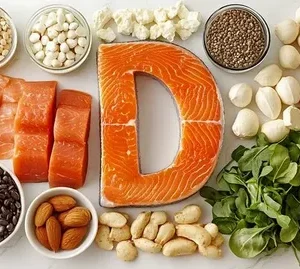
Most people are deficient, particularly in winter months. Vitamin D deficiency drives inflammatory disease. Supplement 2,000-4,000 IU daily, or test levels and adjust accordingly. Target 40-60 ng/mL.
Magnesium
This mineral is depleted in modern agriculture and essential for anti-inflammatory pathways. Supplement 300-400 mg daily, preferably in the evening (it promotes sleep).
Curcumin (Turmeric Extract)
While turmeric in food is beneficial, concentrated curcumin supplements (500-1,000 mg daily with black pepper) provide more potent anti-inflammatory effects.
Probiotics
Choose multi-strain formulas with at least 10 billion CFU. Rotate brands every few months to introduce diverse species.
Supplements complement dietary change; they don’t replace it. Food remains superior because it provides fiber, polyphenols, and nutrients that supplements can’t replicate.
Long-Term Success: Making This Sustainable
The anti-inflammatory diet isn’t a temporary fix; it’s a lifestyle. Here’s how to sustain it indefinitely.
Build Your Support System
- Find your community: Join online groups, cooking classes, or local meetups focused on whole-food eating
- Connect with like-minded people: Shared values make change easier
- Share recipes and experiences: Community accountability maintains motivation
Develop a Relationship with Food
Stop viewing food as morality (good foods vs. bad foods). Instead, see it as information. Every meal either reduces or increases inflammation. Make choices based on how you want to feel, not guilt or restriction.
Plan for Social Situations
Restaurant meals and social gatherings don’t derail progress. Before dining out, review menus and identify anti-inflammatory options. At parties, bring a dish you know you can eat. Most people respect dietary choices when explained simply.
Expect and Embrace Evolution
Your needs change. What works at 40 might need adjustment at 50. Stay curious. Continue learning. Work with practitioners who understand functional medicine and nutritional biochemistry.
Conclusion: Your Inflammation-Free Future Awaits
Chronic disease isn’t inevitable. It’s not a life sentence. It’s the result of accumulated inflammatory insults—choices made repeatedly over years. The beautiful part: you can reverse it.
An anti-inflammatory diet isn’t restrictive or complicated. It’s abundant, delicious, and scientifically proven to reverse chronic disease markers. You’re not just managing symptoms; you’re addressing root causes. You’re giving your body the tools it needs to heal.
Start today. Choose one anti-inflammatory food to add to your next meal. Then another. Build momentum gradually. Within weeks, you’ll feel different. Within months, your bloodwork will reflect it. Within a year, you’ll wonder why you didn’t start sooner.
Your body is remarkable. Given the right inputs, it heals itself. An anti-inflammatory diet provides those inputs. The question isn’t whether it works—research proves it does. The question is: are you ready to feel better?