
Your body’s insulin resistance isn’t a life sentence—it’s a wake-up call you can actually answer. Millions struggle with stubborn weight that refuses to budge, constant energy crashes, and the frustrating cycle of gaining back everything they lose. But here’s the truth nobody tells you: fixing your metabolism starts with understanding insulin resistance, and reversing it is far simpler than the diet industry wants you to believe.
Introduction: Why Insulin Resistance Is Sabotaging Your Weight Loss
You’ve probably heard the term “insulin resistance” thrown around in health conversations, but what does it actually mean for your body and your waistline?
Insulin resistance occurs when your cells stop responding properly to insulin, the hormone responsible for regulating blood sugar and storing energy. Instead of accepting glucose efficiently, your cells essentially ignore insulin’s signals. Your pancreas responds by pumping out more insulin, creating a vicious cycle that leaves you hungry, fatigued, and prone to weight gain—especially around the midsection.
The frustrating part? You can do everything “right” and still struggle. You exercise, you count calories, you avoid obvious junk food—yet the scale barely budges. This isn’t a willpower problem; it’s a metabolic problem. And metabolic problems require metabolic solutions.
The good news is that insulin resistance is reversible. Through strategic lifestyle changes, targeted nutrition, and proven metabolic hacks, you can restore your body’s insulin sensitivity, stabilize blood sugar, and finally achieve the sustainable weight loss that’s eluded you. Let’s explore 21 evidence-based strategies that actually work.
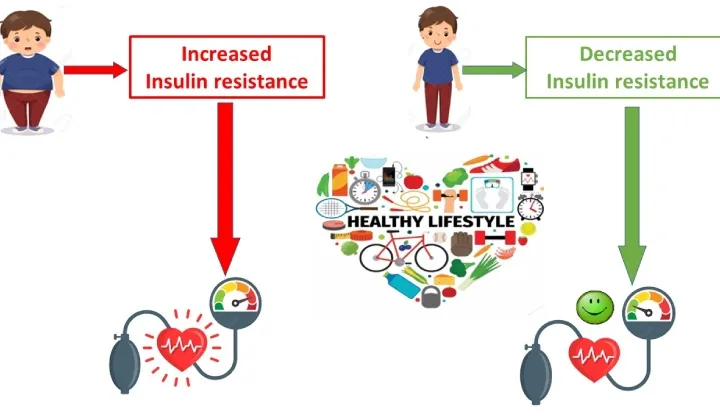
Section 1: Understanding Insulin Resistance and Metabolic Health
What Happens When Your Cells Stop Listening
Imagine your cells have a locked door, and insulin is the key. When everything works properly, insulin unlocks the door, glucose enters the cell, and energy production happens smoothly. With insulin resistance, the lock is jammed. Insulin keeps knocking, but nobody’s answering.
Your pancreas, sensing the problem, produces even more insulin—sometimes two, three, or even ten times the normal amount. This hyperinsulinemia (elevated insulin levels) triggers a cascade of metabolic dysfunction: increased fat storage, reduced fat burning, persistent hunger, and weight gain that feels impossible to control.
Research from the American Diabetes Association indicates that approximately 1 in 3 American adults have prediabetes or diabetes, with insulin resistance as the underlying mechanism. This isn’t just about blood sugar anymore—it’s a metabolic crisis affecting energy, hormones, inflammation, and body composition.
The Hidden Connection Between Insulin and Weight Gain
Here’s what mainstream diet culture gets wrong: you don’t gain weight simply because you eat too much. You gain weight because your hormones are dysregulated. Insulin resistance creates a hormonal environment that actively promotes fat storage and prevents fat burning.
When insulin levels are chronically elevated, your body shifts into “storage mode.” Fat cells become more receptive to storing energy, while muscle cells struggle to access glucose for fuel. Your brain’s appetite centers become less responsive to satiety signals, leaving you perpetually hungry despite adequate calorie intake. You’re fighting against your own biology.
The solution isn’t eating less—it’s eating smarter to restore insulin sensitivity and rebalance your metabolic hormones.
Section 2: Dietary Strategies to Reverse Insulin Resistance
Hack #1-3: Master Your Macronutrient Ratios
Prioritize Protein at Every Meal
Protein is your metabolic secret weapon. It requires more energy to digest than carbohydrates or fats, increases satiety, preserves muscle mass during weight loss, and doesn’t spike insulin the way refined carbs do. Aim for 25-40 grams of protein per meal from sources like eggs, fish, poultry, Greek yogurt, and legumes.
Choose Complex Carbohydrates Strategically
Not all carbs are created equal. Refined carbohydrates (white bread, pasta, sugary cereals) spike blood sugar rapidly, triggering excessive insulin release. Complex carbohydrates with high fiber content—oats, quinoa, sweet potatoes, legumes—digest slowly, providing steady glucose release and supporting insulin sensitivity. The fiber also feeds beneficial gut bacteria, which research shows plays a crucial role in metabolic health.
Include Healthy Fats Deliberately
Fat doesn’t make you fat; it stabilizes blood sugar and supports hormone production. Include omega-3 rich sources like salmon, sardines, and flaxseeds, along with monounsaturated fats from avocados, nuts, and olive oil. These fats reduce inflammation and improve insulin sensitivity at the cellular level.
Hack #4-5: Eliminate Metabolic Disruptors
Cut Out Liquid Calories and Hidden Sugars
Sugary drinks, flavored coffees, and seemingly “healthy” smoothies are insulin resistance accelerators. A single 20-ounce soda contains roughly 65 grams of sugar—more than your entire daily recommendation. These liquid calories bypass your satiety mechanisms, meaning your brain doesn’t register that you’ve consumed energy, so you keep eating.
Read labels obsessively. “Natural” sweeteners, agave nectar, and honey still spike insulin. Even whole fruit juice, despite its health halo, delivers concentrated sugar without the fiber that whole fruit provides.
Reduce Seed Oil Consumption
Vegetable oils, canola oil, and soybean oil are high in omega-6 polyunsaturated fats, which promote inflammation when consumed in excess. Chronic inflammation impairs insulin signaling at the cellular level. Replace these with coconut oil, avocado oil, or butter for cooking.
Hack #6-8: Implement Intermittent Fasting Strategically
Start with Time-Restricted Eating
Intermittent fasting (IF) gives your pancreas a break from constantly producing insulin. When you compress your eating window—say, eating only between noon and 8 PM—you naturally reduce overall calorie intake while allowing insulin levels to drop during fasting periods. This extended low-insulin state facilitates fat burning and improves insulin sensitivity.
Research published in Nutrients Journal shows that time-restricted eating improves insulin sensitivity markers within 4-8 weeks, even without significant weight loss.
Avoid Eating Before Bed
Your body’s insulin sensitivity is lowest in the evening. Eating a large meal before sleep causes blood sugar spikes that your body struggles to manage, leading to poor sleep quality and metabolic dysfunction. Finish eating at least 3 hours before bed.
Don’t Skip Breakfast If You’re Insulin Resistant
Contrary to popular IF trends, some people with severe insulin resistance benefit from a balanced breakfast. A protein-rich breakfast stabilizes blood sugar throughout the day, reduces afternoon cravings, and prevents the metabolic slowdown that skipping meals can trigger. Experiment to find what works for your body.
Hack #9-10: Optimize Meal Timing and Frequency
Eat Larger Meals, Fewer Times Daily
Frequent small meals keep insulin elevated throughout the day. Three balanced meals provide better metabolic results than six small snacks. Each eating occasion triggers insulin release; fewer eating occasions mean lower overall insulin exposure.
Front-Load Carbs Around Activity
Time your carbohydrate intake strategically. Eat complex carbs before and after workouts when your muscles are primed to absorb glucose without triggering excessive insulin. This approach provides energy for exercise while minimizing blood sugar disruption during sedentary periods.
Section 3: Movement and Exercise for Metabolic Restoration
Hack #11-13: Strategic Exercise Programming
Prioritize Resistance Training
Muscle tissue is metabolically active and insulin-sensitive. Every pound of muscle you build improves your body’s ability to manage glucose. Resistance training—whether weights, bodyweight exercises, or resistance bands—creates micro-tears in muscle fibers that require glucose for repair, pulling glucose from the bloodstream and improving insulin sensitivity.
Aim for 3-4 resistance training sessions weekly, targeting all major muscle groups. You don’t need hours in the gym; 30-40 minutes of focused resistance work produces significant metabolic benefits.
Incorporate High-Intensity Interval Training (HIIT)
HIIT workouts—brief bursts of maximum effort followed by recovery periods—create a powerful metabolic stimulus. These sessions deplete muscle glycogen stores, forcing your body to become more efficient at glucose utilization. A 15-20 minute HIIT session produces metabolic benefits comparable to 45 minutes of steady-state cardio.
Don’t Neglect Low-Intensity Movement
While HIIT and resistance training are powerful, don’t underestimate the metabolic benefits of consistent, low-intensity movement. Walking, swimming, cycling, and yoga reduce inflammation, improve circulation, and support insulin sensitivity without the cortisol elevation that excessive high-intensity training can trigger.
Hack #14: Movement Snacks Throughout the Day
Break Up Sedentary Time
Sitting for extended periods impairs insulin sensitivity, even if you exercise regularly. Every 30 minutes of sitting, stand and move for 2-3 minutes. This could be a short walk, bodyweight squats, or stretching. These movement snacks prevent blood sugar spikes and keep your metabolism active throughout the day.
Section 4: Sleep, Stress, and Hormonal Optimization
Hack #15-16: Master Sleep for Metabolic Health
Prioritize 7-9 Hours of Quality Sleep
Sleep deprivation is an underrated insulin resistance driver. Poor sleep increases cortisol (your stress hormone), which promotes insulin resistance and abdominal fat storage. It also impairs glucose metabolism and increases hunger hormones like ghrelin while suppressing satiety hormones like leptin.
Aim for 7-9 hours nightly. Establish a consistent sleep schedule, keep your bedroom cool and dark, and avoid screens 60 minutes before bed. The blue light from devices suppresses melatonin production, disrupting your natural sleep-wake cycle.
Optimize Your Sleep Environment
Temperature matters. Your body sleeps better in a cool environment (around 65-68°F). Invest in blackout curtains, remove electronic devices, and consider white noise if external sounds disrupt sleep. Quality sleep is non-negotiable for metabolic health.
Hack #17-18: Manage Stress and Cortisol
Implement Daily Stress-Reduction Practices
Chronic stress elevates cortisol, which directly impairs insulin signaling and promotes visceral fat accumulation. Meditation, deep breathing exercises, yoga, or simply spending time in nature reduces cortisol and improves insulin sensitivity.
Even 10 minutes daily of focused breathing—inhaling for 4 counts, holding for 4, exhaling for 4—activates your parasympathetic nervous system, counteracting the stress response.
Build Social Connections
Loneliness and social isolation increase cortisol and inflammation. Regular social interaction, whether with friends, family, or community groups, reduces stress hormones and supports metabolic health. This isn’t frivolous; it’s fundamental medicine.
Section 5: Supplementation and Micronutrient Optimization
Hack #19-21: Strategic Supplementation
Prioritize Chromium and Magnesium
Chromium enhances insulin signaling and improves glucose metabolism. Magnesium supports over 300 enzymatic reactions, including glucose regulation and insulin sensitivity. Many people are deficient in both. Consider supplementing with 200-400 mcg chromium daily and 300-400 mg magnesium (preferably magnesium glycinate for better absorption).
Consider Berberine for Powerful Metabolic Support
Berberine, an alkaloid compound found in various plants, activates AMPK—a cellular energy sensor that improves insulin sensitivity and glucose metabolism. Research shows berberine produces metabolic benefits comparable to metformin, the standard pharmaceutical treatment for insulin resistance. Typical dosing is 500 mg, three times daily with meals.
Explore Inositol for Hormonal Balance
Myo-inositol and D-chiro-inositol improve insulin sensitivity, particularly in women with PCOS (polycystic ovary syndrome). These compounds enhance insulin signaling at the cellular level. A typical dose is 2-4 grams daily of myo-inositol.
Comparison Table: Insulin Resistance Reversal Strategies
| Strategy | Mechanism | Timeline | Difficulty |
|---|---|---|---|
| Protein Prioritization | Reduces blood sugar spikes, increases satiety | 1-2 weeks | Easy |
| Intermittent Fasting | Lowers insulin levels, improves sensitivity | 2-4 weeks | Moderate |
| Resistance Training | Increases muscle glucose uptake | 4-8 weeks | Moderate |
| Sleep Optimization | Reduces cortisol, improves hormone balance | 1-2 weeks | Easy |
| HIIT Exercise | Depletes glycogen, improves glucose utilization | 2-3 weeks | Hard |
| Stress Management | Lowers cortisol, reduces inflammation | 1-3 weeks | Easy |
| Berberine Supplementation | Activates AMPK, improves insulin signaling | 4-12 weeks | Easy |
| Refined Carb Elimination | Stabilizes blood sugar, reduces insulin spikes | 1-2 weeks | Moderate |
Putting It All Together: Your 30-Day Metabolic Reset
Week 1: Foundation Building
Dietary Changes:
- Eliminate sugary drinks and replace with water, herbal tea, or black coffee
- Add 25-30g protein to each meal
- Remove seed oils; cook with coconut oil or butter instead
Movement:
- Add 30 minutes of walking daily
- Perform 2 resistance training sessions (full-body, 30 minutes each)
Sleep & Stress:
- Establish a consistent bedtime (7-9 hours nightly)
- Practice 10 minutes of daily breathing exercises
Week 2-3: Metabolic Acceleration
Dietary Changes:
- Implement time-restricted eating (12-hour eating window)
- Replace refined carbs with complex alternatives
- Add one HIIT session weekly
Movement:
- Increase to 3 resistance training sessions
- Add 2 HIIT workouts (15-20 minutes each)
- Maintain daily walking
Supplementation:
- Begin magnesium supplementation (300 mg before bed)
- Add chromium (200 mcg with meals)
Week 4: Optimization and Sustainability
Dietary Changes:
- Fine-tune macronutrient ratios based on energy levels and hunger cues
- Experiment with berberine supplementation if desired
Movement:
- Maintain 3-4 resistance sessions weekly
- Continue 2 HIIT sessions weekly
- Add low-intensity activities (yoga, swimming) for recovery
Monitoring:
- Track energy levels, hunger patterns, and body composition changes
- Assess sleep quality and stress levels
- Note any improvements in mental clarity or mood
Common Mistakes That Sabotage Your Progress
Mistake #1: Eating Too Little
Severe calorie restriction triggers metabolic adaptation and increases cortisol, worsening insulin resistance. You need adequate calories to support metabolic function. Focus on nutrient density rather than calorie counting.
Mistake #2: Doing Too Much Cardio
Excessive steady-state cardio elevates cortisol without providing the metabolic stimulus of resistance training or HIIT. Balance is essential.
Mistake #3: Ignoring Sleep
You can’t out-exercise poor sleep. Metabolic restoration happens during rest. Prioritize sleep above all else.
Mistake #4: Expecting Overnight Results
Insulin resistance developed over months or years. Reversal takes 8-12 weeks minimum. Trust the process and track non-scale victories like energy, mood, and how clothes fit.
Real-World Success: What to Expect
Most people implementing these strategies report noticeable changes within 2-3 weeks:
- Energy stabilization: No more 3 PM crashes or constant fatigue
- Reduced cravings: The constant hunger that characterized insulin resistance diminishes dramatically
- Improved mood: Stable blood sugar supports stable neurotransmitter production
- Better sleep: Normalized blood sugar improves sleep quality
- Visible changes: Within 4-8 weeks, most people notice improved body composition, particularly reduced abdominal bloating
The scale might not move dramatically at first—that’s normal. Your body is rebuilding metabolic function. But your energy, appearance, and how you feel will transform.
Your Action Plan: Starting Today
You don’t need to implement all 21 hacks simultaneously. Start with these three foundational changes:
- Add protein to every meal (breakfast, lunch, dinner)
- Eliminate sugary drinks (replace with water)
- Walk for 30 minutes daily
These three changes alone produce measurable improvements in insulin sensitivity within 2 weeks. Once these become automatic, layer in additional strategies.
Remember: insulin resistance is reversible. Your metabolism isn’t broken; it’s just been neglected. With strategic nutrition, purposeful movement, quality sleep, and stress management, you can restore your metabolic health and finally achieve sustainable weight loss.
The body you want isn’t hidden behind willpower—it’s waiting on the other side of metabolic restoration. Start today.
Key Takeaways
- Insulin resistance is a metabolic problem requiring metabolic solutions, not just calorie restriction
- Protein prioritization, strategic carbohydrate timing, and healthy fat inclusion form the nutritional foundation
- Resistance training and HIIT create powerful metabolic stimulus for improved glucose utilization
- Sleep and stress management are non-negotiable for hormonal balance and insulin sensitivity
- Strategic supplementation with chromium, magnesium, and berberine supports metabolic restoration
- Results appear within 2-4 weeks; significant metabolic transformation occurs within 8-12 weeks
- Consistency matters more than perfection; sustainable lifestyle changes produce lasting results