You’ve probably heard it a thousand times: “Feed a cold, starve a fever.” Or maybe someone told you that cracking your knuckles will give you arthritis. What if I told you that most of what you think you know about health is actually making things worse? Buckle up—because we’re about to debunk 18 medical myths that have been quietly sabotaging your wellbeing.
The Dangerous Truth Behind Common Health Misconceptions
Here’s the thing about medical myths: they spread like wildfire. Your grandmother believed them, your friends share them on social media, and somehow they’ve become so embedded in our culture that we don’t even question them anymore. But these aren’t harmless old wives’ tales—they’re actively harming people’s health decisions every single day.
The problem is that misinformation travels faster than the truth. A study published in medical journals shows that false health claims can influence millions of people before accurate information even gets a chance to catch up. We’re living in an age where everyone has access to the internet, yet we’re somehow more confused about our health than ever before. That’s because distinguishing between credible medical advice and popular misconceptions has become incredibly difficult.
What makes this even more troubling is that these myths often come from places of good intention. Someone cared enough to pass down the advice, but somewhere along the way, the facts got twisted. The result? People making critical health decisions based on information that’s not just wrong—it’s potentially dangerous.

Myth #1: You Only Use 10% of Your Brain
The Reality: This myth has persisted for over a century, and it’s completely false. You actually use virtually all of your brain, and most of your brain is almost always active—even during sleep.
Neuroimaging studies have consistently shown that even during sleep, all areas of the brain show some level of activity. The “10% myth” likely originated from a misinterpretation of early neuroscience research, but it’s stuck around because it sounds plausible. When you perform specific tasks, certain brain regions light up more than others, but that doesn’t mean the rest of your brain is dormant.
The truth is far more impressive: your brain contains roughly 86 billion neurons, and they’re constantly firing, processing information, and maintaining your body’s vital functions. Believing you only use 10% of your brain might make you feel like you have untapped potential, but it also gives people false hope that they can somehow “unlock” hidden brain power through dubious methods.
Myth #2: Cracking Your Knuckles Causes Arthritis
The Reality: Despite decades of warnings from concerned parents, cracking your knuckles does not cause arthritis. The popping sound comes from gas bubbles forming and collapsing in your synovial fluid—it’s harmless.
A famous study conducted by Dr. Donald Unger proved this by cracking the knuckles on only one hand for 60 years. At the end of the study, both hands were equally arthritis-free. While chronic knuckle cracking might cause some minor hand swelling or reduced grip strength over time, it has no connection to arthritis development.
The real causes of arthritis are genetic predisposition, age, previous injuries, and inflammatory conditions. So go ahead and crack away—your joints will thank you for the relief, even if your coworkers won’t thank you for the noise.
Myth #3: You Need to Drink 8 Glasses of Water Daily
The Reality: The “8×8 rule” (eight 8-ounce glasses per day) is arbitrary and not based on solid scientific evidence. Your actual water needs depend on your activity level, climate, diet, and individual metabolism.
This myth likely originated from a 1945 recommendation by the U.S. Food and Nutrition Board, which suggested that people need about 2.5 liters of water daily—but this included water from food. Somehow, this evolved into the rigid “8 glasses” rule that ignores individual variation entirely.
Here’s what actually matters: drink enough water so that you rarely feel thirsty and your urine is colorless or light yellow. If you eat plenty of fruits and vegetables, you’re already getting significant water intake from food. Athletes, pregnant women, and people in hot climates need more. Elderly individuals might need reminders to drink enough. The key is listening to your body’s signals rather than following an arbitrary number.
Myth #4: Sugar Makes Children Hyperactive
The Reality: Multiple scientific studies have found no direct link between sugar consumption and hyperactivity in children. The belief persists due to psychological expectation and the context in which sugary foods are typically consumed.
In controlled studies where children consumed sugar without knowing it, parents who thought their children had sugar reported more hyperactive behavior—even though the kids hadn’t actually consumed any. This is a classic example of how our expectations shape our perceptions. The hyperactivity parents observe at birthday parties and Halloween likely stems from excitement, overstimulation, and the social environment rather than the sugar itself.
That said, excessive sugar consumption is still harmful for children’s dental health, weight management, and metabolic development. But hyperactivity isn’t the culprit—poor nutrition and excessive calories are.
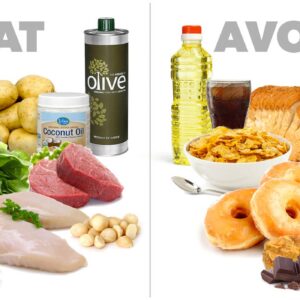
Myth #5: We Should Avoid All Fats
The Reality: Not all fats are created equal, and your body actually needs healthy fats to function properly. The “low-fat” craze of the 1980s and 90s was based on incomplete science and has been largely debunked.
Your brain is roughly 60% fat. Your cell membranes require fat. Your hormones are made from fat. Vitamin absorption depends on fat. Eliminating fat from your diet doesn’t just make food taste terrible—it actively harms your health.
The distinction matters enormously: trans fats and excessive saturated fats can increase heart disease risk, but monounsaturated and polyunsaturated fats (found in nuts, fish, avocados, and olive oil) actually protect your cardiovascular system. The Mediterranean diet, which is rich in healthy fats, consistently ranks as one of the healthiest eating patterns in the world.
Myth #6: Feed a Cold, Starve a Fever
The Reality: This advice is backwards and potentially dangerous. Whether you have a cold or fever, your body needs adequate nutrition and hydration to mount an effective immune response.
When you’re sick, your body is working overtime to fight infection. This requires energy, which comes from food. Starving yourself during a fever actually weakens your immune system’s ability to recover. What you should do is eat nutritious, easily digestible foods and drink plenty of fluids.
The origin of this myth is unclear, but some historians suggest it might be a misinterpretation of older medical advice. Regardless, modern medicine is unanimous: proper nutrition supports recovery from both colds and fevers.
Myth #7: Vaccines Cause Autism
The Reality: This is perhaps the most dangerous myth on this list. Numerous large-scale studies involving millions of children have found absolutely no link between vaccines and autism. The original study claiming this connection was fraudulent and has been retracted.
The damage caused by this myth has been catastrophic. Vaccine hesitancy has led to outbreaks of preventable diseases like measles, resulting in hospitalizations and deaths. The original researcher, Andrew Wakefield, lost his medical license, and his study was revealed to have been deliberately falsified.
Autism spectrum disorder begins in utero—before any vaccines are administered. The timing of autism diagnosis often coincides with vaccination schedules simply because that’s when children are being closely monitored by healthcare providers. This is correlation, not causation. Vaccines have saved millions of lives and remain one of medicine’s greatest achievements.
Myth #8: You Lose Most Body Heat Through Your Head
The Reality: You lose heat through your head proportional to the amount of exposed skin—roughly 10% of body heat, which matches the percentage of exposed skin on your head. There’s nothing special about head heat loss.
This myth gained traction from a flawed military study in the 1950s that didn’t account for the fact that soldiers were wearing insulated clothing on their bodies but had bare heads. Of course they lost more heat through their heads—it was the only exposed skin!
If you’re cold, cover up any exposed skin, including your head. But your head isn’t a special heat-loss portal. Your torso, legs, and arms lose heat too.
Myth #9: Alcohol Kills Brain Cells
The Reality: Moderate alcohol consumption doesn’t kill brain cells. However, heavy, chronic alcohol abuse can damage brain tissue and impair cognitive function through various mechanisms—but not by directly killing neurons.
The confusion likely stems from the fact that alcohol does affect brain function and can cause cognitive impairment, especially with heavy use. But there’s a difference between temporary impairment and permanent cell death. Moderate drinking (up to one drink daily for women, two for men) hasn’t been shown to cause brain cell death.
That said, excessive alcohol consumption absolutely damages the brain through inflammation, nutritional deficiencies, and oxidative stress. The key is moderation.
Myth #10: Reading in Dim Light Ruins Your Eyes
The Reality: Reading in poor lighting won’t permanently damage your eyes, though it may cause temporary eye strain and fatigue. Your eyes are remarkably resilient.
You might experience discomfort, headaches, or temporary blurred vision from reading in dim light, but these effects are reversible. Your eyes will return to normal once you stop straining them. However, consistently reading in inadequate lighting over years might contribute to myopia development in children whose eyes are still developing.
The best practice is simply to read in adequate lighting to avoid unnecessary strain and discomfort. Your future self will thank you.
Myth #11: You Can “Detox” Your Body With Special Cleanses
The Reality: Your body has built-in detoxification systems—your liver, kidneys, and digestive system—that work 24/7. You don’t need expensive cleanses, detox teas, or juice fasts to remove toxins.
This is one of the most profitable myths in wellness because companies have built billion-dollar industries around it. The truth is far less glamorous: your liver filters your blood, your kidneys remove waste, and your digestive system eliminates what your body doesn’t need. These systems work remarkably well without any special intervention.
“Toxins” is a vague term that companies use to sell products. If you want to support your body’s natural detoxification, the prescription is simple: drink water, eat whole foods, exercise, and get adequate sleep. That’s it. No special cleanse required.
Myth #12: Chocolate Causes Acne
The Reality: While chocolate isn’t a health food, there’s no direct scientific evidence that it causes acne. Acne is primarily caused by hormones, bacteria, and sebum production—not chocolate consumption.
Some studies suggest that high-glycemic foods (which cause rapid blood sugar spikes) might worsen acne in susceptible individuals, and chocolate does contain sugar. But chocolate itself isn’t the culprit. If you notice acne flares after eating chocolate, it might be the sugar content or the dairy (if it’s milk chocolate), not the cocoa.
Enjoy your dark chocolate guilt-free—just keep portions reasonable as part of a balanced diet.
Myth #13: Vitamin C Prevents Colds
The Reality: While vitamin C is essential for immune function, taking megadoses won’t prevent colds in most people. Regular supplementation shows minimal benefit for cold prevention in the general population.
Vitamin C does play a role in immune function, but more isn’t always better. Studies show that taking large doses of vitamin C supplements doesn’t significantly reduce cold incidence. However, for people under extreme physical stress (like marathon runners), vitamin C supplementation might provide modest benefits.
The best approach is maintaining adequate vitamin C intake through diet—citrus fruits, berries, and vegetables. Your body can only absorb so much vitamin C, and excess amounts are simply excreted.
Myth #14: Antibiotics Can Cure Viral Infections
The Reality: Antibiotics only work against bacteria, not viruses. Taking antibiotics for viral infections like colds or flu is ineffective and contributes to antibiotic resistance—a serious public health threat.
This misunderstanding has led to massive overuse of antibiotics, which has created antibiotic-resistant bacteria. These “superbugs” are increasingly difficult to treat and pose a genuine threat to modern medicine. When you take antibiotics unnecessarily, you’re not just wasting medication—you’re potentially contributing to a future where common infections become untreatable.
If you have a viral infection, treatment focuses on managing symptoms: rest, fluids, and time. Your immune system will handle the rest.
Myth #15: Eating Late at Night Causes Weight Gain
The Reality: Weight gain is determined by total calorie intake versus expenditure, not the time of day you eat. Your metabolism doesn’t significantly slow down at night.
This myth persists because people often eat more calories in the evening while being less active, leading to weight gain. But the timing isn’t the problem—the excess calories are. If you eat 2,000 calories at 6 PM or 2,000 calories at midnight, your body processes them similarly.
That said, eating close to bedtime might disrupt sleep quality for some people, which could indirectly affect weight management. But the mechanism is sleep disruption, not metabolic magic.
Myth #16: You Need to Stretch Before Exercise
The Reality: Static stretching before exercise can actually reduce performance and increase injury risk. Dynamic warm-ups are far more effective for preparing your body for activity.
The old advice to touch your toes before running has been largely abandoned by sports medicine professionals. Static stretching (holding a stretch) temporarily reduces muscle power and can increase injury risk if done before intense exercise. Instead, dynamic stretching—moving stretches that gradually increase range of motion—better prepares your muscles for activity.
Save static stretching for after your workout when your muscles are warm and you’re trying to improve flexibility.
Myth #17: MSG is Dangerous
The Reality: Monosodium glutamate (MSG) is a safe food additive that has been extensively studied. The “MSG sensitivity” phenomenon is largely psychological, with controlled studies showing no adverse effects in most people.
MSG is the sodium salt of glutamic acid, an amino acid naturally present in many foods including tomatoes, cheese, and mushrooms. It’s been used in food for over a century and has been deemed safe by regulatory agencies worldwide. The myth likely originated from a 1968 letter describing “Chinese Restaurant Syndrome,” which has never been scientifically validated.
If you experience symptoms after eating MSG-containing foods, it’s likely due to other factors like sodium content, heat, or psychological expectation rather than MSG itself.
Myth #18: Cracking Your Back Causes Arthritis
The Reality: Similar to knuckle cracking, back cracking doesn’t cause arthritis. The popping sound comes from gas bubbles in your spinal joints, and occasional cracking is harmless.
However, there’s an important caveat: if you’re experiencing chronic back pain that makes you want to constantly crack your back, that’s a sign something needs attention. Habitual back cracking might indicate underlying joint instability or muscle weakness that should be addressed with proper exercise and possibly professional help.
Occasional back cracking? Harmless. Chronic back pain requiring constant cracking? Time to see a healthcare provider.
Comparison Table: Medical Myths vs. Reality
| Myth | What People Believe | The Reality | Why It Matters |
|---|---|---|---|
| 10% Brain Usage | You only use 10% of your brain | You use virtually all of your brain constantly | Prevents false hope in pseudoscientific brain-training products |
| Knuckle Cracking | Causes arthritis | Harmless; caused by gas bubbles | Reduces unnecessary anxiety about normal joint sounds |
| 8 Glasses Water | Must drink exactly 8 glasses daily | Individual needs vary based on activity and climate | Prevents over-hydration and unnecessary water consumption |
| Sugar Hyperactivity | Sugar makes kids hyperactive | No direct link; context and expectation matter | Allows parents to focus on actual behavioral causes |
| Fat Avoidance | All fats are bad | Healthy fats are essential for health | Promotes balanced nutrition and cardiovascular health |
| Feed Cold/Starve Fever | Starve yourself when sick | Proper nutrition supports immune recovery | Ensures faster recovery from illness |
| Vaccines Autism | Vaccines cause autism | No link; original study was fraudulent | Protects public health through vaccination |
| Head Heat Loss | Lose most body heat through head | Heat loss proportional to exposed skin | Prevents unnecessary focus on head coverage |
| Alcohol Brain Cells | Alcohol kills brain cells | Moderate use doesn’t; heavy use damages tissue | Allows informed decisions about alcohol consumption |
| Dim Light Eyes | Reading in dim light ruins eyes | Causes temporary strain, not permanent damage | Reduces unnecessary anxiety about vision |
Why Medical Myths Spread So Easily
Understanding how myths propagate is crucial for protecting yourself from misinformation. Medical myths spread through several mechanisms:
Repetition and Authority: When respected figures repeat false information, it gains credibility. Your doctor’s opinion carries weight, so if one healthcare provider shares misinformation, it can spread rapidly.
Confirmation Bias: We tend to believe information that confirms our existing beliefs and dismiss contradictory evidence. If you already believe sugar causes hyperactivity, you’ll notice instances that confirm this while ignoring contradictory evidence.
Emotional Resonance: Myths that trigger fear or hope spread faster than neutral information. “Vaccines cause autism” triggers parental fear. “Detox cleanses remove toxins” offers false hope. Emotionally charged misinformation travels faster than boring truth.
Internet Amplification: Social media algorithms prioritize engaging content, and alarming health claims are incredibly engaging. A carefully researched article debunking myths gets fewer shares than a sensational claim.
How to Identify Medical Misinformation
Protecting your health requires developing misinformation detection skills. Here are key red flags:
Extraordinary Claims Without Evidence: If someone claims a simple solution cures multiple diseases, be skeptical. Real medicine is usually more nuanced.
Appeals to Nature: “Natural” doesn’t mean safe or effective. Arsenic is natural. Hemlock is natural. Effectiveness matters more than origin.
Attacking the Establishment: While healthy skepticism of institutions is warranted, blanket dismissal of medical consensus should raise concerns. Medical consensus exists because evidence supports it.
Cherry-Picked Studies: Misinformation often cites one study while ignoring hundreds of contradictory studies. Look for systematic reviews and meta-analyses that synthesize large bodies of research.
Selling Something: Follow the money. If someone profits from promoting a belief, that’s a conflict of interest worth noting.
The Importance of Evidence-Based Medicine
Evidence-based medicine represents humanity’s best attempt to understand what actually works. It’s not perfect, and medicine evolves as new evidence emerges. But it’s infinitely better than relying on myths, anecdotes, and wishful thinking.
The scientific method isn’t a conspiracy—it’s a system designed to minimize bias and identify truth. When thousands of independent researchers across different countries reach similar conclusions, that’s compelling evidence.
Your health is too important to leave to myths. Seek information from credible sources: peer-reviewed journals, major medical organizations, and healthcare providers with relevant expertise. When you encounter health claims, ask yourself: What’s the evidence? Who benefits from this claim? Does this align with established medical knowledge?
Moving Forward: Making Informed Health Decisions
Breaking free from medical myths requires intentional effort. Start by questioning assumptions you’ve held for years. Just because your grandmother believed something doesn’t make it true. Just because it’s popular doesn’t make it accurate.
When you encounter health information, pause before sharing it. Check the source. Look for supporting evidence. Consider alternative explanations. This critical thinking approach protects not just your health but also your friends’ and family’s health.
Remember: your body is remarkably resilient and self-healing when given proper support. That support comes from evidence-based practices: balanced nutrition, regular movement, adequate sleep, stress management, and preventive healthcare. These aren’t sexy or profitable, which is why they don’t generate headlines. But they work.
The next time someone shares a health myth with you, you’ll know better. You’ll understand the reality behind the claim. And you’ll have the knowledge to make decisions that actually protect your health rather than harm it.
Key Takeaways
- Medical myths persist despite contradictory evidence due to repetition, emotional resonance, and confirmation bias
- Your body has built-in systems for health maintenance that work better than any “detox” product
- Timing and context matter more than specific foods for most health outcomes
- Evidence-based medicine evolves as new research emerges, but consensus exists for good reasons
- Critical thinking about health claims protects you from misinformation that could harm your wellbeing