Gut Health Revolution: 7 Practical Steps to Transform Your Microbiome and Reclaim Your Health
Your gut bacteria are literally running the show—and most of us have no idea. These microscopic powerhouses influence everything from your immune system to your brain function, yet we treat them like enemies. The truth? The diseases plaguing modern society aren’t inevitable. They’re lifestyle choices. And the good news is that you can start fixing your gut today with practical, science-backed strategies that don’t require a medical degree to understand or implement.
Introduction: Why Your Gut Bacteria Matter More Than You Think
Let’s be honest—when was the last time you thought about your microbiome? For most people, the answer is never. We obsess over calories, count macros, and stress about exercise routines, yet we completely ignore the 37 trillion bacteria living in our bodies that control our health destiny.
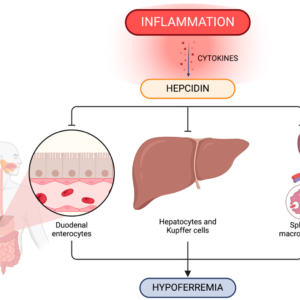
Here’s the uncomfortable truth: chronic diseases like type 2 diabetes, heart disease, obesity, and Alzheimer’s aren’t genetic inevitabilities. They’re the direct result of how we’ve chosen to live. The industrialization of our food system, our obsession with antibacterial everything, and our disconnection from nature have created a perfect storm for gut dysbiosis—an imbalance in our bacterial communities that triggers inflammation throughout our entire body.
The question isn’t whether you can change this. The question is whether you’re willing to. Because the path to a disease-free life at 98, peacefully walking down the street, isn’t complicated. It just requires commitment to seven fundamental lifestyle shifts that work with your biology instead of against it.
Section 1: Fasting—Starving the Bad Guys While Feeding the Good Ones
How Fasting Rewires Your Bacterial Ecosystem
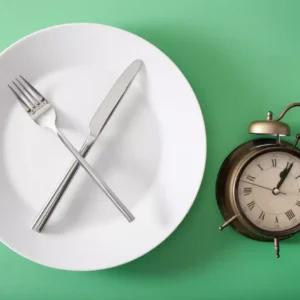
When you fast, something remarkable happens inside your gut. The pathogenic bacteria—the “bad guys”—have nothing to eat. Since their half-life is incredibly short, they literally starve to death. Their population crashes dramatically.
Meanwhile, your body performs an elegant biological trick: it produces chemicals specifically designed to feed your beneficial bacteria, keeping their populations thriving. It’s not just about eating less. It’s about creating an environment where the bacteria you want to keep actually flourish.
The Science Behind Fasting’s Microbiome Magic
The benefits of fasting extend far beyond bacterial population shifts. When you fast, your butyric acid levels increase, your ketone production rises, and your brain experiences neuroplasticity improvements. Your biochemistry fundamentally changes, and this cascade of changes directly reshapes your gut flora composition.
Look at hibernating animals. During their fasting state, their microbiome undergoes massive transformation. Even more compelling: patients who undergo gastric bypass surgery experience dramatic health reversals—not primarily because they eat less, but because their microbiome changes so drastically. Diabetes reverses. Obesity disappears. The microbiome shift is the primary driver of these transformations.
Time-Restricted Eating: Respecting Your Bacterial Circadian Rhythm
Here’s something most people don’t realize: your microbiome has its own circadian pattern. When you eat every two hours, you’re essentially showing zero respect for this biological rhythm. Your bacteria get stressed. They become dysbiotic. You end up with the wrong bacterial species dominating your gut.
Through evolution, your body wasn’t designed to process food every few hours. Your microbiome needs fasting windows. Time-restricted feeding—eating within a specific window, typically 8 hours—allows your bacterial communities to follow their natural rhythms. The research is conclusive: people who practice time-restricted eating have fundamentally different (and healthier) microbiome compositions than constant grazers.
Section 2: Whole Foods and Fiber—Feeding Your Bacteria What They Actually Need
The Processed Food Trap: Why Refined Foods Destroy Your Gut
Most people think fiber is just for digestion. Wrong. Fiber is bacterial food. When you eat processed foods—especially refined carbohydrates and sugar—you’re not feeding yourself. You’re feeding the pathogenic bacteria in your gut.
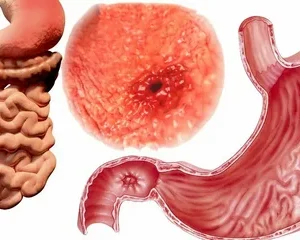
Here’s the problem: refined carbohydrates get absorbed high up in your small intestine. Nothing reaches your colon. Your beneficial bacteria starve while the bad bacteria feast on the sugar you’ve consumed. Worse, this creates conditions for small intestinal bacterial overgrowth (SIBO), where pathogenic bacteria migrate to your small intestine and wreak havoc.
The statistics are staggering: approximately 61% of obese patients have SIBO. These bacteria cause gas, bloating, malabsorption, and systemic inflammation. And it all traces back to eating processed foods instead of whole foods.
Whole Foods: The Foundation of Microbial Diversity
The pattern is unmistakable when you examine the world’s healthiest populations. The Blue Zones—regions where people routinely live past 100 in excellent health—share one characteristic: they eat whole foods. Not low-carb. Not high-protein. Just real, unprocessed foods.
The Inuit populations, for example, didn’t eat much fiber, but what little fiber they consumed fostered the growth of beneficial bacteria. The Mediterranean populations ate abundant whole grains, legumes, and vegetables. The common thread? Everything was whole food. This introduces the right bacterial species and creates the microbial diversity your immune system desperately needs.
Building Your Fiber Strategy
Focus on variety:
- Eat different colored vegetables daily
- Include legumes (beans, lentils, chickpeas)
- Choose whole grains over refined versions
- Add nuts and seeds to meals
- Consume seasonal fruits
The diversity of fiber types creates diversity in your bacterial communities. Different bacteria prefer different fiber sources. When you eat a variety, you’re essentially cultivating a thriving microbial garden.
Section 3: Fermented Foods and Strategic Supplements—Direct Bacterial Reinforcement
Fermented Foods: Live Bacteria You Can Eat
I recommend every patient consume fermented foods daily. These aren’t optional. They’re fundamental.
Your fermented food arsenal:
| Fermented Food | Bacterial Benefits | Best Time to Consume |
|---|---|---|
| Sauerkraut | Lactobacillus, Leuconostoc | With lunch or dinner |
| Kimchi | Lactobacillus, Weissella | With any meal |
| Kefir | 10-60+ bacterial strains | Morning or evening |
| Natto | Bacillus subtilis, high vitamin K2 | Morning with rice |
| Yogurt | Lactobacillus, Bifidobacterium | As snack or breakfast |
| Miso | Bacillus, Lactobacillus | In soups or dressings |
Kefir deserves special mention. Unlike yogurt, kefir actually reaches your colon intact, delivering live bacteria where they’re needed most. The bacterial diversity in quality kefir is remarkable—far superior to most supplements.
Strategic Supplementation for Severe Cases
For patients with significant dysbiosis, supplements bridge the gap:
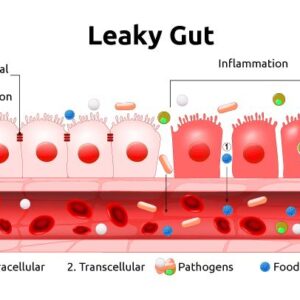
Omega-3 supplementation: Omega-3 fatty acids stimulate intestinal alkaline phosphatase, an enzyme that literally heals your gut lining. Less leaky gut means less systemic inflammation.
Prebiotics (especially inulin): These are fiber supplements that feed your beneficial bacteria. I prefer inulin because it specifically feeds Bifidobacterium and Faecalibacterium—two of your most important bacterial allies. Prebiotics essentially give your good bacteria a competitive advantage over pathogens.
Section 4: Eliminate the Enemies—What to Stop Eating Today
Processed Oils: Nature’s Warning Sign
If an oil was made in a factory, it’s suspicious. Period.
Processed oils contain omega-6 and omega-9 in ratios that don’t exist in nature. Your bacteria evolved eating foods as nature packaged them. When you consume factory-processed oils, you’re introducing something your microbiome has never encountered. Your bacteria don’t know how to handle it.
Even olive oil—celebrated as healthy—isn’t purely monounsaturated as most people believe. It contains polyunsaturated fats, monounsaturated fats, and saturated fats in specific proportions. Nature got the balance right. Factories don’t.
The Emulsifier Problem: Unnatural Oil-Water Mixing
Emulsifiers do something your gut was never designed to handle: they force oil and water to mix. Naturally, they separate. Emulsifiers prevent this separation, and in doing so, they damage your gut lining. They’re in countless processed foods—from salad dressings to baked goods—and they’re silently destroying your intestinal barrier.
Sugar and High-Fructose Corn Syrup: Feeding the Enemy
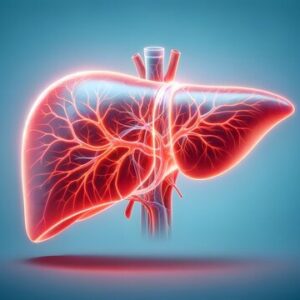
Sugar is processed food. It’s taken by pathogenic bacteria in your gut and converted into inflammatory compounds. High-fructose corn syrup is particularly devastating—its metabolism is nearly identical to alcohol. You might as well give your kids a drink. The result? Fatty liver disease in children, which inevitably leads to liver failure.
Preservatives and Artificial Sweeteners: Chemical Warfare on Your Microbiome
These chemicals were designed for one purpose: shelf life. Convenience. They accomplish this by being antimicrobial—they kill bacteria. But they don’t discriminate. They kill the good bacteria too. You’re essentially poisoning your microbiome every time you consume them.
Section 5: Sleep, Stress, and Movement—The Lifestyle Pillars
Sleep: The Non-Negotiable Repair Window
Your bacteria need sleep. They have circadian patterns just like you do. One night of poor sleep increases lipopolysaccharide (LPS) levels in your bloodstream—a marker of leaky gut and systemic inflammation.
Bad sleep increases sympathetic nervous system activity, which directly increases intestinal permeability. Your gut lining becomes compromised. Inflammation spreads throughout your body.
Sleep requirements for optimal gut health:
- 7+ hours nightly for adults
- Consistent sleep schedule (even weekends)
- No blue light 1-2 hours before bed
- Cool, dark sleeping environment
- Address sleep apnea immediately if present
Sleep apnea deserves special attention. It’s increasingly common in children due to mouth breathing caused by nasal inflammation—inflammation triggered by leaky guts. This creates a vicious cycle: dysbiosis causes inflammation, inflammation causes nasal congestion, nasal congestion causes mouth breathing, mouth breathing worsens inflammation. Break this cycle by fixing your gut and addressing nasal issues.
Stress Management: Preventing the Inflammatory Cascade
One stressful day floods your body with LPS. Chronic stress creates chronic inflammation. Your gut becomes progressively leakier.
Stress management strategies:
- Meditation (even 10 minutes daily)
- Time in nature (biophilia)
- Breathing exercises
- Yoga or tai chi
- Regular social connection
Biophilia deserves emphasis. When you walk in mountains, forests, meadows, or parks, you’re not just getting fresh air. You’re breathing in millions of bacteria with every breath. One drop of ocean water contains one million bacteria. This environmental exposure creates microbial diversity your body desperately needs. Your immune system strengthens. Your microbiome becomes more resilient.
Exercise: Hormesis and Bacterial Adaptation
Exercise changes your gut bacteria because it’s a form of hormesis—controlled stress that makes your body stronger. When you exercise, your body recognizes environmental change. It anticipates new challenges. It prepares by improving your immune system and reshaping your microbiome.
Exercise also produces butyrate, a short-chain fatty acid that improves blood vessel function and is anti-atherosclerotic. The cardiovascular benefits of exercise aren’t just about fitness. They’re about biochemical transformation at the bacterial level.
Optimal exercise strategy:
- 150 minutes moderate aerobic activity weekly
- 2+ days resistance training
- Regular nature-based movement (hiking, outdoor walking)
- Sauna 3-4 times weekly if possible (reduces cardiac death by 50%+)
Section 6: Allergy Testing and Personalization—When to Get Professional Help
True Gluten Sensitivity vs. Processed Food Problems
Many people claim gluten sensitivity, but research suggests the problem is often overstated. Many “gluten-sensitive” people feel better simply because they stop eating processed foods—which happen to contain gluten.
If you suspect gluten sensitivity, get tested. Blood tests for celiac disease and gluten sensitivity are reliable and clear. Don’t guess. Don’t self-diagnose. Test, then eliminate strategically.
The elimination protocol:
- Get proper testing first
- Eliminate one food group for 2-3 weeks
- Track symptoms carefully
- Reintroduce and observe
- Work with a functional medicine provider
Most people discover their “allergies” were actually just poor food choices. Real allergies are less common than the gluten-free industry suggests.
Section 7: Practical Implementation—Your 30-Day Gut Reset
Week 1: Foundation Building
Start here:
- Implement 12-16 hour daily fasting window
- Eliminate processed oils completely
- Add one fermented food daily
- Commit to 7+ hours sleep
- Begin 10-minute daily meditation
Don’t change everything simultaneously. Your body needs time to adapt. Your microbiome needs time to rebalance.
Week 2: Fiber Expansion
Add these elements:
- Increase whole food variety (aim for 30+ different plant foods weekly)
- Add prebiotic supplement (inulin) if needed
- Include omega-3 supplementation
- Begin regular exercise (start with 20-minute walks)
- Eliminate one processed food category
Week 3: Stress and Sleep Optimization
Deepen your practice:
- Extend meditation to 15-20 minutes
- Spend time in nature 3+ times weekly
- Optimize sleep environment completely
- Address any sleep apnea symptoms
- Eliminate remaining processed foods
Week 4: Personalization and Refinement
Fine-tune your approach:
- Get allergy testing if needed
- Adjust fasting window based on energy levels
- Experiment with different fermented foods
- Establish sustainable exercise routine
- Plan for long-term adherence
The Choice Is Yours: Chronic Disease or Vibrant Longevity
This is the fundamental decision everyone faces. Do you want the diseases of modern man—diabetes, heart disease, obesity, Alzheimer’s, autoimmune conditions? Or do you want to die at 98, peacefully walking down the street, with no chronic illness, no disability, no cognitive decline?
These aren’t genetic destinies. They’re lifestyle choices. And the lifestyle that prevents them isn’t complicated. It’s not expensive. It’s not trendy. It’s simply alignment with how your body evolved to function.
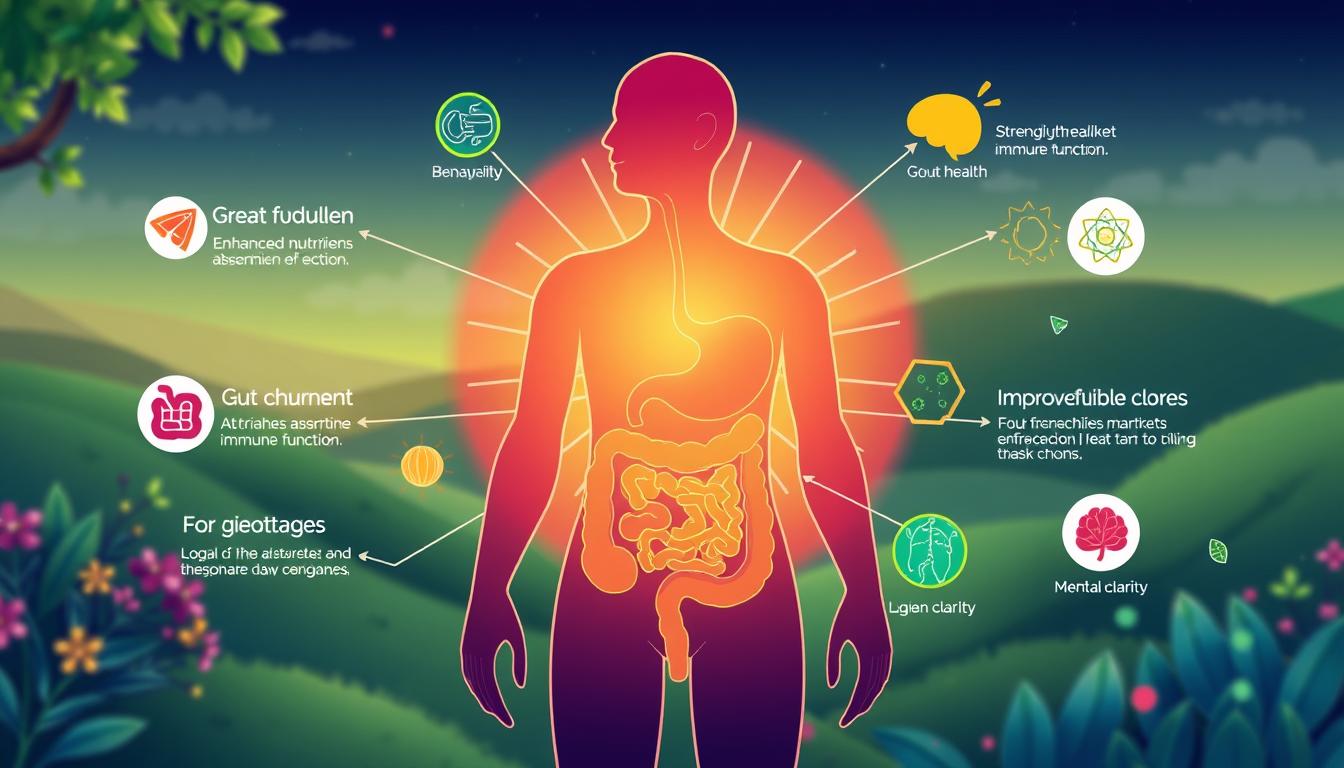
Your microbiome is the control center. Fix it, and everything else improves. Your immune system strengthens. Your inflammation decreases. Your brain function sharpens. Your energy soars. Your weight normalizes. Your diseases reverse.
The bacteria in your gut aren’t your enemies. They’re your allies. They’ve been with humanity for millennia. We’ve only recently declared war on them through antibiotics, antimicrobials, processed foods, and disconnection from nature. It’s time to make peace.
Start today. Pick one change. Implement it for a week. Then add another. Your future self—the one at 98, healthy and vibrant—is waiting for you to make this decision.
Meta Information
Meta Description: Discover 7 science-backed strategies to transform your gut microbiome, eliminate chronic disease, and achieve vibrant health. Practical steps you can implement today.
Focus Keywords: gut health, microbiome, gut bacteria, fasting, whole foods, fermented foods, inflammation, leaky gut, dysbiosis, chronic disease prevention
URL: /gut-health-revolution-7-steps-transform-microbiome
Tags: #GutHealth #Microbiome #FunctionalMedicine #ChronicDiseaseReversal #WellnessLifestyle #NutritionScience #HealthOptimization