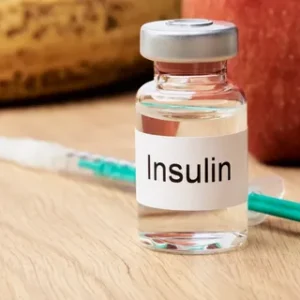
Your body’s cells are ignoring insulin’s knock on the door—and you might not even know it’s happening. Insulin resistance silently creeps up on millions of people, turning what should be a smooth metabolic process into a sluggish, energy-draining nightmare. But here’s the good news: you can reverse it, and you don’t need expensive medications or extreme interventions to do it.
Introduction: Understanding the Insulin Resistance Crisis
Insulin resistance has become the metabolic elephant in the room that nobody wants to talk about. According to recent research, approximately one in three American adults has insulin resistance, yet most don’t realize they have it until serious complications develop. This condition is like having a locked door between your bloodstream and your cells—glucose keeps knocking, but nobody’s answering.
The frustrating part? Insulin resistance doesn’t announce itself with dramatic symptoms. Instead, it whispers through unexplained weight gain, afternoon energy crashes, brain fog, and cravings that feel impossible to control. Many people spend years fighting these symptoms without understanding the root cause lurking beneath the surface.
The encouraging news is that leading endocrinologists and metabolic health experts agree: you can reverse insulin resistance naturally. This isn’t wishful thinking or internet mythology. It’s backed by peer-reviewed research, clinical observations, and thousands of real people who’ve successfully restored their metabolic health. The seven steps outlined in this guide represent the most evidence-based, practical approaches doctors recommend to their patients.
 +
+
Section 1: What Insulin Resistance Actually Is (And Why It Matters)
Understanding Your Body’s Communication System
Think of insulin as your body’s delivery driver. When you eat carbohydrates, your pancreas produces insulin to transport glucose from your bloodstream into your cells, where it gets converted into energy. This system works beautifully—until it doesn’t.
Insulin resistance develops when your cells become less responsive to insulin’s signal. Your pancreas responds by producing more insulin, trying harder to deliver the same message. Eventually, your blood sugar remains elevated, and your pancreas becomes exhausted from overworking. This is when the real problems begin.
Why Insulin Resistance Develops
Several factors contribute to insulin resistance developing over time:
- Chronic inflammation from processed foods and sedentary lifestyles
- Excessive refined carbohydrate consumption that spikes blood sugar repeatedly
- Inadequate physical activity that reduces glucose uptake by muscles
- Poor sleep quality that disrupts hormonal regulation
- Chronic stress that elevates cortisol and blood sugar
- Excess visceral fat that promotes inflammatory compounds
The cascade typically starts innocently enough. You eat more processed foods. Your blood sugar spikes. Your pancreas releases insulin. Your cells become slightly less responsive. Your pancreas compensates by releasing more insulin. Over months and years, this pattern deepens until insulin resistance becomes entrenched.
The Real Consequences
Insulin resistance isn’t just about blood sugar management. It’s a metabolic domino effect that influences virtually every system in your body:
- Weight gain, particularly around the abdomen
- Increased risk of type 2 diabetes
- Higher cardiovascular disease risk
- Hormonal imbalances affecting fertility and mood
- Accelerated aging at the cellular level
- Cognitive decline and increased dementia risk
Understanding these connections transforms how you approach treatment. You’re not just managing blood sugar—you’re restoring fundamental metabolic health.
Section 2: Step 1 & 2 – Dietary Foundation: Eliminate Refined Carbs and Prioritize Protein
Step 1: Remove Refined Carbohydrates From Your Diet
The most impactful dietary change for reversing insulin resistance is eliminating refined carbohydrates. This isn’t about going keto or adopting extreme restrictions. It’s about removing the foods that consistently spike your blood sugar and exhaust your pancreas.
Refined carbohydrates—white bread, pastries, sugary cereals, sodas, and processed snacks—enter your bloodstream rapidly, causing sharp glucose spikes. Each spike triggers an insulin response. Over time, your cells adapt by becoming less sensitive to insulin’s signal. It’s like repeatedly shouting at someone; eventually, they stop hearing you.
Foods to eliminate:
- White bread and refined grains
- Sugary beverages and energy drinks
- Pastries, cookies, and desserts
- Breakfast cereals with added sugar
- Instant oatmeal and flavored packets
- Most packaged snack foods
- Fruit juices and smoothies with added sugar
Replace these with whole food alternatives that provide sustained energy without blood sugar spikes.
Step 2: Prioritize Protein at Every Meal
Protein is your metabolic secret weapon for reversing insulin resistance. When you consume protein, your body requires more energy to digest it (thermic effect), and protein doesn’t trigger the same insulin response as carbohydrates. Additionally, protein promotes satiety, reducing overall calorie consumption and supporting weight loss.
Dr. David Ludwig, a leading researcher in metabolic health, emphasizes that protein intake should be a cornerstone of any insulin resistance reversal strategy. Aim for 25-35 grams of protein at each meal.
Optimal protein sources:
- Wild-caught fatty fish (salmon, sardines, mackerel)
- Grass-fed beef and pasture-raised poultry
- Eggs from pasture-raised hens
- Legumes and beans (in moderation)
- Greek yogurt and cottage cheese
- Nuts and seeds
- Plant-based proteins like tofu and tempeh
The combination of eliminating refined carbs while increasing protein creates a powerful metabolic shift. Your blood sugar stabilizes, your pancreas produces less insulin, and your cells gradually become more responsive to insulin’s signal again.
Section 3: Step 3 & 4 – Nutritional Strategy: Fiber and Healthy Fats
Step 3: Increase Soluble Fiber Intake
Soluble fiber acts like a metabolic traffic controller, slowing glucose absorption into your bloodstream. When glucose enters slowly and steadily, your pancreas doesn’t need to release massive amounts of insulin. This gentle approach gives your cells a chance to respond appropriately.
Research published in the American Journal of Clinical Nutrition demonstrates that people consuming adequate soluble fiber show significantly improved insulin sensitivity within 8-12 weeks. The mechanism is straightforward: fiber creates a viscous barrier in your digestive tract, preventing rapid glucose absorption.
Excellent soluble fiber sources:
- Oats and barley
- Beans and lentils
- Apples and berries
- Avocados
- Brussels sprouts and broccoli
- Ground flaxseed
- Chia seeds
- Sweet potatoes
Start gradually with fiber intake, increasing by 5 grams per week to avoid digestive discomfort. Aim for 25-35 grams daily from whole food sources.
Step 4: Incorporate Healthy Fats Strategically
Healthy fats have been unfairly demonized, but they’re essential for reversing insulin resistance. Fat slows gastric emptying, meaning food stays in your stomach longer, providing sustained energy and preventing blood sugar spikes. Additionally, certain fats reduce inflammation, which is a root cause of insulin resistance.
The key distinction is between healthy and unhealthy fats. Trans fats and excessive omega-6 polyunsaturated fats promote inflammation and worsen insulin resistance. Conversely, monounsaturated fats and omega-3 fatty acids improve metabolic health.
Healthy fat sources to emphasize:
- Extra virgin olive oil
- Avocado and avocado oil
- Nuts and seeds
- Fatty fish rich in omega-3s
- Coconut oil (in moderation)
- Grass-fed butter and ghee
Aim for 25-35% of your daily calories from healthy fats. This isn’t permission to eat unlimited amounts—portion control still matters—but it’s recognition that fat is an essential macronutrient for metabolic health.
Section 4: Step 5 & 6 – Movement and Sleep: The Often-Overlooked Pillars
Step 5: Exercise Strategically to Improve Insulin Sensitivity
Exercise is perhaps the most underrated tool for reversing insulin resistance. When your muscles contract, they pull glucose directly from your bloodstream without requiring insulin. This mechanism bypasses the insulin resistance problem entirely, giving your pancreas a break while improving your cells’ glucose utilization.
Different exercise types offer distinct benefits:
Resistance training builds muscle mass, which acts as a glucose sink. More muscle means more places for glucose to go, reducing blood sugar levels. Aim for 2-3 sessions weekly, targeting major muscle groups.
High-intensity interval training (HIIT) creates a metabolic afterburn effect, improving insulin sensitivity for hours post-exercise. Just 15-20 minutes of HIIT twice weekly produces measurable improvements.
Steady-state aerobic exercise like brisk walking, cycling, or swimming improves cardiovascular health and supports weight loss, both crucial for insulin resistance reversal.
The ideal approach combines all three modalities:
- 150 minutes of moderate aerobic activity weekly
- 2-3 resistance training sessions weekly
- 1-2 HIIT sessions weekly
- Daily movement like walking
Even without formal exercise, increasing daily movement helps. Taking stairs, parking farther away, standing during phone calls—these small actions accumulate, improving insulin sensitivity throughout the day.
Step 6: Optimize Sleep for Metabolic Recovery
Sleep deprivation is an insulin resistance accelerant. When you sleep poorly, your cortisol (stress hormone) remains elevated, promoting blood sugar dysregulation and insulin resistance. Additionally, sleep loss impairs your body’s ability to regulate appetite hormones, leading to increased food consumption and weight gain.
Research from the University of Chicago demonstrates that just four nights of poor sleep reduces insulin sensitivity by 30%. Conversely, improving sleep quality reverses this damage within days.
Sleep optimization strategies:
- Maintain consistent sleep-wake times, even on weekends
- Create a cool, dark sleeping environment (65-68°F is ideal)
- Eliminate screens 60 minutes before bed
- Avoid caffeine after 2 PM
- Limit alcohol, which disrupts sleep architecture
- Practice relaxation techniques like deep breathing or meditation
- Expose yourself to morning sunlight to regulate circadian rhythms
Aim for 7-9 hours of quality sleep nightly. This isn’t luxury—it’s essential medicine for metabolic health.
Section 5: Step 7 – Stress Management and Lifestyle Integration
Step 7: Master Stress Management and Hormonal Balance
Chronic stress is an invisible saboteur of metabolic health. When you’re stressed, your body releases cortisol, which increases blood sugar and promotes insulin resistance as an evolutionary survival mechanism. In modern life, this stress response activates repeatedly throughout the day, keeping your cortisol chronically elevated.
Stress management isn’t optional for insulin resistance reversal—it’s foundational.
Evidence-based stress reduction techniques:
- Meditation and mindfulness: Even 10 minutes daily reduces cortisol and improves insulin sensitivity
- Deep breathing exercises: Activates your parasympathetic nervous system, counteracting stress responses
- Yoga: Combines movement with stress reduction, offering dual benefits
- Time in nature: Exposure to natural environments reduces cortisol within minutes
- Social connection: Meaningful relationships buffer against stress effects
- Hobbies and creative pursuits: Activities you enjoy reduce stress hormones
- Journaling: Processing emotions through writing reduces cortisol
Additionally, consider your overall lifestyle:
- Reduce screen time and social media consumption, which promote anxiety
- Establish boundaries around work to prevent chronic stress
- Practice saying no to commitments that overwhelm you
- Schedule regular breaks throughout your day
- Engage in activities that bring genuine joy and relaxation
Comparative Overview: Before and After Insulin Resistance Reversal
| Aspect | With Insulin Resistance | After Reversal |
|---|---|---|
| Blood Sugar Levels | Elevated, unstable, frequent spikes | Stable, normal fasting levels |
| Energy Levels | Afternoon crashes, fatigue, brain fog | Sustained energy throughout the day |
| Weight | Difficult to lose, abdominal fat accumulation | Gradual, sustainable weight loss |
| Hunger Patterns | Constant cravings, never feeling satisfied | Natural satiety, reduced cravings |
| Mood and Cognition | Irritability, anxiety, difficulty concentrating | Improved mood, mental clarity, focus |
| Sleep Quality | Disrupted, restless, poor recovery | Deep, restorative sleep |
| Cardiovascular Health | Elevated triglycerides, high blood pressure | Improved lipid profile, normalized BP |
| Disease Risk | High risk of diabetes, heart disease | Significantly reduced disease risk |
| Inflammation Markers | Elevated C-reactive protein, systemic inflammation | Reduced inflammation, improved recovery |
Practical Implementation: Your 30-Day Action Plan
Week 1: Foundation Building
- Dietary focus: Eliminate refined carbohydrates; replace with whole grains and vegetables
- Movement: Begin with 20-minute daily walks
- Sleep: Establish consistent bedtime; aim for 7.5 hours
- Stress: Start with 5 minutes daily meditation
Week 2: Protein and Fiber Integration
- Dietary focus: Add protein to every meal; introduce soluble fiber gradually
- Movement: Add one resistance training session
- Sleep: Implement screen-free hour before bed
- Stress: Increase meditation to 10 minutes
Week 3: Optimization and Adjustment
- Dietary focus: Fine-tune macronutrient ratios; experiment with healthy fats
- Movement: Add second resistance session and one HIIT session
- Sleep: Evaluate sleep quality; adjust environment as needed
- Stress: Incorporate additional stress management technique
Week 4: Consolidation and Momentum
- Dietary focus: Establish sustainable eating patterns; meal prep for consistency
- Movement: Establish full exercise routine as habit
- Sleep: Achieve consistent 7-9 hours nightly
- Stress: Integrate stress management into daily routine
Key Takeaways: Your Insulin Resistance Reversal Blueprint
Reversing insulin resistance naturally requires a multifaceted approach addressing diet, movement, sleep, and stress simultaneously. The seven steps outlined—eliminating refined carbs, prioritizing protein, increasing fiber, incorporating healthy fats, exercising strategically, optimizing sleep, and managing stress—work synergistically to restore metabolic health.
Critical success factors:
- Consistency matters more than perfection: Small daily actions compound into significant results
- Individual variation exists: What works optimally for one person may need adjustment for another
- Timeline expectations: Most people notice improvements within 2-4 weeks; significant reversal takes 8-12 weeks
- Professional guidance: Work with a functional medicine doctor or registered dietitian for personalized guidance
- Patience and self-compassion: Metabolic healing is a journey, not a sprint
The encouraging reality is that insulin resistance is reversible. Your body wants to function optimally. By removing obstacles and providing the right conditions, you enable your cells to regain their sensitivity to insulin naturally.
Frequently Asked Questions
Q: How quickly can I reverse insulin resistance?
A: Most people notice improvements in energy and blood sugar stability within 2-4 weeks. Significant metabolic changes typically occur within 8-12 weeks of consistent implementation.
Q: Do I need medication to reverse insulin resistance?
A: Many people successfully reverse insulin resistance through lifestyle changes alone. However, consult your healthcare provider about your specific situation.
Q: Can I reverse insulin resistance if I have type 2 diabetes?
A: Yes, many people have reversed type 2 diabetes through these approaches, though medical supervision is essential.
Q: What if I don’t have time for extensive exercise?
A: Even 15-20 minutes of daily movement provides significant benefits. Consistency trumps duration.
Q: Are cheat days acceptable during reversal?
A: Occasional indulgences won’t derail progress, but frequent deviations slow results. Find a sustainable balance you can maintain long-term.
Call to Action
Your metabolic health is too important to leave to chance. Start implementing these seven steps today, beginning with eliminating refined carbohydrates and adding protein to your next meal. Track your energy levels, sleep quality, and how you feel over the next 30 days.
Share your insulin resistance reversal journey with others who might benefit. Tag us on social media with your progress, questions, or victories. Together, we’re reclaiming metabolic health one person at a time.
Your cells are ready to listen again. It’s time to help them hear.