Introduction: Why Your Belly Fat Won’t Budge
Have you ever looked in the mirror after weeks of eating “clean” and moving more — only to see that stubborn belly fat staring back at you? It can feel like your metabolism has betrayed you. Yet the truth isn’t about your willpower — it might be about your hormones.
The problem isn’t just fat. It’s visceral fat — the kind that hugs your organs and acts like a mini hormone factory inside your body. And at the center of this metabolic mischief is a hormone most people hear about only when talking about stress: cortisol.
Today, we’re going to unravel this complex hormonal spiral and explain why cortisol belly fat isn’t just a catchphrase — it’s a real biological process that keeps many people from losing weight. We’ll explore the science, clear up common myths, and give you practical, research-informed steps to break the cycle. (The Times of India)

Section 1: What Is Cortisol Belly Fat? More Than Just Weight Around Your Waist
At its core, cortisol belly fat refers to fat that accumulates around the abdomen as a result of prolonged stress and elevated cortisol levels.
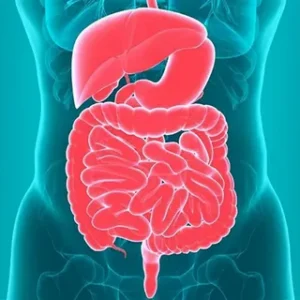
Unlike the pinchable fat under your skin (subcutaneous fat), this deeper fat — called visceral fat — wraps around vital organs like your liver and intestines. It’s not just a cosmetic issue; it’s biologically active tissue that affects your health. (The Times of India)
Hormones, Stress, and Fat Storage
Cortisol is your body’s primary stress hormone. In short bursts, it helps you deal with threats — raising blood sugar to fuel your brain and muscles. But when stress becomes chronic, cortisol stays elevated. That persistent spike triggers dangerous metabolic effects:
- Increased appetite and cravings
- Higher blood sugar levels
- Greater fat storage around the abdomen
- Interference with normal insulin action
This combination makes the belly area especially prone to fat storage. (BeSlim.me)
Why Belly Fat Feels Stubborn
Visceral fat isn’t just passive body weight. It’s active tissue that communicates with your hormones. It releases inflammatory molecules and hormones that disrupt your metabolism, making insulin less effective at its job and encouraging your body to hold on to fat. (technology.org)
Every step you take to lose weight — from eating well to exercising — can be undermined if this hormonal backdrop isn’t addressed.
Section 2: The Cortisol-Insulin Connection — The Hormonal Fat Trap
When you eat a meal, your body releases insulin — a hormone that helps cells take up glucose from your blood. But cortisol, especially when chronically elevated, can change how insulin works in your body.
Higher stress levels lead to:
- Increased glucose production by the liver
- Reduced sensitivity to insulin
- Higher circulating insulin levels
- More fat storage, especially around the waist
This creates a frustrating feedback loop: cortisol raises insulin, and high insulin makes fat burning harder. (BeSlim.me)
Visceral Fat and Insulin Resistance
Research shows that visceral fat is closely linked to insulin resistance — a condition where your muscles and liver stop responding well to insulin’s signal. This means your body produces even more insulin to compensate — but the extra insulin doesn’t solve the problem, and fat storage continues. (EatingWell)
In simpler terms: the harder your body tries to manage blood sugar, the more it ends up storing fat instead of burning it. That’s the metabolic train that cortisol belly fat rides on.
Section 3: The Daily Habits That Fuel Cortisol Belly Fat
If cortisol belly fat was only about stress, we could all just “relax” our way skinny. But modern life is full of subtle factors that keep stress hormones elevated well beyond the moment of danger.
Here are the major lifestyle contributors:
1. Poor Sleep Patterns
Sleep isn’t optional — it’s when your body restores hormone balance, repairs cells, and burns fat. Chronic lack of sleep can spike cortisol and disturb insulin sensitivity, setting the stage for more visceral fat storage. (EatingWell)
2. Constant Stress Triggers
Whether it’s work deadlines, family responsibilities, or 24/7 news cycles, chronic stress means cortisol stays high — and your body keeps storing fat. Even everyday stressors like rush hour or long to-do lists add to this burden.
3. Sedentary Lifestyle
Lack of movement reduces insulin sensitivity and contributes to visceral fat gain. Simple activities like regular walking — especially after meals — can significantly lower blood glucose and improve insulin action. (EatingWell)
4. Ultra-Processed Food and Sugar
High sugar foods not only spike insulin but also trigger hormonal changes that raise cortisol and promote fat storage in the abdominal area. It’s a double whammy. (EatingWell)
A Simple Comparison: Healthy Habits vs. Cortisol Belly Triggers
| Healthy Lifestyle Habits | Behaviors That Fuel Cortisol Belly Fat |
|---|---|
| 7–9 hours of quality sleep | Inconsistent sleep or sleep deprivation |
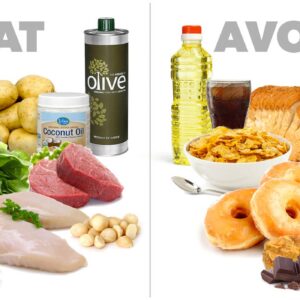
| Balanced meals with whole foods | High sugar, ultra-processed foods |
| Regular walks and moderate exercise | Sedentary behavior and long cardio sessions |
| Stress management (meditation, mindfulness) | Constant stress and overwork |
| Staying active after meals | Sitting after eating |
| Stable routines and balanced fasting | Erratic fasting or eating late at night |
Section 4: How to Break the Cortisol Belly Fat Cycle
Now that you know why it happens, let’s talk about how to break it.
Here are research-aligned strategies to reset your hormones and support fat loss:
1. Prioritize Stress Management
Stress isn’t going away, but how you respond to stress matters. Techniques like meditation, deep breathing, and mindful breaks lower cortisol responses over time.
Start small — even five minutes a day can help.
2. Get Better Sleep
Create a sleep routine:
- Go to bed and wake up at consistent times
- Avoid screens an hour before bed
- Make your room dark and cool
Good sleep supports better insulin sensitivity and hormonal balance — essential steps to reduce visceral fat. (EatingWell)
3. Move After Meals
A brief 10–20 minute walk after eating can improve blood sugar control, reducing the insulin spikes that feed belly fat. It sounds simple — and it is powerful. (EatingWell)
4. Balance Fasting and Nutrition
Intermittent fasting can be helpful for many — but if done incorrectly or without enough nutrients, it can spike cortisol. Make sure your eating windows include high-quality protein, fiber, and healthy fat to support metabolic balance.
5. Avoid Long, Stressful Exercise Marathons
Long, intense cardio sessions raise cortisol if used excessively. Instead, focus on short bursts of movement, strength training, and recovery periods.
6. Support Your Body With Whole Foods
A nutrient-rich diet — lean proteins, whole grains, fruits, vegetables, and healthy fats — supports balanced blood sugar and reduces inflammation. This gives your metabolism a better chance of burning fat rather than storing it.
Section 5: Caring for Your Hormones, Not Just Your Waistline
It’s important to understand that cortisol belly fat isn’t a sign of moral failure — it’s a symptom of modern life colliding with ancient hormonal systems.
Your body evolved to handle quick danger. But today’s stressors — like work pressure, lack of sleep, and constant stimulation — trigger the same hormonal responses repeatedly. That’s when cortisol stops helping and starts hijacking your metabolism.
The good news? Hormones can be reshaped with thoughtful, consistent habits. This isn’t about a 30-day fix — it’s about building a foundation for better metabolic health.
Conclusion: Your Metabolism Is Not Broken — It’s Misaligned
Understanding cortisol belly fat gives you insight into why merely eating clean or cutting calories often isn’t enough. When your hormones are sending fat-storage signals, your body prioritizes survival over aesthetics.
But now you know:
- Cortisol drives visceral fat storage
- Visceral fat worsens insulin resistance
- Lifestyle factors feed this cycle
- Simple, consistent changes can reverse it
Break the stress cycle, and you give your metabolism a chance to play on your side again — not against you.