How Your Gut Microbiome Shapes Mood, Energy, and Immunity
You’ve been blaming your brain for your bad moods. But what if your gut is the one running the show?
Millions of people drag themselves through foggy mornings, slump through afternoons, catch every cold that comes around, and feel anxious for no obvious reason. They try sleep hacks, productivity apps, and positive thinking. And yet, the one system quietly orchestrating all of it, roughly 100 trillion microorganisms living in your digestive tract, rarely gets the attention it deserves.
Welcome to the fascinating, slightly weird, and genuinely life-changing world of the gut microbiome.
Introduction: Your Body’s Hidden Control Room
Think of your gut as a second brain with very strong opinions. It doesn’t just process your lunch. It communicates with your actual brain in real time, manufactures chemicals that govern your emotions, trains your immune system to distinguish friend from foe, and generates or saps your daily energy.
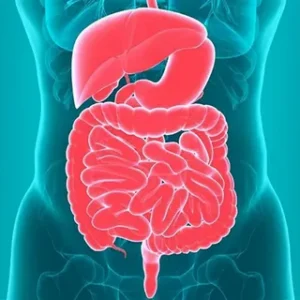
The gut microbiome refers to the vast community of bacteria, viruses, fungi, and other microorganisms that live primarily in your large intestine. Each person’s microbial fingerprint is unique, shaped by everything from how you were born (vaginal delivery vs. C-section), whether you were breastfed, the antibiotics you’ve taken, the foods you eat, and even the stress you carry.
Here’s the stunning part: the human body contains about 37 trillion human cells. But it hosts somewhere between 38 and 100 trillion microbial cells. By sheer numbers, you are more microbe than human.
And these microbes are not passive passengers. They are actively producing neurotransmitters, regulating inflammation, training immune cells, metabolizing nutrients you couldn’t digest on your own, and sending signals up the vagus nerve directly to your brain. When the ecosystem thrives, you feel it: sharper thinking, stable moods, resilient immunity, and real energy. When it falters, so do you.
This post breaks down, section by section, exactly how your gut microbiome shapes your mood, your energy, and your immune defenses, and what you can actually do about it.
1. The Gut-Brain Axis: How Your Microbiome Talks to Your Mind
The phrase “gut feeling” is not a metaphor. It is neuroscience.
The gut-brain axis is a bidirectional communication network connecting the central nervous system with the enteric nervous system (ENS), the elaborate web of roughly 500 million neurons lining your gastrointestinal tract. This system is so sophisticated that scientists often call the gut “the second brain,” not because it thinks abstractly, but because it operates independently, processes information, and sends far more signals to the brain than it receives back.
The primary highway connecting these two systems is the vagus nerve, the longest cranial nerve in the body. About 80 to 90 percent of the information traveling along the vagus nerve travels upward, from gut to brain, not the other way around. That means your gut is constantly narrating your inner state to your brain, influencing everything from anxiety levels to decision-making.
Your gut microbiome is a central player in this conversation. Certain bacterial strains produce signaling molecules, metabolites, and even neurotransmitters that enter the bloodstream or stimulate nerve endings. This chemical chatter shapes your mental and emotional experience in ways researchers are only beginning to fully map.
Key facts about the gut-brain axis:
- The ENS contains more neurons than the spinal cord
- Approximately 90% of the body’s serotonin is produced in the gut
- Gut bacteria produce or stimulate the production of GABA, dopamine precursors, and short-chain fatty acids (SCFAs) that cross the blood-brain barrier
- Disruptions to the gut microbiome have been linked to anxiety, depression, and cognitive decline in multiple peer-reviewed studies
This is not fringe science anymore. Major research institutions, including the NIH’s Human Microbiome Project, have spent over a decade and hundreds of millions of dollars confirming that what lives in your gut shapes what happens in your head.
2. Gut Microbiome and Mood: The Serotonin Connection
Here is a fact that tends to stop people mid-sentence: approximately 90 to 95 percent of your body’s serotonin is made in the gut, not the brain.
Serotonin is the neurotransmitter most commonly associated with feelings of well-being, emotional stability, and happiness. Most antidepressants (SSRIs) work by preventing the reuptake of serotonin in the brain, essentially making more of it available for longer. But if the majority of your body’s serotonin originates in the gut, then the health of your gut microbiome has a direct and measurable impact on your baseline emotional state.
Certain strains of gut bacteria, particularly Lactobacillus and Bifidobacterium species, stimulate specialized enteroendocrine cells in the gut lining to release serotonin. When these bacteria are abundant and healthy, serotonin production tends to be more stable. When the microbiome is disrupted (a state called dysbiosis), serotonin signaling can become erratic.
Research published in journals like Nature Microbiology and Cell has shown that germ-free mice (raised with no gut bacteria at all) exhibit dramatically elevated stress responses and anxiety-like behaviors. When researchers transplanted gut bacteria from calm mice into anxious ones, the anxious mice became measurably calmer. Flip the transplant, and the calm mice became anxious.
What disrupts mood-supporting gut bacteria:
- Diets high in ultra-processed foods and refined sugar
- Chronic stress (stress hormones like cortisol directly alter microbial composition)
- Overuse of antibiotics, which kill beneficial bacteria indiscriminately
- Lack of dietary fiber (fiber is the primary food source for beneficial bacteria)
- Poor sleep (the microbiome has its own circadian rhythm)
What supports mood-supporting gut bacteria:
- Fermented foods like yogurt, kefir, kimchi, sauerkraut, and kombucha
- Prebiotic-rich foods: garlic, onions, leeks, asparagus, oats, and bananas
- Diverse, plant-rich diets with at least 30 different plant species per week
- Probiotic supplementation (particularly Lactobacillus rhamnosus and Bifidobacterium longum, strains with the most robust mood-related evidence)
- Consistent sleep schedules
The emerging field of “psychobiotics,” probiotics specifically studied for their mental health effects, is growing rapidly. While it is not yet at the point where a doctor prescribes a specific bacterial strain instead of an antidepressant, several clinical trials have shown meaningful reductions in anxiety and depressive symptoms from targeted probiotic interventions.
3. How Your Gut Microbiome Controls Your Daily Energy Levels
Feeling exhausted even after eight hours of sleep? Before you blame your thyroid or your Netflix habits, consider your gut.
Your gut microbiome plays a surprisingly central role in how efficiently you extract and use energy from the food you eat. Bacteria in the colon ferment dietary fiber that your own digestive enzymes cannot break down, producing short-chain fatty acids (SCFAs) like butyrate, acetate, and propionate. These SCFAs are a primary energy source for the cells lining your colon, but they also enter the bloodstream and influence energy metabolism throughout the body.
Butyrate, in particular, has been called a “supernutrient” for gut cells. It fuels colonocytes (the cells lining your colon), reduces intestinal inflammation, and helps regulate blood sugar. Stable blood sugar means stable energy. When butyrate-producing bacteria are depleted, the gut lining weakens, inflammation rises, and the energy crashes that follow erratic blood sugar become more frequent and more severe.
Beyond SCFAs, the microbiome influences mitochondrial function, the cellular machinery that converts nutrients into ATP (the body’s actual energy currency). Gut-derived metabolites signal to mitochondria to either ramp up or slow down energy production. Dysbiosis has been linked to mitochondrial dysfunction in multiple studies, partly explaining why conditions like chronic fatigue syndrome often correlate with significant microbiome imbalances.
The gut-energy connection at a glance:
- Healthy gut bacteria improve the bioavailability of B vitamins (especially B12 and folate), which are essential for energy metabolism
- Gut bacteria synthesize vitamin K2, which supports cellular energy production
- The microbiome regulates ghrelin and leptin (hunger hormones) that indirectly control how your body stores and burns fuel
- Disrupted circadian rhythms in the microbiome (from shift work, jet lag, or irregular eating) correlate with insulin resistance and metabolic fatigue
It is worth noting that research consistently shows people with higher microbial diversity (more species of bacteria) tend to have better metabolic health, lower rates of obesity, more stable energy levels, and reduced risk of type 2 diabetes. Diversity, not just the presence of any single strain, appears to be the key metric.
4. Your Gut Microbiome Is the Headquarters of Your Immune System
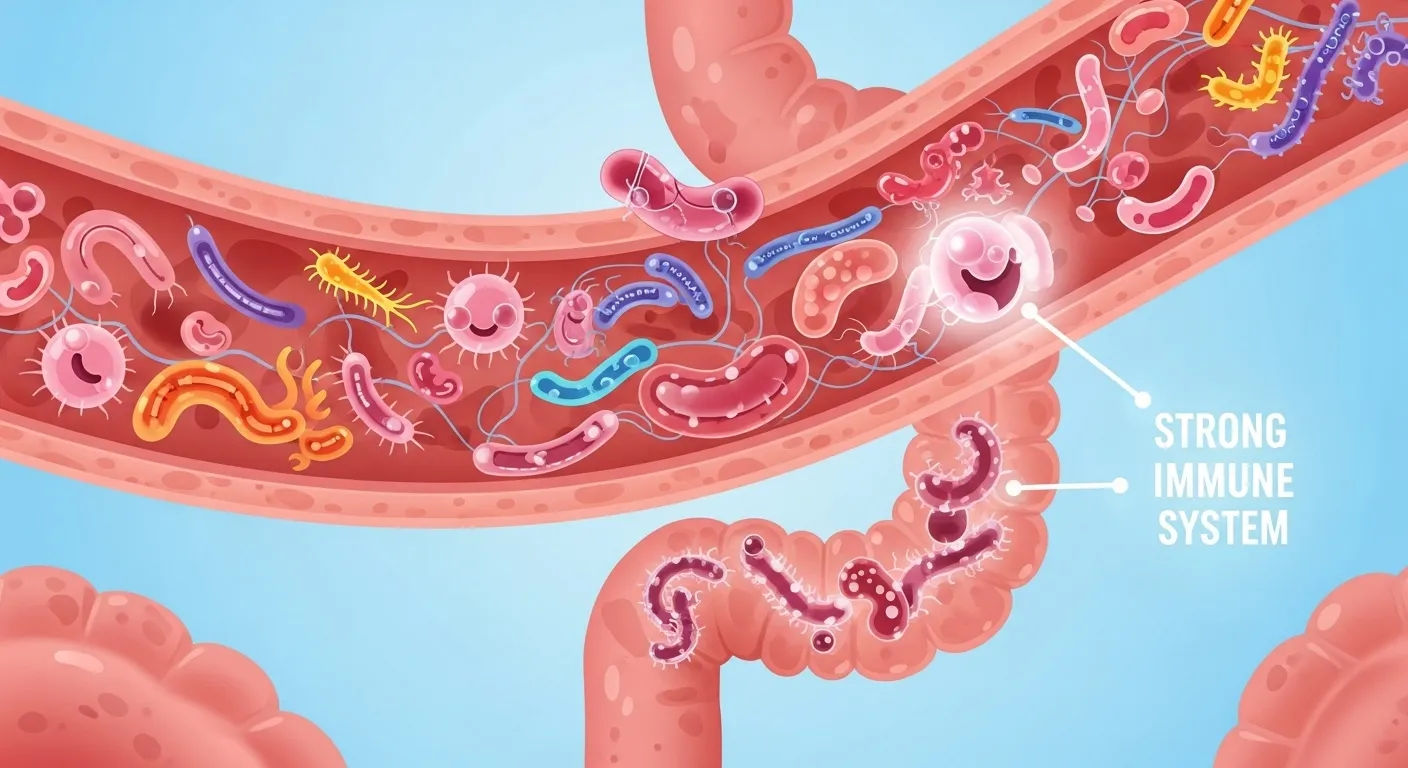
Most people think of the immune system as something that lives in their blood and lymph nodes. In reality, approximately 70 to 80 percent of the body’s immune cells reside in and around the gut.
This is not a coincidence. The gut is the largest surface area through which the outside world enters your body. Every bite of food, every sip of water, every accidental mouthful of who-knows-what passes through your digestive system. The immune cells stationed there need to make rapid, sophisticated decisions about what is food, what is harmless environmental microbe, and what is a genuine threat requiring a full defense response.
Your gut microbiome is their training ground and partner. From the moment of birth (and arguably even before), gut bacteria educate immune cells, teaching them the difference between self and non-self, between harmless and harmful. Without this microbial education, the immune system becomes either too aggressive (attacking things it should not, as in autoimmune disease) or too passive (failing to mount adequate responses to real threats).
Beneficial gut bacteria communicate with immune cells through pattern recognition receptors and produce metabolites that regulate inflammatory signaling. Butyrate, again, is a star performer here: it promotes the differentiation of regulatory T cells (Tregs), immune cells that essentially act as peacekeepers, calming inflammatory responses once a threat is neutralized.
Ways the gut microbiome directly shapes immunity:
- Stimulates the production of secretory IgA, the antibody that patrols the gut lining and is the immune system’s first line of defense
- Regulates the balance between pro-inflammatory and anti-inflammatory cytokines
- Competes with pathogenic bacteria for space and resources (called “colonization resistance”), making it harder for harmful bacteria to gain a foothold
- Supports the integrity of the gut epithelial barrier, preventing “leaky gut,” where bacterial fragments and undigested food particles escape into the bloodstream and trigger systemic inflammation
According to research from the American Gut Project, the single strongest predictor of a healthy, diverse microbiome is the number of unique plant species a person eats per week, with 30 or more being the benchmark for optimal gut health and associated immune resilience.
Antibiotic overuse remains one of the most significant threats to gut-mediated immunity. A single course of broad-spectrum antibiotics can eliminate up to one-third of gut bacterial species. While the microbiome typically rebounds, full recovery can take months to years, and some species may never return to their pre-antibiotic levels.
5. Leaky Gut, Inflammation, and Why It Matters More Than You Think
“Leaky gut” sounds like a condition invented by wellness influencers to sell supplements. It is not.
Intestinal permeability, the clinical term, refers to a breakdown in the tight junctions between the cells lining the gut wall. Under healthy conditions, these junctions act like a carefully controlled border crossing: nutrients pass through, pathogens and undigested particles do not. When the gut microbiome is disrupted, beneficial bacteria that produce butyrate and maintain the gut lining decline, and the tight junctions loosen.
When the gut lining becomes more permeable, bacterial fragments (particularly lipopolysaccharides, or LPS, from gram-negative bacteria) can leak into the bloodstream. The immune system reads these fragments as signs of infection and mounts an inflammatory response. But when this happens chronically, rather than occasionally, the result is low-grade systemic inflammation that drives an alarming range of conditions.
Chronic systemic inflammation has been linked to:
- Depression and anxiety (neuroinflammation is now a recognized mechanism in both)
- Autoimmune disorders (rheumatoid arthritis, lupus, multiple sclerosis, type 1 diabetes)
- Metabolic syndrome and type 2 diabetes
- Cardiovascular disease
- Alzheimer’s disease and accelerated cognitive decline
- Certain cancers
The gut microbiome is not just a bystander in this story. It is a primary gatekeeper. Healthy populations of bacteria like Akkermansia muciniphila and Faecalibacterium prausnitzii are specifically associated with maintaining tight junction integrity and reducing intestinal permeability. These species are reliably depleted in people with inflammatory bowel disease, obesity, type 2 diabetes, and chronic fatigue.
The good news is that the gut lining is one of the fastest-regenerating tissues in the human body, turning over entirely every three to five days. Restoring the microbiome can restore the gut barrier. The damage is largely reversible, especially with consistent dietary changes.
6. The Microbiome-Sleep Loop: How Gut Health Affects Rest (and Vice Versa)
Here is a relationship that research has only recently started to untangle: the gut and sleep are in a constant feedback loop, each profoundly affecting the other.
The gut microbiome has its own circadian rhythm, synchronized with the host’s sleep-wake cycle. Microbial composition, metabolic activity, and gene expression in gut bacteria all fluctuate across a 24-hour cycle. Disrupt that cycle (through night shifts, irregular eating times, travel, or sleep deprivation) and you measurably alter microbial diversity and function.
In the other direction, gut bacteria produce metabolites that directly support sleep. Tryptophan, the amino acid famously associated with post-turkey drowsiness, is a precursor to both serotonin and melatonin (the sleep hormone). Gut bacteria influence how much dietary tryptophan is converted into serotonin versus other metabolites. A disrupted microbiome can redirect tryptophan away from serotonin and melatonin synthesis and toward inflammatory pathways, worsening both mood and sleep quality.
Practical points on the gut-sleep relationship:
- People with insomnia and poor sleep quality consistently show lower microbial diversity than good sleepers
- Probiotic supplementation has been shown in small but growing clinical trials to improve sleep latency (time to fall asleep) and sleep quality scores
- Eating late at night disrupts the gut microbiome’s circadian activity, compounding sleep problems
- The anti-inflammatory effects of a healthy microbiome reduce the nighttime cortisol spikes that fragment sleep
The loop goes deeper still: poor sleep elevates cortisol, which kills off beneficial bacteria. Less beneficial bacteria means more disrupted sleep. It is a cycle that is much easier to exit from the food-and-lifestyle end than from the sleep end alone.
7. Stress, the Gut Microbiome, and the Anxiety Feedback Loop
Chronic stress does not just exhaust your mind. It physically remodels your gut microbiome, often in ways that make you more anxious and less resilient to future stress.
The stress response triggers the release of cortisol and adrenaline. These hormones alter gut motility (how fast food moves through your digestive tract), change the mucus layer protecting the gut lining, shift blood flow away from digestion, and directly alter which bacterial species thrive. Studies in both animals and humans have shown that psychosocial stress can reduce populations of Lactobacillus species within hours, not days.
Meanwhile, stress-induced microbiome disruption amplifies the stress response. Fewer butyrate producers mean more intestinal permeability. More permeability means more LPS in the bloodstream. More LPS means more neuroinflammation. More neuroinflammation means a lower stress threshold, more reactivity, and more anxiety. The gut and the stressed brain can trap each other in a self-reinforcing cycle.
This has real clinical implications. Patients with irritable bowel syndrome (IBS), a condition strongly associated with gut dysbiosis, have significantly elevated rates of anxiety and depression compared to the general population. It is not clear which comes first, and current evidence suggests the relationship is truly bidirectional: gut dysbiosis drives psychiatric symptoms, and psychiatric conditions drive gut dysbiosis.
Stress-management strategies that also help the gut:
- Mindfulness meditation: shown to reduce cortisol and improve gut microbial diversity in a 2019 study published in PLOS ONE
- Regular aerobic exercise: independently associated with greater microbial diversity, and it reduces cortisol
- Yoga and breathwork: activate the parasympathetic nervous system, which supports gut motility and reduces inflammatory cytokines
- Limiting alcohol: alcohol is directly toxic to beneficial gut bacteria and increases intestinal permeability
8. Diet Is the Most Powerful Lever for Your Gut Microbiome
No single factor shapes the gut microbiome more powerfully and more rapidly than diet. Researchers at Stanford found that dietary changes can produce measurable shifts in microbial composition within 24 to 48 hours. The speed of that response is both encouraging (you can start improving today) and sobering (the damage from poor eating is also nearly immediate).
The modern Western diet, high in ultra-processed foods, refined carbohydrates, industrial seed oils, and animal products from factory farms, tends to reduce microbial diversity, reduce butyrate producers, and increase populations of inflammatory bacterial species. This dietary pattern is now considered one of the primary drivers of the global rise in inflammatory and metabolic diseases.
Plant diversity, on the other hand, is the most consistent predictor of microbiome health across cultures and continents. Different plant fibers feed different bacterial species. Eating a wide variety of plants ensures that a wide variety of bacterial communities are supported. The gut microbiome equivalent of a monoculture farm (eating the same five foods repeatedly) is fragile and less resilient.
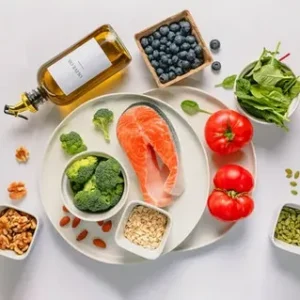
Best foods for a thriving gut microbiome:
- Fermented foods: plain yogurt with live cultures, kefir, sauerkraut, kimchi, miso, tempeh, kombucha. These directly introduce beneficial bacteria.
- Prebiotic fibers: garlic, onions, leeks, asparagus, Jerusalem artichokes, green bananas, oats, chicory root, dandelion greens. These feed beneficial bacteria.
- Polyphenol-rich foods: berries, dark chocolate (85%+ cacao), extra-virgin olive oil, green tea, red wine in moderation. Polyphenols are metabolized by gut bacteria into anti-inflammatory compounds.
- Whole grains: oats, barley, rye, quinoa, brown rice. Provide fermentable fiber and beta-glucans that specifically boost immune-modulating bacteria.
- Legumes: lentils, chickpeas, black beans, kidney beans. Among the richest sources of prebiotic fiber available.
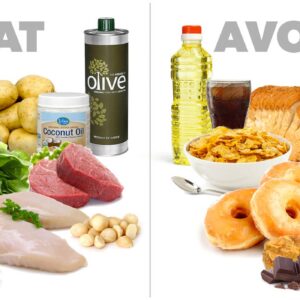
Foods that most reliably harm the gut microbiome:
- Artificial sweeteners (aspartame, saccharin, sucralose): shown in controlled human trials to disrupt the microbiome and impair glucose tolerance
- Emulsifiers like polysorbate 80 and carboxymethylcellulose (common in ultra-processed foods): shown in animal studies to disrupt the mucus layer
- Excess refined sugar: feeds inflammatory bacterial species and reduces diversity
- Heavily processed meats: associated with production of trimethylamine N-oxide (TMAO) by gut bacteria, linked to cardiovascular risk
According to the World Health Organization’s guidance on healthy diets, adults should consume at least 400 grams of fruits and vegetables per day, a target that doubles as excellent microbiome support.
9. Probiotics and Prebiotics: What the Science Actually Says
The probiotic supplement market is now worth over $60 billion globally. Unfortunately, most of that money is spent on products with limited evidence behind them.
This is not to say probiotics are useless. Several strains have robust, replicated clinical evidence for specific conditions. The problem is that the marketing has sprinted so far ahead of the science that it is difficult for consumers to know what is worth buying and what is expensive wishful thinking.
What probiotics are genuinely supported by evidence:
- Lactobacillus rhamnosus GG: one of the most studied strains in the world; strong evidence for reducing antibiotic-associated diarrhea and childhood diarrhea from rotavirus
- Bifidobacterium longum and Lactobacillus helveticus (combined): shown in multiple trials to reduce psychological distress, anxiety, and depressive symptoms
- Saccharomyces boulardii (a probiotic yeast): strong evidence for preventing and treating antibiotic-associated diarrhea and Clostridioides difficile infection
- VSL#3 (a multi-strain probiotic): studied for inflammatory bowel disease and IBS with constipation
- Lactobacillus acidophilus NCFM: good evidence for IBS symptom reduction
Important caveats:
- Strain specificity matters enormously. “Lactobacillus” on a label tells you almost nothing useful. You want the strain (e.g., Lactobacillus rhamnosus GG).
- Most probiotics do not permanently colonize the gut; they exert transient effects and need consistent intake to maintain benefits
- Prebiotics (fiber that feeds existing bacteria) often have more consistent and durable effects than probiotics, particularly for people without severe dysbiosis
- The most evidence-backed and cost-effective intervention for most healthy adults is not a supplement. It is dietary diversity.
For people recovering from antibiotic treatment, post-GI illness, or managing IBS or inflammatory bowel disease, targeted probiotic supplementation under guidance from a healthcare provider with training in gut health is likely worthwhile. For everyone else, spending money on diverse plant foods will outperform spending it on most probiotic supplements.
10. The Gut Microbiome Across the Lifespan: From Birth to Old Age
Your microbiome story begins even before your first breath.
Research now suggests that the womb is not entirely sterile, as was long assumed, and that microbial exposure may begin in utero. But the major seeding event happens at birth. Babies born vaginally are colonized by their mother’s vaginal and intestinal bacteria (including protective Lactobacillus species) as they travel through the birth canal. Babies born by C-section miss this exposure and instead pick up skin and environmental bacteria, which research consistently links to higher rates of allergies, asthma, eczema, obesity, and immune dysregulation in later childhood.
Breastfeeding is the next major shaping force. Human breast milk contains over 200 types of complex oligosaccharides (HMOs) that are not digestible by the infant. They exist solely to feed Bifidobacterium infantis, a bacterial species that plays a critical role in establishing the infant’s immune system. This is an extraordinary piece of evolutionary design: a mother’s milk is specifically formulated to grow her infant’s gut bacteria.
Microbial diversity expands through childhood as children encounter more foods, animals, outdoor environments, and other children. By early adulthood, the microbiome is relatively stable but continues to be shaped daily by diet, stress, medications, and lifestyle.
Aging and the microbiome:
- After age 65, microbial diversity tends to decline
- Populations of butyrate-producing bacteria often decrease with age
- Reduced diversity is associated with increased inflammation, immune decline (immunosenescence), and higher risk of frailty and cognitive decline
- Centenarians in places like Sardinia, Okinawa, and Ikaria (the famous “Blue Zones”) consistently show surprisingly high gut microbial diversity and elevated populations of anti-inflammatory bacteria, likely linked to their traditional plant-rich diets and active lifestyles
The microbiome is not fixed by your forties. Meaningful improvements in diversity and function are achievable at any age with consistent dietary and lifestyle changes.
Gut Microbiome Health: A Practical Comparison Table
| Factor | Effect on Gut Microbiome | Effect on Mood | Effect on Energy | Effect on Immunity |
|---|---|---|---|---|
| High plant diversity diet (30+ species/week) | Strongly increases diversity | Supports stable serotonin | Improves SCFA production and energy metabolism | Strengthens gut barrier and immune training |
| Ultra-processed food diet | Reduces diversity, feeds inflammatory bacteria | Linked to increased anxiety and depression risk | Disrupts blood sugar and energy stability | Weakens gut barrier, increases systemic inflammation |
| Regular aerobic exercise | Increases microbial diversity (especially butyrate producers) | Reduces cortisol, supports dopamine | Improves mitochondrial function | Reduces inflammatory cytokines |
| Chronic psychological stress | Depletes Lactobacillus and Bifidobacterium | Worsens anxiety-gut feedback loop | Disrupts sleep and energy cycles | Increases intestinal permeability |
| Antibiotic course | Can eliminate up to 30% of species | May temporarily worsen mood post-treatment | Can cause post-antibiotic fatigue | Reduces colonization resistance temporarily |
| Fermented food consumption | Directly increases microbial diversity | Associated with lower depression scores | Supports B vitamin production | Boosts secretory IgA and immune signaling |
| Adequate sleep (7-9 hours) | Supports microbial circadian rhythm | Reduces cortisol, improves emotional regulation | Supports proper metabolic recovery | Reduces systemic inflammation |
| Probiotic supplementation (evidence-based strains) | Transiently increases beneficial bacteria | Specific strains show measurable mood benefits | Modest improvement in metabolic markers | Supports immune response to pathogens |
| Excessive alcohol consumption | Directly kills beneficial bacteria | Worsens anxiety and depression outcomes | Disrupts sleep and energy production | Increases intestinal permeability |
| Mindfulness/meditation practice | Reduces cortisol-driven dysbiosis | Reduces anxiety and depressive symptoms | Improves sleep quality and daytime energy | Modulates inflammatory cytokine profile |
11. When to Suspect Your Gut Microbiome Is Out of Balance
Dysbiosis rarely announces itself with fanfare. It tends to creep in quietly, disguised as a range of seemingly unrelated symptoms that most people chalk up to stress, aging, or bad luck.
Signs that may suggest gut dysbiosis:
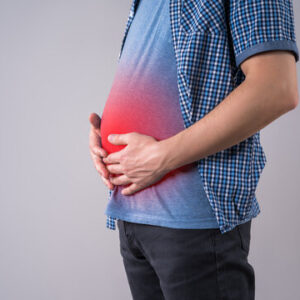
- Chronic bloating, gas, or abdominal discomfort not explained by a specific dietary intolerance
- Irregular bowel habits (alternating constipation and diarrhea, or persistently one or the other)
- Persistent fatigue that sleep does not resolve
- Frequent colds, infections, or slow recovery from illness
- Anxiety or low mood that feels disproportionate to life circumstances and fluctuates with food choices
- Skin conditions like eczema, psoriasis, or adult acne that respond to dietary changes
- Food sensitivities that developed in adulthood
- Brain fog, poor concentration, or memory issues
- Cravings for sugar and refined carbohydrates (which can be driven by sugar-dependent bacterial species)
None of these symptoms alone confirms dysbiosis. Many can have other explanations. But if several appear together, the gut microbiome is a reasonable place to start investigating, ideally with the support of a functional medicine physician or gastroenterologist with expertise in gut health.
Microbiome testing is available (companies like Viome, Thorne, and Genova Diagnostics offer stool-based analyses), but the science of interpreting these tests is still evolving. Most conventional physicians do not yet incorporate them into standard care, and treatment recommendations from commercial tests vary widely in quality.
12. Lifestyle Habits That Consistently Support a Healthy Gut Microbiome
If there is a single theme running through the gut microbiome research, it is this: the conditions that support a healthy microbiome are the same conditions that support overall health and human flourishing.
There is no secret supplement, no extreme protocol, no biohack that replaces the fundamentals. The evidence consistently points in the same direction.
Daily habits with the strongest evidence for microbiome health:
- Eat the rainbow: aim for 30 or more unique plant species per week, counting herbs and spices
- Eat fermented foods daily: even small amounts (a tablespoon of sauerkraut, a cup of kefir) provide a steady supply of live cultures
- Move your body: 150 minutes of moderate aerobic activity per week is associated with significantly greater microbial diversity
- Manage stress actively: not just passively (“I should stress less”) but through consistent practices like meditation, journaling, time in nature, or therapy
- Prioritize sleep hygiene: consistent sleep and wake times protect the microbiome’s circadian rhythm
- Limit antibiotics to genuine need: discuss alternatives with your doctor when appropriate, and use probiotics during and after any antibiotic course
- Stay hydrated: water supports gut motility and the mucus layer protecting the gut lining
- Spend time in diverse natural environments: gardening, hiking, and contact with animals (especially dogs) expose you to environmental microbes that may enrich your gut ecosystem
- Avoid unnecessary food additives: read labels and minimize foods containing polysorbate 80, carboxymethylcellulose, and artificial sweeteners
The research also supports being reasonably relaxed about perfection. The gut microbiome is remarkably resilient when treated well most of the time. A single unhealthy meal does not derail years of good habits. Consistency, not flawlessness, is what the data rewards.
Conclusion: Your Gut Knows More Than You Think
There is something quietly revolutionary about the gut microbiome story.
For most of modern medical history, we drew a very clear line between the body and the microbes living in it. Bacteria were pathogens. Germs were enemies. Cleanliness was health. And the idea that the trillions of organisms in your intestines might be responsible for your mood on a Tuesday morning, or whether you catch the flu going around the office, or why you hit the wall at 3pm every afternoon, would have sounded like science fiction as recently as 20 years ago.
It does not sound like science fiction anymore. It sounds like a profound shift in how we understand what it means to be healthy.
The gut microbiome is not a peripheral system you can afford to neglect. It is a central regulator of your mental health, your metabolic vitality, and your immune resilience. And unlike your genome (which you cannot change), your microbiome is exquisitely responsive to choices you make every single day.
The prescription is not complicated, even if it takes discipline. Eat more plants. Eat more variety. Eat fermented foods regularly. Move. Sleep. Manage your stress. Protect your microbial ecosystem from unnecessary disruption. And pay attention to the signals your gut sends you, because as it turns out, it has been trying to tell you something important all along.
The science of the gut microbiome is still young. Researchers are mapping species interactions, characterizing metabolites, running clinical trials, and arguing about what we do and do not yet understand. But the core message is already clear enough to act on.
Take care of your gut. It is taking care of everything else.
What to Read Next
If this post resonated with you, here are a few ways to take it further:
- Try the “30 plants per week” challenge for one month and track how you feel.
- Add one fermented food to your daily diet this week and build from there.
- Share this post with someone in your life who struggles with energy, anxiety, or getting sick too often. The gut microbiome conversation is one of the most important health conversations happening right now, and most people have not heard it yet.
Drop a comment below: Have you noticed a connection between what you eat and how you feel mentally or physically? We would love to hear your experience.
This post is intended for informational purposes only and does not constitute medical advice. Consult a qualified healthcare provider for any health concerns or before making significant changes to your diet or supplement regimen.