The Invisible Roadblock in Your Weight Loss Journey
You’re eating less. You’re trying to be disciplined. Yet the scale barely budges. What if it’s not a willpower problem at all, but a biological signal running in the background of every meal you eat?
The true link may lie in a hormone most people know vaguely — insulin. But it’s not just “a sugar hormone.” It’s a metabolic switch that decides whether your body burns fat or stores it. This article explains how insulin and fat loss are more tightly linked than calories alone, why traditional diet advice falls short, and what science suggests can genuinely help.
Understanding Insulin: The Hormone That Controls Fat
At first glance, insulin seems simple: it helps manage blood sugar. Eat something with carbs, blood glucose rises, and insulin is released to shuttle that glucose into your cells for energy or storage. But that’s just the beginning of the story. (oiv.int)
The Dual Role of Insulin in Fat Storage and Fuel
When insulin levels rise consistently, it not only helps store glucose — it actively inhibits the breakdown of fat. A growing body of scientific literature explains that insulin encourages lipogenesis (the creation of fat) and simultaneously suppresses lipolysis (the breakdown of stored fat). (oiv.int) This dual action means that even if you cut calories, your body stays in storage mode rather than fat-burning mode.
Moreover, insulin doesn’t act in isolation — it affects other hormones, including leptin (which signals fullness) and ghrelin (which signals hunger), adding another layer to how you experience cravings and appetite. (oiv.int)
Insulin Resistance: The Metabolic Vicious Cycle
In many diets that emphasize calorie cutting alone, people overlook insulin resistance — a condition in which cells respond poorly to insulin’s signal. When this happens, your pancreas produces more insulin to manage the same amount of glucose, leading to chronically elevated insulin levels. Over time, this state makes it harder for your body to burn fat and easier to store it — especially around the belly, where visceral fat accumulates. (oiv.int)
This cycle — poor cellular response, more insulin, more fat storage — is at the heart of why someone might say, “I’m eating healthy, but my belly won’t budge.”
Beyond Calories: Why Traditional Diets Fall Flat
For decades, weight loss advice has boiled down to one mantra: Calories In, Calories Out (CICO). But this simplistic approach ignores how hormones like insulin actually influence what your body does with those calories once ingested.
Why the CICO Model Is Not Enough
Yes, creating a calorie deficit does play a role in weight loss — but focusing only on energy balance misses the metabolic signals telling your body when and how to store or burn energy. The hormone insulin is a gatekeeper: when insulin is high, the body tends to store energy as fat and slows down access to fat reserves — even if you are technically eating fewer calories. (oiv.int)
Recent research examining dietary glycemic load and insulin’s effect on weight loss shows that diets generating higher insulin demand are linked to reduced weight loss outcomes compared with diets that produce lower insulin responses — even when overall calories are similar. (PubMed)
Insulin Sensitivity and Weight Loss Efficiency
The body’s responsiveness to insulin — called insulin sensitivity — plays a large role in metabolic health. When sensitivity is good, cells readily use glucose for energy. When sensitivity deteriorates (as in insulin resistance), the pancreas must produce more insulin to achieve the same effect. This often leads to a state of chronic high insulin that keeps fat burning “off.” (oiv.int)
This helps explain why two people eating the same number of calories may experience vastly different results: it’s not just how much you eat, but how your hormones respond to what you eat.
Insulin and Fat Loss: The Science Explained
Let’s explore the science connecting insulin and fat loss in clearer detail.
How Insulin Influences Fat Storage
Insulin is essential for shuttling glucose into cells, but its effects extend to fat metabolism:
- Promotes Fat Storage: When glucose stores in muscle and liver are full, insulin signals your body to convert excess glucose into triglycerides (fat) and deposit it in adipose (fat) tissue. (oiv.int)
- Inhibits Fat Breakdown: Elevated insulin levels suppress lipolysis — the process your body uses to break down fat for fuel — making stored fat less accessible. (well-choices.com)
- Alters Appetite Signals: Insulin also interacts with hormones linked to hunger and satiety, meaning it can indirectly lead to increased appetite and cravings after blood sugar spikes. (oiv.int)
Together, these effects mean your body stays in storage mode rather than fat-burning mode when insulin is elevated frequently.
Breaking the Metabolic Gridlock: Strategies That Work
Now that the science is clear — that insulin plays a crucial role in how your body stores and uses fat — what actionable steps can help you work with your biology rather than against it?
1. Choose Low Glycemic Foods
Some foods spike blood glucose — and thus insulin — more than others. Focusing on low-glycemic meals (such as non-starchy vegetables, legumes, and certain whole grains) may help blunt insulin spikes after meals, supporting fat use instead of storage. (oiv.int)
2. Prioritize Protein and Healthy Fats
Unlike carbohydrates, which tend to raise insulin, proteins and fats have a more muted effect on insulin levels and also help you feel full longer. Rebalancing meals around protein (e.g., eggs, lean meats, legumes) and healthy fats (e.g., avocados, nuts, olive oil) can help reduce cravings and stabilize energy levels.
3. Consider Low-Carb Approaches
Lower carbohydrate intake has been associated with reduced insulin secretion. Very low carbohydrate patterns — such as ketogenic diets — reduce insulin levels and increase the body’s reliance on fat for fuel. Research suggests reduced insulin secretion (and lower glycemic load) may aid weight loss for some individuals, though individual responses vary. (PubMed)
4. Exercise to Improve Sensitivity
Physical activity enhances insulin sensitivity, especially strength training and interval work. Improved insulin sensitivity makes the hormone more effective at its job — meaning your cells require less insulin to handle the same amount of glucose — reducing both insulin demand and fat storage signals.
5. Watch for Hidden Carbohydrates and Sugars
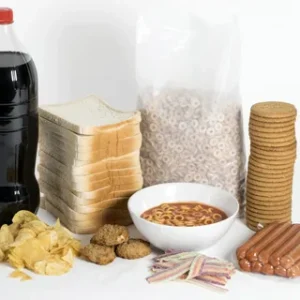
Not all carbs are created equal. Highly processed foods, sugary drinks, and refined grains cause rapid blood sugar rises and corresponding insulin surges. Swapping these for whole foods with fiber and minimal processing can make a big difference in your overall insulin load.
Comparison: Diet Approaches and Insulin Response
To help clarify how different approaches influence insulin and fat loss, here’s a simple comparison:
| Diet Type | Typical Insulin Response | Fat Burning Potential | Best For |
|---|---|---|---|
| High-carb, high-refined sugars | High | Low | Quick energy, not fat loss |
| Balanced meals (protein + fat + fiber) | Moderate | Moderate | Steady metabolic health |
| Low glycemic, whole foods | Lower | Higher | Sustained fat use |
| Very low carb / ketogenic | Lowest | Highest | Fat burning / metabolic shift |
This table highlights how reducing glucose challenges and focusing on nutrient quality can influence insulin and fat loss.
Beyond Diet: Lifestyle Factors That Affect Insulin
Your food choices matter, but there’s more to this story than just meals.
Sleep and Stress
Chronic sleep deprivation and stress both elevate cortisol, a hormone that can worsen insulin resistance and increase belly fat storage. Greater attention to sleep quality and stress management supports overall metabolic health.
Timing and Meal Patterns
Emerging research suggests the timing of meals can influence insulin dynamics. For example, some studies hint that eating earlier in the day and reducing late night eating supports better glucose control — though individual lifestyles vary. (Limited evidence.)
Conclusion — Reframing the Weight Loss Narrative
Weight loss is not merely a battle of willpower or calorie counting. At its core, it is driven by complex biological signals — chief among them insulin. When insulin is persistently elevated or when cells become resistant to its signal, your body becomes less efficient at unlocking stored fat and more inclined toward storage. (oiv.int)
The key is not just to eat less — it’s to eat smarter, choosing foods and habits that support balanced blood sugar and a favorable insulin environment. By aligning your eating patterns with your biology, you can help your body shift out of storage mode and into fat-burning mode — sustainably and healthfully.