The Hidden Reason You’re Exhausted, Craving Sugar, and Aging Faster
Your body is aging right now. Not in the distant future—today. And the culprit? It’s probably sitting in your kitchen.
Every time your blood sugar spikes, your cells are literally cooking themselves. It sounds dramatic, but the science is real. The more glucose spikes you experience, the faster your skin wrinkles, your organs deteriorate, and your mind fog thickens. Worst part? Three out of five people will die from an inflammation-based disease directly linked to these spikes.
But here’s the good news: you don’t have to cut out bread, pasta, or chocolate cake. You just need to understand the game.
What Is Glucose, and Why Should You Actually Care?
Let’s start with the basics, because understanding glucose is like having the cheat code to your health.
Glucose is your body’s favorite energy currency. It’s also called blood sugar, and every single cell in your body is burning it right now—your brain, your muscles, your heart. Without glucose, you literally cannot survive.
Your body gets glucose from two main food categories:
- Starches: bread, pasta, rice, potatoes, oats
- Sugars: anything that tastes sweet, from apples to triple-layer chocolate cake
Here’s where most people get it wrong: they think more glucose means more energy. So they load up on carbs and sugar, expecting to feel amazing. Instead, they feel exhausted, bloated, and trapped in a cycle of cravings.
Think of it like watering a plant. A little water? Perfect. The plant thrives. Too much water? The plant dies. Your body works exactly the same way.
The problem is this: most of us are giving our bodies way too much glucose, and it’s creating a cascade of problems we don’t even realize are connected.

The Three Devastating Things Glucose Spikes Do to Your Body
When you eat a meal high in glucose—say, a plate of pasta or a chocolate cake—your blood sugar doesn’t rise gradually. It spikes. If you wore a glucose monitor, you’d see a mountain shooting straight up, then crashing down hard.
This isn’t just uncomfortable. It’s damaging. Here’s exactly what happens:
1. Your Mitochondria Go on Strike (Hello, Chronic Fatigue)
Your mitochondria are the powerhouses of your cells. They’re tiny factories responsible for turning glucose into usable energy. But when you hit them with a glucose spike, they become overwhelmed.
Imagine your to-do list suddenly exploding with 500 tasks. You’d want to take a nap, right? That’s what your mitochondria do. They shut down.
The result? You feel exhausted all day. Going to the grocery store feels like climbing a mountain. Playing with your kids drains you. You’re not lazy—your mitochondria are broken.
This is why one of the most common symptoms of blood sugar imbalance is chronic fatigue. You keep eating carbs hoping for energy, but you’re actually making it worse.
2. You’re Literally Cooking Your Cells (Glycation = Aging)
Here’s something that will blow your mind: your body is slowly cooking itself.
When you put chicken in the oven, it goes from pink to brown. That browning process is called glycation. The chicken has cooked. Well, humans do the same thing from birth until death. We slowly glycate. We brown. We age.
Look at a baby’s cartilage—it’s white. Look at a 100-year-old’s cartilage—it’s brown. That’s glycation in action.
And here’s the kicker: glucose is what does the glycating. The word “glucose” and “glycation” aren’t similar by accident—glucose literally causes the aging process.
The more glucose spikes you have, the faster you age. This shows up on your skin as wrinkles, age spots, and sagging. It shows up in your organs as deterioration. It shows up in your joints, your eyes, your hair.
You can’t stop aging completely, but you can dramatically slow it down or speed it up. Glucose spikes? They hit the accelerator.
3. Inflammation Explodes (And It’s Killing People)
When your body senses a glucose spike, it knows something’s wrong. Your pancreas releases insulin to bring blood sugar down, which is good. But the process also triggers widespread inflammation.
Inflammation is the silent killer. It’s not dramatic like a heart attack. It’s slow, creeping, and deadly.
The statistics are terrifying: three out of five people will die from an inflammation-based disease. That includes heart disease, type 2 diabetes, Alzheimer’s, and autoimmune conditions.
Chronic glucose spikes = chronic inflammation = early death.
The Hidden Places Glucose Is Hiding (And Destroying Your Health)
Here’s what most people don’t realize: glucose isn’t just in obvious places like candy and soda. It’s hiding in foods you think are healthy.
Breakfast Foods Are the Biggest Offenders
Breakfast is where most people unknowingly sabotage their entire day. Let’s break down the usual suspects:
Orange juice and smoothies: Even though they come from fruit, they contain massive amounts of concentrated sugar with zero fiber. Your body processes them like candy.
Breakfast cereals (even “low sugar” ones): The label says “no added sugar,” but that doesn’t mean no glucose. The rice and grains they’re made from convert to glucose rapidly. One user discovered their “healthy” cereal was spiking their blood sugar into the danger zone.
Oatmeal with honey or dried fruit: Oats are starches. Add honey or raisins? You’ve just created a glucose bomb.
Fruit smoothie bowls: Blended fruit loses its fiber protection. Your body absorbs the sugar like it’s pure glucose syrup.
Other Sneaky Culprits
- Dried fruit: Grapes are already high in sugar. Dry them out, and you’ve concentrated that sugar. Eating 50 grapes is a lot of sugar. Eating a handful of raisins? Same amount of glucose, different package.
- Fruit juice: Your body doesn’t care if sugar came from an orange or a can of Coca-Cola. Those sugar molecules behave identically in your bloodstream.
- Breakfast granola: Usually loaded with honey, brown sugar, and dried fruit. It’s dessert masquerading as breakfast.
- Non-sugar cereals: Made from refined grains that spike blood sugar just as much as sugary versions.
The uncomfortable truth: Your body doesn’t distinguish between “natural” and “processed” sugar. Glucose is glucose. A spike is a spike.
Why Your Breakfast Controls Your Entire Day
This is crucial, so pay attention: the glucose spike you experience at breakfast controls how you feel for the next 24 hours.
Here’s the cascade:
- You eat a sweet breakfast (orange juice, oatmeal with honey, fruit smoothie)
- Your blood sugar spikes rapidly
- Your pancreas releases insulin to bring it down
- About 90 minutes later, your blood sugar crashes
- This crash activates your brain’s craving center, screaming at you to find sugar
- You can’t resist. Your brain is literally hijacked.
- You eat a snack (usually something sweet)
- The cycle repeats all day
By 4 p.m., you’re exhausted and reaching for coffee or energy drinks. By evening, you’re battling intense cravings. By night, you can’t sleep because your blood sugar is still unstable.
All of this started with breakfast.
The solution? Switch to a savory breakfast.
The Savory Breakfast Revolution: Your First Real Hack
This single change might be the most powerful thing you can do for your health.
A savory breakfast means:
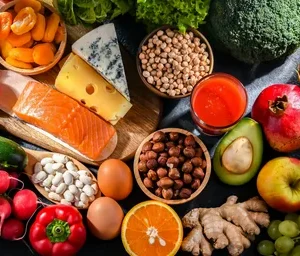
- Protein as the foundation: eggs, fish, tofu, yogurt, protein powder, leftover meat from dinner
- Healthy fats: avocado, nuts, olive oil, cheese
- Optional starch: a slice of bread for taste, but not the main event
- Nothing sweet (except maybe whole fruit if you want)
What happens when you eat this way?
- Your glucose stays stable
- Your energy is steady all day
- Your brain fog clears
- Cravings disappear
- You don’t experience the 4 p.m. crash
- You sleep better
It’s like stepping through a mirror into a parallel universe. People who make this switch report feeling like themselves for the first time in years.
The key insight: If you want to eat your beloved sweet breakfast foods, eat them as dessert after lunch or dinner instead. When you eat something high in glucose after a meal, the food already in your stomach slows down how quickly those sugar molecules enter your bloodstream. The spike is 75% smaller.
You don’t have to give up chocolate cake. You just have to eat it at the right time.
The 75% Glucose Spike Reduction Hack: Eat Your Vegetables First
Research shows something remarkable: if you eat the elements of a meal in a specific order, you can reduce the glucose spike by up to 75% without changing what you eat or how much you eat.
Just by changing the order.
Here’s how it works:
The Science Behind Vegetable-First Eating
When you eat vegetables first, the fiber coats your upper intestine, creating a protective mesh or shield. This shield slows down how quickly the rest of your meal enters your bloodstream.
Think of it like this: fiber is a bouncer. It controls the flow of glucose molecules into your blood, preventing them from rushing in all at once.
The ideal meal order (from science):
- Vegetables first (the fiber shield)
- Protein and fats second (they slow digestion further)
- Starches and sugars last (they’re now protected)
But you don’t need to overthink it. Just remember: vegetables first.
Why Restaurants Give You Bread First (It’s Genius Marketing)
Ever notice restaurants serve bread at the beginning of your meal? There’s actually a conspiracy here.
When you’re hungry and eat bread first, your blood sugar spikes. About 90 minutes later, you’re crashing and craving something sweet. That’s when the waiter comes over: “Would anyone like dessert?”
Boom. You order dessert because your brain is hijacked by the glucose crash.
The fix: Delay the bread. Start with vegetables, then eat your main course, then have bread if you want it. You’ll still enjoy the bread, but the glucose spike will be 75% smaller, and you won’t experience cravings 90 minutes later.
Cultural Wisdom Meets Modern Science
Interestingly, this hack isn’t revolutionary. It’s ancient:
- France: Crudités (raw vegetables) at the beginning of meals
- Italy: Antipasti (vegetables) before the main course
- Middle East: Herbs eaten by the bunch before meals
We’ve lost touch with these traditions, but now we understand the science behind them. It’s time to bring them back.
The “Clothing Your Carbs” Hack: Never Eat Carbs Naked
Here’s a simple rule that changes everything: never eat carbs alone.
By “naked,” we mean carbs without protein, fat, or fiber. Examples of naked carbs:
- Just a piece of bread
- Just a cookie
- Just a bowl of pasta
- Just fruit juice
When you eat naked carbs on an empty stomach, they hit your bloodstream like a tidal wave.
The solution: Put clothing on your carbs.
This means pairing every carb with protein, fat, or fiber:
- Bread + avocado or cheese
- Cookie + Greek yogurt or almonds
- Pasta + olive oil, protein, and vegetables
- Fruit + nut butter
This simple pairing reduces the glucose spike dramatically. You still get to enjoy the foods you love—they just perform differently in your body.
What to Eat at 3 p.m. When You’re Crashing
The post-lunch energy crash is real. But it doesn’t have to be.
That slump comes from your glucose having spiked after lunch and now crashing. The solution isn’t a snack—it’s preventing the spike in the first place.
Start with your breakfast: Make it savory, not sweet.
At lunch: Eat vegetables first, then protein and fat, then starches.
If you still feel the crash: You can have a snack, but make sure it has clothing. A handful of almonds with a piece of fruit. Greek yogurt with berries. Cheese and whole grain crackers.
But honestly? If you nail breakfast and lunch, the 3 p.m. crash usually disappears entirely.
The Vinegar Hack: 30% Glucose Spike Reduction
Here’s a hack that’s been used for millennia, and now we understand why it works: vinegar.
Vinegar contains acetic acid, which slows down how quickly food breaks down into glucose in your body. Research shows it can reduce glucose spikes by up to 30%.
How to use it:
- Take 1 tablespoon of vinegar in a large glass of water
- Drink it 5-10 minutes before a meal that’s high in carbs or sugar
- Any vinegar works: apple cider, white wine, cherry—just avoid balsamic glaze (it’s full of sugar)
Pro tip: You don’t have to drink it. Make it into a salad dressing and put it on your vegetables. You get the vinegar benefit plus the fiber benefit. Double win.
Important: Never take vinegar as a shot. It will damage your teeth and potentially cause reflux. Always dilute it.
The Movement Hack: Exercise After Eating
Your muscles burn glucose when they contract. You can use this to your advantage.
The hack: After eating one meal per day, use your muscles for 10 minutes.
This could be:
- A walk
- Playing with your dog
- Tidying your apartment
- Calf raises at your desk
- Weightlifting at the gym
- Anything that gets your muscles working
As your muscles contract, they use up some of the glucose from the meal you just ate. Less glucose in your bloodstream = smaller spike = no crash = no cravings.
For athletes: If you’re doing intense exercise, your muscles use most of the glucose from your meal. This means you can actually eat carbs before or after workouts with minimal glucose spike. Post-workout is actually a great time to enjoy that cookie or chocolate cake.
The Sugar Addiction Question: Why Is It So Addictive?
Sugar is addictive because it releases dopamine—the pleasure hormone. Your brain loves it.
But here’s what most people don’t realize: you can’t willpower your way out of sugar addiction.
When your glucose levels crash, your brain’s craving center activates. This isn’t a choice. It’s a survival mechanism. Your body thinks it’s low on energy (even though you just ate too much sugar), and it’s screaming at you to find more glucose.
You literally cannot resist this urge through willpower alone.
The solution isn’t cold turkey. Cutting out all carbs overnight causes withdrawal symptoms—headaches, nausea, low energy—because your body expects glucose every few hours and doesn’t know how to burn fat for fuel.
Instead:
- Delay, don’t eliminate: Move sugar from breakfast to after lunch or dinner
- Train your body slowly: Your body can learn to burn fat for fuel, but it takes time
- Use the hacks: Vegetables first, clothing your carbs, vinegar, movement—these naturally reduce cravings without deprivation
You don’t need willpower. You need strategy.
How Glucose Spikes Destroy Your Mental Health
Here’s something that might shock you: your mental health is directly connected to your blood sugar.
When glucose spikes and crashes, your brain cells suffer the same damage as the rest of your body:
- Mitochondrial dysfunction
- Glycation (aging)
- Inflammation
But there’s more. Glucose spikes impact tyrosine levels, a molecule that regulates mood. They also affect neurotransmitters that control anxiety, depression, and emotional regulation.
The Voodoo Doll Study: How Blood Sugar Makes You Irritable
Scientists recruited 200 married couples and gave each person a voodoo doll representing their spouse. Over six weeks, participants stuck pins in the doll every time their spouse annoyed them.
The finding: People with the most irregular glucose levels stuck the most pins in the doll.
This isn’t coincidence. When your glucose is crashing, your brain is in survival mode. Everything feels threatening. Your spouse’s harmless comment feels like an attack. You’re irritable, triggered, and reactive.
Stable glucose = stable mood. Unstable glucose = emotional chaos.
The Personal Story: How Glucose Changed Everything
One researcher had a breakthrough after a decade of struggling with anxiety, depression, and depersonalization. While wearing a glucose monitor, they noticed something: on days with stable glucose, mental health was dramatically better. On days with spikes and crashes, mental health was worse.
This single observation changed their life. They started managing glucose levels, and their mental health improved without medication or therapy alone (though those helped too).
The point: if you’re struggling with mental health, look at your blood sugar before anything else.
The Sleep Connection: Why Bad Sleep Leads to Sugar Cravings
Sleep and glucose are deeply connected, and it’s a vicious cycle:
Poor sleep → More cravings → Bigger glucose spikes → Worse sleep
Here’s why:
When you’re tired, your body can’t regulate glucose as well. The same cake that creates a moderate spike when you’re rested creates a massive spike when you’re exhausted.
Also, when your glucose crashes during sleep, you might wake up with a pounding heart, sweats, or vivid nightmares. You think you have insomnia. Actually, your blood sugar is crashing.
The solution:
- Use the breakfast hack (savory breakfast)
- Do 5 minutes of movement after eating
- Watch your glucose stability improve
- Sleep better naturally
Many people improve their sleep just by stabilizing blood sugar—without sleeping pills, without changing their bedroom, without anything else.
Stop Counting Calories: Why Calories Are a Useless Metric
Here’s how scientists used to measure calories: they’d put food in a box, burn it, and measure how much the surrounding water heated up.
That’s it. Calories are just a measure of heat when something burns.
The problem: This tells you absolutely nothing about whether a food is healthy.
A donut and an avocado could have the same calories. But they’re completely different foods with completely different effects on your body.
Two People, Same Calories, Completely Different Health
Imagine two women eating 2,000 calories per day:
Woman A: Eats in a way that keeps glucose stable. Clear brain. Good energy. Functioning mitochondria. No inflammation. Thriving.
Woman B: Eats in a way that creates constant glucose spikes. Brain fog. Fatigue. Damaged mitochondria. Chronic inflammation. Developing type 2 diabetes.
Same calories. Completely different health outcomes.
Calories don’t predict health. The composition of your food does.
When you stop counting calories and start using the hacks, something magical happens: your body naturally finds its ideal weight. You might lose fat without trying, without counting, without restriction. Not because you’re eating fewer calories, but because your body is finally functioning properly.
The Hidden Sugar in “Healthy” Foods: A Comparison Table
| Food | Serving | Added Sugar | Glucose Impact | Better Alternative |
|---|---|---|---|---|
| Orange juice | 8 oz | 24g | Massive spike | Whole orange with almonds |
| Fruit smoothie | 16 oz | 40-50g | Massive spike | Whole fruit + protein |
| Breakfast cereal | 1 cup | 12g | Large spike | Eggs with whole grain toast |
| Granola | 1/2 cup | 15g | Large spike | Greek yogurt + berries |
| Dried fruit | 1/4 cup | 20g | Large spike | Whole fruit |
| Flavored yogurt | 6 oz | 18g | Moderate spike | Plain yogurt + fruit |
| Fruit juice | 8 oz | 26g | Massive spike | Whole fruit |
| Breakfast bar | 1 bar | 12g | Moderate spike | Cheese + whole grain crackers |
| Oatmeal with honey | 1 cup | 25g | Large spike | Oatmeal + eggs + avocado |
| Acai bowl | 1 bowl | 35g | Massive spike | Acai + nuts + seeds (no added sugar) |
The Supplement Question: Do You Actually Need Them?
People often ask: “Can I just take a supplement instead of changing my diet?”
The answer is no. But supplements can help.
Do the food hacks first. They have the biggest impact. Vegetables first, savory breakfast, clothing your carbs, vinegar, movement—these are non-negotiable.
Supplements are the bonus round.
Recent research has identified four plants that help stabilize glucose:
- White mulberry leaf
- Lemon extract
- Cinnamon
- Antioxidants from green vegetables
When combined, these can reduce glucose spikes by up to 40%—more powerful than vinegar alone.
But here’s the catch: Most supplements on the market contain sugar or don’t actually work. Do your research. Look at the ingredient list. If sugar is in the first five ingredients, it’s dessert, not a supplement.
Type 2 Diabetes Is Reversible: Here’s How
If you have type 2 diabetes, or if it runs in your family, here’s the truth: it’s reversible.
It’s not a genetic death sentence. It’s not something you’re stuck with forever.
Type 2 diabetes develops because your body has been on a glucose roller coaster for so long that your cells stop responding to insulin properly. But this process can be reversed.
Using the hacks:
- Savory breakfast
- Vegetables first
- Clothing your carbs
- Vinegar
- Movement
People put type 2 diabetes into remission every week using these strategies (in concert with their doctor, of course).
The point: you have agency. You have power. You can change this.
The Real Goal Isn’t Weight Loss (It’s Freedom)
Here’s where diet culture has lied to you: the goal isn’t to lose weight.
The goal is to feel good. To have energy. To be free from cravings. To think clearly. To enjoy your life.
Weight loss might be a consequence, but it’s not the point.
When you stabilize your glucose:
- You naturally lose fat (without trying)
- Your energy soars
- Your mood improves
- Your skin clears
- Your mental health strengthens
- Your cravings disappear
- You feel like yourself again
Some people lose weight. Some don’t. But everyone feels better.
This isn’t a diet. This is life transformation.
The Fruit Question: Should You Eat It First or Last?
This is a common question, and the answer might surprise you.
Modern fruit is not natural. Humans have bred it to be extremely high in sugar. A banana today looks nothing like an ancestral banana. Apples today are massive compared to their wild ancestors.
But whole fruit is still the best sweet thing you can eat because it contains fiber, which protects you from glucose spikes.
The key is: don’t denature the fruit.
- Whole fruit? Good.
- Fruit juice? Bad (no fiber).
- Fruit smoothie? Bad (fiber is blended away).
- Dried fruit? Bad (sugar is concentrated).
Eat whole fruit, and you’re fine. Just remember: fruit is in the sugar category, so if you’re optimizing, eat it after a meal or with protein and fat, not on an empty stomach.
Your Action Plan: Start Today
You don’t need to change everything at once. Start with one hack.
Week 1: Switch to a savory breakfast. That’s it. Notice how you feel.
Week 2: Add the vegetables-first hack to one meal per day.
Week 3: Add the clothing-your-carbs hack to your snacks.
Week 4: Add movement after one meal per day.
Week 5+: Add vinegar or other hacks as you feel ready.
Small changes compound into massive results. You’re not looking for perfection. You’re looking for progress.
The Bottom Line: You’re Not Broken, Your Blood Sugar Is
If you’re exhausted, craving sugar, struggling with mental health, or watching your skin age faster than it should, you’re not broken.
Your blood sugar is just on a roller coaster.
The good news? You can get off. You don’t need willpower. You don’t need to cut out your favorite foods. You don’t need to become obsessed with health.
You just need to understand how your body works and use simple hacks to keep your glucose stable.
The result? More energy. Better mood. Clearer skin. Sharper mind. Freedom from cravings. A life that feels like yours again.
Start with breakfast tomorrow. Make it savory. Notice how you feel.
That’s all it takes to begin.
Key Takeaways
- Glucose spikes age you faster through glycation, mitochondrial damage, and inflammation
- Breakfast controls your entire day—make it savory, not sweet
- Vegetables first reduces glucose spikes by up to 75%
- Clothing your carbs (pairing them with protein, fat, or fiber) prevents crashes and cravings
- Vinegar and movement are powerful, free hacks
- Calories don’t matter—glucose stability does
- Type 2 diabetes is reversible using these strategies
- The goal isn’t weight loss—it’s energy, clarity, and freedom
Ready to transform your health? Start with a savory breakfast tomorrow. Your future self will thank you.