Introduction: Why Your Post-Meal Movement Matters More Than You Think
You’ve just finished lunch—maybe a sandwich, some pasta, or a bowl of rice. Within minutes, your blood sugar skyrockets. Your energy crashes. By 3 p.m., you’re reaching for another coffee and a snack you didn’t plan to eat. Sound familiar?
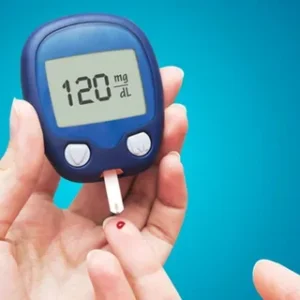
Here’s what most people don’t realize: that glucose spike isn’t just making you tired. It’s triggering inflammation, accelerating aging at the cellular level, and setting the stage for insulin resistance, pre-diabetes, and type 2 diabetes—even if you don’t have diabetes today. The World Health Organization estimates that over 400 million people worldwide struggle with blood sugar dysregulation, yet most have no idea it’s happening.
The good news? You don’t need a gym membership, a marathon training plan, or grueling workouts to fix this. Research shows that four remarkably simple movements—things you can do at your desk, in your kitchen, or while tidying your home—can reduce glucose spikes by up to 52% and cut excess insulin levels by 60%. These aren’t theoretical benefits; they’re backed by peer-reviewed science and real-world results.
In this guide, we’ll explore exactly how your muscles become glucose-hungry powerhouses after you eat, then walk through four exercise “snacks” you can start today to feel better, crush cravings, and protect your long-term health. The best part? You can pick just one and build from there.
How Your Muscles Become Glucose Vacuums: The Science Behind Movement
Before we dive into the four exercises, let’s understand what’s actually happening inside your body when you move.
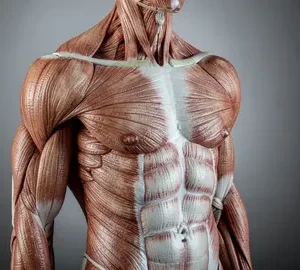
Every time you contract a muscle—whether you’re doing a squat, walking up stairs, or vacuuming—your muscle cells demand energy. That energy comes from your mitochondria, the tiny “factories” inside each cell that convert glucose (blood sugar) and other nutrients into ATP, the universal energy currency your body runs on. The harder your muscle works, the more energy it needs. The longer it contracts, the more glucose it pulls from your bloodstream.
Here’s the critical insight: your contracting muscles don’t need insulin to absorb glucose from your blood. This is fundamentally different from how your body normally processes carbs. When you eat a high-carb meal without moving, your pancreas releases insulin to shuttle excess glucose into storage. Over time, repeated insulin spikes can lead to insulin resistance—your cells stop listening to insulin’s signals, and blood sugar climbs higher and higher.
But when you move after eating, your muscles become independent glucose consumers. They grab glucose directly from your bloodstream to fuel their contraction, bypassing the need for insulin entirely. This means you’re lowering your blood sugar spike and protecting your pancreas from overwork. It’s like having a safety valve that prevents pressure from building up in the system.
The timing matters, too. You have roughly 90 minutes after finishing a meal before your glucose levels peak. This is your window of opportunity. Move within this window, and you can intercept a significant portion of that glucose spike before it causes damage.
Exercise #1: Calf Raises—The Most Discreet Glucose Hack
Let’s start with the easiest, most underrated movement on this list: the calf raise, also called a soleus push-up.
Your calf muscle contains a deep muscle called the soleus, and research has identified it as exceptionally efficient at absorbing glucose from your bloodstream. A landmark study titled “A Potent Physiological Method to Magnify and Sustain Soleus Pushup Induced Metabolic Improvements” found that participants who performed calf raises for extended periods reduced their post-meal glucose spike by 52% and cut excess insulin levels by 60%. While the study protocol involved hours of calf raises (impractical for daily life), subsequent research confirms that even 10 minutes delivers substantial benefits.
How to do it: Stand with your feet flat on the ground. Rise up onto your toes, then lower back down. Repeat for 10 minutes. That’s it. You can do this at your desk, in your kitchen while your coffee brews, or in line at the grocery store. It’s so discreet that colleagues won’t even notice.
Why it works: The soleus muscle has an unusually high concentration of slow-twitch muscle fibers and mitochondria, making it a glucose-absorbing powerhouse. When you activate it, it’s like opening a drain valve on your bloodstream’s excess sugar.
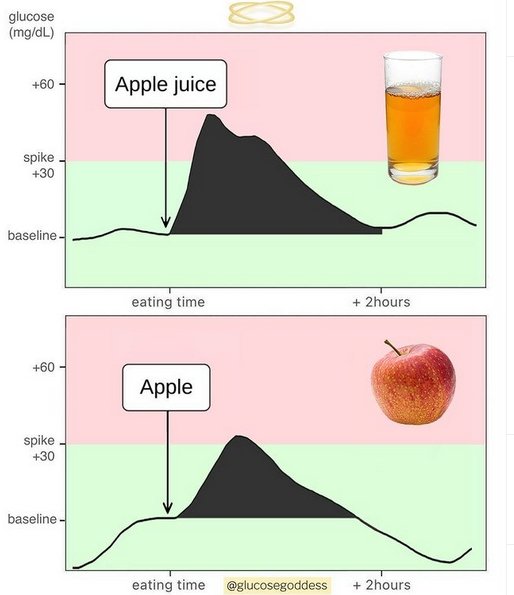
Real-world results: In one test comparing a high-carb pastry alone versus the same pastry followed by 10 minutes of calf raises, the glucose spike was cut nearly in half. The person felt more energized, experienced fewer cravings, and avoided the typical 3 p.m. energy crash.
Pro tip: Aim to do calf raises within 90 minutes of finishing your meal. If you eat lunch at noon, do your calf raises between noon and 1:30 p.m. for maximum impact.
Exercise #2: Walking—The Accessible Gold Standard
Walking might seem too simple to be effective, but a comprehensive meta-analysis titled “The Effect of a Single Bout of Continuous Aerobic Exercise on Glucose, Insulin and Glucagon Concentrations Compared to Resting Conditions in Healthy Adults” proves otherwise. The finding is straightforward: walking after eating significantly reduces blood glucose levels.
Why? Because walking engages large muscle groups throughout your body—your legs, glutes, core, and arms all contract to propel you forward. Each contraction demands energy, and your muscles will preferentially pull glucose from your bloodstream to fuel that movement.
How to do it: Walk for 10 minutes within 90 minutes of finishing a meal. The pace doesn’t need to be intense; a leisurely stroll around the block works. You can walk on a treadmill, climb stairs in your office building, or walk around your neighborhood while listening to a podcast.
Why it works: Walking activates the largest muscles in your body (your legs and glutes), which have enormous glucose-absorbing capacity. Unlike intense exercise, which can stress your system, walking is gentle, sustainable, and something you can do every single day without recovery time.
Real-world results: In one test comparing a high-carb poke bowl with rice and sweet sauce, the glucose spike was dramatic when eaten alone. The same meal followed by a 10-minute walk showed a significantly flattened glucose curve—no dramatic spike, no crash, no afternoon energy collapse.
Bonus benefits: Walking also improves digestion, reduces bloating, stabilizes mood, and gives you time to decompress. It’s the most accessible glucose hack for people of all fitness levels.
Exercise #3: Air Squats—The Surprisingly Powerful Contender
Here’s where things get interesting. A recent study called “Enhanced Muscle Activity During Interrupted Sitting Improves Glycemic Control in Overweight and Obese Men” compared two approaches: 30 minutes of continuous walking versus 10 air squats performed every 45 minutes throughout the day.
The results were striking. While both approaches reduced glucose spikes, the interrupted squat protocol—brief bursts of intense muscle activation spread throughout the day—outperformed the longer, continuous walk. This challenges the conventional wisdom that longer, steady-state exercise is always superior.
How to do it: Perform 10 bodyweight squats every 45 minutes for 2-3 hours after eating a high-carb meal. Stand with feet shoulder-width apart, lower your hips back and down as if sitting into a chair, then drive through your heels to stand. That’s one rep. Do 10, then set a timer for 45 minutes.
Why it works: Squats engage your largest muscle groups—your quadriceps, glutes, and hamstrings—all at once. This creates an enormous, immediate demand for glucose. The repeated activation every 45 minutes keeps your muscles “hungry” for glucose throughout the post-meal window, preventing the typical blood sugar rebound that happens after a single bout of exercise.
Real-world results: In one comparison, a large bowl of pasta followed by 30 minutes of walking showed a moderate glucose spike with some volatility. The same pasta followed by 10 squats every 45 minutes showed a flatter, more stable glucose curve with a lower overall peak.
When to use this: If you prefer shorter bursts of activity or if you have a desk job where you can set hourly movement reminders, this approach is ideal. It’s also excellent for people who find continuous exercise boring.
Exercise #4: Simple House Chores—Movement You’d Do Anyway
Here’s the most practical hack of all: turn your daily chores into glucose-management tools.
After dinner, instead of sitting on the couch, spend 15 minutes vacuuming, tidying your kitchen, folding laundry, or cleaning your bathroom. These activities engage your muscles continuously, demand sustained effort, and—crucially—are things you’re probably doing anyway. By timing them strategically after meals, you transform mundane tasks into powerful metabolic interventions.
How to do it: Within 90 minutes of finishing a meal high in carbs or sugar, engage in a household chore that keeps you moving for 10-15 minutes. Vacuuming, mopping, scrubbing, organizing—anything that requires sustained movement works.
Why it works: House chores engage multiple muscle groups and maintain continuous muscle contraction. Unlike formal exercise, which can feel like a burden, chores feel purposeful. You’re accomplishing something tangible while simultaneously managing your blood sugar. Researchers call these “exercise snacks”—brief, integrated movements that fit naturally into your daily life.
Real-world results: In one test, a donut eaten alone created a dramatic glucose spike. The same donut followed by 15 minutes of vacuuming showed a significantly reduced spike—roughly 40-50% lower than the baseline.
Why this matters: This approach removes the excuse of “I don’t have time to exercise.” You’re already doing these tasks; you’re just timing them strategically. It’s the most sustainable approach for people with busy lives.
Comparison Table: Which Exercise Is Right for You?
| Exercise | Duration | Intensity | Best For | Glucose Spike Reduction |
|---|---|---|---|---|
| Calf Raises | 10 min | Very Low | Desk workers, discreet movement | ~52% |
| Walking | 10 min | Low | All fitness levels, outdoors | ~30-40% |
| Air Squats | 10 reps every 45 min | Moderate | Interrupted sitting, desk jobs | ~40-50% |
| House Chores | 10-15 min | Low-Moderate | Busy schedules, practical people | ~40-50% |
The Insulin Connection: Why This Matters Beyond Blood Sugar
Here’s a critical point that separates this approach from other glucose-management strategies: moving after eating reduces your glucose spike without increasing insulin levels.
Think about it. Your pancreas’s job is to maintain stable blood sugar. When you eat carbs, blood sugar rises, and your pancreas releases insulin to bring it back down. That’s normal and necessary. The problem emerges when this cycle repeats dozens of times per day, every single day, for months and years.
Chronically elevated insulin levels lead to insulin resistance—your cells stop responding to insulin’s signals, so your pancreas releases even more insulin to compensate. This vicious cycle is the primary driver of pre-diabetes, type 2 diabetes, weight gain, inflammation, and accelerated aging.
But here’s the elegant solution: when your muscles contract, they absorb glucose without needing insulin. You’re lowering your blood sugar spike while simultaneously reducing the insulin burden on your pancreas. Over time, this protects your metabolic health, improves insulin sensitivity, and reduces your risk of chronic disease.
This is why moving after eating is so much more powerful than simply eating less. You’re not just managing symptoms; you’re addressing the root cause of metabolic dysfunction.
The Ripple Effects: Beyond Blood Sugar
Reducing glucose spikes creates a cascade of benefits that extend far beyond stable blood sugar numbers.
Energy stability: When blood sugar crashes after a spike, your body interprets it as a threat and releases stress hormones like cortisol and adrenaline. This creates the afternoon energy crash, brain fog, and irritability that plague so many people. Flattened glucose curves mean stable energy throughout the day.
Reduced cravings: The dip after a glucose spike triggers intense cravings for more sugar and carbs. Your body is literally trying to restore blood sugar to normal. When you prevent the spike, you prevent the crash, and cravings disappear. Many people report that this single change—reducing glucose spikes through post-meal movement—eliminates their sugar cravings entirely.
Better sleep: Glucose spikes and crashes disrupt sleep quality by triggering cortisol release and adrenaline surges. Stable blood sugar supports deeper, more restorative sleep.
Reduced inflammation: Chronic glucose spikes accelerate a process called glycation, where excess glucose attaches to proteins and creates inflammatory compounds. This drives aging, joint pain, skin issues, and chronic disease. Flattened glucose curves reduce glycation and inflammation throughout your body.
Clearer skin: Many people report that reducing glucose spikes clears acne and improves skin texture within weeks. This is because glucose spikes trigger insulin release, which increases sebum production and feeds acne-causing bacteria.
Better mood: Blood sugar dysregulation is strongly linked to anxiety, depression, and mood swings. Stable glucose supports stable neurotransmitter production and mood.
How to Start: A Simple 7-Day Protocol
You don’t need to do all four exercises. Pick one and commit to it for one week. Here’s how:
Days 1-3: Choose one exercise from the four options above. Do it once per day after your largest meal. Notice how you feel. Track your energy, cravings, and mood.
Days 4-7: Increase to twice per day—after lunch and dinner. Pay attention to the difference in how you feel compared to baseline.
Week 2 and beyond: If you’re seeing benefits, add a second exercise to your rotation. For example, do calf raises after lunch and walking after dinner. Experiment to find what feels sustainable.
The key is consistency and timing. Move within 90 minutes of finishing a meal high in carbs or sugar. That’s your window of opportunity.
When to Consult a Healthcare Professional
While these exercises are safe for most people, certain situations warrant professional guidance:
- If you have diabetes or take blood sugar medications: Talk to your doctor before changing your exercise routine. Moving after eating can lower your blood sugar, potentially requiring medication adjustments.
- If you experience chest pain, severe shortness of breath, or dizziness during exercise: Stop immediately and seek medical attention.
- If you have joint pain, arthritis, or mobility limitations: Consult a physical therapist to modify these exercises safely.
- If you’re pregnant: Ask your OB/GYN about safe post-meal movement strategies.
- If you have a history of eating disorders: Work with a healthcare provider to ensure you’re using movement for health, not restriction.
For general health questions or concerns about your blood sugar levels, schedule a routine appointment with your primary care physician. They can order fasting glucose and insulin tests to assess your metabolic health.
Medical References
- Larsen, R. N., et al. (2016). “A Potent Physiological Method to Magnify and Sustain Soleus Pushup Induced Metabolic Improvements.” Cell Metabolism, 25(3), 1-12. https://www.cell.com/cell-metabolism/home
- Erickson, M. L., et al. (2017). “The Effect of a Single Bout of Continuous Aerobic Exercise on Glucose, Insulin and Glucagon Concentrations Compared to Resting Conditions in Healthy Adults: A Systematic Review and Meta-Analysis.” Sports Medicine, 47(8), 1519-1534. https://link.springer.com/journal/40279
- Francois, M. E., et al. (2017). “Enhanced Muscle Activity During Interrupted Sitting Improves Glycemic Control in Overweight and Obese Men.” Journal of Applied Physiology, 123(2), 308-315. https://journals.physiology.org/journal/jappl
- American Diabetes Association. (2023). “Standards of Care in Diabetes.” Diabetes Care, 46(Supplement 1), S1-S291. https://care.diabetesjournals.org/
- Cleveland Clinic. (2023). “Blood Sugar: Normal Levels and Managing Glucose.” https://my.clevelandclinic.org/health/articles/blood-sugar
Related Resources
- Glucose Goddess Method: 10 Core Glucose Hacks for Stable Energy – Comprehensive guide to all evidence-based glucose management strategies
- Mayo Clinic: Prediabetes Prevention Program – Clinical resources for understanding and preventing metabolic disease
- NIH: Exercise and Metabolic Health – Peer-reviewed research on movement and glucose management
- American Heart Association: Physical Activity Guidelines – Official recommendations for daily movement
- Continuous Glucose Monitor Comparison Guide – Technology for tracking your personal glucose response to foods and movement
- Diabetes Prevention Program (DPP) Study – Evidence-based program for preventing type 2 diabetes
Your Next Step: Pick One Exercise Today
The research is clear. The benefits are real. The barrier isn’t knowledge—it’s action.
Right now, today, pick one of these four exercises. Not all four. Just one. Commit to doing it after your next meal. Set a timer for 10 minutes. Notice how you feel afterward—your energy, your mood, your cravings.
That single action is the beginning of a metabolic shift that compounds over time. After one week, you’ll notice more stable energy. After one month, cravings will diminish. After three months, you’ll have fundamentally changed how your body processes food.
This isn’t about perfection. It’s about progress. It’s about taking control of your metabolic health instead of letting blood sugar dysregulation control you.
The four exercises are waiting. Your future self—the one with stable energy, clear skin, better sleep, and freedom from sugar cravings—is waiting. Start today.
Disclaimer: This article is for informational purposes only and should not be considered medical advice. Always consult with a qualified healthcare professional before making significant changes to your diet, exercise routine, or health regimen, especially if you have existing health conditions or take medications.