
If your spice rack is limited to thyme and curry powder, you are essentially driving a Ferrari in first gear. It’s time to stop settling for “okay” meals and start cooking food that actually talks back with soul and character.
Nigerian cuisine is a vibrant tapestry, yet many home cooks—and even some professional chefs—overlook the very ingredients that give our ancestors’ pots that legendary, haunting aroma. These aren’t just seasonings; they are the DNA of West African flavor.
The Magic Behind Bold Nigerian Flavors
When we talk about “boldness” in a Nigerian kitchen, we aren’t just talking about the heat from habaneros. We are talking about a complex, earthy, and often medicinal depth that comes from seeds, pods, and barks harvested from our own soil.
Growing up, I remember the smell of my grandmother’s kitchen. It didn’t smell like a supermarket; it smelled like woodsmoke, fermented locust beans, and something “dark” and nutty. That secret weapon was Ehuru. If you’ve been relying on store-bought nutmeg, you’ve been missing out on a sensory culinary experience that connects you to the earth.
Using these spices isn’t just about taste; it’s about heritage. In a world of processed cubes, going back to indigenous aromatics is an act of culinary rebellion. It’s about reclaiming a palate that is sophisticated, nuanced, and undeniably powerful.
1. Ehuru (African Nutmeg): The Soul of the Pot

If the kitchen had a king of aroma, Ehuru would be wearing the crown. Unlike the common nutmeg (Myristica fragrans) you find in lattes, Ehuru (Monodora myristica) is wild, smoky, and much more intense.
The Flavor Profile: It’s woody, slightly bitter if overused, but incredibly floral when toasted correctly.
The Technique: You must toast the seeds in a dry pan until the skin cracks. Peel them, grind the inner nut, and watch your Banga soup or Abacha transform.
Why aren’t you using it? Perhaps because it requires an extra two minutes of effort. But let me tell you, those two minutes are the difference between a meal that is “fine” and a meal that makes your guests ask for your secret supplier.
Why Your Kitchen Needs Indigenous Nigerian Spices
Most people stick to what’s easy. But easy is boring. Incorporating indigenous Nigerian spices like Ehuru into your daily cooking isn’t just for traditional soups. Have you ever tried a pinch of ground Ehuru in your chocolate cake? Or perhaps dusted over roasted sweet potatoes?
It adds a “what is that?” factor that keeps people coming back for seconds. It bridges the gap between traditional West African cooking and modern fusion. It’s the ultimate flavor enhancer for those who crave depth over saltiness.
2. Uda (Negro Pepper): The Spicy, Smoky Healer
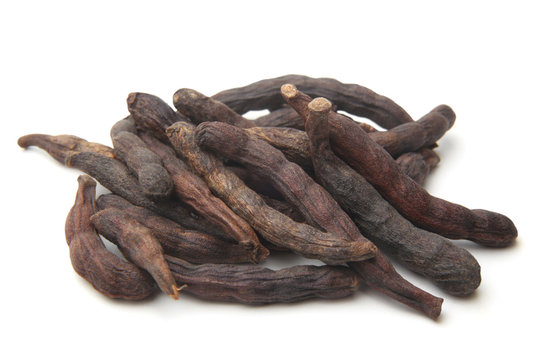
Uda pods look like long, dark fingers, and they pack a punch that hits the back of your throat with a peppery, citrusy finish. It’s a staple in “Pepper Soup,” but its utility goes far beyond that.
Medicinal Power: In many Nigerian cultures, Uda is given to new mothers to help with healing and cleansing. It’s packed with antioxidants and anti-inflammatory properties.
How to Use: You don’t eat the pod; you drop it into slow-cooking stews or teas. It infuses the liquid with a muskiness that mimics the taste of a charcoal grill.
Unlocking Bold Nigerian Flavors with Uda
Imagine a rainy Tuesday. You’re making a simple chicken broth. Usually, it’s bland. But you drop two cracked Uda pods into the pot. Suddenly, the steam rising from the stove smells like an Igbo village festival. That is the power of indigenous ingredients.
“A kitchen without Uda is a kitchen without a heartbeat,” as my aunt used to say while stirring a pot of Nsala soup.
| Spice Name | Local Name | Best Paired With | Key Benefit |
| African Nutmeg | Ehuru | Banga Soup, African Salad | Digestive aid |
| Negro Pepper | Uda | Pepper Soup, Porridge | Anti-inflammatory |
| West African Black Pepper | Uziza | White Soup, Okra | Metabolism boost |
| Alligator Pepper | Ataare | Roasted Meats, Bitters | High Antioxidants |
| Fermented Oil Bean | Ugba | Salads, Garnishes | Protein rich |
3. Uziza: The King of Heat and Heart

Uziza comes in two forms: the leaf and the seed. While the leaf is famous in Ofe Uziza, the dried black peppercorn-like seeds are where the real “bold” magic happens.
The Taste: It’s spicy, but not “chili” spicy. It’s a numbing, aromatic heat similar to Szechuan peppercorns but with a distinctly earthy undertone.
Versatility: Use it in anything where you would normally use black pepper. Steaks, pasta, or even eggs.
Transforming Your Palate with Bold Nigerian Flavors
When you start using Uziza, your perception of “spicy” changes. You stop looking for pain and start looking for resonance. The heat of Uziza lingers; it warms the chest rather than burning the tongue. It’s a sophisticated spice for a sophisticated cook.
If you are trying to impress someone with your culinary range, skip the truffle oil. Use Uziza. It shows you understand balance, history, and the art of the “slow burn.”
4. Ataare (Alligator Pepper): The Ceremonial Spark
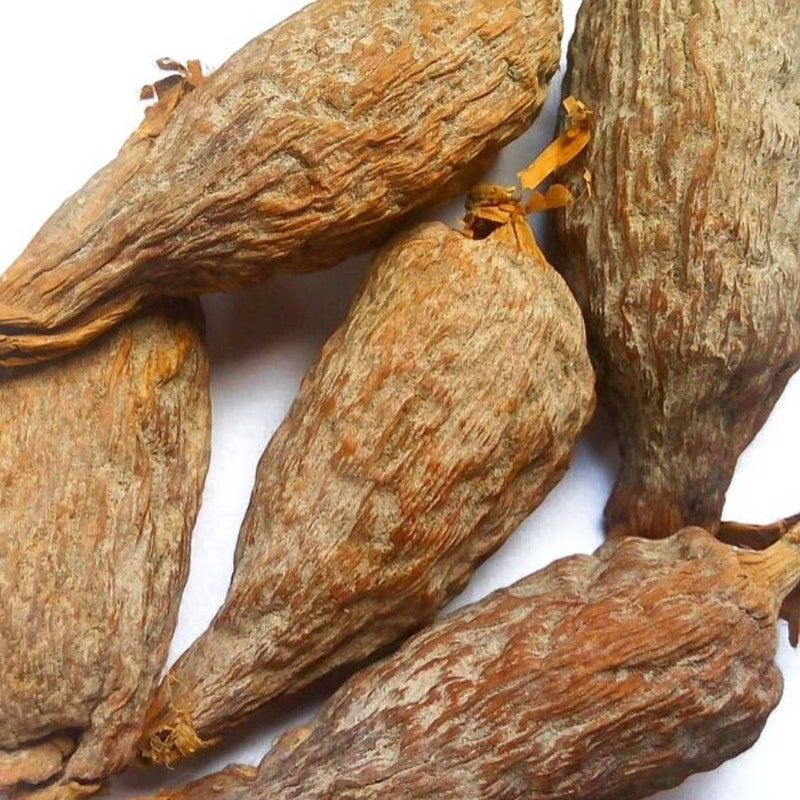
Ataare is more than a spice; it’s a cultural icon. Often served to guests with kola nuts, its culinary potential is vastly underrated. Inside the pod are tiny seeds that explode with a flavor that is peppery, floral, and slightly reminiscent of cardamom.
The Crunch: I love crushing these seeds and rubbing them onto brisket or lamb before roasting.
The Drink: Drop a few seeds into your gin and tonic or your morning coffee for a spicy, botanical kick.
The Science of Bold Nigerian Flavors
There is a reason our ancestors survived and thrived on these spices. They aren’t just for taste. Many of these indigenous Nigerian spices act as natural preservatives and digestive stimulants. When you eat a heavy meal seasoned with Ataare, you rarely feel that “food coma” bloat.
It’s about bio-availability. Your body recognizes these plants. They are part of a biological dialogue that has existed for centuries.
5. Orunbebe: The Secret Bark
Orunbebe isn’t a seed or a leaf; it’s a medicinal bark used primarily in the Niger Delta for soups like Owo or Banga. It gives the soup a dark, rich color and a bitter-sweet complexity that nothing else can replicate.
The Experience: It’s the “umami” of the Nigerian spice world. It rounds out the sharp edges of the palm fruit and provides a base note that grounds the entire dish.
Why It’s Ignored: It looks like a piece of wood. People are afraid of what they don’t recognize. But fortune favors the bold—and so does flavor.
Why You Should Start Using Indigenous Nigerian Spices Today
We live in a globalized world where we can get Saffron from Iran or Vanilla from Madagascar with a click. Yet, we ignore the goldmine in our own backyard. Using these five spices isn’t just a cooking choice; it’s a way to keep a culture alive.
They are affordable.
They are organic.
They are healthy.
They make you look like a pro.
Call-to-Action: Ready to change your cooking game? Share Now this post with a friend who thinks “spices” just means salt and pepper!
Conclusion: A Journey Back to the Roots
Unlocking bold flavors doesn’t require a culinary degree or a trip to a Michelin-star restaurant. It requires a trip to the local market and the courage to try something that looks a little different.
These 5 indigenous Nigerian spices—Ehuru, Uda, Uziza, Ataare, and Orunbebe—are waiting to be rediscovered. They offer a window into a world of flavor that is loud, proud, and incredibly delicious. So, the next time you’re standing in front of your stove, ask yourself: “Am I cooking, or am I creating an anthem?”