When the Heart Whispers Instead of Shouts
Imagine your heart trying to scream for help—but it whispers instead. That’s exactly what a silent heart attack feels like. No dramatic clutching of the chest. No sudden collapse. Just vague discomfort, fatigue, maybe a burp you shrug off. But make no mistake—it’s real, dangerous, and often overlooked.
Silent heart attack symptoms aren’t bizarre; they’re sneaky. They blend in with everyday annoyances like indigestion or tiredness, tricking both men and women into thinking nothing’s wrong—until it’s too late. That’s why silent heart attack symptoms every man & woman must know aren’t just medically important; they’re potentially life-saving.

🧠 Section 1: What Is a Silent Heart Attack?
A silent heart attack, medically known as a silent myocardial infarction (SMI), happens when part of your heart is starved of oxygen and blood, yet the symptoms are faint, mild, or easily mistaken for something else. But here’s the twist—though the signs are subtle, the damage to the heart muscle is real and can have serious long-term effects just like a classic heart attack. (Cleveland Clinic)
Unlike textbook heart attacks with intense chest pain, silent heart attacks can slip under the radar so quietly that many people don’t realize they’ve had one until weeks or even months later—often discovered through an electrocardiogram (ECG) or imaging test. (Harvard Health)
In fact, silent heart attacks may make up about 20%–45% of all heart attacks, a surprising figure that underscores how common and overlooked they are. (Harvard Health)
Why Silent Isn’t Harmless
Just because the symptoms are subtle doesn’t mean the event is safe. Silent heart attacks can leave scars on your heart, increasing risks of:
- Arrhythmias (irregular heartbeat)
- Heart failure
- Future heart attacks
- Increased mortality risk from coronary artery disease (Harvard Health)
Your heart doesn’t bluff—once it’s damaged, the effects are lasting.
❤️ Section 2: Common Silent Heart Attack Symptoms Every Man & Woman Must Know
Here’s where we debunk the myth that all heart attacks present with dramatic chest pain. Silent heart attack symptoms every man & woman must know are often subtle, non-specific, and easily confused with benign issues. So let’s break them down clearly.
💡 Subtle Physical Signals
- Mild chest discomfort: Not sharp pain, but a lingering ache, pressure, or fullness in the center of the chest. (Cleveland Clinic)
- Indigestion or heartburn: You might think it’s gas—but sometimes it’s your heart crying for help. (Healthline)
- Shortness of breath: Especially when it comes on suddenly or without exertion. (UCLA Health)
- Jaw, neck, or back discomfort: Pain radiating beyond the chest is important not to dismiss. (Healthline)
- Lightheadedness or dizziness: Not just “feeling off,” but unexpectedly unsteady. (Apollo 24|7)
🧠 Less Obvious Symptoms
- Unexplained fatigue: A profound tiredness that rest doesn’t fix. (Cleveland Clinic)
- Nausea or vomiting: Often mistaken for food poisoning or a stomach bug. (Healthline)
- Cold sweats: Not linked to weather or exercise—this is your body under stress. (Apollo 24|7)
- General flu-like feelings: Sometimes you feel “off” without a clear cause. (Cleveland Clinic)
These symptoms may come and go—or linger for longer than expected—making them tricky to detect without awareness.
📊 Section 3: Symptom Comparison — Silent vs. Classic Heart Attack
To make it easier to spot the difference, here’s a quick comparison:
| Feature | Classic Heart Attack | Silent Heart Attack |
|---|---|---|
| Chest Pain | Severe, crushing pain | Mild discomfort or none |
| Jaw/Neck Pain | Common | Possible but subtle |
| Shortness of Breath | Frequent | Frequent but misattributed |
| Indigestion | Sometimes | Common |
| Fatigue | May occur | Very common |
| Sweating | Often | Can be present |
| Awareness | Immediate | Often unnoticed |
This table shows why silent heart attack symptoms every man & woman must know need special attention: they don’t behave like the Hollywood version of a heart attack.
👨⚕️ Section 4: Who Is Most at Risk?
Silent heart attacks share many risk factors with classic heart attacks. Men and women both face risks, but patterns differ slightly:
Common Risk Factors
- Age: Older adults are more susceptible. (Mayo Clinic)
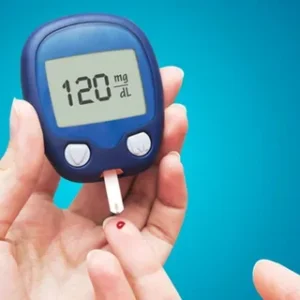
- Diabetes: A major risk factor—especially because it can mask symptoms. (Mayo Clinic)
- High blood pressure & cholesterol: Key contributors to artery blockage. (Mayo Clinic)
- Smoking: Damages blood vessels and accelerates arterial plaque buildup. (Mayo Clinic)
- Sedentary lifestyle: Lack of activity increases overall heart risk. (Mayo Clinic)
Who’s Especially at Risk?
- Men: Tend to have silent heart attacks without dramatic symptoms. (Harvard Health)
- Women: More likely to experience atypical symptoms like nausea, jaw pain, or fatigue, which are often dismissed. (Healthline)
- People with diabetes: High blood sugar can dull nerve sensation, masking pain. (Mayo Clinic)
One expert notes that many silent events go unnoticed “because their symptoms feel like ordinary discomforts—flu, heartburn, muscle strain.” (Cleveland Clinic)
🧠 Section 5: When to Act—and What to Do
If you notice any combination of these symptoms—even if they don’t fit the “classic” heart attack picture—don’t sit on it. Early action can truly be the difference between life and loss.
🔥 Red Flags That Demand Immediate Help
Call emergency services (e.g., 911 or your local emergency number) right away if you experience:
- Persistent chest discomfort
- Sudden onset of shortness of breath
- Any unexplained symptom listed above, especially if it’s new or worsening
It’s better to be safe and checked out than to chalk it up to indigestion or stress.
🩺 Long-Term Prevention Tips
In addition to watching for symptoms:
- Get regular checkups with heart screening tests like ECGs.
- Manage chronic conditions like diabetes and hypertension.
- Maintain a heart-healthy lifestyle with balanced nutrition, exercise, and stress control.
- Quit smoking and reduce alcohol intake.
For professional guidance and deeper insights into subtle silent heart attack symptoms every man & woman must know, the Cleveland Clinic’s overview of silent heart attacks is a helpful, medically backed reference you can read here. (Cleveland Clinic)
💭 Final Thoughts: Don’t Let Silence Kill
Your heart doesn’t shout warnings every time it needs help—but that doesn’t make those murmurs meaningless. The silent heart attack symptoms every man & woman must know are often misunderstood, misattributed, or simply ignored. But understanding them can mean early intervention, better outcomes, and more time to live well.
Think of symptoms like clues in a detective story; the earlier you notice them, the faster you can take the right action. Don’t ignore fatigue that feels unusual, nausea that pops up with no digestive cause, or that strange pressure that just doesn’t seem right. Your body might be trying to tell you something essential.
CTA: Share this article with loved ones and bookmark it—because sometimes the quietest warnings are the most important.