Introduction: Why the Metabolic Syndrome Blueprint Matters
Metabolic syndrome sounds like medical jargon, but its impact is painfully real. It’s the reason many people wake up one day with type 2 diabetes, suffer a sudden stroke, or experience a heart attack that “came out of nowhere.”
In truth, it didn’t come out of nowhere. It was building quietly—like rust under fresh paint.
The metabolic syndrome blueprint exists because prevention is possible. This condition is not fate. It’s a pattern. And patterns can be broken.
Think of metabolic syndrome as a faulty instruction manual for your body’s energy system. Fix the instructions, and the system improves. Ignore them, and the damage compounds.

What Is Metabolic Syndrome? A Clear, Human Explanation
Metabolic syndrome is not a single disease. It’s a cluster of interconnected risk factors that dramatically increase your chances of developing:
- Type 2 diabetes
- Heart disease
- Stroke
Doctors diagnose metabolic syndrome when three or more of the following appear together:
- Abdominal obesity (belly fat)
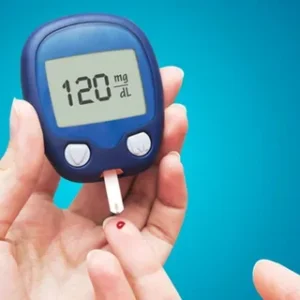
- High blood sugar
- High blood pressure
- High triglycerides
- Low HDL (“good”) cholesterol
Individually, these issues seem manageable. Together, they form a metabolic trap.
According to major public health authorities, metabolic syndrome acts like a multiplier—each risk factor amplifies the others. This is why experts now treat it as a medical emergency in slow motion.
For a deeper medical overview, the Centers for Disease Control and Prevention provides a clear breakdown of how metabolic syndrome escalates chronic disease risk in real populations (see this authoritative explainer on dangerous metabolic risk factors).
The Hidden Causes Behind Metabolic Syndrome
The metabolic syndrome blueprint begins with understanding the why, not just the what.
1. Insulin Resistance: The Root Problem
Insulin resistance sits at the center of metabolic syndrome. Your body still produces insulin, but your cells stop listening—like ignoring repeated phone calls.
As a result:
- Blood sugar rises
- Fat storage increases
- Inflammation spreads
Over time, this sets the stage for diabetes and cardiovascular disease.
2. Chronic Inflammation
Low-grade inflammation quietly damages blood vessels and organs. It doesn’t cause pain early on, which makes it especially dangerous.
Inflammation links obesity, insulin resistance, and heart disease into one destructive loop.
3. Sedentary Modern Living
Human metabolism evolved for movement. Modern life offers chairs, screens, cars, and convenience. Your genes haven’t caught up.
Sitting all day tells your metabolism: “We don’t need to burn fuel.”
Your body listens—and stores it instead.
Metabolic Syndrome and Diabetes — A Direct Pipeline
Metabolic syndrome doesn’t just increase diabetes risk—it practically rolls out a red carpet for it.
When insulin resistance worsens:
- The pancreas works overtime
- Blood sugar stays elevated
- Beta cells eventually burn out
This is how prediabetes quietly becomes type 2 diabetes.
Research summarized by the World Health Organization shows that metabolic syndrome dramatically accelerates glucose dysregulation and vascular damage, increasing lifelong diabetes complications (see WHO’s evidence-based overview on serious metabolic health threats).
In plain language:
If you address metabolic syndrome early, you often stop diabetes before it starts.
Metabolic Syndrome, Stroke & Heart Attack Risk Explained
Here’s where the stakes get real.
Metabolic syndrome damages the cardiovascular system through multiple pathways at once:
- High blood pressure strains arteries
- High blood sugar stiffens blood vessels
- High triglycerides promote plaque buildup
Imagine traffic, construction, and flooding all happening on the same highway. A crash becomes inevitable.
Why Heart Attacks Become “Sudden”
They aren’t sudden. The groundwork was laid over years.
Metabolic syndrome thickens arterial walls, destabilizes plaque, and disrupts blood flow—until one day, the system fails.
This is why the metabolic syndrome blueprint emphasizes early intervention, not crisis management.
Key Warning Signs You Should Never Ignore
Metabolic syndrome is sneaky. Still, your body often whispers before it screams.
Common red flags include:
- Increasing waist size despite “normal” weight
- Persistent fatigue after meals
- Sugar cravings and energy crashes
- Elevated blood pressure readings
- Borderline blood sugar results
If this list feels uncomfortably familiar, that’s not coincidence. It’s information.
The Definitive Metabolic Syndrome Blueprint for Prevention
Now for the empowering part.
This blueprint focuses on systems, not shortcuts.
1. Nutrition That Fixes Metabolism
Forget extremes. Sustainable changes win.
Key principles:
- Prioritize whole foods
- Reduce refined carbohydrates
- Increase fiber intake
- Balance protein with healthy fats
Your metabolism thrives on stability, not chaos.
2. Movement That Heals, Not Punishes
Exercise doesn’t need to be brutal to be effective.
The most powerful tools:
- Daily walking
- Strength training 2–3 times weekly
- Short movement breaks during sedentary hours
Movement restores insulin sensitivity—fast.
3. Sleep and Stress Regulation
Poor sleep sabotages metabolic hormones. Chronic stress elevates cortisol, which promotes belly fat and insulin resistance.
Simple improvements:
- Consistent sleep schedule
- Screen-free wind-down time
- Breathing or mindfulness practices
These aren’t luxuries. They’re metabolic medicine.
Metabolic Syndrome Blueprint — At-a-Glance Comparison Table
| Factor | Without Intervention | With Metabolic Syndrome Blueprint |
|---|---|---|
| Blood Sugar | Progressively rises | Stabilizes over time |
| Insulin Sensitivity | Declines | Improves |
| Heart Disease Risk | High | Significantly reduced |
| Stroke Risk | Elevated | Lowered |
| Energy Levels | Erratic | Consistent |
This table shows why early action compounds benefits, just like early neglect compounds damage.
Myths That Keep People Stuck
Let’s clear the fog.
- “I’m not overweight, so I’m safe.”
False. Metabolic syndrome affects normal-weight individuals too. - “It’s genetic, so nothing helps.”
Genes load the gun. Lifestyle pulls the trigger. - “Medication alone will fix it.”
Medication helps—but lifestyle determines long-term success.
Truth is uncomfortable, but it’s also freeing.
The Human Side of Metabolic Syndrome
I once spoke with someone who said, “I didn’t feel sick—just tired and busy.”
Six months later, he survived a heart attack.
Metabolic syndrome preys on busy lives. It thrives on postponement.
The blueprint isn’t about fear. It’s about regaining control—step by step, habit by habit.
Conclusion: Your Blueprint, Your Future
Metabolic syndrome is not a life sentence. It’s a warning label.
This definitive metabolic syndrome blueprint gives you the map:
- Understand the risk
- Interrupt the pattern
- Restore metabolic balance
Your body wants to heal. It just needs the right instructions.
Call to Action
👉 Read More about metabolic health
👉 Share Now with someone who needs this