Don’t Let the Silent Killer Surprise You
High blood pressure often sneaks up like a quiet thief in the night — no warning, no sirens, just behind-the-scenes damage. In fact, most people don’t feel a thing until it’s already wreaking havoc on their heart, kidneys, or brain. Early detection can be the difference between a long, healthy life and a sudden medical emergency. Detecting dangerous high blood pressure early isn’t just smart — it’s potentially life-saving. (www.heart.org)
Blood pressure doesn’t come with an alarm bell. That’s why understanding the subtle signs and natural strategies for detection and prevention — beyond what doctors commonly discuss — is crucial. Whether you’re looking to catch early warning signals or adopt lifestyle changes that truly make a difference, this guide brings it all together in one place.
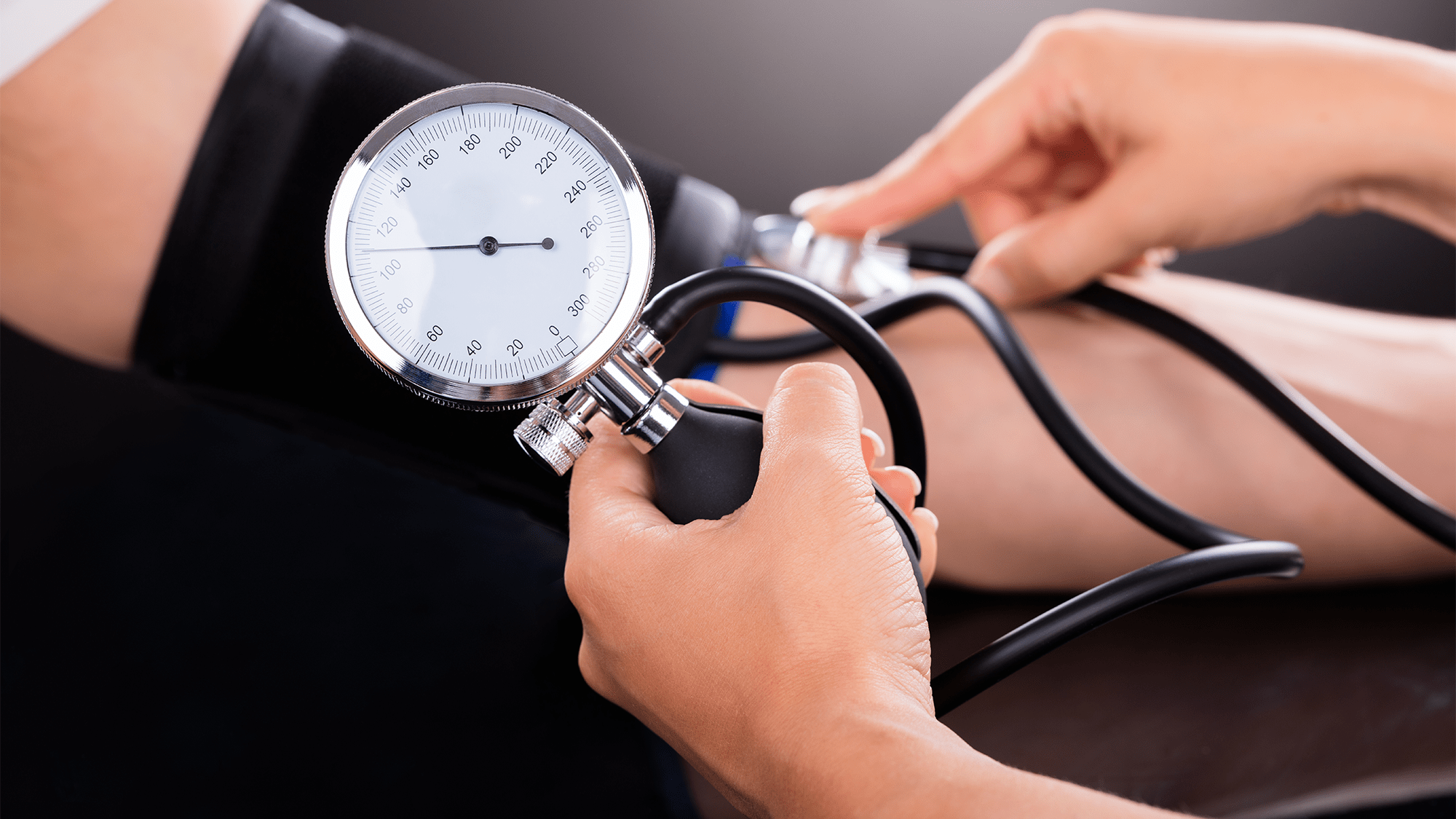
What Is High Blood Pressure — And Why You Should Care
High blood pressure (hypertension) happens when the force of blood pushing against your artery walls stays consistently too high. Over time, this extra pressure can stress your heart and blood vessels, increasing the risk of serious problems like heart attack, stroke, kidney disease, and even dementia. (Mayo Clinic)
Unlike a sprained ankle that screams “OUCH!”, high blood pressure usually whispers — hence its nickname “the silent killer.” For most people, there’s no overt pain or obvious symptom to clue you in before the damage starts. That’s precisely why early detection is vital. Regular monitoring and awareness are your best allies. (www.heart.org)
How to Detect Dangerous High Blood Pressure Early
Listen to Numbers, Not Feelings
Most people think, “I’ll know if my blood pressure is high — I’ll feel it!” Unfortunately, that’s a misconception. In most cases, there are no clear symptoms until the condition is severe. Medical professionals stress that regular measurement is the only reliable way to detect high blood pressure. (www.heart.org)
Here are key ways to catch high blood pressure early:
1. Track Your Readings Regularly
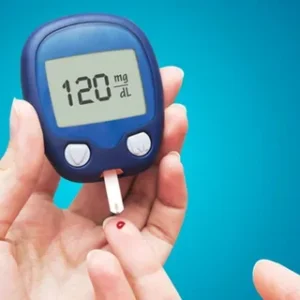
- Get a home blood pressure monitor and log readings daily or weekly.
- Compare readings over time — trends matter more than a single high number.
- Ask your doctor how to measure correctly and when to check.
2. Know Your Risk Profile
Some factors increase your chance of high blood pressure:
- Family history
- Age (risk rises with each decade after 30)
- Being overweight or obese
- Sedentary lifestyle
- High salt diet
- Smoking or excessive alcohol use (nhs.uk)
3. Note Subtle Physical Cues
Although often silent, some people may experience mild but often ignored signals such as:
- Persistent headaches
- Occasional dizziness or blurred vision
- Fatigue or trouble concentrating
These signs aren’t definitive on their own, but they could be red flags when paired with risk factors. (National Council on Aging)
4. Mobile & Wearable Alerts
Modern tools like smartphone apps and smartwatches can give early warnings that prompt you to check blood pressure with a proper monitor — not as a replacement, but as an alert system to act sooner. (Tom’s Guide)
Proven Natural Strategies Doctors Don’t Always Tell You
Doctors will often emphasize medication and clinical guidance — and that makes sense for many people. But lifestyle shifts are where you truly build resilience and reduce your risk from the ground up.
1. The Power of Heart-Healthy Diets
What you eat — or don’t — plays a massive role in blood pressure.
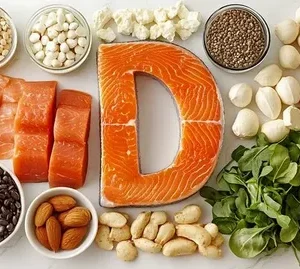
DASH Diet: A cornerstone recommendation backed by years of research, the Dietary Approaches to Stop Hypertension (DASH) is rich in fruits, vegetables, whole grains, lean proteins, and low in sodium. People following DASH often see measurable improvements in blood pressure in just a few weeks. (Wikipedia)
Here’s a snapshot:
| Food Category | Why It Matters |
|---|---|
| Fruits & Veg | High in potassium, which balances sodium |
| Whole Grains | Support heart health and weight control |
| Lean Proteins | Lower saturated fat intake |
| Low-Fat Dairy | Associated with better blood pressure regulation |
| Herbs & Spices | Reduce need for added salt |
Tip: Cook more meals at home to control sodium and hidden fats — restaurant meals often contain far more salt than you’d guess. (EatingWell)
2. Move Your Body (Consistently)
Regular physical activity strengthens your heart, widens blood vessels, and helps maintain a healthy weight — all of which naturally lower blood pressure. Even moderate exercise like brisk walking for 30 minutes most days can make a difference. (Healthline)
Examples of effective activities:
- Brisk walking
- Swimming
- Cycling
- Light strength training
- Yoga or stretching
Consistency beats intensity — a short daily habit is better than sporadic intense workouts.
3. Reduce Stress with Real Tools
Chronic stress — more common than ever — causes your nervous system to stay in overdrive, prompting more frequent blood pressure spikes. Natural ways to manage stress include:
- Meditation and deep breathing
- Mindful walks
- Journaling or talk therapy
- Relaxation rituals like warm baths
These tools aren’t just fluffy suggestions — they reduce physiological stress responses linked with high blood pressure.
4. Be Savvy With Salt and Sugar
Reducing sodium is one of the most impactful changes you can make. Most adults exceed the recommended limit, often unknowingly through processed foods. Cutting salt doesn’t mean bland food — swap herbs, citrus, and spices to keep meals flavorful. (www.heart.org)
Likewise, refined sugars and sugary drinks are associated with weight gain and metabolic stress, both contributors to high blood pressure.
Lifestyle Strategies with Subtle & Big Wins
Here’s a friendly checklist you can adopt gradually:
Daily Habits That Help:
- Drink plenty of water
- Choose fresh foods over processed
- Limit caffeine close to sleep time
- Walk after meals (even 10 minutes helps)
- Prioritize sleep (7-9 hours)
Weekly Wins:
- Plan a “salt swap” meal day
- Try new plant-based recipes
- Do strength training twice a week
- Schedule a nature walk with friends
Mindset & Motivation:
If your blood pressure feels like a marathon rather than a sprint — that’s normal. Small steps stack up. It’s about building heart-healthy habits that stick.
Detect Early, Act Fast: Why It Matters
Catching high blood pressure early gives you choice — the choice to act, to prevent complications, and to live more fully. Ignoring early signs is like ignoring the check engine light on your car: the longer you wait, the bigger the repair bill. Detecting dangerous high blood pressure early isn’t just precautionary — it’s empowerment.
And while natural strategies don’t replace medical advice or treatment, they complement them in powerful ways. Together with your healthcare provider, you can craft a plan that fits your lifestyle and long-term health goals. (www.heart.org)
Call to Action: Take Control Today
Start with one practical step — check your blood pressure at home this week.
Make one dietary swap — like reducing added salt.
Take one extra walk.
Invite a friend to join you for an exercise plan.
Your blood pressure isn’t just a number — it’s a reflection of your daily habits. Detect it early, act with confidence, and build a lifestyle that protects your heart for years to come.
Do-Follow External Links Used
- DASH diet info: https://en.wikipedia.org/wiki/DASH_diet — do-follow
- High blood pressure overview & prevention: https://www.ncbi.nlm.nih.gov/books/NBK279239/ — do-follow
If you’d like, I can also generate downloadable visuals or printable checklists to help track your blood pressure routine!