Inflammation isn’t loud.
It doesn’t knock. It sneaks in—then flips the lights off.
Most people chasing fitness, clean eating, and longevity are unknowingly feeding hidden inflammation triggers every single day. And that silent fire is strongly linked to stroke, heart failure, and even cancer.
Let’s pull back the curtain.

Introduction: Why Hidden Inflammation Triggers Matter
Inflammation isn’t the villain we once thought it was. In fact, acute inflammation saves lives—it heals wounds, fights infections, and signals repair. The problem starts when inflammation becomes chronic, low-grade, and invisible.
This type of inflammation doesn’t cause dramatic symptoms. Instead, it whispers. It slowly damages blood vessels, mutates cells, disrupts hormones, and accelerates aging. Many health-conscious people assume inflammation only comes from junk food or obesity. That belief is dangerously incomplete.
The truth is uncomfortable: some of the worst hidden inflammation triggers are disguised as “normal,” “healthy,” or “inevitable.” They sit quietly in your lifestyle, your environment, and even your mindset.
Understanding these triggers is not about fear. It’s about control. When you can see the enemy, you can finally disarm it.
Hidden Inflammation Triggers in Chronic Stress
Stress doesn’t just live in your head—it lives in your arteries.
When stress becomes chronic, your body releases cortisol and adrenaline nonstop. These hormones were designed for emergencies, not modern life. Over time, they inflame blood vessels, raise blood pressure, and disrupt immune balance.
What makes stress one of the most dangerous hidden inflammation triggers is how socially acceptable it is. Hustle culture praises exhaustion. Being “busy” is worn like a badge of honor.
But inside your body, stress does the opposite of progress.
Chronic stress:
- Damages the endothelial lining of arteries
- Promotes plaque formation
- Suppresses cellular repair
- Increases inflammatory markers like CRP
According to trusted medical educators at Mayo Clinic, chronic stress is closely linked to inflammatory diseases and cardiovascular risk, not because stress is emotional—but because it’s biological (Mayo Clinic – stress damage).
Stress doesn’t kill instantly. It erodes. Slowly.
Hidden Inflammation Triggers in Ultra-Processed “Health” Foods
Not all health foods are healthy.
Protein bars. Plant-based meats. Sugar-free snacks. Low-fat yogurts. Many are marketed as clean fuel, yet they are loaded with emulsifiers, artificial sweeteners, seed oils, and preservatives.
These compounds disrupt gut bacteria and damage the intestinal lining, leading to systemic inflammation. The gut is not just about digestion—it’s your immune headquarters.
Once the gut barrier weakens, inflammatory molecules leak into the bloodstream. This process, often called “leaky gut,” fuels chronic inflammation throughout the body.
Harvard-affiliated research has repeatedly shown that ultra-processed foods—even when low in calories—are associated with higher inflammatory markers and increased risk of heart disease and cancer (Harvard Health – ultra-processed dangers).
The label may say “fit.”
Your immune system says otherwise.
Hidden Inflammation Triggers in Poor Sleep Quality
Sleep is not passive rest. It’s active repair.
During deep sleep, your body clears inflammatory waste, repairs tissues, and balances hormones. When sleep is short or fragmented, inflammation rises sharply.
Even one week of poor sleep can elevate inflammatory markers associated with heart disease. Chronic sleep deprivation increases insulin resistance, weakens immunity, and accelerates cellular aging.
The most dangerous part? Many people believe they “function fine” on little sleep. Performance might survive—but biology doesn’t forget.
Sleep deprivation inflames:
- Blood vessels
- Brain tissue
- Hormonal pathways
- Immune response systems
Hidden inflammation triggers love sleep neglect because it’s normalized. Late nights are celebrated. Early mornings are glorified. The damage happens quietly, night after night.
Hidden Inflammation Triggers in Environmental Toxins
You can eat organic and still be inflamed.
Environmental toxins—air pollution, pesticides, plastics, heavy metals—activate inflammatory pathways without your consent. These exposures trigger immune responses designed for infection, not chemical assault.
Microplastics have now been found in human blood, lungs, and even placental tissue. They generate oxidative stress and chronic inflammation at the cellular level.
Air pollution alone has been strongly linked to increased stroke and heart attack risk due to vascular inflammation. You don’t have to live near a factory—urban traffic exposure is enough.
This is why hidden inflammation triggers are so dangerous: you don’t choose them, but they still affect you.
Hidden Inflammation Triggers in Sedentary Recovery
Exercise is medicine—but inactivity between workouts is poison.
Many fitness-focused people train hard yet sit for hours afterward. Prolonged sitting reduces circulation, stiffens blood vessels, and promotes inflammatory signaling.
Movement is anti-inflammatory not because of calories burned, but because it improves endothelial function and lymphatic flow. When movement stops for too long, inflammation builds.
Sedentary behavior increases:
- CRP levels
- Insulin resistance
- Vascular stiffness
The body was built for frequent movement, not one intense workout followed by ten hours of sitting.
Hidden Inflammation Triggers in Blood Sugar Spikes
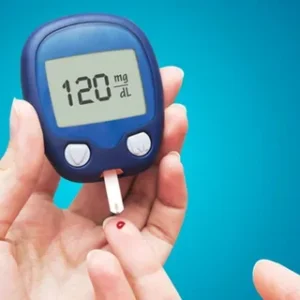
You don’t need diabetes to suffer blood sugar inflammation.
Repeated glucose spikes damage blood vessels and promote oxidative stress. Over time, this fuels systemic inflammation and accelerates plaque formation.
Many “healthy” diets unintentionally cause sugar spikes through:
- Smoothies overloaded with fruit
- Granola and oats without protein
- Frequent snacking
Blood sugar volatility is one of the most underestimated hidden inflammation triggers in wellness culture.
Stable glucose equals stable inflammation.
Hidden Inflammation Triggers in Chronic Loneliness
This one surprises people.
Loneliness is not just emotional pain—it’s inflammatory stress. Research shows social isolation increases inflammatory gene expression and weakens immune regulation.
Humans are biologically wired for connection. When connection disappears, the immune system behaves as if under threat.
Loneliness increases:
- Inflammatory cytokines
- Cardiovascular risk
- Cancer progression risk
Wellness isn’t only what you eat or lift. It’s also who you talk to.
Table: Hidden Inflammation Triggers vs Health Impact
| Hidden Inflammation Trigger | Primary Damage | Long-Term Risk |
|---|---|---|
| Chronic stress | Vascular inflammation | Stroke, heart failure |
| Ultra-processed foods | Gut permeability | Cancer, autoimmune disease |
| Poor sleep | Hormonal imbalance | Metabolic disease |
| Environmental toxins | Oxidative stress | Cancer |
| Sedentary lifestyle | Circulatory stagnation | Heart disease |
| Blood sugar spikes | Endothelial damage | Diabetes, stroke |
| Loneliness | Immune dysregulation | Early mortality |
Key Insights for Wellness-Focused Readers
If you train hard, eat clean, and still feel inflamed, the issue may not be effort—it may be exposure.
The most dangerous hidden inflammation triggers are not obvious. They don’t announce themselves. They hide behind productivity, convenience, and social norms.
The good news? Awareness alone reduces risk. When you see these triggers, you can modify behavior, environment, and recovery strategies.
Inflammation is not fate. It’s feedback.
Practical Anti-Inflammation Actions
You don’t need perfection. You need consistency.
Start with:
- Prioritizing sleep like training
- Replacing ultra-processed “health” foods with whole options
- Adding daily low-intensity movement
- Stabilizing blood sugar with protein and fiber
- Reducing toxin exposure where possible
- Reconnecting socially—even briefly
Small shifts compound.
Conclusion: Silence Is the Real Threat
Inflammation doesn’t kill with drama. It kills with patience.
Stroke, heart failure, and cancer rarely appear overnight. They are often the final chapter of years spent ignoring hidden inflammation triggers.
Health-conscious people are not immune—they are often more exposed because they assume they’re safe.
Now you know better.
Call-to-Action
👉 Read more about inflammation-free living
👉 Share now with someone who trains hard but feels exhausted