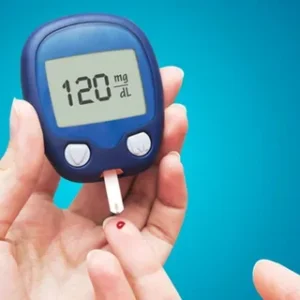
Silent. Dangerous. Preventable.
Type 2 diabetes is quietly tightening its grip on millions of Nigerians—and most people don’t realize it until the damage is already done.
If you’ve been brushing off constant fatigue, unexplained thirst, or stubborn belly fat, this may be the wake-up call you didn’t know you needed.
Introduction: A Quiet Crisis in Plain Sight
Type 2 diabetes is no longer a “Western disease.” It is now a full-blown public health emergency in Nigeria. According to health experts, millions are living with diabetes—and an even larger number remain undiagnosed.
What makes this crisis terrifying is not just the disease itself, but how easily its early signs are ignored. Many symptoms look like everyday stress, aging, or “normal Nigerian life.” Unfortunately, diabetes doesn’t announce itself with sirens. It whispers—until it screams.
This article sounds the alarm. You’ll learn the hidden early-warning signs of Type 2 diabetes Nigerians are ignoring, why these signs are brushed aside, and how to stop diabetes before it ruins your health, finances, and future.

Emergency Alert Type 2 Diabetes Nigerians Must Not Ignore
Why Type 2 Diabetes Is Exploding in Nigeria
Urbanization, processed foods, sugary drinks, sedentary lifestyles, and chronic stress have created a perfect storm. Combine that with limited routine health checks, and you get a silent epidemic.
Many Nigerians still believe diabetes is:
- Only for rich people
- Only for old people
- Caused by “too much sugar alone”
None of these are true.
Type 2 diabetes develops when the body becomes resistant to insulin or stops producing enough of it. Over time, excess sugar damages blood vessels, nerves, kidneys, eyes, and the heart—slowly, quietly, and relentlessly.
Hidden Early Warning Signs of Type 2 Diabetes Nigerians Ignore
1. Constant Thirst and Frequent Urination
If you feel like water has become your best friend—and you’re still thirsty—your blood sugar may be too high. Excess glucose pulls water from your tissues, leaving you dehydrated.
Frequent urination, especially at night, often follows. Many people blame it on age or “too much water,” but this is one of the earliest warning signs of type 2 diabetes.
2. Extreme Fatigue That Rest Doesn’t Fix
Feeling tired after a long day is normal. Feeling exhausted all the time is not.
When insulin doesn’t work properly, glucose can’t enter your cells efficiently. That means your body is starving for energy—despite having plenty of sugar in the blood.
This explains why many Nigerians feel:
- Weak
- Drained
- Mentally foggy
And still push through, thinking it’s just stress.
3. Blurred Vision That Comes and Goes
High blood sugar causes fluid shifts in the eyes, temporarily affecting vision. Some people notice:
- Difficulty focusing
- Blurry vision after meals
- Frequent changes in eyeglass prescriptions
Ignoring this symptom can lead to diabetic retinopathy, a leading cause of blindness.
4. Slow-Healing Wounds and Frequent Infections
If small cuts take forever to heal, or you’re battling repeated infections, your immune system may be compromised by high glucose levels.
Diabetes weakens white blood cells and reduces blood flow, making it harder for the body to fight bacteria and repair tissue.
5. Tingling, Numbness, or Burning Sensations
That “pins and needles” feeling in your feet or hands isn’t something to joke about.
It may signal diabetic neuropathy, nerve damage caused by prolonged high blood sugar. Many Nigerians dismiss it as poor circulation or “sleeping wrong,” until it becomes chronic pain or loss of sensation.
Emergency Alert Type 2 Diabetes Nigerians: Symptoms vs Reality
| Symptom | Common Assumption | Actual Risk |
|---|---|---|
| Constant thirst | Weather or dehydration | High blood sugar |
| Frequent urination | Aging | Kidney stress |
| Fatigue | Stress or hustle | Insulin resistance |
| Blurred vision | Eye strain | Eye damage |
| Tingling feet | Poor posture | Nerve damage |
This is how diabetes hides in plain sight.
Why Nigerians Ignore These Type 2 Diabetes Warning Signs
Cultural Normalization of Pain
In Nigeria, endurance is praised. People often say:
- “I’ll be fine.”
- “It’s not that serious.”
- “Hospital is expensive.”
Unfortunately, diabetes thrives on delay.
Lack of Routine Health Screening
Many people only visit hospitals when symptoms become unbearable. Routine blood sugar checks are rare, especially among young adults who believe diabetes won’t touch them.
Misinformation and Myths
Some believe herbal mixtures alone can cure diabetes. Others think stopping sugar completely is enough.
Evidence-based guidance from credible sources like the World Health Organization’s diabetes prevention insights shows that diabetes prevention requires lifestyle changes—not shortcuts.
Emergency Alert Type 2 Diabetes Nigerians: Major Risk Factors
You are at higher risk if you have:
- A family history of diabetes
- Excess belly fat
- High blood pressure
- Poor diet high in refined carbs
- Low physical activity
- Chronic stress
According to the Diabetes Association of Nigeria’s shocking diabetes risk report, many Nigerians develop Type 2 diabetes without being overweight—making awareness even more critical.
How to Stop Type 2 Diabetes Before It Starts
1. Eat Smart, Not Less
You don’t need to starve. You need to eat wisely.
Focus on:
- Whole foods
- Vegetables
- Beans and legumes
- Healthy fats
- Controlled portions of carbohydrates
Reduce:
- Sugary drinks
- White bread and pastries
- Excessive processed foods
2. Move Your Body Daily
Exercise increases insulin sensitivity. Even:
- 30 minutes of brisk walking
- Household chores
- Dancing
Can dramatically reduce diabetes risk.
3. Manage Stress Like Your Life Depends on It
Because it does.
Chronic stress raises cortisol, which increases blood sugar. Incorporate:
- Deep breathing
- Prayer or meditation
- Quality sleep
4. Get Regular Blood Sugar Tests
Testing is not a death sentence—it’s a lifesaver.
Early detection allows:
- Reversal through lifestyle changes
- Prevention of complications
- Lower healthcare costs
Emergency Alert Type 2 Diabetes Nigerians: When to See a Doctor
Seek medical advice immediately if you experience:
- Persistent thirst
- Unexplained weight loss
- Vision changes
- Frequent infections
- Numbness or pain in extremities
Early action can literally save your limbs, eyesight, and life.
The Human Cost of Ignoring Diabetes
A Lagos trader once said, “I thought it was just stress. Now I’m on dialysis.”
Diabetes doesn’t just affect health. It affects:
- Income
- Family stability
- Mental well-being
But here’s the hopeful truth: Type 2 diabetes is largely preventable and manageable when caught early.
Conclusion: This Is Your Wake-Up Call
This is not fear-mongering. This is an emergency alert.
If any of these warning signs sound familiar, don’t shrug them off. Listen to your body. Get tested. Make changes today.
Because ignoring Type 2 diabetes doesn’t make it disappear—it gives it permission to destroy quietly.