A Quiet Crisis Brewing in Plain Sight
Every day, millions of Nigerians sip sweet drinks and eat refined grains—without knowing they’re walking straight into a health disaster.
It doesn’t scream. It doesn’t hurt at first. But it kills slowly.
Welcome to Nigeria’s silent diabetes epidemic, where sugar drinks and refined grains are doing more damage than most people realize.
Introduction: Why This Hidden Health Scare Matters Now
Nigeria is facing a health shift unlike anything in its history. Once dominated by infectious diseases, the country is now battling lifestyle-driven illnesses—especially type 2 diabetes.
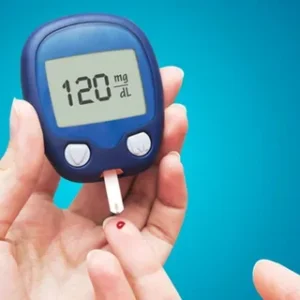
What makes this crisis frightening is not just the numbers, but the silence. Many people live for years with dangerously high blood sugar levels, unaware that damage is already happening to their eyes, kidneys, nerves, and heart.
According to global health estimates, Nigeria has one of the fastest-growing diabetes populations in Africa, largely driven by dietary changes, urbanization, and aggressive marketing of sugary beverages .
And at the center of it all?
Sugar drinks and refined grains.

Hidden Health Scare: Nigeria Diabetes Epidemic Explained
Nigeria’s diabetes epidemic did not appear overnight. It crept in quietly, riding on everyday habits that feel normal—harmless even.
Soft drinks at parties. Sweetened tea in the morning. White bread, garri, polished rice, and instant noodles at almost every meal.
These foods spike blood sugar rapidly. Over time, the body becomes resistant to insulin, the hormone that controls glucose. That’s how type 2 diabetes is born.
The World Health Organization has repeatedly warned that diets high in refined carbohydrates and sugar-sweetened beverages significantly increase diabetes risk, especially in low- and middle-income countries experiencing rapid dietary transitions .
In simple terms:
Nigeria modernized its food faster than its metabolism could adapt.
How Sugar Drinks Are Accelerating the Nigeria Diabetes Epidemic
Sugar drinks are not just drinks. They are liquid sugar bombs.
A single bottle of soda can contain 10–12 teaspoons of sugar—often more than the body should consume in an entire day.
The danger lies in how fast liquid sugar enters the bloodstream. Unlike solid food, sugary drinks:
- Do not trigger fullness
- Cause rapid blood sugar spikes
- Overwork the pancreas
- Increase insulin resistance
Over time, this creates a perfect storm for diabetes.
Research shows that people who consume sugar-sweetened beverages daily have a significantly higher risk of developing type 2 diabetes, regardless of body weight .
If you want a deeper breakdown of how sugar silently damages metabolism, this evidence-based explainer from a global health authority reveals the shocking truth:
👉 How Excess Sugar Secretly Wrecks Blood Sugar Control
Yes, that bottle of malt or soda after work is not “small enjoyment.”
It’s a long-term health debt.
Refined Grains and the Blood Sugar Crisis in Nigeria
Refined grains are stripped of fiber, vitamins, and minerals. What remains is starch that converts to glucose almost instantly.
Common refined grains fueling Nigeria’s diabetes epidemic include:
- White rice
- White bread
- Semolina
- Instant noodles
- Processed garri
These foods have a high glycemic index, meaning they raise blood sugar quickly and sharply.
The problem isn’t culture. It’s processing.
Traditional Nigerian diets relied more on whole foods, legumes, vegetables, and fiber-rich staples. Modern versions are refined, fast, and aggressively marketed.
Health experts now link excessive refined carbohydrate intake to chronic blood sugar instability and metabolic disease across Africa .
For a powerful breakdown of how refined grains sabotage long-term health, this research-driven article explains the danger clearly:
👉 The Shocking Metabolic Damage of Refined Carbs
Table: Sugar Drinks vs Refined Grains — Which Is Worse?
| Factor | Sugar Drinks | Refined Grains |
|---|---|---|
| Blood sugar spike | Extremely fast | Fast |
| Feeling of fullness | Very low | Moderate |
| Insulin stress | High | High |
| Diabetes risk | Very high | High |
| Nutritional value | Almost zero | Low |
| Ease of overconsumption | Very easy | Easy |
Bottom line: Both are dangerous. Together, they’re devastating.
Why Nigerians Don’t See the Danger (Until It’s Too Late)
Diabetes doesn’t announce itself with sirens.
It whispers.
Early symptoms often include:
- Constant fatigue
- Frequent urination
- Excessive thirst
- Blurred vision
- Slow-healing wounds
Many Nigerians ignore these signs, attributing them to stress, aging, or spiritual causes.
Cultural beliefs, limited access to screening, and misinformation worsen the problem. Some only discover they have diabetes after a stroke, kidney failure, or vision loss.
That’s why experts now call diabetes in Nigeria a hidden health scare—because it hides in plain sight.
Hidden Health Scare: The Economic and Family Cost of Diabetes in Nigeria
Diabetes doesn’t just drain the body. It drains families.
Treatment costs, lost productivity, and long-term complications push many households into financial distress. Insulin, glucose monitoring, and hospital visits are expensive—especially without insurance.
The ripple effects include:
- Reduced earning capacity
- Increased dependency
- Emotional burnout for caregivers
- Premature deaths
Public health analysts warn that without urgent dietary intervention, Nigeria’s diabetes burden could overwhelm the healthcare system within a generation .
What Nigerians Can Do Today to Reduce Diabetes Risk
This crisis is serious—but it’s not hopeless.
Small changes create big results.
Smart, Practical Steps
- Replace sugary drinks with water or unsweetened tea
- Choose whole grains over refined versions
- Eat more vegetables, beans, and legumes
- Reduce portion sizes
- Walk at least 30 minutes daily
- Get regular blood sugar checks
Think of it like steering a ship. You don’t need a sharp turn—just a steady correction.
The Bigger Picture: Policy, Awareness, and Responsibility
Individual change matters. But policy matters too.
Experts recommend:
- Taxing sugar-sweetened beverages
- Clear food labeling
- Public awareness campaigns
- School nutrition programs
Countries that acted early saw reduced sugar consumption and better health outcomes. Nigeria can still turn the tide—if action starts now.
Conclusion: The Silent Epidemic Doesn’t Have to Win
Nigeria’s diabetes epidemic is real. It’s growing. And it’s largely driven by sugar drinks and refined grains.
But silence is its greatest weapon.
The moment people understand the danger, the power shifts. Knowledge becomes prevention. Awareness becomes protection.
Your health is not a lottery. It’s a daily decision.
Call to Action
👉 Share this article with someone you care about
👉 Read more on blood sugar and metabolic health
👉 Get tested—even if you feel “fine”
Because the loudest crises aren’t always the deadliest ones.