Is your fasting blood sugar reading making your heart skip a beat every morning? You aren’t alone, but here’s the truth: your kitchen holds more power than your pharmacy cabinet.
Imagine enjoying a life where you aren’t a slave to metformin, where your energy levels don’t crash after lunch, and your doctor asks you for your secret.
The Bitter Truth About the “Sweet” Life
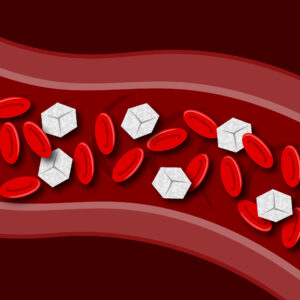
For many Nigerians, a diagnosis of Type 2 diabetes feels like a life sentence of bland oats and “bird food.” We often associate success with “eating well,” which in our context usually means heavy mounds of pounded yam and chilled bottles of soda. However, lifestyle diabetes is essentially a “storage disease”—your body has simply run out of room to tuck away the excess glucose from our carbohydrate-heavy culture.
The good news? The same body that learned to store that sugar can be taught to burn it off. By pivoting back to the way our ancestors ate—before the influx of processed flours and refined sugars—we can effectively stop lifestyle diabetes without pills. It’s about unlearning the “modern” Nigerian diet and embracing the “original” one.
Why the Standard Nigerian Diet is a Sugar Trap

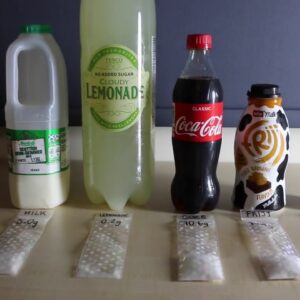
Let’s be honest: the average Nigerian meal is a carb-on-carb crime scene. We eat white bread with agege, yam with rice, and wash it down with a “malt” that contains more sugar than a chemistry lab. This constant bombardment forces the pancreas to pump out insulin until it eventually gets tired and quits.
When we talk about the lifestyle diabetes without pills: Nigerian diet & exercise blueprint, we have to address the “Swallow” culture. Most commercial flours used for fufu or amala are stripped of fiber. Without fiber, sugar hits your bloodstream like a Lagos danfo driver on a clear road—fast and reckless. We need to introduce speed bumps.
The Science of the Spike
Every time you eat highly refined carbs, your blood sugar spikes. Over time, your cells become “deaf” to insulin (insulin resistance). Think of it like a neighbor who plays loud music every night; eventually, you just buy earplugs and ignore them. Your cells are ignoring the insulin, leaving the sugar to rot in your blood.
To fix this, we don’t need “foreign” broccoli or expensive kale. We need the fiber-rich, nutrient-dense crops that grow in our own soil. According to the International Diabetes Federation, lifestyle modifications remain the most potent tool in managing glucose levels globally.
Stop Lifestyle Diabetes Without Pills: Nigerian Diet
The secret isn’t starvation; it’s substitution. You can still eat “swallow,” but the type of swallow matters. We are moving away from the white, powdery ghosts of nutrition and moving toward the “rugged” grains.
Acha (Fonio): The “hungry rice” of the North is a miracle grain. It has a low glycemic index and is packed with amino acids.
Unripe Plantain Flour: A classic for a reason. It’s rich in resistant starch, which feeds good gut bacteria rather than spiking your sugar.
Local Brown Rice (Ofada): Unlike polished white rice, Ofada keeps its bran, which acts as a “time-release” capsule for energy.
Vegetable Overload: Your plate should look like a forest. For every handful of swallow, you need three handfuls of Efo Riro or Edikaikong.
The “Plate Method” for Nigerians
Instead of the traditional mountain of rice with two tiny pieces of meat, we are flipping the script. Fill half your plate with vegetables, one-quarter with protein (fish, goat meat, or local chicken), and the final quarter with your “heavy” carb. This ensures you feel full without the sugar crash.
| Food Category | The “Old” Way (High Risk) | The “Blueprint” Way (Healing) |
| Swallow | Pounded Yam / Garri | Acha / Guinea Corn / Unripe Plantain |
| Grains | Polished White Rice | Ofada Rice / Adalu (Beans & Corn) |
| Snacks | Sausage Rolls / Meat Pies | Garden Eggs / Roasted Groundnuts |
| Drinks | Soda / Sweetened drinks | Unsweetened Ginger Tea / Water |
Moving Your Body: The Nigerian Exercise Blueprint
You don’t need a fancy gym membership at Lekki Phase 1 to get results. In fact, some of the best exercises for blood sugar management are free. The goal is to make your muscles “hungry” for glucose so they pull it out of your blood.
The “Power Walk” After Meals: A 15-minute walk after dinner can reduce your blood sugar spike by up to 30%.
Market-Day Intensity: Carrying groceries or doing vigorous housework counts! Functional movement is the backbone of the Nigerian exercise blueprint.
Resistance Training: You don’t need heavy weights. Use your own body weight. Squats (the “standard” position for washing clothes manually) are fantastic for building leg muscles that soak up sugar.
Consistency Over Intensity
Don’t try to be an Olympic athlete on Monday and then spend Tuesday through Sunday on the sofa. Ten minutes of movement every single day is infinitely better than two hours once a week. Think of exercise as a natural “dose” of medicine—you wouldn’t skip your pills, so don’t skip your movement.
The World Health Organization emphasizes that regular physical activity is a cornerstone in preventing and managing non-communicable diseases like Type 2 diabetes. Start where you are, use what you have, and do what you can.
Managing Stress and Sleep: The Silent Killers
You can eat all the Acha in the world, but if you are constantly stressed, your blood sugar will remain high. Why? Because stress triggers “cortisol,” a hormone that tells your liver to dump sugar into your blood for energy to “fight or flee.” But since you’re just sitting in Lagos traffic, that sugar has nowhere to go.
Sleep: Lack of sleep makes your cells more insulin resistant. Aim for 7 hours.
Community: Talk to friends. Laughter is a biological de-stressor.
Deep Breathing: When the “Nepa” takes light or the tanker blocks the road, take five deep breaths. It sounds simple, but it tells your nervous system to calm down.
Monitoring is Your Best Friend
You cannot manage what you do not measure. Invest in a simple glucometer. Testing your blood sugar two hours after a meal will tell you exactly how your body reacts to certain foods. If Ofada rice keeps your sugar stable but yam sends it through the roof, you have your answer. Your body is the best laboratory you will ever own.
Putting It All Together: Your Weekly Strategy
To successfully stop lifestyle diabetes without pills, you need a routine. Start your morning with a glass of warm water and lime. For breakfast, consider a bean-based dish like Moin-Moin (without the added sugar). Lunch can be a small portion of Ofada rice with plenty of vegetable stew. Dinner should be light—perhaps a bowl of pepper soup with plenty of fish and vegetables.
Remember, this isn’t a “diet” you go on and off of. It’s a lifestyle realignment. You are choosing to honor the body that carries you through life.
Read More: [How to Lower Blood Pressure Naturally in Nigeria]
Share Now: Help a friend reclaim their health by sharing this blueprint!
Tags: #DiabetesNigeria #HealthyEating #NigerianDiet #HolisticHealth #StopDiabetes #NoPills #LagosWellness
Next Step: Would you like me to create a 7-day meal plan based specifically on these Nigerian “healing” foods?