Life-Saving Guide to Reducing Stroke Risk in Nigerians
Stroke risk in Nigerians is rising silently.
One moment you’re fine. The next, life flips like a switch.
This is not fear-mongering. It’s reality—quiet, creeping, and often ignored until it’s too late.
This life-saving guide to reducing stroke risk in Nigerians brings together science, local realities, and human stories to help you act before danger knocks. Think of it as a seatbelt for your brain—simple, protective, and often overlooked.
Why Stroke Risk in Nigerians Can’t Be Ignored
Stroke does not send a calendar invite.
It crashes unannounced, like a thief in the night.
In Nigeria, stroke hits younger people, strikes harder, and kills faster than in many Western countries. Yet most strokes are preventable. That’s the bitter irony.
This guide walks you through stroke risk in Nigerians, the foods that heal or harm, the tests that matter, and the warning signs your body whispers before it screams.
Understanding Stroke Risk in Nigerians: The Hidden Epidemic
Stroke risk in Nigerians is not accidental. It’s the result of lifestyle shifts, genetic factors, and delayed healthcare access colliding like traffic at a Lagos junction.
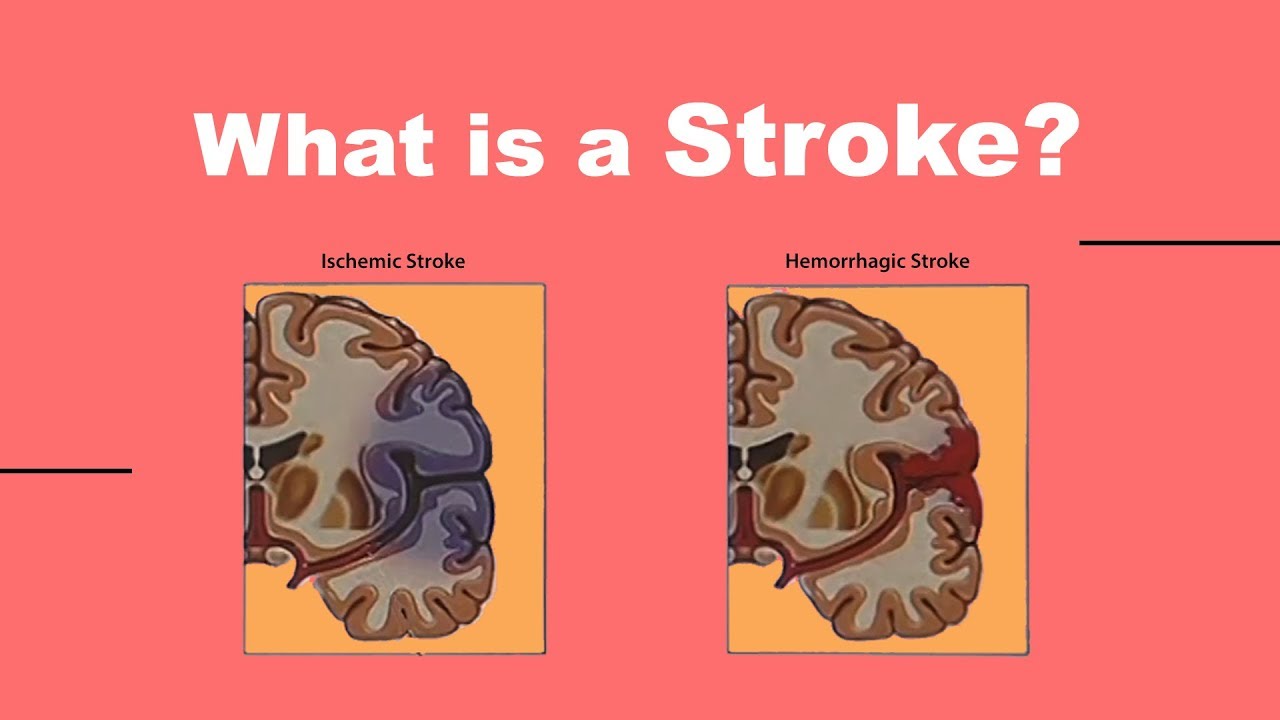
Simply put, a stroke happens when blood flow to the brain is blocked or a blood vessel bursts. Brain cells start dying within minutes. Time is brain.
Why Nigerians Face Higher Stroke Risk
Several factors increase stroke risk in Nigerians:
- High blood pressure (hypertension) — often undiagnosed
- Diabetes and rising blood sugar levels
- High salt and processed food intake
- Smoking and excessive alcohol use
- Sedentary lifestyle
- Limited routine medical screening
According to evidence summarized by the World Health Organization, uncontrolled hypertension alone accounts for more than half of stroke cases in Africa, making blood pressure the elephant in the room you can’t ignore.
A deeper breakdown of Africa-specific stroke patterns is outlined in this powerful prevention report from the World Stroke Organization 👉
Stroke Prevention Saves Lives
Stroke Risk in Nigerians and Early Warning Signs You Must Never Ignore
Stroke rarely arrives unannounced.
It sends signals. The tragedy is that many people wave them off like mosquitoes.
Early Warning Signs of Stroke Risk in Nigerians
Memorize these. Share them. Live by them.
- Sudden weakness in face, arm, or leg (especially one side)
- Slurred speech or difficulty understanding words
- Sudden blurred vision or loss of sight
- Severe headache with no known cause
- Dizziness or loss of balance
Doctors use the FAST rule:
- F – Face drooping
- A – Arm weakness
- S – Speech difficulty
- T – Time to act fast
In Nigeria, delays in seeking care are deadly. If symptoms last even a few minutes and disappear, it may be a mini-stroke (TIA)—a red flare warning of a major strike ahead.
Ignoring it is like seeing smoke and assuming the fire will put itself out.
Evidence-Backed Diet That Reduces Stroke Risk in Nigerians
Food can be medicine—or slow poison.
In the conversation about stroke risk in Nigerians, diet is the loudest voice in the room.
Foods That Increase Stroke Risk in Nigerians
Let’s be honest. Some favorites are not your brain’s friends.
- Excessive salt (bouillon cubes, processed foods)
- Fried foods soaked in reused oil
- Sugary drinks and refined carbs
- Processed meats
- Heavy alcohol intake
Too much salt raises blood pressure. High blood pressure damages blood vessels. Damaged vessels lead to stroke. It’s a straight line.
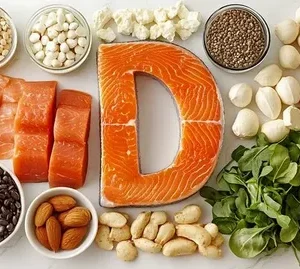
Foods That Actively Reduce Stroke Risk in Nigerians
Now the good news—your kitchen can become a pharmacy.
- Leafy vegetables (ugu, spinach, ewedu)
- Fruits rich in potassium (banana, pawpaw, oranges)
- Whole grains (oats, brown rice, millet)
- Healthy fats (avocado, olive oil, nuts)
- Lean proteins (fish, beans, lentils)
Nutrition research highlighted by Harvard Health Publishing shows that diets rich in fruits, vegetables, and healthy fats significantly reduce stroke risk 👉
Powerful Diet That Protects Your Brain
Stroke-Friendly Nigerian Food Swaps
| Common Choice | Better Alternative | Why It Helps |
|---|---|---|
| White rice | Brown rice | Improves blood sugar control |
| Fried plantain | Boiled/air-fried plantain | Reduces unhealthy fats |
| Soft drinks | Zobo or water | Lowers sugar load |
| Excess salt | Natural spices | Protects blood pressure |
Small swaps. Big brain benefits.
Essential Medical Tests That Reduce Stroke Risk in Nigerians
You can’t fix what you don’t measure.
Testing is the flashlight that reveals danger hiding in the dark.
Must-Have Tests for Stroke Risk in Nigerians
These tests save lives when done early:
- Blood pressure check (at least twice a year)
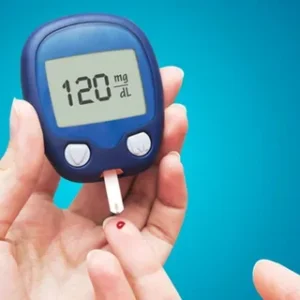
- Fasting blood sugar test
- Lipid profile (cholesterol test)
- Body mass index (BMI)
- Electrocardiogram (ECG) for heart rhythm issues
High blood pressure often has no symptoms. That’s why it’s called the silent killer. Many Nigerians only discover it after a stroke.
Make testing boring, routine, and regular—like charging your phone.
Lifestyle Habits That Quietly Increase Stroke Risk in Nigerians
Lifestyle choices are votes you cast daily for either health or harm.
Habits That Raise Stroke Risk in Nigerians
- Sitting for long hours without movement
- Smoking (even “social smoking”)
- Excess alcohol consumption
- Chronic stress and poor sleep
- Ignoring routine medical checkups
Stress deserves special mention. Financial pressure, traffic, insecurity—these keep cortisol high, blood pressure elevated, and blood vessels strained.
Habits That Lower Stroke Risk in Nigerians
- 30 minutes of walking most days
- 7–8 hours of quality sleep
- Stress management (prayer, meditation, deep breathing)
- Quitting smoking
- Moderating alcohol intake
Think of your body as a generator. Overload it constantly, and something burns out.
Stroke Risk in Nigerians: Men vs Women
Stroke does not discriminate—but it behaves differently.
Stroke Risk in Nigerian Men
- Higher rates of smoking and alcohol use
- Increased untreated hypertension
- Reluctance to seek medical care early
Stroke Risk in Nigerian Women
- Pregnancy-related hypertension
- Hormonal changes
- Higher post-stroke disability rates
- Caregiving stress
For women, stroke symptoms can be subtle—fatigue, confusion, nausea. These are often dismissed as “stress.”
Both genders need vigilance, not assumptions.
Myths That Increase Stroke Risk in Nigerians
Myths are dangerous because they feel comforting.
- “Stroke is spiritual.”
Medical conditions require medical action. - “I’m too young for stroke.”
Stroke in Nigerians increasingly affects people in their 30s and 40s. - “Once symptoms pass, I’m fine.”
Mini-strokes predict major strokes.
Truth saves lives. Myths bury them.
Practical Daily Plan to Reduce Stroke Risk in Nigerians
Here’s a simple, realistic routine:
Morning
- Drink water
- Check blood pressure (if hypertensive)
- Eat fruit or oats
Afternoon
- Walk for 10–15 minutes
- Choose low-salt meals
Evening
- Light dinner
- Reduce screen time
- Sleep early
Consistency beats perfection. Always.
Why Early Action Against Stroke Risk in Nigerians Matters
Stroke is expensive—financially, emotionally, physically.
Rehabilitation costs, lost income, and caregiver burden can collapse families. Prevention is not just cheaper; it’s kinder.
As the saying goes, “A stitch in time saves nine.” In stroke prevention, that stitch might be a blood pressure check or a plate with less salt.
Conclusion: Take Control of Stroke Risk in Nigerians Today
Stroke risk in Nigerians is real—but it is not inevitable.
With the right diet, early testing, lifestyle changes, and awareness of warning signs, you can tilt the odds in your favor. Prevention is power.
Your brain is priceless. Protect it like gold.
Call-to-Action (CTA)
- Share Now — someone’s life may depend on it
- Read More about heart and brain health