(Read This Before You Adjust Your Glasses)
If you’ve ever pushed your glasses up your nose and wondered, “Is this it forever?”—you’re not alone.
What if I told you that declining vision isn’t just “aging,” but often a reversible energy problem?
Let’s talk about how to reverse your eyesight naturally, without hype, fluff, or miracle claims—just biology, common sense, and a little humor along the way.
Introduction: Why Vision Loss Isn’t What You Think
Most people believe poor eyesight is inevitable. You hit 40, the menu gets blurry. You hit 60, night driving feels like a video game set on “hard mode.” Glasses become permanent residents on your face.
But here’s the uncomfortable truth: your eyes aren’t failing—you’re starving them.
Modern vision problems are largely driven by:
- Mitochondrial decline
- Blood sugar damage
- Screen-induced eye muscle paralysis
- Nutrient deficiencies
And the good news? These issues are modifiable.
This article breaks down, in plain English, how eyesight actually works, why it deteriorates, and how people are using emerging science to reverse eyesight naturally—starting today.
How to Reverse Your Eyesight Naturally by Understanding Eye Anatomy
To fix something, you must first understand it.
Your eye is not a camera—it’s a living, energy-hungry organ connected directly to your brain.
The Retina: Where Vision Really Happens
Think of the retina like wallpaper lining the back of your eyeball. Embedded in that wallpaper are two critical cells:
- Rods – night vision and peripheral awareness
- Cones – color, daylight vision, sharp focus
The most important cones live in a tiny area called the macula, and an even tinier hotspot called the fovea—about the size of a grain of sand.
Here’s the kicker:
Cone cells contain the highest concentration of mitochondria in the entire eye.
No mitochondria = no energy.
No energy = blurry vision.
The Real Reason Vision Declines with Age (It’s Not Genetics)
When you were 20, your eyes were energy powerhouses. By 60, studies show you need three times more light to see the same detail.
Why?
Mitochondrial Loss = Visual Decline
As mitochondria weaken:
- Colors fade
- Night vision collapses
- Contrast sensitivity drops
- Glare increases
- Fine detail disappears
This leads to:
- Reading glasses
- Night-driving anxiety
- Macular degeneration
In short, aging eyes aren’t broken—they’re underpowered.
How to Reverse Your Eyesight Naturally with Red Light Therapy
Now we get to the exciting part.
Photobiomodulation: The Mitochondrial Reset
Red light therapy—specifically 670nm wavelength—has been shown to:
- Improve mitochondrial efficiency
- Restore ATP production
- Enhance cone cell performance
The wild part?
Three minutes, once per week, in the morning.
No, that’s not a typo.
Research highlighted in emerging vision science, including work summarized by mitochondrial researchers and publications like this breakthrough red light vision guide, shows dramatic improvements in contrast sensitivity—especially in people over 40.
Safety Rules (Read This Carefully)
- Always keep eyes closed
- Use low-risk (IEC 62471 exempt) devices
- Avoid high-powered unregulated gadgets
Cheap, baby-safe red bulbs can work just fine. This isn’t about intensity—it’s about frequency.
How to Reverse Your Eyesight Naturally by Building New Mitochondria
You don’t just protect mitochondria—you create more.
1. Exercise (Yes, Really)
Movement increases:
- Oxygen delivery
- Mitochondrial biogenesis
- Retinal blood flow
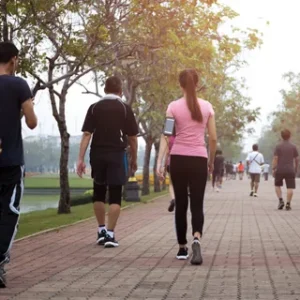
Even walking helps. Perfection isn’t required—consistency is.
2. Intermittent Fasting
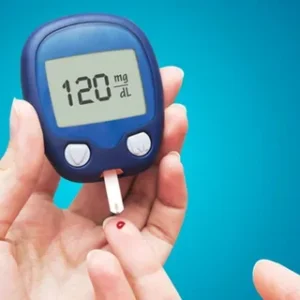
Diabetes destroys vision.
Fasting reverses diabetes pathways.
When you fast:
- Insulin drops
- Ketones rise
- Cellular cleanup begins
This protects the retina and lens from sugar damage.
How to Reverse Your Eyesight Naturally by Fixing Eye Muscles
Screens lock your eyes into a constant near-focus contraction.
That’s like clenching your fist all day and wondering why it hurts.
The Outdoor Focus Reset
To relax eye muscles:
- Spend 2 hours daily outdoors
- Focus on distant objects
- Shift focus between near and far
No phone. No scrolling. Just looking.
Trees, clouds, birds—your ancestors did this naturally. Your eyes still expect it.
The 20-20-20 Desk Rule (Do This Today)
Every:
- 20 minutes
- Look 20 feet away
- For 20 seconds
While doing it:
- Blink fully every 5 seconds
This simple habit alone can reduce eye fatigue, dryness, and blurred vision dramatically.
How to Reverse Your Eyesight Naturally with Vitamin A (The Overlooked Fix)
Night blindness is a vitamin A deficiency symptom.
But here’s the twist:
Many people can’t convert beta-carotene into usable vitamin A.
Best Bioavailable Sources
- Egg yolks
- Liver
- Cod liver oil
- Butter
If you have:
- Fatty liver
- Gallbladder issues
- Gut inflammation
…you may not absorb vitamin A properly—no matter how many carrots you eat.
Lutein and Zeaxanthin: Natural Sunglasses for Your Eyes
These antioxidants:
- Protect against UV damage
- Reduce oxidative stress
- Improve visual sharpness
Best Sources
- Egg yolks (most absorbable)
- Kale
- Swiss chard
- Pistachios
It’s not about quantity—it’s about absorption.
Floaters? Here’s Why Fasting Helps
Eye floaters are damaged proteins suspended in eye fluid.
Your body removes damaged proteins through autophagy—activated by fasting.
Strategic Fasting Approach
- Start with intermittent fasting
- Progress to 48–72 hour fasts (with medical guidance)
As autophagy increases, floaters often fade or disappear.
How to Reverse Your Eyesight Naturally and Reduce Eye Pressure
Elevated eye pressure (glaucoma) is linked to inflammation and poor circulation.
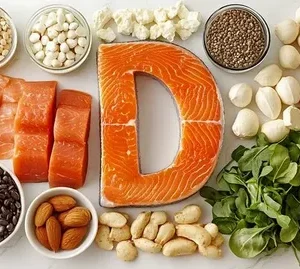
Research discussed in works like this powerful vitamin D eye health analysis shows vitamin D may:
- Reduce eye pressure
- Improve optic nerve health
Always pair vitamin D with:
- Magnesium
- Vitamin K2
They work as a team.
Cataracts: Sugar Damage You Can Undo
Cataracts form when sugar binds to proteins in the lens.
The Standout Remedy: NAC Drops
- Breaks glycated proteins
- Penetrates the lens
- Shown effective in animals and humans
Pair with:
- Low-carb diet
- Reduced sugar
- Antioxidants
No guarantees—but the science is compelling.
Key Nutrients That Support Eye Repair
| Nutrient | Benefit | Source |
|---|---|---|
| Vitamin D | Anti-inflammatory | Sun, supplements |
| Vitamin A | Night vision | Liver, egg yolks |
| Lutein | UV protection | Egg yolks, greens |
| Zeaxanthin | Retinal defense | Kale, pistachios |
| B1 (Thiamine) | Tear production | Whole foods |
| Alpha-lipoic acid | Reduces glycation | Supplements |
Sunrise & Sunset: The Vision Hack Nobody Talks About
Watching sunrise or sunset (not staring at the sun):
- Resets circadian rhythm
- Boosts intracellular melatonin
- Enhances retinal antioxidant defenses
It’s free. It’s ancient. It works.
Dry Eyes? Check Vitamin B1
Dry eye isn’t just screen time.
A thiamine (B1) deficiency disrupts the autonomic nervous system, reducing tear production.
Risk factors:
- High-carb diets
- Diabetes
- Excess coffee or tea
Fix the deficiency—and the cause.
Advanced Glycation End Products: The Silent Vision Killer
AGEs stiffen:
- Lens flexibility
- Retinal tissue
- Blood vessels
Reduce AGEs by:
- Cutting sugar
- Fasting
- Exercising
- Using antioxidants like turmeric and resveratrol
Final Thoughts: Your Eyes Are More Resilient Than You Think
Here’s the big takeaway:
Vision loss is not inevitable.
It’s often a metabolic, mitochondrial, and lifestyle problem.
When you support energy production, reduce sugar damage, restore natural eye movement, and feed your eyes what they need—they respond.
Maybe not overnight.
But steadily. Reliably. Naturally.
Call to Action
👉 Found this helpful? Share it with someone squinting right now
👉 Want deeper strategies? Read more vision science articles
👉 Bookmark this and start today—your future eyes will thank you