You’ve been told to “eat healthy” to lose weight.
But what if some so-called healthy foods are secretly raising your insulin and locking belly fat in place? You’re about to learn why that happens — and how to fix it for good.
1. Understanding the Insulin Trap
Most diets focus on calories in vs. calories out, but this oversimplification misses a critical metabolic villain: insulin.
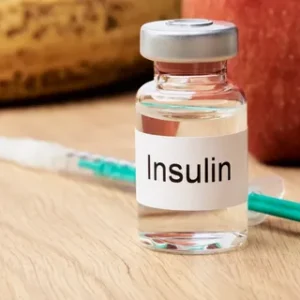
Insulin is a hormone produced by your pancreas that tells your cells to absorb sugar from the bloodstream. When insulin is high, your body is in storage mode — meaning it’s much less likely to burn stored fat.
Even foods marketed as healthy can cause significant insulin spikes if they’re rapidly digested into glucose in your body. (camara.gov.co)
Think of it like a traffic signal: green (low insulin) means go — fat burning begins; red (high insulin) means stop — fat burning is paused. Repeat red signals create what we can call an insulin trap.
Insulin vs. Fat Loss: The Biology
When you eat quickly digested carbohydrates, blood sugar surges. In response, insulin floods your bloodstream to lower that sugar. But there’s a tradeoff:
- Stored fat becomes off-limits for energy.
- Hunger returns quickly.
- Energy levels crash.
- Fat burning slows or stalls.
This cascade explains why people often blame themselves (“I lack willpower!”) when the real culprit could be biology, not behavior.
2. Food #1: Whole Wheat Bread
You’ve probably been told that whole wheat bread is a wholesome choice — after all, it’s “whole grain” and “fiber-rich.”
But once that wheat is milled into flour, even whole wheat behaves much like a refined carbohydrate in your body.
Studies show that refined and whole grain breads can still produce high glycemic and insulin responses, especially in people with insulin resistance. (kymahealth.ai)
You might feel full right after eating it — but 90 minutes later, that hunger pang returns hard. It’s not willpower; it’s biochemistry.
Smart swaps:
- Sourdough made from true fermentation
- Sprouted grain breads
- Better yet — ditch bread and build meals around protein + fats
3. Food #2: Fruit Juice
“Freshly squeezed” fruit juice sounds virtuous — but once you remove the fiber, all that fructose gets delivered directly into your bloodstream.
Unlike glucose, fructose doesn’t spike blood sugar as dramatically, but it goes straight to your liver where it’s converted into fat — contributing to visceral belly fat and even fatty liver. (camara.gov.co)
This mechanism explains why some people say they “eat clean but can’t lose belly fat.”
Better options:
- Whole fruit instead of juice
- Lemon water with a pinch of sea salt
- Berries (especially organic blueberries)

4. Food #3: Instant Oatmeal
Quick, convenient, and marketed as a healthy breakfast — but instant oats are processed and digested fast. That means rapid glucose absorption, a surge in insulin, and a hunger rebound that kicks in before lunch. (camara.gov.co)
Even flavored packets hide added sugars and inflammatory seed oils.
Better swaps:
- Pasture-raised eggs with avocado
- High-quality protein shakes with healthy fats
- Leftovers from dinner (e.g., steak + greens)
5. Food #4: Most Protein Bars
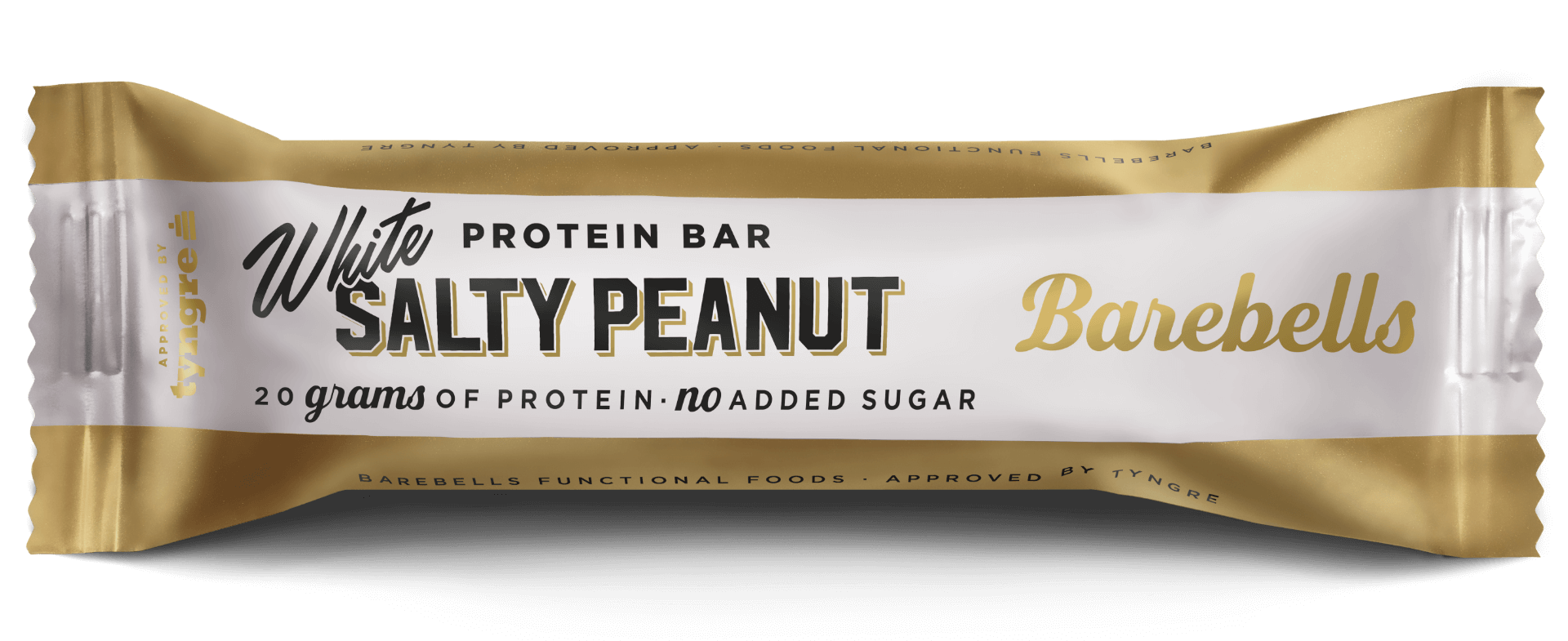
Protein bars look healthy, but many are essentially candy bars in disguise. They contain processed proteins, seed oils, sugar alcohols, and syrups that all contribute to insulin release and cravings later on. (kymahealth.ai)
Even “keto” bars can trigger insulin simply because a sweet taste alone can signal the body to release insulin.
What to choose instead:
- Hard-boiled eggs
- Beef sticks
- Whole foods meals, not packaged bars
6. Food #5: Low-Fat Yogurt
Low-fat yogurt is one of the biggest nutritional illusions out there. When manufacturers strip away the natural fat, what’s left is bland — so they add sugar to make it palatable. (kymahealth.ai)
Ironically, removing the fat increases insulin demand and hunger, whereas full-fat Greek yogurt slows digestion and enhances satiety.
Better choices:
- Unsweetened full-fat Greek yogurt
- Add cinnamon or berries if you want flavor
7. Food #6: Almond Milk
Almond milk might seem healthy, but many commercial brands contain emulsifiers, gums, seed oils, and added sugars — all of which can irritate the gut and worsen insulin resistance. (kymahealth.ai)
What’s left in the carton is mostly water with a splash of almond flavor, barely any protein, and potentially gut-disrupting additives.
Better swaps:
- Unsweetened organic coconut milk
- Macadamia nut milk
- Grass-fed dairy or A2 heavy cream in coffee
8. Food #7: Agave Nectar
Agave nectar is marketed as a natural sweetener, but it’s about 90% fructose — meaning it goes directly to the liver, promoting fat storage and worsening insulin resistance. (RIVM)
In human studies, high fructose intake raises triglycerides and visceral fat, which are markers of metabolic dysfunction.
Better options:
- Small amounts of raw local honey
- Stevia or monk fruit
- Or skip sweeteners altogether
9. Food #8: Granola
Granola is crunchy, tasty, and stealthily sugary. It’s basically dessert in breakfast clothing — loaded with sugar and refined carbs that spike insulin and trigger dopamine loops that keep you reaching for more. (The Times of India)
Once you start eating from the bowl, stopping becomes a challenge.
Better breakfast alternatives:
- Chia pudding
- Protein bowls (unsweetened)
- Greek yogurt with berries
10. Food #9: Whole Grain Cereal
Whole grain cereal seems healthy — but in many cases, the processing turns those grains into fast-digesting starches that act like simple sugars in your body. (The Times of India)
Instead of stable energy and fat burning, you get a quick spike followed by a crash and hunger.
Better breakfast staples:
- Eggs with salmon or avocado
- Protein + healthy fats
- Non-starchy vegetables
11. Quick Evidence Snapshot
Here’s a simplified comparison of foods that spike insulin vs. smart alternatives:
| Common Food | Insulin Impact | Better Swap |
|---|---|---|
| Whole wheat bread | High | Protein + fat based meal |
| Fruit juice | High (fructose load) | Whole fruit + water |
| Instant oatmeal | High | Eggs, always |
| Protein bars | Variable, often high | Whole food snacks |
| Low-fat yogurt | Higher insulin | Full-fat Greek yogurt |
| Almond milk | Additives, low protein | Coconut/milk alternatives |
| Agave nectar | High fructose | Honey, stevia |
| Granola | Sugar + processed carbs | Chia pudding |
| Whole grain cereal | High GI | Protein + fats |
(GI = glycemic index; foods higher in GI digest quickly, raising insulin more.)
12. Why Calories Are Not the Whole Story
Many people cling to the “calories in, calories out” model. But energy balance is only one piece of the puzzle. Hormones — especially insulin — have a powerful influence on whether your body stores fat or burns it.
When insulin is consistently elevated (due to diet, inflammation, or stress), your body becomes metabolically locked into storing fat rather than tapping into reserves.
13. Real-World Implications
If you’re struggling with stubborn belly fat or constant cravings, it might not be a lack of willpower — it might be food choices that keep insulin high. By simply swapping out two or three of the foods above, many people experience:
- reduced hunger
- steadier energy
- easier fat loss
- less inflammation
It’s not magic — it’s biochemistry working in your favor when you give it the right signals.
14. Moving Forward: How to Eat for Your Metabolism
Here are practical steps you can take today:
✔ Focus on real foods
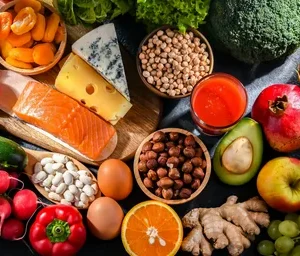
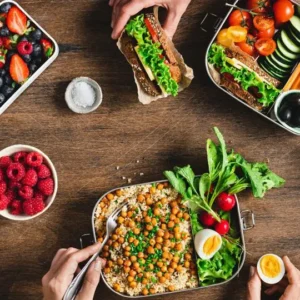
Protein + healthy fats + fiber should be your base.
✔ Avoid liquid sugars
Juices and sweetened beverages hit your system fast.
✔ Don’t fear fats
Full-fat dairy and unprocessed fats slow digestion.
✔ Pair carbs with protein
Eating protein first slows absorption and moderates insulin.
✔ Track, don’t guess
Consider using a blood glucose monitor if you want personalized data.