Why Quitting Sugar Feels Impossible (But Isn’t)
If you’ve ever tried to quit sugar, you know it’s more than just “willpower.” Cravings can feel like a stubborn shadow following your every step — whispering just one more bite even when you resolved not to. But what if I told you that sugar addiction isn’t just about discipline? It’s about biology, behavior, and taste buds that have been rewired over years. And most importantly, it can be overcome with a plan that fits your personality and lifestyle.
This step‑by‑step guide isn’t another “eat less, move more” lecture. It’s a deep, empathetic look at how sugar affects your body and mind — and how you can break free without feeling deprived or overwhelmed.
🍬 Section 1: What Sugar Addiction Really Is
Understanding the Biology Behind It
You’re not imagining it — sugar can be addictive. Research has shown that sweet tastes activate the brain’s reward pathways in ways that resemble addictive substances, making us crave more once we’ve had a taste. (MDPI)
That doesn’t mean sugar is exactly like drugs, but the neurological response is powerful. Over time, your brain starts to associate sugary foods with quick dopamine hits — energy spikes followed by crashes — and before you know it, your day revolves around that next sugary snack. That’s why merely telling yourself to “stop eating sweets” rarely works long‑term.
Why Your Taste Buds Change
Your taste buds are not static. Just like muscles adapt to exercise, your palate gets used to higher levels of sweetness. That’s why a sugary soda might have tasted refreshing years ago — and now it feels normal. The more sugar you consume, the less sensitive your taste buds become, so you need even more to feel the same sweetness.
Paradoxically, once sugar is reduced, natural foods can start to taste sweeter and more satisfying. This shift isn’t just anecdotal — it’s backed by clinical observations showing taste perceptions change after reducing sugar intake. (National Geographic)
🍭 Section 2: Common Signs You’re Too Reliant on Sugar
Before you can break a sugar addiction, it helps to recognize the signs that sugar has a grip on your life:
- Frequent hunger every 2–3 hours even after meals.
- Mid‑morning energy drops and caffeine reliance.
- Shakiness or irritability between meals.
- Afternoon energy slumps that only sweets seem to fix.
- Constant cravings for sweets or refined carbs.
These symptoms aren’t just “bad habits.” They often signal blood sugar swings and metabolic patterns that keep you stuck in that sugar loop. Recognizing these signs is the first step toward change.
🍽️ Section 3: Two Proven Approaches to Cutting Sugar
When it comes to breaking sugar addiction, there are two main approaches — and which one you choose depends entirely on who you are.
🍃 1. Cold Turkey (Fast & Intense)
This is the “rip off the Band‑Aid” method: zero added sugar, no refined carbs, no sugary snacks for at least 14 days. This includes cutting out foods that quickly convert to sugar in your body, such as white flour products and sweets.
Pros:
- Quick taste‑bud reset
- Noticeable energy improvements
- Rapid reduction in cravings
Cons:
- Withdrawal symptoms (headaches, irritability, insomnia) — especially around days 3–6
- Requires strong preparation and planning
Cold turkey can work beautifully for some people, but it can be intense during the first week, so set yourself up for success with support, preparation, and alternative snacks. (Cleveland Clinic)
🐢 2. Gradual Reduction (Gentle & Sustainable)
If you hate deprivation — this approach might be perfect. Instead of quitting all at once, you reduce your sugar intake gradually over several weeks. Start by:
- Cutting sugar in coffee or tea
- Replacing one dessert with fruit
- Swapping soda for sparkling water
The idea is to make changes that are easier to stick with long term. Studies show that gradual reduction is more sustainable over time for many people. (Moneycontrol)
🧪 Section 4: What Happens to Your Body When You Cut Sugar
Cutting sugar may seem scary at first, but your body starts changing surprisingly fast — sometimes within days.
🩸 Energy & Mood Stabilize
Without sharp blood sugar spikes, your energy becomes steadier. No more mid‑afternoon crashes or frantic coffee runs. Your mood can become more balanced as your body stops reacting to rapid glucose swings. (National Geographic)
🥰 Health Benefits You Can’t Ignore
Here’s what science shows happens when added sugar is reduced:
| Benefit | Result |
|---|---|
| Better mood | More stable energy and fewer mood swings |
| Weight management | Less fat storage and smoother metabolism |
| Improved skin | Less inflammation and clearer complexion |
| Gut health | Balanced microbiome and fewer cravings |
| Enhanced taste sensitivity | Foods taste naturally sweeter |
These changes underscore that quitting sugar isn’t just about weight — it’s about overall well‑being.
🥗 Section 5: Practical Strategies That Work
Let’s talk real‑world tactics that make sugar reduction sustainable and even enjoyable.
🍏 1. Fill Up on Protein & Fiber
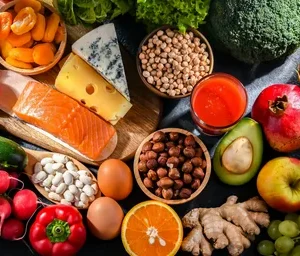
Protein and fiber slow digestion, keep blood sugar stable, and help you feel full longer — which reduces cravings. Nuts, eggs, legumes, chicken, fish, and leafy veggies are your friends here. (Cleveland Clinic)
💧 2. Stay Hydrated
Sometimes what feels like hunger is thirst in disguise. Drinking enough water helps reduce false cravings and supports metabolism. (collectedmed.com)
😴 3. Prioritize Sleep
Sleep isn’t just rest — it regulates hormones that control hunger and cravings. Poor sleep makes the hunger hormone ghrelin go up and the fullness hormone leptin go down. (Healthline)
🧘 4. Manage Emotional Eating
Sugar is often a band‑aid for stress, boredom, or loneliness. Techniques like mindfulness, short yoga sessions, or breathing exercises can soothe emotional triggers without turning to sweets. (collectedmed.com)
🛒 5. Change Your Environment
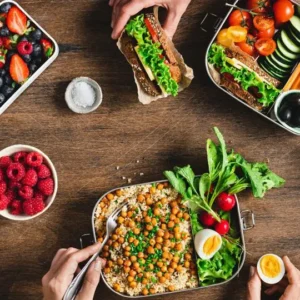
Out of sight, out of mind is a real thing. If sugary snacks aren’t in your house, you’re far less likely to reach for them. Replace them with olives, nuts, or fruit — foods that nourish without spiking blood sugar.
🔁 Section 6: Coping with Withdrawal & Relapse
Breaking sugar addiction isn’t a straight line — it’s more like a spiral with ups and downs. Withdrawal symptoms can include:
- Headaches
- Irritability
- Fatigue
- Sugar cravings
These are temporary and often peak around days 3–6 if you quit abruptly. Knowing this ahead of time can help you stay committed when it feels hardest.
And relapse? It’s normal. If you slip and have a dessert, don’t beat yourself up. Patterns are formed over years, and change takes time.
🧠 Section 7: How to Think About Sugar Long Term
This journey isn’t about perfection — it’s about awareness. Once you understand why you reach for sugar, you can make choices that align with how you want to feel physically and emotionally.
Ask yourself when cravings hit:
- Am I actually hungry — or just stressed?
- Am I craving sugar, or the comfort it represents?
- Is there another way to soothe this feeling?
Growth happens when you pause and reflect before reacting — and over time, you’ll train your brain and taste buds to crave healthier things.
🏁 Conclusion — You Can Break Sugar Addiction
Breaking sugar addiction is challenging — no doubt about that. But it’s not about willpower alone. It’s about understanding the biology, reshaping routines, retraining your taste buds, and nurturing your emotional needs in healthy ways.
Whether you choose cold turkey or gradual reduction, remember this: change is possible, and the benefits go far beyond what you can see on the scale.
Here’s to steadier energy, clearer moods, and a life where you control sugar — not the other way around.
🏷️ Tags
If you want, I can also provide downloadable checklists, daily sugar reduction plan PDFs, or meal suggestions to support this guide. Just let me know!