If you’ve ever wondered whether intermittent fasting: ditching breakfast for better health is just another diet buzzword—or whether there’s actual science backing it up—you’re in the right place. Everyone seems to have an opinion: influencers swear by skipping breakfast for fat loss and “metabolic reset,” while traditional nutrition experts insist breakfast is crucial for energy and blood sugar control. So who’s right?
Let’s break it down without the noise, the strange jargon, or the fad-diet promises. By the end of this deep dive, you’ll understand what happens when you skip breakfast, how it ties into intermittent fasting, and what real research actually says about your metabolism, hormones, and long-term health.

What Intermittent Fasting: Ditching Breakfast for Better Health Really Means
At its core, intermittent fasting: ditching breakfast for better health is about when you eat, not just what you eat. The idea isn’t to starve yourself or skip meals haphazardly, but to adopt a structured eating pattern—often a 16:8 schedule where you fast for 16 hours and eat within an 8-hour window.
Skipping breakfast under this pattern simply means your first meal of the day might be at noon instead of 7 a.m. That extended overnight fast shifts your metabolism and hormones in ways that some people find beneficial.
However, it’s crucial to differentiate between intermittent fasting as a structured plan and just randomly skipping breakfast without any dietary strategy. Studies show that the health effects of unplanned meal skipping can differ substantially from planned fasting regimens. (Reddit)
What Happens When You Extend Overnight Fasting
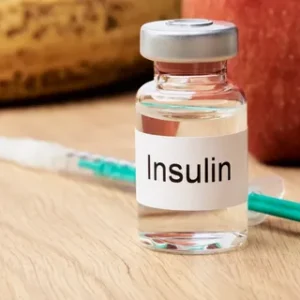
Your body naturally enters a fasting state while you sleep. After about 10–12 hours without food, insulin levels drop, and your body starts shifting energy sources—often increasing fat oxidation instead of relying on glucose. This is where intermittent fasting enthusiasts claim benefits such as:
- Enhanced fat burning
- Improved metabolic flexibility
- Lowered insulin levels
- Stable energy between meals
This metabolic switch has a lot of intuitive appeal, and some studies suggest short-term increases in fat oxidation during fasting. (TIME)
But here’s where nuance matters: longer fasting isn’t always better for every metabolic outcome, and legitimate scientific debate continues.
Science vs. Hype: What Research Actually Shows
To understand the true impact of skipping breakfast—or fasting more broadly—we can’t rely purely on anecdotal stories or dramatic claims. Let’s examine both sides of the evidence roof.
The Case Against Breakfast Skipping
Numerous observational studies have linked skipping breakfast with higher risks of metabolic issues, including:
- Higher risk of metabolic syndrome (abdominal obesity, high blood pressure, elevated blood sugar, and abnormal cholesterol levels) (PubMed)
- Associations with hypertension, hyperlipidemia, and insulin resistance (PubMed)
- Disrupted circadian rhythms and potential impact on glucose control and inflammation (sciencedirect.com)
In fact, large pooled analyses show people who skip breakfast tend to have higher rates of metabolic syndrome, though these studies are observational — meaning they show a correlation, not direct cause-and-effect. (Harvard Health)
The Case For Structured Fasting
On the flip side, structured intermittent fasting—when done thoughtfully and within a healthy diet—has some promising research backing:
- Controlled fasting may increase fat oxidation and short-term calorie burn. (TIME)
- Intermittent fasting does not inherently slow metabolism; in fact, short fasts can boost metabolic rate by increasing norepinephrine. (Science News Today)
- Some studies suggest fasting improves insulin sensitivity when performed within context, though the role of breakfast specifically often gets conflated with overall fasting patterns. (Science News Today)
Intermittent Fasting vs. Random Skipping: Key Differences
It’s tempting to lump all breakfast skipping into a single category. But the context matters. Here’s a quick comparison to clarify things:
| Factor | Unstructured Breakfast Skipping | Intermittent Fasting (Planned) |
|---|---|---|
| Insulin Regulation | Often higher risk of metabolic syndrome in observational studies (PubMed) | Generally lower insulin spikes during fasting periods when well-structured (Science News Today) |
| Metabolic Impact | Mixed results; higher post-lunch glucose and inflammation reported (PubMed) | Can promote fat oxidation and metabolic flexibility when paired with healthy eating (Science News Today) |
| Consistency | Irregular, unpredictable | Scheduled and repeatable |
| Behavior Patterns | May lead to overeating later | Typically encourages mindful eating |
| Evidence Strength | Largely observational | Some controlled trials, growing evidence |
This table shows why scientists often emphasize pattern and lifestyle context over the simple act of skipping a meal. (Reddit)
Busting Common Myths Around Intermittent Fasting
Let’s tackle some persistent claims you might have heard:
🥣 Myth: Skipping breakfast slows your metabolism
Reality: Short fasts can actually increase metabolic rate due to hormones like norepinephrine, especially when not paired with extreme calorie restriction. (Science News Today)
🧠 Myth: Breakfast is essential for brain function every day
Reality: Some people do report improved focus during fasting, possibly due to ketones increasing brain-derived neurotrophic factors—but hard evidence in humans is limited and still under research. (Healthista)
🍽 Myth: All fasting is the same
Reality: Skipping a meal randomly isn’t the same as structured intermittent fasting. The former might correlate with poor health outcomes, while the latter has controlled protocols and better research context. (Reddit)
Practical Tips if You Want to Try Fasting (Safely)
If you’re curious about intermittent fasting, especially the kind that involves skipping breakfast, here’s how to do it in a balanced way:
**