Your kidneys work quietly, filtering waste and balancing fluids every second of every day — and most of us never give them a second thought. But what if your body has been whispering (or screaming) warnings about Chronic Kidney Disease that you’ve been brushing off?
Let’s decode the signals your body sends before it’s too late.

🧠 Introduction: Why Early Detection of Chronic Kidney Disease Matters
Chronic Kidney Disease (CKD) is like that slow-moving shadow you barely notice until it’s already across the room. In its early stages, CKD is often silent, showing few — or no — obvious symptoms. That makes recognizing the subtle clues your body gives off incredibly important. According to the Centers for Disease Control and Prevention (CDC), early CKD typically has no signs or symptoms, which is why testing and awareness are critical if you’re at risk. (CDC)
Yet, once the disease progresses, symptoms multiply like weeds, and the condition becomes harder to manage. Advanced CKD can increase the risk for heart disease, stroke, and eventually kidney failure. It’s not just about kidneys — it’s about your whole life.
So let’s shed light on those early warning signs of chronic kidney disease and what you can do to take control before it progresses.
🩺 Section 1: What Is Chronic Kidney Disease?
Chronic Kidney Disease happens when your kidneys are damaged and can’t filter blood as well as they should. This damage usually develops slowly and gets worse over time. The key word here is chronic — not sudden, not dramatic, but persistent and progressive. (Mayo Clinic)
Because the kidneys also help control blood pressure, make hormones, and balance minerals and fluids, even a slight loss of function can send ripples throughout the body.
Here’s the truth: CKD doesn’t usually announce itself in a flashy way. Rather, it drops hints — and if you miss them, those hints can become full-blown problems.
🔎 Section 2: 10 Warning Signs You Might Be Developing Chronic Kidney Disease
Below are the most common indicators that your kidneys could be in trouble — clues that something’s off and merits attention.
1. 🦵 Persistent Fatigue or Weakness
Feeling tired more often than normal? When kidneys begin to underperform, waste products build up in the blood, making your body feel drained. Fatigue is one of the earliest hidden signs of CKD. (Mayo Clinic)
This isn’t just regular workweek tired — it’s the kind of tired that coffee, sunshine, or a weekend sleep-in won’t fix.
2. 🩸 Changes in Urination
Kidneys are powerhouses of filtration — so when they start malfunctioning, your urination patterns may shift. This includes:
- Urinating more often (especially at night)
- Urinating less often than usual
- Foamy or bubbly urine (a sign of protein leakage)
These changes are not random quirks — they’re red flags. (National Kidney Foundation)
3. 🦶 Swelling in Feet, Ankles, or Hands
Swelling (edema) happens when your kidneys fail to remove excess fluid properly. You might notice puffy ankles, tight rings, or shoes that suddenly feel snug.
4. 😫 Loss of Appetite or Nausea
Ever felt blah around food or downright nauseated for no clear reason? When waste builds up, your gut can go out of whack — leaving you uninterested in eating or queasy.
These subtle food-related signals often get blamed on stress or mood, delaying correct diagnosis.
5. 💨 Shortness of Breath
Fluid retention doesn’t just pool in feet — it can collect in your lungs. That’s when breathing feels harder than it should, even with mild exertion.
6. 🧠 Trouble Concentrating or Sleep Issues
A brain fog that won’t quit? Waste buildup can affect cognitive function and sleep quality. If you’re losing focus or tossing and turning more often, it might not just be stress.
7. 🩹 Persistent Dry or Itchy Skin
The skin can act like a barometer for internal health. When toxins build up, dryness and itchiness can flare up with no clear dermatological cause. (National Kidney Foundation)
8. 🍳 Muscle Cramps or Aches
Electrolyte imbalances (like low calcium or high phosphorus) can trigger muscle twitching or cramping as the kidneys lose function.
9. 🩺 High Blood Pressure That’s Hard to Control
Kidneys help regulate blood pressure. When they falter, blood pressure may rise and resist treatment. This intensifies a vicious cycle: high blood pressure damages kidneys, and damaged kidneys make blood pressure worse. (Mayo Clinic)
10. 🍬 Unexplained Weight Loss or Appetite Drop
This is more subtle. When your kidneys can’t process nutrients effectively, you might start losing weight without trying — a serious sign worth investigating.
📊 Table: Early vs. Advanced CKD Symptoms
| Early Warning Signs | Advanced CKD Symptoms |
|---|---|
| Fatigue & weakness | Severe shortness of breath |
| Slight changes in urination | Vomiting & nausea |
| Mild swelling | Uncontrolled hypertension |
| Dry or itchy skin | Chest pain from fluid buildup |
| Trouble concentrating | Uremic frost (rare) |
| Loss of appetite | Need for dialysis |
Source: Combined data from multiple clinical resources (Mayo Clinic)
💡 Section 3: What Causes Chronic Kidney Disease?
While anyone can develop CKD, certain conditions raise your risk substantially:
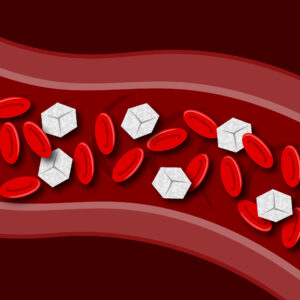
- Diabetes – The most common cause globally. High blood sugar damages kidney filters over time. (Mayo Clinic)
- High Blood Pressure – A leading contributor that accelerates damage. (CDC)
- Heart Disease & Obesity – Heavy workload on kidneys. (CDC)
- Smoking or long-term use of NSAIDs – Can harm kidney tissue. (Mayo Clinic)
- Family History or Genetic Conditions – Such as polycystic kidney disease. (Mayo Clinic)
It’s also possible for kidney disease to develop from repeated infections or long-standing urinary tract blockages. Early lifestyle and condition management is key.
❤️ Section 4: What to Do Before CKD Progresses
Here’s the good news: Early action matters. Even if the damage has begun, you can slow progression and protect remaining kidney function.
🔁 1. Get Tested Regularly
Ask your doctor about a urine protein test or blood creatinine and eGFR test. Regular tests catch CKD when it’s easiest to manage. (CDC)
👉 Learn more about kidney disease testing at the CDC’s prevention overview. CDC: Preventing Chronic Kidney Disease info
🩹 2. Manage Blood Pressure and Blood Sugar
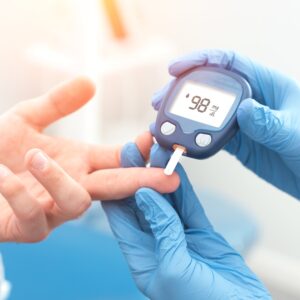
Keeping these numbers in check is a game changer. Medications, diet, and consistent monitoring can slow damage significantly.
🥗 3. Adopt a Kidney-Friendly Diet
- Lower sodium intake
- Moderate protein
- Plenty of fruits and vegetables
A registered dietitian can tailor a plan that nourishes without overworking your kidneys. (Mayo Clinic)
🚭 4. Quit Smoking & Limit Alcohol
Smoking destabilizes blood vessels and reduces oxygen delivery to organs — including kidneys. Alcohol can worsen dehydration and pressure fluctuations.
🏃♂️ 5. Stay Active
A moderate exercise routine helps manage weight, blood sugar, and blood pressure — a triple win for kidney health.
📢 Conclusion: Your Kidneys Are Talking — Are You Listening?
Chronic Kidney Disease doesn’t announce itself with fanfare. It creeps in with silent signals and subtle changes, and too often, those warnings go ignored until advanced damage has already occurred.
But it doesn’t have to be that way. By knowing the 10 warning signs you’re developing chronic kidney disease, what causes it, and the proactive steps you can take, you can stay ahead of the curve — and protect your health for years to come.
Don’t wait for symptoms to blow up like a storm before you act. Catch the clouds when they first gather.
📣 Call to Action
👉 Share this article with someone who needs to pay more attention to their kidney health!
👉 Bookmark and revisit this guide as you check in on your own health goals.
👉 Talk to your doctor, and ask for a kidney check — today, not tomorrow.
If you want, I can also provide a printable checklist of these warning signs you can take to your next doctor visit!