10 Dangerous Breast Pain Causes Every Woman Must Know Before Panic Sets In
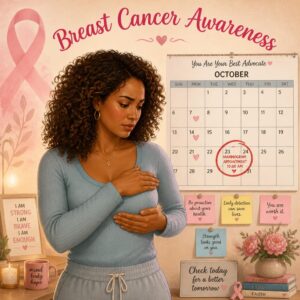
You felt it again this morning. That sharp twinge in your left breast while reaching for your coffee mug, or maybe it’s the dull ache that’s been keeping you awake at night, making your mind race to the darkest possibilities.
Before you spiral into full panic mode or lose another night’s sleep googling symptoms, let’s talk about what’s really happening in your body and when you actually need to worry.
Understanding Breast Pain: Why It Happens and What Your Body Is Trying to Tell You
Breast pain, medically known as mastalgia, affects up to 70% of women at some point in their lives. Yet despite how common it is, the moment we feel that unfamiliar sensation, our minds immediately jump to the worst-case scenario.
Here’s something that might surprise you. Breast pain is rarely the first or only symptom of breast cancer. In fact, according to research from leading medical institutions, the top causes of breast tenderness are usually benign and completely treatable.
That doesn’t mean you should ignore persistent or unusual breast pain. Some causes do require immediate medical attention, while others simply need lifestyle adjustments or over-the-counter solutions.
Understanding the difference between normal hormonal fluctuations and potentially serious conditions can save you from unnecessary anxiety while ensuring you don’t miss warning signs that truly matter. This guide breaks down the ten most important breast pain causes every woman should recognize, explains what each one feels like, and tells you exactly when to pick up the phone and call your doctor.
The Two Main Types of Breast Pain Causes You Need to Understand First
Before diving into specific conditions, you need to know that medical professionals categorize breast pain into two distinct types. This classification helps determine the underlying cause and appropriate treatment.
Cyclical breast pain follows your menstrual cycle. It typically appears one to two weeks before your period, affects both breasts (though often more pronounced on one side), and disappears once menstruation begins. This type accounts for about 75% of all breast pain complaints.
Non-cyclical breast pain has nothing to do with your hormones or monthly cycle. It can occur at any time, usually affects only one specific area of one breast, and tends to be constant rather than coming and going. This type often originates from the breast tissue itself or the surrounding muscles and joints.
Knowing which category your pain falls into gives you and your healthcare provider crucial clues about what’s causing it and how serious it might be.
Dangerous Breast Pain Cause #1: Breast Infections and Mastitis
Mastitis is one of the most painful breast conditions you can experience, and it demands immediate attention. This bacterial infection creates intense, burning pain that feels like someone’s holding a hot iron against your breast tissue.
While most common in breastfeeding women, mastitis can strike anyone. The infection typically enters through small cracks in the nipple or travels through milk ducts, causing inflammation that turns a section of your breast red, swollen, and incredibly tender to touch.
Key symptoms of mastitis include:
- Severe, throbbing pain localized to one area
- Red, warm skin in a wedge-shaped pattern on the breast
- Fever of 101°F or higher that comes on suddenly
- Flu-like symptoms including chills, body aches, and fatigue
- Swollen lymph nodes under the arm or near the collarbone
The dangerous part isn’t just the pain. Untreated mastitis can progress to a breast abscess, a pocket of pus that may require surgical drainage. Some women develop sepsis, a life-threatening blood infection that spreads throughout the body.
If you suspect mastitis, call your doctor within 24 hours. Treatment typically involves antibiotics, warm compresses, and continued breastfeeding if you’re nursing. Most women feel dramatically better within 48 hours of starting antibiotics, though you’ll need to complete the full course to prevent recurrence.
Don’t try to tough this one out. Breast infections are one of the few breast pain causes that can become genuinely dangerous without prompt medical intervention.
Dangerous Breast Pain Cause #2: Inflammatory Breast Cancer
Let’s address the elephant in the room. You’ve been worried about cancer since the moment your breast started hurting, haven’t you?
Here’s the truth. Inflammatory breast cancer (IBC) is rare, accounting for only 1-5% of all breast cancers, but it’s also one of the most aggressive forms. Unlike typical breast cancers that present as lumps, IBC mimics an infection so closely that it’s often misdiagnosed initially.
Warning signs that distinguish IBC from mastitis include:
- Rapid onset of symptoms, developing over weeks rather than months
- Breast skin that looks dimpled or pitted, like an orange peel (called peau d’orange)
- Persistent redness covering at least one-third of the breast
- Swelling that makes one breast noticeably larger than the other
- Heaviness, burning, or aching in the affected breast
- Inverted nipple that previously pointed outward
- No improvement after a full course of antibiotics prescribed for suspected infection
The most dangerous aspect of inflammatory breast cancer is how quickly it progresses. Cancer cells block lymph vessels in the breast skin, causing the characteristic inflammation and pain. Because there’s often no distinct lump to feel, IBC requires different screening approaches than typical breast cancers.
If you’ve been treated for mastitis but symptoms haven’t improved after completing antibiotics, insist on additional testing. A mammogram, ultrasound, and skin biopsy can definitively rule out IBC.
While this is one of the more serious breast pain causes, remember that it’s still uncommon. Most breast pain stems from far more benign conditions. However, awareness of IBC symptoms ensures you won’t dismiss warning signs if they do appear.
Dangerous Breast Pain Cause #3: Fibrocystic Breast Changes
About half of all women between ages 20 and 50 have fibrocystic breasts, making this one of the most common breast pain causes. Yet many women have never heard the term or don’t realize their lumpy, painful breasts have a name.
Fibrocystic changes create rope-like thickened tissue and fluid-filled cysts throughout your breasts. Think of it like your breast tissue overreacting to normal hormonal fluctuations, creating extra fibrous tissue and pockets of fluid that swell and shrink with your cycle.
Fibrocystic breasts typically cause:
- Lumpiness that feels like a bag of frozen peas under the skin
- Breast pain that worsens right before your period
- Swelling and tenderness in the upper, outer area of both breasts
- Cysts that you can feel rolling under your fingers
- Pain that ranges from dull aching to sharp, stabbing sensations
- Nipple discharge that’s clear, yellow, or greenish (but not bloody)
The dangerous part about fibrocystic breasts isn’t the condition itself, which is benign. The real risk is that all those lumps and bumps make it incredibly difficult to detect actual concerning changes during self-exams.
Women with very fibrocystic breasts need more vigilant screening. Your doctor might recommend annual ultrasounds in addition to mammograms, especially if you have dense breast tissue. You’ll also need to become intimately familiar with your normal lumpiness so you can identify new lumps that feel different.
Managing fibrocystic breast pain often involves cutting caffeine (which many women swear helps, though research is mixed), taking evening primrose oil supplements, wearing a supportive sports bra, and using over-the-counter pain relievers during the worst days of your cycle.
Your doctor might also recommend reducing salt intake before your period to minimize fluid retention, or prescribe oral contraceptives to stabilize hormone fluctuations if pain is severe.
Dangerous Breast Pain Cause #4: Hormone Medications and Birth Control
Your breast pain might literally be coming from a bottle in your medicine cabinet. Hormone-containing medications are among the most overlooked breast pain causes, yet they affect millions of women daily.
Birth control pills, patches, and rings flood your system with synthetic estrogen and progesterone. These hormones cause breast tissue to retain fluid, swell, and become tender, essentially mimicking the hormonal changes of pregnancy.
Medication-related breast pain presents as:
- Fullness and heaviness in both breasts
- Tenderness that’s worse in the first few months of starting a new medication
- Pain that occurs throughout the month, not just before your period
- Swelling that makes your bras feel too tight
- Soreness when you lie on your stomach or during exercise
Hormone replacement therapy for menopause symptoms causes similar issues. Your breast tissue has estrogen receptors that respond when you introduce external hormones, causing tissue proliferation and fluid retention.
The dangerous aspect here is twofold. First, long-term use of some hormone therapies slightly increases breast cancer risk, particularly estrogen-progestin combinations taken for more than five years. Second, the breast changes caused by hormonal medications can make mammogram readings more difficult, potentially masking early cancers.
If breast pain started or significantly worsened within three months of beginning a new hormonal medication, talk to your prescriber. Often, switching to a different formulation with lower hormone doses or different progestin types resolves the issue.
For birth control, options like progestin-only pills, hormonal IUDs that work primarily locally, or non-hormonal methods might eliminate breast pain entirely. For menopausal hormone therapy, using the lowest effective dose for the shortest necessary time minimizes both breast pain and long-term risks.
Never stop prescribed medications without consulting your doctor first, but absolutely bring up persistent breast pain as a side effect worth addressing.
Dangerous Breast Pain Cause #5: Costochondritis and Chest Wall Pain
Sometimes breast pain isn’t actually coming from your breast tissue at all. Costochondritis, inflammation of the cartilage connecting your ribs to your breastbone, is frequently mistaken for dangerous breast pain causes when it’s actually a musculoskeletal problem.
This condition creates sharp, stabbing pain right where your ribs meet your sternum. Because this junction sits directly beneath breast tissue, the pain radiates through your breast, making it feel like the breast itself hurts.
Costochondritis has distinctive characteristics:
- Sharp, stabbing pain that worsens with deep breathing, coughing, or sneezing
- Tenderness when you press on your breastbone or the ribs beside it
- Pain that increases with upper body movement or stretching
- Sensation that gets worse when lying in certain positions
- Discomfort that may shoot down your arm or across your chest
- No visible changes to your breast skin or tissue
The dangerous part about costochondritis is that it can mimic heart attack symptoms, especially when pain is on the left side and radiates down the arm. Women experiencing this for the first time should absolutely get evaluated to rule out cardiac issues.
Costochondritis typically results from repetitive movements (like intense upper body workouts, painting ceilings, or heavy lifting), viral infections that cause inflammation, or even persistent coughing from respiratory illness. Occasionally it appears without any identifiable trigger.
Treatment focuses on reducing inflammation through NSAIDs like ibuprofen, applying ice packs, and avoiding activities that aggravate symptoms. Physical therapy teaches you stretches and posture corrections that relieve pressure on affected cartilage.
Most cases resolve within a few weeks, though some women experience recurring episodes. If you can pinpoint exactly where it hurts by pressing on specific rib joints, and the pain changes with movement and breathing, you’re likely dealing with chest wall pain rather than a breast tissue problem.
Dangerous Breast Pain Cause #6: Breast Trauma and Fat Necrosis
Your breast tissue is surprisingly delicate. Direct trauma from accidents, sports injuries, or even aggressive mammograms can cause lasting pain and concerning lumps that mimic more serious conditions.
Fat necrosis occurs when breast fat cells die after injury and form hard, round lumps. These lumps feel exactly like cancerous tumors, they show up on mammograms as suspicious masses, and they often cause significant pain around the injury site.
Breast trauma and fat necrosis create:
- A hard, irregular lump that doesn’t move easily
- Skin dimpling or pulling over the affected area
- Bruising that may not appear until days after injury
- Persistent tenderness, aching, or burning sensation
- Sometimes skin redness or thickening
- Nipple retraction if trauma occurred near the areola
The dangerous aspect is how closely fat necrosis mimics breast cancer on physical exams and imaging. Many women undergo biopsies before doctors confirm the lump is just dead fat cells forming scar tissue.
If you’ve recently experienced any breast trauma (seatbelt injury from sudden braking, collision during sports, fall onto your chest, or even overly aggressive breast manipulation), mention it to your doctor when discussing new lumps or pain. This context helps them interpret findings correctly.
Interestingly, many women don’t connect their current breast pain to an injury that happened weeks or even months earlier. Fat necrosis can take time to develop as the body walls off damaged tissue.
Treatment usually involves watchful waiting, as fat necrosis lumps often shrink or disappear on their own over 6-12 months. Pain typically resolves faster, within a few weeks. If the lump doesn’t change or causes significant discomfort, surgical removal is an option.
Preventing breast trauma means wearing proper protective gear during contact sports, ensuring your seatbelt sits correctly across your chest, and being mindful during activities that could result in impact.
Dangerous Breast Pain Cause #7: Large Breast Size and Poor Support
If you’re well-endowed, you probably already know that your breast size itself can be one of the primary breast pain causes in your life. But you might not realize how dangerous inadequate support can become over time.
Large breasts pull on Cooper’s ligaments, the delicate connective tissue strands that support breast tissue and maintain shape. Chronic strain on these ligaments causes pain not just in the breasts themselves, but radiating through your shoulders, neck, and upper back.
Large breast-related pain manifests as:
- Deep, aching discomfort in both breasts that worsens throughout the day
- Shoulder grooving where bra straps dig into skin
- Neck tension and headaches from postural changes
- Upper back pain between shoulder blades
- Skin irritation and rashes in the inframammary fold (underneath the breasts)
- Numbness or tingling in hands and fingers from compressed nerves
The dangerous aspects extend beyond pain. Poor posture developed to compensate for breast weight leads to permanent spinal changes, chronic pain conditions, and nerve compression syndromes. Skin breakdown under breasts creates infection risks.
Many women also avoid exercise because large breasts make physical activity uncomfortable, contributing to weight gain, cardiovascular problems, and reduced bone density. The psychological impact includes self-consciousness, body image issues, and even social withdrawal.
Professional bra fitting makes an enormous difference. Most women wear completely wrong sizes, typically too large in the band and too small in the cup. A proper sports bra with encapsulation design (each breast in its own cup) rather than compression style prevents painful bouncing during exercise.
For some women with very large breasts (DD cup or above), breast reduction surgery becomes a medical necessity rather than cosmetic preference. Insurance often covers the procedure when documented symptoms include chronic pain, postural problems, skin conditions, or activity limitations.
Physical therapy targeting upper back strengthening and postural correction helps distribute weight more evenly. Strengthening your core and back muscles provides natural support that takes strain off breast tissue.
Dangerous Breast Pain Cause #8: Pregnancy and Breastfeeding Complications
Pregnancy transforms your breasts from the moment of conception, and these changes continue throughout breastfeeding and beyond. While some discomfort is normal, certain pregnancy-related issues fall into the dangerous breast pain causes category.
During pregnancy, rising estrogen and progesterone levels cause milk ducts to expand and multiply, increasing blood flow and breast size dramatically. This rapid growth stretches skin and Cooper’s ligaments, creating aching, tenderness, and hypersensitivity.
Normal pregnancy breast pain feels like:
- Extreme tenderness, especially in the first trimester
- Tingling or electric sensations as nerves stretch
- Fullness and heaviness as breasts enlarge
- Increased sensitivity where even soft fabrics feel irritating
- Visible blue veins as blood supply increases
But several pregnancy and breastfeeding complications create dangerous situations requiring immediate intervention.
Plugged milk ducts occur when milk backs up in a duct, creating a painful, hard lump. The area becomes tender and may look red. While not dangerous initially, plugged ducts can progress to mastitis if not cleared quickly.
Treat plugged ducts by nursing frequently on the affected side, massaging the lump toward the nipple while feeding, applying warm compresses before nursing, and trying different feeding positions. If the lump doesn’t resolve within 24-48 hours or you develop fever, call your doctor.
Engorgement happens when breasts become overfull with milk, typically when your milk first comes in or if you go too long between feedings. Your breasts become rock-hard, incredibly painful, and sometimes so swollen that your baby can’t latch properly.
Relief comes from frequent nursing, hand-expressing a small amount before latching to soften the areola, applying cold compresses after feeding, and taking anti-inflammatory medications. Severe engorgement that doesn’t improve with these measures needs medical evaluation.
Nipple trauma from poor latch creates cracks, bleeding, and severe pain during feeding. While technically affecting the nipple rather than breast tissue, the pain radiates through the entire breast and can lead to infection if bacteria enters through broken skin.
Thrush, a yeast infection affecting nipples and milk ducts, causes burning, shooting pains deep in the breast during and after feeding. Both mother and baby need treatment to prevent passing the infection back and forth.
According to comprehensive women’s health guidelines, recognizing and addressing breastfeeding complications early prevents serious infections and ensures successful nursing relationships.
Galactoceles, milk-filled cysts that develop during breastfeeding or shortly after weaning, create smooth, movable lumps that may or may not be painful. While benign, they require medical evaluation to confirm diagnosis.
Dangerous Breast Pain Cause #9: Breast Cysts and Tumors
Finding a lump in your breast immediately triggers fear, but here’s crucial context. About 80% of breast lumps are benign, non-cancerous growths. However, any new lump requires medical evaluation to determine what you’re dealing with.
Breast cysts are fluid-filled sacs that feel like soft grapes or small water balloons under your skin. They typically appear in women between 35 and 50, often developing as hormone levels fluctuate approaching menopause.
Breast cysts have distinctive features:
- Round or oval shapes with smooth, defined edges
- Slightly soft and movable consistency
- Tenderness or aching, especially right before your period
- Rapid size changes, growing noticeably within days then shrinking
- Sometimes multiple cysts appearing in clusters
Simple cysts containing only clear fluid are completely benign and don’t increase cancer risk. Complex cysts containing debris or showing irregular features need closer monitoring.
Most cysts don’t require treatment unless they’re large and painful. Fine needle aspiration, where your doctor uses a thin needle to drain fluid, provides both diagnosis and relief. The cyst often doesn’t refill, though some women develop recurrent cysts requiring repeated drainage.
Fibroadenomas are solid, benign tumors most common in women under 30. These firm, rubbery lumps feel like marbles and move easily under your skin. They’re usually painless but can cause discomfort if they grow large or press on surrounding tissue.
The dangerous part about any lump is uncertainty. You can’t determine whether a lump is benign or malignant by feel alone. Cancerous lumps may feel hard and immovable with irregular edges, but some move freely and feel smooth. Some cause pain, others don’t.
New or changing lumps demand the three-step diagnostic approach: clinical breast exam, imaging (mammogram, ultrasound, or MRI), and biopsy if imaging shows suspicious features. This triple assessment accurately identifies cancer while avoiding unnecessary treatment of benign lumps.
Phyllodes tumors, rare growths that can be benign, borderline, or malignant, grow rapidly and create large, painful lumps. These require surgical removal even when benign because they can recur and sometimes transform into malignant versions.
Don’t play guessing games with breast lumps. Schedule an appointment within two weeks of discovering any new mass. The vast majority will be harmless, but the few that aren’t need early intervention for best outcomes.
Dangerous Breast Pain Cause #10: Referred Pain from Heart and Lung Conditions
Here’s something most women don’t realize. Breast pain sometimes originates in completely different organs, with your heart and lungs “referring” pain to your chest wall that feels like it’s coming from breast tissue.
Angina, chest pain from inadequate blood flow to your heart, often presents differently in women than men. While men typically describe crushing central chest pain, women frequently experience burning or aching sensations in the breast area, particularly the left breast.
Cardiac-related breast pain shows these red flags:
- Pressure, squeezing, or burning in the left breast or across both breasts
- Pain that radiates to your jaw, neck, shoulder, or left arm
- Associated shortness of breath, especially with exertion
- Sweating, nausea, or lightheadedness occurring with the pain
- Symptoms triggered by physical activity or stress
- Relief when you rest or take nitroglycerin (if prescribed)
Heart attacks in women notoriously present with atypical symptoms. You might never experience the classic crushing chest pain, instead feeling persistent breast discomfort, unusual fatigue, and vague unease. This delayed recognition contributes to higher mortality rates among women with heart attacks.
If you have risk factors for heart disease (family history, high blood pressure, high cholesterol, diabetes, smoking, or obesity) and develop new breast pain with any cardiac red flags, seek emergency evaluation. Better to feel silly about a false alarm than miss a genuine cardiac event.
Pulmonary conditions also refer pain to the breast area. Pneumonia, pulmonary embolism (blood clot in the lung), and pleurisy (lung lining inflammation) all create sharp, stabbing chest pain that intensifies with deep breathing and may feel localized to the breast, especially if infection or inflammation affects the lung area beneath breast tissue.
Pulmonary-referred breast pain characteristics include:
- Sharp, stabbing quality that comes with each breath
- Pain that worsens with coughing or deep inhalation
- Associated fever, productive cough, or difficulty breathing
- Sudden onset, particularly if you have risk factors for blood clots
- Relief when breathing shallowly or holding your breath
The dangerous aspect is misattributing serious cardiac or pulmonary symptoms to benign breast conditions, delaying life-saving treatment. Any breast pain accompanied by respiratory distress, cardiac symptoms, or sudden severe pain needs emergency evaluation.
Gallbladder disease occasionally refers pain to the right breast and shoulder. This typically presents as intense pain under the right breast and shoulder blade, often triggered by eating fatty meals, accompanied by nausea and sometimes fever.
When evaluating your breast pain, consider the whole picture. Pain isolated to breast tissue without systemic symptoms likely stems from breast-specific causes. Pain accompanied by breathing changes, cardiac symptoms, fever, or digestive issues may indicate referred pain from other organs requiring different treatment approaches.
When to Call Your Doctor: The Breast Pain Decision Tree
With so many potential breast pain causes ranging from harmless to dangerous, how do you know when to worry? Use this decision framework to guide your next steps.
Seek emergency care immediately if you experience:
- Sudden, severe breast pain accompanied by chest pressure, arm pain, or difficulty breathing
- Breast pain with fever over 101°F and flu-like symptoms that worsen rapidly
- Severe pain with redness spreading across your breast in a matter of hours
- Bloody nipple discharge occurring spontaneously without squeezing
- Breast pain following chest trauma with difficulty breathing
Schedule an appointment within 24-48 hours for:
- New, persistent pain lasting more than two weeks unrelated to your cycle
- Any new lump you can feel, regardless of whether it hurts
- Changes in breast skin appearance (dimpling, puckering, redness, or orange-peel texture)
- Nipple changes including inversion, scaling, or crusting
- Pain that doesn’t improve after completing antibiotics for suspected infection
- One breast becoming noticeably larger or heavier than the other
Schedule a routine appointment (within 2-4 weeks) for:
- Cyclical breast pain that’s significantly worse than usual
- Persistent pain interfering with sleep or daily activities
- Breast pain after starting new medications
- Concerns about your normal breast exam findings
- Questions about breast pain management strategies
You can likely manage at home if:
- Pain occurs only in the week before your period and resolves with menstruation
- Symptoms improve with proper bra support and over-the-counter pain relievers
- You have fibrocystic breasts with familiar lumps that haven’t changed
- Pain is clearly related to muscle strain from recent physical activity
Keep a breast pain diary noting when pain occurs, its intensity on a 1-10 scale, where exactly it’s located, and any associated symptoms. This record helps your doctor identify patterns and determine whether your pain is cyclical or non-cyclical, a crucial diagnostic distinction.
Remember that being vigilant doesn’t mean being paranoid. Most breast pain is benign and manageable, but knowing the red flags ensures you don’t dismiss warning signs that genuinely matter.
Comparison Table: Breast Pain Causes at a Glance
| Condition | Pain Type | Location | Associated Symptoms | Urgency Level | Typical Treatment |
|---|---|---|---|---|---|
| Mastitis | Severe, burning, throbbing | One localized area | Fever, redness, warmth, flu symptoms | High (24-48 hrs) | Antibiotics, warm compresses, continued nursing |
| Inflammatory Breast Cancer | Burning, aching, heaviness | Diffuse, may involve whole breast | Orange-peel skin, rapid swelling, inverted nipple | Very High (within days) | Oncology evaluation, chemotherapy, surgery |
| Fibrocystic Changes | Dull aching to sharp pain | Upper outer areas, both breasts | Lumpiness, swelling before period | Low (routine visit) | Dietary changes, supportive bra, pain relievers |
| Hormone Medications | Fullness, tenderness | Both breasts diffusely | Swelling, tightness | Low (at follow-up) | Medication adjustment, dose reduction |
| Costochondritis | Sharp, stabbing | Along breastbone/ribs | Worse with breathing, movement | Medium (rule out cardiac) | NSAIDs, ice, activity modification |
| Fat Necrosis | Aching, burning | Site of previous trauma | Hard lump, possible skin dimpling | Medium (2 weeks) | Observation, possible biopsy, sometimes surgery |
| Large Breasts | Deep, aching | Both breasts, shoulders, back | Postural pain, bra strap grooves | Low (routine) | Professional fitting, physical therapy, possibly surgery |
| Pregnancy/Nursing | Varies widely | Depends on specific issue | Engorgement, plugged ducts, cracked nipples | Varies (see text) | Depends on specific complication |
| Cysts/Tumors | Varies or none | Localized lump | Palpable mass, possible size changes | Medium (2 weeks) | Aspiration, biopsy, sometimes surgery |
| Referred Cardiac/Pulmonary | Pressure, burning, or stabbing | Left breast or across chest | Shortness of breath, sweating, radiating pain | Very High (emergency) | Emergency cardiac/pulmonary evaluation |
Lifestyle Strategies to Reduce Breast Pain Causes and Symptoms
While medical treatment addresses dangerous breast pain causes, several evidence-based lifestyle modifications reduce symptoms from benign conditions and improve overall breast health.
Dietary adjustments make a noticeable difference for many women with cyclical breast pain. Reducing caffeine intake from coffee, tea, chocolate, and energy drinks decreases breast tenderness in some women, though research shows mixed results. The methylxanthines in caffeine may stimulate breast tissue, causing pain and lumpiness.
Lowering dietary fat, particularly saturated fat from animal products, helps some women reduce breast pain severity. High-fat diets may influence hormone metabolism, potentially increasing breast tissue sensitivity.
Increasing fiber intake supports estrogen excretion. Fiber binds excess estrogen in the digestive tract, helping remove it from your body rather than recirculating it. This may reduce the hormonal stimulation contributing to cyclical breast pain causes.
Supplements show promise for breast pain management. Evening primrose oil, containing gamma-linolenic acid, reduces breast pain in some studies, though results are inconsistent. Typical doses range from 1,000-3,000 mg daily, taken for at least three months.
Vitamin E supplementation (400-800 IU daily) may help women with cyclical breast pain, though evidence is limited. Vitamin B6 at doses around 50-100 mg daily shows benefit in some studies.
Always discuss supplements with your healthcare provider before starting, especially if you take blood thinners or other medications that might interact.
Stress reduction through yoga, meditation, deep breathing exercises, or regular massage therapy helps many women manage chronic breast pain. Stress doesn’t directly cause breast pain, but it amplifies pain perception and may worsen hormone-related symptoms.
Proper support cannot be overstated. Get professionally fitted for bras at least annually, as breast size fluctuates with weight changes, hormones, and aging. Wear sports bras during exercise, choosing encapsulation styles over compression for large breasts.
Sleep bras provide gentle support at night if you experience pain when lying down. Some women find relief by sleeping with a soft pillow tucked under or between their breasts.
Temperature therapy offers temporary relief. Warm compresses before your period increase blood flow and reduce congestion. Cool packs after your period starts may decrease inflammation and numb pain.
Targeted pain relief from over-the-counter NSAIDs like ibuprofen or naproxen reduces inflammation and blocks pain signals. Taking these preventively a few days before your period typically starts works better than waiting until pain becomes severe.
Topical NSAIDs (diclofenac gel) applied directly to painful areas may provide relief with fewer systemic side effects than oral medications.
Understanding the Breast Pain and Cancer Connection
Let’s directly address the question haunting you every time your breast hurts. Can breast pain be cancer?
The honest answer is yes, breast pain can occasionally be a symptom of breast cancer. But it’s rarely the first or only symptom, and pain alone doesn’t indicate cancer.
Here’s the actual statistical picture. Less than 2% of women whose only symptom is breast pain turn out to have breast cancer. Among women ultimately diagnosed with breast cancer, only about 5-7% report pain as their presenting symptom.
When cancer does cause pain, it typically accompanies other warning signs like a palpable lump, nipple changes, skin alterations, or asymmetric breast changes. Cancer-related pain usually stays constant rather than fluctuating with your cycle.
Inflammatory breast cancer represents the notable exception. As discussed earlier, this aggressive but rare cancer presents primarily with pain, redness, and swelling that mimic infection.
The take-home message is this: don’t ignore persistent or unusual breast pain, but don’t immediately assume it means cancer either. The overwhelming majority of breast pain causes are benign and treatable.
Maintain regular screening based on your age and risk factors. Most women should begin annual mammograms at age 40, though women with significant risk factors may need earlier or more frequent screening with additional imaging like MRI.
Perform monthly breast self-exams about a week after your period ends, when breasts are least tender and lumpy. You’re not looking for perfection but rather changes from your normal baseline.
The Emotional Toll of Breast Pain Nobody Talks About
Living with chronic breast pain affects more than just your physical body. The constant discomfort impacts your mental health, relationships, self-image, and quality of life in ways that medical professionals often overlook.
Many women with severe breast pain report anxiety and depression related to their symptoms. The uncertainty about what’s causing pain, fear it might be cancer, and frustration with lack of definitive answers creates ongoing stress.
Breast pain can strain intimate relationships. Physical discomfort makes you avoid hugs, shy away from sexual activity, and feel disconnected from your body. Partners may not understand the severity of your pain or take it seriously, leading to feelings of isolation.
The constant awareness of your breasts, which should just exist without demanding attention, becomes exhausting. You can’t forget about your body and focus on other aspects of life when pain persistently intrudes.
If breast pain is affecting your mental health or daily functioning, say so explicitly to your healthcare provider. Treatment should address both physical symptoms and psychological impacts. Sometimes counseling, support groups, or stress management training become crucial components of comprehensive care.
Remember that seeking emotional support for physical symptoms isn’t weakness or overreaction. Chronic pain of any type affects mental health, and addressing psychological impacts improves physical outcomes.
Hormonal Fluctuations Throughout Life and Their Impact on Breast Pain Causes
Your breast pain story changes as you move through different life stages, each bringing unique hormonal environments that influence breast tissue sensitivity.
During reproductive years, monthly hormonal fluctuations drive most breast pain causes. The week before your period, when estrogen and progesterone peak, breast tissue retains fluid and becomes tender. This normal cyclical discomfort typically resolves once menstruation begins and hormone levels drop.
Pregnancy creates the most dramatic hormonal surges you’ll experience. First-trimester breast pain often serves as one of the earliest pregnancy signs as estrogen and progesterone levels skyrocket, preparing breast tissue for eventual milk production.
Breastfeeding brings its own unique set of breast pain causes, from engorgement to infections to the mechanical trauma of frequent nursing. These typically resolve as you establish a comfortable feeding rhythm or complete weaning.
Perimenopause, the transition into menopause, causes erratic hormonal fluctuations that make breast pain unpredictable. Some women experience worse breast pain during perimenopause than they had during regular cycles because hormones swing wildly rather than following predictable patterns.
Postmenopause typically brings relief from cyclical breast pain as hormone production decreases. However, women taking hormone replacement therapy may continue experiencing breast tenderness. Non-cyclical breast pain becomes more common in this age group, often related to arthritic changes in the chest wall or previous injuries.
Understanding where you fall in this reproductive timeline helps contextualize your breast pain and guides appropriate treatment. What’s normal at 25 differs from what’s expected at 45 or 65.
Medical Evaluation of Breast Pain: What to Expect
When you see your doctor about breast pain, knowing what to expect helps you prepare and ensures you get thorough evaluation of potential dangerous breast pain causes.
Your appointment will begin with detailed history-taking. Your doctor will ask when pain started, where exactly it’s located, what it feels like, whether it follows your menstrual cycle, what makes it better or worse, and what associated symptoms you’ve noticed.
Bring your breast pain diary showing patterns over at least one full menstrual cycle. This information helps determine whether you have cyclical or non-cyclical pain, a crucial diagnostic distinction.
The clinical breast exam involves your doctor visually inspecting your breasts for asymmetry, skin changes, or nipple abnormalities, then systematically palpating all breast tissue, the area extending into your armpit, and the lymph nodes around your collarbone.
For many women with clearly cyclical pain and no concerning physical exam findings, no further testing is needed. Your doctor might recommend lifestyle modifications, pain management strategies, or hormonal treatments.
If you have non-cyclical pain, a palpable lump, or concerning symptoms, imaging comes next. Mammogram is typically first-line for women over 30, while ultrasound works better for younger women with denser breast tissue.
MRI provides the most detailed imaging but is reserved for specific situations like high-risk women, evaluation of known cancers, or when other imaging gives unclear results.
If imaging shows a suspicious mass, biopsy removes a small tissue sample for microscopic examination. Most biopsies use core needle technique performed with local anesthesia in an outpatient setting. Results typically return within a few days.
The triple assessment approach (clinical exam, imaging, and tissue diagnosis when indicated) catches nearly 100% of breast cancers while avoiding overtreatment of benign conditions.
Treatment Options for Different Breast Pain Causes
Treatment varies dramatically depending on which of the many breast pain causes is creating your symptoms. Here’s what to expect for different conditions.
For cyclical breast pain, first-line treatment involves lifestyle modifications including proper bra support, dietary changes, stress reduction, and over-the-counter pain relievers. If this proves insufficient, your doctor might prescribe medications that modify hormone levels.
Danazol, a medication that suppresses estrogen production, effectively reduces severe cyclical breast pain but causes significant side effects including weight gain, acne, and voice deepening. It’s typically reserved for women with debilitating pain unresponsive to other treatments.
Tamoxifen, better known as a breast cancer treatment and prevention medication, also reduces severe breast pain by blocking estrogen receptors in breast tissue. Low doses often provide relief with fewer side effects than higher cancer-treatment doses.
For mastitis and infections, antibiotics targeting the most common causative bacteria provide rapid improvement. Dicloxacillin and cephalexin are frequently prescribed. Continue breastfeeding if applicable, as emptying the breast helps clear infection faster.
For fibrocystic changes, treatment focuses on symptom management rather than “curing” the condition. Aspiration of large, painful cysts provides immediate relief. Some women benefit from oral contraceptives that regulate hormone fluctuations.
For medication-induced breast pain, adjusting the problematic medication often resolves symptoms. This might mean switching birth control formulations, lowering hormone replacement therapy doses, or finding alternative medications if the culprit is a non-hormonal drug like certain antidepressants or blood pressure medications.
For costochondritis and chest wall pain, NSAIDs reduce inflammation while you avoid aggravating activities. Physical therapy teaches stretches and strengthening exercises that address underlying postural or muscular issues.
For large breast-related pain, professional bra fitting and physical therapy form the foundation. If symptoms significantly impair quality of life despite conservative measures, breast reduction surgery provides dramatic, lasting relief. Most women report complete resolution of pain and overwhelming satisfaction with this procedure.
The Future of Breast Pain Diagnosis and Treatment
Medical understanding of breast pain causes continues evolving, with promising research directions that may transform diagnosis and treatment in coming years.
Advanced imaging techniques using artificial intelligence to analyze mammograms and ultrasounds promise earlier, more accurate detection of concerning changes while reducing false positives that cause anxiety.
Molecular breast imaging and other functional imaging modalities show what tissue is metabolically active rather than just structural anatomy, potentially identifying inflammatory processes or early cancers that conventional imaging misses.
Genetic testing increasingly identifies women at high risk for breast cancer, allowing personalized screening protocols and preventive interventions before problems develop.
Pain neurophysiology research reveals why some women develop chronic breast pain while others don’t, despite similar physical findings. Understanding these pain processing differences may lead to targeted treatments addressing central nervous system sensitization.
Hormonal manipulation strategies continue advancing, with researchers developing selective estrogen receptor modulators that block estrogen’s effects in breast tissue while maintaining beneficial effects in bone and cardiovascular systems.
Plant-based treatments and phytoestrogens show promise for managing cyclical breast pain by modulating hormone receptor activity with fewer side effects than pharmaceutical options.
Real Women, Real Stories: Living with Breast Pain
Sarah, 34, experienced escalating breast pain over six months that she attributed to her fibrocystic breasts. When the pain persisted despite cutting caffeine and wearing better bras, she finally scheduled an appointment. Her doctor found a firm, irregular lump that mammogram and biopsy revealed as early-stage breast cancer.
Sarah’s cancer was caught early specifically because she didn’t dismiss her worsening pain as “just” fibrocystic changes. Her story illustrates why tracking changes in chronic breast pain matters as much as noticing new pain.
Jennifer, 28, developed sudden severe breast pain with fever after her milk came in following her first baby’s birth. Her obstetrician diagnosed mastitis and prescribed antibiotics. Within 48 hours, Jennifer felt dramatically better. She learned to recognize early signs of plugged ducts and address them before progression to infection during subsequent children.
Maria, 52, struggled with debilitating cyclical breast pain throughout perimenopause. Over-the-counter treatments provided minimal relief. Her gynecologist prescribed low-dose tamoxifen, which reduced her pain by 80% within three months, finally allowing her to sleep comfortably and exercise without discomfort.
These real experiences show that breast pain exists on a spectrum from normal and manageable to serious and requiring intervention. The key is knowing when your situation crosses from normal into concerning territory.
Conclusion: Knowledge Defeats Fear
That twinge you felt this morning, the ache keeping you awake at night, the sharp pain that stops you mid-reach. Now you know what these sensations might mean, which ones demand urgent attention, and which can be managed with simple strategies.
Breast pain is incredibly common, usually benign, and rarely the first sign of cancer. But equipped with knowledge about dangerous breast pain causes, you can distinguish between normal hormonal fluctuations and symptoms requiring medical evaluation.
You don’t have to live with pain that disrupts your life, and you don’t have to spiral into panic every time your breasts hurt. The middle path is awareness, education about your own body, and partnership with healthcare providers who take your symptoms seriously.
Your breasts change throughout your lifetime, responding to hormonal shifts, life events, and aging processes. Learning what’s normal for you creates the baseline against which you’ll recognize meaningful changes.
Trust your instincts. If something feels wrong, if pain seems different from your usual patterns, if you notice changes beyond just discomfort, speak up. Advocate for thorough evaluation. Most concerns will turn out to be nothing, but the few that aren’t benefit enormously from early attention.
Knowledge defeats fear. You now have the information to recognize truly dangerous breast pain causes while putting benign symptoms in appropriate perspective.
Take Action Today
Share this article with a friend, sister, daughter, or mother who needs this information. Breast health knowledge shouldn’t be kept to yourself.
Schedule that appointment you’ve been putting off. If you’ve had persistent breast pain for more than two weeks, stop waiting and call your doctor.
Perform a breast self-exam this week. Know what your normal feels like so you’ll recognize abnormal changes.
Drop a comment below sharing which breast pain cause you learned about today. Your experience might help another woman recognize what she’s dealing with.
Read next: [Recommended related article on breast health, self-exams, or mammogram guidelines]
Your breasts don’t have to be a source of anxiety. Armed with accurate information, you can approach breast health with confidence instead of fear.