You walk into a grocery store hungry, determined to “eat clean,” and somehow leave with foods that quietly sabotage your health.
The real villain isn’t always sugar—it’s hiding in plain sight, poured generously over your salad.
Industrial seed oils have become so normal that most people don’t even question them. Yet these oils may be doing more long-term damage than many of the foods we’ve been taught to fear.
Introduction: Why Industrial Seed Oils Deserve Scrutiny
Industrial seed oils didn’t creep into our diets quietly—they stormed in under the banner of “heart health.” Marketed as vegetable oils, they sounded wholesome, even virtuous. After all, vegetables are good, right?
But here’s the uncomfortable truth: these oils are not traditional foods. Humans didn’t evolve pressing soybeans with chemical solvents or repeatedly heating corn oil to extreme temperatures. These oils are industrial by design, not ancestral by nature.
The hidden dangers of industrial seed oils stem from how they’re made, how they behave in the body, and how heavily they dominate the modern food supply. Once you understand this, you start seeing grocery store shelves very differently.
What Are Industrial Seed Oils?
Industrial seed oils are extracted from seeds using high heat, pressure, and chemical solvents like hexane. This process strips the seed of anything protective and concentrates the most unstable part—the fat.
Common industrial seed oils include:
- Soybean oil
- Corn oil
- Canola oil
- Cottonseed oil
- Sunflower oil
- Safflower oil
These oils are everywhere—not because they’re healthy, but because they’re cheap, shelf-stable, and profitable.
Unlike traditional fats such as butter or olive oil, industrial seed oils are polyunsaturated fatty acids (PUFAs), high in omega-6. In small amounts, omega-6 is essential. In excess, it becomes inflammatory fuel.

The Omega-6 Problem: When Balance Becomes Breakdown
Your body needs balance, not extremes. Ideally, omega-6 and omega-3 fats should exist in roughly a 1:1 ratio. This balance supports healthy cell membranes, brain function, and inflammation control.
Modern diets? Not even close.
The average person consumes anywhere from 15:1 to 50:1 omega-6 to omega-3, largely due to industrial seed oils. This imbalance alters cell membranes, disrupts hormone signaling, and promotes chronic inflammation.
Research highlighted by the powerfully revealing breakdown on omega-fat imbalance explains how excessive omega-6 intake drives inflammatory pathways that contribute to metabolic disease, heart issues, and neurological dysfunction.
This isn’t about eliminating fat—it’s about choosing fats that work with your biology, not against it.
Why Industrial Seed Oils Accumulate in Your Body
Here’s where the hidden dangers of industrial seed oils become truly alarming.
Sugar, as harmful as it can be, is water-soluble. Your body can burn it through movement and metabolism. Excess sugar may convert to fat, but it doesn’t lodge itself directly into your cell membranes.
Industrial seed oils are different.
They integrate into your tissues—especially your cell membranes—and can remain there for up to 600 days. That’s nearly two years of oxidative stress sitting inside your cells.
Once embedded, these unstable fats are highly susceptible to oxidation. Oxidized fats damage cells, irritate blood vessels, and accelerate aging from the inside out.
You can’t “detox” these oils with a juice cleanse or sweat them out in a sauna. Time—and better fat choices—are the only solution.
Seed Oils vs Sugar: Which Is Actually Worse?
This debate sparks heated arguments, but biology offers clarity.
Sugar:
- Can be burned through exercise
- Depletes nutrients like vitamin B1, magnesium, zinc, and vitamin C
- Causes glycation (damage to proteins)
Industrial seed oils:
- Accumulate long-term in tissues
- Oxidize LDL cholesterol
- Disrupt cell membranes
- Promote chronic inflammation
While refined sugar is harmful, its damage is more metabolic and reversible. Seed oils create structural damage—they literally become part of your body.
That distinction matters.
How Refined Sugar Depletes Nutrients
Refined sugar isn’t innocent. Every gram demands nutrients to be metabolized.
Key nutrients depleted by sugar include:
- Vitamin B1 (thiamine) – essential for energy metabolism
- Magnesium – critical for muscle and nerve function
- Zinc – supports immunity and hormone balance
- Vitamin C – crucial for collagen and blood vessel integrity
High sugar intake competes directly with vitamin C absorption. This explains why chronic sugar consumers often experience gum bleeding, fatigue, and slow healing—classic signs of subclinical scurvy.
Fruit, however, tells a different story.
Why Fruit Sugar Is Not the Enemy
Fruit contains sugar—but it also delivers fiber, phytonutrients, antioxidants, and vitamins that buffer sugar’s impact.
Whole foods come with protective systems built in. Refined foods do not.
That’s why it’s extremely rare for someone to develop diabetes from eating whole fruit. The matrix matters.
Industrial seed oils offer zero protection—just oxidizable fat, stripped of antioxidants, exposed to heat, air, and light.
The Oxidation Trap: How Seed Oils Damage Arteries
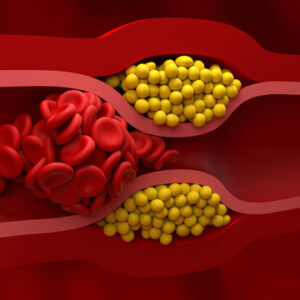
When industrial seed oils oxidize, they turn LDL cholesterol into a dangerous form that damages arterial walls.
Oxidized LDL:
- Triggers inflammation
- Promotes plaque formation
- Accelerates cardiovascular disease
A high-impact analysis on oxidized fats and heart health demonstrates how unstable polyunsaturated fats increase vascular damage compared to saturated and monounsaturated fats.
This damage doesn’t announce itself loudly. It accumulates quietly—until it doesn’t.
Hidden Sources of Industrial Seed Oils
Even if you never cook with seed oils, you’re probably consuming them daily.
Common sources include:
- Salad dressings
- Mayonnaise
- Hummus
- Restaurant foods
- Fried appetizers
- Kids’ menu items
Restaurants rely heavily on these oils because they’re cheap and reusable. That bloated, sluggish feeling the day after eating out? Often inflammation, not indulgence.
Why Restaurants Are Seed Oil Hotspots
Industrial fryers heat oils to extreme temperatures and reuse them repeatedly. Each heating cycle increases oxidation.
French fries, hush puppies, and fried chicken soak up these oils like sponges. The more processed the food, the worse the oil exposure.
At least sugar can be burned off with movement. These oils become structural baggage.
Animal Foods and the Omega-6 Ratio
What animals eat matters.
Grain-fed animals accumulate omega-6 fats. Grass-fed animals maintain healthier fat ratios.
Omega-6 to Omega-3 Ratios Comparison
| Food Source | Omega-6 : Omega-3 Ratio |
|---|---|
| Grain-fed beef | ~9:1 |
| Grass-fed beef | ~2:1 |
| Conventional eggs | ~20:1 |
| Pasture-raised eggs | ~1.3:1 |
Food quality isn’t about labels—it’s about inputs.
Are Nuts and Seeds Just as Bad?
Nuts are high in omega-6, but context matters.
Whole nuts contain:
- Antioxidants
- Fiber
- Phytonutrients
These compounds protect against oxidation. However, once nuts are refined into flours or oils, that protection disappears.
Whole form beats refined—every time.
The Omega-3 Competition Effect
Omega-6 and omega-3 fats compete for the same enzymes. Flood the system with omega-6, and omega-3 loses—no matter how much fish oil you take.
That’s why reducing omega-6 intake is just as important as increasing omega-3.
Best omega-3 sources include:
- Cod liver oil
- Sardines
- Wild-caught fatty fish
Cod liver oil also delivers vitamins A and D—nutrients many people lack.
Best Cooking Fats to Replace Industrial Seed Oils
Not all fats fear heat.
Healthier alternatives include:
- Butter
- Ghee
- Coconut oil
- Beef tallow
- Lard
- Extra virgin olive oil (low heat)
These fats are stable, traditional, and biologically familiar.
Seed Oils and Genetic Stress
Emerging research shows excessive polyunsaturated fats may interfere with fatty acid metabolism at the genetic level.
Some people struggle to convert plant-based omega-3 precursors into usable forms like DHA and EPA. Seed oil overload worsens this inefficiency.
Translation? Your body gets worse at fixing the damage the more seed oils you eat.
Conclusion: Not All Calories Are Equal
The hidden dangers of industrial seed oils lie in their permanence. Sugar causes spikes and crashes. Seed oils quietly rewire your biology.
You don’t need perfection—just awareness.
Reducing industrial seed oils while choosing whole, traditional fats can:
- Lower inflammation
- Improve metabolic health
- Support brain function
- Reduce long-term disease risk
Food isn’t just fuel—it’s information. Choose messages your body understands.
Call to Action
If this article opened your eyes, share it, save it, or read more about how modern food systems shape long-term health.
Your next grocery trip could change everything.