Why Kidney Health Deserves Your Attention
Your kidneys are like the quiet custodians of your body. They don’t complain. They don’t ask for praise. They just keep filtering, balancing, detoxifying—day and night—until one day they can’t anymore.
Every single minute, your kidneys filter roughly half a cup of blood, removing waste, excess water, acids, and toxins. Over a day, that adds up to more than 200 quarts of blood processed. That’s not a small task. It’s Olympic-level endurance.
Yet here’s the unsettling truth: millions of people walk around with kidney damage and feel completely fine. No pain. No warning bells. No dramatic symptoms. Kidney disease is a master of disguise.
The good news?
What you eat can either burden your kidneys—or protect them like armor.
This guide breaks down powerful foods that help reverse kidney damage, explains why they work, and shows you how to use them wisely alongside medical advice. Think of this as a friendly but honest conversation about saving organs you can’t live without.
Understanding Kidney Damage Before Fixing It
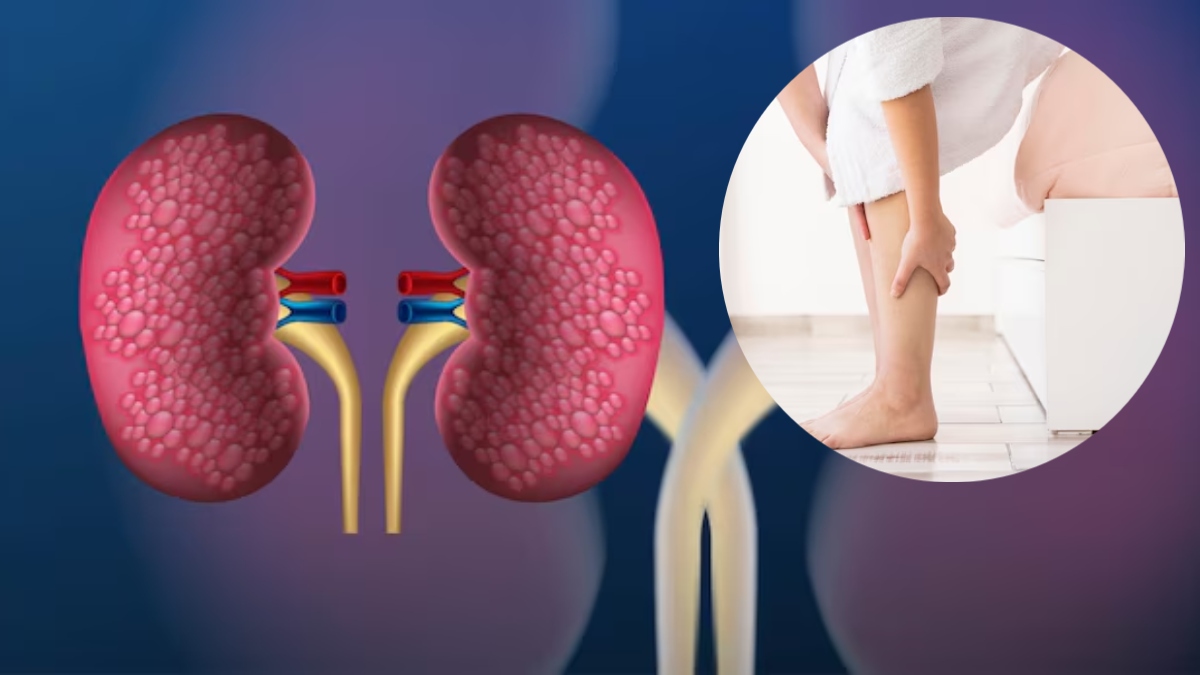
Before diving into foods that reverse kidney damage, it helps to understand what kidneys actually do—and how things go wrong.
What Your Kidneys Really Do
Your kidneys are multitasking powerhouses. They:
- Filter waste and excess fluids from the blood
- Regulate electrolytes like sodium and potassium
- Control blood pressure
- Balance blood sugar levels
- Maintain healthy pH (acid-base balance)
- Activate vitamin D for bone and immune health
- Produce erythropoietin, a hormone that helps create red blood cells
In simple terms, if your kidneys slow down, everything else follows.
How Kidney Damage Starts
Most kidney damage doesn’t arrive suddenly. It creeps in slowly, often due to:
- High blood pressure damaging tiny blood vessels
- Diabetes injuring filtering units called nephrons
- Chronic inflammation
- Autoimmune conditions
- Recurrent infections or kidney stones
- Obesity and sedentary lifestyle
By the time symptoms like swelling, fatigue, itchy skin, or foamy urine appear, damage is often advanced.
That’s why prevention—and early nutritional intervention—matters so much.
The Role of Diet in Reversing Kidney Damage
Food is information. Every bite sends signals to your organs.
Eat the wrong foods consistently, and your kidneys go into overdrive—struggling to eliminate excess sodium, phosphorus, toxins, acids, and protein byproducts.
Eat the right foods, and suddenly your kidneys get breathing room.
A kidney-friendly diet focuses on:
- Reducing inflammation
- Supporting blood vessel health
- Controlling blood sugar spikes
- Lowering blood pressure naturally
- Reducing toxic waste load
Now let’s talk about the stars of the show.
12 Powerful Foods That Help Reverse Kidney Damage
1. Red Bell Peppers – Low Potassium, High Protection
Red bell peppers are kidney-friendly superheroes disguised as salad toppings.
They are:
- Low in potassium (ideal for kidney disease)
- High in vitamin C
- Rich in folate and vitamin B6
- Packed with fiber and antioxidants
They also contain lycopene, a powerful antioxidant linked to reduced kidney inflammation and cellular protection.
Think of red bell peppers as gentle fuel—nutritious without overwhelming your kidneys.
2. Cabbage – Fiber That Slows the Damage
Cabbage is humble, affordable, and surprisingly powerful.
It provides:
- Fiber to slow sugar absorption
- Vitamin C and vitamin K
- Anti-inflammatory phytonutrients
Fiber helps prevent sudden blood sugar spikes—those silent kidney killers many people never notice. Post-meal glucose spikes quietly damage blood vessels, including those inside the kidneys.
If kidneys had a favorite comfort food, cabbage might be it.
3. Cauliflower & Broccoli – Clean Fuel for Nephrons
These cruciferous vegetables support kidney health by:
- Reducing inflammation
- Providing vitamin C and folate
- Supporting detox pathways
They help your kidneys process nutrients gradually instead of overwhelming them all at once.
⚠️ Note: If you have advanced kidney disease or gout, moderation is key.
4. Leafy Greens – Nature’s Pressure Regulators
Leafy greens help lower blood pressure—a major win for kidney protection.
Top choices include:
- Mustard greens
- Turnip greens
- Dandelion greens
Dandelion, in particular, gently increases urine production, helping flush toxins while supporting hydration.
They’re like opening windows in a stuffy room—everything just flows better.
5. Garlic – Small Clove, Big Impact
Garlic contains allicin, a sulfur compound with impressive benefits:
- Lowers blood pressure
- Reduces inflammation
- Acts as a natural antioxidant
Garlic supports kidney health while adding flavor, making it easier to cut back on salt—another kidney enemy.
6. Asparagus – Natural Kidney Cleanser (With Caution)
Asparagus helps:
- Break down uric acid
- Increase urine output
- Reduce blood pressure
However, it’s higher in potassium. Those with advanced kidney disease should avoid it or consult a healthcare provider.
For early prevention, asparagus works like a gentle rinse cycle for your kidneys.
7. Apples – Fiber That Captures Toxins
An apple a day doesn’t just keep the doctor away—it lightens your kidneys’ workload.
Benefits include:
- Pectin fiber that binds toxins in the gut
- Reduced inflammation
- Lower cholesterol levels
Eat the skin. That’s where the magic lives.
8. Berries – Antioxidant Armor
Berries protect kidney cells from oxidative stress.
Best options:
- Blueberries
- Raspberries
- Strawberries
- Cranberries (in moderation)
They’re low in calories, low in sugar, and high in anti-inflammatory compounds. Ellagic acid, found in raspberries, is linked to kidney and cellular protection.
Think of berries as sunscreen for your nephrons.
9. Extra Virgin Olive Oil – Liquid Anti-Inflammatory
Extra virgin olive oil is phosphorus-free and rich in oleic acid, a monounsaturated fat known to reduce inflammation.
It helps:
- Lower cholesterol
- Reduce kidney stone pain
- Support heart and kidney health
Cold-pressed olive oil is especially valuable here.
You can learn more about its protective effects from this authoritative guide on healthy fats:
👉 https://www.healthline.com/nutrition/olive-oil-benefits
10. Melons – Hydration with Benefits
Watermelon, cantaloupe, and honeydew offer:
- High water content
- Natural antioxidants
- Lycopene for kidney protection
They hydrate without burdening your kidneys—especially helpful during hot weather or physical activity.
Colorful plates usually mean happier kidneys.
11. Ginger – Ancient Protection, Modern Science
Ginger has been used for centuries, and science backs it up.
It helps:
- Reduce inflammation
- Protect kidneys from diabetes-related damage
- Improve digestion and circulation
Pairing ginger with thyme may amplify blood pressure–lowering effects.
12. Turmeric – Golden Shield for Kidneys
Turmeric contains curcumin, a powerful anti-inflammatory compound.
When combined with black pepper (piperine), absorption skyrockets.
Benefits include:
- Reduced kidney inflammation
- Improved blood sugar control
- Better digestion
Those with advanced kidney disease should monitor potassium levels, but for many, turmeric is a golden ally.
For deeper scientific insight, this power-packed research overview is worth reading:
👉 https://www.ncbi.nlm.nih.gov/pmc/articles/PMC5452224/
Quick Comparison Table: Kidney-Friendly Foods
| Food | Key Benefit | Potassium Level | Best For |
|---|---|---|---|
| Red Bell Peppers | Antioxidant support | Low | CKD-friendly diets |
| Cabbage | Blood sugar control | Low | Diabetes-related kidney issues |
| Berries | Nephron protection | Low | Inflammation reduction |
| Olive Oil | Anti-inflammatory fats | None | Heart + kidney health |
| Apples | Toxin removal | Moderate | Daily kidney support |
Lifestyle Habits That Multiply Food Benefits
Even the best foods can’t outwork bad habits.
To truly reverse kidney damage, combine nutrition with:
- Regular exercise
- Proper hydration (water > soda)
- Smoking cessation
- Weight management
- Blood pressure control
- Post-meal blood sugar monitoring
Food sets the stage—but lifestyle directs the play.
Final Thoughts: Protect the Organs That Protect You
Your kidneys don’t ask for much.
They just need consistency, kindness, and smarter choices.
The foods you choose today can determine whether your kidneys quietly serve you for decades—or slowly burn out under unnecessary strain.
You don’t need perfection.
You need awareness, moderation, and intention.
Eat like your kidneys matter—because they do.
Call to Action
👉 Share Now if this helped you