You’re eating “healthy,” yet the scale won’t budge.
Your blood sugar keeps misbehaving like a stubborn generator during NEPA hours.
If that sounds familiar, you’re not lazy—and you’re not cursed. You’ve just been lied to by some so-called healthy foods quietly sabotaging your blood sugar and weight in Nigeria.

Introduction: The Nigerian “Healthy Food” Trap
In Nigeria, food advice spreads faster than breaking news on WhatsApp. Someone’s uncle reversed diabetes with one food. A neighbor lost belly fat eating another. Before long, myths become facts.
But here’s the uncomfortable truth: many foods marketed as healthy in Nigeria are quietly driving blood sugar spikes and weight gain—especially when eaten daily.
This article breaks down 12 common “healthy” foods Nigerians eat with good intentions but bad outcomes. No fear-mongering. No starvation talk. Just facts, context, and practical alternatives.
We’ll look at:
- Why these foods spike blood sugar
- How they sneakily cause weight gain
- Smarter Nigerian-friendly swaps
And yes—this is written for real people who eat real Nigerian food.
Why Blood Sugar Spikes Matter More Than Calories
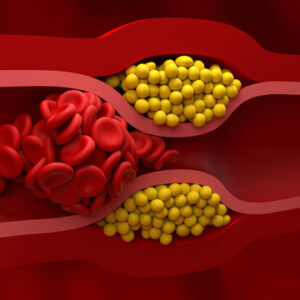
Blood sugar spikes are not just a “diabetes problem.” They affect everyone.
When blood sugar rises sharply:
- Insulin surges
- Excess glucose gets stored as fat
- Hunger returns quickly
- Energy crashes follow
Over time, this pattern leads to:
- Belly fat accumulation
- Insulin resistance
- Pre-diabetes and type 2 diabetes
According to global metabolic research summarized by the American Diabetes Association, repeated spikes—even in non-diabetics—are a major driver of weight gain and metabolic dysfunction. You can explore their detailed evidence on glycemic responses and food choices in this eye-opening guide on blood sugar control (https://diabetes.org/healthy-living/recipes-nutrition/understanding-carbs) — a resource widely referenced by nutrition professionals.
Now, let’s expose the real culprits.
Healthy Foods Spiking Blood Sugar in Nigeria: The Hidden Reality (H2)
1. White Rice (Even When It’s “Local”)
Rice has become a symbol of success in many Nigerian homes. Unfortunately, white rice is one of the fastest blood sugar spikers.
Why it’s a problem:
- Highly refined starch
- Low fiber after milling
- Rapid digestion into glucose
Even local Ofada rice, when polished, behaves similarly.
What happens:
You eat rice → blood sugar shoots up → insulin spikes → fat storage increases.
Smarter alternatives:
- Ofada rice with visible bran, eaten with vegetables and protein
- Brown rice in smaller portions
- Unpolished local grains like acha (fonio)
2. Garri (Yes, Even Soaked Garri)
Garri feels light, cheap, and filling. But metabolically? It’s a different story.
Why garri spikes blood sugar:
- Made from cassava (pure starch)
- Fermentation doesn’t reduce glycemic load significantly
- Often eaten alone or with sugar and groundnuts
Soaked garri + sugar = glucose tsunami.
Better options:
- Eat eba with lots of vegetable soup and protein
- Reduce portion size
- Avoid adding sugar entirely
3. Smoothies Made With Too Much Fruit
Smoothies sound modern and healthy. Instagram loves them. Your pancreas? Not so much.
The issue isn’t fruit—it’s blended fruit.
Why smoothies spike blood sugar:
- Fiber is destroyed during blending
- Fruits like banana, pineapple, and mango are high in fructose
- Drinking calories bypasses satiety signals
A banana-mango smoothie can spike blood sugar faster than soft drinks.
Smarter swap:
- Eat whole fruits instead
- If blending, add:
- Vegetables (ugu, cucumber)
- Protein (Greek yogurt, nuts)
- Healthy fats (chia seeds)
4. Granola & “Fitness Cereals”
Many Nigerians buy imported granola believing it’s for weight loss.
Reality check:
- Often loaded with honey, sugar, and syrups
- High calorie density
- Very easy to overeat
Some granolas contain more sugar than cornflakes.
For a deeper breakdown of how “health foods” quietly cause insulin spikes, this authoritative report on ultra-processed foods and metabolic damage (https://www.hsph.harvard.edu/nutritionsource/processed-foods/) explains the science clearly and powerfully.
Better options:
- Plain oats with nuts and seeds
- Homemade granola with no sweeteners
- Egg-based breakfasts
Healthy Foods Spiking Blood Sugar in Nigeria: Fruits & Roots (H2)
5. Overripe Bananas
Bananas are nutritious—but ripeness changes everything.
As bananas ripen:
- Starch converts to sugar
- Glycemic index increases sharply
Eating overripe bananas daily can quietly fuel weight gain.
What to do instead:
- Choose slightly green bananas
- Pair with protein or nuts
- Limit frequency
6. Boiled Yam (Especially Alone)
Yam is culturally sacred. But boiled yam eaten alone behaves like sugar.
Why:
- High glycemic load
- Minimal fiber when peeled
- Often eaten without protein
Smart strategy:
- Eat yam with:
- Egg sauce
- Vegetable stew
- Beans
Balance changes everything.
7. Sweet Potatoes (The Sneaky One)
Sweet potatoes sound innocent—and they are better than white potatoes—but portion matters.
When eaten excessively:
- Blood sugar still spikes
- Fructose adds to insulin response
Better approach:
- Smaller portions
- Pair with fat and protein
- Avoid frying
Healthy Foods Spiking Blood Sugar in Nigeria: Packaged & Processed (H2)
8. Fruit Juice (Packaged or Fresh)
This one hurts—but it’s necessary.
Fruit juice is liquid sugar, even when freshly squeezed.
Why it’s dangerous:
- No fiber
- High fructose load
- Fast absorption
Orange juice spikes blood sugar faster than whole oranges.
Rule of thumb:
If you can drink it quickly, your blood sugar will spike quickly.
9. Low-Fat Yogurt
“Low-fat” often means high sugar.
Manufacturers remove fat, then add:
- Sugar
- Flavorings
- Thickeners
This combination spikes insulin and increases hunger.
Better choice:
- Full-fat plain yogurt
- Unsweetened Greek yogurt
10. Bread (Even “Wheat” Bread)
Many Nigerian “wheat breads” are wheat in name only.
Hidden truth:
- Made with refined flour
- Minimal fiber
- Sugar added for softness
Blood sugar impact: Almost identical to white bread.
Smarter swaps:
- True whole-grain bread (check ingredients)
- Local alternatives like moi-moi or akara (moderately)
Healthy Foods Spiking Blood Sugar in Nigeria: Traditional Myths (H2)
11. Pap (Akamu / Ogi)
Pap is comfort food. But metabolically, it’s refined starch.
Why pap spikes blood sugar:
- Made from fermented maize
- Low fiber after sieving
- Often eaten with sugar
Better approach:
- Eat pap with protein (eggs, moi-moi)
- Reduce portion size
- Avoid added sugar
12. Honey (The “Natural Sugar” Myth)
Honey is natural—but it’s still sugar.
One tablespoon contains:
- ~6 teaspoons of sugar
- Rapid glucose absorption
Using honey daily for “health” can quietly worsen insulin resistance.
Use sparingly, not medicinally.
Comparison Table: Blood Sugar Impact of “Healthy” Foods
| Food | Perceived Health Level | Blood Sugar Impact | Better Alternative |
|---|---|---|---|
| White Rice | High | Very High | Ofada with veggies |
| Garri | Moderate | Very High | Eba + protein |
| Smoothies | High | High | Whole fruits |
| Granola | High | High | Plain oats |
| Pap | Traditional | High | Pap + protein |
| Fruit Juice | Very High | Extreme | Whole fruits |
Why Nigerians Gain Weight Despite “Eating Right”
Many Nigerians are not overeating—they’re over-spiking insulin.
Common patterns:
- High-carb breakfasts
- Low protein intake
- Sugary drinks disguised as health drinks
- Large evening meals
The body responds by storing fat, not burning it.
How to Eat Smart Without Abandoning Nigerian Food
You don’t need foreign diets or starvation.
Just follow these principles:
- Protein first at every meal
- Vegetables as volume
- Carbs as side dishes, not main meals
- Whole foods over processed
Simple. Sustainable. Nigerian.
Conclusion: Health Is Not About Labels
“Healthy” is not a label—it’s a metabolic response.
If a food spikes your blood sugar, increases hunger, and adds weight, it doesn’t matter what Instagram or tradition says.
The goal isn’t fear. The goal is awareness.
Eat smarter, not less.
Question food myths.
And remember—your body keeps honest records.