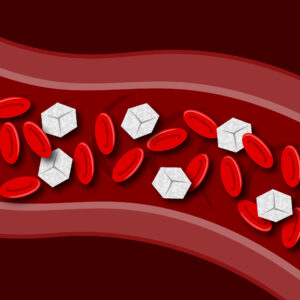
The Hidden Attack on Your Health
Some of the foods you eat every day — even staples loved across Africa — could be setting off hidden sugar explosions in your bloodstream. These blood sugar spikes don’t just zap energy; over time, they fuel chronic fat gain, insulin resistance, and set the stage for type-2 diabetes. The truth? Unchecked diet patterns are a big part of Africa’s growing diabetes problem.
Before we dive into the list, let’s get one thing straight: a blood sugar spike isn’t just about sweet foods. Refined carbs, certain starches, and heavily processed snacks are often worse offenders than a spoonful of sugar on its own. (Camara)

Understanding the Blood Sugar Bomb
Every food we eat affects our blood sugar differently. This is measured by something called the glycemic index (GI) — a scale that shows how quickly carbohydrates turn into glucose in your bloodstream. High GI foods (70+) cause sharp spikes, which force your body into emergency insulin overdrive. Over time, this can lead to insulin resistance, fat storage, and type-2 diabetes. (Medinformer)
In Africa, where beloved staples like white rice, plantains, and refined bread are eaten daily, the consequences are significant when these foods are consumed without balancing fiber, protein, or healthy fats. (HealthTracka Blog)
1. White Rice — The Everyday Spike Starter
Every Sunday pot of jollof rice, every plate of plain white rice with stew — unfortunately — is one of the biggest glycemic offenders in African diets. White rice has a high GI because it’s stripped of fiber and nutrients, meaning it breaks down quickly into glucose. (FODMAP Everyday)
Here’s the catch: many people eat huge portions of rice, not small balanced servings. That “extra helping” is like dumping fuel on a fire — more glucose enters the bloodstream at once, triggering a dramatic insulin response and eventual fat storage. (HealthTracka Blog)
Smarter switch: Try brown rice, millet, sorghum, or whole grains to slow sugar release and reduce insulin stress.
2. White Bread and Refined Grain Breads
White bread and similar refined grain products are everywhere — breakfast, snacks, even celebratory meals. But don’t be fooled by their fluffy texture; these breads are quick sugar bombs. They lack the outer fiber layers of whole grains, so your body digests them fast, sending glucose into your system like a sprint instead of a walk. (RIVM)
In everyday deals, a sandwich might seem harmless — but that simple meal can set your blood sugar roller coaster in motion by lunchtime.
Swap idea: Whole-grain breads, sprouted grain, or sourdough — these break down slower and keep you fuller longer.
3. Fried Ripe Plantain (Dodo)
Loved for its sweet taste and golden crunch, dodo hides a double metabolic punch. As plantain ripens, its starch converts into sugar, giving you a naturally sweet base. Deep-frying it adds extra calories and unhealthy fats — a duo that accelerates blood sugar spikes and fat gain. (HealthTracka Blog)
This isn’t just a “taste guilty pleasure.” For regular consumers, it’s a daily boost of rapid glucose release that encourages abdominal fat and insulin stress.
Better prep: Bake or air-fry plantain with light seasoning to retain flavor with fewer spikes.
4. Sugary Drinks & Sodas
Sugary drinks are a global health threat, linked to millions of new diabetes cases every year. In sub-Saharan Africa, sugary beverages are responsible for over 20% of new type-2 diabetes cases — a wake-up call for communities everywhere. (The Guardian)
Liquid sugar enters the bloodstream faster than solid food, making sodas and sweetened packaged juices one of the worst offenders for sharp sugar spikes and chronic weight gain.
Tip: Swap sugary drinks with unsweetened tea, lemon water, or sparkling water with mint.
5. Packaged Snacks & Processed Treats
Potato chips, crackers, cookies, and other processed snacks are more than just “empty calories.” Thanks to refined starches and added sugars, they literally act like glucose pills, spiking your blood sugar faster than many full meals. (Camara)
These snacks rarely have fiber or protein to slow digestion — meaning the glucose rush is almost instantaneous.
Healthy alternatives: Roasted nuts, seeds, or veggie sticks with hummus make for balanced, satisfying snacks.
6. Fried Foods — Not Just the Frying Oil
From fried chicken pieces to deep-fried fish and even doughnuts, fried foods combine refined carbs with unhealthy fats. This blend doesn’t just spike blood sugar — it also contributes to inflammation and insulin resistance. (OIV)
Imagine your metabolism as a furnace: refined carbs fuel the fire, and unhealthy fats throw gasoline on it.
Better cook: Grill, bake, or steam to retain nutrients and avoid rapid glucose increases.
7. Sweetened Breakfast Cereals & Yogurts
Many cereals and “fruit-flavored” yogurts marketed as healthy are actually packed with hidden sugar. Starting your day with them is like lighting a fuse that burns down your blood sugar balance before breakfast is even over. (HealthTracka Blog)
Sadly, a bowl of cereal can have as much sugar as a can of soda — and people don’t even realize it.
Swap idea: Unsweetened yogurt with nuts and berries keeps you balanced much longer.
8. High-GI Tropical Fruits in Excess
Some fruits, like ripe bananas, pineapple, watermelon, and dates, have higher sugar content than others. While fruit is healthy, in large amounts — especially without protein or fiber — these can trigger noticeable blood sugar rises. (OIV)
The key word here is portion control — moderation is everything.
9. White Maize Porridge & Stiff Pap
In many African regions, white maize porridge, pap, or other starchy local dishes are daily staples. Unfortunately, refined maize products have a high glycemic index similar to white rice, especially when served without protein or fiber. (Medinformer)
This turns breakfast or lunch into a sugar rush if eaten alone.
10. White Potatoes (Especially Fried or Mashed)
Potatoes are comforting and versatile — but also high in rapidly digestible starch. Whether fried into chips or mashed without the skin, potatoes can spike glucose levels fast. (Camara)
Even boiled potatoes cause quicker blood sugar responses than whole grains.
Quick Comparison: Glycemic Impact of Common Foods
| Food | Glycemic Index | Typical Effect |
|---|---|---|
| White rice | High (73+) | Rapid spike |
| French fries/chips | High (75+) | Spike + fats |
| White bread | High (75) | Quick glucose jump |
| Sugary soda | Very high | Instant spike |
| Sweetened cereal | High | Morning sugar crash |
| Plantain, fried | High | Sweet + fat surge |
| Maize pap | Variable (65+) | Moderate to high |
| Pineapple | Medium-high | Fruit sugar surge |
The Human Impact: Beyond Numbers
Blood sugar isn’t just a number on a glucose meter. When your body experiences repeated spikes, it’s like turning your metabolic engine into a pressure cooker on high heat all day long.
People across Africa are confronting rising rates of type-2 diabetes and obesity — and diet is a major driver. Many traditional systems lacked processed and sugary foods just a generation ago. Now, modern diets filled with white rice, sweet drinks, and packaged snacks are rewriting health statistics fast.
Small Changes, Big Results — A Path Forward
Here are simple switches that help slow sugar release and reduce fat gain:
Balanced Plate Tips
- Add fiber: vegetables, legumes, whole grains
- Pair carbs with protein & healthy fats
- Choose traditional whole foods like millet, sorghum, beans
Smart Swaps
- Brown rice over white rice
- Air-fried snacks over deep fried
- Unsweetened tea over soda
These changes may seem small, but they coalesce over time to improve insulin sensitivity, reduce weight gain, and protect long-term health.
Conclusion — Eat Smart, Protect Your Future
The battle against diabetes and chronic fat gain starts before the glucose hits your bloodstream. By understanding which foods spike your blood sugar and why they do it, you put yourself back in control of your health — one meal at a time.
Food should nourish, not sabotage. With awareness, balance, and better choices, you can enjoy African cuisine without letting it slowly steal your metabolic resilience.