Imagine feeling tired all the time, constantly thirsty without reason, or needing to dash to the bathroom several times a night — yet your doctor tells you everything is “fine.” What you’re experiencing might not be mere stress or dehydration. In fact, these could be early signs your blood sugar is deadly high before diabetes diagnosis — and if ignored, they can silently damage your organs.
This is especially urgent in Nigeria, where millions live with undiagnosed blood sugar issues and rapidly rising diabetes rates. According to the WHO, Nigeria has one of the highest incidences of diabetes in sub-Saharan Africa, with roughly 4.3% of adults affected — and many more unaware of their blood sugar status. (WHO | Regional Office for Africa)

Section 1: What It Means When Your Blood Sugar Is “High” Before Diabetes
The Silent Build-Up of Excess Sugar
Blood sugar (or blood glucose) is the energy your body gets from food. Under normal conditions, the hormone insulin helps glucose enter your cells so it can be used for energy. But when your body begins to lose its grip on insulin — due to genetics, diet, inactivity, or age — glucose builds up in the blood instead. Initially, this might not trip any alarms, but it quietly sets the stage for harm. (Mayo Clinic)
Often, these early elevations in blood sugar might not meet the threshold for a diabetes diagnosis. Yet even at these “pre-diabetic” levels, glucose begins to wreak havoc by stressing your kidneys, blood vessels, nerves, and heart — like tiny termites gnawing away at your body from the inside out.
Nigeria’s Diabetes Reality
In Nigeria specifically, diabetes is rising faster than most people realize. Urbanization, poor diet, and lack of regular health screening have contributed to a growing burden of high blood sugar and full-blown diabetes. Health officials stress the importance of knowing your blood sugar status before symptoms become extreme. (WHO | Regional Office for Africa)
Here’s a sobering fact: Many Nigerians live with elevated glucose without knowing it, only finding out when irreversible damage has already occurred.
Section 2: Early Warning Signs Your Blood Sugar Is Deadly High
These symptoms can sneak up on you slowly — like a fire smoldering in the walls. If you notice any of the following, it’s time to get tested and take action.
1. Excessive Thirst and Frequent Urination
When blood glucose levels rise, your kidneys try to flush out excess sugar. That pulls fluid from your tissues, making you pee more — and feel thirsty all the time. (Mayo Clinic)
- Constant thirst even after drinking water
- Needing to urinate several times at night
- Feeling dehydrated without a clear reason
This is one of the classic early signs of high blood sugar that many people dismiss until it becomes severe.
2. Persistent Fatigue and Brain Fog
Ever feel like you’re running on empty even after a good night’s sleep? When cells can’t access glucose properly, your body literally has the fuel but can’t use it. That translates to fatigue, weakness, and difficulty concentrating. (MedlinePlus)
This isn’t just “feeling tired” — it’s extreme weariness that becomes part of everyday life.
3. Blurred Vision or Vision Changes
High blood sugar alters the fluid balance in your eyes, leading to swelling in the lenses and blurred vision. This can fluctuate depending on how high your sugar gets. (Mayo Clinic)
People often brush this off as eye strain or tiredness — but it can be one of the earliest clues your blood sugar is out of control.
4. Slow-Healing Wounds and Frequent Infections
High glucose weakens the immune system and slows circulation, so even small cuts take longer to heal. You might notice:
- Sores that don’t close
- Recurrent skin or yeast infections
- Frequent urinary tract infections
These are subtle warning signs of prolonged blood sugar elevations. (Camara)
5. Numbness or Tingling Sensations
If your hands or feet feel unusually numb, tingly, or “like pins and needles,” that’s nerve damage — a consequence of high glucose irritating and injuring nerves. (DC Forms)
Called neuropathy, this is one of the early complications of prolonged elevated blood sugar.
Section 3: Why Early Detection Matters — The Risks of Ignoring Symptoms
High blood sugar doesn’t just make you feel lousy. Left unchecked, it becomes a destructive force that attacks vital organs.
How Hyperglycemia (High Blood Sugar) Causes Damage
Blood sugar beyond normal levels starts to harm:
- Blood vessels — increasing risk of stroke and heart attack
- Kidneys — progressive impairment can lead to kidney failure
- Nerves — causing pain, numbness, paralysis or digestive symptoms
- Eyes — leading to vision loss or blindness
Chronic high blood sugar is a major contributor to organ damage and disability worldwide. (OIV)
Section 4: Side-by-Side Symptoms Table (Quick Reference)
| Symptom | What It Feels Like | Why It Happens |
|---|---|---|
| Excessive thirst | Constantly thirsty | Kidneys pulling fluids to flush excess sugar |
| Frequent urination | Needing to pee often | Body trying to remove excess glucose |
| Fatigue | Extreme tiredness | Cells deprived of usable energy |
| Blurred vision | Vision wavering | Fluid shifts in eyes due to glucose |
| Slow wound healing | Cuts take long to heal | Impaired blood flow & immune response |
| Tingling or numbness | “Pins and needles” in limbs | Nerve damage from glucose toxicity |
Each symptom in this table is a clue pointing toward elevated blood sugar before a diabetes diagnosis.
Section 5: What You Should Do — Test Early and Act Now
1. Get Screened
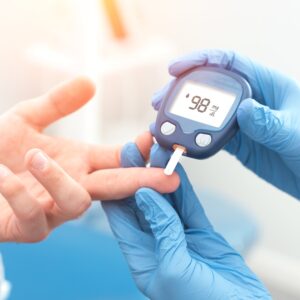
Regular blood glucose testing — even if you feel “fine” — can catch elevated levels early. A simple fasting blood sugar test or HbA1c can reveal whether your blood sugar is creeping upward.
In Nigeria, many local clinics and government health centers now offer affordable screening — part of national efforts to reduce undiagnosed cases. (WHO | Regional Office for Africa)
2. Eat Smarter and Move More
Healthy lifestyle changes are powerful:
- Reduce sugary and processed foods
- Increase fiber (vegetables, beans, grains)
- Stay physically active daily
Small changes soon add up to big improvements.
3. Talk to a Health Worker
If you notice symptoms, don’t wait for a “diagnosis.” Early consultation with a doctor or nurse can save you years of complications down the road.
Conclusion: Don’t Wait for Diabetes to Hit — Act on the Signs Now
Understanding the warning signs your blood sugar is deadly high before diabetes diagnosis is one of the most important steps anyone in Nigeria can take for lifelong health. These symptoms — frequent thirst, fatigue, blurred vision, slow wound healing, numbness — are not just “annoying inconveniences.” They’re early alarms urging you to check your blood sugar and make positive lifestyle changes.
Remember, catching blood sugar issues early can protect your heart, brain, eyes, kidneys and nerves — and prevent grave complications like stroke or organ damage. So listen to your body, learn the signs, and take action. Your life — and your loved ones — depend on it.
• Early signs of hyperglycemia include frequent urination, thirst, fatigue and blurred vision from the Mayo Clinic: https://www.mayoclinic.org/diseases-conditions/hyperglycemia/symptoms-causes/syc-20373631 (Mayo Clinic)
• Diabetes awareness and prevention actions in Nigeria from WHO Nigeria: https://www.afro.who.int/countries/nigeria/news/prioritise-your-health-knowing-your-blood-sugar-status-and-living-healthy-lifestyle (WHO | Regional Office for Africa)