
You’re eating less, moving more… and yet the scale won’t budge.
It feels like your body is playing a cruel joke on you.
If that sounds familiar, you’re not lazy, undisciplined, or “getting old.”
You may be dealing with something far more frustrating: a broken metabolism.
Introduction: When Your Body Stops Playing Fair
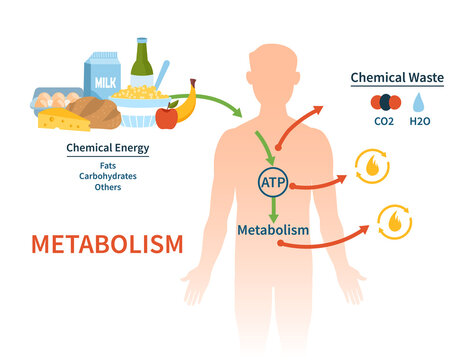
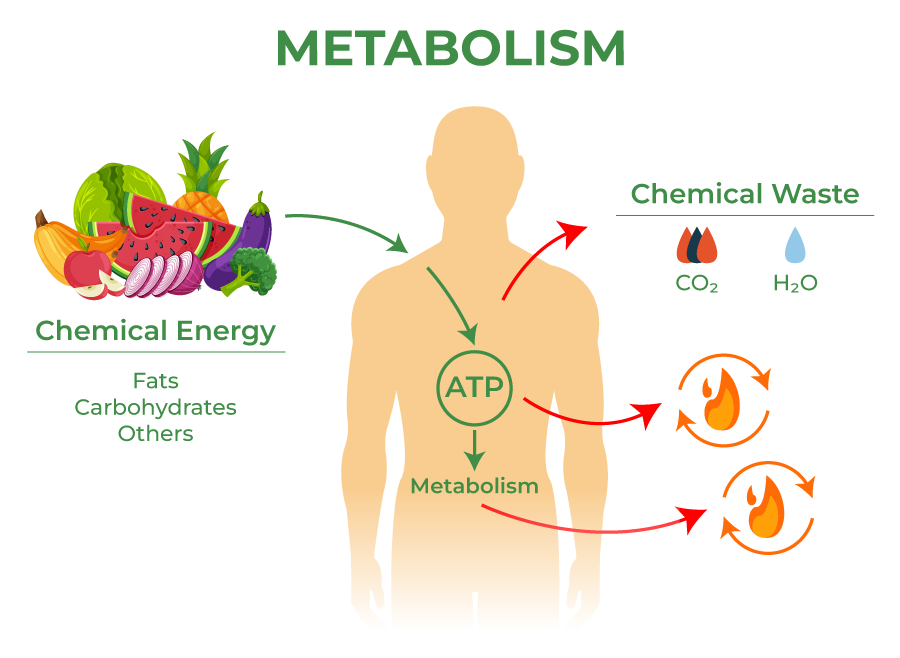
Metabolism is often described as the engine of the body. When it’s healthy, it burns fuel efficiently, balances hormones, and adapts smoothly to changes in diet or activity. When it’s not, everything feels harder.
A broken metabolism doesn’t announce itself loudly. Instead, it whispers through stubborn weight gain, crushing fatigue, and cravings that seem to come from nowhere. Many people blame willpower, but the truth lies deeper.
This article breaks down the 5 most telling signs your metabolism is actually broken, using plain language, science-backed insights, and real-life context. No fluff. No fear-mongering. Just clarity.
What Does “Broken Metabolism” Really Mean?
Before diving into the signs, let’s clear the air.
A broken metabolism doesn’t mean your body is ruined forever. It means your metabolic processes—how you burn calories, regulate blood sugar, and manage hormones—are out of sync.
Common contributors include:
- Chronic calorie restriction
- Prolonged stress
- Poor sleep
- Hormonal imbalances
- Repeated crash dieting
According to research summarized in this eye-opening metabolic slowdown guide, extreme dieting can cause the body to adapt by burning fewer calories, even at rest. This survival response once helped humans endure famine—but today, it works against us in a world of stress and processed food.
5 Signs Your Metabolism Is Actually Broken
Below are the most common, most misunderstood signals of metabolic trouble.
1. Broken Metabolism Causing Weight Gain Despite Low Calories
You eat like a bird, yet gain weight like a bear preparing for hibernation.
This is one of the clearest signs of a broken metabolism. When calorie intake stays low for too long, the body compensates by:
- Slowing resting metabolic rate
- Reducing non-exercise movement
- Increasing fat storage efficiency
In simple terms, your body becomes too good at conserving energy.
Why This Happens
Your brain perceives prolonged restriction as danger. Hormones like leptin drop, thyroid output slows, and calorie burn plummets.
Common clues include:
- Weight gain on 1,200–1,500 calories
- Rapid fat regain after dieting
- “Starvation mode” symptoms
This isn’t failure. It’s biology.
2. Broken Metabolism Triggering Constant Fatigue
If you wake up tired, crash mid-day, and feel drained after mild activity, your metabolism may be waving a white flag.
A healthy metabolism produces energy efficiently. A broken one struggles, even with enough food.
What’s Going On Inside
- Poor blood sugar regulation
- Reduced mitochondrial efficiency
- Stress hormone overload
Think of it like an old phone battery: it charges, but never holds power.
According to this powerful deep-dive on metabolic burnout, chronic stress and under-eating can push the body into an energy-conservation mode that feels like walking through mud all day.
3. Broken Metabolism and Uncontrollable Cravings
Cravings aren’t a lack of discipline. They’re often a biological SOS signal.
When metabolism falters, hormones that regulate hunger and fullness go haywire.
You may notice:
- Intense sugar cravings at night
- Sudden urge for salty or fatty foods
- Feeling “never satisfied” after meals
The Hormonal Domino Effect
- Leptin (satiety hormone) drops
- Ghrelin (hunger hormone) rises
- Insulin sensitivity declines
Your body is simply trying to restore balance—even if it feels like sabotage.
4. Broken Metabolism Disrupting Body Temperature
Do you feel cold when everyone else is comfortable? Or struggle to warm up even in layers?
This subtle sign often gets overlooked.
A sluggish metabolism produces less heat. Thyroid hormones, which regulate metabolic speed, directly influence body temperature.
Red flags include:
- Cold hands and feet
- Feeling chilled after meals
- Sensitivity to air conditioning
It’s not “just how you are.” It’s often metabolic.
5. Broken Metabolism Affecting Mood and Mental Clarity
Metabolism doesn’t just control weight. It fuels the brain.
When it breaks down, mood and cognition suffer.
People often report:
- Brain fog
- Irritability
- Anxiety or low mood
- Difficulty concentrating
This happens because glucose delivery to the brain becomes erratic, while stress hormones remain elevated. The result? A mind that feels stuck in first gear.
Broken Metabolism vs Healthy Metabolism (Quick Comparison)
| Feature | Healthy Metabolism | Broken Metabolism |
|---|---|---|
| Energy levels | Stable throughout day | Constant fatigue |
| Weight response | Adapts to diet/exercise | Gains weight easily |
| Hunger signals | Predictable | Intense, erratic |
| Body temperature | Normal | Often cold |
| Mental clarity | Sharp | Brain fog |
This table highlights why willpower alone doesn’t fix metabolic damage.
Why Broken Metabolism Is More Common Than Ever
Modern lifestyles quietly sabotage metabolic health.
Key Contributors
- Yo-yo dieting culture
- Chronic psychological stress
- Ultra-processed foods
- Sleep deprivation
- Overtraining without recovery
Ironically, many “healthy” habits—when taken to extremes—do more harm than good.
How to Start Fixing a Broken Metabolism
Repairing metabolism isn’t about pushing harder. It’s about pulling back strategically.
Foundational Steps
- Eat enough calories consistently
- Prioritize protein and fiber
- Reduce excessive cardio
- Strength train 2–4x weekly
- Sleep 7–9 hours nightly
Progress feels slow at first. That’s normal. You’re rebuilding trust with your body.
Common Myths About Broken Metabolism
Let’s bust a few.
- Myth: “I just have bad genes”
Truth: Genetics load the gun; lifestyle pulls the trigger. - Myth: “Eating less will fix it”
Truth: That often deepens the problem. - Myth: “Only overweight people have metabolic issues”
Truth: Many under-eaters suffer silently.
When to Seek Professional Help
If symptoms persist despite lifestyle changes, professional evaluation matters.
Consider testing:
- Thyroid function
- Fasting insulin
- Cortisol rhythm
- Iron and B12 levels
A qualified practitioner can help personalize recovery.
The Emotional Side of a Broken Metabolism
This journey isn’t just physical. It’s emotional.
Feeling betrayed by your body hurts. Many people grieve the “old version” of themselves. That’s valid.
But here’s the hopeful truth: metabolism is adaptable. With patience and consistency, it responds.
Your body isn’t broken beyond repair. It’s protecting you the only way it knows how.
Conclusion: Listen Before You Push
A broken metabolism is not a moral failure. It’s feedback.
The signs—weight gain, fatigue, cravings, cold sensitivity, brain fog—are messages asking for care, not punishment.
When you stop fighting your body and start working with it, healing begins.