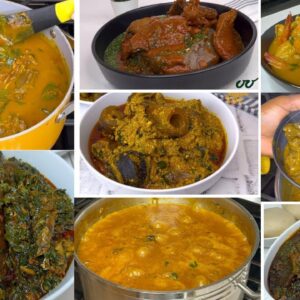
Ever wondered if your legendary Egusi or Efo Riro is losing its “power” in the pot? Let’s stop boiling away the vitamins and start cooking for real strength.
The Heartbeat of the Nigerian Kitchen
If you grew up in a Nigerian household, you know the kitchen is the engine room of the home. The aroma of palm oil, locust beans (iru), and crayfish dancing in the air is enough to cure a bad day. We take pride in our soups; they are our identity, our medicine, and our love language.
However, there is a silent “thief” in many of our kitchens: overcooking. We often believe that for a soup to be “sweet,” it must simmer until the vegetables surrender their very souls. But here’s the kicker—while the taste might be heavenly, the nutrients like Vitamin C and Folate are often long gone, evaporated into the steam.
Learning how to cook Nigerian soups for maximum nutrient retention isn’t about changing our recipes; it’s about refining our timing. It’s about making sure that the pot of soup that costs a fortune in “market money” actually nourishes your children’s brains and keeps your heart ticking.

Why Nutrient Retention is a Game Changer
We live in a world where “lifestyle diseases” are catching up with us. High blood pressure and diabetes don’t care how good your pounded yam is. By focusing on nutrient retention, we turn our meals into preventative medicine.
Nigerian ingredients are naturally superfoods. Ugu (fluted pumpkin leaves) is a blood-building powerhouse, and Bitter leaf is a detox king. But these benefits are fragile. When we subject them to relentless heat, we lose the bioactive compounds that make them special.
Pro Tip: Think of your vegetables like fragile gold. You wouldn’t throw gold into a furnace for three hours, would you? Treat your greens with the same respect.
Master the Heat: The Secret to Vibrant Soups
Heat is a double-edged sword. We need it to kill bacteria and soften tough meats, but too much of it is the enemy of nutrition. The goal is to reach the “sweet spot” where the food is safe and delicious, but the vitamins are still intact.
Most Nigerian soups start with a base of proteins (meat, fish, ponmo). This is where you can be patient. Let your goat meat soften until it’s butter-tender. However, the moment you introduce the vegetables, the clock starts ticking.
The “Last In, First Out” Rule
In the world of professional cooking, there’s a golden rule: the most delicate ingredients go in last. For us, that means:
Aromatics (Onions, Peppers): Early to mid-stage.
Thickeners (Ofor, Achi, Egusi): Mid-stage.
Vegetables (Ugu, Shoko, Spinach): Final 2 minutes only.
How to Cook Nigerian Soups for Maximum Nutrient Retention
To truly master this, we have to look at the chemistry of our ingredients. Water-soluble vitamins (B-complex and C) are the first to flee when you boil water for too long. If you boil your Ugu until it turns dark brown, you’re basically eating fiber with no “engine.”
Step 1: The Protein Prep
Steam your meats in their own juices first. This concentrates the flavor without needing liters of water that you might later discard. Every drop of that “meat water” is liquid gold.
Step 2: The Oil Factor
Palm oil is rich in carotenoids (Vitamin A precursors). However, “bleaching” palm oil until it’s clear destroys these nutrients. For maximum health, use the oil in its vibrant red state. This ensures you get the incredible health benefits associated with antioxidants.
Step 3: The Vegetable Blitz
When you add your greens, turn off the heat almost immediately. The residual heat in the pot is enough to wilt the leaves perfectly while keeping them bright green. If it’s still green, the nutrients are still there!
Comparing Traditional vs. Nutrient-Focused Methods
To help you visualize the difference, I’ve broken down the common mistakes versus the “pro-health” approach.
| Feature | Traditional “Long-Boil” Method | Nutrient-Retention Method |
| Vegetable Color | Dark Green/Brownish | Vibrant, Bright Green |
| Texture | Mushy and Soft | Slight Crunch (Al Dente) |
| Vitamin Content | Low (Heat-sensitive vitamins lost) | High (Vitamins preserved) |
| Palm Oil State | Often Bleached (High Heat) | Unbleached (Medium Heat) |
| Taste Profile | Uniform, “Cooked-out” flavor | Fresh, Layered, and Bright |
The Power of Local Ingredients
Our ancestors knew what they were doing with ingredients like Iru (fermented locust beans). Iru is a probiotic powerhouse that aids digestion. When you add it to your soup, you’re adding a layer of biological complexity that store-bought bouillon cubes simply can’t match.
Integrating these local staples correctly is a huge part of how to cook Nigerian soups for maximum nutrient retention. For example, adding garlic and ginger towards the end of the simmering process preserves their proven antimicrobial properties, which are often diminished by prolonged boiling.
Scent Leaf (Efirin): Best added at the very end to keep the essential oils from evaporating.
Crayfish: Can be added early for depth or late for a punch of protein and zinc.
Bitter Leaf: If using the washed version, don’t over-squeeze to the point where all the medicinal “bitter” properties are gone.
Common Myths About Nigerian Cooking
Myth 1: “If the soup hasn’t stayed on the fire for an hour, it’s not done.”
False! Once your meat is tender and your base is fried/boiled down, the soup is “done.” The vegetables are just the garnish that happens to be the most nutritious part.
Myth 2: “Vegetables must be very soft to digest well.”
Actually, your body loves the fiber in slightly crunchy vegetables. It keeps your digestive system moving and prevents constipation.
Myth 3: “Reheating doesn’t kill nutrients.”
Every time you “warm” the soup, a little more nutrition dies. Try to cook in smaller batches, or if you must cook in bulk, freeze the soup in small portions so you only reheat what you’ll eat immediately.
Step-by-Step: The Ultimate Healthy Efo Riro

Efo Riro is the “king” of vegetable soups. Here is how to make it without losing the “good stuff.”
Prep your Peppers: Blend bell peppers, scotch bonnets, and onions coarsely. Avoid using too much water.
The Base: Heat palm oil slightly (don’t smoke it!). Sauté onions and iru.
The Reduction: Add your pepper mix and cook until the water evaporates and the oil floats. This is where the flavor lives.
The Protein: Add your smoked fish, stockfish, and cooked meats. Let them soak up the sauce for 5-10 minutes.
The Grand Finale: Add your chopped spinach or Shoko. Stir it in, count to 60, and kill the flame. The heat from the stew will finish the job.
Why Your Kitchen Tools Matter
Believe it or not, the pot you use matters. Using heavy-bottomed stainless steel or cast iron helps distribute heat evenly, preventing “hot spots” that burn the soup base while the rest is cold.
Also, consider the “closed-pot” vs. “open-pot” debate. Keeping the lid on traps steam, which can speed up the cooking of tough fibers, but it also traps heat. For vegetables, I recommend an open pot so you can watch the color change and stop exactly when it’s perfect.
Embracing a Greener Future
We often think of “healthy eating” as salads and smoothies. But a properly cooked bowl of Edikang Ikong or Afang soup is more nutritious than any “green juice” from a fancy cafe.
When you learn how to cook Nigerian soups for maximum nutrient retention, you are essentially becoming the Chief Medical Officer of your home. You are ensuring that every kobo spent at the market translates into health, vitality, and longevity for your family.
Key Takeaways for the Modern Cook
Stop the Bleach: Keep your palm oil red and rich.
Timing is Everything: Vegetables are the final act, not the opening scene.
Minimize Water: Use meat stock (concentrated) instead of pouring cups of plain water.
Fresh is Best: Whenever possible, use fresh leaves rather than dried or overly processed ones.
Cooking is an art, but nutrition is a science. When you combine the two, you get the best of Nigerian culture: food that tastes like home and heals like medicine.
Summary Checklist
[ ] Meat is pre-softened before veggies are added.
[ ] Palm oil was not heated to the point of smoking.
[ ] Vegetables were added in the last 2-3 minutes.
[ ] Minimal water was used to keep the soup concentrated.
[ ] Reheating is kept to a minimum.
Ready to level up your kitchen game?
Read More: 5 Indigenous Spices You Aren’t Using (But Should!)
Share Now: Send this to your “Foodie” group chat and start the healthy cooking revolution!