The Hidden Truth About Diabetes Reversal
Imagine a world where you aren’t defined by medication schedules, glucose spikes, or weary checkups. Where your body doesn’t just manage diabetes, but rewires itself so blood sugar behaves like it used to. Sounds like a dream — and one that “big pharma” doesn’t always want you to chase.
But here’s a plot twist: natural diabetes reversal protocols — the lifestyle changes that can help you lower your A1C, reduce or eliminate medication, and improve energy — do exist. And thousands of people around the world are proving it with their own stories.
This isn’t woo-woo. This is real life.
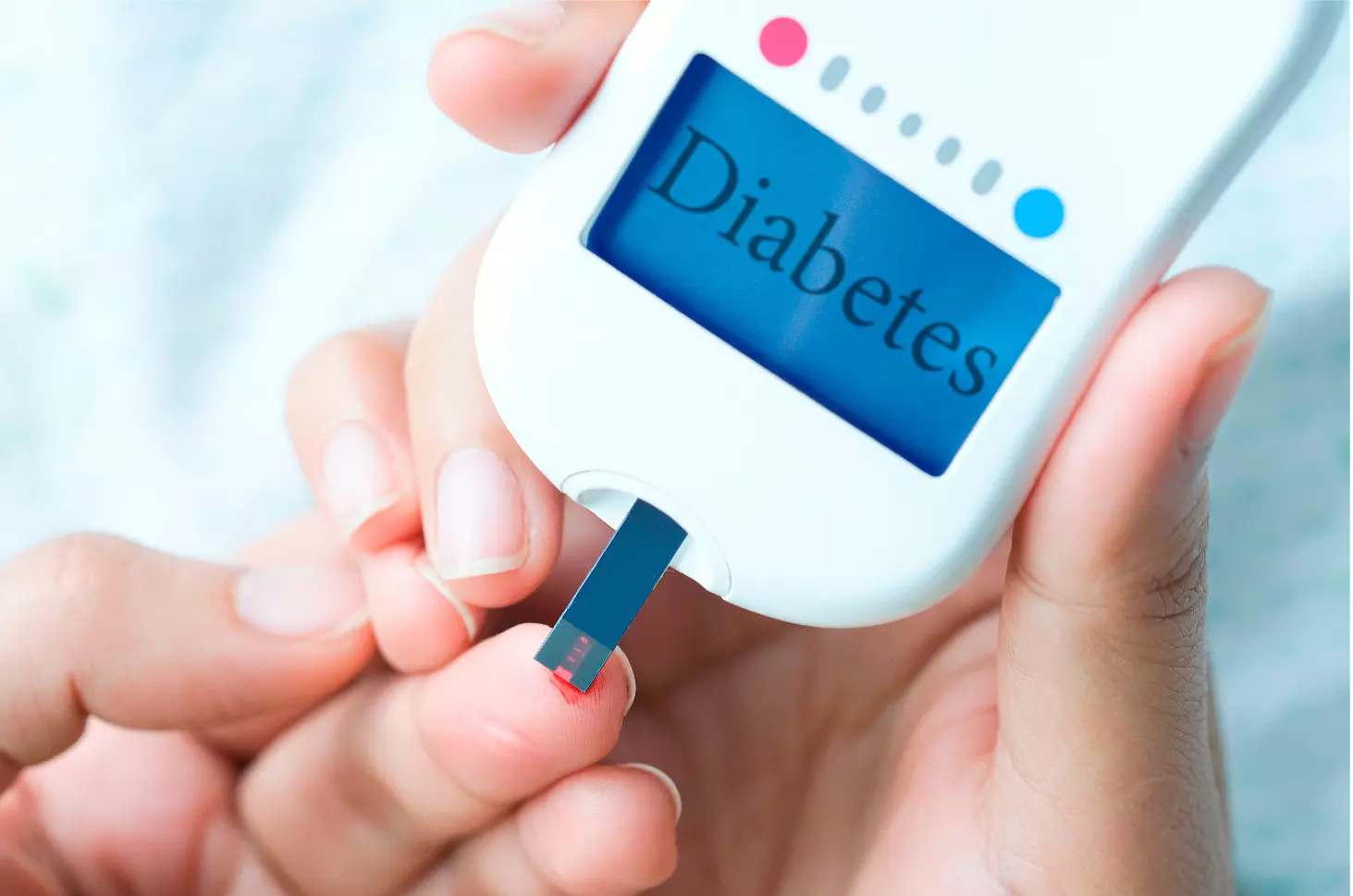
🧠 Understanding “Natural Diabetes Reversal Protocols”
What Does Reversal Really Mean?
First, let’s clear up a big myth: when people talk about reversing type 2 diabetes, they aren’t talking about a permanent “cure” like flipping a switch. What they mean is remission — blood sugar levels staying within the normal range without glucose-lowering medication for an extended period.
In fact, research shows that comprehensive lifestyle changes including diet and physical activity can lead to remission in a meaningful number of people. A systematic review found that lifestyle interventions are effective in achieving diabetes remission, lowering weight, and improving quality of life for many with type 2 diabetes mellitus. (PubMed)
What’s amazing is that this isn’t isolated to one diet or movement style — success can come through a combination of strategies.
🧬 Section 1 — How Everyday Habits Can Trigger Reversal
🍎 The Power of Dietary Change
Diet isn’t just “cut sugar” — it’s about reshaping the way your body processes food.
Some of the most successful strategies include:
- Low-Carb Diets: Cutting carbs can reduce glucose spikes.
- Mediterranean-Style Eating: Rich in fiber, healthy fats, and lean proteins — shown to improve insulin sensitivity. (New York Post)
- Plant-Based Patterns: High in whole foods, fruits, vegetables, beans, and nuts — directly linked to better glucose control. (caritasmadrid.org)
Here’s a helpful comparison:
| Diet Type | Main Focus | Typical Benefits |
|---|---|---|
| Low-Carb / Keto | Drastic carb reduction | Faster glucose control, reduced insulin demand |
| Mediterranean | Whole foods + healthy fats | Improved insulin sensitivity, heart health |
| Plant-Based | No animal products | Fiber-rich, weight loss, inflammation reduces |
| Balanced / Mixed | Moderate carbs + proteins | Sustainable long-term glucose control |
Start with small swaps — whole grains instead of refined carbs, non-starchy veggies, and lean proteins — and your body can begin responding differently.
Tip: Quick fixes rarely stick, but personalized meal plans and habit loops do.
🏃♂️ Section 2 — Real People, Real Results
No exaggeration here: normal people with normal struggles have done the thing everyone said was impossible — and lived to tell the tale.
Pedro’s Marathon Miracle
Pedro Soto, a 56-year-old teacher in Manhattan, was diagnosed with type 2 diabetes and chose not to start medication immediately. Instead, he adopted running twice a week, cleaned up his diet, and was disciplined with lifestyle changes.
Within three months, his blood sugar was at near-normal levels. Six months after diagnosis, his bloodwork was considered normal — all without diabetes pills. He even finished the 2025 TCS New York City Marathon, using his students’ resilience as motivation. (EatingWell)
His story reflects a profound truth: movement matters more than you think.
Edward’s Long-Term Remission
Another inspiring account comes from Edward Morrison, who got his type 2 diabetes into remission and kept it that way for over three years. He walks about 100 miles a week and adjusted his lifestyle entirely — not just temporarily. He cooks from scratch, logs his activity, and stays accountable. (Diabetes UK)
The takeaway? Reversal doesn’t always happen in weeks, but sustained changes can transform lives.
🧘♀️ Section 3 — The Core Pillars of Natural Reversal
Most effective protocols build around these interconnected pillars:
1. Consistent Movement
Exercise isn’t just weight loss — it’s a metabolic tune-up. It increases insulin sensitivity and helps muscles absorb glucose better. (National Geographic)
- Walk after meals (even 10–15 minutes helps)
- Strength training boosts metabolism
- Aerobic activity increases insulin sensitivity
Short bursts of activity can register measurable improvements in blood sugar. (The Times of India)
2. Dietary Discipline — But Fun, Too
Don’t think deprivation. Think smart choices:
- Whole foods over processed foods
- Healthy fats and lean proteins
- Less added sugar
- Fiber-rich meals that slow glucose absorption
→ Many reversal stories began with “I changed what I eat and how I eat it.”
3. Sleep and Stress Mastery
We often overlook this, but poor sleep and chronic stress spike cortisol — which raises blood sugar. Prioritize restful sleep and stress-reducing practices such as meditation or even quiet walks.
4. Tracking and Accountability
Whether with a journal, app, or glucose monitor, tracking gives real feedback. Edward used a Fitbit and diary to stay accountable. (Diabetes UK)
This blend — movement, food, rest, and tracking — creates a powerful synergy that naturally pulls blood sugar into healthier ranges.
🧠 Section 4 — Addressing the “Big Pharma” Angle
Here’s where many people feel conflicted: pharmaceutical companies make money from chronic conditions. That doesn’t mean medicine is bad — it means that many diabetes drugs are designed to manage rather than outright eliminate the disease process.
Natural protocols, on the other hand, focus on empowering your body’s physiology:
- Improved insulin sensitivity
- Reduced visceral fat
- Better metabolic flexibility
- Enhanced pancreatic response
Research suggests that when people lose significant weight (up to 20–30% of body weight), remission becomes far more likely — often with lifestyle changes alone. (Reuters)
The key lesson? Medication and lifestyle can be powerful together — but lifestyle forms the foundation.
📊 Section 5 — Small Changes, Big Results: Where to Begin
Here’s a starter roadmap that many successful individuals used:
- Daily Activity: Walk 5–10 minutes after meals
- Food Swap: Fiber over refined grains
- Hydration: 8–10 glasses day
- Sleep Goal: 7–9 hours
- Weekly Habit: 3–5 exercise sessions
Consistency is more effective than perfection.
🙌 Final Thoughts: Take Control of Your Diabetes Narrative
Natural diabetes reversal is not a fairy tale — it’s a strategy backed by lived stories and lifestyle research. It requires commitment, curiosity, and patience. You’ll have ups and downs, but every step toward healthier habits moves you closer to remission.
If Pedro and Edward can do it, so can you.
👉 Ready to start small but dream big? Share this article and empower someone else today.