Author

Nwa Ogaranya

Browsing

The Hidden Truth About 6 Hormonal Imbalance Symptoms Women Ignore Every Day


You’ve Been Telling Them Something Is Wrong

It’s 11pm on a Tuesday. You’re exhausted in a way that feels almost cellular, yet you’re lying awake with your mind skittering through nothing in particular. You gained four kilograms since last spring without changing anything meaningful in your diet. Your hair is coming out in soft, alarming clusters every time you shower. You snapped at your partner this morning over something small and felt a wave of shame that lingered for hours.

You’ve mentioned it to your GP. More than once.

You were told you’re probably stressed. You were told it could be your age. You were offered a mild antidepressant. You were told that blood tests came back “normal.” And each time, you walked out of that consulting room feeling unseen, slightly foolish for even bringing it up, and quietly certain that something real is being missed.

You are not imagining it.

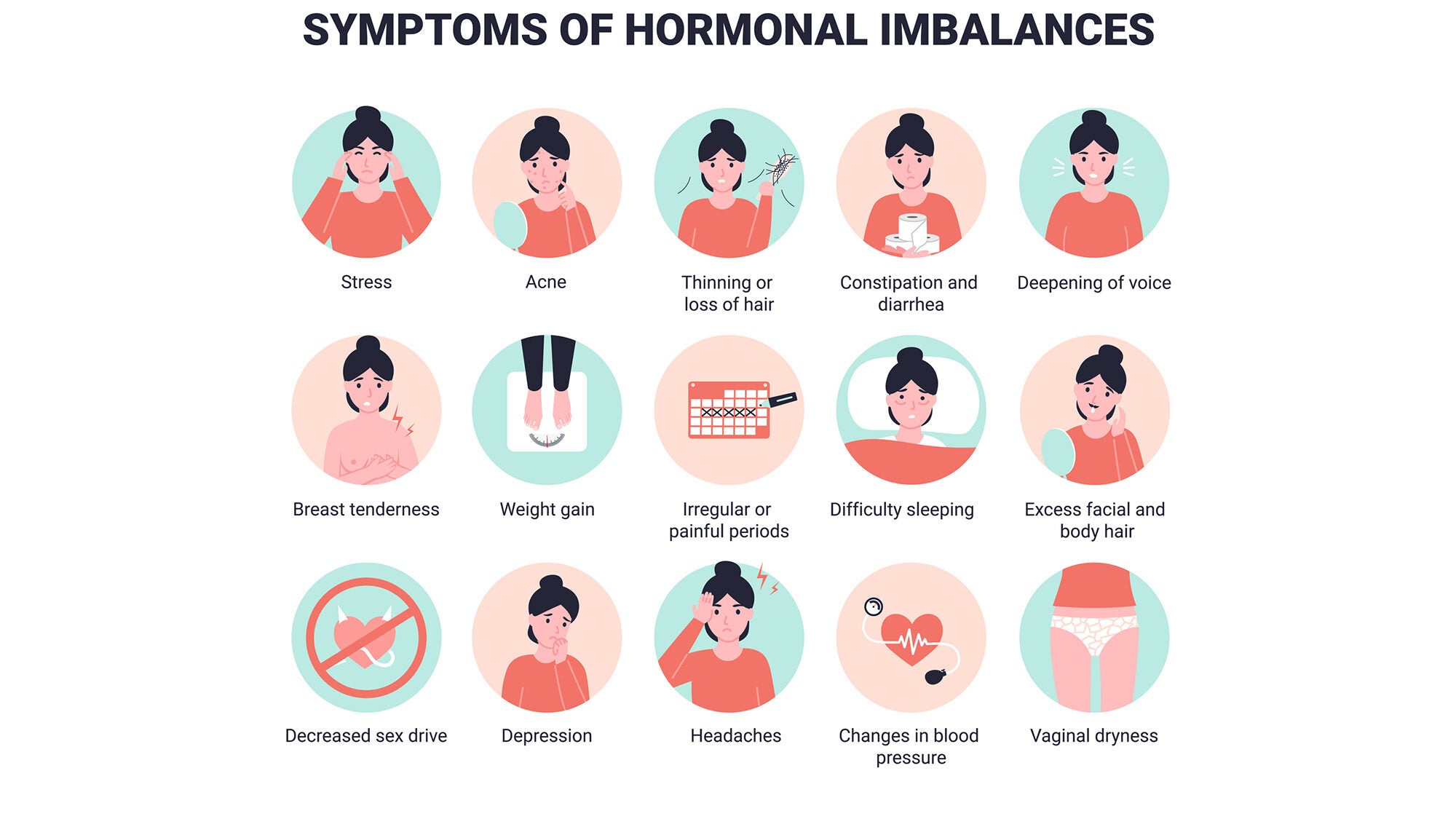
What you may be experiencing is a constellation of hormonal imbalance symptoms that, when taken individually, are easy to dismiss and, when taken together, tell a coherent clinical story. Hormonal imbalance symptoms in women are among the most reported and least systematically investigated complaints in primary care. The problem is not that medicine doesn’t know these symptoms exist. The problem is that medicine too often meets them one at a time, in silos, without the connective clinical thinking that would reveal what is actually driving them.

This article is designed to give you that connective thinking.
Hormonal


What Hormonal Imbalance Actually Means

The phrase “hormonal imbalance” is used so widely and so loosely that it has almost lost clinical meaning in popular conversation. But in a medical context, it refers to something precise and measurable: a disruption in the levels, ratios, or rhythms of one or more hormones in your endocrine system, the network of glands and organs responsible for producing, transporting, and regulating the chemical messengers that govern virtually every function in your body.

Think of your hormones as an internal postal system. Oestrogen (the primary female sex hormone, produced mainly in the ovaries) delivers messages to your brain, bones, cardiovascular tissue, and skin. Progesterone (produced after ovulation, during the second half of your menstrual cycle) carries instructions to your nervous system, your uterine lining, and your sleep architecture. Cortisol (produced by the adrenal glands in response to stress) speaks to your metabolism, immune function, and blood sugar regulation. Thyroid hormones, produced by the butterfly-shaped thyroid gland at the base of your throat, reach every single cell in your body and govern your metabolic rate, energy production, and body temperature.

When one part of this postal system sends the wrong message, sends it too frequently, or goes quiet altogether, the whole body feels it. That is why hormonal imbalance rarely presents as a single, clean complaint. It presents as a cluster: fatigue here, mood disruption there, weight changes, brain fog, disturbed sleep, skin and hair changes. Nothing necessarily catastrophic on its own. Everything significant when viewed together.

What hormonal imbalance means in plain terms: Hormonal imbalance occurs when the levels or rhythms of one or more key hormones in your body deviate from what your systems need to function optimally. In women, the most commonly implicated hormones are oestrogen, progesterone, cortisol, insulin, and thyroid hormones. Symptoms can range from persistent fatigue and cognitive difficulty to irregular periods, mood disorders, and unexplained changes in weight, hair, and skin.

The reason this area is so poorly served by mainstream medicine is structural. Standard blood panels typically test hormone levels at a single point in time, often at an arbitrary moment in your menstrual cycle, missing the dynamic fluctuations and cross-hormonal relationships that define hormonal health across the cycle and across the decades of a woman’s reproductive life.

You deserve an assessment that matches the complexity of what you are experiencing.


The Five Hormones Behind Most of What You’re Feeling

Before looking at the specific symptoms, it is worth understanding which hormones are most commonly involved and why. These five are the most frequent drivers of hormonal imbalance symptoms in women of reproductive age and beyond.

Oestrogen

Oestrogen is produced primarily in the ovaries, with smaller contributions from the adrenal glands and fat tissue. It governs the menstrual cycle, supports bone density, regulates mood, protects cardiovascular health, maintains skin collagen, and modulates cognitive function. Oestrogen levels fluctuate throughout the menstrual cycle and decline progressively from perimenopause onward. Disruptions to oestrogen, whether too high, too low, or poorly proportioned relative to progesterone, are implicated in a wide range of symptoms including mood changes, cognitive difficulty, sleep disruption, and skin changes.

Progesterone

Often overlooked in favour of oestrogen, progesterone is the calming counterbalance to oestrogen’s stimulating effects. Produced by the corpus luteum (the temporary glandular structure formed in the ovary after ovulation) and, in smaller amounts, by the adrenal glands, progesterone has a direct sedative effect on the nervous system through its influence on GABA receptors. Low progesterone, whether from infrequent ovulation, chronic stress, or hormonal transition, is a key driver of anxiety, sleep disruption, and premenstrual mood symptoms.

Cortisol

Cortisol is your primary stress hormone, released by the adrenal glands in response to physical or psychological pressure. In short bursts, it is adaptive and essential. In the context of chronic, sustained stress, however, elevated cortisol disrupts thyroid function, impairs insulin sensitivity, promotes abdominal fat storage, and gradually depletes the building blocks needed to produce sex hormones. Cortisol dysregulation is one of the most common and least investigated contributors to the complex of symptoms many women attribute to “just being stressed.”

Thyroid Hormones

The thyroid produces triiodothyronine (T3) and thyroxine (T4), hormones that regulate the metabolic rate of every cell in the body. Hypothyroidism (underactive thyroid), in which insufficient thyroid hormone is produced, can cause profound fatigue, weight gain, hair thinning, brain fog, low mood, constipation, and cold intolerance. According to the NHS, thyroid disease is significantly more common in women than men, and many women live with subclinical thyroid dysfunction for years before receiving a diagnosis.

Insulin

Insulin, produced by the pancreas, regulates blood sugar by facilitating glucose uptake into cells. When insulin signalling is impaired, a condition known as insulin resistance, blood sugar remains elevated, fat storage increases (particularly in the abdominal area), energy levels fluctuate dramatically, and the environment becomes one that promotes androgen excess. Insulin resistance is a central feature of polycystic ovary syndrome (PCOS) and is increasingly recognised as a driver of hormonal disruption in women without a formal PCOS diagnosis.

Understanding these five hormonal players gives you the foundation to make sense of the symptoms that follow.


6 Hormonal Imbalance Symptoms Women Ignore Every Day

1. Fatigue That Sleep Simply Does Not Fix

This is perhaps the most universal hormonal imbalance symptom in women, and it is also the most consistently minimised.

You sleep seven or eight hours and wake feeling as though you have not slept at all. By mid-morning you are functioning on caffeine and effort alone. By early afternoon, you feel a specific, dense heaviness that is nothing like ordinary tiredness. It is a tiredness that sits in your muscles and behind your eyes simultaneously. You have adjusted your bedtime, reduced your alcohol intake, taken supplements, exercised more, exercised less. Nothing shifts it.

This pattern of unrefreshing sleep and persistent daytime fatigue is a hallmark of several distinct hormonal disruptions, each with its own clinical mechanism.

Thyroid insufficiency is the first to consider. When your thyroid gland is underproducing T3 and T4, your metabolic rate slows across all tissues, including the brain and musculoskeletal system. You feel the energetic effect of this cellular slowing as fatigue that is qualitatively different from the tiredness produced by a late night. Thyroid-related fatigue tends to be heavy and persistent, often accompanied by a generalised slowness in thought and movement.

Oestrogen decline is the second mechanism. Oestrogen supports the production of serotonin, a neurotransmitter involved in wakefulness, mood regulation, and sleep quality. It also plays a direct role in regulating your circadian rhythm, your body’s internal clock. As oestrogen levels fall, whether cyclically in the premenstrual phase, postpartum, or progressively through perimenopause, sleep architecture can fracture. You may fall asleep without difficulty but surface repeatedly from deep sleep, or wake in the early hours and find yourself unable to return to restorative sleep.

Cortisol dysregulation is the third and perhaps most commonly overlooked mechanism. Under conditions of chronic stress, whether physical, psychological, or both, your adrenal glands maintain elevated cortisol output over extended periods. This chronic elevation is initially stimulating, creating the false impression of capability. Over time, however, sustained high cortisol suppresses thyroid hormone conversion (the process by which the less active T4 is converted to the more metabolically active T3) and depletes the precursor hormones needed to produce progesterone and oestrogen. The result is a fatigue that seems to worsen the harder you push through it.

If your fatigue has persisted for more than six weeks, is accompanied by any other symptoms on this list, and is unresponsive to ordinary rest, it is not a consequence of modern life. It is a clinical signal. Investigate it.


2. Brain Fog, Memory Lapses, and Difficulty Concentrating

You reach for a word and it is not there. You read a paragraph twice, three times, and cannot retain it. You walk into a room and stand momentarily blank, unable to reconstruct your intention in being there. You notice that the sharpness you relied on in your professional and personal life seems to have acquired a film, a soft blurring of precision that no amount of focus seems to penetrate.

This cognitive experience has a name in clinical literature. It is often referred to as oestrogen-related cognitive fluctuation, and it is real, measurable, and mechanistically understood.

Oestrogen has direct neuroprotective effects on the brain. It supports acetylcholine, a neurotransmitter critical to memory formation, learning, and attention. It promotes neuroplasticity, the brain’s ongoing ability to form, strengthen, and reorganise neural connections. It modulates the activity of the prefrontal cortex, the region responsible for executive function, working memory, and complex decision-making. Neuroimaging research has demonstrated observable differences in brain metabolism during periods of significant oestrogen depletion, including the late luteal phase of the menstrual cycle, the postpartum period, and the perimenopausal transition.

This is not a subtle or subjective effect. In functional brain imaging studies, women in oestrogen-depleted states show reduced glucose metabolism in regions associated with memory and verbal fluency. Your experience of reaching for a word and finding only air has a neurobiological correlate that is entirely legitimate.

Thyroid hormone deficiency produces an almost indistinguishable pattern of cognitive impairment. Thyroid hormones regulate cerebral blood flow and the speed of neuronal signal transmission. A sluggish thyroid means slower neural processing, reduced working memory, and a generalised cognitive blunting that is often described by patients as feeling mentally “waded through.”

Cortisol excess, conversely, also impairs cognition, through a different mechanism. Chronically elevated cortisol promotes neuroinflammation, disrupts hippocampal neurogenesis (the ongoing production of new neurons in the memory-forming hippocampus), and degrades the precision of the prefrontal cortex. Women who have been under sustained, prolonged stress for months or years often notice a progressive decline in cognitive sharpness that they incorrectly attribute to ageing.

The important clinical message is this: brain fog is not a personality trait, a function of busyness, or an inevitable feature of getting older. It is a symptom. And like all symptoms, it has an underlying cause that is clinically accessible once the right questions are asked.


3. Unexplained Weight Gain, Particularly Around the Abdomen

This is the symptom that most frequently meets with the frustrating and reductive response: “eat less, move more.” For many women experiencing hormonally driven weight changes, that advice is not only unhelpful but mechanistically irrelevant.

You have not changed your diet significantly. Your activity levels are comparable to what they have always been. And yet, weight is accumulating specifically around your middle, a soft thickening at the waist that feels unlike the weight changes you experienced in your twenties. It resists the usual interventions. It seems to follow its own logic.

That logic is hormonal.

Cortisol is the primary driver of central, visceral weight gain (fat accumulation around the abdominal organs). When cortisol is chronically elevated, it activates lipoprotein lipase, an enzyme that promotes fat storage specifically in visceral adipose tissue (the fat that surrounds your internal organs). This is an evolutionary mechanism. Your adrenal glands, interpreting prolonged stress as a signal of environmental danger, prioritise fat storage in accessible, rapidly mobilisable locations. Your body, in other words, is doing exactly what it was designed to do. It is simply doing it in a contemporary environment where the stressor is a demanding job or a difficult relationship rather than a predator or a famine.

Insulin resistance compounds this significantly. When your cells become less responsive to insulin’s signals, glucose accumulates in the bloodstream rather than being absorbed for energy use. The pancreas responds by producing more insulin. Elevated circulating insulin then promotes further fat storage, particularly in the abdominal region, while simultaneously making it harder for the body to access stored fat as fuel. You feel hungry more frequently, particularly for carbohydrate-dense foods, because your cells are genuinely energy-deficient despite adequate caloric intake. The standard dietary advice of “eat less” is profoundly unhelpful here because the problem is not the quantity of food but the cellular response to it.

Oestrogen decline during perimenopause shifts fat distribution from the hips and thighs, where oestrogen promotes fat storage during reproductive years, to the abdomen. This redistribution is hormonally driven and occurs independently of caloric intake or exercise habits. It is a direct consequence of the changing oestrogen-to-androgen ratio that characterises the perimenopausal transition. Research published and compiled by Healthline’s clinical review process confirms that hormonal shifts in perimenopause directly alter fat distribution patterns in women, independent of lifestyle factors.

Thyroid insufficiency slows metabolic rate globally, meaning that the same caloric intake produces a greater surplus relative to a slower energetic expenditure. Weight gain in hypothyroidism tends to be modest (typically three to five kilograms) and is accompanied by fluid retention that further affects body composition measures.

If you are gaining weight specifically around the abdomen, and standard lifestyle adjustments are producing no measurable change, a full hormonal and metabolic assessment, including fasting insulin, cortisol, thyroid function, and sex hormones, is a reasonable and warranted clinical request.


4. Cyclical Mood Shifts, Anxiety, and Low Mood

This symptom is perhaps the most frequently dismissed, and the dismissal carries the heaviest personal cost.

You have been told you are emotional. You have been told everyone feels low sometimes. You have been offered a prescription for antidepressants. And through all of it, you have privately observed that your mood shifts follow a pattern, a predictable rhythm tied to your menstrual cycle, that no amount of “stress management” seems to alter.

If your mood changes are cyclical, recurring reliably in the week before your period and resolving within a day or two of bleeding beginning, this is not a generalised mood disorder. This is a hormonally mediated neurochemical event with a specific clinical name: premenstrual dysphoric disorder (PMDD), or its less severe but still clinically significant counterpart, premenstrual syndrome (PMS).

The mechanism involves the interaction between progesterone metabolism and the GABA receptor system in the brain. In the luteal phase (the two weeks between ovulation and menstruation), progesterone rises and then falls sharply. As progesterone is metabolised, it produces a compound called allopregnanolone, which in most women has a calming, anxiolytic (anxiety-reducing) effect on the nervous system through GABA receptor activation. In women who develop PMDD, the nervous system paradoxically becomes dysregulated in response to allopregnanolone fluctuations, experiencing its natural rise and fall as destabilising rather than calming. This is not a psychological sensitivity. It is a neurological one.

Separately, the oestrogen decline that occurs in the late luteal phase reduces serotonin synthesis and receptor sensitivity, contributing directly to low mood, irritability, and tearfulness in the days before menstruation.

As I’ve seen with many patients, the most important clinical shift in understanding cyclical mood disruption is recognising that the primary problem is not depression or anxiety as standalone diagnoses. It is hormonal sensitivity driving a neurochemical pattern. Treating it with a selective serotonin reuptake inhibitor (SSRI) may provide partial symptom relief, but it does not address the underlying hormonal dynamic, and it frequently does not address the symptom adequately.

Postpartum mood disruption carries the same fundamental mechanism at a much larger scale. After delivery, oestrogen and progesterone levels fall more steeply and more rapidly than at almost any other point in the female lifespan. This hormonal cliff is a direct contributor to the emotional vulnerability and instability of the postpartum period. The fall in oestrogen alone significantly disrupts serotonin, dopamine, and noradrenaline signalling simultaneously. Add sleep deprivation, physical recovery demands, and the psychological adjustment of early parenthood, and the neurochemical environment becomes acutely vulnerable.

If your mood changes are predictably cyclical, worsening in the premenstrual phase and resolving with menstruation, or if they emerged or intensified following childbirth, this pattern warrants specialist investigation rather than a generalised psychiatric response.


5. Sleep Disruption, Particularly Waking Between 2am and 4am

If you are waking in the early hours of the morning, alert and unable to return to sleep, with a mind that feels activated rather than sleepy, you may already be familiar with the particular quality of exhaustion this produces. It is not the pleasant heaviness of deep, restorative tiredness. It is a buzzing, restless, frustrated wakefulness at the hour when the world outside is entirely quiet and you cannot understand why your body is refusing to rest.

This specific pattern, early morning waking between 2am and 4am, is a recognised clinical feature of hormonal disruption, and it has several intersecting mechanisms.

The first involves cortisol rhythm. In a healthy circadian pattern, cortisol should reach its lowest point between midnight and 2am, then begin rising gradually in preparation for waking around 6am. In women with cortisol dysregulation, whether driven by chronic stress, adrenal overactivation, or blood sugar instability, cortisol can spike abnormally in the early morning hours, sometimes as early as 2am. This premature cortisol surge activates the sympathetic nervous system (your “fight or flight” system), raising heart rate, alerting the brain, and making return to sleep profoundly difficult.

Blood sugar dysregulation intersects with this mechanism directly. When blood sugar drops overnight, whether due to an imbalanced evening meal, insulin resistance, or reactive hypoglycaemia (a condition in which blood sugar falls sharply a few hours after eating), the body releases cortisol and adrenaline to raise blood glucose to safe levels. This emergency metabolic response is physiologically necessary but neurologically activating. The result is abrupt waking, often with a racing heart or mild anxiety, in the early hours.

Progesterone deficiency is the second key mechanism. Progesterone’s calming effect on the nervous system works in part through its metabolite allopregnanolone, which enhances the sensitivity of GABA receptors in the brain, effectively quieting the nervous system for deep, uninterrupted sleep. When progesterone is insufficient, whether in the late luteal phase, during perimenopause, or postpartum, this GABAergic sedation is reduced. The nervous system becomes more easily aroused in the lighter stages of sleep, producing fragmented nights even without full waking.

Oestrogen fluctuation is the third mechanism, manifesting most visibly as night sweats. Hot flushes and night sweats are driven by oestrogen’s role in regulating the hypothalamic thermostat, the brain structure responsible for maintaining body temperature. When oestrogen fluctuates erratically, as it does in perimenopause (which can begin in the mid to late thirties, well before most women expect it), the hypothalamic thermostat becomes unstable. Body temperature spikes briefly, triggering a sweating response that may or may not fully wake you but consistently disrupts the deeper, restorative stages of sleep.

The cumulative effect of these mechanisms is a pattern of persistently unrefreshing sleep that is distinct from insomnia in its classical form. If you are falling asleep easily but waking consistently between 2am and 4am, particularly alongside other symptoms on this list, this is a clinical pattern that deserves formal hormonal investigation rather than a prescription for sleep medication as a first response.


6. Hair Thinning, Adult Acne, and Changes in Skin Texture

Your hair, once thick, is now coming away in the shower in amounts that concern you. The density at your temples and across the crown feels different. In photographs you can see it. You are also, somehow, in your thirties or forties, dealing with acne, not the scattered kind of your teenage years but a specific, recurring pattern along the jawline and chin that arrives predictably before your period. And your skin has changed in a way that moisturiser cannot adequately address: drier, thinner, less resilient than it once was.

Each of these changes reflects a specific hormonal mechanism, and all three are clinically significant.

Hair thinning in women of reproductive and perimenopausal age most commonly involves androgens. Androgens are male hormones (including testosterone and dihydrotestosterone, or DHT) that are present in all women but become problematic when elevated in absolute terms or when hair follicles become overly sensitive to normal circulating levels. DHT binds to androgen receptors in hair follicles, progressively miniaturising them and shortening the active growth phase of the hair cycle. The result is a gradual, diffuse thinning across the scalp, often most visible at the temples and crown, that is called androgenic alopecia.

This pattern is most strongly associated with PCOS but is also seen in women without PCOS, particularly during perimenopause when declining oestrogen reduces its counterbalancing effect on androgens. Thyroid dysfunction, both hypothyroidism and hyperthyroidism, is an independent cause of diffuse hair loss in women, through a different mechanism involving the disruption of the hair growth cycle at the follicular level. Postpartum hair shedding (telogen effluvium) is driven by the abrupt hormonal shift following delivery and typically resolves within six to twelve months, though persistent postpartum hair loss beyond this window warrants a thyroid assessment.

Adult acne along the jawline and chin is one of the clearest cutaneous (skin-related) markers of androgen excess. Androgens stimulate sebaceous glands (the oil-producing glands embedded in the skin) to increase sebum production. Excess sebum creates a microenvironment within pores that promotes the proliferation of Cutibacterium acnes (the bacteria principally responsible for inflammatory acne lesions). This pattern, concentrated in the lower face rather than the forehead and nose typical of adolescent acne, and worsening cyclically in the premenstrual phase, is clinically distinguishable from acne driven by hygiene, diet, or stress alone.

Elevated insulin levels amplify androgen-driven acne by stimulating insulin-like growth factor 1 (IGF-1), which further increases sebum production and skin cell turnover in ways that promote pore blockage. This explains why adult acne frequently improves when insulin resistance is addressed, even before androgen levels are directly normalised.

Skin texture changes, including dryness, loss of suppleness, and reduction in elasticity, are closely linked to declining oestrogen. Oestrogen stimulates fibroblasts (cells in the dermis responsible for producing collagen, elastin, and hyaluronic acid) to maintain the structural integrity and hydration of skin tissue. As oestrogen declines, collagen synthesis slows, the dermis thins, and the skin’s capacity for water retention diminishes. This is not simply ageing. It is a specific, hormone-driven biological process. It begins earlier than most women expect, often in the late thirties, and accelerates significantly in the early perimenopausal years.

If you are experiencing any combination of hair thinning, jawline acne, and skin texture changes that have emerged or worsened over the past one to two years, particularly alongside irregular periods, fatigue, or weight changes, a full hormonal assessment is clinically appropriate and entirely reasonable to request.


What Comprehensive Hormonal Testing Should Actually Include

One of the most common frustrations women share in hormonal health consultations is being told their blood tests are “normal” despite experiencing clear and persistent symptoms. Understanding what comprehensive hormonal testing actually entails, as opposed to the limited panels often run in primary care, allows you to have a more informed and productive conversation with your GP or specialist.

A Full Thyroid Panel

Standard primary care testing often includes only TSH (thyroid-stimulating hormone), a pituitary hormone that signals the thyroid. TSH alone is an incomplete picture. A comprehensive thyroid assessment should include free T3, free T4, reverse T3, and thyroid antibodies (specifically TPO antibodies and Tg antibodies). Elevated thyroid antibodies, in the presence of normal TSH, can indicate the early stages of autoimmune thyroid disease (Hashimoto’s thyroiditis), which is one of the most common causes of subclinical hypothyroid symptoms in women.

A Full Sex Hormone Panel

A meaningful sex hormone assessment includes oestradiol (the primary circulating form of oestrogen), progesterone, total and free testosterone, DHEA-S (a precursor androgen produced by the adrenal glands), sex hormone binding globulin (SHBG), and FSH (follicle-stimulating hormone). Importantly, oestradiol and progesterone should be tested at specific, defined points in the menstrual cycle: oestradiol on cycle day 2 or 3, and progesterone seven days after confirmed ovulation. Testing these at arbitrary points in the cycle produces results that are difficult to interpret meaningfully.

Fasting Insulin and Blood Sugar

A fasting glucose test alone does not reveal insulin resistance. A fasting insulin test, run alongside fasting glucose, allows calculation of the HOMA-IR index, a reliable marker of insulin sensitivity. Elevated fasting insulin in the presence of normal fasting glucose is a common early marker of insulin resistance that is frequently missed because fasting glucose has not yet been affected.

Cortisol Rhythm Assessment

A single cortisol blood test gives a snapshot of cortisol at one moment in time. Since cortisol follows a diurnal rhythm (high in the morning, low by evening), a single measurement is often clinically uninformative. A four-point salivary cortisol test, which measures cortisol at four separate time points across the day, provides a far more useful picture of cortisol rhythm, adrenal function, and any disruption to the natural daily pattern.

Understanding these testing options empowers you to ask specific, informed questions at your GP appointment and to seek a referral when the initial assessment is insufficient to explain your symptoms.


The Clinical Insight: What I See Most Often

In my 19 years of clinical practice, what I’ve seen most often is a pattern I have come to call the dismissed constellation. A woman sits in my consulting room with a history that spans years and multiple practitioners. She has been prescribed an antidepressant for cyclical low mood. She has been advised to exercise more for fatigue that exercising only deepens. She has been told her hair loss is “just stress” and her adult acne is “probably dietary.” She has been given the oral contraceptive pill to regulate her periods, without any investigation into why her periods became irregular in the first place.

Each symptom has been responded to individually. Each response has, at best, partially addressed the specific complaint. And the underlying hormonal thread connecting all of them, perhaps an under-recognised transition into perimenopause, or an undiagnosed thyroid condition, or insulin resistance driving androgen excess, has never been identified.

This is not a criticism of any individual practitioner. It is a structural consequence of the way primary care is organised. A ten-minute appointment is not designed to identify a hormonal pattern that has developed over five or six years and presents across six different symptoms. The system defaults to symptomatic management because that is what is logistically achievable.

What changes outcomes for women in this situation is not a single test or a single prescription. It is arriving at a consultation with a coherent, documented account of the full symptom picture: when each symptom began, how it has changed over time, whether it follows a cyclical pattern, and what, if anything, has temporarily improved or worsened it. That documented account is the map that a skilled clinician can read to find the underlying territory.


When to Book a Specialist Consultation

Not every hormonal symptom warrants emergency action. Many are responsive to thorough, evidence-based assessment and targeted intervention over time. But certain symptom combinations or trajectories indicate that a primary care response is no longer sufficient and that specialist involvement is clinically appropriate.

Persistent, unrefreshing fatigue lasting more than six weeks despite adequate sleep, with no obvious lifestyle cause, warrants a full thyroid panel including antibodies. If TSH is borderline high (above 2.5 in the context of clear symptoms) or if thyroid antibodies are elevated, request a referral to an endocrinologist rather than accepting a “normal range” dismissal without clinical context.

Cyclical mood symptoms that predictably worsen in the seven to ten days before menstruation and resolve within two days of bleeding beginning, particularly if they are significantly impairing your ability to function, work, or maintain relationships, warrant a referral to a gynaecologist or reproductive endocrinologist with experience in PMDD. A general antidepressant prescription is not an adequate first-line response to a cyclical, hormonally driven condition.

Hair thinning alongside jawline acne and irregular periods, particularly if your periods are widely spaced (more than five weeks apart) or very heavy, warrants a full androgen panel and formal PCOS assessment by a gynaecologist. Do not accept “eat better and lose weight” as an explanation for this symptom cluster without a proper diagnostic evaluation.

Postpartum symptoms lasting beyond four months, including persistent fatigue, ongoing hair shedding, low mood or anxiety, and cognitive difficulty, should prompt a specific request for a full thyroid panel including TPO antibodies, to exclude postpartum thyroiditis. This condition affects up to 10 percent of postpartum women and is routinely missed because its symptoms are attributed to the demands of new parenthood.

Night sweats, early morning waking, and mood shifts that appear in your late thirties or early forties, even in the continued presence of regular menstrual cycles, may indicate the early stages of perimenopause. A gynaecologist can guide an appropriate hormonal assessment. You do not need to be in your late forties to have this conversation.


You Are Not Overreacting. You Are Under-Investigated.

The symptoms you have been living with, perhaps for months or years, are real. They are interconnected. And in the overwhelming majority of cases, they are addressable once the underlying hormonal picture is properly understood and properly assessed.

The single most important thing you can take from this article is this: your symptoms are not separate inconveniences to be managed in isolation. They are a conversation your body is having with you, consistently, in the same language, about the same underlying disruption. Learning to hear that conversation as a whole, rather than as a series of unrelated complaints, is what changes the clinical outcome.

Document your symptoms. Note their pattern. Record when they began, whether they cycle with your menstrual rhythm, and whether they have intensified following specific life events such as pregnancy, a period of prolonged stress, or a change in contraception. Take that documented picture to a specialist who is trained to read it.

You deserve care that meets the complexity of what you are experiencing.

Read Next: [How to Read Your Hormone Test Results: What Your GP Isn’t Telling You] or share this article with a woman in your life who has been told her symptoms are “just stress.” She may need this more than she knows.


This article is for informational purposes only and does not constitute medical advice. Always consult a qualified healthcare provider before making any changes to your health or treatment plan.

.
Vaginal Odour: 7 Proven Causes That Aren’t Poor Hygiene (And When to See a Specialist)

The Moment That Sends You Spiralling

You notice it in the afternoon. Maybe after a workout, maybe while changing your clothes, maybe just quietly, in the middle of an ordinary day. There is a scent, unfamiliar, slightly off, and immediately your brain runs a terrible little checklist.

Did I shower this morning? Did I use the wrong soap? Is something wrong with me?

You scrub harder in the shower that night. You switch your underwear to something breathable. You buy a different wash, maybe something labelled “feminine freshness,” and for a few days it seems better. Then it comes back. And now you are not just uncomfortable. You are embarrassed. Possibly even ashamed.

Here is what I need you to hear before we go any further: vaginal odour that persists, changes, or causes you anxiety is almost never about hygiene. It is almost always a physiological signal. Your body is communicating something specific, something with a real clinical name and a real clinical explanation, and it deserves to be taken seriously instead of washed away.

You are not unclean. You are not broken. You are, almost certainly, dealing with something far more common and far more treatable than you have been led to believe.

Let us talk about what is actually happening.

Vaginal Odour


What Vaginal Odour Actually Tells You: The Clinical Foundation

The vagina is a self-regulating ecosystem. It maintains its own pH (the measure of acidity versus alkalinity, on a scale from 0 to 14), its own microbial community, and its own defence mechanisms. A healthy vaginal environment is naturally slightly acidic, typically between pH 3.8 and 4.5, which is roughly the same acidity as a glass of wine or a cup of black coffee.

Think of it like a garden. When the soil pH is balanced, the right plants thrive and weeds struggle to take hold. When that balance shifts, even slightly, the entire ecosystem responds. The same is true for the vaginal microbiome.

The dominant bacteria in a healthy vagina belong to the Lactobacillus genus. These bacteria produce lactic acid, which keeps the pH low and actively suppresses the growth of harmful organisms. When Lactobacillus populations are disrupted, the pH rises, opportunistic bacteria multiply, and one of the most noticeable results is a change in scent.

Vaginal odour, therefore, is not a hygiene failure. It is frequently the first, most detectable signal of a microbial or hormonal shift inside the body, and it warrants investigation rather than concealment.

This topic is chronically underserved in mainstream medicine for a painfully simple reason: women are frequently told to manage the symptom rather than investigate the cause. Scented products are recommended. Douching, despite being clinically contraindicated, is still widely practised. The underlying physiology is too often left unexamined.

The key point: A persistent change in vaginal odour, particularly one accompanied by discharge, itching, or discomfort, is a clinical sign. It should prompt a conversation with your gynaecologist, not a trip to the feminine hygiene aisle.


7 Causes of Vaginal Odour That Have Nothing to Do With Hygiene

FORMAT B: Root Causes and Their Clinical Mechanisms

Understanding why your body is producing a particular scent is the first step toward addressing it properly. Each of the following causes has a distinct mechanism. Knowing the difference can save you months of misdiagnosis and misdirected self-treatment.


1. Bacterial Vaginosis: The Most Misunderstood Culprit

Bacterial vaginosis, commonly known as BV, is the single most common cause of unusual vaginal odour in women of reproductive age, yet it is also one of the most persistently misunderstood conditions in women’s health.

BV is not an infection in the traditional sense. It is a dysbiosis, meaning a disruption of the normal microbial balance inside the vagina. When protective Lactobacillus bacteria are displaced by a diverse overgrowth of anaerobic bacteria (organisms that thrive without oxygen), such as Gardnerella vaginalis, Prevotella, and Mobiluncus species, the vaginal pH rises above its healthy range. These anaerobic bacteria produce volatile compounds called amines, including trimethylamine and putrescine, which generate the characteristic fishy or musty odour associated with BV.

Critically, BV is not caused by poor hygiene. In fact, excessive cleaning, particularly with soap, scented washes, or by douching, actively disrupts the Lactobacillus colonies that would otherwise prevent BV from developing. Washing inside the vagina removes the protective acid layer the body has worked to maintain. It is counterproductive in the most literal sense.

Research consistently shows that BV affects between 20 and 30 percent of women of reproductive age at any given time, making it extraordinarily common. Yet many women remain undiagnosed for months or years because the odour is dismissed or because they do not present with the classic white-grey discharge that textbooks describe. Some women with BV experience no discharge at all. The odour alone, particularly after sex or during menstruation when pH naturally fluctuates, can be the only symptom.

According to Mayo Clinic’s guidance on bacterial vaginosis, BV can increase the risk of sexually transmitted infections and complications during pregnancy, making accurate diagnosis and appropriate treatment clinically important. It is not merely cosmetic.

Standard treatment involves either oral or topical antibiotics, most commonly metronidazole or clindamycin, and increasingly, attention to vaginal microbiome restoration is being incorporated into treatment plans.

If the odour you are experiencing is fishy, strongest after sex, and accompanied by a thin, greyish discharge, BV should be your first conversation with your gynaecologist.


2. Hormonal Fluctuations: When Oestrogen Drives the Shift

The vaginal microbiome does not exist in a vacuum. It is intimately regulated by oestrogen, the primary female sex hormone that orchestrates everything from the thickness of the vaginal lining to the survival of Lactobacillus bacteria.

Here is the mechanism: oestrogen stimulates vaginal epithelial cells (the cells lining the vaginal wall) to produce glycogen, a form of stored sugar. Lactobacillus bacteria feed on glycogen to produce lactic acid, which in turn maintains the vaginal pH within its protective acidic range. When oestrogen levels fall, as they do during certain phases of the menstrual cycle, during the postpartum period, during perimenopause, or during menopause itself, glycogen production decreases. Lactobacillus populations shrink. The pH rises. And the door opens for odour-producing bacteria to proliferate.

This is why many women notice a change in vaginal scent at predictable times: just before and during menstruation, when oestrogen is at its monthly low point. It is also why women in perimenopause or postpartum recovery frequently report vaginal odour that they have never experienced before, alongside dryness, irritation, and changes in discharge.

Breastfeeding suppresses oestrogen particularly dramatically. If you are a new mother and noticing a change in vaginal scent, this is almost certainly contributing. It is physiological, expected, and temporary, though it does deserve attention and support.

The clinical term for the vaginal changes associated with low oestrogen is genitourinary syndrome of menopause (GSM) in older women, and atrophic vaginitis in its more acute form. Both can produce odour changes without any infection being present.

If your odour changes are cyclical, if they worsen in the luteal phase of your cycle, during breastfeeding, or since entering perimenopause, the conversation to have is about hormonal support, not antibiotics.


3. Trichomoniasis: The STI That Frequently Goes Unnoticed

Trichomoniasis, often called “trich,” is a sexually transmitted infection caused by a single-celled parasite called Trichomonas vaginalis. It is one of the most common curable STIs in the world, yet it is also one of the most underdiagnosed, because a large proportion of people who carry it, estimates suggest up to 70 percent, experience no symptoms at all.

When symptoms do occur in women, they typically include a frothy, yellow-green vaginal discharge and a strong, unpleasant odour that is often described as musty or foul. The mechanism behind the odour is similar to BV: the parasite disrupts the vaginal ecosystem, elevates pH, and creates conditions that favour odour-producing anaerobic bacteria. Trich can also co-exist with BV, compounding both the odour and the discharge.

What makes trichomoniasis particularly relevant here is that it is frequently treated as BV when first assessed, because the odour and discharge can seem similar. If you have been treated for BV more than once without lasting resolution, and particularly if you are sexually active, it is worth requesting a specific test for Trichomonas vaginalis. Standard vaginal swabs tested for BV will not automatically detect trich. You need to ask for it.

Treatment is straightforward: a single dose of metronidazole or tinidazole is highly effective. Both partners need to be treated simultaneously to prevent reinfection, which is an important step that is frequently overlooked.

The odour of trichomoniasis tends to be more pungent and persistent than BV and is less reliably triggered by specific events like menstruation or intercourse. If you notice a strong, consistent, somewhat foul odour alongside a frothy or discoloured discharge, please see your gynaecologist promptly and request a full STI screen.


4. A Forgotten Foreign Body: The Cause No One Mentions

This one tends to make people uncomfortable when they first hear it, but it is clinically real, more common than most people realise, and important enough to include here.

Retained foreign bodies in the vagina, most often a forgotten tampon, a contraceptive device like a pessary or diaphragm that has shifted, or occasionally a fragment of a torn condom, can produce a deeply unpleasant, putrid odour relatively quickly. The mechanism is straightforward: foreign material disrupts the vaginal microbiome, creates a surface for bacterial biofilm to develop, and, particularly with organic materials like cotton, undergoes microbial decomposition. The result is a strong, foul, and often unmistakable smell quite distinct from BV or hormonal changes.

Forgotten tampons are the most common culprit, and they happen to women of all ages. It is not a sign of carelessness. It can happen at the end of a period when bleeding is light, during a busy day, or simply because a tampon was inserted when another was already in place.

The odour from a retained foreign body is typically severe and accompanied by abnormal, often brown or greenish discharge. It will not resolve on its own. Removal, usually by a gynaecologist or GP, is required, sometimes followed by a short course of antibiotics if significant bacterial overgrowth has occurred.

If you notice a sudden, very strong, foul vaginal odour unlike anything you have experienced before, a retained foreign body should be on the list of possibilities. Do not be embarrassed to raise it. Every gynaecologist has seen this. It requires a simple examination and is entirely treatable.


5. Diet, Sweat, and the Gut-Vagina Axis

The vaginal microbiome does not operate in isolation from the rest of your body. There is growing scientific interest in what researchers are calling the gut-vagina axis, the bidirectional communication between the gut microbiome and the vaginal microbiome, and the evidence suggests that what you eat genuinely influences vaginal ecology.

Certain foods directly affect the volatile compounds your body excretes, including through vaginal secretions. Asparagus is the famous example, but it is not alone. Garlic, onions, red meat, alcohol, and highly processed foods can all alter vaginal secretions because the compounds produced during their digestion are excreted partly through bodily fluids and skin. This does not mean these foods are harmful. It means the body is doing exactly what it is supposed to.

Dehydration is also a contributing factor that is chronically underestimated. When you are consistently under-hydrated, all bodily secretions, including vaginal discharge, become more concentrated. Concentrated secretions can carry a stronger scent. This is not pathological. It is physiological. But it is worth knowing.

The gut microbiome connection is more nuanced. Research suggests that women with diverse, healthy gut microbiomes tend to have more robust vaginal Lactobacillus populations. Conversely, gut dysbiosis, an imbalance in the gut bacteria most commonly associated with a low-fibre diet, heavy antibiotic use, or chronic stress, may contribute to vaginal microbiome instability.

There is growing evidence that dietary fibre, fermented foods, and adequate hydration support both gut and vaginal microbial health, though this area of research is still evolving. If you have noticed that your vaginal odour tends to worsen after eating certain foods, drinking alcohol, or during particularly stressful periods, these connections are worth discussing with a women’s health specialist or nutritional therapist working alongside your gynaecology team.


6. Pelvic Inflammatory Disease: When Odour Signals Something Deeper

Pelvic inflammatory disease, abbreviated as PID, is an infection of the upper reproductive tract, including the uterus, fallopian tubes, and ovaries. It most commonly develops when bacteria from the vagina or cervix travel upward into these structures, often as a consequence of untreated chlamydia or gonorrhoea, or sometimes following certain gynaecological procedures.

PID does not always present with dramatic symptoms. In fact, a significant proportion of cases are described as “subclinical,” meaning they cause mild or vague symptoms that are easily dismissed or attributed to other causes. One of these can be a persistent, sometimes unusual vaginal odour, accompanied by changes in discharge that may be heavier, more yellow or green in colour, or have an unfamiliar smell.

The mechanism is straightforward: PID involves active bacterial infection within reproductive tissues. The body produces inflammatory discharge in response, and the bacteria responsible can generate odour-producing metabolic byproducts.

Other symptoms that may accompany the odour in PID include dull, aching pelvic pain (often felt low in the abdomen, bilaterally), pain during sex (dyspareunia), pain on urination, irregular bleeding, and low-grade fever. You do not need all of these to have PID. Some women have only one or two.

PID is clinically significant not because of the odour but because untreated or repeatedly treated PID can cause scarring within the fallopian tubes, which raises the risk of ectopic pregnancy and reduces fertility. It deserves prompt, accurate diagnosis and treatment with the appropriate antibiotics, typically a combination regimen.

If your odour is accompanied by any pelvic discomfort, unusual bleeding, or pain during sex, please seek a clinical assessment quickly, ideally with a gynaecologist rather than a GP, as the examination and swab testing required is more thorough.


7. Cervical and Uterine Conditions: The Causes That Often Get Missed

This final category is the one most likely to be overlooked, both in general practice and in women’s own self-assessment, and it is perhaps the most important reason to see a specialist rather than managing vaginal odour at home.

Several cervical and uterine conditions can present with odour as an early or primary symptom.

Cervical ectropion (sometimes called cervical erosion, though that term is now considered outdated) occurs when the glandular cells that normally line the inside of the cervical canal migrate to its outer surface. This is very common, particularly in women who use hormonal contraception, during pregnancy, and in adolescence. These glandular cells produce more mucus than the cells they replace, which can lead to increased discharge with a slightly different odour than usual.

Endometrial polyps are benign (non-cancerous) growths on the inner lining of the uterus. They can cause abnormal or irregular bleeding, but they can also produce a watery, sometimes odorous discharge, particularly if the polyp develops its own blood supply and sheds tissue intermittently.

Cervical polyps behave similarly, and because they protrude through the cervix, they are slightly more likely to cause a visible discharge change.

It is also necessary to address the less common but critically important possibility: abnormal vaginal odour, particularly when accompanied by irregular bleeding, watery discharge, or post-coital bleeding, can in rare cases be an early sign of cervical cancer, according to NHS clinical guidance. This is not a reason for alarm. The vast majority of women with vaginal odour do not have cancer. But it is an absolute reason to have a cervical smear up to date and to report any of these accompanying symptoms to your gynaecologist without delay.

The mechanism across these conditions is the same: abnormal tissue or abnormal bleeding provides a substrate for bacterial growth, which in turn produces odour. Treating the odour without identifying and addressing the underlying condition is, at best, ineffective and, at worst, a missed diagnostic opportunity.


In My 19 Years of Clinical Practice

In my 19 years of clinical practice, what I have seen most often is this: women who come to me about vaginal odour have already been managing it in silence for longer than they should have. Many have spent months using products that not only failed to help but actively worsened the problem by further disrupting the vaginal microbiome. Some have been given antibiotics for recurrent BV without anyone investigating why the BV keeps returning. A few have been told, in various degrees of bluntness, that they simply need to wash more carefully. And by the time they arrive at my consulting room, there is a layer of embarrassment and self-blame sitting on top of a straightforward clinical problem.

The most counterintuitive truth I share with patients is that the vagina works best when left largely alone. The instinct to clean, neutralise, and deodorise is entirely understandable, but it is almost always working against the body’s own highly effective self-regulation. I have seen BV clear completely once a patient simply stopped using scented products and douching, without antibiotics at all, because removing the disruptive agent was enough for the Lactobacillus population to re-establish itself.

As I have seen with many patients, odour that cycles with the menstrual period, worsens around ovulation, or appears after a new sexual partner is almost never a hygiene problem. It is your microbiome responding to a shift. That shift can be identified. It can be addressed. And the conversation deserves to happen in a clinical setting, not in the shower with a bottle of something floral.

You are not the problem. Your body is trying to tell you something. The question is simply whether anyone is helping you listen.


When to See a Specialist: Specific Red Flags You Should Not Ignore

Vaginal odour on its own, particularly if mild and cyclical, may be worth monitoring rather than immediately treating. But there are specific scenarios that warrant prompt clinical attention. Here is when to act, and who to see.

If the odour is accompanied by a grey, white, or frothy yellow-green discharge and has lasted more than one week, book an appointment with your gynaecologist. Request a high vaginal swab and a specific test for both BV and Trichomonas vaginalis. Do not accept reassurance without a swab result.

If you notice the odour after missing a tampon, or if you have any doubt about whether a tampon was removed, see your GP or a gynaecologist within 24 to 48 hours. A retained foreign body can cause a significant infection relatively quickly and should not be left to resolve on its own.

If the odour is accompanied by pelvic pain, pain during or after sex, irregular bleeding, or a low-grade fever that has persisted for more than three to four days, see a gynaecologist as a matter of urgency and specifically raise the possibility of pelvic inflammatory disease. This is not an emergency in most cases, but it should not wait weeks for a routine appointment. Request an urgent referral if needed.

If you are perimenopausal or postmenopausal and have noticed a new or worsening vaginal odour alongside dryness, burning, or discomfort, ask your GP for a referral to a gynaecologist or menopause specialist with experience in genitourinary syndrome of menopause. This is a treatable condition and has specific evidence-based options, including topical oestrogen therapy, that can restore both vaginal health and quality of life significantly.

If your odour is accompanied by watery, blood-tinged, or post-coital discharge, and particularly if your cervical smear is overdue, book a gynaecology appointment and raise both concerns in the same consultation. Ensure your smear is updated and that any abnormal cells or cervical changes are examined. The combination of these symptoms together warrants investigation, not observation.

If BV has recurred three or more times in a twelve-month period, ask your gynaecologist for a referral to a specialist in vaginal microbiome health or an infectious disease specialist. Recurrent BV is a recognised clinical pattern with specific management pathways, including extended antibiotic regimens and microbiome-targeted interventions, and it should not simply be treated repeatedly with the same course of antibiotics without further assessment.

The most important principle here is precision. You deserve to understand not just that something is wrong, but specifically what it is, why it is happening, and what the most appropriate treatment pathway looks like for your individual circumstances.


You Deserve Answers, Not Just Products

If you have read this far, you have already done something important. You have refused to accept that shame is the appropriate response to a physiological symptom.

The single most important thing to take away from this article is simple: vaginal odour is a signal from your body, and signals deserve to be decoded, not silenced. Whether the cause is a microbial imbalance, a hormonal shift, an infection, or something your body is processing from a structural change, there is a clinical name for it, a test that can identify it, and a treatment that can address it.

Your next concrete step is this: if the odour has been present for more than two weeks, has changed in character, or is accompanied by any of the symptoms described above, book an appointment with your gynaecologist this week. Not eventually. This week. Bring this article if it helps you frame the conversation. Ask for a swab. Ask for the specific tests to be named. You are entitled to answers.

And if you found this helpful, please share it with a friend who has been suffering in silence about something she assumed was her fault. It almost certainly is not.


This article is for informational purposes only and does not constitute medical advice. Always consult a qualified healthcare provider before making any changes to your health or treatment plan.

Heavy Periods Getting Older: The Complete Guide to Why It Happens and What to Do


You used to get through your period on two or three regular pads a day. Now you’re setting a phone alarm to wake yourself at 3am so you don’t bleed through the sheets. You’ve started carrying spare underwear in your bag, leaving early from meetings you’d normally run, and quietly cancelling plans on the heaviest days. And when you mention it to your GP, they hand you a leaflet about iron supplements and suggest it might just be “one of those things.”

You know it isn’t one of those things.

You know your body. You know this is different. And you are absolutely right to trust that instinct, because heavy menstrual bleeding that worsens with age is not something to shrug off, wait out, or manage alone with paracetamol and willpower. It has real, identifiable causes. It has real, evidence-based treatments. And it deserves to be taken seriously, because you deserve to be taken seriously.

This guide is for you: the woman in her late thirties, forties, or early fifties who is watching her periods change and wants answers, not platitudes.


What Heavy Menstrual Bleeding Actually Means — And Why It’s So Often Dismissed

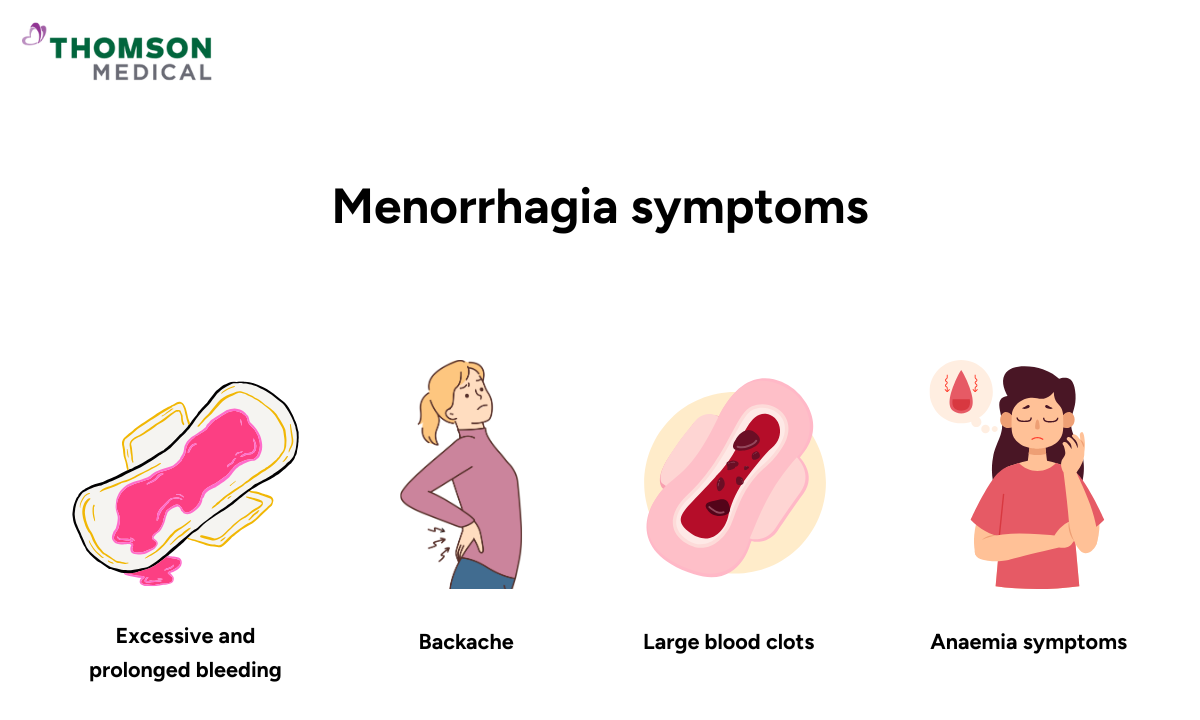
Heavy menstrual bleeding, known clinically as menorrhagia (pronounced men-or-AY-jee-ah), is defined as losing more than 80 millilitres of blood per menstrual cycle, or having periods that last longer than seven days. In practical terms, that translates to soaking through a pad or tampon every hour or two for several consecutive hours, passing clots larger than a 50-pence coin, or feeling so fatigued during your period that daily functioning becomes genuinely difficult.

Think of your monthly cycle as a finely calibrated thermostat. When the hormonal system is balanced, your uterine lining builds up to a predictable thickness, then sheds in a controlled, timed way. When that calibration starts to drift, as it naturally can with age, the lining can grow thicker, shed more heavily, and take longer to complete. The thermostat hasn’t broken, exactly. But it has started to overshoot.

This is a clinically recognised and extensively studied condition. Yet it remains one of the most under-investigated symptoms in women’s health, largely because heavy periods have long been normalised as an inevitable feature of female biology rather than a signal worth investigating. Research published in medical literature consistently shows that women wait an average of several years before seeking clinical help for heavy bleeding, and that even then, their concerns are frequently minimised.

Featured Snippet Answer: Heavy periods that worsen with age are most commonly caused by hormonal changes, particularly rising oestrogen levels relative to progesterone, that cause the uterine lining to thicken. Structural changes such as fibroids and adenomyosis also become more common in the thirties and forties, and can significantly increase bleeding. In many cases, more than one cause is present simultaneously.

That single-sentence explanation is useful, but it barely scratches the surface. Let’s go deeper.


The Biology Behind It: How Your Cycle Changes As You Age

To understand why your periods are getting heavier, it helps to understand what is happening hormonally across your thirties and forties.

Your reproductive years are not a flat, unchanging plateau. They are a gradual arc. In your twenties, oestrogen and progesterone typically work in close partnership: oestrogen builds the uterine lining during the first half of your cycle, and progesterone arrives after ovulation to stabilise that lining and ensure it sheds cleanly. The two hormones act as counterweights. When one moves, the other follows.

By your mid-thirties, the relationship begins to shift. Your ovarian reserve, the number of eggs remaining in your ovaries, starts to decline. This matters not just for fertility, but for hormone production. Each egg is housed in a follicle, and it is the follicle itself that produces progesterone after ovulation. As ovulation becomes less consistent, progesterone production becomes less reliable. Oestrogen, meanwhile, continues to be produced at relatively robust levels, particularly in the perimenopause transition when it can actually spike unpredictably before declining.

The result is a state clinicians call oestrogen dominance, where oestrogen activity is disproportionately high relative to progesterone. This imbalance has direct consequences for the uterine lining: more oestrogen means more proliferation, more thickening, more lining to shed each month. And more lining means heavier bleeding.

This is why heavy periods are not simply “normal” for older women. They are a signal, and a measurable one, of hormonal and sometimes structural changes that can be identified, investigated, and addressed.


8 Reasons Your Periods Are Getting Heavier As You Get Older

Format B: Root Causes and Clinical Mechanisms

Understanding why something is happening gives you the power to respond to it clearly and effectively. Below are eight of the most clinically significant reasons why periods tend to worsen with age, each explained at the level of mechanism so that you understand not just what is happening in your body, but why.


1. Oestrogen Dominance and Progesterone Decline

As explained above, this is the most common hormonal driver of heavy periods in women aged 35 and over. When ovulation becomes less regular, the corpus luteum, the temporary structure that forms in the ovary after an egg is released and produces progesterone, either forms less reliably or produces progesterone in insufficient quantities.

Without adequate progesterone to act as a counterweight, oestrogen continues to stimulate the growth of the endometrium (the uterine lining) unchecked. The lining becomes thicker than usual, and when it finally sheds, the bleed is heavier, longer, and often more painful. This mechanism is well-established in reproductive endocrinology and forms the basis for many hormonal treatment approaches to menorrhagia.

What makes this particularly confusing for many women is that their oestrogen levels may not show as “high” on a standard blood test. Oestrogen dominance is a relative state, meaning it is the ratio of oestrogen to progesterone that matters, not the absolute level of either hormone in isolation. A GP looking only at oestrogen levels may miss this imbalance entirely.


2. Perimenopause: The Transition Nobody Warned You About

Perimenopause, the years leading up to your final period, can begin as early as the mid-thirties, though it most commonly starts in the early to mid-forties. It is not the same as menopause, which is defined as twelve consecutive months without a period. Perimenopause is the transition phase, and it can last anywhere from two to twelve years.

During perimenopause, hormone levels do not decline steadily and predictably. They fluctuate, sometimes dramatically, from cycle to cycle and even week to week. Oestrogen can spike to unusually high levels before dropping, then spike again. Progesterone tends to decline more consistently. This hormonal volatility can cause cycles to become irregular, longer, shorter, or unpredictable, and it can cause the volume of bleeding to increase significantly.

Many women in their early forties are surprised to learn they may already be in perimenopause, particularly because the popular understanding of menopause tends to focus on hot flushes and missed periods rather than heavy, flooding bleeds. Heavy bleeding can be one of the earliest signs that the perimenopausal transition has begun. According to clinical consensus, it is also one of the most common reasons women in this age group seek gynaecological care.


3. Uterine Fibroids: Benign, But Not Without Consequence

Uterine fibroids are non-cancerous (benign) growths that develop in or around the muscular wall of the uterus. They are extraordinarily common: research suggests that up to 70 to 80 percent of women will develop fibroids by the age of 50, though many will never know because smaller fibroids often cause no symptoms at all.

The fibroids most likely to cause heavy bleeding are those that grow into the uterine cavity, known as submucosal fibroids. These growths increase the surface area of the endometrium, meaning there is more lining to shed each month. They can also interfere with the uterus’s ability to contract properly after shedding, which normally helps to slow and stop the bleed. When the uterus cannot contract as it should, bleeding can become prolonged, heavier, and harder to control.

Fibroids tend to grow in response to oestrogen, which is why they most commonly develop and become symptomatic during the reproductive years, particularly in the thirties and forties. After menopause, when oestrogen levels fall, fibroids typically shrink. The interaction between fibroid growth and the oestrogen dominance described above can create a self-reinforcing cycle of increasingly heavy periods that worsens over time if left uninvestigated.


4. Adenomyosis: The Hidden Cause Most Women Have Never Heard Of

Adenomyosis occurs when the tissue that normally lines the inside of the uterus (endometrial tissue) grows into the muscular wall of the uterus itself. Think of it as the lining migrating inward, embedding into the very muscle it is supposed to sit on top of. The result is a uterus that is often enlarged, tender, and significantly less able to function efficiently.

Because the displaced tissue still responds to hormonal signals, it bleeds during menstruation, but with nowhere to go, the blood is trapped within the muscle wall. This causes the uterus to contract more forcefully in an attempt to expel the bleed, leading to severe cramping and significantly heavier, often more prolonged periods. Many women with adenomyosis describe a feeling of pelvic heaviness, a bloated or “boggy” sensation in the lower abdomen, and periods that seem to have a life of their own in terms of volume and unpredictability.

Adenomyosis is frequently underdiagnosed, partly because it can only be confirmed definitively by examining uterine tissue (historically at hysterectomy), though transvaginal ultrasound and MRI have become increasingly useful diagnostic tools in skilled hands. Growing evidence suggests that adenomyosis may affect up to 20 to 35 percent of women, with symptoms typically peaking in the thirties and forties.


5. Endometrial Polyps: Small Growths, Significant Bleeding

Endometrial polyps are soft, finger-like growths that develop on the inner wall of the uterus. They are typically small, ranging from a few millimetres to several centimetres in size, and are nearly always benign. However, their presence on the endometrial surface can disrupt the normal, orderly shedding of the uterine lining during menstruation.

The mechanism here is both structural and vascular. Polyps have their own blood supply and disrupt the smooth architecture of the endometrial surface. This disruption means that the lining cannot shed in its usual organised, controlled way. Instead, shedding becomes irregular and incomplete, which can produce heavier, longer, and more unpredictable periods, as well as spotting between cycles.

Polyps become more common with age, and their growth is stimulated by oestrogen, meaning they tend to develop and enlarge in the hormonal environment of the thirties and forties when oestrogen exposure has been accumulative. They are also more common in women who have used unopposed oestrogen therapy (oestrogen without progesterone). A saline infusion sonogram or a hysteroscopy, a procedure in which a thin camera is passed into the uterine cavity, is the most reliable way to identify polyps.


6. Thyroid Dysfunction: The Hormone Connection Your GP May Not Have Made

Your thyroid gland produces hormones that regulate your metabolism, energy production, and a remarkably wide range of body functions, including menstrual regulation. When the thyroid is underactive, a condition called hypothyroidism, it disrupts the normal hormonal feedback loops that govern your cycle.

Specifically, low thyroid hormone levels can reduce sex hormone binding globulin (SHBG), a protein that helps regulate oestrogen activity in the blood. When SHBG falls, more oestrogen is biologically active, which can lead to thickening of the uterine lining and heavier periods. Hypothyroidism can also impair the production of clotting factors, making it harder for the body to slow bleeding once it has started.

Thyroid conditions are significantly more common in women than in men, and their prevalence increases with age. Symptoms of hypothyroidism, including fatigue, weight gain, low mood, cold intolerance, and hair thinning, can overlap with the symptoms of perimenopause so closely that thyroid dysfunction is frequently missed or attributed to “hormonal changes.” Requesting a thyroid-stimulating hormone (TSH) test, along with free T3 and free T4 levels, is an essential step in any thorough investigation of heavy periods.


7. Blood Clotting Disorders: An Under-Recognised Cause in Younger Women

Conditions that affect the blood’s ability to clot properly can cause menorrhagia at any age, but they are particularly likely to be overlooked as a cause of heavy periods in women who have simply grown accustomed to heavy bleeding as their “normal.” Von Willebrand disease, the most common inherited bleeding disorder in women, is one of the most underdiagnosed causes of heavy menstrual bleeding globally.

In the normal menstrual cycle, the body relies on clotting mechanisms to control the volume of the bleed. When those mechanisms are impaired, whether due to an inherited condition like Von Willebrand disease or to acquired factors such as low platelet counts or liver dysfunction, the usual physiological “brakes” on bleeding do not function as they should. The result can be flooding, the passing of large clots, and periods that extend well beyond a week.

Research suggests that a clinically significant proportion of women with menorrhagia have an underlying coagulation disorder that has never been investigated. This is a gap in standard care that is slowly being addressed by updated gynaecological guidelines, which now increasingly recommend haematological screening in women with severe or lifelong heavy periods.

Menorrhagia: What You Should Know About Heavy Periods | Thomson Medical


8. Chronic Inflammation and Insulin Resistance

This cause is perhaps the least intuitive, but growing evidence suggests it plays a meaningful role in hormonal disruption and heavy menstrual bleeding. Chronic low-grade inflammation, whether from dietary patterns, metabolic dysfunction, autoimmune conditions, or persistent stress, interferes with normal hormonal signalling at a cellular level.

Insulin resistance, a state in which cells become less responsive to insulin and blood sugar regulation becomes impaired, is closely linked to both elevated oestrogen levels and reduced progesterone production. This is because insulin resistance affects the way the ovaries produce hormones, often driving up androgen (male hormone) production and disrupting ovulation. As noted earlier, disrupted ovulation means less progesterone, and less progesterone means less counterbalance to oestrogen’s stimulating effect on the uterine lining.

Insulin resistance is more common in women with polycystic ovary syndrome (PCOS), but it is not exclusive to that diagnosis. It can develop gradually in the thirties and forties in the context of sedentary lifestyles, dietary changes, stress, and sleep disruption, and its hormonal downstream effects can quietly worsen menstrual symptoms over years without ever being formally identified as the driver.


What Mainstream Medicine Often Gets Wrong About Heavy Periods

The standard medical response to heavy periods in women over 35 is often a predictable one: a prescription for the combined oral contraceptive pill, a referral for a Mirena coil (a hormonal intrauterine device), or a suggestion to wait and see whether things settle after menopause. In many cases, these are genuinely helpful interventions. The Mirena coil, for example, is well-supported by clinical evidence as an effective first-line treatment for menorrhagia and is now recommended by ACOG and other major gynaecological bodies as a non-surgical option.

But there is a critical problem with reaching for these solutions before doing the diagnostic work. Hormonal treatments suppress symptoms. They do not investigate causes. If you have a submucosal fibroid distorting your uterine cavity, a hormonal coil may reduce bleeding without ever identifying the fibroid. If you have adenomyosis, oral contraceptives may control your cycle without ever naming the condition. And if you have an underlying thyroid disorder or a coagulation issue, treating the symptom while ignoring the mechanism means that the root cause continues, unaddressed.

This is not a criticism of individual clinicians, who are working within genuine time constraints and resource limitations. It is, however, a pattern worth knowing about, because it affects the quality of the questions you ask and the investigations you push for.

Heavy menstrual bleeding deserves a structured, investigative approach. That means blood tests to assess hormone levels, thyroid function, iron stores, and haematological markers. It means imaging, typically a transvaginal ultrasound, to assess the uterine architecture and look for fibroids, polyps, or signs of adenomyosis. It means a detailed menstrual history. And in some cases, it means onward referral for hysteroscopy or specialist input.

You are entitled to all of this. If your GP does not offer it, you are well within your rights to request it.


Evidence-Based Approaches to Managing Heavy Periods

Understanding what is causing your heavy periods shapes everything about how they can be treated. Below are the approaches most supported by current clinical evidence, along with a note on how each one works.

Hormonal Management

The levonorgestrel intrauterine system (the hormonal coil, most commonly the Mirena) is widely considered the most effective non-surgical treatment for menorrhagia by current clinical consensus. It releases a small, localised dose of synthetic progesterone directly into the uterine cavity, which suppresses the growth of the endometrium and reduces bleeding by an average of 90 percent in clinical studies. It works locally rather than systemically, meaning it does not have the full-body hormonal effects of the contraceptive pill.

For women whose heavy periods are driven by oestrogen dominance or perimenopausal hormonal fluctuation, cyclical progesterone therapy is sometimes prescribed, typically as a course of progesterone taken in the second half of each cycle to compensate for the progesterone shortfall that anovulatory cycles create. There is growing evidence that bioidentical progesterone, a form of progesterone chemically identical to that produced by the body, may offer some advantages in terms of tolerability, though prescribing practices vary between clinicians.

The combined oral contraceptive pill can reduce bleeding and regulate cycles, but it is not appropriate for all women, particularly those over 35 who smoke, have a history of migraines with aura, or certain cardiovascular risk factors. Your GP or gynaecologist will discuss suitability based on your individual history.

Non-Hormonal Medical Options

Tranexamic acid is a non-hormonal tablet that works by stabilising blood clots and reducing the breakdown of clotting factors during menstruation. It is taken only on heavy bleeding days and does not affect hormones. Clinical evidence supports a reduction in menstrual blood loss of around 50 percent with regular use. It is a particularly useful option for women who cannot or prefer not to use hormonal treatments.

Non-steroidal anti-inflammatory drugs (NSAIDs) such as mefenamic acid reduce the production of prostaglandins, hormone-like chemicals that play a role in uterine contractions and the inflammatory component of menstruation. They reduce both pain and bleeding volume, and like tranexamic acid, they are taken only during the period rather than continuously.

Iron supplementation is almost always necessary in women with heavy periods, as sustained heavy bleeding causes iron deficiency even when it does not progress to frank anaemia. Fatigue, brain fog, breathlessness, and heart palpitations during your period may all reflect iron deficiency, and addressing this can significantly improve quality of life even while other treatments are being investigated.

Lifestyle Factors With Emerging Evidence

Dietary and lifestyle factors do not replace medical treatment, but they can meaningfully support it. There is growing evidence that reducing dietary patterns associated with chronic inflammation, high sugar intake, ultra-processed foods, and excess saturated fat, supports more stable hormonal regulation and may reduce the severity of oestrogenic symptoms over time.

Supporting liver function matters here too. The liver is responsible for metabolising and clearing oestrogen from the body. When liver function is impaired, whether through alcohol, certain medications, or metabolic stress, oestrogen clearance is reduced, contributing to the oestrogen excess described earlier. Adequate fibre intake supports oestrogen excretion via the gut.

Stress management is not a vague lifestyle recommendation. It is a specific physiological one. Chronic psychological stress elevates cortisol, which competes with progesterone at the cellular receptor level and can effectively reduce progesterone’s ability to do its job. This mechanism is well-described in the reproductive endocrinology literature, and it means that managing stress, through whatever approach works for you, has direct hormonal relevance.

Surgical Options

For women with specific structural causes of heavy bleeding, such as fibroids or polyps, surgical or minimally invasive procedures may be the most effective route.

Hysteroscopic polypectomy, the removal of endometrial polyps using a camera passed through the cervix, is a well-tolerated day procedure that can significantly reduce or resolve heavy bleeding caused by polyps.

Fibroid treatment options range from hysteroscopic myomectomy (removal of fibroids within the uterine cavity via hysteroscope) to laparoscopic or open myomectomy for larger fibroids within the uterine wall. Uterine artery embolisation (UAE) is a radiological procedure that cuts off the blood supply to fibroids, causing them to shrink. It preserves the uterus and is a recognised alternative to surgery for women who wish to avoid an operation.

Endometrial ablation, a procedure that destroys the uterine lining, significantly reduces or eliminates periods in many women. It is not suitable for women who wish to conceive in future, and it is not appropriate in the presence of certain uterine conditions, including adenomyosis. A thorough assessment before ablation is essential.

Hysterectomy remains the most definitive treatment for heavy periods caused by structural or hormonal causes and carries a high satisfaction rate among women who choose it following full investigation and exploration of alternatives. It is not, however, a first resort, and the availability of effective medical and minimally invasive options means that most women will not need to consider it.


The Clinical Insight Paragraph

In my 19 years of clinical practice, what I’ve seen most often is a woman who has been bleeding heavily for three, four, sometimes seven years before anyone treats it as a diagnostic question rather than an inconvenience to manage. She has often tried two or three hormonal preparations, experienced side effects that led her to stop, and arrived at my door convinced that this is simply what her body does. What I want to tell you, and what I tell every patient in this position, is that heavy bleeding is not a personality trait. It is a symptom. And symptoms have causes. The single most important shift I see in outcomes is when a woman stops framing her periods as something to endure and starts framing them as something to investigate. As I’ve seen with many patients, the combination of a thorough hormonal profile, a well-performed pelvic ultrasound, and a clinician who actually listens can produce answers within a single appointment cycle that years of symptom management never could. You do not have to choose between your quality of life and a uterus. You do not have to choose between fertility and bleeding management. You simply have to be seen properly.


When to See a Specialist

Knowing when to seek specialist input is just as important as knowing what to ask for. Here are specific signals to act on.

If you are soaking through more than one pad or tampon per hour for two or more consecutive hours, book an urgent appointment with your GP that day. Acute flooding of this level can indicate a rapid-onset cause, including miscarriage, submucous fibroid, or a clotting disorder, and warrants same-day or next-day assessment.

If you are passing clots larger than a 50-pence coin regularly, request a referral to a gynaecologist within one to two cycles. Ask specifically for a transvaginal ultrasound and a full blood count including iron studies and haematinics.

If your periods have been heavy for three or more consecutive cycles and standard prescriptions such as the pill or tranexamic acid have not reduced them, push for a referral to a gynaecologist rather than cycling through more prescriptions. Ask about hysteroscopy to directly visualise the uterine cavity.

If your periods are accompanied by severe pelvic pain, a sensation of pressure or heaviness in your pelvis, or pain during intercourse, request evaluation specifically for adenomyosis or endometriosis by a gynaecologist with a specialist interest in these conditions. These symptoms together warrant more than a standard scan.

If you have a family history of bleeding disorders or have had heavy periods since adolescence, ask your GP to refer you to a haematologist for assessment of Von Willebrand disease and related coagulation conditions, as these are significantly underdiagnosed in women.

If you are experiencing fatigue, palpitations, or breathlessness during or after your period, request a full blood count and ferritin level to assess for iron deficiency anaemia, and discuss iron replacement with your GP or haematologist as a priority alongside any other investigation.

You are not being demanding. You are being an informed patient. There is a considerable difference.


You Have the Right to Answers

Heavy periods that worsen with age are not something to simply endure. They are a signal from your body that something in your hormonal or structural landscape has shifted, and that shift can be named, investigated, and treated.

The most important takeaway from everything in this guide is this: heavy menstrual bleeding in your thirties or forties is not the inevitable cost of getting older. It has causes. Those causes have names. And those names have treatments.

Your next step is clear: request a thorough investigation. That means blood tests for hormones, thyroid function, iron levels, and clotting factors. It means a transvaginal ultrasound performed by someone experienced in women’s pelvic health. It means a clinician who listens to your history, not just your most recent blood result.

You have lived in this body for decades. You know when something has changed. Trust that knowledge, bring it to a consultation, and expect it to be taken seriously.

Read Next: [How to Talk to Your Doctor About Hormonal Symptoms Without Being Dismissed] or drop a comment below with your experience. Other women are reading this too, and your story matters.


Medical Disclaimer

This article is for informational purposes only and does not constitute medical advice. Always consult a qualified healthcare provider before making any changes to your health or treatment plan.


Article by Dr. Naomi, Board-Certified Women’s Health Physician. Published on webzalo.com.

Painful Sex After Baby: 7 Honest Reasons No One Warned You About (And 5 Powerful Fixes That Actually Help)

By Dr. Naomi, Board-Certified Women’s Health Physician, Reproductive Endocrinology & Integrative Gynaecology


You Googled This at 2am. Let’s Talk Honestly.

You waited the full six weeks.

You had the check-up. Your GP looked up from the notes, said “everything looks fine,” and signed you off. So you tried. And it hurt. Maybe it burned. Maybe it felt like tearing. Maybe it just felt completely, utterly wrong.

Nobody told you it would be like this. The antenatal classes skipped it. The baby books glossed over it. Your midwife mentioned it in passing, offered you a tube of lubricant, and moved on to discussing your stitches.

And now you’re lying awake at 3am wondering if your body will ever feel like yours again.

Here is the most important thing I want you to hear first: painful sex after having a baby is extraordinarily common, it has real, treatable clinical causes, and your experience is not a failure. It is not a sign your relationship is in trouble. It is not something you simply have to endure.

It is a medical issue. And it deserves a medical answer.

This article is that answer.


What Painful Sex After Baby Actually Is (And Why Your Six-Week Check Missed It)

The clinical term is postpartum dyspareunia, meaning painful sexual intercourse occurring in the period following childbirth. “Dyspareunia” simply means pain during sex, and “postpartum” refers to the period after delivery.

Think of your pelvic floor and vaginal tissues like a complex suspension bridge. Pregnancy stretches the cables, shifts the load, and alters the tension on every component. Labour and delivery, whether vaginal or by caesarean, then ask that bridge to handle a seismic event. Restoring normal function after that takes far more than six weeks and a quick visual inspection.

Here is the important clinical reality: postpartum dyspareunia is significantly underdiagnosed and undertreated, primarily because most routine six-week postnatal appointments are brief, symptom-focused, and rarely include an internal pelvic examination. Research published in gynaecological literature consistently suggests that between 40% and 60% of women experience some form of painful sex in the first three months after delivery, yet the majority never receive a formal diagnosis or targeted treatment plan.

It matters because untreated postpartum dyspareunia does not always resolve on its own. For some women it does. For many others, without the right support, it becomes a persistent problem that affects relationships, self-esteem, and quality of life for months or years.

The featured snippet answer: Postpartum dyspareunia is persistent or recurring pain during sexual intercourse following childbirth. It affects up to 60% of new mothers and is caused by a combination of hormonal shifts, tissue trauma, pelvic floor dysfunction, and psychological factors. Most cases are treatable with the right clinical support, though they are frequently missed at routine postnatal check-ups.

You deserve to know what is actually happening in your body. So let us go through it, honestly and completely.

Painful


Part One: 7 Honest Reasons Painful Sex After Baby Happens (That No One Warned You About)

Reason 1: Oestrogen Has Left the Building (And It Has Taken Your Vaginal Comfort With It)

This is the single most common cause of painful sex after baby, and it is almost never explained clearly at the postnatal appointment.

During pregnancy, your oestrogen levels are extraordinarily high, keeping vaginal tissues well-lubricated, elastic, and healthy. After delivery, oestrogen drops sharply. If you are breastfeeding, it drops even further, because prolactin (the hormone that drives milk production) actively suppresses oestrogen production. This is not a flaw in your body’s design. It is a deliberate physiological mechanism. But the consequence, for many women, is that vaginal tissues become thinner, drier, and far more sensitive to friction.

Clinically, this is called hypoestrogenic vaginal atrophy, meaning the vaginal walls thin out and lose their natural moisture in response to low oestrogen. During penetration, this thinned tissue experiences micro-trauma, leading to burning, soreness, and sometimes bleeding after sex.

The mechanism is straightforward: oestrogen maintains the glycogen content of vaginal epithelial cells, which feeds the healthy lactobacillus bacteria that keep tissues supple. Without adequate oestrogen, this protective cycle breaks down. The result is tissue that is physiologically more similar to post-menopausal vaginal tissue than the tissue you had before pregnancy.

This is why the lubricant your midwife handed you may not be enough. Lubricant addresses surface friction. It does not address the underlying tissue health.

For breastfeeding mothers especially, this low-oestrogen state can persist for the entire duration of nursing, which means painful sex is not a “just for the first few weeks” issue. It can continue for months. That is not unusual, and it is not permanent.


Reason 2: Your Pelvic Floor Is Either Too Tight or Too Weak (And Either Can Cause Pain)

Most women have heard they should do pelvic floor exercises after birth. Far fewer are told that doing too many, or doing them when the pelvic floor is already in a state of tension, can make things significantly worse.

Here is what most postnatal advice misses: the pelvic floor can fail in two completely opposite directions.

The first is pelvic floor weakness, where the muscles have been overstretched during labour and delivery, losing the tone and coordination needed to support the vaginal walls during sex. This can cause a sensation of collapse, discomfort from lack of support, and a feeling of “looseness” that is actually the muscles failing to engage correctly.

The second, and far less discussed, is hypertonic pelvic floor dysfunction, where the muscles go into a state of chronic bracing or spasm following the trauma of birth. This is involuntary. Your body, having experienced something physically overwhelming, keeps the pelvic floor in a state of protective contraction. During penetration, instead of the muscles gently yielding, they resist. The result is a sharp, burning, or tearing sensation that has nothing to do with lubricant.

The clinical mechanism here involves the levator ani muscle group, a sling of muscles running from the pubic bone to the coccyx that forms the base of the pelvis. After a difficult or prolonged labour, instrumental delivery (forceps or ventouse), or significant perineal tearing, these muscles can develop trigger points and restrict normal movement.

Critically, doing aggressive Kegel exercises when you have a hypertonic pelvic floor is counterproductive. It would be like treating a cramped muscle by asking it to contract harder. This is why a specialist assessment from a pelvic floor physiotherapist is not a luxury. It is a clinical necessity.


Reason 3: Scar Tissue from Tears or Episiotomy Is Changing How Everything Moves

If you had a perineal tear during delivery, whether that was a first-degree graze or a more significant third- or fourth-degree tear, or if you had an episiotomy (a surgical cut made to widen the vaginal opening during delivery), you have scar tissue.

Scar tissue is not inherently problematic. It is your body’s method of repair. But scar tissue is structurally different from the original tissue it replaces. It is less elastic, less well-vascularised (meaning it has a reduced blood supply), and it tends to be denser and more adhesive than normal tissue.

During sex, where vaginal and perineal tissues need to stretch and move freely, scar tissue that has not been properly mobilised can pull, catch, and tear. The technical term is tethered scar adhesions, where the healed tissue has attached to underlying structures and restricts normal movement. You may feel a sharp, specific pain at one particular point of penetration, rather than a diffuse burning.

What makes this especially frustrating is that scar tissue can look completely healed externally. A GP doing a visual check at six weeks may see nothing unusual. But internally, the adhesions are still limiting mobility.

The good news is that scar tissue responds very well to targeted massage and manual therapy when performed by a qualified pelvic physiotherapist. It is not a permanent sentence. But it does require active, specific treatment, not just time.


Reason 4: Vaginal Microbiome Disruption Is Creating Inflammation You Cannot See

This is one of the most under-discussed contributors to postpartum sexual discomfort, and it is almost never raised in routine postnatal care.

Your vaginal microbiome is a carefully balanced ecosystem of bacteria, predominantly lactobacillus species, that maintain an acidic pH and protect the vaginal mucosa from irritation and infection. During pregnancy, this ecosystem is typically in excellent condition. Oestrogen keeps it stable and the dominant lactobacillus strains flourish.

After birth, several things happen simultaneously. Oestrogen falls (as discussed), which reduces glycogen availability for lactobacillus. Lochia (postpartum bleeding and discharge) alters the vaginal pH for several weeks. Antibiotics prescribed during or after labour, which are very commonly used in caesarean births and in cases of prolonged rupture of membranes, can further deplete the healthy bacterial community.

When lactobacillus populations fall, opportunistic species move in. This creates what is called vaginal dysbiosis, an imbalance in the microbial community. Even without a diagnosable infection, this dysbiosis creates a low-grade inflammatory environment in the vaginal tissue. That inflammation translates directly into heightened sensitivity, irritation, and pain during sex.

You may not have a full-blown bacterial vaginosis (BV) infection. Your swab may come back “negative.” But sub-clinical dysbiosis can still cause significant discomfort. The symptom that most commonly points to this cause is a persistent burning or rawness that seems unrelated to dryness, and that may be accompanied by an altered or unfamiliar vaginal odour even without a confirmed infection.


Reason 5: Provoked Vestibulodynia: The Pain Condition Most GPs Have Never Heard Of

This one deserves its own section because it is genuinely underdiagnosed, underserved in mainstream medicine, and affects a meaningful proportion of women who experience persistent postpartum sexual pain.

Vestibulodynia is pain localised to the vulvar vestibule, the small ring of tissue at the entrance to the vagina, where the inner labia minora meet the vaginal opening. “Provoked” means the pain is triggered by contact or pressure (as opposed to spontaneous pain that occurs unprovoked). The most common trigger is attempted penetration during sex.

The sensation is typically described as a sharp, burning, or stinging pain at the vaginal entrance, sometimes likened to “a paper cut” or “rubbing sandpaper.” It can occur with any form of penetration, including tampon use and gynaecological examinations.

Provoked vestibulodynia exists prior to pregnancy in some women, but it can also be triggered or significantly worsened by the hormonal and tissue changes of the postpartum period. Specifically, oestrogen receptors in the vestibular tissue become sensitised in a low-oestrogen environment, and nociceptors (pain nerve fibres) in this area can become upregulated, meaning they fire in response to stimuli that would not normally be painful.

The clinical mechanism involves a combination of peripheral sensitisation (an increase in pain signalling from the local nerve endings) and, in chronic cases, central sensitisation (where the brain begins to amplify pain signals from the pelvic region more broadly).

The reason this is so frequently missed is simple: most GPs are not trained to examine for it, and many women describe the symptom vaguely as “pain during sex,” which is attributed to dryness and addressed with lubricant. A proper diagnosis requires a specific examination technique called the Q-tip test, where light pressure is applied to different points around the vestibule to map the precise location and severity of pain. Most routine postnatal appointments do not include this assessment.


Reason 6: A Caesarean Section Does Not Protect You From Pelvic Pain (And Here Is Why)

There is a widespread assumption, even among some healthcare providers, that if you delivered by caesarean section, you will be spared postpartum sexual pain. This is not accurate, and believing it can leave C-section mothers without the assessment or support they need.

Here is what actually happens. Even if you never experienced labour, pregnancy itself alters the pelvic floor. The weight of a growing uterus, the hormonal changes that soften connective tissue throughout the pelvis (particularly the hormone relaxin), and the shifts in posture and biomechanics across nine months all affect pelvic floor function regardless of delivery mode.

But the caesarean scar itself introduces a specific problem: internal scar adhesions. The surgical repair of the uterus, the fascia (connective tissue), and the abdominal wall layers can create adhesions, bands of fibrous tissue that attach structures that should move independently of each other.

These adhesions can tether the bladder, the uterus, or the anterior vaginal wall in ways that restrict normal movement during sex. They can also affect the nerves of the lower pelvis and cause referred pain into the vagina, even though the scar is at the bikini line.

Additionally, many women who deliver by caesarean section following a prolonged or difficult labour have already experienced significant pelvic floor strain during the labour process itself, prior to the surgical delivery. This means they may carry both the effects of labour-related pelvic floor stress and the consequences of surgical adhesions.

If you had a C-section and still experience pain during sex, it is entirely valid and it warrants a full clinical assessment. Do not let anyone tell you it is unexpected.


Reason 7: Your Nervous System Is Still on High Alert from the Birth Experience

This is perhaps the least-discussed reason of all, and it is the one I see dismissed most often. But the evidence is increasingly clear, and the clinical reality is something I encounter regularly.

Childbirth is a major physiological and psychological event. For many women, it is a positive one. For others, it involves elements of fear, pain, loss of control, unexpected intervention, or outright trauma. The distinction between a “difficult birth” and a “traumatic birth” is not always obvious from the outside, and it is intensely subjective.

What we know from research into birth-related PTSD and pelvic pain is that psychological trauma from labour can translate directly into physical pain during sex. The mechanism involves the autonomic nervous system. Following a traumatic experience, the nervous system can become stuck in a state of threat response, where the body reflexively braces, tenses, or recoils in anticipation of harm.

In the pelvis, this manifests as the pelvic floor muscles contracting involuntarily during any form of sexual contact, a condition sometimes called vaginismus. This is not a conscious choice. It is your nervous system trying to protect you.

Beyond frank trauma, many new mothers experience profound changes in their sense of bodily ownership and identity after birth. The body has done something extraordinary and also, in many cases, something painful and undignified. Reconnecting with your body as a site of pleasure, rather than merely a site of function and recovery, takes time and often requires active support.

Research in psychosexual medicine consistently shows that fear of pain itself, once pain has been experienced, triggers a feedback loop in which the anticipation of pain causes muscle tension, which causes pain, which reinforces fear. This is not a weakness. It is neuroscience.

Understanding this cause does not mean the pain is “all in your head.” It means your head and your body are connected, and treating the physical causes alone is sometimes not sufficient.


Part Two: 5 Evidence-Based Fixes That Actually Help

Fix 1: Pelvic Floor Physiotherapy, The Single Most Effective Starting Point

Mechanism: A specialist pelvic floor physiotherapist conducts a thorough internal and external assessment of muscle tone, coordination, and tissue mobility. Depending on what they find, treatment may include manual therapy to release trigger points and hypertonic muscles, graduated internal stretching exercises to restore mobility, neuromuscular retraining to improve coordination between muscle groups, scar tissue mobilisation for perineal or caesarean scars, and specific relaxation techniques for hypertonic dysfunction.

Evidence level: Clinical consensus among urogynaecology and obstetric physiotherapy bodies is strong and consistent. Multiple systematic reviews and clinical guidelines, including those from the Chartered Society of Physiotherapy in the UK, support pelvic floor physiotherapy as a first-line intervention for postpartum dyspareunia. The NHS guidance on perineal care and recovery acknowledges physiotherapy as a core component of postpartum recovery, though access through primary care varies considerably.

Practical implementation: Ask your GP for a referral to a women’s health physiotherapist. If NHS waiting times are lengthy, independent pelvic floor physiotherapists practise privately across the UK and will typically conduct an initial assessment followed by a structured treatment plan over six to twelve weeks. The number of sessions required varies by cause and severity, but most women with straightforward postpartum dyspareunia see meaningful improvement within four to eight sessions of targeted therapy.

The critical practical note: be honest with your physiotherapist about exactly where the pain occurs, what type of sensation it is, and whether it is getting better or worse over time. Precision in symptom description leads to precision in treatment.


Fix 2: Topical Oestrogen Therapy, Safe, Effective, and Significantly Underused

Mechanism: Low-dose vaginal oestrogen is applied directly to vaginal and vulvar tissues in the form of a cream, a small tablet (pessary), or a ring device. Unlike systemic hormone replacement therapy, topical vaginal oestrogen is delivered locally with minimal absorption into the bloodstream. It works by restoring oestrogen receptor activity in vaginal epithelial cells, which in turn increases the natural production of vaginal moisture, improves tissue thickness and elasticity, lowers vaginal pH back toward its healthy acidic range, and reduces the inflammatory sensitivity of vulvar nerve endings.

Evidence level: The evidence for low-dose vaginal oestrogen in treating hypoestrogenic dyspareunia is exceptionally strong. Clinical consensus among the British Menopause Society, ACOG, and gynaecological organisations worldwide supports its use. Importantly, safety studies have consistently shown that low-dose vaginal oestrogen does not meaningfully raise systemic oestrogen levels, making it generally safe even for breastfeeding mothers, though this should always be discussed with your prescribing physician.

Practical implementation: You will need a prescription from your GP or gynaecologist. The most common preparation used in the UK is a low-dose oestradiol cream or vaginal pessary applied two to three times per week. Effects are not immediate: most women notice improvements in tissue comfort within four to six weeks of consistent use, with full benefit typically achieved at eight to twelve weeks. Using it alongside a good-quality vaginal moisturiser (applied regularly between applications) and a water-based lubricant during sex will typically produce the most complete symptom relief.

It is worth noting that many women are unnecessarily cautious about vaginal oestrogen because of historical concerns about oestrogen therapy more broadly. Those concerns relate primarily to systemic, oral oestrogen therapy, not to the low-dose topical application discussed here. Do not let generalised worry prevent you from accessing a treatment that has an excellent safety profile and excellent outcomes.


Fix 3: Vaginal Moisturisers and Targeted Lubricants, There Is a Clinical Difference Between the Two

Mechanism: This matters more than most people realise, because moisturisers and lubricants do different things and should be used differently.

A vaginal moisturiser is not a lubricant. It is a product designed to be used regularly (typically two to three times per week, not just before sex) to restore and maintain hydration in vaginal tissues over time. Effective vaginal moisturisers typically contain either hyaluronic acid, which has been shown in clinical trials to match or approach the efficacy of low-dose vaginal oestrogen for mild-to-moderate atrophic symptoms in some women, or a polycarbophil-based formulation that adheres to vaginal walls and provides sustained moisture.

A lubricant is used during sexual activity to reduce friction at the point of contact. Water-based lubricants are the most widely recommended for general use and are safe with all contraceptives. Silicone-based lubricants are longer-lasting and may be preferable when dryness is more severe, though they are not safe with silicone sex toys. Avoid lubricants containing glycerin, fragrance, or warming or cooling additives, as these can disrupt vaginal pH and trigger irritation in already-sensitive tissue.

Evidence level: The evidence for hyaluronic acid vaginal moisturisers is growing. Research suggests that in women with hypoestrogenic vaginal symptoms, hyaluronic acid preparations can provide meaningful relief and may be a useful option for women who prefer to avoid hormonal therapy entirely. Clinical consensus holds that using both a regular moisturiser and a quality lubricant simultaneously produces better outcomes than either alone.

Practical implementation: Use the moisturiser consistently on a routine schedule, independent of sexual activity. Think of it like a daily skin moisturiser rather than something you reach for only when you need it. Use the lubricant generously during sex. Apply it before penetration, not as an afterthought once discomfort has already begun.


Fix 4: Scar Tissue Massage and Desensitisation, Targeted and Learnable

Mechanism: Scar tissue, whether from perineal tears, episiotomies, or caesarean incisions, responds to regular mechanical loading and massage by gradually remodelling. The collagen fibres within a scar, initially laid down in a disorganised pattern during healing, can be encouraged to realign more closely with normal tissue through consistent, controlled pressure and movement. This reduces the tethering and pulling sensation and restores more normal tissue mobility.

For perineal scar tissue, a technique called perineal massage involves applying gentle sustained pressure to the scar itself and the surrounding tissues to increase pliability. For caesarean scar tissue, a similar technique applied to the abdominal scar can help reduce the deep internal adhesions that contribute to pelvic pain.

Evidence level: There is growing evidence that perineal scar massage begun around six to eight weeks postpartum, once the wound has closed, improves scar tissue mobility and reduces associated pain. Clinical guidance from pelvic floor physiotherapy bodies supports its use as part of a broader postpartum recovery programme. The evidence base for caesarean scar massage is still building, but clinical experience strongly supports its benefit and it carries no meaningful risk.

Practical implementation: Most women benefit from being taught this technique by their pelvic floor physiotherapist first, rather than attempting it alone based on a video or written guide. The location, direction, and pressure of massage matter, and starting with professional guidance reduces the risk of doing it incorrectly. Once you have been shown the technique, it can typically be self-administered at home on a daily or every-other-day basis.

Do not begin perineal massage before your scar has fully closed, typically no earlier than six weeks postpartum and only once all visible wound healing is complete. Introduce the pressure gradually. You should feel a stretching sensation, not sharp pain.


Fix 5: Psychosexual Support and Addressing the Nervous System Component

Mechanism: When fear of pain, birth-related trauma, or anxiety is contributing to sexual pain, addressing the psychological component is not an optional extra. It is a clinical intervention in its own right.

Psychosexual therapy, delivered by a qualified therapist with specific training in sexual dysfunction and women’s health, works through several mechanisms. It provides a framework for understanding how trauma or anxiety has altered your neurological response to intimacy. It delivers cognitive tools to interrupt the fear-pain-tension cycle. It includes graduated sensate focus exercises, a programme of progressive, non-goal-oriented physical intimacy designed to rebuild comfort and trust with your body. And it opens the communication between partners in a structured, guided way, which is important because unspoken fear and pressure from either partner amplify pain.

Evidence level: Clinical consensus from psychosexual medicine bodies and the British Society for Sexual Medicine supports psychosexual therapy as an evidence-based treatment for dyspareunia with a significant psychological component. Research on the integration of psychological and physical treatment approaches, sometimes called a biopsychosocial model, consistently shows better outcomes than treating either dimension in isolation.

Practical implementation: You can ask your GP for a referral to a psychosexual therapist through NHS sexual health services, or seek a private therapist via the College of Sexual and Relationship Therapists (COSRT), the UK’s leading accrediting body for this specialty.

You do not need to have experienced a formally traumatic birth to benefit from this support. If sex feels emotionally loaded, if you are dreading rather than desiring intimacy, or if the anticipation of pain has begun to shape how you feel about your body, this kind of support is appropriate and valuable.

It can also be enormously helpful for your partner to be involved in at least some sessions, not because the problem is theirs to fix, but because shared understanding changes the dynamic in the bedroom more profoundly than anything either of you can do individually.


In My 19 Years of Clinical Practice

In my 19 years of clinical practice, what I’ve seen most often is a woman sitting in front of me who has been experiencing painful sex for six, nine, sometimes eighteen months after her baby was born, and who was told at her six-week check that everything was fine. She has been waiting for it to resolve on its own because no one gave her permission to ask for more help. She is often exhausted, often quietly distressed about the impact on her relationship, and almost always carrying some version of the belief that this is simply what motherhood does to you, that this is a sacrifice you accept. And when I explain the actual clinical reasons behind her pain, things like hypertonic pelvic floor, or vestibulodynia, or low-dose vaginal oestrogen, I watch her face shift from resignation to something closer to relief. The problem had a name. The problem had a cause. And most importantly, the problem had a solution. The tragedy is not that these conditions exist. Bodies are complicated, and birth is demanding. The tragedy is that so many women wait so long to get answers because no one asked them the right questions in the first place.


When to See a Specialist: Specific Signs That Need Clinical Assessment

Do not wait indefinitely for painful sex after baby to resolve by itself. There are clear signs that warrant prompt or urgent specialist review.

If you experience sharp, localised pain at the vaginal entrance with any form of penetration that has persisted for more than eight weeks postpartum, request a referral to a gynaecologist or, ideally, a vulval specialist or a clinic with expertise in vestibulodynia. Ask specifically for a vestibular examination and Q-tip test.

If your pain is accompanied by persistent burning, rawness, or an abnormal discharge that has not been resolved by treatment for infection, ask your GP for a referral to a gynaecologist for assessment of vaginal atrophy and microbiome evaluation.

If you have significant perineal scarring, pain at the site of a repair, or visible deformity at the perineum beyond twelve weeks postpartum, ask for a referral to a urogynaecologist or pelvic floor physiotherapist with specialist training in scar assessment.

If you are experiencing pain you believe may be related to your caesarean scar, including pain deep in the pelvis or lower abdomen during sex, a urogynaecologist or pelvic pain specialist can assess for internal adhesions.

If you are experiencing significant anxiety, avoidance of intimacy, or symptoms consistent with birth-related PTSD, including flashbacks, hypervigilance, or emotional numbness, please seek a referral to a psychosexual therapist or a perinatal mental health service. The pain you feel in your body is real, and so is the pain you feel in your mind. Both deserve care.

If you are breastfeeding and experiencing vaginal atrophy symptoms, ask your GP or midwife about low-dose topical oestrogen therapy. This conversation often does not happen unless you initiate it.


You Are Not Broken. You Are Under-Supported.

Your body carried and delivered a human being. That is extraordinary. It is also physically significant in ways that our postnatal care system does not always fully acknowledge or address.

The most important thing I want you to take from this article is this: painful sex after baby is a clinical problem with clinical solutions. It is not a life sentence. It is not a sign your relationship is failing. It is not simply what motherhood costs.

The single most valuable next step you can take today is to go back to your GP, name your symptom clearly, and ask for a referral to a pelvic floor physiotherapist. That one appointment can unlock an entire pathway of care that the standard postnatal check never opened.

As I’ve seen with many patients, that moment of finally asking is the turning point. Not because the therapy is instant, but because having someone genuinely assess what is happening, name it, and offer a plan changes everything about how you carry it.

You do not have to stay quiet about this. Your comfort matters. Your pleasure matters. Your recovery matters.

Share this article with a new mum who needs to hear that her experience is real, her pain is explainable, and help is available.

Or, if you are ready to learn more, read next: How to Talk to Your Doctor About Pelvic Floor Problems (Without Being Dismissed)


This article is for informational purposes only and does not constitute medical advice. Always consult a qualified healthcare provider before making any changes to your health or treatment plan.


Vaginal pH Balance: 5 Proven Ways Gut Health Restores It


The Connection You’ve Never Been Told About

You’ve done everything right. You switched to unscented products. You stopped wearing synthetic underwear. You finished every single course of antibiotics your gynaecologist prescribed. And yet, within weeks — sometimes days — the symptoms return. The discomfort, the unusual discharge, that vague internal imbalance you can’t quite put into words but know all too well.

You typed your symptoms into Google at half past midnight, landed on the same three articles you’ve already read, and wondered whether you were somehow doing this to yourself. Maybe you’re too stressed. Maybe it’s your diet. Maybe you’re just unlucky.

Here is what no one has told you clearly enough: your gut and your vagina are in constant conversation. The bacteria living in your digestive tract, the lining of your intestines, and the hormones your gut helps to process all play a direct and measurable role in maintaining vaginal pH balance. When that conversation breaks down — through antibiotics, diet, chronic stress, or hormonal shifts — your vaginal environment often pays the price first.

This is not a fringe theory. The connection between gut health and vaginal pH is one of the most significant and most overlooked areas in women’s health today. And once you understand it, everything starts to make sense.

Vaginal pH


What Is Vaginal pH Balance and Why Does It Matter?

Vaginal pH balance refers to the acidity of the vaginal environment, measured on a scale from 0 (highly acidic) to 14 (highly alkaline). A healthy vaginal pH sits between 3.8 and 4.5, meaning it is mildly acidic. That acidity is not incidental. It is your body’s primary built-in defence against infection.

Think of your vaginal environment as a carefully tended garden. The dominant plant in that garden is a genus of bacteria called Lactobacillus. These bacteria produce lactic acid and hydrogen peroxide, which keep the soil, so to speak, inhospitable to weeds — the harmful bacteria that cause conditions like bacterial vaginosis (BV), thrush, and recurring urinary tract infections (UTIs). When Lactobacillus thrives, the pH stays low, and the garden holds. When it falters, the pH rises, and the opportunistic bacteria move in.

What directly disrupts this balance? Antibiotics, hormonal fluctuations, a high-sugar diet, unmanaged stress, and, critically, an unhealthy gut microbiome. Research now consistently shows that the composition of bacteria in your intestines influences the composition of bacteria in your vaginal tract. This is what scientists call the gut-vagina axis, and understanding it is the missing piece in your recurring infection cycle.

Mainstream medicine has been slow to integrate this knowledge. Most standard treatment protocols address vaginal symptoms in isolation, prescribing targeted antibiotics or antifungals without asking what is driving the imbalance upstream. That is the clinical gap this article addresses.


Understanding the Gut-Vagina Axis: How Two Systems Speak to Each Other

The gut-vagina axis is not metaphorical. It describes a real, bidirectional communication pathway between your intestinal microbiome — the vast community of bacteria, fungi, and other microorganisms living in your digestive tract — and the microbial environment of your vaginal canal.

The gut is home to trillions of microorganisms, and among them is a population of Lactobacillus species. These are the same protective bacteria that dominate a healthy vaginal microbiome. When your gut Lactobacillus populations are robust, research suggests they help replenish vaginal Lactobacillus through what immunologists call “seeding”: bacteria from the lower gastrointestinal tract migrate to the perineal and vaginal area. Conversely, when gut dysbiosis takes hold — meaning the harmful bacteria outnumber the beneficial ones — that reservoir is compromised. Your vaginal microbiome has fewer reinforcements to draw from.

There is also a systemic inflammatory dimension to this relationship. A disrupted gut lining, known clinically as increased intestinal permeability (or “leaky gut” — a state in which the tight junctions between gut wall cells become loose, allowing bacterial by-products to pass into the bloodstream), triggers a low-grade systemic immune response. That chronic immune activation suppresses the local vaginal immune environment, making it less capable of defending against opportunistic pathogens.

Then there is the hormonal layer. Your gut microbiome contains a subset of bacteria that metabolise oestrogen, collectively known as the oestrobolome. These bacteria regulate how much free oestrogen circulates in your body. Oestrogen, in turn, stimulates the production of glycogen in vaginal cells, which Lactobacillus ferments into lactic acid. Less oestrogen means less glycogen, less lactic acid, and a rising pH. When your gut microbiome is compromised, so is your oestrobolome, and so, downstream, is your vaginal acidity.

These three pathways — microbial seeding, systemic inflammation, and hormonal regulation — explain why treating vaginal symptoms without addressing gut health is like patching a leak without turning off the tap.


Why Standard Treatment Keeps You Stuck in a Cycle

There is nothing wrong with antibiotics. They save lives, and when used appropriately, they are essential medicine. The problem is not the tool. The problem is that antibiotics are often the only tool offered.

Metronidazole, the antibiotic most commonly prescribed for bacterial vaginosis, is highly effective at clearing the acute infection. Clinical data consistently supports this. But it is also non-selective: it clears harmful bacteria and disrupts beneficial ones. When a course of antibiotics temporarily wipes out gut Lactobacillus populations, it removes the very microbial reservoir that would otherwise help restore the vaginal environment after treatment ends.

This is why so many women experience BV recurrence within weeks of completing a successful antibiotic course. It is not treatment failure in the traditional sense. It is a restoration failure. The vaginal microbiome clears, but the gut ecosystem that seeds it has been disturbed, and without that seeding, the balance tips back towards dysbiosis.

The same cycle applies to recurrent thrush. Antifungal treatments address the immediate fungal overgrowth, but if the underlying gut environment is promoting systemic Candida colonisation — something that can occur when gut bacterial diversity is low — the vaginal yeast will return.

Breaking the cycle requires a different question: not just “what is infecting my vagina?” but “what is the state of the ecosystem that is supposed to be protecting it?”


The Role of Oestrogen: Where Hormones Enter the Picture

Oestrogen is often discussed in the context of reproductive health and menopause, but its role in vaginal pH regulation is both direct and underappreciated.

Vaginal epithelial cells — the cells lining the vaginal wall — are exquisitely sensitive to oestrogen. When oestrogen levels are adequate, these cells are thick, well-hydrated, and rich in glycogen. Lactobacillus ferments that glycogen to produce lactic acid, which is the primary source of vaginal acidity. When oestrogen levels drop — as they do during the luteal phase of the menstrual cycle, during perimenopause, while breastfeeding, or during periods of chronic stress — the vaginal epithelium thins, glycogen decreases, lactic acid production falls, and pH rises. Even modest rises in pH, from 4.5 to 5.0, are enough to favour the growth of BV-associated bacteria.

Now here is where your gut enters the picture again. Your gut microbiome contains a specific collection of bacteria with the enzymatic capacity to deconjugate oestrogen metabolites excreted by the liver back into their active, circulating form. This collection is the oestrobolome. When gut dysbiosis reduces oestrobolome diversity or efficiency, less oestrogen is reactivated and returned to systemic circulation. The result is functionally lower oestrogen levels — not because your ovaries are producing less, but because your gut is recycling less. This is a clinically significant mechanism that very few women, and not all clinicians, are aware of.

The practical implication is important. If you are in your thirties or forties and experiencing more frequent vaginal infections than in your twenties, it may not be solely a matter of age or hormonal decline. Your gut health may be affecting your oestrogen recycling, which is quietly lowering your vaginal pH resilience. Addressing gut health is, in part, addressing hormonal health.


Signs That Your Gut May Be Driving Your Vaginal Symptoms

Most women do not connect digestive symptoms with vaginal ones. Yet the pattern, once you know to look for it, is often clear.

1. Your vaginal symptoms worsen after a course of antibiotics for any reason. This is the most common pattern I see. You took antibiotics for a chest infection or a UTI, and within a few weeks, you developed BV or a yeast infection. The antibiotics disrupted your gut microbiome, reduced your protective Lactobacillus reserves, and your vaginal environment destabilised as a result. This is not coincidence. This is a predictable biological sequence.

2. You experience bloating, irregular bowel habits, or digestive discomfort alongside recurring vaginal infections. When gut dysbiosis is present, it rarely confines its effects to one organ system. If you notice that periods of digestive trouble — bloating, constipation, loose stools, or a general feeling of sluggishness after eating — tend to coincide with periods of more frequent vaginal symptoms, the two are likely connected.

3. Your vaginal symptoms are cyclical but not simply linked to your period. A rising vaginal pH during the luteal phase of the menstrual cycle (the week before your period) is normal and expected, due to the progesterone-dominant hormonal environment. But if you are noticing symptoms in the middle of your cycle, or if they persist well beyond your period, hormonal variation alone does not explain it. Gut-related disruptions to oestrogen metabolism and systemic inflammation may be sustaining a chronically elevated pH.

4. You have a history of irritable bowel syndrome (IBS), inflammatory bowel disease (IBD), or food intolerances. These conditions are associated with altered gut microbiome composition and increased intestinal permeability. Both, as outlined above, have downstream consequences for the vaginal microbiome. If you carry one of these diagnoses alongside recurring vaginal infections, the gut-vagina axis deserves serious clinical consideration.

5. Dietary changes clearly affect your symptoms. If you notice that periods of high sugar intake, alcohol consumption, or eating highly processed foods are reliably followed by vaginal discomfort, your gut is telling you something. Refined carbohydrates and sugars fuel the growth of gut Candida and dysbiotic bacteria, both of which can affect vaginal health through the pathways described above.

6. Standard treatments provide short-term relief but never resolve the pattern. This is perhaps the most telling sign of all. If antibiotics work in the short term but the infection returns within weeks or months, the root cause has not been addressed. The gut microbiome is a reservoir, and if that reservoir is in a state of imbalance, the vaginal environment will continue to reflect it — regardless of how many treatment cycles you complete.


5 Proven Ways to Restore Vaginal pH Balance Through Gut Health

1. Targeted Oral Probiotic Therapy with Lactobacillus-Specific Strains

Not all probiotics are equal, and this distinction matters clinically.

The strains most strongly associated with vaginal health outcomes are Lactobacillus rhamnosus GR-1 and Lactobacillus reuteri RC-14. Multiple randomised controlled trials have examined these two strains specifically in the context of BV and vaginal dysbiosis, with results showing that oral supplementation with this combination can reduce BV recurrence rates and support the restoration of a Lactobacillus-dominant vaginal microbiome.

The mechanism is two-pronged. These strains survive the intestinal transit in sufficient numbers to colonise the gut, where they help rebuild Lactobacillus populations and reduce dysbiotic bacterial overgrowth. They also appear, based on clinical evidence, to directly seed the vaginal microbiome through the gut-to-perineum-to-vaginal migration pathway described earlier.

From a practical standpoint: look for a probiotic supplement that explicitly names these two strains and provides colony-forming unit (CFU) counts of at least 1 billion per strain. Take it consistently — the evidence suggests a minimum of eight weeks for measurable vaginal microbiome changes. There is growing evidence that combining oral probiotics with dietary prebiotic support (see Strategy 2) improves colonisation rates significantly.

One important note: the quality and survival capacity of probiotic products varies considerably. Refrigerated formulations generally maintain potency better than shelf-stable ones, though technological advances have improved stability. Speak with your pharmacist or healthcare provider about evidence-based options in your region.

2. Prebiotic-Rich Nutrition to Feed the Protective Bacteria You Already Have

Probiotics introduce beneficial bacteria. Prebiotics feed the ones already present — and this distinction is undervalued.

Prebiotics are non-digestible dietary fibres that selectively nourish beneficial gut bacteria, particularly Lactobacillus and Bifidobacterium species. Clinical consensus holds that a diet consistently rich in prebiotic foods supports a more diverse and Lactobacillus-abundant gut microbiome. That, in turn, supports the hormonal and microbial pathways that protect vaginal pH.

The best dietary sources of prebiotic fibre include garlic, onions, leeks, asparagus, chicory root, Jerusalem artichokes, bananas (particularly slightly underripe ones), and oats. These foods contain fructooligosaccharides (FOS) and inulin — specific fibre types that Lactobacillus ferments preferentially.

The practical implementation here is straightforward: aim to include at least two to three prebiotic food sources daily as a consistent dietary habit rather than an occasional addition. If you are newer to high-fibre eating, increase your intake gradually to avoid bloating, which is your gut microbiome adjusting.

Equally important is reducing the foods that actively disrupt gut microbiome balance: refined sugars, highly processed carbohydrates, excessive alcohol, and artificial sweeteners. Research suggests that non-caloric artificial sweeteners — despite their benign reputation — may negatively alter gut bacterial composition in ways that reduce Lactobacillus populations. This does not mean you need to pursue a perfect diet, but the pattern of your overall eating matters more than any single meal.

3. Strategic Antibiotic Use Paired with Immediate Probiotic Recovery

Antibiotics are sometimes essential and unavoidable. The strategy here is not avoidance. It is informed recovery.

When a course of antibiotics is prescribed — for any reason — the clinical evidence supports beginning probiotic supplementation as soon as possible, typically two to three hours after each antibiotic dose to avoid the probiotic bacteria being eliminated before they can act. Continue the probiotic for at least four weeks after completing the antibiotic course, not just during it.

This approach has been studied specifically in the context of antibiotic-associated gut dysbiosis and shows measurable benefits in accelerating microbial recovery, reducing diarrhoea caused by antibiotics, and preserving Lactobacillus populations. For women with a history of antibiotic-triggered vaginal infections, this protocol represents a clinically sensible, evidence-supported intervention.

Beyond supplementation, fermented foods rich in live cultures — unsweetened natural yoghurt, kefir, kimchi, sauerkraut, and miso — provide additional microbial support during and after antibiotic treatment. These are not replacements for a quality probiotic with well-studied strains, but they support the broader goal of microbiome restoration.

If you are prescribed antibiotics repeatedly for recurrent UTIs or BV, it is worth discussing with your GP whether prophylactic probiotic protocols or alternative management strategies should be part of your ongoing care plan.

4. Cortisol Management as a Direct Vaginal Health Intervention

Stress is rarely taken seriously enough as a driver of vaginal dysbiosis. This is a clinical oversight.

Cortisol, the primary stress hormone produced by the adrenal glands, has a direct suppressive effect on immune function. Chronically elevated cortisol — the kind that accumulates not from acute crises but from the sustained, low-grade pressure of modern life — impairs the local immune environment of the vaginal mucosa, reducing its capacity to defend against bacterial overgrowth. It also disrupts gut barrier integrity, contributing to the increased intestinal permeability that drives systemic inflammation. And it dysregulates blood sugar, which directly feeds gut Candida and dysbiotic bacteria.

There is also growing evidence that chronic psychological stress alters gut microbiome composition in ways that reduce Lactobacillus abundance. This is thought to occur partly through cortisol’s direct effect on gut motility and partly through changes in intestinal immune activity.

The practical implication is not that you need to eliminate stress from your life — an impossible and patronising instruction. It is that stress regulation is a legitimate clinical strategy for women experiencing recurrent vaginal infections, particularly if you notice that flare-ups correlate with periods of heightened pressure, poor sleep, or significant life disruption.

Evidence-based interventions for cortisol regulation include consistent, moderate aerobic exercise (which reduces baseline cortisol and supports gut microbiome diversity), sleep hygiene practices that protect the critical overnight cortisol drop, and diaphragmatic breathing exercises, which activate the parasympathetic nervous system and reduce circulating cortisol acutely. These are not wellness platitudes. They are physiologically grounded strategies with measurable microbiome and immune outcomes.

5. Blood Sugar Regulation to Eliminate the Fuel Source for Dysbiosis

High blood glucose levels feed exactly the microorganisms you do not want thriving in either your gut or your vaginal environment.

Candida albicans — the fungus responsible for recurrent thrush — proliferates more aggressively in glucose-rich environments. When blood sugar spikes repeatedly, whether through a high-sugar diet, insulin resistance, or type 2 diabetes, it creates conditions in which vaginal Candida overgrowth is almost inevitable. Antibiotic treatment clears each episode, but the high-glucose environment simply enables regrowth.

The gut dimension of this is equally significant. Refined carbohydrates and sugars promote the proliferation of dysbiotic gut bacteria and Candida in the intestinal tract, further depleting Lactobacillus populations and disrupting the oestrobolome’s function. This creates a compounding feedback loop: poor blood sugar control drives gut dysbiosis, gut dysbiosis impairs oestrogen recycling, lower effective oestrogen reduces vaginal glycogen, and reduced glycogen weakens the lactic acid environment — raising pH and inviting further infection.

Breaking this loop requires addressing blood sugar at its source. This means reducing the glycaemic load of your diet, not necessarily counting every gram of carbohydrate, but shifting your food pattern towards lower-glycaemic whole foods, adequate dietary protein, healthy fats, and fibre. Physical activity after meals is one of the most effective and underused tools for blunting post-meal blood sugar spikes. If you suspect insulin resistance or have a family history of type 2 diabetes, discussing a fasting glucose or HbA1c test with your GP is a sensible and empowering step.


What to Eat for Vaginal pH Balance: A Practical Framework

Dietary changes support vaginal health through multiple pathways simultaneously. This is not about following a strict protocol. It is about understanding which foods work for you and which work against you, so you can make consistent, sustainable choices.

Eat more of:

Fermented foods such as live-culture natural yoghurt, kefir, kimchi, sauerkraut, and miso provide direct microbial support to the gut. These foods introduce diverse beneficial bacterial strains and support the conditions in which Lactobacillus thrives. Include at least one fermented food daily as a starting habit.

Prebiotic-rich vegetables, particularly garlic, leeks, onions, asparagus, and chicory, feed the beneficial bacteria already resident in your gut. Think of them as fertiliser for the garden. They do not need to be consumed in large amounts — a consistent moderate intake, spread across your daily meals, is enough to have a meaningful effect over weeks.

Leafy green vegetables provide magnesium, folate, and fibre, all of which support healthy hormonal metabolism and reduce systemic inflammation. Dark leafy greens such as spinach, kale, and rocket are particularly useful and versatile.

Whole grains such as oats, brown rice, quinoa, and barley provide slower-releasing carbohydrates that stabilise blood sugar and feed beneficial gut bacteria without the glucose spikes of refined alternatives.

Oily fish, particularly salmon, sardines, and mackerel, provide omega-3 fatty acids, which have a well-evidenced anti-inflammatory effect on the gut lining and systemic immune function. Research suggests that regular omega-3 intake is associated with greater gut microbiome diversity — a marker consistently linked with better health outcomes across multiple organ systems.

Reduce or limit:

Refined sugar and sugary drinks provide the most direct fuel source for Candida and dysbiotic bacteria, both in the gut and in the vaginal environment. This includes fruit juices, sweetened yoghurts, confectionery, and heavily processed carbohydrates. You do not need to eliminate them entirely, but quantity and frequency matter.

Alcohol disrupts gut barrier function, reduces gut microbiome diversity, and raises systemic inflammation markers — all mechanisms that downstream compromise vaginal pH resilience. There is no safe minimum threshold for these effects, but heavy or frequent consumption is a clear contributing factor for many women.

Artificial sweeteners, as noted earlier, may negatively affect gut bacterial composition in ways that are not yet fully mapped but are increasingly documented in research literature. This is an area where growing evidence warrants caution, even if a definitive clinical consensus has not yet been established.


The Role of Intimate Hygiene Products: What Your Gut Cannot Fix on Its Own

It would be incomplete to discuss vaginal pH balance without acknowledging the role of external products — not because they are the primary driver of dysbiosis, but because they can undo the gut-level work you are doing.

The vagina is a self-cleaning organ. Its internal environment requires no soaps, douches, perfumed washes, or antiseptic products. These products, even those marketed specifically for feminine hygiene, are typically alkaline or neutral in pH, and their routine use disrupts the acidic vaginal environment directly. Perfumed products also introduce chemical irritants that can compromise the vaginal epithelial lining, reducing its protective barrier function.

The external vulva — the labia majora and the perineal skin — can be gently cleansed with warm water and, if preferred, a fragrance-free, pH-balanced wash formulated for external intimate use. Internally, water alone is appropriate.

Sanitary products, particularly fragranced or plastic-covered options, can also contribute to local irritation and pH disruption during menstruation. Unbleached, fragrance-free alternatives, including cotton pads, period underwear, or menstrual cups, are better tolerated by most women with sensitive vaginal environments.

This section matters because gut health strategies work best in an environment that is not simultaneously being disrupted from the outside. Think of it as building a healthy ecosystem on good soil while also protecting it from unnecessary chemical exposure.


The Antibiotic Cycle: Why It Keeps Happening and How to Break It

As I’ve seen with many patients, the antibiotic cycle is not a sign of personal failure. It is a predictable consequence of a treatment approach that addresses the symptom without addressing the ecosystem.

The sequence typically looks like this. A woman presents with BV. She is prescribed metronidazole and the symptoms resolve. Four to eight weeks later, the symptoms return, often because the antibiotic course disrupted her gut microbiome, depleted her Lactobacillus reserves, and her vaginal environment, lacking the microbial reinforcement it needed, returned to a higher-pH state. She is prescribed antibiotics again. The cycle deepens.

What breaks the cycle is not refusing antibiotics. It is pairing them with a deliberate, evidence-supported microbiome recovery strategy: probiotic supplementation begun during or immediately after the antibiotic course, dietary support for Lactobacillus recolonisation, and a reduction of the gut-disrupting factors — sugar, stress, further unnecessary antibiotics — that prevent the microbiome from re-establishing stable, protective populations.

Some women benefit from speaking with their GP about suppressive antibiotic protocols, in which a low-dose antibiotic is taken regularly to prevent BV recurrence while longer-term microbiome strategies take effect. This is a legitimate clinical approach for women with very frequent recurrences, and it is most effective when combined with the gut health strategies outlined in this article rather than used in isolation.

The key reframe is this: the goal is not to be treated for each individual infection. The goal is to create internal conditions in which infection is consistently unlikely. That is a gut health goal as much as it is a vaginal health goal.


In My 19 Years of Clinical Practice, What I’ve Seen Most Often Is…

In my 19 years of clinical practice, what I’ve seen most often is a woman who has been told her recurrent vaginal infections are just “bad luck,” who has been through four or five antibiotic courses in a single year, and who has begun to lose trust in her own body. She arrives convinced she is uniquely broken. What I almost always find, when we take a proper history, is a combination of factors — a period of high antibiotic use, a stressful year, a diet that drifted towards convenience foods, possibly a hormonal shift — that, in combination, destabilised a gut microbiome that was never fully supported in recovery.

The most important thing I can offer her is not a new prescription. It is a framework. Once she understands that her vaginal health reflects a larger systemic environment — that her gut, her hormones, her stress response, and her nutrition are all stakeholders in her vaginal pH — she stops feeling like a victim of her own biology and starts feeling like someone with genuine agency. That shift is clinical in the deepest sense of the word. Informed patients make better decisions, sustain healthier habits, and achieve more durable outcomes than those who are simply managed from one episode to the next.

The gut-vagina axis is not a niche concept. It will, in time, be central to how women’s healthcare approaches recurring vaginal infections. We are simply ahead of the standard care curve.


When to See a Specialist

Gut health strategies are powerful, but they are not a substitute for clinical assessment when certain symptoms are present. Understand these red flags and act on them clearly.

If you experience unusual vaginal discharge — particularly grey, green, or frothy in appearance — alongside a strong fishy odour for more than five days, book an appointment with your gynaecologist promptly. These features suggest bacterial vaginosis or trichomoniasis (a sexually transmitted infection), both of which require specific treatment. Do not attempt to self-treat with supplements alone.

If you experience pelvic pain, pain during intercourse, or pain on urination alongside vaginal symptoms, see your gynaecologist or GP within one week. These symptoms require investigation for pelvic inflammatory disease, endometriosis, or interstitial cystitis, none of which can be managed through diet or probiotics alone.

If you have experienced more than three episodes of BV or thrush within a twelve-month period, request a referral to a gynaecologist or a sexual health clinic for a full vaginal microbiome and hormonal assessment. Growing evidence supports the use of extended treatment protocols, vaginal probiotic pessaries, and personalised microbiome analysis in women with highly recurrent infections.

If you are perimenopausal or postmenopausal and experiencing vaginal dryness alongside recurrent pH disruption, ask your gynaecologist specifically about genitourinary syndrome of menopause (GSM) and whether localised oestrogen therapy is appropriate for your situation. Gut health strategies alone cannot compensate for the vaginal epithelial changes driven by significant oestrogen decline.

If you have persistent unexplained digestive symptoms, ask your GP for a referral to a gastroenterologist. A gut health strategy built on the wrong foundation, for example, if an undiagnosed inflammatory bowel condition is driving your dysbiosis, will not produce the results you need.


You Are Not Broken. You Were Just Missing Part of the Picture.

The connection between your gut and your vaginal health is real, clinically documented, and profoundly underused in standard women’s healthcare. You have not been unlucky. You have been treated for symptoms rather than systems — and that is not your fault.

What you now understand — that your gut microbiome, your oestrobolome, your stress response, and your blood sugar all feed directly into the health of your vaginal environment — gives you something more valuable than another prescription. It gives you a framework.

Begin with one strategy. The most evidence-supported starting point for most women is a targeted oral probiotic pairing Lactobacillus rhamnosus GR-1 with Lactobacillus reuteri RC-14, taken consistently for at least eight weeks alongside dietary prebiotic support. Track how your symptoms respond. Adjust. Build from there.

For further reading on how gut health intersects with hormonal balance, take a look at our guide to oestrogen and the microbiome. And if you have been navigating this cycle in silence, share this article with a woman in your life who needs to know she is not alone.

Drop a comment below with your experience. Your story may be exactly what someone else needs to read today.


Medical Disclaimer

This article is for informational purposes only and does not constitute medical advice. Always consult a qualified healthcare provider before making any changes to your health or treatment plan.


SUPPLEMENTARY PUBLISHING MATERIALS


Suggested Internal Links (2–3 Topics for Webzalo.com)

  1. “The Oestrobolome Explained: How Your Gut Microbiome Controls Your Oestrogen Levels” Relevant anchor text: “what scientists call the gut-vagina axis” (link inline in Clinical Foundation section)
  2. “Bacterial Vaginosis vs Thrush: How to Tell the Difference and What to Do” Relevant anchor text: “conditions like bacterial vaginosis (BV), thrush, and recurring urinary tract infections” (link inline in Clinical Foundation section)
  3. “Hormones, Gut Health, and the Perimenopause Connection: What Every Woman Over 40 Should Know” Relevant anchor text: “our guide to oestrogen and the microbiome” (link inline in Empowering Close section)

  1. NHS — Bacterial Vaginosis: https://www.nhs.uk/conditions/bacterial-vaginosis/ Placement: Embed in the section “Why Standard Treatment Keeps You Stuck in a Cycle” at the claim about metronidazole being the standard-of-care antibiotic for BV. Anchor text: “Metronidazole, the antibiotic most commonly prescribed for bacterial vaginosis”
  2. Mayo Clinic — Vaginal Health: https://www.mayoclinic.org/healthy-lifestyle/womens-health/in-depth/vaginal-health/art-20045602 Placement: Embed in the “What Is Vaginal pH Balance” section at the definition of healthy vaginal pH range. Anchor text: “A healthy vaginal pH sits between 3.8 and 4.5”


End of Article. Total estimated body word count: approximately 5,500 words. Article prepared for webzalo.com by Dr. Naomi, Board-Certified Women’s Health Physician.

What No One Tells You About Miscarriage: 10 Devastating Truths and the 3 Hopeful Facts That Can Change Everything


The 2am Search You Hoped You’d Never Make

You are lying awake, phone screen bright in the dark. You have typed “is it normal to feel this empty after a miscarriage” and you are waiting for something — anything — that sounds like it was written for you, not for a textbook.

Maybe it happened last week. Maybe it happened two years ago and it still sits in you like a stone. Maybe you had one brief, heart-shattering appointment where a doctor used the word “products of conception” and you wanted to say: that was my baby.

Perhaps no one told you that you might grieve for months. Perhaps someone told you to “just try again” as though the pregnancy you lost was a failed exam, not a person you had already started imagining. Perhaps you have never spoken about it out loud — not fully — because you were not quite sure you were allowed to.

You are allowed to.

This article is for you — for every woman who has experienced pregnancy loss and found that the clinical answers barely touched the edges of what she was actually living. What follows are the truths that mainstream medicine often sidesteps, and the three evidence-grounded reasons to hold on to genuine hope.


Understanding Miscarriage: The Clinical Foundation

Miscarriage — medically termed spontaneous abortion — is the loss of a pregnancy before 24 weeks of gestation, most often occurring within the first 12 weeks. It is the most common complication of early pregnancy.

Think of early fetal development as an extraordinarily complex, precisely timed construction project. Chromosomes must pair correctly, hormones must signal at precise intervals, the uterine lining must be receptive, and implantation must be deep enough to sustain growth. When any one of those variables is disrupted, the body often ends the pregnancy before the problem compounds. It is not a failure. It is, in many cases, the body responding with remarkable biological intelligence to a situation that could not continue safely.

Yet despite being this common, miscarriage remains profoundly underserved in mainstream medicine. Most women receive a diagnosis, possibly a management plan, and very little else. The emotional sequelae — which clinical research consistently shows can resemble post-traumatic stress disorder in intensity — are rarely addressed systematically. The physiological complexity beneath each individual loss is rarely investigated until a third miscarriage has occurred. That gap between what women need and what they receive is precisely what this article aims to bridge.

miscarriage


10 Miscarriage Truths Most Women Are Never Told

1. Chromosomal abnormality is the cause in most first-trimester losses — and it is almost never your fault

Research consistently indicates that between 50 and 70 per cent of first-trimester miscarriages involve a chromosomal abnormality in the embryo — typically an error that occurred during the formation of the egg or sperm, or during the very first cell divisions after fertilisation. These are called de novo errors, meaning they arise spontaneously rather than being inherited.

Nothing you ate, how much you exercised, whether you had a stressful week, or whether you lifted something heavy caused your miscarriage. For the majority of first-trimester losses, the embryo had an error that made a continuing pregnancy incompatible with life. The body recognised this. The body responded accordingly.

This truth matters not as a consolation prize, but as a clinical fact that deserves to be said clearly and early in every consultation.

2. Recurrent miscarriage is more common than the statistics suggest — and “unexplained” does not mean untreatable

Clinical consensus defines recurrent miscarriage as the loss of three or more consecutive pregnancies. Studies suggest this affects approximately 1 per cent of couples trying to conceive. However, growing evidence suggests that two losses in a row — particularly in women over 35 — warrant investigation rather than reassurance, and many reproductive medicine specialists now advocate investigating after two losses regardless of age.

“Unexplained recurrent miscarriage” is a label applied to roughly 50 per cent of recurrent miscarriage cases after standard testing. The word “unexplained” can feel like a door closing. It should not. It means that the cause has not yet been identified with current standard testing — not that no cause exists, and not that treatment cannot help. Emerging research into uterine natural killer cells, endometrial receptivity, and coagulation pathways is actively changing what “unexplained” means.

3. Your period after miscarriage is not simply your cycle resuming — it is physiologically complex

Most women are told to expect their menstrual cycle to return within four to six weeks of a miscarriage. What they are rarely told is that the first several cycles following pregnancy loss can be irregular, heavier, or more painful than their previous baseline — and that this is expected and typically temporary.

The hormonal recalibration following pregnancy loss takes time. Beta-human chorionic gonadotropin (beta-hCG) — the pregnancy hormone — does not drop to zero immediately. Until it does, ovulation may be delayed or erratic. The first post-loss menstrual bleed can involve a thicker endometrial lining shedding, which often means more cramping than usual. Tracking this cycle is clinically useful: if hCG does not return to zero, it may indicate retained pregnancy tissue, which requires further management.

4. The grief of miscarriage can be disenfranchised — and that makes it harder to heal

Disenfranchised grief is a term coined by researcher Kenneth Doka to describe grief that society does not fully acknowledge or sanction. Miscarriage grief is one of its clearest examples. Because the loss occurs before a certain visible threshold — no funeral, often no formal announcement, sometimes before others even knew about the pregnancy — women are frequently expected to recover quickly and silently.

Clinical psychology research, including a large-scale study published in the journal Psychological Medicine, has found that anxiety and depression following miscarriage can persist for over a year in a significant proportion of women, and that post-traumatic stress disorder symptoms are present in a meaningful subset. These are not signs of weakness or of being “too attached too soon.” They are normal responses to genuine bereavement, and they deserve to be treated as such.

5. Thyroid dysfunction is a frequently missed contributor to pregnancy loss

The thyroid gland — a small, butterfly-shaped organ in the neck — produces hormones that regulate almost every metabolic process in the body, including the hormonal environment necessary to sustain early pregnancy. Even mildly elevated thyroid-stimulating hormone (TSH) levels, still within a “normal” reference range, have been associated with increased miscarriage risk in some studies.

The nuance here is important: what counts as “normal” TSH for the general population may not be optimal for pregnancy. Many reproductive specialists aim for a TSH below 2.5 mIU/L in women trying to conceive or in early pregnancy, compared to the broader “normal” upper limit of around 4.0 to 5.0 mIU/L used in routine testing. Additionally, the presence of thyroid antibodies — even with normal TSH — is an independent risk factor for miscarriage that is not always screened for during standard workups.

If you have never had a full thyroid panel including TPO antibodies in the context of pregnancy loss, it is worth discussing with your doctor.

6. Polycystic ovary syndrome increases miscarriage risk through more than one mechanism

Polycystic ovary syndrome (PCOS) — a hormonal condition affecting ovulation and androgen levels — is often discussed primarily as a fertility challenge. What receives far less attention is the evidence that women with PCOS who do conceive face a moderately elevated risk of miscarriage compared to women without the condition.

The mechanisms are multiple. Insulin resistance — present in many women with PCOS — may impair endometrial receptivity and early placental development. Elevated luteinising hormone (LH) at the time of conception has been associated with poorer embryo quality in some research. Chronic low-grade inflammation, another feature of PCOS, creates a suboptimal uterine environment. The encouraging news is that these mechanisms are largely modifiable, and working with a reproductive endocrinologist to optimise metabolic and hormonal markers before and during pregnancy may meaningfully reduce risk.

7. Antiphospholipid syndrome is treatable — and is more common than many women know

Antiphospholipid syndrome (APS) is an autoimmune condition in which the immune system produces antibodies that attack phospholipids — fats found in cell membranes — causing blood clotting abnormalities and increasing miscarriage risk. It is one of the most important and treatable causes of recurrent pregnancy loss.

Despite this, many women are not tested for APS until they have experienced multiple losses. The condition is diagnosed via blood tests — specifically for anticardiolipin antibodies, beta-2 glycoprotein I antibodies, and lupus anticoagulant — performed on two separate occasions at least 12 weeks apart. Women with confirmed APS can be treated with low-dose aspirin and low molecular weight heparin during pregnancy, a protocol supported by strong clinical evidence and associated with significantly improved live birth rates.

8. Your partner’s grief is real, and it may look nothing like yours

The emotional experience of miscarriage is not limited to the person who was pregnant. Partners — regardless of gender — frequently experience profound grief following pregnancy loss. What is less acknowledged is that their grief often manifests differently: more quietly, more inwardly, sometimes more rapidly suppressed under the pressure to “be strong.”

Research on partners’ experiences of miscarriage consistently shows elevated rates of anxiety and depression, with feelings of helplessness particularly prominent. Couples sometimes find that their grief timelines diverge sharply: one person is still acutely grieving weeks or months later while the other has moved into a functional coping mode, creating distance and misunderstanding. Couples therapy with a practitioner experienced in perinatal loss can be a genuinely useful tool — not because the relationship is in crisis, but because grief of this kind benefits from a structured space.

9. Miscarriage does not cause infertility — but the fear of it can alter your next pregnancy experience profoundly

One of the most pervasive myths surrounding miscarriage is that it damages fertility or reduces the chance of a successful future pregnancy. For the vast majority of women, this is not true. After a single miscarriage, the probability of a subsequent successful pregnancy is not meaningfully reduced. After two losses, the live birth rate in the following pregnancy remains encouraging. Even after recurrent miscarriage, specialist-supported pregnancies often result in successful outcomes.

What miscarriage can alter — and what is rarely addressed in clinical settings — is the psychological experience of a subsequent pregnancy. Post-loss pregnancies are frequently characterised by heightened anxiety, hypervigilance, and difficulty bonding or “allowing” hope until a certain milestone is passed. This is sometimes called pregnancy after loss anxiety, and it is a recognised psychological phenomenon that benefits from active support rather than simple reassurance. (For more on managing anxiety in pregnancy, see our guide to emotional wellbeing in the first trimester on webzalo.com.)

10. “Just try again” is not a treatment plan

The response many women receive following a first or even second miscarriage is some version of encouragement to try again without investigation. While this is statistically reasonable — the majority of first miscarriages are chromosomal events unlikely to recur — it does not account for women with underlying conditions that will cause loss to recur unless identified.

It also entirely dismisses the woman in front of the clinician: her grief, her need for understanding, her body’s signals. Even when no medical investigation is indicated, a post-loss consultation should involve space for the woman’s experience, basic guidance on emotional recovery, and clarity about when to escalate concerns. “Just try again” delivered without context or compassion is not merely insensitive — it is, in many cases, incomplete care.


Comparison Table: Common Investigations After Miscarriage

Investigation What It Tests When Recommended Specialist
Full thyroid panel (TSH + T4 + TPO antibodies) Thyroid function and autoimmunity After any miscarriage, especially if 2+ GP or endocrinologist
Antiphospholipid antibody screen Blood clotting autoimmunity (APS) After 2+ miscarriages, or with fetal loss Gynaecologist / haematologist
Karyotyping (parental) Chromosomal translocations in parents After 2–3 miscarriages Clinical geneticist
Hysteroscopy or saline sonography Uterine anatomy (fibroids, septum, polyps) After 2+ miscarriages Reproductive gynaecologist
Progesterone level (mid-luteal) Luteal phase adequacy After 2+ miscarriages, irregular cycles Gynaecologist / endocrinologist
PCOS hormone panel (LH, FSH, AMH, insulin) Metabolic and ovulatory function After miscarriage with irregular cycles Reproductive endocrinologist
Uterine natural killer cell biopsy Immune environment of endometrium Recurrent unexplained miscarriage Reproductive immunologist

The 3 Hopeful Facts That Can Change Everything

Hopeful Fact 1: The Live Birth Rate After Recurrent Miscarriage Is Higher Than Most Women Are Told

Clinical consensus — supported by data from multiple large-scale cohort studies — is that even after three consecutive miscarriages, the majority of women who receive specialist evaluation and appropriate treatment go on to have at least one successful live birth. In studies examining couples with unexplained recurrent miscarriage who received supportive care (regular early pregnancy monitoring, empathetic clinical management), live birth rates in subsequent pregnancies of 65 to 75 per cent have been reported. When an underlying cause is identified and treated — such as APS, thyroid dysfunction, or a uterine septum — outcomes improve further.

This is not a statistical platitude. It is a clinical reality that should be communicated to every woman who walks into a recurrent miscarriage clinic.

Hopeful Fact 2: Progesterone Supplementation in Early Pregnancy Is Showing Real Promise

For many years, the use of progesterone supplementation in early pregnancy was contested — prescribed variably with limited consensus. The landscape has changed. A large, well-designed clinical trial, the PRISM trial, found that vaginal progesterone supplementation in women with early pregnancy bleeding and a history of miscarriage significantly increased live birth rates compared to placebo in that subgroup.

Progesterone — the “pregnancy-sustaining” hormone — supports the thickening and maintenance of the uterine lining and modulates immune responses that could otherwise trigger pregnancy loss. While it is not a universal intervention, it is now a clinically supported option for specific women, and the evidence base continues to strengthen. If you have experienced miscarriage and find yourself bleeding in early pregnancy, it is worth asking your gynaecologist specifically about progesterone supplementation and whether you are a candidate.

(For more on hormonal support in early pregnancy, explore our article on progesterone and the first trimester on webzalo.com.)

Hopeful Fact 3: Specialist Miscarriage Care Genuinely Changes Outcomes

The existence of dedicated recurrent miscarriage clinics — staffed by reproductive gynaecologists, reproductive immunologists, and, in the best settings, perinatal psychologists — represents one of the clearest improvements in women’s reproductive healthcare in the past two decades. Research comparing outcomes in women seen in dedicated miscarriage units versus general gynaecology outpatient settings consistently shows better investigation rates, earlier identification of treatable causes, and, critically, higher live birth rates.

This matters because it affirms something essential: attentive, specific, patient-centred care works. You are not obligated to accept “this just happens sometimes” as your final answer. Asking for a referral to a specialist miscarriage service is an entirely reasonable next step after two or more losses — and in some clinical settings, after one loss if you have other risk factors or are over 35.


In My 19 Years of Clinical Practice…

In my 19 years of clinical practice, what I’ve seen most often is the damage done by delay — not delay in treatment, necessarily, but delay in taking a woman’s experience seriously. A patient arrives in my office having had two miscarriages, having been told each time to wait, to try again, to be patient. What she has actually been doing is carrying a private weight of grief, fear, and self-blame that has been building unopposed for months or years, with no investigation, no explanation, and no roadmap. What strikes me consistently is not how fragile these women are, but how resilient they are despite having received so little. When I run a full panel — thyroid, antiphospholipid antibodies, progesterone, uterine anatomy — I find actionable findings in a meaningful proportion of women who were previously told their losses were simply bad luck. The biology is not always simple, and grief is never simple, but the gap between what is possible and what most women receive is still, in 2025, wider than it should be. You deserve both the investigation and the conversation.


When to See a Specialist: Specific Red Flags and Timelines

You should request a referral to a reproductive gynaecologist or dedicated miscarriage clinic if any of the following apply:

Two or more consecutive miscarriages, regardless of your age. The three-loss threshold before investigation is increasingly regarded as outdated by specialist opinion.

Any miscarriage after 10 weeks, particularly a missed miscarriage (where the embryo stopped developing but the body did not expel it spontaneously). Late first-trimester or second-trimester losses have distinct causes that warrant different investigation.

Unusually heavy or prolonged bleeding after a miscarriage — specifically, soaking more than two sanitary pads per hour for more than two hours, which may indicate retained tissue or, rarely, a coagulation disorder. Attend your emergency gynaecology unit the same day.

Signs of infection following a miscarriage: fever above 38°C, offensive vaginal discharge, severe abdominal pain, or a persistent feeling of being unwell beyond 48 hours. This requires same-day assessment.

Persistent positive pregnancy test three to four weeks after a confirmed miscarriage — see your GP promptly for repeat hCG testing to rule out retained tissue or, rarely, ectopic pregnancy.

Significant anxiety or depression affecting daily function at any point following a miscarriage — your GP can refer you to a perinatal mental health service or a therapist experienced in pregnancy loss. This is a clinical referral, not a supplementary one.

You do not need to have reached a specific number of losses before advocating for yourself. Asking for investigation is not catastrophising. It is good clinical care — and you are entitled to it. (See also our webzalo.com guide to navigating gynaecological appointments and getting the referrals you need.)


You Have Not Failed. You Are Not Alone. Here Is Your Next Step.

Pregnancy loss carries a particular cruelty in how invisible it often is — to colleagues, to extended family, sometimes even to the healthcare system. But what I want you to take away from everything you have read here is this: most causes of recurrent miscarriage are either treatable or provide meaningful understanding. You are not simply unlucky. You are not too old. You are not being punished. And you are not at the end of any road.

The single most important thing you can do right now is book an appointment — with your GP, with a gynaecologist, or directly with a recurrent miscarriage service if your healthcare system allows self-referral — and bring this question: “What investigations are available to me, and when should we begin them?”

That is your next step. Not a Google spiral at 2am. Not silence. A conversation, with a clinician who can actually run tests, interpret results, and build a plan with you. You deserve that conversation. Now go and ask for it.


This article is for informational purposes only and does not constitute medical advice. Always consult a qualified healthcare provider before making any changes to your health or treatment plan.


10 Devastating Mistakes Women Make Treating Yeast Infections at Home That Dangerously Worsen the Problem Every Time

You grabbed the garlic. You Googled the symptoms at midnight. You convinced yourself you know exactly what this is and you can handle it yourself. And now, three days later, things are somehow worse.

Sound familiar? You are not alone, and you are definitely not helpless. But you may be making one (or several) of the yeast infection home treatment mistakes that quietly set the stage for longer, more painful, and more resistant infections. This guide exists to stop that cycle cold.

Why Getting Yeast Infection Home Treatment Right Actually Matters

A vaginal yeast infection, medically known as vulvovaginal candidiasis, is one of the most common infections women experience. According to the U.S. Office on Women’s Health, three out of four women will have at least one in their lifetime, and nearly half will have two or more.

That prevalence leads to a dangerous kind of familiarity. When something is that common, women tend to assume they already know what it is and exactly how to fix it. But the truth is unsettling. Studies show that two out of three women who buy over-the-counter yeast infection medication do not actually have a yeast infection. They have something else, something that gets worse without proper treatment while they treat a ghost.

Yeast infections happen when the fungus Candida albicans, which naturally lives in the vagina in small amounts, multiplies out of control. This overgrowth disrupts the delicate pH balance and the good bacteria (Lactobacilli) that keep your vaginal environment healthy. The result is that unmistakable burn, the cottage-cheese-like discharge, the itch that makes polite company unbearable.

The solution, when it truly is a yeast infection, is straightforward. But the path between “I think I have one” and “I am treating it correctly” is littered with traps. Let’s walk through every single one of them.

Yeast Infections


Mistake #1: Self-Diagnosing Without Ruling Out Other Yeast Infection Causes

This is the foundational mistake. Every other mistake on this list becomes even more dangerous because of this one.

The symptoms of a yeast infection overlap alarmingly with bacterial vaginosis (BV), sexually transmitted infections like chlamydia and trichomoniasis, contact dermatitis from scented products, and even certain skin conditions. You cannot tell the difference by symptoms alone, especially not from a bathroom mirror at 11 p.m.

When women skip proper diagnosis and go straight to home treatment, the real condition goes untreated and worsens. Untreated BV, for example, increases the risk of contracting STIs and can cause serious complications during pregnancy. Untreated chlamydia can lead to pelvic inflammatory disease and infertility.

The symptoms that are often mistaken for yeast infections include:

  • Itching and burning in and around the vagina (also common in BV and STIs)
  • Unusual discharge (BV typically causes greyish, fishy-smelling discharge, not thick white discharge)
  • Pain during sex or urination (also a hallmark of UTIs and STIs)
  • Redness and swelling around the vulva (can be triggered by allergic reactions to products)

If this is your first-ever suspected yeast infection, or if symptoms feel different from previous ones, see a healthcare provider before reaching for the pharmacy shelf. Getting a confirmed diagnosis is not excessive caution. It is the only way to actually solve the problem.


Mistake #2: Inserting Garlic Into the Vagina (A Yeast Infection Home Treatment That Can Burn You)

This one has gone viral on wellness blogs, and it remains one of the most stubborn myths in vaginal health. The logic goes: garlic contains allicin, allicin has antifungal properties, therefore a garlic clove inserted vaginally will kill the yeast. Neat theory. Painful and potentially harmful reality.

Garlic can cause chemical burns and intense stinging when it comes into contact with mucous membranes, which are the moist, sensitive tissues that line the vagina. Multiple reports document cases of vaginal burns and irritation following this practice. And despite what the Pinterest boards claim, there is no solid clinical evidence that inserting garlic vaginally treats yeast infections.

Cleveland Clinic OB-GYN Dr. Kathryn Goebel put it plainly: home remedies not only do not work, but they can make symptoms worse. Garlic cloves also carry their own microbes, meaning you could introduce new bacteria into an already-irritated environment.

If you want to use garlic for its potential antifungal properties, add it to your meals. Eat more garlic pasta. The vagina is not a slow cooker.


Mistake #3: Douching to “Clean Out” the Infection (The Worst Yeast Infection Home Remedy Possible)

Douching feels intuitive. An infection is there. Water and solution go in. Problem goes away. Except biology works in the exact opposite direction.

Your vagina is self-cleaning. It maintains a precise, slightly acidic pH that keeps Candida in check. When you douche, even with plain water, you strip away that protective acid environment and the Lactobacilli bacteria that produce it. The result is a warmer, less acidic, less protected space where yeast can thrive even more aggressively than before.

Douching with hydrogen peroxide is an especially popular home remedy that deserves its own warning. While hydrogen peroxide does have antiseptic properties, it destroys good bacteria alongside bad bacteria, leaving the vaginal ecosystem more vulnerable than before you started.

What douching actually causes:

  • Disruption of vaginal pH
  • Destruction of protective Lactobacilli bacteria
  • Increased risk of bacterial vaginosis
  • Potential for pushing bacteria higher into the reproductive tract
  • Worsening of existing yeast infection symptoms

The American College of Obstetricians and Gynecologists has consistently advised against douching for any reason. Your vagina does not need to be cleaned internally, and attempting to do so is one of the most reliable ways to worsen a yeast infection.


Mistake #4: Using Scented Products While Treating a Yeast Infection at Home

This mistake is less dramatic than garlic insertion, but it is just as effective at prolonging your misery. When a yeast infection is active, the vaginal tissues are already inflamed and hypersensitive. Introducing scented soaps, bubble baths, flavored lubricants, scented pads, perfumed wipes, or vaginal deodorant sprays is essentially throwing fuel on a fire.

Fragrances in these products disrupt the vaginal pH and can trigger allergic contact dermatitis on already-irritated tissue, making it nearly impossible to distinguish worsening infection from product reaction. Women often respond to increasing discomfort by cleaning more vigorously with more products, creating a feedback loop that never ends.

The rule for products during an active infection, and frankly in general, is strict: nothing scented touches the vulva. Warm water only for internal cleaning. Fragrance-free, hypoallergenic soap for the external vulvar area only. Unscented pads and menstrual products.

This also applies to laundry detergent. Residue from scented detergents in underwear can irritate inflamed tissue. Switch to fragrance-free during treatment and for a few weeks after.


Mistake #5: Stopping Treatment Early Because Symptoms Improve

This one is so deeply human it almost hurts to call it a mistake. You have been suffering for days. Finally, on day three of a seven-day antifungal treatment, the itching eases. You feel almost normal. So you stop.

This is how recurrent yeast infections are created.

Antifungal treatments, whether OTC creams, suppositories, or oral medications, work by gradually reducing the Candida population. When you feel better, the population has been reduced, but it has not been eliminated. The remaining yeast cells, often the hardier, more resistant ones, survive and repopulate. Each incomplete treatment course makes future infections harder to treat.

According to guidance from the Mayo Clinic on treating vaginal yeast infections, completing the full course of antifungal treatment is essential, even after symptoms resolve. For seven-day treatments, that means all seven days. For oral medications, that means following the exact dosing schedule prescribed.

Signs you should always finish treatment no matter what:

  • Symptoms ease before the course ends (this is expected and does not mean you are cured)
  • You feel completely normal by day 4 of 7
  • You have used this medication before and “know it works”

The discomfort of finishing treatment you no longer feel you need is infinitely preferable to a recurrent infection that requires months of antifungal therapy.


Mistake #6: Choosing the Strongest OTC Treatment Available When Treating Yeast Infections at Home

There is a widespread belief that stronger equals faster and better. When it comes to OTC yeast infection treatments, this is dangerously wrong.

The one-day concentrated antifungal treatments contain roughly 12 times the active ingredient of the seven-day formulations. That concentration, applied to already-inflamed tissue, can cause significant irritation, burning, and pain in many women. This is confirmed even by reporting from major media outlets that specifically investigated how yeast infection treatments can backfire.

More importantly, that aggressive concentration does not necessarily improve outcomes. A seven-day regimen allows the antifungal medication to work gradually and consistently, giving it better coverage against the full yeast population with less irritation of surrounding tissue.

Women with sensitive skin, those who are pregnant, or those experiencing their first infection are especially likely to have a bad reaction to single-dose concentrated treatments. Choose the gentler, longer course when in doubt. Your tissue will thank you.


Mistake #7: Treating a Yeast Infection While Ignoring Lifestyle Factors That Are Actively Causing It

This is the mistake that turns a one-time infection into a chronic pattern. Yeast infections do not happen in a vacuum. They emerge from specific conditions in the body, and unless those conditions change, the infection will keep returning no matter how diligently you apply the cream.

Common triggers that women frequently ignore while treating include wearing tight, synthetic underwear and leggings that trap moisture, staying in damp workout clothes or wet swimwear for extended periods, eating a high-sugar diet that feeds yeast systemically, taking antibiotics without probiotic support, and using hormonal birth control that alters vaginal pH.

Lifestyle factors that actively promote yeast overgrowth:

Trigger Why It Matters What to Do Instead
Tight synthetic underwear Traps moisture and heat, creating ideal yeast conditions Switch to loose cotton underwear during and after treatment
Damp workout clothes Prolonged moisture feeds Candida growth Change immediately after exercise
High sugar diet Yeast feeds on sugar; high blood glucose accelerates growth Reduce refined sugars during treatment
Antibiotic use Kills good Lactobacilli bacteria alongside harmful bacteria Ask doctor about concurrent probiotic use
Scented hygiene products Disrupts pH and irritates tissue Use fragrance-free, gentle alternatives only
Sitting in wet swimwear Creates warm, moist environment Change out of wet swimwear within 30 minutes
Hormone fluctuations Oral contraceptives and menstrual cycle changes alter vaginal pH Discuss with provider if infections correlate with pill cycles

Treating the infection while the trigger is still active is like bailing out a boat without plugging the hole.


Mistake #8: Applying Apple Cider Vinegar Directly to the Vagina

Apple cider vinegar (ACV) is having a cultural moment that far outstrips its medical evidence base. It is credited online with treating everything from acne to diabetes, and yeast infections sit near the top of that list. The reasoning is that vinegar is acidic, the vagina thrives in an acidic environment, and therefore vinegar will restore healthy pH balance.

The problem is that the vagina’s natural pH is between 3.8 and 4.5. Apple cider vinegar has a pH of around 2 to 3. That additional acidity does not help restore balance. It adds chemical irritation to already-irritated tissue and can cause burns, especially if applied undiluted.

Some women try diluted ACV baths, soaking in water with a small amount of vinegar added. There is no clinical evidence this treats yeast infections. The concentration that reaches vaginal tissue in a bath is far too dilute to have any antifungal effect, but concentrated enough to cause discomfort if you are already inflamed.

You should also never douche with ACV. As discussed in Mistake #3, douching of any kind disrupts the vaginal microbiome, and adding acidic vinegar to the equation makes the disruption worse.

If you genuinely enjoy ACV as part of your dietary routine, taking it orally, diluted in water, is a far safer option that carries no risk of tissue irritation.


Mistake #9: Having Unprotected Sex During Yeast Infection Home Treatment

This mistake catches a lot of women off guard because yeast infections are not sexually transmitted infections. The logic follows: if it is not contagious, sex during treatment should be fine. This misunderstands two important realities.

First, sex during a yeast infection introduces friction and potential microtrauma to already-inflamed, sensitive tissue. This worsens irritation significantly and can prolong healing time. Second, many OTC antifungal treatments, particularly cream-based and suppository-based ones, use oil bases that degrade latex condoms and diaphragms. This means the treatment itself can compromise your contraception and STI protection at exactly the wrong moment.

Additionally, sex can physically dislodge the antifungal medication before it has had time to work, reducing the treatment’s effectiveness in the area where it is most needed.

If you are using a cream or suppository-based antifungal, abstain from penetrative sex for the entire treatment duration. This is not indefinite, but it is necessary for the treatment to work properly and for your tissue to heal without setbacks.


Mistake #10: Waiting Too Long to See a Doctor When Home Treatment for Yeast Infections Fails

This is the quiet, cumulative mistake that sits at the end of every other mistake on this list. Women wait. They try one more home remedy. They order something new. They assume their body will sort itself out eventually.

Symptoms that persist or worsen after three to seven days of OTC antifungal treatment are a signal that something else is happening. The infection may not be Candida albicans at all. A growing number of yeast infections are caused by Candida glabrata or other non-albicans species that do not respond to standard OTC treatments. The only way to identify this is with a lab culture, which requires a clinic visit.

Recurring infections, defined as four or more per year, are also a potential indicator of underlying health issues including undiagnosed or poorly managed type 2 diabetes, HIV, or immune-compromising conditions. Treating these infections at home indefinitely masks a symptom that a doctor needs to evaluate.

Research published by the U.S. Office on Women’s Health confirms that women who get more than four vaginal yeast infections per year may need extended antifungal therapy for up to six months, a course that requires medical supervision and prescription medication.

When to stop home treatment and see a doctor immediately:

  • Symptoms are not improving after 3 days of OTC treatment
  • Symptoms worsen during treatment
  • You have had four or more infections in a single year
  • Symptoms are accompanied by fever, chills, or lower abdominal pain
  • You are pregnant
  • You have never had a yeast infection before and are uncertain of the diagnosis
  • You notice an unusual or foul odor alongside your discharge (this points toward BV or STI)

There is no prize for suffering in silence. A single clinic visit can confirm the diagnosis, identify the specific organism, and provide targeted treatment that resolves the problem efficiently.


The Honest Comparison: Home Treatment Methods vs. Medical Reality

Here is a clear breakdown of commonly attempted yeast infection home treatment methods, their actual evidence base, and their risk profile.

Home Treatment Claimed Benefit Evidence Level Real Risk
Garlic insertion Antifungal via allicin None (lab evidence only, not clinical) Chemical burns, new bacterial introduction
Apple cider vinegar bath pH restoration None (clinical) Tissue irritation, worsening inflammation
Plain yogurt applied vaginally Probiotic rebalancing Inconclusive Sugar in yogurt feeds yeast; risk of worsening
Tea tree oil suppository (undiluted) Antifungal essential oil Mixed (mostly lab-based) Severe burns, allergic reaction, mucous membrane damage
Douching with hydrogen peroxide Antiseptic cleansing None (clinical) Destroys good bacteria, worsens pH disruption
Boric acid (600mg suppository) Antifungal, pH restoration Moderate clinical evidence Toxic if ingested; requires correct dosing; not for pregnant women
OTC antifungal (7-day course) Directly kills Candida albicans Strong clinical evidence Low; mild irritation possible; effectiveness depends on correct diagnosis
Oral fluconazole (prescription) Systemic antifungal Strong clinical evidence Some drug interactions; not for use in pregnancy
Oral probiotics (Lactobacillus strains) Restores vaginal microbiome Emerging evidence, promising Low; supports treatment but not standalone cure

Boric acid deserves a specific note because it occupies a middle ground that many women do not know about. It has genuine clinical evidence behind it, particularly for non-albicans yeast infections and recurrent infections resistant to standard treatment. However, it is toxic if swallowed and must never be used during pregnancy. The CDC recommends a dose of 600mg in capsule form once daily for two weeks, and it should be used under medical guidance.


What Actually Works: The Evidence-Based Approach to Treating Yeast Infections at Home

After walking through ten mistakes that make things worse, you deserve a clear, honest answer about what actually helps.

If you have had yeast infections before, recognize the symptoms as consistent with your previous infections, and are not pregnant, using an OTC antifungal (clotrimazole, miconazole, or tioconazole) is a reasonable first step. Choose the seven-day course over the one-day concentrated option for gentler, more consistent results.

Take oral probiotics containing Lactobacillus acidophilus, rhamnosus, or crispatus during and after treatment to help restore the vaginal microbiome. Wear loose, breathable cotton underwear. Avoid anything scented near the vulva. Stay dry. Finish the full treatment course.

If you try this and symptoms persist beyond seven days, see a doctor. If symptoms worsen at any point during treatment, see a doctor. If you are unsure about the diagnosis in any way, see a doctor first.

This is not a failure of self-sufficiency. This is understanding that a two-minute swap culture test, performed in a clinic, can tell your provider exactly what organism is causing your symptoms and which medication will eliminate it. That is not the internet.


Conclusion

Here is the truth that holds this entire conversation together: yeast infections are common, manageable, and very treatable. The problem is not the infection itself. The problem is the fog of well-intentioned misinformation that leads women to treat aggressively, incorrectly, and sometimes harmfully, while the actual problem quietly grows.

Garlic will not save your vagina. Vinegar will not restore your pH. Stopping treatment early because you feel better is how you start the whole cycle again. And two out of three women who reach for OTC treatment are not even treating the right thing.

The women who recover fastest are the ones who get a confirmed diagnosis, choose evidence-based treatment, complete the full course, and remove the lifestyle triggers keeping the door open for yeast. That is not complicated. But it does require replacing “I think I know” with “let me make sure.”

Your vaginal health is not a wellness trend. It is your actual wellbeing. Treat it accordingly.


Take the Next Step

Share this post with a friend who’s in the middle of her third home remedy in two weeks. She deserves to know what’s actually going on.

Drop a comment below: Have you ever tried a home remedy that made things worse before you figured out what was really going on? Your experience might help someone else avoid the same mistake.


This article is for informational purposes only and does not constitute medical advice. Always consult a qualified healthcare provider for diagnosis and treatment of vaginal infections.


7 Powerful Evidence-Based Remedies for Irregular Periods That Gynecologists Are Finally Recommending in 2025

Your period has ghosted you for two months. Or it showed up three weeks early, uninvited, just before your beach trip. Either way, you are not imagining things, and no, it is not all in your head.

Irregular periods are one of the most common reasons women visit a gynecologist, and yet for years, many women were handed a birth control prescription and sent on their way without a real conversation about why their cycles were off in the first place. That is changing. In 2025, a growing number of gynecologists and reproductive health specialists are recommending a more root-cause-focused approach, blending lifestyle interventions, targeted supplementation, and evidence-based natural therapies alongside conventional medicine.

This post covers seven of the most well-supported remedies for irregular periods, including what the science says, how to apply each one, and what realistic results look like. Whether your cycle is disrupted by PCOS, stress, weight changes, thyroid issues, or something less defined, there is something here that applies to you.

One important note before we dive in: irregular periods can sometimes signal an underlying medical condition. If you have missed three or more cycles in a row, are experiencing unusually heavy bleeding, or have other symptoms like severe pain or abnormal discharge, please consult a gynecologist. The remedies in this article are best used as complements to medical care, not replacements for it.

Irregular Periods


What Counts as Irregular? Understanding Your Menstrual Cycle Baseline

Before talking about remedies for irregular periods, it helps to know what “irregular” actually means in clinical terms.

A typical menstrual cycle runs between 21 and 35 days, with bleeding lasting two to seven days. When your cycles consistently fall outside that window, arrive unpredictably, or stop altogether, that is considered menstrual irregularity. The medical terms you might hear include oligomenorrhea (infrequent periods, fewer than four to nine cycles per year) and amenorrhea (no period for three months or more in someone who previously had regular cycles).

According to research published in 2025, oligomenorrhea affects approximately 13.5% of women of reproductive age, with polycystic ovary syndrome (PCOS) accounting for a significant portion of cases. But PCOS is far from the only culprit. Thyroid disorders, chronic stress, dramatic weight changes, excessive exercise, and nutritional deficiencies can all throw off the finely tuned hormonal conversation that governs your cycle.

Understanding the likely cause of your irregular periods is the first step toward choosing the right remedy. That is why so many gynecologists now begin with a thorough hormone panel, thyroid assessment, and lifestyle review before recommending any intervention.


Remedy 1: Myo-Inositol Supplementation for Irregular Periods Linked to PCOS

If your irregular periods come alongside symptoms like acne, unwanted facial hair, weight gain around the abdomen, or difficulty losing weight, PCOS may be part of the picture. And myo-inositol, a naturally occurring compound found in fruits, vegetables, and legumes, has become one of the most talked-about supplemental remedies for irregular periods tied to insulin resistance and PCOS.

What It Is and How It Works

Myo-inositol (often abbreviated MI) acts as a second messenger in insulin signaling pathways. Women with PCOS frequently have higher-than-normal urinary excretion of inositol, leading to a functional deficiency that worsens insulin resistance. By restoring inositol levels, supplementation supports the insulin signaling chain, which in turn can improve ovarian function and restore menstrual regularity.

A prospective clinical study published in Cureus in 2024, involving 90 women with PCOS, found that after six months of myo-inositol supplementation, around 68% of participants restored menstrual cycle regularity. The study also recorded statistically significant reductions in luteinizing hormone (LH), the LH/FSH ratio, and fasting insulin levels, all key markers of PCOS-related hormonal imbalance.

A larger systematic review and meta-analysis found that inositols showed results comparable to metformin, the gold-standard insulin sensitizer, for normalizing menstrual cycles in PCOS, with the added benefit of being significantly better tolerated. Many women report far fewer gastrointestinal side effects with myo-inositol than with metformin, which often contributes to better long-term compliance.

How to Use It

  • Typical dose: 2 to 4 grams of myo-inositol daily, often combined with 200 mcg of folic acid
  • Form: Powder (for better bioavailability) or capsule
  • Timeline: Most studies assess outcomes over three to six months; expect to wait at least 8 to 12 weeks before evaluating changes in cycle regularity
  • Best for: Women with PCOS, insulin resistance, high LH levels, or anovulatory cycles

What Symptoms It May Help

  • Infrequent or absent periods
  • Irregular cycle length
  • High testosterone or androgen symptoms (acne, hirsutism)
  • Difficulty with ovulation or fertility

It is worth noting that the current evidence, while promising, is graded as moderate certainty by major guidelines. The Obstetricians and Gynaecologists of Canada released a position statement in early 2025 recommending myo-inositol as a reasonable option for menstrual cycle management in PCOS, particularly for women who prefer or require non-pharmacological approaches. Always discuss with your healthcare provider before starting supplementation.


Remedy 2: Targeted Stress Management to Reset the Hormonal Axis Disrupting Your Irregular Periods

Here is something most women are never told in a gynecology appointment: your nervous system has a direct line to your ovaries. When stress hijacks that line, your period pays the price.

The Biology Behind Stress and Irregular Periods

Your menstrual cycle is governed by the hypothalamic-pituitary-ovarian (HPO) axis, the three-part communication system between your brain and reproductive organs. When you are under chronic stress, a second hormonal system kicks in: the hypothalamic-pituitary-adrenal (HPA) axis. The problem is that both systems share the same starting point in the hypothalamus.

When cortisol and corticotropin-releasing hormone (CRH) flood the system as part of the stress response, they interfere with the release of gonadotropin-releasing hormone (GnRH), which in turn suppresses the FSH and LH signals your ovaries need to trigger ovulation. Without ovulation, your period becomes irregular, delayed, or absent entirely. In short, your body interprets high stress as “not safe to reproduce right now” and acts accordingly.

A 2024 systematic review covering 41 studies found a consistent association between psychological stress and menstrual dysfunction, with the most common disruptions being irregular cycles and abnormal flow. Researchers concluded that psychological stress is a “modifiable risk factor” for menstrual irregularity, which is actually very good news because it means it is something you can work on.

A gynecologist at UT Physicians explained the mechanism well: when stress triggers a rise in cortisol and endorphins, it interrupts hormone production, leading to abnormal cycles. The same expert noted that over 70% of women whose absent periods were stress-related did recover once cortisol levels dropped.

Evidence-Based Stress Management Strategies

Not all stress management is created equal when it comes to menstrual health. Research points to a specific set of practices that influence the cortisol-HPO axis relationship:

  • Mindfulness-based meditation: Eight weeks of consistent mindfulness practice has been shown to normalize cortisol patterns. Even 10 minutes daily of focused breath work can produce measurable effects on the HPA axis response.
  • 4-7-8 breathing: Inhale for four counts, hold for seven, exhale for eight. This activates the parasympathetic nervous system, essentially switching your body from fight-or-flight to rest-and-restore.
  • Sleep consistency: Research consistently points to seven to nine hours of regular sleep as a key factor in cortisol regulation. Irregular sleep schedules spike cortisol independently of other stressors.
  • Journaling: Regular emotional processing through writing reduces the physiological load of unresolved stress, with measurable effects on cortisol reactivity.
  • Moderate exercise: Brisk walking, yoga, cycling, or swimming at moderate intensity helps buffer cortisol without triggering the HPA axis the way high-intensity training can.

What Results to Expect

Stress-related menstrual irregularities can respond within one to three months of sustained stress reduction. Women who implement multiple strategies simultaneously (sleep, meditation, moderate movement) tend to see faster improvement. If cycles do not normalize after three to six months of genuine lifestyle intervention, gynecologists recommend further hormonal investigation.


Remedy 3: Anti-Inflammatory Nutrition for Hormonal Balance and Regular Periods

Food is not a cure for every cause of irregular periods. But a poor diet can absolutely make hormonal imbalance worse, and a well-designed eating pattern can meaningfully support cycle regularity, particularly when the underlying issue involves insulin resistance, inflammation, or estrogen excess.

The Diet-Hormone Connection

Your reproductive hormones are built from dietary fat and regulated by the liver, which detoxifies and clears excess estrogen. When your diet is high in refined sugar and processed foods, insulin resistance worsens, which raises androgen levels and disrupts ovulation. When your fat intake is too low, your body may not have enough substrate to produce adequate sex hormones, leading to light, irregular, or absent periods.

Cruciferous vegetables, including broccoli, cauliflower, kale, and Brussels sprouts, contain a compound called diindolylmethane (DIM), which supports the liver’s ability to metabolize excess estrogen. Studies have shown that adequate DIM intake supports a healthier estrogen-to-progesterone ratio, which underpins regular ovulation and predictable cycles.

Conversely, high sugar intake is a known trigger for irregular periods in women with PCOS and insulin resistance. Refined carbohydrates cause rapid insulin spikes that cascade into elevated LH, increased testosterone, and suppressed ovulation. Reducing added sugar and refined grain intake is one of the most consistently recommended dietary changes for women experiencing irregular cycles with a hormonal basis.

What to Eat More Of

  • Healthy fats: Avocado, olive oil, walnuts, flaxseed, and fatty fish support hormone synthesis and reduce systemic inflammation
  • Cruciferous vegetables: Broccoli, kale, cabbage, arugula, and bok choy for estrogen metabolism
  • Complex carbohydrates: Sweet potatoes, quinoa, oats, legumes, and fruit for stable blood sugar and thyroid support
  • Magnesium-rich foods: Dark chocolate, leafy greens, pumpkin seeds, and black beans to support progesterone and reduce PMS symptoms
  • Zinc sources: Pumpkin seeds, chickpeas, and grass-fed beef, as zinc plays a direct role in ovulation and cycle regulation

What to Reduce

  • Refined sugars and ultra-processed foods
  • Excessive alcohol, which impairs the liver’s estrogen clearance
  • Very low-carbohydrate diets, which can suppress thyroid function and disrupt the HPO axis in some women
  • Conventional dairy in large amounts, which may worsen androgen-related symptoms in PCOS

Most gynecologists and registered dietitians who specialize in hormonal health recommend a Mediterranean-style eating pattern as the most evidence-supported dietary approach for women with irregular periods, regardless of the specific cause.


Remedy 4: Correcting Vitamin D Deficiency to Support Menstrual Cycle Regularity

Vitamin D barely registers as a “remedy” in most people’s minds. It sounds too simple. But the research on vitamin D and menstrual irregularities is increasingly difficult to ignore, and gynecologists are now routinely checking vitamin D levels in women presenting with cycle problems.

Why Vitamin D Matters for Your Period

Vitamin D is not really a vitamin. It functions more like a steroid hormone, binding to receptors found throughout the body, including in the ovaries, endometrium, and pituitary gland. Research has consistently found that women with PCOS and irregular periods have significantly lower serum vitamin D levels compared to women with regular cycles. Low vitamin D is associated with increased insulin resistance, higher androgen levels, and impaired follicular development, all of which directly affect ovulation.

A growing body of evidence, including studies reviewed by the Mayo Clinic’s evidence-based hormone health resources, suggests that vitamin D supplementation in deficient women can improve insulin sensitivity, reduce androgen excess, and support more regular ovulation.

How to Approach Vitamin D for Irregular Periods

  • Get your levels tested first: A simple blood test measures 25-hydroxyvitamin D. Optimal levels for reproductive health are generally considered to be above 40 to 60 ng/mL. Many women, particularly those living at higher latitudes or spending significant time indoors, are deficient.
  • Typical supplementation dose: 1,000 to 4,000 IU daily for maintenance, though women with documented deficiency may need higher therapeutic doses under medical supervision
  • Sunlight exposure: 15 to 30 minutes of midday sun on the arms and legs several times per week supports baseline vitamin D production
  • Dietary sources: Fatty fish, egg yolks, fortified dairy or plant milks, and beef liver, though food alone rarely provides therapeutic amounts

What Results to Expect

Vitamin D deficiency correction is a slower process, typically requiring two to three months of consistent supplementation to see measurable improvement in serum levels. Women with PCOS who address deficiency as part of a broader intervention tend to see improvements in cycle regularity within three to six months. Vitamin D is one of the most affordable and lowest-risk interventions available, making it a near-universal recommendation among gynecologists screening women for hormonal irregularities.


Remedy 5: Moderate, Consistent Exercise as a Remedy for Irregular Periods (With an Important Caveat)

Exercise is almost universally praised for health, but when it comes to menstrual regularity, the dose matters enormously. The right kind of exercise, at the right intensity, can meaningfully improve cycle regularity. Too much, or the wrong type, can make things significantly worse.

When Exercise Helps

Moderate aerobic exercise and strength training improve insulin sensitivity, reduce systemic inflammation, support healthy weight maintenance, and lower cortisol over time. For women whose irregular periods are tied to PCOS, excess weight, or metabolic dysfunction, consistent moderate movement is genuinely therapeutic. Studies involving women with PCOS show that regular exercise, even without significant weight loss, improves ovulation rates and menstrual regularity.

The sweet spot appears to be 150 to 300 minutes of moderate-intensity activity per week, spread across most days. Walking, cycling, swimming, yoga, dancing, and resistance training all qualify. This level of activity supports the HPO axis without triggering the stress response that disrupts it.

When Exercise Makes Irregular Periods Worse

This is the conversation gynecologists have started having more openly in recent years. Excessive exercise, particularly endurance training, very high-intensity daily training, or dramatic caloric restriction combined with training, can suppress the HPO axis and lead to a condition called functional hypothalamic amenorrhea (FHA). In FHA, the brain essentially turns off ovulation as a protective response to perceived energy deficit or physiological stress.

Female athletes, women training for marathons or triathlons, and those who exercise intensively while eating very little are particularly vulnerable. The triad of low energy availability, menstrual dysfunction, and low bone density, historically called the “female athlete triad,” is a well-established clinical concern.

Practical Guidelines for Exercise and Menstrual Health

  • Aim for 150 to 300 minutes of moderate activity per week
  • Include at least two resistance training sessions to support insulin sensitivity and bone health
  • Build in rest days; daily high-intensity training without adequate recovery is a known cycle disruptor
  • If you are training hard and your period has disappeared, work with a sports medicine physician or gynecologist to assess energy availability
  • Yoga specifically has accumulated evidence as a supportive practice for PCOS-related irregular periods, likely through its combined effects on cortisol, insulin, and parasympathetic nervous system activation

Remedy 6: Acupuncture for Irregular Periods, An Ancient Practice with Modern Evidence

Acupuncture is the kind of remedy that makes evidence-based clinicians cautious. It is centuries old, it is hard to study with a true placebo, and the mechanisms are not fully mapped. And yet the peer-reviewed evidence on acupuncture for menstrual irregularities, particularly those linked to PCOS and hormonal imbalance, has been accumulating steadily.

What the Research Says

Multiple randomized controlled trials and systematic reviews have examined acupuncture’s effects on menstrual cycle regularity in women with PCOS and hypothalamic amenorrhea. Results suggest that acupuncture may support cycle regulation through several pathways:

  • Modulation of the sympathetic nervous system, reducing the stress signaling that suppresses GnRH
  • Influence on beta-endorphin levels in the hypothalamus, which affect GnRH pulse frequency
  • Potential effects on blood flow to the ovaries, improving follicular development
  • Reduction in circulating androgen levels in women with PCOS

A notable study comparing acupuncture, low-frequency electro-acupuncture, and exercise in women with PCOS found that both acupuncture protocols and exercise led to improvements in menstrual frequency, though effects were most pronounced in the acupuncture groups. Swedish researchers studying acupuncture for PCOS-related amenorrhea reported meaningful improvements in menstrual regularity over 16 weeks of treatment.

What to Expect From Acupuncture Treatment

  • Session frequency: Typically one to two sessions per week for the first four to eight weeks, then tapering
  • Minimum trial period: Most practitioners recommend committing to at least 10 to 12 sessions before assessing results
  • Best candidates: Women with stress-related cycle disruption, PCOS-associated irregularities, and hypothalamic amenorrhea
  • Integration with other care: Acupuncture works best as part of a broader care plan that includes nutrition, stress management, and medical oversight

Practical Notes

Look for a licensed acupuncturist with specific training in women’s reproductive health. Many integrative gynecology practices now offer acupuncture as part of a coordinated care model. Costs vary significantly depending on location and whether your health insurance covers it.


Remedy 7: Herbal Medicine for Irregular Periods, What the Evidence Actually Supports

Herbal remedies for menstrual irregularities have been used across nearly every culture for thousands of years. In 2025, a handful of these herbs have enough peer-reviewed evidence behind them to merit a genuine clinical conversation, though most gynecologists are appropriately cautious about recommending herbs without individualized assessment.

A small randomized controlled trial on herbal medicine for oligomenorrhea and PCOS published in recent years found that both individualized and standardized herbal treatment protocols showed similar safety profiles and meaningful clinical effects in supporting menstrual regularity. That is not a slam-dunk endorsement, but it is enough to open the door to a serious discussion.

Here are the herbs with the most meaningful evidence base for irregular periods:

Vitex (Chaste Tree Berry)

Vitex agnus-castus is probably the most widely studied herb for menstrual irregularities. It acts on dopamine receptors in the pituitary gland to reduce excess prolactin, and it may also support progesterone levels in the luteal phase. Clinical studies have shown improvements in cycle regularity, particularly in women with corpus luteum insufficiency or hyperprolactinemia-related irregularities.

  • Typical dose: 20 to 40 mg of extract (or 160 to 240 mg of the dried herb) daily
  • Timeline: Minimum three menstrual cycles before assessing effect
  • Caution: Should not be used alongside hormonal contraceptives or during pregnancy

Spearmint Tea

This one surprises most people. Spearmint has demonstrated anti-androgenic properties in several clinical trials, making it particularly relevant for women with PCOS-related irregular periods driven by high testosterone. A Turkish study found that two cups of spearmint tea daily for 30 days significantly reduced free testosterone levels in women with PCOS. Lower androgens support more regular ovulation.

  • Dose: Two cups of spearmint tea daily, brewed from dried or fresh spearmint leaves
  • Best for: PCOS with high androgens, hirsutism, acne-related irregular cycles
  • Safety: Generally very safe; avoid excessive intake during pregnancy

Cinnamon

Cinnamon has been examined for its insulin-sensitizing properties, relevant to PCOS-related irregular periods. A pilot study found that women with PCOS who took cinnamon supplementation daily showed improved menstrual cyclicity compared to placebo. The proposed mechanism is improved insulin signaling, similar to the way myo-inositol works.

  • Dose: 1 to 1.5 grams of cinnamon supplement, or approximately half a teaspoon of true Ceylon cinnamon daily
  • Important: Use Ceylon cinnamon rather than cassia cinnamon for therapeutic purposes; high cassia intake may affect liver function due to coumarin content
  • Best for: PCOS, insulin resistance, blood sugar dysregulation affecting cycles

A Word of Caution on Herbal Remedies

Herbs are not automatically safe because they are natural. Some interact with medications, including thyroid drugs, anticoagulants, and antidepressants. Always disclose herbal use to your gynecologist or primary care provider.


Remedy Comparison Table: Quick Reference Guide for Irregular Periods

Remedy Primary Mechanism Best For Minimum Trial Period Evidence Strength Difficulty Level
Myo-Inositol Insulin sensitization, restores HPO axis PCOS, insulin resistance 3 to 6 months Moderate (RCTs available) Easy
Stress Management Lowers cortisol, restores HPO-HPA balance Stress-related cycles, hypothalamic amenorrhea 1 to 3 months Moderate (systematic reviews) Moderate
Anti-Inflammatory Nutrition Stabilizes blood sugar, supports liver estrogen clearance All causes of irregularity 2 to 3 months Moderate Moderate
Vitamin D Correction Improves insulin sensitivity, supports follicular development Deficient women, PCOS 2 to 4 months Moderate Easy
Moderate Exercise Improves insulin sensitivity, reduces inflammation PCOS, weight-related irregularity 1 to 2 months Strong Moderate
Acupuncture Modulates sympathetic tone, GnRH signaling PCOS, hypothalamic amenorrhea, stress-related 2 to 3 months Moderate (RCTs, some limitations) Easy (requires practitioner)
Herbal Medicine (Vitex, Spearmint, Cinnamon) Varies by herb (prolactin, androgen, insulin) PCOS, high prolactin, high androgens 2 to 3 months Emerging (variable by herb) Easy (with supervision)

How These Remedies Work Together: Building a Personal Protocol for Irregular Periods

No single remedy works in isolation for most women. The most effective approaches combine two to four strategies that address the specific root cause or causes of your cycle disruption.

A woman with PCOS-related irregular periods, for instance, might combine myo-inositol supplementation, a Mediterranean-style anti-inflammatory diet, vitamin D correction, and moderate resistance training. A woman with stress-related amenorrhea would likely benefit more from a stress management protocol, sleep optimization, reducing exercise intensity, and possibly acupuncture.

The key is to start with a proper diagnosis. That means a visit to a gynecologist who will actually investigate, not just prescribe. A good workup includes a detailed cycle and symptom history, hormone levels (estradiol, progesterone, LH, FSH, testosterone, prolactin), thyroid function (TSH, free T3, free T4), fasting insulin and glucose, a pelvic ultrasound, and vitamin D levels.

According to guidance from the American College of Obstetricians and Gynecologists on abnormal uterine bleeding, identifying whether irregularity is ovulatory or anovulatory in origin is essential to guiding appropriate treatment. That distinction alone can direct you toward the most targeted intervention.

Once you have a diagnosis (or at least a working hypothesis), building a protocol around two to three of the remedies above, applied consistently over three to six months, gives most women the best chance of meaningful improvement.


When to See a Doctor Regardless of What You Try

These evidence-based remedies are genuinely useful, but there are situations where self-management is not sufficient and prompt medical care is essential.

See a gynecologist promptly if you experience:

  • No period for three or more months and a negative pregnancy test
  • Periods that have suddenly become much heavier, soaking through protection every hour for two hours or more
  • Severe pelvic pain during or between periods
  • Bleeding after sex or after menopause
  • Cycles shorter than 21 days or longer than 45 days consistently
  • Any symptoms of thyroid dysfunction: extreme fatigue, sudden weight changes, hair loss, palpitations, or temperature sensitivity

These symptoms can indicate conditions including PCOS, thyroid disorder, hyperprolactinemia, endometriosis, uterine fibroids, or, in some cases, precancerous changes in the uterine lining. Early diagnosis is always better.


The Bottom Line: Irregular Periods Are Not Something You Just Have to Live With

The old model of women’s health handed you a pill and a shrug. The newer model, the one more gynecologists are adopting in 2025, starts with the question: why is this happening, and what can we actually do about the root cause?

Irregular periods are your body’s way of signaling that something in the hormonal ecosystem is out of balance. Whether that something is insulin resistance, chronic stress, nutritional gaps, or an underlying condition, there is now a meaningful menu of evidence-based options to address it.

The seven remedies covered in this post, myo-inositol, stress management, anti-inflammatory nutrition, vitamin D correction, moderate exercise, acupuncture, and targeted herbal medicine, are not magic bullets. They are tools, and like any tool, their effectiveness depends on using the right one for the right job. Start with a proper workup, work with a provider who takes your concerns seriously, and give your chosen interventions enough time to work.

Your cycle is not your enemy. It is a monthly report card on your overall health. When it runs off the rails, that is valuable information. And now you have a much better map for finding your way back.


What to Read Next

If this article resonated with you, you might also find these topics helpful:

Did this help you? Share it with a friend who has been told her irregular periods are “just stress” and sent home without answers. She deserves better information, and so do you.

Drop a comment below: which remedy are you going to try first, and what has your experience been managing irregular periods? Your story might help someone else figure theirs out.


This article is for informational purposes only and does not constitute medical advice. Always consult a qualified healthcare provider before starting any supplement, herbal remedy, or significant dietary change, particularly if you are pregnant, breastfeeding, or managing a diagnosed medical condition.


How to Powerfully Reverse Unexplained Infertility in 90 Days: 8 Medically Proven Strategies That Finally Get Results

You’ve done every test. The results come back normal. And yet, month after month, pregnancy doesn’t happen. If that sentence feels like it was written specifically about your life, keep reading.

Unexplained infertility is one of the most emotionally draining diagnoses a woman can receive, not because the news is catastrophically bad, but because there is no clear enemy to fight. No blocked tube to fix. No hormonal disorder to treat. Just a giant question mark sitting in the middle of your reproductive future. And frustratingly, that question mark is more common than most people realize.

According to research published in Human Reproduction Open, up to half of all couples who seek medical assistance for infertility end up with a diagnosis of unexplained infertility. That means normal ovulation, at least one open fallopian tube, and normal sperm analysis, yet conception still isn’t happening. The causes, as the name suggests, remain largely unknown.

But here is what the science also tells us: “unexplained” does not mean “untreatable.” There are evidence-based, medically sound strategies that reproductive endocrinologists are using every single day to help couples with this diagnosis finally conceive. Some involve assisted reproductive technologies. Others involve surprisingly powerful lifestyle changes. And most of them can start working in as little as 90 days.

This guide walks you through eight of the most impactful strategies, each grounded in current clinical evidence, so you can walk into your next fertility appointment armed with real information and real options.


1. Understand What “Unexplained Infertility” Actually Means for Your Treatment Strategy

Before diving into solutions, it helps to understand the landscape. Unexplained infertility is not a permanent verdict. It is a working diagnosis assigned when standard fertility testing, covering semen analysis, ovulation confirmation, hormonal panels, and tubal patency, comes back within normal ranges, yet pregnancy has not occurred after 12 months of regular unprotected intercourse (or 6 months if you are over 35).

What makes this diagnosis tricky is that “normal” on a standard panel does not mean “optimal.” It means your results fall within a broad statistical reference range. Subtle issues with egg quality, embryo implantation, sperm-egg interaction, uterine receptivity, or even immune function may exist beneath the surface of a clean lab report. These are not always detectable with basic screening tools, which is why ongoing research into unexplained infertility keeps uncovering new biological mechanisms that standard testing simply misses.

The good news is that couples with unexplained infertility still retain inherent chances of natural conception, and those chances can be meaningfully improved with targeted interventions. Starting with the least invasive strategies and progressing methodically is not only medically sensible but often how pregnancies finally happen.


2. Optimize Your Fertility Diet to Directly Combat Unexplained Infertility

Food is not a magic cure. But it is one of the most underestimated levers you can pull when dealing with unexplained infertility, and the research is catching up to what many reproductive specialists have suspected for years.

A growing body of evidence points to the Mediterranean diet as the single most fertility-supportive eating pattern for women trying to conceive. This dietary approach, rich in leafy vegetables, whole grains, healthy fats from olive oil and nuts, legumes, fish, and lean poultry, is associated with improved IVF outcomes, better hormonal balance, and reduced systemic inflammation, all of which create a more hospitable environment for conception.

Evidence suggests that adherence to dietary patterns like the Mediterranean and pro-fertility diets may increase the chances of getting pregnant and having a live birth, likely due to anti-inflammatory and antioxidant mechanisms, weight regulation, and hormonal balance. On the flip side, Western-style diets high in saturated fat, refined sugar, and processed foods are associated with systemic inflammation and metabolic dysfunction that can negatively impact fertility potential.

Here is what to focus on when restructuring your diet for fertility:

  • Load up on antioxidants. Berries, spinach, walnuts, and sweet potatoes help combat oxidative stress, which is a known contributor to poor egg quality and implantation failure.
  • Prioritize plant protein over animal protein. Research from the Nurses’ Health Study found that swapping some animal protein for plant protein was linked to a lower risk of ovulatory infertility.
  • Add healthy fats. Omega-3 fatty acids from salmon, sardines, flaxseeds, and walnuts support prostaglandin synthesis and hormone production in the reproductive system.
  • Choose low-glycemic carbohydrates. Keeping blood sugar stable protects insulin sensitivity, which has a direct downstream effect on ovarian function and ovulatory regularity.
  • Cut trans fats entirely. Trans fatty acids have been repeatedly identified as harmful to reproductive function in women.

A practical starting point: aim to fill half your plate with colorful vegetables at every meal, swap your afternoon processed snack for a handful of mixed nuts and berries, and eat fatty fish at least twice a week. These are not dramatic changes, but over 90 days, they add up to a meaningfully different hormonal and cellular environment.


3. Use Targeted Supplements Backed by Evidence to Support Unexplained Infertility Treatment

Supplements are a crowded, confusing space. Walk into any pharmacy and you will find dozens of products claiming to “boost fertility,” most of which are marketed more aggressively than they are studied. However, a handful of nutrients do have credible scientific backing, and for women with unexplained infertility, getting these nutrients right can make a measurable difference.

Scientific evidence is clear that while there is no single supplement that can reverse infertility, certain supplements may be beneficial, including CoQ10, which may improve egg quality, enhance the ovarian response to fertility treatments, and increase fertilization and pregnancy rates, especially for women over 35 or those with diminished ovarian reserve.

Here are the supplements with the strongest evidence for women with unexplained infertility:

Coenzyme Q10 (CoQ10): This antioxidant plays a central role in mitochondrial energy production inside egg cells. Mitochondrial function declines with age, which is why egg quality tends to drop after 35. CoQ10 supplementation, typically in doses of 200 to 600 mg per day, has been shown to support ovarian response in multiple studies. It takes about 90 days of supplementation to see measurable effects on egg quality, which aligns perfectly with a structured 90-day fertility plan.

Vitamin D: Low serum vitamin D is associated with infertility in normal-weight women, and research suggests it plays a role in regulating the immune environment of the uterus. Many women with unexplained infertility are subtly vitamin D deficient without knowing it. Ask your doctor to test your 25-OH vitamin D level. If it falls below 30 ng/ml, supplementation is strongly recommended.

Folic Acid (or Methylfolate): This is non-negotiable for anyone trying to conceive. Folic acid supports DNA synthesis, protects against early pregnancy complications, and has been associated with improved IVF outcomes. If you carry the MTHFR gene variant (a surprisingly common genetic mutation), your body may have difficulty converting synthetic folic acid into its active form. In that case, methylfolate, the bioavailable version, is a better choice. Ask your doctor about testing for this variant.

Myo-Inositol: This naturally occurring compound improves insulin sensitivity and supports ovarian function. It is well-studied in women with PCOS but is increasingly used for unexplained infertility as well, particularly in cases where subtle insulin resistance may be contributing to poor egg quality.

Iron: Low levels of ferritin, a protein that stores iron in the body, are associated with unexplained infertility. If your ferritin has not been tested as part of your fertility workup, request it specifically.

A note of caution: More is not better when it comes to supplements. High doses of some vitamins can actually be harmful to fertility. Always discuss any supplement plan with your reproductive endocrinologist before starting.

Infertility


4. Pursue Ovulation Induction with IUI as a First-Line Unexplained Infertility Treatment

Once lifestyle modifications are in place, the next logical step in treating unexplained infertility is medically assisted conception, starting with the least invasive option: ovulation induction combined with intrauterine insemination (IUI).

IUI involves placing washed, concentrated sperm directly into the uterine cavity at the time of ovulation, bypassing the cervical mucus barrier and shortening the distance sperm must travel to reach the egg. When combined with oral medications that stimulate the ovaries to produce one or two eggs, the strategy significantly improves the odds of conception compared to timed intercourse alone.

Using both oral medications and insemination can significantly improve pregnancy rates for unexplained infertility, from about 5% per cycle with timed intercourse alone to notably higher rates with the combined approach. Medications used for ovulation induction in this context typically include clomiphene citrate (Clomid) or letrozole (an aromatase inhibitor), both of which stimulate follicular development by modulating estrogen signaling in the pituitary gland.

Here is what to expect during an IUI cycle:

  • Day 2 to 5 of your cycle: Begin oral ovulation stimulation medication.
  • Day 10 to 12: Ultrasound monitoring to check follicle development.
  • Trigger shot: An injection of hCG to trigger ovulation when the follicle reaches maturity.
  • IUI procedure: Performed 24 to 36 hours after the trigger shot. It takes about 5 to 10 minutes and is generally no more uncomfortable than a Pap smear.
  • Two-week wait: Progesterone support may be recommended to support the luteal phase.

Most reproductive specialists recommend trying three to four IUI cycles before considering escalation to IVF. If you are under 35 and have been diagnosed with unexplained infertility, IUI with ovarian stimulation is typically the appropriate starting point before moving to more invasive and expensive interventions.


5. Investigate and Optimize Uterine Receptivity for Unexplained Infertility

Here is something that standard fertility testing often misses: the uterus itself may not be adequately “welcoming” to an embryo, even when all basic parameters appear normal. This is an area of active and exciting research in the field of unexplained infertility.

Groundbreaking research from the University of Melbourne, published in the Proceedings of the National Academy of Sciences (PNAS), identified that a molecule called miR-124-3p was elevated in the uterine lining of women with unexplained infertility. This molecule may contribute to making the endometrium inhospitable to embryo attachment, and targeted therapies to reduce it could help patients undergoing IVF achieve higher rates of success.

While that specific therapy is still in development, there are clinically available tests and interventions that can evaluate and improve uterine receptivity right now:

Endometrial Receptivity Analysis (ERA): A biopsy-based genetic test that identifies your personal “window of implantation,” the narrow time during your cycle when your uterus is most receptive to an embryo. Some women with unexplained infertility have a displaced implantation window, meaning embryo transfers done at the standard timing repeatedly fail. ERA can identify this and allow your doctor to time transfers more precisely.

Hysteroscopy: A minimally invasive procedure where a thin camera is passed through the cervix to directly visualize the inside of the uterus. It can detect and remove polyps, fibroids, adhesions, or subtle anatomical abnormalities that a basic transvaginal ultrasound or HSG might miss.

Uterine Natural Killer (uNK) Cell Testing: Elevated levels of certain immune cells in the uterine lining can prevent implantation. Some fertility specialists offer specialized immune testing and treatment, including low-dose steroids or intralipid infusions, for women with recurrent implantation failure or unexplained infertility.

If you have had multiple failed fertility treatments and everything appears structurally normal, pushing for a deeper uterine evaluation is a legitimate next step. It is the kind of investigation that can finally explain the unexplained.


6. Manage Stress Strategically, Because Chronic Stress Actively Undermines Unexplained Infertility Treatment

Let’s get one thing straight before we go further. Telling someone with unexplained infertility to “just relax and it will happen” is not only unhelpful, it is medically inaccurate. Stress alone does not cause infertility. However, chronic, unmanaged psychological stress does create a real physiological environment that can make conception harder.

High cortisol levels, the hallmark of chronic stress, disrupt the hypothalamic-pituitary-ovarian (HPO) axis, the hormone command chain that governs ovulation. Elevated cortisol can suppress gonadotropin-releasing hormone (GnRH), which is the signal that starts the entire ovulatory cascade. The result can be subtle cycle irregularities, luteal phase defects, or even anovulatory cycles, none of which would necessarily show up as “abnormal” on a standard fertility panel.

Chronic stress may interfere with ovulation and sperm production, and also increases cortisol levels, which can disrupt reproductive hormone balance. Yoga, journaling, breathwork, and even regular walks in nature can help reduce stress and regulate your body’s natural rhythm.

Here are evidence-informed stress management strategies worth incorporating into a 90-day fertility plan:

  • Mind-body interventions: A study from Harvard Medical School found that women who participated in a structured mind-body program had significantly higher pregnancy rates than those who did not. Programs that combine relaxation techniques with cognitive behavioral therapy (CBT) are particularly effective.
  • Acupuncture: Several small studies suggest acupuncture may improve IVF outcomes by supporting blood flow to the uterus and modulating stress hormone levels. The evidence is not definitive, but the risk is low and many women find it genuinely calming.
  • Adequate sleep: Poor sleep directly elevates cortisol and disrupts the nocturnal hormone secretion patterns that are essential for reproductive function. Aim for 7 to 9 hours, with consistent sleep and wake times, as a non-negotiable part of your fertility protocol.
  • Therapeutic support: Working with a psychologist or counselor who specializes in infertility can help you process the emotional weight of the diagnosis without letting it compound your biological challenges.

None of these strategies will work in isolation. But incorporated into a broader fertility plan, they create hormonal conditions that are noticeably more favorable for conception.


7. Achieve and Maintain a Fertility-Optimal Body Weight to Reverse Unexplained Infertility

Body weight has a more direct relationship with reproductive function than most women realize, and it operates in both directions. Both being underweight and being overweight can impair fertility, even in the absence of other identifiable diagnoses.

In women who are overweight or obese, excess adipose tissue produces estrogen independently of the ovaries, which can disrupt the normal hormonal feedback loops that govern ovulation. Insulin resistance, which commonly accompanies excess body weight, further compounds this effect by driving up androgen levels and interfering with follicle development. Meanwhile, underweight women may experience hypothalamic suppression of ovulation due to insufficient energy availability.

The sweet spot for fertility is a BMI between approximately 18.5 and 24.9, though it is worth noting that BMI is an imperfect metric and individual variation matters significantly. What matters most is not achieving a specific number but ensuring your body has adequate energy reserves to support both ovulation and early pregnancy.

For women with unexplained infertility who are in the overweight category, even a modest weight loss of 5 to 10 percent of body weight has been shown to restore regular ovulation and improve response to fertility medications. The approach matters too. Aggressive caloric restriction is counterproductive, as it increases cortisol, depletes key micronutrients, and can worsen hormonal imbalances. Sustainable, nutrient-dense eating, as described in the dietary strategy above, combined with regular moderate exercise, is the clinically recommended approach.

For women who are underweight or exercising excessively, the prescription is the opposite: reducing high-intensity exercise volume and ensuring adequate caloric and fat intake to support hormonal health. The ovary needs a stable energy signal from the body before it will release an egg reliably. When that signal is compromised by extreme dieting or overtraining, the reproductive system effectively goes quiet.


8. Consider In Vitro Fertilization (IVF) When First-Line Unexplained Infertility Treatments Fall Short

IVF is often spoken about as a last resort, but in the context of unexplained infertility, it is more accurately described as a diagnostic and therapeutic powerhouse. When a couple has not conceived after multiple IUI cycles and lifestyle optimization, IVF offers something no other treatment can: the ability to observe the fertilization process directly.

For many couples with unexplained infertility, IVF reveals what standard testing never could. Some couples discover that their eggs fertilize poorly in spite of normal sperm parameters, pointing to a subtle sperm-egg interaction problem. Others learn that their embryos develop poorly to the blastocyst stage, suggesting an underlying issue with embryo quality that timed intercourse could never overcome. Others still have excellent fertilization and blastocyst development, but fail to achieve implantation, which then opens the door to the uterine investigations described above.

According to the American Society for Reproductive Medicine’s guidelines on unexplained infertility, IVF is associated with the highest per-cycle live birth rates of all treatment options for unexplained infertility and is the appropriate next step when less invasive treatments have not succeeded.

Modern IVF for unexplained infertility often includes several additional tools:

Preimplantation Genetic Testing for Aneuploidies (PGT-A): Tests embryos for chromosomal abnormalities before transfer. This is particularly valuable for women over 35, where a significant proportion of eggs, and by extension embryos, carry chromosomal errors that prevent successful implantation or lead to early miscarriage.

Time-lapse embryo monitoring: Advanced incubator systems with built-in cameras allow embryologists to monitor embryo development continuously without disturbing the culture environment. This improves embryo selection and, in some clinics, is paired with AI-powered algorithms that predict which embryo is most likely to implant.

Intracytoplasmic Sperm Injection (ICSI): Rather than allowing sperm to fertilize eggs in a dish, ICSI involves injecting a single selected sperm directly into each egg. This is routinely used in unexplained infertility cases where conventional IVF has resulted in poor fertilization rates.

Frozen Embryo Transfers (FET): Freezing all embryos and transferring them in a subsequent, non-stimulated cycle can improve implantation rates by allowing the uterine environment to recover from the hormonal effects of stimulation before a transfer is attempted.

As with all fertility treatments, the success of IVF depends significantly on age, ovarian reserve, and clinic-specific factors. The World Health Organization’s 2025 guideline on infertility treatment recommends that IVF be offered when less invasive treatments have not achieved pregnancy, and that treatment decisions be individualized based on patient age, duration of infertility, and prognosis.


Comparison Table: Unexplained Infertility Treatment Strategies at a Glance

Strategy Type Best For Timeline to See Results Invasiveness Evidence Level
Fertility Diet (Mediterranean) Lifestyle All women trying to conceive 3 to 6 months None Moderate to strong
Targeted Supplements (CoQ10, Vitamin D, Folic Acid) Nutritional Women over 35, low micronutrient levels 90 days None Moderate
Stress Management & Sleep Optimization Lifestyle Women with high cortisol/cycle irregularities 4 to 8 weeks None Moderate
Body Weight Optimization Lifestyle Women with BMI outside 18.5 to 24.9 range 3 to 6 months None Strong
IUI with Ovulation Induction Medical First-line treatment, women under 38 Per cycle (3 to 4 cycles recommended) Minimal Strong
Hysteroscopy / ERA Testing Diagnostic Recurrent implantation failure Single procedure Mild Moderate
Uterine Immune Investigation Diagnostic Multiple failed IUI/IVF cycles 4 to 8 weeks Mild Emerging
IVF with PGT-A / ICSI / FET Medical After failed IUI, women over 35, all unexplained cases Per cycle (1 to 3 cycles typical) Significant Strongest

A Realistic Picture: What “90 Days” Actually Looks Like

The 90-day framework used in this article is not arbitrary. It reflects two important biological realities. First, the human egg takes approximately 90 days to complete its final maturation process before ovulation, which means the dietary, supplement, and lifestyle changes you make today will directly influence the quality of the eggs you ovulate three months from now. Second, one complete IUI cycle, from stimulation to result, takes approximately four to six weeks, meaning three cycles fit neatly within a 90-day window.

This means that a well-structured 90-day plan could simultaneously involve starting the Mediterranean diet, addressing any identified micronutrient deficiencies, implementing consistent stress management practices, achieving weight stability if needed, and completing two to three IUI cycles, all while gathering the data needed to decide whether escalation to IVF is appropriate.

The key is to stop treating these strategies as either-or options and start treating them as a coordinated, layered protocol. Reproductive endocrinologists who specialize in unexplained infertility understand this approach well. If your current fertility provider is not discussing lifestyle optimization alongside medical treatment, that is a conversation worth initiating.


Conclusion

Unexplained infertility is one of the most disorienting diagnoses in reproductive medicine because the absence of a clear answer can feel like the absence of hope. But the evidence says otherwise. The strategies in this article represent a spectrum of real, clinically grounded approaches that are helping couples with this diagnosis conceive every day.

You do not have to do everything at once, and you do not have to do it alone. Start with the foundations: food, sleep, stress, and supplements. Layer in medical treatment at the appropriate level for your age, timeline, and clinical picture. Advocate for deeper investigations if standard approaches are not moving the needle. And find a reproductive specialist who treats you as a partner in the process, not just a patient waiting for a protocol.

The diagnosis is unexplained. Your determination does not have to be.


Take the Next Step

If this article helped you feel less alone and more informed, share it with a friend who is navigating the same journey. She deserves to know these options exist.

Drop a comment below: Have you been diagnosed with unexplained infertility? What has your experience been with any of these strategies? Your story might be exactly what another woman needs to hear today.


This article is written for informational purposes only and does not constitute medical advice. Always consult a qualified reproductive endocrinologist or healthcare provider before making changes to your fertility treatment plan.


HPV Diagnosis: 5 Critical Things Doctors Want Every Woman Under 50 to Know

You just got a call from your doctor’s office, and the words “HPV positive” are now bouncing around your head like a pinball. Your stomach dropped. You Googled it. Now you’re reading things that are either way too terrifying or completely contradictory, and you have no idea what to actually do next.

Take a breath. This article was written specifically for you.

Introduction: What Your HPV Diagnosis Actually Means for Your Health

An HPV diagnosis feels enormous in the moment. And yet, for the vast majority of women under 50, it is something the body handles quietly and completely on its own. The problem is that nobody tells you that part. You get a result slip, a referral, maybe a pamphlet printed in 2011, and a three-week wait until your next appointment.

That gap, between getting the result and understanding what it really means, is where unnecessary fear lives.

HPV, or human papillomavirus, is the most common sexually transmitted infection in the world. According to the Office on Women’s Health, about 80% of women will get at least one type of HPV at some point in their lifetime. Read that again: 80%. This is not a rare or unusual thing happening to you. It is one of the most common experiences a sexually active woman can have.

What matters is what you do with the information, and how clearly you understand the difference between HPV that is a minor inconvenience and HPV that actually needs your close attention.

Doctors who specialize in gynecology and cervical health are consistently frustrated by one thing: misinformed panic. Women who stop showing up for follow-up care because they are too frightened or ashamed. Women who convince themselves they are going to get cancer when the overwhelming evidence says otherwise. Women who, conversely, brush it off entirely and skip the screenings that could catch a real problem early.

This article bridges that gap. Below are five things your doctor genuinely, urgently wants you to know right now, explained plainly, without the clinical fog and without the drama.

HPV Diagnosis


1. An HPV Diagnosis Is Not a Cancer Diagnosis, and the Risk Gap Between the Two Is Enormous

The single most important thing doctors want women to understand after a positive HPV test is this: HPV and cervical cancer are not the same thing. Not even close.

Yes, HPV is responsible for nearly all cervical cancers. But the path from an HPV infection to actual cervical cancer is long, slow, and interrupted at many points by your immune system, your screening habits, and medical treatment if it ever becomes necessary. Experts at Johns Hopkins Medicine note that even with a high-grade lesion, a person’s immune system can often eliminate it on its own, and it typically takes anywhere from 10 to 15 years for cervical cancer to develop from an untreated high-grade lesion, if it develops at all.

To put that in perspective: millions of women get HPV every year. The CDC estimates roughly 13 million new infections annually in the United States alone. Yet only about 46,711 combined new cases of HPV-related cancers (vaginal, vulval, anal, cervical, penile, and oropharyngeal) are diagnosed annually. The funnel is extraordinarily narrow. Most infections simply never come close to that end of the tunnel.

What does this mean for you, practically speaking?

  • A positive HPV test means the virus is present in cervical cells right now.
  • It does not mean you have abnormal cells.
  • It does not mean you have precancer.
  • It absolutely does not mean you have cancer.

Doctors at MD Anderson describe it this way: HPV is something to take seriously, but not to panic over. “Don’t panic, and don’t ignore it,” is the guidance from their gynecologic oncologists. Both extremes, dismissing the diagnosis completely and catastrophizing it, lead to worse health outcomes.

The honest, evidence-based truth is that an HPV diagnosis is a signal to pay attention, follow up, and let the process work the way it is designed to work. Which brings us to what that process actually looks like.


2. The HPV Screening Schedule Exists for a Reason, and Skipping It Is the Real Danger

Here is a frustrating irony of the HPV story: the virus itself rarely causes the most harm. What causes harm is women avoiding the follow-up care that catches problems before they become serious.

Regular cervical screening is the single most powerful tool available for preventing cervical cancer. Not surgery, not medication, not supplements. Screening. Finding changes early, when they are easy to address, is what keeps this virus from ever becoming life-threatening for the vast majority of women.

So what does the current guidance actually say?

The American Cancer Society updated its cervical cancer screening guidelines and now recommends the following for women at average risk:

  • Ages 21 to 24: Pap test every three years. HPV testing is generally not recommended in this group unless Pap results are abnormal.
  • Ages 25 to 29: Primary HPV testing every five years is now the preferred option. A Pap test every three years remains acceptable.
  • Ages 30 to 65: Co-testing (HPV test plus Pap test together) every five years is the gold standard. Primary HPV testing alone every five years is also acceptable. Pap testing alone every three years is a fallback option.
  • After 65: Many women with a consistent history of normal results can stop routine screening. This decision should always be made with a doctor.

What happens if your HPV test comes back positive and your Pap is normal? In most cases, your doctor will recommend a repeat screening in one year to see whether the virus has cleared on its own. This is not a delay or a brush-off. It is the medically sound approach, because many infections, especially in younger women, resolve without any intervention whatsoever.

If a follow-up test shows the infection is persistent, or if there are any abnormal cell changes on your Pap, the next step is usually a colposcopy. This is a simple in-office procedure where a doctor uses a magnifying instrument to examine the cervix more closely and take a small tissue sample if anything looks unusual. It sounds intimidating but is generally straightforward and brief.

The key takeaway here is that the system, when you engage with it properly, is remarkably good at protecting you. The women who develop cervical cancer from HPV are overwhelmingly those who fell through the gaps of screening. Do not be one of those women.


3. Your Body Is Probably Already Fighting the HPV Infection Right Now

This is the part that most women are never told clearly enough: your immune system is your primary defense against HPV, and for most women under 50, it wins.

Research consistently shows that approximately 90% of HPV infections resolve on their own within one to two years. In women under 30, the clearance rate within two years approaches this figure even more closely because younger immune systems tend to be more aggressively responsive to new viral threats. The Office on Women’s Health confirms that the immune system fights off HPV within two years in 90% of cases in that younger age group.

What this means is that your body, right now, may already be doing exactly what it needs to do without any medical intervention. That is not an excuse to skip follow-up care. It is context that should replace panic with informed confidence.

The immune system’s ability to clear HPV is influenced by several factors that you can actually do something about:

Factors that support HPV clearance:

  • A nutrient-rich diet, particularly one high in folate, antioxidants, and vitamins A, C, D, and E
  • Regular, moderate exercise, which supports immune function broadly
  • Adequate sleep, since chronic sleep deprivation impairs the immune response
  • Stress management, because chronic psychological stress measurably suppresses immune activity
  • Not smoking. Smoking is strongly associated with slower HPV clearance and a higher risk of progression to cervical dysplasia. The risk of cervical issues in smokers is roughly double that of non-smokers.
  • A healthy vaginal microbiome, with research increasingly showing that Lactobacillus-dominant vaginal flora is associated with faster clearance of HPV

Factors that slow or impair HPV clearance:

  • Smoking (worth repeating, because the evidence is that strong)
  • Chronic stress and poor sleep
  • Nutritional deficiencies, particularly low folate, vitamin D, and zinc
  • A diet high in processed foods and low in vegetables
  • Immunosuppression from medications or other conditions

A newer area of research involves the role of specific compounds found in food. Cruciferous vegetables like broccoli contain sulforaphane, which activates pathways associated with antiviral defense. Folate, found abundantly in leafy greens, beans, and lentils, has shown a protective effect for HPV-positive women in multiple studies. The evidence here is not yet at the level of a clinical prescription, but the pattern is consistent: women with diets high in whole foods and micronutrients clear HPV faster.

This does not mean you can eat your way out of a colposcopy referral. But it does mean that the choices you make every day have a real and measurable effect on how your body handles this virus.


4. Not All HPV Strains Carry the Same Risk, and Knowing Which One You Have Matters

When women hear “HPV,” they often imagine a single, uniform threat. In reality, HPV is an umbrella term for a group of more than 100 related viruses, and they are not created equal. Understanding which type you have tested positive for changes everything about how your situation should be interpreted and managed.

Broadly, HPV strains are classified as either low-risk or high-risk based on their association with cancer.

Low-risk HPV strains (including HPV types 6 and 11) are responsible for the vast majority of genital warts. They can be uncomfortable, embarrassing, and frustrating to deal with, but they do not cause cervical cancer. If you have a low-risk strain, the path forward is focused on managing any visible symptoms and monitoring for any new changes.

High-risk HPV strains are the ones associated with cervical and other cancers. There are roughly 12 to 14 strains in this category, but two of them, HPV 16 and HPV 18, are responsible for approximately 70% of all cervical disease, according to research highlighted by Johns Hopkins Medicine. These two strains, along with HPV 31, 33, 45, 52, and 58, are the ones that warrant the closest surveillance and, in some cases, the most proactive follow-up.

Modern HPV testing has evolved significantly. Older tests simply flagged results as “high risk detected” or “low risk detected,” which left women with very little useful information. Newer genotyping tests can now identify the specific strain present, giving your doctor a much clearer picture of whether watchful waiting is appropriate or whether more immediate action is warranted. If you tested positive for a high-risk strain but your Pap results are normal, your doctor will likely still recommend closer follow-up than someone with a non-specific low-risk result.

What you should ask your doctor:

  • Which specific HPV strain (or strains) did my test detect?
  • Is this classified as a high-risk or low-risk type?
  • Based on my strain and my Pap result, what is the recommended next step?
  • How often should I be rescreened given my specific results?

Getting clear answers to these questions transforms you from a passive recipient of confusing results into an informed participant in your own care. That shift matters enormously for both your health outcomes and your peace of mind.


5. The HPV Vaccine Is Still Relevant for Many Women Under 50, Even After Diagnosis

One of the most persistent misconceptions about the HPV vaccine is that it is only useful for young teenagers who have never been sexually active. This idea, while understandable, leaves a large number of women in the dark about a genuinely protective tool that may still be relevant to them.

The current standard HPV vaccine used in the United States is Gardasil 9, which protects against nine HPV strains including HPV 16 and 18 (the two highest-risk cancer-causing types), HPV 31, 33, 45, 52, and 58, as well as HPV 6 and 11 (the primary causes of genital warts). Research cited by SingleCare indicates that Gardasil 9 is nearly 100% effective in preventing infections from all seven cancer-causing HPV strains it targets, when administered before exposure.

Here is what many women do not realize: being diagnosed with one strain of HPV does not mean you have been exposed to all strains. If you have HPV 16, for example, you are not protected against HPV 18, 31, 33, or the other strains covered by the vaccine. Getting vaccinated after a positive diagnosis can still meaningfully reduce your risk of acquiring additional strains.

The current recommendations, as stated by the CDC and MD Anderson, are:

  • Children ideally should be vaccinated between ages 9 and 14, when only two doses are needed for full protection.
  • Unvaccinated individuals ages 15 to 26 need three doses.
  • Adults ages 27 to 45 can still benefit, but should discuss the decision with a doctor, as the risk-benefit calculation varies depending on prior exposure history and individual health factors.

It is also worth noting that if you have already been vaccinated, having HPV does not mean the vaccine failed. The vaccine prevents future infections from the strains it covers. If you were vaccinated after already being exposed to a specific strain, that strain was not prevented, but your protection against others remains intact.

For women who have not yet been vaccinated and are under 45, the conversation with your gynecologist about whether the vaccine makes sense for you is one worth having today, not at your next routine appointment in three years.


HPV Strains, Risk Levels, and What to Expect: A Comparison Table

HPV Type Risk Classification Associated Conditions Immune Clearance Timeline Typical Doctor’s Approach
HPV 6, 11 Low-risk Genital warts 6 months to 2 years Treat warts; monitor; no cancer screening escalation
HPV 16 High-risk Cervical, oropharyngeal cancers Slower; may persist Repeat testing in 1 year; colposcopy if Pap abnormal or persistent
HPV 18 High-risk Cervical, vaginal cancers Slower; may persist Same as HPV 16; closer surveillance
HPV 31, 33 High-risk Cervical cancer Variable Colposcopy if persistent; regular co-testing
HPV 45, 52, 58 High-risk Cervical, other cancers Variable Monitor with regular screening; colposcopy if indicated
Non-specific high-risk High-risk (untyped) Cervical precancer risk Variable Repeat test in 1 year; colposcopy if persistent or abnormal Pap
Non-specific low-risk Low-risk (untyped) Warts possible 1 to 2 years typically Routine monitoring; no cancer-specific escalation needed

Note: All timelines assume a healthy immune system and no significant risk factors like smoking, chronic illness, or immunosuppression. Individual cases vary and should always be managed in consultation with a gynecologist.


Bonus: The Emotional Reality of an HPV Diagnosis, and Why It Deserves Acknowledgment

No clinical guide about HPV would be complete without acknowledging the emotional weight that comes with a positive diagnosis. The shame, the questions about past relationships, the fear, the feeling that your body has somehow let you down. These responses are completely normal, and they are also, for the most part, based on stigma rather than medical reality.

HPV is not a moral judgment. It is a virus that spreads through skin-to-skin contact, including contact that is not sexual intercourse. You can have one lifetime partner and still contract it. You can be fully vaccinated and still acquire a strain the vaccine does not cover. The framing of HPV as something shameful reflects decades of stigma around sexually transmitted infections, not the actual nature of this incredibly common, usually harmless virus.

What your HPV diagnosis says about you, medically, is that you are sexually active and human. That is genuinely the extent of the clinical story in most cases.

The researchers and clinicians at Johns Hopkins put it perfectly. Dr. Trimble, who has dedicated her career to HPV research and therapeutics, advises women to put HPV on their “nuisance list” and take it off their “worry list,” at least for the vast majority of cases where the immune system is intact and follow-up screening is in place.

That said, if the emotional weight of your diagnosis is interfering with your daily life, it is worth discussing with your doctor or a counselor who can provide perspective grounded in both medical facts and genuine compassion.


What a Positive HPV Test Does NOT Mean

Let us end with a quick, clear list of things that an HPV diagnosis absolutely does not mean:

  • It does not mean you or your partner has cheated. HPV can remain dormant in the body for years or even decades before appearing on a test.
  • It does not mean you will get cancer. The overwhelming majority of HPV infections clear without ever causing cellular abnormalities.
  • It does not mean you need treatment right now. In most cases, watchful waiting with regular screening is the appropriate and effective course of action.
  • It does not mean your sex life is over. Most couples manage HPV together with open conversation, regular check-ins, and safe sex practices.
  • It does not mean you were careless or irresponsible. It means you are part of the 80% of sexually active women who encounter this virus at some point.

Knowing these things does not make an HPV diagnosis fun. But it does make it manageable, and in the right clinical hands with the right follow-up care, it is almost always just that.


Conclusion: Your HPV Diagnosis Is a Checkpoint, Not an Endpoint

Getting a positive HPV result puts you at a crossroads. On one path is fear, avoidance, shame, and the kind of paralysis that leads to missed follow-up appointments and, ironically, worse outcomes. On the other path is information, action, and the quiet confidence that comes from understanding what you are actually dealing with.

The five things doctors urgently want you to know all point toward the same truth: HPV is common, manageable, and highly survivable precisely because we have the screening tools, the vaccines, and the medical protocols to stay ahead of it. The virus does not win when women stay engaged with their care. It wins when they disappear from the healthcare system out of fear or embarrassment.

You showed up by reading this article. Now show up for your follow-up appointment, ask your doctor the specific questions listed above, support your immune system with the basics that have always mattered (sleep, food, stress, not smoking), and let the process work.

Your body is capable. The system, when engaged, is effective. And you now know more than most women do at the moment they get this result.

That matters.


Frequently Asked Questions About HPV Diagnosis

Can HPV go away on its own? Yes. Research consistently shows that approximately 90% of HPV infections clear naturally within one to two years, thanks to the immune system. Younger women, particularly those under 30, tend to clear infections at even higher rates. Factors like a healthy diet, not smoking, managing stress, and adequate sleep all support the immune clearance process.

Does a positive HPV test mean I have cervical cancer? No. A positive HPV test means the virus was detected in cervical cells at the time of testing. It does not indicate the presence of abnormal cells, precancerous changes, or cancer. These are different findings that require different tests, like the Pap smear and, if needed, a colposcopy.

Can I still get the HPV vaccine if I already have HPV? Yes, in many cases. Having one strain of HPV does not mean you have been exposed to all strains. The Gardasil 9 vaccine covers nine strains, and getting vaccinated can still protect you from the ones you have not been exposed to. Talk to your doctor about whether the vaccine makes sense for your specific situation, especially if you are under 45.

How often should I be tested after a positive HPV result? This depends on your specific result and your Pap test outcome. If your Pap was normal and you have a non-specific high-risk result, most doctors recommend a repeat test in one year. If your Pap was abnormal, the next step is usually a colposcopy. Your doctor will tailor the schedule to your specific strain and results.

Does HPV affect fertility or pregnancy? HPV does not directly affect your ability to get pregnant. However, if cervical procedures are needed (like a LEEP or cone biopsy) to treat precancerous cells, these can occasionally affect cervical function and may be discussed with your doctor if you are planning a pregnancy. Continue to get regular cervical cancer screening during and after pregnancy.


Found this article helpful? Share it with a friend or sister who might be sitting with a confusing test result right now. You might be handing her the clarity that changes her entire experience of this diagnosis.

Drop a comment below with any questions about your HPV diagnosis. While we cannot give personalized medical advice, we do answer general questions and point you toward the right resources.


This article was reviewed for accuracy against current guidance from the American Cancer Society, the Office on Women’s Health, Johns Hopkins Medicine, and the Centers for Disease Control and Prevention. It is intended for informational purposes only and does not constitute medical advice. Always consult your healthcare provider for guidance specific to your situation.