Author

Nwa Ogaranya

Browsing

Stage 4 Breast Cancer Life Expectancy 2026: 8 Hopeful Advancements That Are Helping Women Live Longer Than Ever Before

By Dr. Naomi | Women’s Health Physician | webzalo.com


It Is 2:47am and You Cannot Stop Searching

You have typed it into Google again. “Stage 4 breast cancer life expectancy.” The results load. Five-year survival rate. Median survival time. Statistical averages presented in cold, clinical rows.

Maybe the diagnosis arrived last month. Maybe it came two years ago and there has just been a new development, a scan that changed things. Maybe it is not you at all. Maybe it is your mother, your sister, your closest friend, and you are sitting in the dark trying to understand what she is now facing.

Before you read anything else, here is what I need you to know.

The numbers you are finding online are already out of date.

The landscape of stage 4 breast cancer treatment has shifted so dramatically over the last five years that many of the survival figures circulating on the internet simply do not reflect what is clinically possible in 2026. Women are living longer. Women are living better. Some are achieving outcomes that would have seemed genuinely unthinkable a decade ago.

The research is real. The treatments are approved. The evidence is building fast.

This article is for you, wherever you are sitting tonight.


What Stage 4 Breast Cancer Actually Means, and Why the Old Survival Statistics No Longer Tell the Whole Story

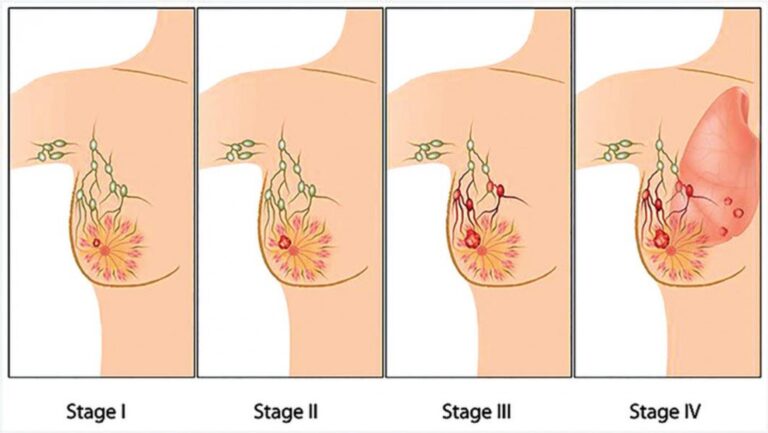
Stage 4 breast cancer, also known as metastatic breast cancer (MBC), is defined as breast cancer that has spread beyond the breast tissue and nearby lymph nodes to distant organs or tissues. The most common sites of spread include the bones, lungs, liver, and brain. The word “metastatic” simply means the cancer has travelled, or metastasised, to a location far from its point of origin.

Think of a stage 4 diagnosis less like a cliff edge and more like a fork in a long road. The path forward depends on where the cancer has spread, which molecular markers the tumour carries, which subtype of breast cancer it is, and what therapies your oncology team can deploy.

Here is the direct answer to the question most women ask first: Stage 4 breast cancer life expectancy in 2026 is no longer defined by a single statistic. According to data compiled by the National Cancer Institute’s SEER programme, the five-year relative survival rate for distant-stage breast cancer currently sits at approximately 28 to 30 percent. However, this figure draws on data from patients diagnosed in earlier years, before the most transformative treatments of today became available. Women diagnosed and treated right now, with access to current therapies, are achieving outcomes that significantly exceed these historical figures.

This distinction matters enormously. Survival statistics always lag behind clinical reality by several years. A five-year survival figure published today reflects the outcomes of women treated five to ten years ago, using tools that have often already been superseded.

One reason this topic is so profoundly underserved in mainstream health communication is precisely this lag. New treatments enter clinical use. Trials read out. Approvals are granted. But the population-level statistics that most people encounter online take years to catch up. By the time a headline survival figure reflects a new drug, that drug may already have been surpassed by the next generation.

What you need, then, is not just a statistic. You need to understand what is changing right now, at the level of actual clinical medicine. That is what this article is here to give you.


Understanding Your Subtype: Why Not All Stage 4 Breast Cancer Is the Same

Before examining the advancements themselves, it is worth briefly clarifying that metastatic breast cancer is not a single disease. Its molecular subtypes behave differently and respond to entirely different classes of treatment. This distinction is clinically critical.

Hormone receptor-positive, HER2-negative (HR+/HER2-) is the most common subtype, accounting for roughly 70 percent of all breast cancers. These tumours are driven by oestrogen or progesterone, making them responsive to hormone-blocking therapies. Most of the CDK4/6 inhibitor and endocrine therapy advances described below apply to this group.

HER2-positive breast cancer accounts for approximately 15 to 20 percent of cases. These tumours overexpress a protein called HER2, which stands for human epidermal growth factor receptor 2, a driver of rapid tumour cell division. Targeted anti-HER2 therapies have transformed outcomes for this subtype more than almost any other treatment development in the last two decades.

Triple-negative breast cancer (TNBC) represents around 10 to 15 percent of cases. These tumours lack oestrogen receptors, progesterone receptors, and HER2 expression. Historically the hardest to treat, TNBC has seen meaningful progress through immunotherapy combinations.

Knowing exactly which subtype you are dealing with is not just useful contextual information. It is the clinical foundation on which all treatment decisions in metastatic breast cancer should be built. If you are unsure of your receptor status, ask your oncologist to clarify this at your next appointment. It will help you make sense of every advancement described below.


8 Hopeful Advancements in Stage 4 Breast Cancer Life Expectancy 2026

These are not hypothetical possibilities or distant research promises. These are real, approved or rapidly emerging treatments that are reshaping survival outcomes for women with metastatic breast cancer right now.

1. CDK4/6 Inhibitors: Putting the Brakes on Tumour Cell Division

For women with HR+/HER2- metastatic breast cancer, CDK4/6 inhibitors have arguably been the single most transformative class of drugs in the past decade. Understanding why they work requires a brief look at the cell cycle.

CDK4 and CDK6 are proteins called cyclin-dependent kinases. In healthy tissue, they act as gatekeepers, regulating the precise moment when a cell is permitted to divide and replicate. In hormone receptor-positive breast cancer, this gating mechanism is frequently overridden, and cells divide in an uncontrolled, rapid cascade. CDK4/6 inhibitors work by blocking these proteins, essentially reinstating the brakes on tumour cell division.

Used in combination with standard hormone-blocking therapy, typically an aromatase inhibitor or fulvestrant, CDK4/6 inhibitors have produced results in clinical trials that represent a genuine step change in outcomes.

Data from multiple large-scale randomised controlled trials have demonstrated that adding a CDK4/6 inhibitor to hormone therapy can more than double progression-free survival compared to hormone therapy alone. Crucially, follow-up data from several of these trials have also confirmed an improvement in overall survival. This is an important distinction in oncology research. Demonstrating that a drug helps women live longer without disease progression is meaningful. Demonstrating that it helps women simply live longer is the gold standard, and CDK4/6 inhibitors have cleared that bar.

Three CDK4/6 inhibitors are currently in widespread clinical use internationally. They differ slightly in their dosing schedules, side-effect profiles, and available formulations, which means your oncologist can tailor the choice to your specific circumstances and tolerability. The most commonly reported side effects include a temporary reduction in white blood cell count, known as neutropenia, and fatigue. Both are carefully monitored throughout treatment and are manageable in the majority of patients.

It is worth noting that CDK4/6 inhibitors are taken orally, typically as daily or once-daily tablets, which many women find significantly more compatible with daily life compared to intravenous chemotherapy regimens.

If you have HR+/HER2- metastatic breast cancer and have not yet discussed CDK4/6 inhibitor therapy with your oncologist, or if you were diagnosed before these agents became the standard of care, this is a conversation worth initiating at your next appointment. Ask specifically whether a CDK4/6 inhibitor should be part of your current treatment plan and, if not, why not.
Cancer

2. Antibody-Drug Conjugates: Precision Delivery That Changes Everything

One of the most exciting categories of cancer treatment to emerge in recent years is the antibody-drug conjugate, commonly referred to as an ADC. The concept is deceptively elegant: take a highly potent chemotherapy drug and chemically attach it to an antibody that specifically recognises and binds to cancer cells. Instead of flooding the entire body with a toxic agent and accepting widespread collateral damage, the drug is delivered directly to the tumour cell, sparing healthy tissue.

Think of conventional chemotherapy as a broad-spectrum blast across an entire room. An ADC is a precision-guided delivery system that finds the target first, then releases its payload.

The most significant ADC currently reshaping outcomes in breast cancer is trastuzumab deruxtecan, which you may encounter under the brand name Enhertu. Originally developed for HER2-positive breast cancer, where it has produced dramatically improved outcomes over earlier-line HER2-targeted therapies, this drug has now achieved something extraordinary: meaningful clinical benefit in a population no one initially anticipated.

For many years, breast cancer was classified in binary terms as either HER2-positive or HER2-negative. However, research revealed that a large proportion of tumours classified as HER2-negative actually express very low levels of HER2 protein, a category now formally designated as HER2-low. This group was previously considered ineligible for HER2-targeted therapy because their expression levels were too low to be actionable with older treatments.

The DESTINY-Breast04 trial changed this entirely. Women with HER2-low metastatic breast cancer who received trastuzumab deruxtecan demonstrated significantly improved progression-free and overall survival compared to the physician’s choice of chemotherapy. This is a paradigm shift in how a substantial proportion of breast cancer patients are classified and treated.

For women with HER2-positive metastatic breast cancer, additional ADCs including trastuzumab emtansine have been available for several years, and newer agents in this class continue to show promise in ongoing trials.

The practical implication for you: ask your oncologist whether your pathology report includes HER2-low status. If your tumour has been classified as HER2-negative but has not been specifically assessed for low-level HER2 expression, request that assessment. It may open a treatment pathway you were previously told was not available to you.

3. PARP Inhibitors: Turning Cancer’s Own Weakness Against It

Approximately 5 to 10 percent of all breast cancers are linked to inherited mutations in the BRCA1 or BRCA2 genes. When functioning normally, these genes are essential guardians of DNA integrity, coordinating repair processes that prevent genetic damage from accumulating and driving abnormal cell growth. When BRCA1 or BRCA2 is mutated, this repair function is compromised, and the cells become significantly more vulnerable to DNA damage.

PARP inhibitors exploit this vulnerability with a mechanism that is, clinically speaking, one of the more elegant strategies in modern oncology.

PARP, which stands for poly ADP-ribose polymerase, is another DNA repair enzyme. In normal cells, PARP provides a backup DNA repair pathway. In cells where BRCA1 or BRCA2 is already non-functional, PARP represents one of the few remaining repair mechanisms. When you inhibit PARP in a BRCA-mutated cancer cell, you remove that last safety net. The cell, already struggling to manage DNA damage with a defective BRCA gene, is unable to repair itself through any available route. The result is a cascade of irreparable DNA breaks, and the cancer cell collapses. This mechanism is known as synthetic lethality, a term that describes the phenomenon whereby two individually non-lethal impairments become lethal when combined.

Clinical trial data, including the OlympiAD study for olaparib and the EMBRACA trial for talazoparib, have demonstrated that PARP inhibitors extend progression-free survival compared to standard single-agent chemotherapy in patients with germline BRCA1 or BRCA2 mutations and HER2-negative metastatic breast cancer. Crucially, these are oral drugs taken daily, which most women find considerably more manageable than intravenous chemotherapy regimens.

If you have a personal or family history of breast cancer, ovarian cancer, or other BRCA-related malignancies and have not yet undergone genetic counselling and testing for BRCA1 and BRCA2 mutations, this is a clinical priority. A positive result is not simply a treatment consideration for you. It is vital information for your first-degree relatives as well. Ask your oncologist for a referral to a genetic counsellor.

4. Immunotherapy: Activating the Body’s Most Sophisticated Defence System

For women with triple-negative breast cancer, immunotherapy has opened a chapter that genuinely did not exist five years ago.

Your immune system is designed to identify and destroy abnormal cells, including those that become cancerous. Many tumours, however, have evolved mechanisms to evade this surveillance, in effect hiding from the immune system by displaying specific molecular signals that tell immune cells to stand down. Checkpoint inhibitors, the most widely used class of cancer immunotherapy, work by blocking these “stand down” signals, thereby allowing the immune system to recognise and mount an attack against the tumour.

The checkpoint inhibitor pembrolizumab, which targets the PD-1 pathway, has been approved in combination with chemotherapy for early-stage, high-risk, PD-L1-positive triple-negative breast cancer. The PD-L1 biomarker indicates whether the tumour is expressing the specific molecular signal that the drug is designed to block. The KEYNOTE-522 trial demonstrated that adding pembrolizumab to chemotherapy significantly improved pathological complete response rates in early TNBC, meaning a meaningfully larger proportion of women showed no detectable cancer in their breast or lymph nodes after treatment. This has significant implications for long-term recurrence risk and overall outcomes.

In the metastatic TNBC setting, ongoing clinical trials are investigating immunotherapy in combination with newer agents including antibody-drug conjugates, with early signals suggesting meaningful additive activity. The field is moving with considerable speed.

It is important to note that immunotherapy is not universally effective across all TNBC. Biomarker testing, specifically testing the tumour for PD-L1 expression, is essential before initiating this class of treatment and should be considered standard of care. If you have TNBC and have not had your tumour assessed for PD-L1 status, ask your oncologist about this test.

5. PI3K and AKT Pathway Inhibitors: Targeting the Resistance Escape Route

One of the most common reasons that HR+/HER2- metastatic breast cancer eventually stops responding to oestrogen-blocking therapy is the activation of an alternative cellular growth pathway: the PI3K/AKT/mTOR signalling cascade. Think of this pathway as a cellular motorway that carries growth signals deep into the nucleus, instructing the cell to continue dividing even when oestrogen is no longer available to fuel it. When this pathway becomes constitutively active, cancer cells effectively bypass the blockade that hormone therapy creates.

The mutation most frequently responsible for this bypass is found in the PIK3CA gene, which is present in approximately 40 percent of HR+/HER2- breast cancers. Alpelisib is a PI3K inhibitor specifically designed to block the protein produced by this mutated gene. The SOLAR-1 trial demonstrated that combining alpelisib with fulvestrant, a standard hormone-blocking drug, significantly improved progression-free survival in patients with PIK3CA-mutated, HR+/HER2- advanced breast cancer who had previously received hormone therapy.

More recently, capivasertib, which targets the AKT protein further downstream within the same signalling pathway, has demonstrated clinical benefit in the CAPItello-291 trial in combination with fulvestrant. The important distinction is that capivasertib shows activity regardless of PIK3CA mutation status, which potentially broadens the population of women who may benefit.

These agents carry specific side effects that require monitoring and proactive management, most notably elevated blood glucose, known as hyperglycaemia, and skin rashes. Your oncology team should discuss these with you in advance and establish a monitoring plan before you begin treatment.

Testing for PIK3CA mutation status, which can be done using either tumour tissue or a liquid biopsy from a blood sample, should now be considered standard of care in the management of HR+/HER2- metastatic breast cancer. If you have not yet been tested for this mutation, ask your oncologist specifically.

6. Oral SERDs and Next-Generation Endocrine Therapy: Beyond the Aromatase Inhibitor Era

When hormone-blocking therapy stops working in HR+/HER2- metastatic breast cancer, one of the most common mechanisms underlying this resistance is the acquisition of mutations in the oestrogen receptor gene itself, known as ESR1 mutations. These mutations alter the shape of the oestrogen receptor in a way that allows it to remain permanently active, even in the complete absence of oestrogen. This is the cancer effectively rewiring its own receptor so that the switch is stuck in the “on” position, regardless of whether the hormone that normally flips the switch is present.

Elacestrant is a next-generation oral selective oestrogen receptor degrader, or SERD, designed specifically to overcome ESR1 mutations. Unlike fulvestrant, which requires monthly intramuscular injections and has limitations in terms of bioavailability, elacestrant is taken as a single daily oral tablet. The EMERALD trial demonstrated that elacestrant significantly improved progression-free survival in women with ESR1-mutated HR+/HER2- metastatic breast cancer who had previously received a CDK4/6 inhibitor plus hormone therapy.

This is clinically meaningful for several reasons. ESR1 mutations do not typically exist at the time of initial diagnosis. They emerge over time as a resistance mechanism following exposure to aromatase inhibitors. Liquid biopsy, described in the following section, can now detect these mutations in circulating tumour DNA before they cause visible disease progression, allowing earlier switching to an agent like elacestrant before the cancer advances.

Several additional oral SERDs are currently in clinical trials at various stages of development, with preliminary data suggesting they may have roles in earlier lines of therapy as well. The shift from injectable to oral endocrine therapy is not simply a convenience improvement. It represents a meaningful quality-of-life advancement for women managing treatment over months and years.

If you are currently receiving fulvestrant after hormone therapy resistance and have not been tested for ESR1 mutations, ask your oncologist about liquid biopsy testing to inform whether an oral SERD might be appropriate for you.

7. Liquid Biopsy and Comprehensive Genomic Profiling: The Power of Knowing More

One of the quieter but genuinely transformative advances in the management of metastatic breast cancer over recent years is the clinical integration of liquid biopsy, a simple blood test that detects fragments of tumour DNA circulating in the bloodstream. This technology analyses what is known as circulating tumour DNA, or ctDNA, and the implications for treatment decision-making are profound.

Consider the limitations of a conventional tissue biopsy. It captures a snapshot of one region of the tumour at one point in time. But tumours are not static. They evolve under the pressure of treatment, developing new mutations as they acquire resistance. A biopsy performed at the time of initial diagnosis may not reflect the molecular landscape of the same tumour two years later, particularly after it has been exposed to several lines of therapy.

Liquid biopsy addresses this limitation elegantly. It can identify specific genetic mutations driving the cancer at any given moment, including PIK3CA mutations and ESR1 mutations, without requiring an invasive tissue procedure. This allows oncologists to track tumour evolution in real time and to make treatment changes based on current molecular data rather than outdated pathology.

Furthermore, liquid biopsy can detect rising ctDNA levels before a tumour becomes visible on a conventional imaging scan. This provides an early warning of disease progression, sometimes weeks or months ahead of radiological evidence, enabling treatment switches to be made proactively rather than reactively.

Comprehensive genomic profiling of tumour tissue using next-generation sequencing adds another layer of precision. This technology can identify rare or unusual mutations that make a cancer eligible for targeted therapies or clinical trials it would not otherwise qualify for. Some of these mutations are present only in a small percentage of breast cancers but are highly actionable with specific drugs already in development or in trials.

As I’ve seen with many patients, those who undergo comprehensive genomic profiling of their metastatic tumour frequently discover treatment options that were simply not on the initial plan. This is not because their original oncology team was uninformed. It is because the technology to identify these opportunities has matured significantly and is now more widely available than it was even three years ago.

If you have not had either a liquid biopsy or comprehensive genomic profiling of your metastatic disease, ask your oncologist directly about accessing these tests. In many healthcare systems, they are now covered by insurance or available through clinical trials, and the information they provide can change the treatment conversation significantly.

8. Integrative Survivorship Care: Living Well, Not Just Living Longer

Perhaps the most underappreciated shift in metastatic breast cancer care over the last five years is not a drug at all. It is a change in philosophy. Metastatic breast cancer is now increasingly managed as a chronic condition to be lived with, rather than treated purely as an acute crisis. This shift has driven meaningful changes in how comprehensive care is delivered.

Bone health management has become a critical and formally integrated component of care, particularly for women with bone metastases or those receiving aromatase inhibitor therapy, which accelerates bone mineral loss. Bone-strengthening agents, including bisphosphonates and RANK-L inhibitors, are now routinely incorporated into treatment plans, where they reduce the risk of skeletal-related events such as fractures. Some analyses have also identified modest anti-tumour effects from these agents, which is an additional consideration when discussing treatment decisions with your oncologist.

Palliative care, which is frequently and incorrectly equated in the public mind with end-of-life care, is now recognised across oncology as a clinical discipline that should be integrated from the point of metastatic diagnosis. Research has consistently demonstrated that early palliative care integration improves quality of life, symptom control, and treatment tolerability. Notably, some well-designed studies have identified a modest overall survival benefit associated with early palliative care involvement, a finding that challenges the assumption that survival and comfort-focused care are competing priorities.

Psychological support has moved from the periphery of metastatic breast cancer care to a recognised clinical necessity. Living with stage 4 breast cancer carries a significant and often underacknowledged psychological burden. Unmanaged anxiety, depression, and post-traumatic stress symptoms impair treatment adherence, disrupt sleep, worsen fatigue, and reduce quality of life in measurable ways. Cognitive behavioural therapy, structured peer support, and, where clinically appropriate, pharmacological support are all part of a comprehensive survivorship approach.

Exercise prescription, nutritional guidance, and sleep support have all been shown in multiple trials to reduce cancer-related fatigue, improve treatment tolerability, and enhance wellbeing in women with metastatic cancer. Exercise in particular, even moderate, regular movement, has been shown to reduce fatigue, the most commonly reported and disabling symptom in this population, and emerging data suggest it may have modest effects on disease biology as well.

According to Mayo Clinic’s comprehensive resource on breast cancer treatment and care, an integrated approach to care that addresses physical wellbeing, emotional health, and symptom management alongside active oncological treatment is associated with better overall outcomes for women with advanced breast cancer. You deserve this standard of care. If survivorship support is not currently part of your treatment plan, ask your oncology team how to access it.


In My 19 Years of Clinical Practice, What I’ve Seen Most Often Is This

In my 19 years of clinical practice, what I’ve seen most often is women arriving at a consultation after a stage 4 diagnosis holding a printed sheet from the internet, reading a median survival figure that makes the room feel very small. And then I have watched those same women, carefully navigated through the landscape of modern treatment, return to clinic five years later talking about a holiday they have just booked, a milestone they are planning for, an ordinary Tuesday that felt like a gift.

The statistics have never captured this. They were never designed to. Statistics describe populations. Medicine, at its best, treats individuals.

What I have consistently observed is that the women who achieve the most meaningful and sustained outcomes are those who are actively engaged in their own care. They ask for genomic profiling. They seek second opinions at specialist centres when something feels incomplete. They ask their oncologist directly whether clinical trials are an option. They take seriously the role of sleep, movement, psychological support, and nutrition alongside their clinical treatment. They do not accept vague answers to specific questions.

I have also seen, more times than I would like, the cost of care that is not kept up to date with current evidence. New treatments receive approval with increasing frequency. Academic cancer centres and specialist metastatic breast cancer clinics have access to emerging therapies and clinical trial networks that general oncology practices may not. A second opinion from a centre that specialises in metastatic breast cancer is not an act of disloyalty toward your current team. It is a clinical imperative. The women who pursue them often come back with new options on the table.

You are entitled to the best available care. Do not accept less.


When to See a Specialist: Red Flags That Warrant Urgent Attention

Metastatic breast cancer requires expert, ongoing management. But there are specific circumstances in which you should not wait until your next scheduled appointment.

Bone pain that develops suddenly or worsens significantly over one to two weeks, particularly in the spine or hips, warrants an urgent call to your oncology team the same day. Bone metastases can predispose to fractures, and involvement of the spinal cord, while uncommon, can cause neurological damage if not addressed promptly. Describe the location, severity, and rate of onset clearly when you call.

New or rapidly worsening headaches, visual disturbances, confusion, difficulties with balance, or coordination problems may indicate brain metastases. Contact your oncology team the same day or go to your nearest emergency department. Brain metastases are treatable, particularly with stereotactic radiosurgery, but they require prompt imaging and evaluation.

Significant new shortness of breath may suggest a pleural effusion, which is fluid accumulating around the lung, or disease involvement of the lungs themselves. This warrants urgent review, ideally the same day, either with your oncology team or through your emergency department.

Signs of liver involvement, including yellowing of the skin or the whites of the eyes (jaundice), sudden and significant reduction in appetite, or rapid abdominal distension, should prompt contact with your oncology team within 24 to 48 hours. These symptoms may indicate hepatic disease progression requiring prompt reassessment of your treatment plan.

Any acute neurological change, including sudden weakness affecting one side of the body, speech difficulties, or severe and unexplained dizziness, requires emergency medical attention regardless of the time of day or night.

Beyond acute symptoms, if you feel that your current treatment team is not offering you access to current genomic profiling, clinical trial participation, or up-to-date targeted therapies, this is a legitimate and important reason to seek a second opinion at a specialist cancer centre or academic medical institution. Ask your oncologist for a referral to a metastatic breast cancer specialist or request a multidisciplinary tumour board review of your case. You are entitled to this.


You Are Not a Statistic: Moving Forward with Hope and Clarity

If this article gives you one thing to hold onto, let it be this: the stage 4 breast cancer life expectancy data you encounter in 2026 does not tell the full story of what is possible under current treatment.

CDK4/6 inhibitors have transformed hormone receptor-positive metastatic breast cancer into a condition where years of progression-free life are a realistic expectation for many women. Antibody-drug conjugates have opened doors for HER2-low patients who were previously told targeted therapy was not an option for them. PARP inhibitors offer precision medicine for BRCA mutation carriers. Immunotherapy has redrawn the map for triple-negative breast cancer. Liquid biopsy and genomic profiling are making treatment decisions more precise and more personalised than at any point in the history of oncology. And integrative survivorship care is ensuring that women do not simply live longer, but live better.

According to the National Cancer Institute’s patient guide to breast cancer treatment, precision medicine approaches based on the specific molecular characteristics of a tumour are now central to the standard of care for metastatic breast cancer. You deserve access to this level of individualised treatment.

Your most concrete next step is this: if you have not yet had comprehensive genomic profiling of your metastatic tumour, bring it up at your next appointment. Ask your oncologist what the results would tell you, which treatment decisions it would inform, and how to access the test if it is not already scheduled. That conversation may be the most important one you have this year.

Share this article with someone who needs it tonight. A diagnosis like this is rarely carried alone, and the people who love you deserve to understand what is possible too.

Drop a comment below and tell us what has helped you most. Your story matters more than you know. It may be exactly the thread of hope that someone else is searching for at 2:47 in the morning.


Medical Disclaimer: This article is for informational purposes only and does not constitute medical advice. Always consult a qualified healthcare provider before making any changes to your health or treatment plan.


 

7 Proven Fertility Treatments That Can Help You Get Pregnant Faster in 2025

You have been doing everything “right,” and still, nothing. If that sentence hit somewhere deep, this article was written for you.

Fertility conversations in a doctor’s office often stop at the standard checklist: eat well, reduce stress, track your cycle, and “just keep trying.” What they don’t always tell you is that there is a growing body of evidence behind specific, actionable strategies that can meaningfully shift the odds in your favor. These are not miracle cures. They are not internet myths. They are evidence-informed approaches that reproductive medicine specialists are increasingly recommending to women who want to optimize every possible advantage before, during, or alongside conventional treatment.

The landscape of reproductive health has changed dramatically heading into 2025. The World Health Organization estimates that infertility affects 1 in 6 people of reproductive age at some point in their lives, and as demand for fertility services rises worldwide, access to care remains severely limited in many regions. At the same time, new research is revealing that lifestyle, nutrition, targeted supplementation, and integrative therapies can all play a genuine supporting role in fertility outcomes, whether you are trying naturally or working with a clinic.

This guide covers seven proven fertility treatments and strategies that deserve far more spotlight than they get. Each section explains what the approach is, how to do it correctly, what the science says, and what realistic results look like. No fluff, no false promises. Just clear, practical information that puts you back in the driver’s seat.

Pregnant


1. CoQ10 Supplementation: The Proven Fertility Treatment That Targets Egg Quality at the Cellular Level

If you have only ever heard of CoQ10 in the context of heart health, you are not alone. But inside fertility circles, this antioxidant has quietly become one of the most widely recommended supplements for women trying to conceive, particularly those over 35 or dealing with diminished ovarian reserve.

Coenzyme Q10 is a molecule your body produces naturally. Its primary job is to support energy production inside cells, specifically inside the mitochondria, which are the tiny power plants that keep your cells running. Here is why that matters for fertility: egg cells have extraordinarily high energy demands. From the moment an egg begins maturing through fertilization and the first days of embryo growth, it relies almost entirely on its own mitochondrial energy stores. When those stores are compromised by aging, oxidative stress, or nutritional gaps, egg quality suffers.

A 2025 review published in Frontiers in Cell and Developmental Biology confirms that CoQ10’s antioxidant characteristics have shown promise in enhancing oocyte quality and boosting pregnancy rates, making it a prominent focus of current reproductive research. Importantly, the same review notes that combining CoQ10 with other adjunctive treatments, such as vitamins and acupuncture, produces significantly stronger results than CoQ10 alone.

How to take it correctly:

  • The typical fertility dosage ranges from 200mg to 600mg daily, depending on age and individual circumstances
  • Choose a “ubiquinol” form or a micronized CoQ10 product, as these are absorbed far more effectively by the body than standard capsules
  • Start at least 60 to 90 days before you want to conceive, since egg maturation takes approximately three months
  • Take it with a meal that contains healthy fat, as CoQ10 is fat-soluble

What conditions it helps most:

  • Women over 35 with age-related decline in egg quality
  • Diminished ovarian reserve (low egg count)
  • Poor response to ovarian stimulation in IVF cycles
  • Polycystic ovary syndrome (PCOS), where hormonal instability affects egg development

Realistic timeline: Most research uses a minimum 60-day supplementation window. Some women begin to see improved ovarian response and embryo quality after one full egg maturation cycle, which is roughly three months.

A note worth including: CoQ10 is generally safe, widely available, and relatively affordable. That said, always discuss supplementation with your doctor, especially if you are already on fertility medications.


2. The Mediterranean Diet: A Proven Fertility Treatment Hiding in Plain Sight on Your Plate

Nobody wants another lecture about eating vegetables. But the Mediterranean diet deserves a moment because it is not just vaguely “good for you.” It has been specifically studied in relation to fertility outcomes, and the data is genuinely encouraging.

The Mediterranean dietary pattern emphasizes fruits, vegetables, whole grains, legumes, olive oil, fish, and nuts, while naturally limiting processed foods, refined carbohydrates, and red meat. What makes it uniquely relevant to fertility is its powerful anti-inflammatory effect. Chronic low-grade inflammation is increasingly recognized as a disruptor of ovulation, implantation, and hormonal balance.

Dietary components that have a positive influence on ovulation include carbohydrates with a low glycemic index, plant protein, monounsaturated and polyunsaturated fatty acids, folic acid, vitamin D, and antioxidants. Eating habits structured around the Mediterranean diet appear particularly beneficial due to its anti-inflammatory properties. On the flip side, the same research identifies high-glycemic refined carbs, saturated fats, and trans fats as negatively affecting ovulation and increasing oxidative stress.

How to apply it practically:

  • Swap refined carbs (white bread, white rice) for whole grains like farro, quinoa, or barley
  • Replace processed vegetable oils with extra virgin olive oil as your primary cooking fat
  • Aim for two to three servings of fatty fish per week, including salmon, sardines, or mackerel
  • Fill half your plate with colorful vegetables at most meals
  • Snack on a small handful of walnuts or almonds rather than packaged food

Why it works for fertility specifically:

Omega-3 fatty acids from fish support healthy hormone signaling and reduce inflammation in the reproductive tract. Antioxidants from fruits and vegetables combat the oxidative stress that damages eggs and disrupts the uterine environment. Legumes and whole grains provide slow-releasing carbohydrates that keep blood sugar and insulin levels stable, which is particularly important for women with PCOS or irregular cycles.

What to expect: This is not a quick fix, but research consistently shows that dietary shifts sustained over three to six months can improve ovarian function, regulate cycles, and support a healthier uterine lining. Think of it as building a better foundation, one meal at a time.


3. Targeted Cycle Tracking: The Proven Fertility Treatment That Most Women Aren’t Doing Accurately

You have probably heard that timing intercourse around ovulation matters. What often gets lost in that advice is just how narrow the fertile window actually is, and how easy it is to miss it entirely without a reliable tracking method.

Here is something worth knowing: a woman is typically fertile for only five to six days per cycle. Sperm can survive in the reproductive tract for up to five days, but an egg is only viable for twelve to twenty-four hours after ovulation. This means the highest-pregnancy-rate timing is actually the two to three days before ovulation, not the day of ovulation itself. Many couples miss this window repeatedly simply because they are tracking inaccurately.

Modern cycle tracking has come a long way from counting calendar days. Today, women have access to a combination of tools that, used together, provide a much more precise picture of their individual fertility window.

The three-method approach:

  • Basal body temperature (BBT): Your resting temperature rises by a small but measurable amount after ovulation, typically 0.2 to 0.5 degrees Celsius. Tracking this daily, first thing in the morning before getting out of bed, builds a pattern over several months that helps you predict ovulation timing more accurately.
  • LH surge testing: Luteinizing hormone surges roughly 24 to 36 hours before ovulation. Over-the-counter urine tests detect this surge and give you your best advance warning. Digital tests tend to be more reliable than line-comparison strips for first-time trackers.
  • Cervical mucus observation: As ovulation approaches, cervical fluid shifts from dry or cloudy to clear, slippery, and stretchy, similar in texture to raw egg white. This is your body’s own biological signal that fertile days are underway.

Using all three methods together dramatically reduces the chance of miscalculating your window. Apps like Clue, Natural Cycles, and Ovia can help you log and interpret patterns over time, though they work best when fed consistent, accurate data.

Who benefits most: Women with irregular cycles, PCOS, or thyroid conditions often experience unpredictable ovulation timing and benefit enormously from multi-method tracking rather than relying on calendar calculations alone.


4. Acupuncture: An Integrative Proven Fertility Treatment Worth a Serious Second Look

Acupuncture occupies a complicated position in fertility conversations. It has passionate advocates, appropriately cautious scientists, and a growing body of research that is encouraging without being conclusive. Understanding what the evidence actually says, rather than what enthusiasts or skeptics claim, is the most useful place to start.

Techniques such as mindfulness-based stress reduction, acupuncture, and targeted nutritional plans are gaining traction as complementary therapies in 2025, and by addressing lifestyle factors alongside medical treatments, patients are better supported in achieving successful pregnancies and overall wellness. Acupuncture in fertility contexts is theorized to work through several pathways: improving blood flow to the ovaries and uterus, modulating the hormonal axis, reducing the stress hormones that can suppress reproductive function, and potentially improving the receptivity of the uterine lining.

When researchers analyzed the results of multiple studies, they found acupuncture is correlated with improved fertility markers like clinical pregnancy and live birth rates, especially when performed at higher frequency.

How to approach it practically:

  • Look for a licensed acupuncturist with specific training in reproductive health or Traditional Chinese Medicine fertility protocols
  • Most fertility-focused acupuncture protocols involve weekly sessions, often timed around different phases of the menstrual cycle
  • If you are undergoing IVF, some research has focused specifically on acupuncture sessions performed on or around embryo transfer day, though evidence here remains mixed
  • Give any acupuncture protocol at least two to three full menstrual cycles before evaluating its effect

What conditions it may help most:

  • Stress-related cycle irregularity
  • Poor blood flow to the uterus, which can affect implantation
  • Hormonal imbalances affecting ovulation quality
  • Supporting emotional wellbeing through the fertility journey, which itself has measurable physiological effects

The honest answer is that acupuncture is unlikely to transform outcomes on its own. But as part of a comprehensive approach that also includes nutrition, supplementation, and medical care, the evidence suggests it earns its place.


5. Vitamin D Optimization: The Overlooked Proven Fertility Treatment Sitting in Your Blood Panel

If you have had a recent blood panel done and no one mentioned your vitamin D level in relation to your fertility, you are not alone. And yet, vitamin D deficiency is extraordinarily common, affecting an estimated 40 to 50% of reproductive-age women globally, and its link to fertility outcomes is stronger than most people realize.

Vitamin D is not just a vitamin in the traditional sense. It functions more like a hormone, influencing gene expression throughout the body, including in the ovaries, uterus, and endometrium. Receptors for vitamin D have been found in eggs, sperm, and the cells lining the uterus, suggesting it plays active roles throughout the conception process.

Sufficient vitamin D levels help regulate reproductive hormones such as estrogen and progesterone, which are vital for regular menstrual cycles and preparing the uterine lining for pregnancy. Optimal vitamin D levels support ovulation, the development of healthy eggs, and a more receptive uterine lining.

How to optimize your vitamin D for fertility:

  • Get your 25-hydroxyvitamin D blood level tested. This is a simple, inexpensive test that your GP can order
  • Optimal levels for fertility are generally considered to be between 40 and 80 ng/mL, though many labs flag deficiency only below 20 ng/mL, leaving a significant gap where many women sit
  • If you are deficient, supplementing with 2,000 to 4,000 IU daily of vitamin D3 (not D2) alongside a vitamin K2 supplement helps ensure proper absorption and calcium metabolism
  • Sun exposure for 15 to 20 minutes daily on exposed skin during peak hours provides natural vitamin D, though this varies significantly by geography, skin tone, and season

What to expect: Blood levels typically respond to supplementation within eight to twelve weeks. Many women with unexplained infertility, recurrent implantation failure in IVF, or PCOS find that optimizing vitamin D was an overlooked piece of a larger puzzle.

Important: Do not supplement at very high doses without testing and monitoring. Vitamin D toxicity, while rare, is possible and requires blood level confirmation before high-dose protocols.


6. Stress Reduction Through Targeted Mind-Body Practices: A Proven Fertility Treatment With Measurable Biological Effects

Telling someone who is struggling to conceive to “just relax” is one of the most well-meaning yet tone-deaf pieces of advice imaginable. It is also slightly ironic, because while casual stress management advice misses the mark, there is real and growing evidence that chronic psychological stress does measurably affect reproductive hormones and ovulation quality.

Chronic stress elevates cortisol, the body’s primary stress hormone. Elevated cortisol suppresses the release of GnRH, the hormone that triggers the cascade of hormonal signals responsible for ovulation. It also disrupts the delicate balance between estrogen and progesterone, which can shorten the luteal phase or disrupt implantation. The effect is not dramatic in mild or short-term stress, but in women who are chronically activated, the hormonal impact is real.

The good news is that targeted mind-body practices have measurable biological effects, not just psychological ones. The WHO’s first global guideline on infertility, published in 2025, emphasizes the need to ensure ongoing access to psychosocial support for all those affected by infertility, recognizing the emotional toll, which can lead to depression, anxiety, and feelings of social isolation.

Practices with the strongest evidence base:

  • Mindfulness-based stress reduction (MBSR): An 8-week structured program developed at the University of Massachusetts that combines meditation, body scanning, and mindful movement. Multiple studies have found it reduces cortisol levels and improves psychological wellbeing in women undergoing fertility treatment
  • Yoga: Fertility-focused yoga classes combine gentle movement with breathwork and stress-reduction techniques. Two to three sessions per week of moderate-intensity yoga has been associated with lower cortisol and improved ovarian blood flow in some studies
  • Cognitive behavioral therapy (CBT): For women experiencing significant anxiety or depression related to their fertility journey, CBT with a therapist familiar with reproductive health is one of the most evidence-backed interventions available
  • Regular, moderate-intensity exercise: Not excessive training, which can suppress ovulation, but 150 minutes per week of moderate activity like walking, swimming, or cycling reduces systemic inflammation and improves hormonal balance

What to avoid: Very high-intensity exercise, including marathon training and competitive CrossFit programming, has been associated with reduced LH pulsatility and disrupted ovulation in some research. Moderation is the operative word.


7. Pre-Conception Testing and Personalized Medicine: The Proven Fertility Treatment That Starts With Knowing Your Numbers

One of the most empowering shifts in fertility care in 2025 is the move toward genuinely personalized, data-driven approaches. Rather than treating every woman on a standard protocol, leading clinics and an increasing number of forward-thinking OB-GYNs are beginning reproductive journeys with comprehensive testing that reveals a woman’s specific physiological picture.

Many women spend months or years trying to conceive without ever knowing key markers that could change their entire approach. Getting clear on your baseline is not medical overkill. It is strategy. According to the American College of Obstetricians and Gynecologists, a fertility evaluation is appropriate after 12 months of unprotected sex if you are under 35, or after 6 months if you are 35 or older. However, baseline testing earlier than this can reveal actionable information that shapes your conception approach immediately.

Key markers worth knowing:

  • AMH (Anti-Mullerian Hormone): The most reliable marker of ovarian reserve. It reflects the remaining egg supply and helps predict how your ovaries are likely to respond to stimulation. This is particularly useful for women over 32 or those with a family history of early menopause
  • FSH and estradiol (Day 3 levels): These hormones, measured on the third day of your menstrual cycle, provide a snapshot of how hard your pituitary gland is working to stimulate your ovaries. Elevated FSH can indicate reduced reserve
  • Thyroid function (TSH, Free T4): Thyroid dysfunction is one of the most commonly overlooked contributors to irregular cycles, difficulty conceiving, and early pregnancy loss. An underactive or overactive thyroid can be treated effectively once identified
  • Prolactin: Elevated prolactin can suppress ovulation even in women with apparently normal cycles
  • Fasting insulin and blood glucose: Particularly relevant for women with PCOS or a family history of diabetes, since insulin resistance is a key driver of ovulatory dysfunction

Genetic profiling now allows clinicians to customize treatment plans based on an individual’s unique genetic makeup, analyzing specific genetic markers and variations to predict how a patient might respond to particular medications and protocols. This tailored approach minimizes trial-and-error in finding the right treatment, potentially reducing the number of cycles required to achieve pregnancy.

Understanding these numbers does not require an immediate referral to a fertility specialist. Many of these tests can be ordered through your general practitioner or OB-GYN and can be done alongside natural conception efforts. The goal is to stop guessing and start working with your body’s actual data.

For women already working with a fertility clinic, the Mayo Clinic’s comprehensive fertility guide outlines the full spectrum of diagnostic and treatment options available at various stages of the fertility journey, from initial evaluation through assisted reproductive technology.


Comparison Table: 7 Proven Fertility Treatments at a Glance

Treatment Primary Benefit Best For Time to See Effect Difficulty Level Cost Range
CoQ10 Supplementation Improves egg quality and mitochondrial energy Women 35+, low ovarian reserve, IVF patients 60 to 90 days Easy Low (20 to 60 USD/month)
Mediterranean Diet Reduces inflammation, supports hormone balance All women; especially PCOS, irregular cycles 3 to 6 months Moderate Low to medium
Targeted Cycle Tracking Pinpoints the fertile window accurately All women; especially irregular cycles Immediate to 1 cycle Easy to moderate Low (free apps + OPK strips)
Acupuncture Improves uterine blood flow, reduces stress Stress-related infertility, IVF support 2 to 3 cycles Easy (passive) Medium (50 to 150 USD/session)
Vitamin D Optimization Supports ovulation, uterine receptivity, hormone balance Women with deficiency, unexplained infertility 8 to 12 weeks Easy Low (5 to 30 USD/month supplement + blood test)
Mind-Body Stress Reduction Reduces cortisol, supports hormonal regulation Chronically stressed women, IVF patients 4 to 8 weeks Moderate Low to medium
Pre-Conception Testing Reveals individual fertility picture for targeted action All women trying to conceive Immediate results Easy (blood draw) Low to medium (varies by insurance)

A Note on What “Proven” Actually Means in Fertility Research

It would be dishonest to present any of the above as guaranteed pregnancy strategies. Fertility research is genuinely complex, partly because conception is a multifactorial event that involves the health of both partners, timing, genetics, and factors that medicine cannot yet fully quantify.

What “proven” means in this context is that each of these strategies has supporting evidence from peer-reviewed research, is recommended by at least some reproductive medicine specialists, carries a low risk of harm, and addresses a real biological mechanism relevant to conception. None of them replace medical care. All of them are best discussed with your doctor or a reproductive endocrinologist, who can help you prioritize the approaches most relevant to your specific situation.

Fertility is not a problem to be solved by willpower or by buying every supplement on the shelf. It is a biological process that responds to the right conditions, and your job is to create as many of those right conditions as you can, systematically and patiently.


Conclusion: You Have More Tools Than You Think

The fertility journey is one of the most emotionally demanding experiences a person can navigate. It is filled with hope, disappointment, information overload, and the persistent, exhausting feeling that you must be missing something.

What this guide has hopefully demonstrated is that there is no single missing thing. There is a toolkit, and most of it is accessible, evidence-supported, and within your reach right now. CoQ10, the Mediterranean diet, precise cycle tracking, acupuncture, vitamin D, stress reduction, and comprehensive testing are not alternatives to medical care. They are powerful companions to it.

The women who tend to feel most grounded in their fertility journey are not necessarily the ones with the easiest path. They are the ones who feel genuinely informed about their own bodies, who know their numbers, who have built sustainable daily habits, and who have assembled a support system that includes both good medicine and good self-care.

Start with one strategy. Master it. Then add another. And give each approach the time it needs to work, because your body, with the right support, is far more capable than you may currently believe.


You’re Not Doing This Alone

Share this guide with a friend who is quietly struggling with her own fertility journey. Sometimes the most powerful thing you can do for someone is hand them information they didn’t know they needed.

Drop a comment below: Which of these seven strategies are you already using, and which one surprised you the most? Your experience might be exactly what another reader needs to hear.


This article is for informational purposes only and does not constitute medical advice. Always consult a qualified healthcare provider before beginning any new supplement, dietary change, or treatment protocol, especially if you have been diagnosed with a fertility-related condition or are currently undergoing fertility treatment.

How to Tighten Your Vagina Naturally: 5 Evidence-Based Methods That Actually Work According to Pelvic Health Physiotherapists

You sneeze and something leaks. Sex doesn’t feel the same. And nobody warned you this would happen.

If that sentence just made you inhale sharply and nod your head, you are in the right place. Millions of women live with weakened pelvic floor muscles after childbirth, hormonal changes, or simply the passage of time, and the vast majority suffer in silence because nobody taught them what to do about it.

Here is the thing nobody tells you in the delivery room: vaginal laxity and pelvic floor weakness are not permanent sentences. They are muscle problems, and muscles respond to targeted training. The same way a physiotherapist would rehabilitate a torn hamstring, a pelvic health physiotherapist uses evidence-based techniques to restore tone, function, and confidence to the pelvic region.

This guide brings you exactly those techniques, researched and verified against the latest clinical literature and the practice recommendations of pelvic health physiotherapists. Whether you are six weeks postpartum, three years postpartum, or simply noticing changes in your body that nobody put a name to, what follows is a clear, practical, science-backed roadmap for reclaiming your pelvic floor.

No creams. No gadgets you have to explain to your partner. No surgery. Just your body, correctly trained.


Understanding What “Tightening Your Vagina Naturally” Actually Means

Before diving into the methods themselves, it helps to be precise about what is actually happening in your body, because the language around this topic is often vague in ways that mislead people.

The vagina itself is not a muscle in the traditional sense. What most women mean when they say they want to “tighten” things is that they want to restore the tone, coordination, and responsiveness of the pelvic floor muscles, the group of muscles and connective tissues that form a hammock across the base of your pelvis. These muscles support the bladder, uterus, and bowel. They control urinary and fecal continence. They play a direct role in sexual sensation and orgasm. And they are absolutely trainable.

When the pelvic floor is weak, overstretched, or poorly coordinated, the results are familiar: leaking urine when you laugh or sneeze (stress urinary incontinence), a feeling of heaviness or pressure in the pelvis, reduced sensation during sex, or difficulty achieving orgasm. These are not signs of aging that you simply accept. They are signs of a muscle group that needs rehabilitation.

“Tightening naturally” therefore means rebuilding the strength, endurance, and neuromuscular coordination of these muscles through targeted exercise, lifestyle adjustment, and in some cases, professionally guided therapy. No shortcuts, but the results are genuine and lasting.

Tighten


Why Pelvic Floor Weakness Happens (And Why It Is So Common)

Childbirth is the most widely known cause, but far from the only one. Understanding the causes helps you understand why the methods below work.

During vaginal delivery, the pelvic floor muscles can stretch to many times their resting length to allow the baby to pass through. The levator ani muscle in particular takes enormous strain, and micro-tears are common even without a formal perineal tear or episiotomy. It takes time for these muscles to recover, and without active rehabilitation, some women never fully regain baseline strength.

Pregnancy itself also contributes, because the growing weight of the uterus puts sustained downward pressure on the pelvic floor across nine months, even before labor begins. Add the hormonal shifts of pregnancy, which loosen connective tissues, and you have a recipe for significant structural change.

Beyond childbirth, other common contributors include:

  • Menopause, which causes estrogen decline and consequent tissue thinning and reduced muscle tone
  • Chronic constipation, which requires repeated straining that fatigues pelvic floor muscles over time
  • High-impact exercise performed without adequate pelvic floor support, particularly running and jumping
  • Obesity, which adds sustained downward load to the pelvic floor
  • Pelvic organ prolapse, where one or more pelvic organs descend into or outside of the vaginal canal

A 2025 systematic review and meta-analysis published in the British Journal of Sports Medicine, drawing on data from 65 studies and more than 21,000 participants across 24 countries, found that pelvic floor muscle training reduced the odds of urinary incontinence by 37% and pelvic organ prolapse by 56% in postpartum women. These are not trivial numbers. They represent thousands of women whose quality of life improved through dedicated muscle training.


The 5 Evidence-Based Methods to Tighten Your Vagina Naturally


Method 1: Kegel Exercises, The Gold Standard of Natural Vaginal Tightening

If there is one thing every pelvic health physiotherapist agrees on, it is this: Kegel exercises, performed correctly and consistently, remain the single most effective tool for naturally restoring pelvic floor tone and strength.

Named after Dr. Arnold Kegel, who popularized them in the 1940s, these exercises involve deliberately contracting and relaxing the pelvic floor muscles. The science behind them is robust, the technique is accessible, and the results, when performed with proper form, are well-documented across decades of clinical research.

How to perform Kegels correctly:

The most common mistake women make is squeezing the wrong muscles. If you are clenching your buttocks, tightening your thighs, or holding your breath, you are not isolating the pelvic floor. Here is how to find the right muscles:

  1. Sit or lie comfortably. Empty your bladder first.
  2. Imagine you are trying to stop the flow of urine midstream. The muscles you feel contracting are your pelvic floor muscles. Do not actually stop urine flow as a habit as this can interfere with normal bladder function, but use that sensation to identify the correct muscles.
  3. Contract those muscles and hold for 3 to 5 seconds. Breathe normally throughout.
  4. Release fully for an equal amount of time. The release is just as important as the contraction.
  5. Work up to holding for 10 seconds with 10 second rests.
  6. Aim for three sets of 10 repetitions, three times daily.

Why they work:

Kegels build the same qualities in pelvic floor muscles that any resistance training builds in skeletal muscles: strength, endurance, and neuromuscular control. Over weeks and months of consistent practice, the muscles become thicker, stronger, and more responsive. They contract faster when you cough or sneeze, they support the vaginal walls more firmly, and they contribute to heightened sexual sensation through increased blood flow and muscular responsiveness.

Symptoms and conditions this addresses:

  • Stress urinary incontinence (leaking with sneezing, laughing, coughing)
  • Urgency urinary incontinence (sudden strong urge to urinate)
  • Reduced vaginal sensation during intercourse
  • Mild pelvic organ prolapse
  • Recovery after childbirth

What results to expect:

Most women begin noticing improvement within 4 to 6 weeks of daily practice. Full, meaningful improvement typically occurs over 3 to 6 months. Consistency is the determining factor. Doing Kegels while waiting for the kettle to boil, during a commute, or while nursing a baby adds up to a significant training volume over time.

Important caveat: If you experience pelvic pain, pain during sex, or difficulty inserting tampons, do not start Kegels without seeing a pelvic physiotherapist first. Some women have a hypertonic (overly tight) pelvic floor, and in those cases, Kegels can worsen symptoms. A professional assessment makes sure you are working in the right direction.


Method 2: Hip Bridge Exercise for Pelvic Floor and Core Strength

The hip bridge (also called glute bridge) is one of the most underrated tools for natural vaginal tightening, and pelvic floor physiotherapists love recommending it because it achieves something Kegels alone cannot: it trains the pelvic floor in coordination with the glutes, hamstrings, and deep abdominal muscles.

The pelvic floor does not work in isolation. It is part of a core system that includes the deep abdominals, the diaphragm, and the muscles of the lower back and hips. When all of these components work together with proper timing and coordination, pelvic floor function improves dramatically.

How to perform the hip bridge correctly:

  1. Lie on your back on a mat or firm surface with your knees bent and feet flat on the floor, hip-width apart.
  2. Place your arms at your sides, palms facing down.
  3. Take a slow breath in to prepare.
  4. As you exhale, engage your pelvic floor muscles (a gentle Kegel contraction), then press through your heels to lift your hips toward the ceiling.
  5. Form a straight diagonal line from your knees to your shoulders. Do not over-extend your lower back.
  6. Hold for 2 to 3 seconds at the top, maintaining pelvic floor engagement and steady breathing.
  7. Slowly lower your hips back down, releasing the pelvic floor contraction.
  8. Aim for 10 to 15 repetitions, two or three sets.

Progression tip: Place a folded pillow or yoga block between your inner thighs as you perform the bridge. Squeezing it lightly activates the adductor muscles, which share fascial connections with the pelvic floor and deepen the training effect.

Why it works:

The bridge specifically targets the levator ani, the deepest and most important layer of the pelvic floor. When the hips lift, the pelvis tilts into a position that naturally encourages pelvic floor engagement, meaning the exercise reinforces proper muscle coordination even if your Kegel technique is not perfect yet.

Symptoms and conditions this addresses:

  • Pelvic heaviness and prolapse symptoms
  • Postpartum lower back pain (often connected to pelvic floor weakness)
  • Reduced vaginal tone and sensation
  • Diastasis recti (abdominal separation), in combination with other core work

Method 3: Pelvic Floor-Targeted Squats for Functional Vaginal Tightening

Squats get a lot of press for building glutes, but done correctly, they are also a powerful natural method for tightening the vagina and restoring pelvic floor function. The key word is “correctly,” because not all squat variations deliver the same pelvic floor benefit.

Pelvic health physiotherapists specifically recommend narrow, shallow squats over wide-stance deep squats for pelvic floor training. Wide and deep squat positions can actually make it harder to maintain pelvic floor contraction throughout the movement. The goal is a squat that challenges the muscles in a way that reinforces upward support rather than downward pressure.

How to perform a pelvic floor squat correctly:

  1. Stand with your feet approximately hip-width apart, toes pointing slightly outward.
  2. Engage your pelvic floor muscles with a gentle upward lift before you begin to descend.
  3. Bend at the knees and sit back as if you are about to lower yourself onto a low chair, going down only as far as feels comfortable (typically 45 to 60 degrees of knee bend).
  4. Keep your chest lifted, back straight, and weight evenly distributed through your heels and the balls of your feet.
  5. As you rise back to standing, maintain the pelvic floor contraction and push firmly through your heels.
  6. At the top, release the contraction, reset, and repeat.
  7. Start with 10 repetitions and build to 15 to 20 over several weeks.

Why it works:

Squats mimic the natural functional movements of daily life: sitting down, standing up, picking objects up from low positions. Training the pelvic floor to engage correctly during these movements builds what physiotherapists call “functional pelvic floor strength,” meaning the muscles fire at the right moment during real-life activities rather than only during isolated contractions.

This functional quality is what prevents leaking during exercise, reduces prolapse symptoms during activity, and improves overall pelvic stability.

Symptoms and conditions this addresses:

  • Leaking during physical activity (running, jumping, lifting)
  • Pelvic girdle pain
  • Core instability postpartum
  • Feeling of “looseness” or reduced sensation during intercourse

Method 4: Diaphragmatic Breathing and Pelvic Floor Coordination

This one surprises most people, and that surprise is completely understandable. Breathing as a method for tightening the vagina naturally sounds like something out of a yoga retreat brochure. But the science behind it is genuinely compelling, and pelvic health physiotherapists consistently name it as one of the most overlooked components of pelvic floor rehabilitation.

Here is the connection: your diaphragm (the dome-shaped breathing muscle under your ribcage) and your pelvic floor move in a coordinated rhythm with every single breath you take. When you inhale, both the diaphragm and the pelvic floor descend gently. When you exhale, both rise back up. This coordinated movement is how your body manages intra-abdominal pressure, the internal pressure generated by breathing, lifting, coughing, and exercise.

When this coordination breaks down, which is extremely common after childbirth and can be worsened by habitual breath-holding during exercise, the pelvic floor takes unmanaged pressure hits that weaken it over time. Learning to breathe correctly re-establishes this coordination and protects the pelvic floor during activity.

How to practice diaphragmatic breathing with pelvic floor coordination:

  1. Lie on your back in a comfortable position with knees bent.
  2. Place one hand on your chest and one hand on your lower abdomen.
  3. Inhale slowly through your nose for 3 to 4 seconds. Your lower abdomen should rise and your lower hand should lift. Your upper chest should remain relatively still.
  4. As you inhale, allow your pelvic floor to soften and lengthen downward gently. Do not push down, simply allow it to release.
  5. Exhale slowly through your mouth for 4 to 6 seconds. Feel your abdomen fall.
  6. As you exhale, notice your pelvic floor gently rising back up. You do not need to force a Kegel here. You are training the natural reflex.
  7. Practice for 5 to 10 minutes daily, ideally before other pelvic floor exercises as a warm-up.

Why it works:

Diaphragmatic breathing activates the parasympathetic nervous system, shifting the body out of fight-or-flight mode and into the rest-and-restore state where muscle repair and coordination learning happen most efficiently. It also directly trains the pelvic floor’s reflex response to pressure changes, which is the mechanism underlying continence during sudden movements like coughing or laughing.

Research from Johns Hopkins Medicine confirms that pelvic floor physical therapy uses breathwork and biofeedback together to retrain muscles because the breathing-pelvic floor connection is fundamental to how these muscles function in daily life.

Symptoms and conditions this addresses:

  • Leaking with coughing, sneezing, or laughing
  • Pelvic floor hypertonia (muscles that are too tight and unable to release)
  • Chronic pelvic pain
  • Difficulty achieving orgasm (often related to poor pelvic floor coordination rather than weakness)
  • Postpartum anxiety, which often manifests physically as breath-holding and pelvic floor bracing

Method 5: Pelvic Tilts and Abdominal Integration for Comprehensive Vaginal Tightening

The pelvic tilt is a deceptively simple exercise that forms the bridge between isolated pelvic floor training and full functional core rehabilitation. Pelvic health physiotherapists use it extensively in postpartum recovery because it targets the deep abdominal muscles, particularly the transversus abdominis, that work in direct partnership with the pelvic floor.

Think of your deep core as a pressurized cylinder: the pelvic floor forms the bottom, the diaphragm the top, the transversus abdominis wraps around the sides, and the deep spinal muscles form the back wall. All four components need to function together for true pelvic floor support. The pelvic tilt trains this entire system in a gentle, low-impact way that is safe even in early postpartum recovery.

How to perform pelvic tilts correctly:

  1. Lie on your back with your knees bent and feet flat on the floor.
  2. Notice the natural curve of your lower back. There will be a small gap between your back and the floor.
  3. Inhale to prepare.
  4. As you exhale, gently engage your pelvic floor muscles and then flatten your lower back toward the floor by tightening your lower abdominals. Your hips should not lift off the floor. This is not a bridge. The movement is subtle.
  5. Hold the contraction for 3 to 5 seconds while breathing normally.
  6. Slowly release and allow the natural curve of your back to return.
  7. Repeat 10 to 15 times, working up to three sets.

Why it works:

The pelvic tilt activates the transversus abdominis, which is the deepest abdominal muscle and functions as a corset around the pelvis and lower spine. When this muscle contracts, it creates gentle compression that supports the pelvic organs from above while the pelvic floor supports them from below. Training this coordinated activation is particularly effective for reducing the feeling of pelvic heaviness and for addressing diastasis recti, the abdominal separation that affects many postpartum women.

Symptoms and conditions this addresses:

  • Pelvic heaviness and feelings of “dropping”
  • Lower back pain postpartum
  • Diastasis recti (abdominal gap)
  • Mild uterine prolapse symptoms
  • Reduced abdominal-pelvic coordination

Advanced variation: Once you can perform pelvic tilts comfortably, progress to performing them in a standing position against a wall. Stand with your back against a wall and feet a few inches forward. On each exhale, gently flatten your lower back against the wall using the same deep abdominal engagement. This standing version begins to transfer the training to functional positions.


Bonus Method: Yoga Poses That Naturally Support Vaginal Tightening

Yoga deserves its own discussion here because a small but growing body of evidence supports its role in pelvic floor rehabilitation, and pelvic health physiotherapists increasingly incorporate yoga-derived movements into treatment plans.

The most effective poses for natural pelvic floor tightening are those that combine hip opening with core engagement and breath coordination:

Child’s Pose (Balasana): Kneel on the floor, then lower your hips toward your heels and extend your arms forward on the mat. This position gently stretches the pelvic floor, releasing tension and improving flexibility, which is essential for a pelvic floor that contracts well. A tight, overworked pelvic floor cannot contract effectively, just as a cramped fist cannot grip as strongly as a relaxed one.

Warrior II (Virabhadrasana II): Standing with legs wide, front knee bent over ankle, arms extended parallel to the floor. This activates the inner thigh (adductor) muscles and hip stabilizers in coordination with the pelvic floor, building functional strength in a load-bearing position.

Malasana (Garland Pose/Deep Squat): A full squat with feet turned out, hands in prayer position. This deeply stretches the pelvic floor and hip external rotators while training the body to tolerate the bottom position of a squat, which is important for functional activities like picking objects up from the floor.


Comparison Table: Methods at a Glance

Method Primary Muscles Targeted Difficulty Level Evidence Strength Expected Results Timeline Best For
Kegel Exercises Levator ani, pubococcygeus, deep PF Beginner Very High 4-12 weeks Leaking, reduced sensation, all-round PF strength
Hip Bridges Glutes, hamstrings, levator ani Beginner-Intermediate High 4-8 weeks Prolapse symptoms, postpartum recovery, pelvic heaviness
Pelvic Squats Glutes, adductors, PF complex Beginner-Intermediate High 6-12 weeks Functional activity leaking, core stability, sensation
Diaphragmatic Breathing Diaphragm, PF coordination Beginner Moderate-High 2-6 weeks Stress incontinence, PF hypertonia, coordination retraining
Pelvic Tilts Transversus abdominis, PF Beginner High 4-8 weeks Lower back pain, diastasis recti, pelvic organ support
Yoga Poses Hip flexors, adductors, PF (via stretch) Beginner Moderate 4-10 weeks Pelvic tension, improved flexibility, mind-body connection

PF = Pelvic Floor. Results vary by individual baseline strength, consistency, and whether any underlying conditions are present.


How to Build a Weekly Routine That Actually Works

One of the most common reasons women do not see results from these exercises is not that the exercises fail, but that the routine does not survive the chaos of real life. Here is a sustainable framework:

Daily (10 to 15 minutes total):

  • Diaphragmatic breathing: 5 minutes upon waking, as a nervous system reset
  • Kegel exercises: Three sets of 10 throughout the day, attached to habits you already have (morning coffee, lunch break, evening wind-down)

Three times per week:

  • Hip bridges: 2 to 3 sets of 10 to 15
  • Pelvic tilts: 2 sets of 10 to 15
  • Squats: 2 sets of 10

Once or twice per week:

  • Yoga session incorporating Child’s Pose, Malasana, and Warrior II, even 20 minutes makes a meaningful difference

The principle that underlies all of this is progressive overload: as your muscles grow stronger, you increase the challenge. Hold Kegels for longer. Add a resistance band to squats. Increase bridge repetitions. Your pelvic floor responds to training progression the same way any other muscle group does.

According to the American College of Obstetricians and Gynecologists’ best guidance on postpartum recovery, most women can safely begin pelvic floor exercises within days of a vaginal birth, and within a few weeks following cesarean delivery, provided there are no complications. Starting early, even with gentle Kegels and diaphragmatic breathing, sets the foundation for faster recovery.


What Results Are Actually Realistic to Expect?

Let’s be honest here, because the internet has no shortage of promises attached to timelines that have no relationship with physiology.

The research tells a clear story: consistent pelvic floor training over 3 to 6 months produces clinically meaningful, often dramatic improvements in the symptoms most women are concerned about. These include continence, vaginal tone, sexual sensation, and pelvic organ support.

What you are unlikely to experience: a complete reversal of a severe prolapse or pelvic floor dysfunction that has been present for many years, through exercise alone. In those cases, pelvic floor physiotherapy with a trained specialist is essential, and in some situations, medical or surgical management may be warranted alongside rehabilitation.

What you are very likely to experience with consistent practice:

  • Significant reduction or complete resolution of mild to moderate stress urinary incontinence
  • Improved vaginal tone and sensation during intercourse
  • Reduction in pelvic heaviness and pressure
  • Improved posture and lower back stability
  • Better body awareness and confidence in your physical self

The largest barrier is consistency, not the exercises themselves. Three months of daily practice is far more effective than three weeks of intense practice followed by abandonment.


When to See a Pelvic Health Physiotherapist

These exercises are powerful tools, but they are not replacements for professional assessment in all situations. You should see a pelvic health physiotherapist if:

  • Your symptoms are not improving after 8 to 12 weeks of consistent exercise
  • You experience pain during or after pelvic floor exercises
  • Sex is painful despite attempting rehabilitation exercises
  • You feel a bulge, heaviness, or the sensation of something falling out of the vagina (this may indicate prolapse requiring hands-on management)
  • You leak urine in large amounts or frequently despite exercise
  • You are unable to identify or isolate your pelvic floor muscles
  • You are postpartum and have not yet had a pelvic floor assessment (ideally, every woman who has given birth should see a pelvic physiotherapist as part of routine postpartum care)

A pelvic health physiotherapist can perform an internal examination, assess the strength and coordination of your pelvic floor with specific tools including biofeedback and real-time ultrasound, identify whether your pelvic floor is weak or hypertonic, and design a personalized program that addresses your exact situation. This is the gold standard of care, and it makes every at-home exercise you do afterward more effective.


5 Common Myths About Natural Vaginal Tightening, Addressed

Myth 1: “Only women who have given birth need this.” False. Pelvic floor weakness affects women across all life stages, including those who have never been pregnant. Hormonal changes during perimenopause and menopause, chronic constipation, high-impact exercise without pelvic support, and even prolonged sitting can all contribute to pelvic floor dysfunction.

Myth 2: “Kegels are all you need.” Not quite. Kegels are foundational, but the pelvic floor is part of a larger system. Exercises that integrate the glutes, deep abdominals, and hip muscles, along with breathing coordination, produce faster and more durable results than isolated Kegels alone.

Myth 3: “More is always better when it comes to Kegels.” Actually, overdoing Kegels, particularly in women who already have a tight or hypertonic pelvic floor, can worsen symptoms significantly. If you feel increased pelvic pain, more difficulty with penetration, or worsening urinary urgency after starting Kegels, stop and seek professional guidance.

Myth 4: “Vaginal tightening creams and herbal supplements work.” There is no credible clinical evidence supporting the effectiveness of topical creams, herbal supplements, or “tightening gels” sold for vaginal rejuvenation. The pelvic floor is a muscle group, and like all muscle groups, it responds to exercise and rehabilitation, not topical applications.

Myth 5: “If it has been years since childbirth, it is too late to improve.” Completely false, and this myth causes real harm by discouraging women from seeking help. Muscles retain their capacity for adaptation throughout life. Women in their 50s, 60s, and beyond achieve meaningful improvements in pelvic floor function through targeted training. It is never too late to start.


The Bigger Picture: Why Pelvic Floor Health Matters Beyond “Tightening”

The framing of “vaginal tightening” is a useful entry point into this topic because it reflects concerns many women relate to directly. But it is worth zooming out for a moment to acknowledge what this work is really about.

Your pelvic floor is central to your continence, your sexual health, your postural stability, and your quality of life across the decades ahead. The women who invest in pelvic floor rehabilitation are not just addressing current symptoms. They are building a foundation that protects against prolapse, reduces the severity of menopause-related pelvic changes, maintains sexual confidence and function, and supports physical activity well into older age.

This is preventive, empowering, deeply unglamorous, and profoundly important work.

Physiotherapists who specialize in pelvic health know this, which is why many of them advocate for pelvic floor assessment to become a routine part of postpartum care and women’s preventive healthcare across all life stages, not something women have to discover for themselves after years of symptoms.

You found this information. That already puts you ahead.


Conclusion: Your Pelvic Floor Can Change. Start Today.

There is something quietly radical about deciding to take your pelvic floor health seriously. It requires acknowledging symptoms that our culture has normalized, “just a bit of leaking,” “sex is different now,” “I just feel loose,” and choosing not to accept them as the permanent price of womanhood.

They are not. They are trainable problems with evidence-based solutions.

The five methods in this guide, Kegel exercises, hip bridges, pelvic squats, diaphragmatic breathing, and pelvic tilts, are not experimental. They are the same interventions that pelvic health physiotherapists prescribe every day in clinical practice. Backed by decades of research and refined through the lived experience of millions of women who have used them to restore function, sensation, and confidence.

Start small. Start today. Breathe correctly, contract deliberately, release fully. Your pelvic floor has been waiting for this.


Call to Action

Know a new mom who is silently struggling with postpartum pelvic symptoms? Share this article with her. It could genuinely change something for her.

Ready to go deeper? Read Next:

Have questions or want to share your experience? Drop a comment below. This community grows stronger when we talk about the things nobody else will.


This article is intended for educational purposes and does not constitute medical advice. Always consult a qualified healthcare professional or pelvic health physiotherapist before beginning a new exercise program, particularly if you are postpartum or experiencing pelvic pain.

You already know that drinking too much is “not great” for your health. But nobody told you it could be quietly raising your breast cancer risk with every single glass.

That glass of Pinot Grigio with dinner. The prosecco at the birthday party. The “I deserve this” cocktail after a brutal work week. Millions of women pour these moments without a second thought, completely unaware that alcohol is one of the most well-documented, modifiable risk factors for breast cancer in the world.

This is not a scare piece. This is information that your doctor may not have spelled out for you at your last checkup, that wine advertising will never mention, and that most women simply do not have access to in plain language. The science is staggering, the statistics are sobering, and you deserve to know all of it.

Breast cancer remains the most commonly diagnosed cancer among women worldwide. In the United States alone, roughly 1 in 8 women will receive a breast cancer diagnosis at some point in their lifetime. While some risk factors, like your age or your genetics, are completely out of your control, alcohol consumption is different. It is a lever you can actually pull. And the research is increasingly clear that pulling it in the right direction can make a meaningful difference to your long-term health.

Let us walk through the seven statistics that every woman should have memorized, the biology behind why alcohol does what it does to breast tissue, and what practical steps you can take right now.

Alcohol


Statistic #1: Even Light Drinking Raises Your Breast Cancer Risk — The Alcohol and Breast Cancer Dose-Response Is Linear

Let us start with the one that tends to knock the wind out of people.

A landmark 2024 meta-analysis of prospective cohort studies published in Alcohol, Clinical and Experimental Research confirmed what researchers have suspected for decades: there is no safe lower threshold for alcohol when it comes to breast cancer. The relationship is linear. The more you drink, the higher the risk. And it begins before you even hit one full drink per day.

The numbers are specific and stark. Compared to women who drink no alcohol, the relative risk of breast cancer is 1.05 for just half a drink per day, 1.10 for one drink per day, 1.18 for two drinks per day, and 1.22 for three drinks per day. Even consuming less than one standard drink daily was found to significantly increase breast cancer risk.

What this means in plain language: there is no amount of alcohol that research has identified as completely safe for breast health. The World Health Organization has stated it directly, that “no level of alcohol consumption is safe when it comes to human health,” and the breast cancer data backs this up with consistent, reproducible evidence across dozens of studies in multiple countries.

Key takeaways:

  • Risk increases with every additional drink consumed regularly.
  • The dose-response relationship is linear, meaning no flat “safe zone” exists below a certain threshold.
  • Even occasional or light drinkers carry a measurably elevated risk compared to non-drinkers.

Statistic #2: One Drink a Day Is Linked to a 10% Higher Breast Cancer Risk — What the 2025 Dietary Guidelines Reveal About Alcohol

You may have heard that one drink a day is the official guideline for women. Technically, it has been the accepted “moderate” level for years. But the 2025-2030 U.S. Dietary Guidelines, released in January 2026, fundamentally changed the tone of that conversation.

The National Academies of Sciences, Engineering, and Medicine (NASEM) report that supported the new guidelines found that drinking one drink per day or fewer in women was still associated with a 10% increased breast cancer risk. The guidelines moved decisively away from the old “moderation” framing and toward a clear, unambiguous directive: drink less.

This is not a small revision. The previous guidelines had used the word “moderation” in a way that many people interpreted as permission. The updated version makes the health tradeoff explicit, and breast cancer is front and center in that conversation.

Additionally, the 2025 U.S. Surgeon General’s Advisory, issued in January 2025 by Dr. Vivek Murthy, called for updated cancer-warning labels on all alcoholic beverage containers. This was the first proposed update to alcohol warning labels in nearly four decades. The Surgeon General specifically named breast cancer as one of at least seven cancer types linked to alcohol consumption.

Key takeaways:

  • Even “moderate” drinking within official guidelines carries a 10% higher breast cancer risk.
  • The 2025-2030 Dietary Guidelines moved away from “moderation” toward “drink less.”
  • A Surgeon General’s advisory called for cancer warnings on alcohol labels specifically citing breast cancer.

Statistic #3: Moderate Drinking Can Increase Breast Cancer Risk by 30 to 50% — The Numbers Behind “Social Drinking” and Cancer

Here is where the numbers get genuinely jarring.

Multiple case-control and cohort studies, including a widely cited review from Columbia University’s Mailman School of Public Health, have documented that moderate alcohol consumption, defined roughly as 1 to 2 drinks per day or 15 to 30 grams of alcohol daily, is associated with an approximate 30 to 50% increased risk of breast cancer compared to non-drinkers.

Thirty to fifty percent. Not a rounding error. Not a tiny statistical blip. A substantial elevation in risk from a level of drinking that most people would describe as perfectly normal social behavior.

A separate analysis of 20 studies found that regular alcohol consumption raised the risk of estrogen receptor-positive (ER+) breast cancer by 35% and estrogen receptor-negative (ER-) breast cancer by 28%. Hormone receptor-positive breast cancers are the most common type, making the 35% figure especially relevant for the vast majority of women.

The Women’s Health Study, a prospective cohort study tracking nearly 40,000 women over a median of 25 years, found that compared to women who rarely or never drank, consuming alcohol at least monthly was associated with 63.79 more breast cancer cases per 100,000 women over 10 years. Consuming more than one drink per day was associated with 278.66 additional cases per 100,000 women. These are real women, real cases, and real statistics that underline the population-level burden alcohol places on breast health.

Key takeaways:

  • Moderate drinking is linked to a 30 to 50% increased breast cancer risk in multiple large studies.
  • The elevated risk applies to both pre- and postmenopausal women.
  • Hormone receptor-positive breast cancers, the most common subtype, show the strongest alcohol-related risk increase.

Statistic #4: Alcohol Is a Group 1 Carcinogen — And Most Women Have No Idea

Here is a fact that should be on the label of every bottle of wine, beer, and spirits on the shelf: the World Health Organization’s International Agency for Research on Cancer (IARC) classifies alcohol as a Group 1 carcinogen. That is the same category as tobacco smoke, asbestos, and processed meats.

Group 1 means the evidence for causing cancer in humans is conclusive. It is the highest-risk classification available. Alcohol earned this designation not for one cancer type but for at least seven, including breast, colorectal, liver, esophageal, stomach, and certain head and neck cancers.

Despite this, public awareness remains shockingly low. According to the AACR Cancer Progress Report 2024, fewer than half of Americans are even aware that alcohol can increase cancer risk at all. A January 2025 Annenberg Public Policy Center survey found that only 56% of U.S. adults knew that regular alcohol consumption raises cancer risk, up from just 40% four months earlier, largely because of the Surgeon General’s advisory receiving major media coverage.

The information gap is staggering. A substance classified in the same carcinogen tier as cigarettes has been culturally normalized, socially celebrated, and aggressively marketed, particularly to women, while the public remains largely unaware of its cancer connection.

According to the AACR, approximately 5.4% of all cancers diagnosed in the United States are attributable to alcohol consumption. Reducing or stopping alcohol consumption altogether can lower the risk of developing alcohol-related cancers by 8%.

Key takeaways:

  • Alcohol is officially classified as a Group 1 carcinogen by the WHO’s IARC.
  • Fewer than half of Americans knew alcohol raises cancer risk before the 2025 Surgeon General’s advisory.
  • 5.4% of all U.S. cancer diagnoses are attributable to alcohol, according to the AACR.

Statistic #5: Binge Drinking Carries a Unique and Compounding Risk — Not Just a “One-Night Thing”

You might be thinking, “I don’t drink every day. I just have a lot on the weekend.” That pattern, often called heavy episodic drinking or binge drinking, carries its own specific and compounding risk that deserves its own spotlight.

Research included in the 2024 systematic review in Alcohol, Clinical and Experimental Research found that heavy episodic drinking (HED) is positively associated with breast cancer risk, and the pattern of drinking may matter beyond just the total volume consumed. When large amounts of alcohol are consumed in a short window, the enzymatic pathways responsible for breaking down ethanol and its toxic byproduct acetaldehyde can become saturated. The result is a prolonged surge of acetaldehyde in the bloodstream, a carcinogen that directly damages DNA and prevents the body from repairing it properly.

Binge drinking also triggers additional biological cascade effects that are each known cancer-promotion pathways: increased oxidative stress, systemic inflammation, and insulin resistance. These mechanisms do not “reset” after a single night out. Over time and with repeated episodes, they accumulate in their effect on cellular health.

A 2024 Harvard Women’s Health Study analysis found that even drinking exceeding one drink per month was associated with measurable breast cancer risk elevation. Approximately 4.1% of breast cancer cases in their cohort were attributable to consumption exceeding just one drink per month, which places even infrequent drinkers in a statistically meaningful risk category.

Key takeaways:

  • Binge drinking saturates the body’s alcohol-processing pathways, leading to elevated acetaldehyde exposure.
  • Heavy episodic drinking compounds cancer risk through inflammation, oxidative stress, and insulin resistance.
  • The pattern of drinking matters alongside the total volume consumed.

Statistic #6: Alcohol Raises Estrogen Levels — And That Hormonal Shift Fuels Breast Cancer Growth

This is the biological mechanism that ties so much of the alcohol-breast cancer research together, and it is worth understanding clearly, because it explains why the risk is not random or mysterious. It is mechanistic, predictable, and rooted in how your body processes alcohol at a hormonal level.

When you drink alcohol, your body converts it to a toxic chemical called acetaldehyde. But that is only part of the story. Alcohol also drives up the levels of circulating estrogen in your body. It does this by enhancing the activity of an enzyme called aromatase, which converts androgens into estrogens, particularly in fat tissue. Higher estrogen levels in the bloodstream directly stimulate the growth of estrogen receptor-positive (ER+) breast cells, which are the cells most likely to become cancerous.

In a controlled feeding study of 51 postmenopausal women, consuming 15 to 30 grams of alcohol per day for 8 weeks increased concentrations of estrone sulfate by up to 10.7% and dehydroepiandrosterone (DHEAS) by up to 7.5% compared to a placebo. Among premenopausal women, moderate alcohol intake also increases exposure to endogenous estrogens by altering menstrual cycle patterns.

Alcohol also appears to downregulate BRCA1, the tumor suppressor gene most people associate with hereditary breast cancer risk. In laboratory studies, ethanol has been shown to suppress BRCA1 expression, which in turn increases the transcriptional activity of estrogen receptors and creates greater opportunity for genetic damage to accumulate in breast cells.

This is the chain of events that happens inside your body when you drink. It is not theoretical. It has been replicated in controlled studies, in cell cultures, and in large epidemiological cohorts. According to the Breast Cancer Research Foundation, alcohol is broken down into acetaldehyde, which damages DNA and prevents the body from repairing it, and once DNA is damaged, a cell can start to grow out of control and form a malignant tumor.

Key takeaways:

  • Alcohol raises circulating estrogen by enhancing aromatase enzyme activity.
  • Higher estrogen levels stimulate the growth of ER+ breast cancer cells.
  • Alcohol also suppresses BRCA1, the key tumor suppressor gene in breast tissue.
  • Acetaldehyde damages DNA and blocks the body’s natural repair mechanisms.

Statistic #7: Women on Hormone Replacement Therapy Face a Tripled Risk When They Combine HRT With Alcohol

This statistic is particularly critical for women over 40 who are navigating menopause.

Research has found that postmenopausal women who were taking hormone replacement therapy (HRT) and consuming one to two alcoholic drinks per day had a breast cancer risk that was three times higher than women who neither drank nor used HRT. That is a 3-fold increase in risk from combining two factors, each of which independently raises breast cancer risk.

The mechanism is not difficult to understand once you grasp the estrogen story from Statistic #6. HRT introduces or mimics hormones in the body, while alcohol independently boosts circulating estrogen levels. When combined, these two estrogen-elevating inputs create a compounding hormonal environment that is significantly more favorable to breast cancer cell proliferation than either factor alone.

This does not mean every woman on HRT should panic. The decision about HRT involves many factors, including quality of life during menopause, bone density, cardiovascular considerations, and personal and family health history. But if you are currently on HRT, or considering it, the alcohol piece of this picture deserves an honest conversation with your doctor. Many women simply do not know to raise it.

Key takeaways:

  • Combining HRT with 1 to 2 drinks per day can triple breast cancer risk compared to abstaining from both.
  • The compounding effect is driven by both HRT and alcohol independently raising estrogen levels.
  • Women currently on HRT should discuss their alcohol intake with their healthcare provider.

The Science Behind the Statistics: Why Alcohol Is Not “Just Calories”

Understanding the seven statistics above is one thing. Understanding why they are true makes it far easier to take them seriously and act on them. Let us break down the core biological mechanisms, because this is where the story becomes less about numbers and more about what is actually happening inside your body every time you drink.

The Acetaldehyde Problem

When your liver processes ethanol, the first major metabolite it produces is acetaldehyde. This compound is classified as a probable carcinogen in its own right. It forms what are called DNA adducts, essentially attaching itself to your DNA in ways that cause mutations and block the repair enzymes that would normally fix them. Over time, these accumulated mutations can tip a normal breast cell into a cancerous one.

The body is reasonably efficient at clearing acetaldehyde under normal conditions. But during heavy or binge drinking episodes, the processing pathways become overwhelmed, and acetaldehyde concentrations remain elevated in the bloodstream for longer. Genetically, some women also carry variations in alcohol-metabolizing genes that result in higher baseline acetaldehyde levels even from small amounts of alcohol, making them biologically more vulnerable to alcohol’s carcinogenic effects.

The Estrogen Amplification Loop

Alcohol does not just damage DNA directly. It also creates a hormonal environment that is favorable to cancer growth. By increasing aromatase activity and raising circulating estrogen levels, alcohol essentially turns up the volume on a signal that ER+ breast cells are already tuned to receive. This is why the alcohol-breast cancer association is particularly strong for estrogen receptor-positive tumors, the most common type of breast cancer in women. Research from the American Cancer Society confirms that alcohol’s effect on estrogen and other hormones is among the primary reasons it raises breast cancer risk.

The Folate Depletion Factor

There is a third, less-discussed pathway that compounds the damage. Alcohol interferes with your body’s ability to absorb and utilize folate, a B vitamin that plays a critical role in DNA synthesis and methylation. Low folate levels impair the body’s ability to copy DNA accurately during cell division, which creates additional opportunities for mutations to arise and persist. Women who drink and also have low dietary folate intake appear to carry even greater breast cancer risk, though supplementation with folic acid may partially offset this effect.

The Oxidative Stress and Inflammation Connection

Alcohol metabolism generates reactive oxygen species (ROS), unstable molecules that damage cellular components including DNA, proteins, and lipid membranes. This oxidative stress activates inflammatory pathways like NF-kB, which promote cell survival, proliferation, and metastasis. Chronic low-grade inflammation is increasingly understood as a central driver of cancer initiation and progression, and regular alcohol consumption keeps this inflammatory switch in the “on” position.


Alcohol and Breast Cancer Risk: A Comparison at a Glance

The table below summarizes how different drinking levels correspond to breast cancer risk, based on the 2024 meta-analysis and related research. All risk figures are relative to non-drinkers (baseline = 1.00).

Drinking Level Approximate Daily Alcohol Relative Risk of Breast Cancer Risk Category
Non-drinker 0 g/day 1.00 (baseline) Reference
Very light (less than 1 drink/day) Under 10 g/day 1.04 to 1.05 Slightly elevated
Light to moderate (1 drink/day) ~14 g/day 1.10 Moderately elevated
Moderate (2 drinks/day) ~28 g/day 1.18 to 1.30 Elevated
Moderate-heavy (3 drinks/day) ~42 g/day 1.22 to 1.40 Significantly elevated
Heavy (3+ drinks/day) Over 45 g/day 1.40 to 1.50+ Substantially elevated
HRT users (1-2 drinks/day) ~14 to 28 g/day ~3.00 (combined HRT + alcohol) Markedly elevated

Note: Relative risk above 1.00 indicates increased breast cancer risk compared to non-drinkers. Individual risk depends on additional factors including family history, genetic mutations, age, body weight, and reproductive history.


Who Is Most at Risk? Factors That Compound the Alcohol-Breast Cancer Connection

Alcohol does not exist in a vacuum. Its impact on breast cancer risk is shaped by your broader health profile. Some women face a more pronounced increase in risk because of factors that interact with alcohol’s biological mechanisms.

Age and Menopausal Status

Research consistently shows that the alcohol-breast cancer association is particularly strong among postmenopausal women, likely because estrogen levels are already shifting and breast tissue is responding differently to hormonal signals during this period. That said, premenopausal breast cancer risk is also elevated by alcohol consumption, with studies confirming the association holds regardless of menopausal status.

Body Weight and Body Composition

Because aromatase activity is higher in adipose (fat) tissue, women with a higher body mass index already convert more androgens to estrogens at baseline. When alcohol further boosts aromatase activity on top of that, the estrogen amplification effect is more pronounced. Maintaining a healthy weight is itself a breast cancer protective factor, and it compounds the benefit of reducing alcohol intake.

Family History and Genetic Risk

If you carry a family history of breast cancer or have been tested positive for BRCA1 or BRCA2 mutations, the alcohol-breast cancer picture becomes more nuanced. Some studies suggest the mechanism through which alcohol primarily raises risk, via ER+ hormone signaling, may not amplify BRCA1-related hereditary cancers in the same way. However, alcohol’s DNA-damaging and inflammation-promoting effects are universal, and women at already elevated genetic risk are generally advised to limit or eliminate all modifiable risk factors wherever possible.

Oral Contraceptive Use

Women who use oral contraceptive pills (OCPs) alongside regular alcohol consumption may face additional risk. Blood levels of acetaldehyde are elevated during the high estradiol phase of the menstrual cycle among women who drink, and this effect is amplified among women using OCPs. The intersection of hormonal contraception and regular alcohol intake is an underexplored area that deserves more attention in public health messaging.


What Can You Actually Do? Practical Guidance for Reducing Your Risk

The research does not ask you to be perfect. It simply makes the tradeoffs transparent. Here is what the evidence supports, translated into real-world actions.

Reduce, Not Just “Moderate”

The new language from the 2025-2030 Dietary Guidelines is deliberate: the goal is to drink less, not simply to stay within a defined limit. Every drink you eliminate or reduce counts. There is no minimum reduction threshold below which the benefit disappears. Even cutting from three drinks a day to one is a meaningful move in the right direction.

Prioritize Alcohol-Free Days

If quitting entirely feels overwhelming or unrealistic, building in consistent alcohol-free days is a practical and effective starting point. Three or four alcohol-free days per week meaningfully lowers your average weekly alcohol exposure and gives your liver’s detoxification systems adequate recovery time.

Optimize Your Folate Intake

Because alcohol depletes folate, women who drink are well-advised to ensure adequate dietary folate intake through foods like dark leafy greens, legumes, fortified grains, and citrus fruits. A daily multivitamin containing folic acid can also help offset some of the folate-depleting effects of alcohol, though it is not a substitute for reducing consumption itself.

Talk to Your Doctor Honestly

Alcohol is one of those topics that tends to get minimized or sidestepped in routine medical appointments, both by patients who underreport their intake and by clinicians who feel uncomfortable raising it. If you have a family history of breast cancer, are on HRT, use oral contraceptives, or carry any elevated breast cancer risk factors, proactively ask your doctor about the alcohol piece of your risk picture. You deserve a complete picture, not a sanitized one.

Know Your Mammography Schedule

None of this replaces early detection. Regular mammography screening is still one of the most powerful tools available for catching breast cancer at its most treatable stage. The 5-year survival rate for breast cancer detected at an early, localized stage is dramatically better than for cancers caught at advanced stages. Reducing alcohol intake and committing to your screening schedule are not competing priorities. They work together.


The Cultural Disconnect: Why Women Are Drinking More and Hearing Less

It would be incomplete to talk about alcohol and breast cancer without acknowledging the social and cultural context in which women drink today.

Over the past two decades, alcohol marketing has increasingly targeted women with products, messaging, and cultural narratives designed to make drinking feel empowering, glamorous, or self-care adjacent. “Wine mom” culture, rosé aesthetics, and cocktail brunch imagery have become ubiquitous. Meanwhile, the cancer risk data has been largely confined to academic journals, clinical guidelines, and occasional health news stories that rarely get the same traction as a sponsored Instagram post.

Drinking rates among women have also climbed. Research shows that while men still drink more overall, the gender gap in alcohol consumption has been narrowing for years, and alcohol use disorder diagnoses have risen faster among women than men over recent decades. The physiological sensitivity also matters here. Women have lower total body water content than men, which means the same amount of alcohol produces higher blood alcohol concentrations in a woman than in a man of equivalent weight. Women process alcohol less efficiently, and at the cellular level, their breast tissue is particularly responsive to the estrogenic effects that alcohol amplifies.

The Surgeon General’s 2025 advisory was historic partly because it placed this information where it has never publicly appeared before: on the product itself. Whether Congress moves to mandate updated warning labels remains to be seen. But the science is settled, and every woman deserves to make her relationship with alcohol with full knowledge of what that relationship entails for her health.


Conclusion: Information Is the Real Power Move

None of this is about guilt or judgment. Millions of women drink alcohol, most of them casually, socially, and without any thought that their nightly glass of wine carries a calculable and real effect on their breast cancer risk. The goal of this article is not to make you feel bad about choices you have already made. It is to give you the information you need to make better-informed choices going forward.

The statistics are real. The biology is understood. The risk is modifiable. That last point is the most important one. Unlike your age, your family history, or your genetic makeup, what you choose to drink is a variable you control. And the research is consistent that less alcohol means lower breast cancer risk, from the very first drink you choose not to pour.

You do not need to be perfect. You need to be informed. And now you are.


Read Next and Take Action

Share this article with a woman you care about. Most women do not know these statistics. The ones in your life deserve to. Send this to a friend, a sister, a colleague, a mother. It might be the most useful thing you forward this year.

Drop a comment below: Did any of these statistics surprise you? Are you reconsidering your relationship with alcohol after reading this? We would love to hear from you.


This article is for informational purposes only and does not constitute medical advice. Always consult a qualified healthcare provider for guidance specific to your personal health circumstances.


Breast Cancer Symptoms Women Should Never Ignore: 14 Warning Signs That Go Far Beyond a Simple Lump

You checked, you felt nothing unusual, and you moved on. Most women do. But here is the truth that nobody puts on a pink ribbon: a lump is just one way breast cancer announces itself, and it is not even the most common way women first notice something is wrong.

Why Breast Cancer Symptoms Go So Much Deeper Than a Lump

Most of us grew up hearing one piece of advice about breast health: check for a lump. And while that is not wrong, it is dangerously incomplete. Breast cancer is most often associated with having a breast lump. However, your symptoms may vary depending on your specific type of breast cancer. While it’s true that many patients have a lump, it is possible to have breast cancer with no lump at all.

That single blind spot has cost lives. Women dismiss a rash, explain away an ache, or attribute skin changes to getting older, gaining weight, or breastfeeding. Months pass. Then a year. Then a diagnosis arrives at a stage no one wanted.

In 2025, an estimated 316,950 women will be diagnosed with invasive breast cancer in the United States, with an additional 59,080 cases of non-invasive breast cancer expected. Those are not abstract numbers. Those are sisters, mothers, colleagues, and friends. And many of them had symptoms they did not recognize as symptoms.

This article is your complete, no-fluff guide to 14 breast cancer warning signs that go far beyond a lump. Reading this could be one of the most important health decisions you make this year. Not because cancer is inevitable, but because knowledge is what turns a late diagnosis into an early one.

Breast


Warning Sign #1: Skin Dimpling or Puckering, a Critical Breast Cancer Symptom

Imagine pressing your finger into an orange peel. That subtle, textured indentation is exactly what breast skin dimpling can look like, and it is one of the most telling breast cancer warning signs there is.

Breast dimpling, a localized change in the texture of the skin of the breast such as small indentations or puckering, isn’t always a sign of breast cancer. However, breast dimpling can be a significant sign of breast cancer that should be reported to your doctor right away.

Dimpling happens when a tumor pulls on the connective tissue beneath the skin, creating that telltale puckered appearance. It can appear anywhere on the breast surface, not just near the nipple. Many women first notice it when they raise their arms or bend forward while looking in a mirror.

What to look for:

  • Localized skin that looks pulled inward
  • An area of breast skin that no longer sits smoothly
  • A texture resembling orange peel, especially over a larger portion of the breast
  • Puckering that appears when you change position but may not be visible when standing still

If you see this, do not wait it out. Book an appointment within a week.


Warning Sign #2: Breast Swelling Without Any Detectable Breast Cancer Lump

Swelling that arrives without a noticeable lump underneath often gets written off as hormonal changes, water retention, or an underwire bra that fits badly. It is one of the most overlooked breast cancer symptoms, especially in younger women.

Sometimes, people notice swelling before they feel or see a lump. So it’s also important to see your doctor if it happens to you. The swelling may affect the whole breast or just one section of it. When only one breast is involved, or when swelling is persistent rather than cyclical, that is when the alarm bells should start ringing.

Swelling can also be the first visible sign of inflammatory breast cancer (IBC), an aggressive form of the disease that often presents with no distinct lump at all. IBC moves fast. When swelling accompanies warmth or skin changes, getting evaluated quickly is not optional.

Key distinctions:

  • Swelling that does not fluctuate with your menstrual cycle
  • One breast noticeably larger than the other, especially if this is new
  • Swelling that feels warm or heavy to the touch
  • Swelling in the upper chest area or near the collarbone

Warning Sign #3: Nipple Inversion, an Often-Missed Breast Cancer Warning Sign

A nipple that has recently turned inward, also called nipple retraction or inversion, is something that many women attribute to natural changes or aging. Sometimes it is. But when the change is new, it deserves prompt medical attention.

Not all flat or inverted nipples are signs of breast cancer. In fact, up to 20% of men and women naturally have flat or inverted nipples. However, flat or inverted nipples can be a symptom of breast cancer. If you are experiencing a flat or inverted nipple, especially if it is new for you, you should speak with your healthcare provider about it right away.

The critical word there is “new.” If your nipple has always been inverted, that is likely just anatomy. But if it has recently changed direction, become pulled in, or begun pointing differently than it used to, that shift in position may indicate a tumor beneath the surface pulling on the surrounding tissue.

Do not dismiss this. Take a photo if it helps you track the change over time, and then get it checked.


Warning Sign #4: Unusual Nipple Discharge Is One of the Earliest Breast Cancer Symptoms

Nipple discharge gets complicated fast. Not all discharge is dangerous. During pregnancy or breastfeeding, discharge is completely expected. But outside of those contexts, any discharge from the nipple should be reported to a doctor.

Nipple discharge other than breast milk, including blood, is a potential symptom of breast cancer. Clear, watery, or bloody discharge from one nipple, particularly when it occurs without squeezing, is the kind of discharge that warrants urgent attention. Discharge that comes from only one duct opening in the nipple is also more concerning than discharge that comes from multiple openings.

Unusual nipple discharge could be clear, bloody, or another color. Some women dismiss it as benign because it is not painful. But painlessness is not reassurance. Many breast cancer symptoms, including this one, are entirely pain-free.

Discharge that needs evaluation:

  • Bloody or rust-colored discharge
  • Clear or watery discharge in one breast
  • Discharge that happens spontaneously, without any pressure
  • Any discharge in a woman who is not pregnant or breastfeeding

Warning Sign #5: Breast Skin That Looks Like Orange Peel

This one has a name in medicine: peau d’orange, which is French for “skin of an orange.” When the skin on your breast takes on a dimpled, pitted texture that resembles citrus peel across a larger area, it is a red flag that should not wait.

Texture changes to the skin on your breast, such as a rash, redness, or dimpling, could see the skin resemble the peel of an orange. This pattern develops when cancer cells block lymphatic vessels in the skin, causing fluid to build up and create that distinctive pitted look. It is one of the hallmark signs of inflammatory breast cancer.

The tricky part is that this can develop quickly, sometimes within days or weeks. Women sometimes think it is a skin infection or an allergic reaction. Inflammatory breast cancer can mimic mastitis so convincingly that it gets misdiagnosed and treated with antibiotics before the underlying cancer is identified.

If you have orange-peel texture on any part of your breast, combined with redness or warmth, go to the emergency room or an urgent care center rather than waiting for a routine appointment.


Warning Sign #6: Redness, Warmth, or a Rash, the Breast Cancer Symptoms Most Likely to Be Dismissed

A rash on the breast is easy to brush off. Fabrics irritate skin. Sweat accumulates in summer. Eczema happens. But a rash that does not resolve, that keeps coming back, or that covers more than a small isolated area of the breast deserves a closer look.

Inflammatory breast cancer grows and spreads quickly, often spreading to nearby lymph nodes. IBC can also spread to organs such as the brain, bones, liver, and lungs if not diagnosed promptly. The rash associated with IBC is often described as sudden in onset, sometimes appearing overnight, and it tends to involve at least a third of the breast surface.

Then there is Paget’s disease of the breast, a rare but serious condition where cancer of the nipple can mimic eczema so convincingly that scaling and erythema of the nipple and/or areola can be misdiagnosed as eczema or other benign inflammatory conditions, such as dermatitis or psoriasis.

Symptoms of Paget’s disease of the breast may include flaky or scaly skin on the nipple, crusty or oozing or hardened skin that looks like eczema on the nipple or areola or both, and a burning sensation.

The rule of thumb here is simple. A breast rash that does not clear up within two weeks with standard treatment should be biopsied, not just treated with more cream.


Warning Sign #7: Changes in Breast Size or Shape, a Subtle But Real Warning Sign

Breasts change throughout life. Puberty, pregnancy, weight fluctuations, and menopause all shift how breasts look and feel. This is exactly why subtle changes in size or shape can slide past a woman’s awareness for months.

An unexplained change in the size or shape of the breast, including swelling or shrinkage of all or part of the breast, especially if on one side only, even if no lump is felt, can be a warning sign of breast cancer.

The key phrase is “one side only.” Both breasts naturally differ slightly in size, and that is normal. But a rapid or unexplained change that affects only one breast, whether it becomes visibly larger, smaller, or differently shaped, is worth investigating. A tumor does not have to be large to pull at surrounding tissue and distort the breast’s contour.

Check your profile in the mirror, not just the front view. Lean forward. Raise your arms above your head. Some changes only become visible in certain positions.


Warning Sign #8: Swollen Lymph Nodes in the Armpit or Collarbone Area

Many people are surprised to learn that breast cancer can announce itself first in the armpit, not in the breast itself. The lymph nodes under the arm and near the collarbone are often the first stop cancer cells make when they begin to spread.

Swollen lymph nodes under the arm or near the collar bone can sometimes be a sign of breast cancer spread even before the original tumor in the breast is large enough to be felt.

Cancerous lymph nodes typically feel hard, fixed or non-movable, and painless, unlike swollen nodes from infection which feel tender, soft, and mobile.

This is a crucial distinction to understand. Lymph nodes swell all the time when you are fighting a cold or an infection. Those nodes are tender and movable, and they go back to normal within a few weeks. But a hard, fixed node that doesn’t move, doesn’t hurt, and doesn’t go away is a different story entirely.

Palpate your armpits monthly, ideally lying down with your arm raised. If you find something that feels out of the ordinary and does not resolve within two to three weeks, see your doctor.


Warning Sign #9: Breast Pain or Tenderness Is Not Always Hormonal

Here is something that surprises most women: breast pain can be a breast cancer symptom, even though it is far more commonly caused by hormonal fluctuations, fibrocystic tissue, or poorly fitting bras. The distinction lies in the pattern.

Pain, tenderness, or burning in the breast or nipple could be the first sign of inflammatory breast cancer or Paget’s disease, which are among the rarer types of breast cancer.

Cyclical breast pain that reliably comes and goes with your menstrual period is almost always hormonal. It is the non-cyclical pain, pain that sits in one specific spot, that does not respond to typical cycle changes, that persists for more than two consecutive menstrual cycles, which should raise concern.

Symptoms of Paget’s disease may include a burning sensation and straw-colored or bloody nipple discharge. Any burning or aching localized to the nipple area specifically, outside of breastfeeding, deserves evaluation.

Track your pain in a note on your phone. Log where it is, how intense it feels on a scale of one to ten, whether it relates to your cycle, and how long it lasts. That information will help your doctor immensely.


Warning Sign #10: Skin Thickening or a Marble-Like Area Beneath the Skin

Not all breast cancer feels like a classic smooth or irregular lump. Some women describe finding an area that feels like a thickened patch, more like pressing on the heel of a hand than a distinct ball or mass. Others describe a marble-like area beneath the surface that feels unlike anything else in the breast.

A marble-like area under the skin that feels different from any other part of either breast is a possible symptom of breast cancer. Thickening without a distinct lump occurs when cancer infiltrates the tissue more diffusely, making boundaries harder to define.

Breast tissue thickening feels different from a distinct lump. It’s a firm, dense area that lacks clear borders. Dense breast tissue on mammography can mask tumors, making detection more challenging and highlighting the importance of clinical breast examination.

This is also why breast self-awareness matters more than any specific technique. You are not performing a clinical exam. You are learning what is normal for your body so that when something changes, you notice it.


Warning Sign #11: Flat or Indented Area on the Breast Surface

Picture a beach ball that has been slightly deflated on one side. A flat or sunken area on an otherwise rounded breast surface is exactly that kind of visual cue, and it is one of the less discussed breast cancer warning signs.

A flat or indented area on your breast could happen because of a tumor you can’t see or feel. A tumor that is located close to the surface but too small to feel may still exert enough traction on the overlying skin to create a slight flattening or indentation.

This sign is best identified by looking at your breasts carefully in a mirror with good lighting, in multiple positions, including with your arms raised. Many women never look at their breasts this deliberately. Taking two minutes each month to do so could make a life-saving difference.


Warning Sign #12: Changes to the Areola Area That Signal Breast Cancer

The areola, the darker skin surrounding the nipple, is not often discussed in the context of breast cancer symptoms. But changes to this area can be just as significant as changes to the nipple itself.

Scaly, red, or swollen skin on the breast, nipple, or areola is a potential sign of breast cancer. The areola can become discolored, take on a reddish or purple hue, develop a rash that does not heal, or begin to look crusted or flaky.

Initial findings in Paget’s disease of the breast often include itching, scaling, and crusting of and/or discharge from the nipple. The condition usually affects one breast. Early on, the skin symptoms may fluctuate, improving only to worsen again.

That fluctuating quality fools a lot of people. The symptom seems to improve, they assume it is resolved, and they stop paying attention. Weeks later it returns, worse than before. If a change to your areola keeps coming back, that is not reassurance. That is a pattern that needs investigation.


Warning Sign #13: Unexplained Changes in Breast Texture

Breast tissue is naturally varied in texture. Some women have naturally lumpy, dense tissue all the time. But a change in overall texture that is new, particularly in one specific area, is different from the baseline variation your breasts have always had.

Irritation or dimpling of breast skin and redness or flaky skin in the nipple area or the breast are potential symptoms of breast cancer. Texture changes can be subtle: a patch that feels rougher than the surrounding skin, an area that seems to have become stiffer, or skin that no longer moves smoothly over the tissue beneath it.

The American Cancer Society’s breast cancer signs and symptoms guide notes that changes in the skin texture, including discoloration, rash, swelling, or an enlargement of the pores in the breast skin, can all serve as warning signs worth reporting promptly to a healthcare provider.

New texture changes, especially in one breast and not the other, should not be attributed to aging without a professional evaluation ruling out something more serious.


Warning Sign #14: A Persistent Feeling That Something Is “Off”

This one does not show up in any clinical guidelines, but it belongs on this list. Many women diagnosed with breast cancer describe knowing, in a very physical, instinctive way, that something had changed, even before they could point to a specific symptom. A heaviness, a low-grade ache, a vague sense of pressure, a feeling that was simply different from how their body usually felt.

Trust that instinct. You are not being hypochondriacal. You are being body-aware, which is exactly what breast health education asks you to be.

It’s important for all women to be familiar with the way their breasts normally look and feel. This is called breast self-awareness. Having breast self-awareness makes it easier to notice any changes in your breasts that should be reported to your doctor.

If something feels different and you cannot quite name what it is, that is exactly the kind of observation worth mentioning at your next appointment. Doctors work with vague descriptions every day. “Something just feels off” is a valid medical statement.


Breast Cancer Warning Signs at a Glance: Comparison Table

The table below covers all 14 warning signs, the area of the breast most commonly affected, whether the symptom is more commonly associated with a specific cancer type, and what urgency level to apply when seeking care.

Warning Sign Location Possible Cancer Type Urgency Level
Skin dimpling or puckering Breast surface All types, esp. IBC High, see doctor within 1 week
Swelling without a lump Whole breast or one section Inflammatory breast cancer High, especially if sudden
Nipple inversion (new) Nipple Invasive ductal carcinoma High, if new or worsening
Unusual nipple discharge Nipple Ductal carcinoma, Paget’s High, especially if bloody
Orange-peel skin texture Breast surface Inflammatory breast cancer Urgent, same day if widespread
Redness, warmth, or rash Breast, nipple, or areola IBC, Paget’s disease High, if not resolved in 2 weeks
Changes in size or shape Whole breast All types Moderate, within 2 weeks
Swollen lymph nodes Armpit, collarbone Spread from breast primary High, especially if hard/fixed
Unexplained breast pain Localized spot IBC, Paget’s disease Moderate if non-cyclical
Thickening or marble-like area Within breast tissue Invasive ductal carcinoma High, within 1 week
Flat or indented area Breast surface All types High, within 1 week
Areola changes Areola and surrounding skin Paget’s disease High if crusting or bleeding
Unexplained texture changes Skin surface, breast tissue All types Moderate, within 2 weeks
Persistent feeling something is “off” Generalized All types Moderate, mention at next visit

What to Do If You Notice Any of These Breast Cancer Symptoms

First, breathe. Most breast changes are not cancer. Most lumps are benign. Most rashes are dermatitis. Most discharge is hormonal. The goal of knowing these symptoms is not to send you into a spiral of anxiety every time your breast feels different. It is to ensure you do not minimize something that deserves professional evaluation.

If you notice a symptom of breast cancer, don’t panic. Instead, report any symptoms or changes to your doctor immediately. While most lumps are not breast cancer, all breast changes including the symptoms listed above need to be investigated by a healthcare professional. Remember, you don’t need to have all of the symptoms of breast cancer. Having even one symptom is enough reason to contact your doctor.

Here is what to do next:

  • Document the change. Take a photo if it is visible, note when it started, whether it has changed, and what other factors might be relevant like where you are in your menstrual cycle.
  • Call your doctor. Do not wait for your annual appointment if you notice something new and persistent. Call and describe what you are seeing or feeling. Most practices will fit you in within one to two weeks for a breast concern.
  • Ask for imaging. The U.S. Preventive Services Task Force recommends biennial mammography screening for women aged 40 to 74 at average risk, with the option for annual screening based on individual preference. Updated 2024 guidelines lowered the screening age from 50 to 40 years due to increasing breast cancer incidence in younger women.
  • Ask about ultrasound if you have dense breast tissue. Research published in the NIH database shows that combining mammography with ultrasound increases breast cancer detection rates by 97.3% compared to mammography alone in women with dense breast tissue.
  • Push back if you feel dismissed. You know your body. If a symptom persists and you feel your concern is not being taken seriously, ask for a second opinion. That is not being difficult. That is being your own best advocate.

The Importance of Regular Screening Alongside Knowing Breast Cancer Symptoms

Knowing your symptoms is not a substitute for routine screening, and routine screening is not a substitute for knowing your symptoms. Both are essential, and they work best together.

Regular mammograms are the most reliable way to catch breast cancer early, according to the American Cancer Society. But mammograms on their own can’t catch every case of breast cancer, which is why it’s important to pay attention to changes in your breasts, because you know your body best.

Mammograms catch tumors before they are large enough to cause any symptoms. But they are not perfect, particularly in women with dense breast tissue, where cancers can hide in the imaging. This is why the symptom awareness you have built by reading this article is genuinely complementary to your screening schedule, not redundant with it.

The Mayo Clinic’s comprehensive breast cancer resource emphasizes that early detection, combining regular screening with prompt reporting of any physical changes, remains the most powerful tool available for improving breast cancer outcomes. Women who find cancer early have significantly more treatment options and significantly better long-term survival rates.

Schedule your mammogram if you are due. Book your annual well-woman visit if you have been putting it off. And the next time something in your breast feels or looks different, say something about it.


Conclusion: Your Breast Health Awareness Is Worth More Than You Know

Breast cancer does not always knock loudly. It does not always arrive as a hard, unmistakable lump that you find the moment you check. Sometimes it whispers through a skin texture that changed, a nipple that shifted inward, a rash that keeps returning, or a swelling that arrived without explanation.

The fourteen warning signs covered in this article are not meant to frighten you. They are meant to equip you. An informed woman who recognizes a rash on her nipple as a potential sign of Paget’s disease, or who understands that orange-peel skin is a red flag for inflammatory breast cancer, is a woman who can act quickly when it matters most.

Early detection saves lives. Not in the abstract. In the practical, daily, mundane reality of noticing something, making a phone call, and getting an answer while there is still every option on the table.

You are worth that phone call.


Share This, Take Action, and Keep Reading

This article could save a life. Share it with the women in your life, your mother, your sister, your best friend, your colleague, your daughter who just turned 20 and thinks this does not apply to her yet. Early awareness does not have an age limit.

Drop a comment below: Have you ever experienced a breast cancer symptom that wasn’t a lump? Did you recognize it right away or did it take time to connect the dots? Your story might be the nudge someone else needs to make that appointment.

Read Next:


This article is intended for general informational purposes only and does not constitute medical advice. Always consult a qualified healthcare professional for concerns about your breast health or any symptoms you experience.

How to Do a Breast Self-Exam the Right Way (And What You’re Actually Feeling For)

Most women have been told to “check their breasts” at some point. Far fewer have been shown exactly how, or told what they’re actually supposed to be feeling for.

That gap matters. A lot.

Why a Monthly Breast Self-Exam Is Still Worth Your Time

Let’s address the elephant in the room first. You may have heard that medical organizations no longer officially “recommend” breast self-exams as a formal screening tool. That’s partially true. The nuance is that experts stopped recommending it as a replacement for mammograms, not as something worthless.

Here’s the number that should make you sit up: according to the National Breast Cancer Foundation, 40% of diagnosed breast cancers are detected by women who feel a lump themselves. That statistic belongs in lights.

A breast self-exam (BSE) is not about diagnosing cancer at home. It’s about becoming so familiar with your own body that when something changes, even slightly, you notice it immediately. Think of it like knowing your car well enough to hear when the engine starts sounding different. You won’t know what’s wrong, but you’ll know something is. That awareness is priceless.

Done monthly, a breast self-exam takes about 10 minutes. It costs nothing. It requires no appointment, no gown that ties at the back, and no waiting room. And it can absolutely save your life when combined with regular clinical screenings.

This guide will walk you through every step of a thorough breast self-exam, explain what different textures and changes actually mean, and help you build the kind of body literacy that most women never get taught.

Self-Exam


When Is the Best Time to Do Your Breast Self-Exam?

Timing your breast self-exam correctly makes a real difference in what you feel, and how clearly you feel it.

Breast tissue changes throughout the month in response to hormone fluctuations. Right before your period, breasts are often swollen, tender, and lumpier than usual. Examining yourself then is like trying to read a map in a windstorm. Messy, confusing, and not particularly useful.

The ideal timing:

  • If you still have periods: Perform your breast self-exam 3 to 5 days after your period ends. At this point, hormone levels have leveled off, swelling has gone down, and your breast tissue is at its calmest and most readable.
  • If you are postmenopausal or do not menstruate: Choose a consistent calendar date each month, such as the 1st or 15th. Consistency matters more than the specific date.
  • If you are pregnant or breastfeeding: Your breasts will feel different than usual, but self-exams are still worth doing. Talk to your midwife or OB about what to watch for during this period.

The whole point of doing this monthly is to build a baseline. You’re not looking for anything alarming on day one. You’re learning what your normal is, so that anything new stands out clearly.


Step One: The Mirror Check (Visual Breast Self-Exam)

Before your hands ever touch your skin, your eyes do the first round of the breast self-exam. Visual inspection catches things that feel-based exams can miss entirely, including skin changes, shape asymmetry, and nipple position shifts.

Stand comfortably in front of a full-length or bathroom mirror in good lighting, with your shirt and bra removed.

Position 1: Arms at your sides

Look at both breasts directly. You’re not looking for perfection or symmetry. Most women’s breasts are naturally slightly different in size or shape, and that’s completely normal. What you’re looking for is change from your own baseline.

Examine for:

  • Any new dimpling, puckering, or indentations in the skin
  • Areas where the skin looks thickened or has an orange-peel texture (called peau d’orange)
  • Visible swelling in one breast but not the other
  • Redness, rash, or unusual warmth on the skin
  • A nipple that has newly turned inward (inverted) when it wasn’t before
  • Any visible lump or bulge under the skin

Position 2: Arms raised overhead

Lift both arms above your head and look again. This changes the tension on the breast tissue and can reveal dimpling or skin tethering that wasn’t visible before. Check the underside and outer edges of each breast carefully.

Position 3: Hands on hips, chest flexed

Press your hands firmly into your hips and flex your chest muscles slightly. This position can make subtle contour changes more visible. Look for any difference in how the two breasts move or hold their shape.

Take your time with each position. This is not a race.


Step Two: The Lying-Down Palpation (The Most Thorough Breast Self-Exam Position)

Once the visual check is done, the hands-on portion of your breast self-exam begins. The lying-down position is considered the gold standard for palpation because it spreads breast tissue evenly across the chest wall, making it thinner and easier to examine thoroughly.

Lie flat on your back on a bed or firm surface. Place a small pillow or folded towel under your right shoulder to tilt your chest slightly. This shifts the right breast tissue toward the center of your chest, flattening it for easier access.

Raise your right arm and place your right hand behind your head.

Now use the pads of the three middle fingers of your left hand to examine the right breast. This is a subtle but important distinction: use the flat, fleshy pads of your fingers, not the tips, and definitely not your palm. The pads have far more nerve sensitivity and will pick up subtle changes that fingertips miss.

Apply pressure in three layers:

  • Light pressure to feel the tissue just under the skin
  • Medium pressure to feel the middle layers of breast tissue
  • Firm pressure to feel the deeper tissue near the chest wall and ribs

You need all three pressure levels to examine the full depth of the breast. Using only one level means you’re missing entire layers.


Step Three: Choosing Your Search Pattern for the Breast Self-Exam

This is where most women go wrong. They squeeze, poke, and prod in no particular order and then wonder if they’ve missed something. The answer is: probably yes.

A systematic search pattern ensures you cover every square centimeter of breast tissue. There are three widely used patterns. Choose one and stick with it every month. Consistency matters more than which pattern you pick.

The Vertical Strip (Lawn Mower) Pattern — Most Recommended

Move your fingers up and down in vertical lines, like mowing a lawn. Start in the armpit area and move across the entire breast toward the sternum (breastbone). Each strip should slightly overlap the previous one. This method has the best evidence for full coverage.

The Circular (Spiral) Pattern

Begin at the outer edge of the breast and move in increasingly smaller circles toward the nipple. Some women find this pattern more intuitive, though it requires care to ensure complete coverage.

The Wedge (Pie Slice) Pattern

Divide the breast mentally into wedge-shaped sections, like pizza slices. Examine each wedge by moving from the outer edge toward the nipple, then back out again.

Whichever pattern you use, cover this entire territory:

  • From the collarbone down to the bottom of the ribcage
  • From the sternum (center of chest) all the way out to the armpit
  • Including the armpit itself, where breast tissue extends and where lymph nodes live

The breast does not stop at the visible boundary. Breast tissue extends into the armpit, toward the collarbone, and down toward the abdomen. Many women skip the axilla (armpit) entirely, and that’s a mistake. It needs the same thorough examination.

Once you’ve finished the right breast, reposition the pillow under your left shoulder, place your left hand behind your head, and repeat the entire process on the left side using your right hand.


Step Four: The Standing or Shower Breast Self-Exam

Many women find it easiest to include part of their breast self-exam in the shower, and there’s good reason for that. Wet, soapy skin reduces friction and allows fingers to glide more smoothly over breast tissue, which can make it easier to feel subtle changes.

Stand in the shower with your arm raised. Use the same finger-pad technique and vertical strip pattern described above. This position works well for the upper and outer portions of the breast. However, it’s worth noting that the lying-down exam is generally more thorough, so the shower exam works best as a complement, not a replacement.

If you prefer to do your standing check outside the shower, lean forward slightly at the waist. Gravity pulls the breast tissue downward and outward, which can help you feel the lower half of the breast more clearly.


Step Five: Checking the Nipple and Areola

The nipple and areola (the darker skin surrounding the nipple) deserve their own focused examination during every breast self-exam. Changes in this area can be among the earliest signs of certain breast conditions.

Look carefully at the nipple during your mirror inspection:

  • Has it changed direction or newly turned inward?
  • Is there any scaling, flaking, or crusting on the nipple skin?
  • Is there redness or rash around the areola?

Then, gently squeeze each nipple between your thumb and forefinger. You’re checking for discharge. A small amount of discharge when squeezed is common and usually harmless, but the character of the discharge matters.

Discharge that is generally less concerning:

  • Milky or cloudy (especially if you’ve been pregnant recently)
  • Green or dark brown
  • Only appears with deliberate squeezing

Discharge that warrants a prompt call to your doctor:

  • Clear, watery discharge
  • Pink or bloody discharge
  • Discharge that leaks on its own without squeezing
  • Discharge from only one breast or only one duct

Clear or bloody nipple discharge should never be dismissed or waited on. It doesn’t automatically mean cancer, but it does mean your doctor needs to know about it.


What You’re Actually Feeling For: A Breast Self-Exam Texture Guide

This is the section most guides skip, and it’s arguably the most important one. Knowing that you’re looking for “a lump” is about as helpful as knowing you’re looking for “something wrong.” Vague. Unhelpful. Anxiety-producing.

Here is a much more honest breakdown of what different breast textures actually feel like, and what they typically mean.

Normal Breast Texture (Your Baseline)

Healthy breast tissue is not smooth and uniform like a stress ball. It is inherently lumpy, bumpy, nodular, and uneven. This surprises a lot of women who panic the first time they perform a thorough breast self-exam and feel what seems like dozens of irregularities.

Normal breast tissue can feel like:

  • Clusters of small BBs or peas, especially toward the outer upper quadrant
  • Ropey or cord-like ridges, particularly around the lower edge
  • A general fibrous, granular texture throughout
  • Softer, fattier areas in some regions

This is completely normal. Breast tissue is made up of fat, glands, ducts, connective tissue, and ligaments, all of which have different textures. No two women’s breasts feel identical.

Fibrocystic Changes (Very Common)

More than half of all women will experience fibrocystic breast changes at some point. This means the breasts feel denser, lumpier, and more tender, especially in the week before a period. The lumps associated with fibrocystic changes typically:

  • Feel smooth and round or oval in shape
  • Move easily under the skin when you push them (like a small, slippery marble)
  • May feel tender or sore
  • Change in size throughout the menstrual cycle, often larger before a period and smaller after

These characteristics, movability, smooth edges, and cyclical changes, are reassuring signs that a lump is likely benign. That said, every new lump should be evaluated by a healthcare provider to confirm.

Simple Cysts (Fluid-Filled and Benign)

Breast cysts are fluid-filled sacs that are extremely common, especially in women in their 30s and 40s. On self-exam, a simple cyst typically feels:

  • Soft to slightly firm, almost like a water balloon
  • Round or oval with well-defined edges
  • Movable under the skin
  • Possibly tender, especially before a period

Cysts are almost always benign. The important distinction is whether they are new or changing. A cyst that has been stable for months is different from one that appeared suddenly and is growing.

Fibroadenomas (Benign Solid Lumps)

Fibroadenomas are the most common solid breast lump in young women. They feel distinctly different from a cyst or normal fibrocystic tissue:

  • Firm or rubbery in consistency (like a dense, small rubber ball)
  • Smooth edges, well-defined borders
  • Very movable, sometimes dramatically so (they’ve earned the nickname “breast mouse”)
  • Usually painless

Fibroadenomas are benign but should always be confirmed by imaging. They don’t increase cancer risk in most cases, but any newly discovered solid mass needs a professional evaluation.

Concerning Features That Require Prompt Medical Attention

Some lump characteristics are associated with a higher likelihood of a serious finding. These are not a diagnosis. They are a signal to see your doctor without delay.

Contact your healthcare provider promptly if you notice a lump that:

  • Feels hard, stony, or fixed, meaning it doesn’t move when you push it
  • Has irregular, jagged, or poorly-defined edges (not smooth or round)
  • Is new and persistent after two full menstrual cycles
  • Is accompanied by skin dimpling, puckering, or an orange-peel texture directly above it
  • Is painless (counterintuitively, cancerous lumps are often painless, while benign lumps are often tender)
  • Is accompanied by swollen lymph nodes under the arm

It bears repeating: finding something unusual does not mean you have cancer. The Mayo Clinic notes that the vast majority of breast lumps are benign. The goal is simply to get an accurate evaluation so you can stop worrying or start treatment as early as possible.


The Lymph Node Check: The Often-Forgotten Part of the Breast Self-Exam

Here’s a step that the majority of online guides either skip entirely or mention in a single throwaway sentence: checking the lymph nodes.

Lymph nodes under your arms (axillary lymph nodes) are part of the breast’s drainage system. When breast cancer spreads, the axillary lymph nodes are often one of the first places it goes. Including them in your monthly breast self-exam takes less than two minutes and adds meaningful information.

To check:

  1. Sit or stand comfortably and relax the arm on the side you’re checking.
  2. Use the pads of your fingers from the opposite hand.
  3. Press gently but firmly into the hollow of your armpit.
  4. Move your fingers in small circular motions, feeling for any firm, pea-sized lumps.
  5. Also feel along the collarbone area, both above and below it.

Normal lymph nodes are usually not palpable at all. Small, soft nodes that you can barely feel may be normal, especially if you’ve had a recent infection or cold. What you’re looking for is a firm, enlarged, or fixed node that is new and doesn’t go away within a few weeks.


Breast Self-Exam for Special Circumstances

A one-size-fits-all approach to breast self-exam doesn’t quite fit everyone. Here’s what changes for specific groups.

During Pregnancy and Breastfeeding

Your breasts will feel dramatically different during pregnancy and while nursing. They’ll be larger, denser, lumpier, and more tender than usual due to surging hormones and milk production. Performing a breast self-exam is still encouraged, but your baseline will shift significantly. Talk to your OB or midwife about what’s normal for your stage of pregnancy or nursing, and flag anything that feels distinctly different from the surrounding tissue.

Mastitis, an infection of the breast tissue common in breastfeeding women, can feel like a hard, hot, painful lump. It’s not cancer, but it does need treatment. Don’t ignore it.

After Menopause

Post-menopausal women often notice their breasts feel softer and less dense than before, because estrogen levels have dropped and glandular tissue has been partially replaced by fat. This can actually make breast self-exams somewhat easier. Lumps tend to be more distinct. Any new lump in a post-menopausal woman should be evaluated promptly, as fibrocystic changes become much less common after menopause and a new lump has different implications than in a younger woman.

With Breast Implants

Breast implants do not prevent you from doing a thorough breast self-exam. Because implants are placed beneath the breast tissue (or behind the chest muscle), your natural breast tissue still sits on top and can be examined normally. Some women find that implants actually make palpation easier by pushing the tissue forward. Use the same technique and patterns described above. If you had surgery recently, follow your surgeon’s specific guidance about pressure and timing.

With Dense Breast Tissue

Dense breasts contain more glandular and fibrous tissue relative to fat. On a mammogram, dense tissue appears white, and so do tumors, which is why dense breast tissue can make mammograms harder to read. On self-exam, dense breasts often feel generally lumpy and firm throughout. This is normal for you. The goal is still to learn your own baseline and notice any change from it. If you have been told you have dense breasts by a radiologist, ask your doctor whether supplemental screening (such as ultrasound or MRI) is appropriate for you.


Breast Self-Exam vs. Clinical Screening: Understanding the Difference

A breast self-exam is a powerful tool for building body awareness, but it works best as part of a broader early detection strategy, not in isolation. Here’s a clear breakdown of how different screening methods compare.

Screening Method What It Detects Recommended Frequency Detects Before Symptoms? Who Performs It
Breast Self-Exam (BSE) Lumps, skin changes, nipple changes Monthly Sometimes You, at home
Clinical Breast Exam Lumps, lymph nodes, skin and nipple changes Annually for women 40+ Sometimes Doctor or nurse
Mammogram (2D or 3D) Tumors too small to feel, microcalcifications Annually from age 40 Yes, often Radiologist
Breast Ultrasound Cysts vs. solid masses, dense tissue evaluation As needed or supplementally Occasionally Radiologist / Sonographer
Breast MRI High-risk screening, post-treatment monitoring Annually for high-risk women Yes Radiologist

As the table shows, each method fills in gaps that the others leave. A mammogram detects things too small to feel. A breast self-exam catches visual changes that a mammogram wouldn’t show. A clinical breast exam gives a trained clinician’s hands-on assessment. None of them is sufficient alone.

The USPSTF updated its guidelines in 2024 to recommend that screening mammography begin at age 40 for all women at average risk. If you haven’t started yet or have delayed your screening, this is a good time to schedule that appointment.


How to Keep Track of Your Breast Self-Exam Findings

You’ve done the exam. Now what?

A lot of women do a thorough breast self-exam, find something that feels lumpy or unusual, panic momentarily, then forget exactly where it was and what it felt like by the time they see their doctor two weeks later. Or they convince themselves it was nothing. Neither of these is ideal.

Keep a simple monthly log. It doesn’t need to be elaborate. A note on your phone, a calendar entry, or a small journal works perfectly. After each exam, note:

  • The date
  • How your breasts generally felt overall
  • Any specific areas that felt different from last month
  • Whether any tender spots resolved or persisted
  • Any nipple or skin changes observed

This record becomes invaluable during a doctor’s visit. Instead of saying “I think I felt something maybe a few weeks ago, somewhere on the right side,” you can say “I first noticed this firm area in the outer upper right quadrant on March 15th. It’s still there a month later and hasn’t changed in size.” That’s clinical information a doctor can actually work with.


When to Call Your Doctor After a Breast Self-Exam

This guide would be incomplete without a clear, specific answer to the question: when do I actually pick up the phone?

Call your doctor within a few days if you notice:

  • A new lump or thickening in the breast or armpit that is still there after your next period
  • Any skin change: dimpling, puckering, redness, rash, or orange-peel texture
  • A nipple that has newly turned inward
  • Clear, pink, or bloody nipple discharge that appears without squeezing
  • Persistent swelling in one breast with no obvious cause
  • Any lump in a post-menopausal woman

Call your doctor promptly but don’t panic if you notice:

  • A tender, smooth, movable lump that changes with your cycle (likely fibrocystic, but still worth confirming)
  • Green or dark brown nipple discharge (common and usually benign, but should be checked)
  • General breast heaviness or aching without a specific lump

You do not need to call your doctor immediately for:

  • General lumpiness throughout both breasts that is consistent with your usual texture
  • Breast tenderness that arrives before your period and resolves after
  • Minor, temporary nipple discharge with squeezing that you’ve noticed before and confirmed was normal

If in doubt, call anyway. There is no such thing as bothering your doctor too much about this.


Building a Habit: Making Your Monthly Breast Self-Exam Stick

Knowing how to do a breast self-exam and actually doing it every month are two different things. Here’s how to close that gap.

The most effective strategy is to tie your breast self-exam to something you already do consistently. The shower is the obvious candidate, which is why so many clinicians recommend it. You’re already undressed, already using your hands, and there’s no setup required. The slippery skin even helps with palpation.

Other anchor habits that work:

  • The night before you take birth control or any monthly medication
  • The day you change your calendar month on the wall
  • The morning after your last period day (which aligns perfectly with the recommended timing)

Set a recurring monthly reminder on your phone. Label it simply. When the reminder goes off, don’t negotiate. Just do it.

The first few months will feel awkward and uncertain. That’s completely normal and expected. Your hands don’t yet know what they’re looking for. Give yourself three to six months of consistent practice before expecting to feel confident. Each month builds on the last, and eventually, your breast tissue becomes as familiar to you as the back of your own hand.

That familiarity is the entire point.


Conclusion: Your Breasts, Your Knowledge, Your Confidence

A breast self-exam isn’t about fear. It isn’t about sitting in front of a mirror every month waiting to find something terrible. It’s about ownership, familiarity, and giving yourself the best possible chance of catching something early if something ever does appear.

The women who find lumps early, who get diagnoses when tumors are still small and treatment is most effective, are almost always women who knew their bodies well enough to notice a change. That knowledge is built one monthly self-exam at a time.

You now have everything you need to do this correctly: the timing, the positions, the technique, the patterns, the pressure levels, the nipple check, the lymph node check, and most importantly, a clear understanding of what you’re actually feeling for and what it might mean.

None of this replaces a mammogram. None of it replaces a clinical breast exam with your doctor. It works with those tools, not instead of them. Together, they form the most complete early detection strategy available to you.

Start this month. Your future self will thank you.


Frequently Asked Questions About Breast Self-Exams

How long should a breast self-exam take? A thorough breast self-exam, including the visual check, both breasts, the nipple check, and the axillary lymph node check, should take about 10 to 15 minutes. Rushing defeats the purpose.

What if my breasts always feel lumpy? This is extremely common, especially in women with fibrocystic breast tissue. The goal is not to have smooth breasts. The goal is to know your lumpy baseline, so that anything new or different stands out clearly.

Is it normal to feel my ribs during a breast self-exam? Yes. When you press firmly along the lower portions of the breast, especially toward the outer edges, you will likely feel your ribs. Rib edges can feel like firm, slightly bumpy horizontal ridges. They move symmetrically on both sides and don’t change from month to month.

Should I do a breast self-exam if I’ve had a mastectomy? Yes, but the exam changes depending on the type of surgery. If you had a lumpectomy, examine the remaining tissue exactly as described here. If you had a mastectomy, examine the chest area and scar tissue for any new lumps or changes. Discuss the specifics with your surgeon or oncologist.

At what age should I start doing breast self-exams? Most guidelines suggest that women begin doing monthly breast self-exams in their 20s. The earlier you start building a baseline, the more meaningful that baseline becomes over time.


Share this post with a woman in your life who needs it. Whether she’s a daughter starting to think about her health, a friend who’s been meaning to start this habit, or a mother who’s never quite been shown how to do this correctly, this knowledge matters.

Drop a comment below if this guide answered a question you’ve had for a long time. Your question might be the one that helps someone else feel seen, too.


This article is intended for informational purposes only and does not constitute medical advice. Always consult with a qualified healthcare professional regarding any questions about your health or medical conditions.

Breast Cancer Recurrence Prevention: 13 Evidence-Based Strategies Oncologists Recommend to Keep Cancer From Coming Back

You beat it. You made it through the surgeries, the chemo, the radiation, the endless waiting rooms, and the days when getting out of bed felt like climbing Everest. And now here you are, on the other side, carrying a brand-new question that nobody really prepares you for: what do I do now to keep it from coming back?

You are not alone in that fear. And you are not powerless against it.


Introduction

Breast cancer recurrence is one of the most emotionally loaded topics a survivor faces. The statistics can feel like a fog that never fully lifts. But here is something worth holding onto: the field of breast cancer survivorship has transformed dramatically in the past decade, and the science of prevention has moved right alongside it.

Researchers, oncologists, and survivorship specialists now have a clearer picture than ever before of what truly reduces the risk of breast cancer coming back. Some of these strategies are medical, involving medications and surveillance. Others are deeply personal, involving how you eat, move, sleep, and manage stress. Most fall somewhere in between.

This article breaks down 13 strategies backed by the strongest available evidence, including guidance from the National Comprehensive Cancer Network (NCCN), the American Cancer Society, Memorial Sloan Kettering, and peer-reviewed clinical trials. This is not a list of vague wellness advice. These are specific, actionable, and grounded in real science.

Think of this as your post-treatment playbook.


1. Breast Cancer Recurrence Prevention Starts With Completing Your Prescribed Hormone Therapy

If you were diagnosed with hormone receptor-positive (HR+) breast cancer, which accounts for roughly 70 to 80 percent of all breast cancer cases, your oncologist likely prescribed endocrine therapy. This might be tamoxifen, an aromatase inhibitor, or a combination of both. The science behind why you need to finish this treatment, even when it is inconvenient, is rock solid.

Hormone therapy works by blocking estrogen from fueling cancer cell growth. Most guidelines now recommend five to ten years of endocrine therapy, not just the older standard of five years. Studies have consistently shown that women who stay on hormone therapy longer have meaningfully lower rates of late recurrence, particularly in the bone and distant organs.

The problem? Side effects are real. Joint pain, hot flashes, mood changes, and fatigue cause many women to stop treatment early. If you are struggling, the answer is not to quietly quit. It is to talk to your oncologist about switching agents, adjusting your dose, or managing side effects with targeted interventions. Stopping treatment early is one of the most significant, and most preventable, drivers of recurrence in HR+ breast cancer.

Key points on hormone therapy adherence:

  • Tamoxifen is the standard for premenopausal women; aromatase inhibitors (anastrozole, letrozole, exemestane) are preferred for postmenopausal women
  • Extended therapy beyond five years reduces late recurrence risk by up to 40 percent in high-risk patients
  • Bone density monitoring is recommended, since aromatase inhibitors can reduce bone mass over time
  • Side effects can often be managed without discontinuing therapy; always discuss options with your care team
  • breast cancer

2. The Role of Exercise in Breast Cancer Recurrence Prevention Is Bigger Than You Think

If there is one single lifestyle factor that consistently rises to the top of every major review, it is physical activity. Research has shown that physical activity can reduce breast cancer mortality by about 40 percent, making it the most powerful lifestyle factor in breast cancer outcomes. That is not a typo. Forty percent.

The mechanism is not mysterious. Exercise lowers circulating insulin and insulin-like growth factor, both of which can stimulate cancer cell growth. It also reduces inflammation, improves immune surveillance, and lowers estrogen levels in postmenopausal women, all of which create a less hospitable environment for residual cancer cells.

The American Cancer Society recommends that adults get 150 to 300 minutes of moderate-intensity activity or 75 to 150 minutes of vigorous-intensity activity each week, with getting to or exceeding the upper limit of 300 minutes being ideal. Walking, cycling, swimming, yoga, resistance training, and dancing all count.

How to build a sustainable exercise routine post-treatment:

  • Start where you are. Even 20 to 30 minutes of brisk walking three times per week is a meaningful starting point
  • Add strength training at least twice weekly. Muscle mass is protective and helps counteract treatment-related weight gain
  • Consider working with a certified cancer exercise specialist, particularly if you are managing lymphedema or fatigue
  • Track your activity. Women who record their movement consistently exercise more than those who do not

The most important thing is consistency over intensity. A person who walks five days a week for the rest of her life will likely do better than someone who runs a marathon and then stops. Slow and steady really does win this race.


3. Weight Management Is a Core Breast Cancer Recurrence Prevention Strategy

Here is something that surprises many survivors: being overweight or obese at the time of diagnosis, or gaining significant weight after treatment, is independently associated with a higher risk of recurrence and death. A 2014 meta-analysis of more than 213,000 women with early-stage breast cancer found a 35 percent increase in breast cancer-related mortality and a 41 percent increase in overall mortality in women who were obese at diagnosis compared to women of normal weight.

Excess body fat, particularly fat stored around the abdomen, produces estrogen. In postmenopausal women, adipose tissue becomes the body’s primary estrogen source, and elevated estrogen directly feeds HR+ breast cancer cells. Obesity also promotes chronic inflammation and insulin resistance, both of which are associated with cancer progression.

The good news is that weight loss does not need to be dramatic to be meaningful. A 2020 study showed that women over 50 who lost 10 or more pounds and sustained that loss could reduce their future breast cancer risk by 32 percent. That is achievable for most people.

Practical strategies for post-treatment weight management:

  • Focus on sustainable changes, not crash diets. Severe caloric restriction often backfires and leads to muscle loss
  • Combine moderate caloric reduction with resistance training to preserve lean mass while losing fat
  • Address treatment-induced metabolic changes. Chemotherapy and menopause can both slow metabolism significantly
  • Work with a registered dietitian who specializes in oncology nutrition if possible

4. Anti-Inflammatory Diet Choices Support Breast Cancer Recurrence Prevention

No single food will prevent breast cancer from returning. But the overall pattern of your diet matters quite a bit. The emerging consensus in oncology nutrition points toward diets that are high in fiber, rich in colorful vegetables and fruits, and low in saturated fat and processed foods.

The World Cancer Research Fund and American Institute for Cancer Research estimate that approximately 30 percent of breast cancer cases in the United States are preventable through modifiable risk factors, including diet. For survivors, the stakes are even more direct, since diet influences the hormonal and inflammatory environment in which any remaining cancer cells either thrive or struggle.

A few specific nutrients and foods stand out in the research. Cruciferous vegetables like broccoli, cabbage, and cauliflower contain indole-3-carbinol, which may support healthy estrogen metabolism. Omega-3 fatty acids from fatty fish, walnuts, and flaxseed have anti-inflammatory properties. And soy, despite years of controversy, does not appear to increase recurrence risk and may actually be modestly protective. Research shows that soy products have not been found to increase breast cancer recurrence and may actually reduce it.

Evidence-backed dietary priorities for survivors:

  • Emphasize vegetables, fruits, legumes, whole grains, and lean proteins
  • Limit saturated fat, especially from high-fat dairy products and processed meats
  • Include soy foods (tofu, edamame, tempeh) without fear. Whole food soy is not the same as synthetic phytoestrogen supplements
  • Prioritize fiber. High-fiber diets support a healthier gut microbiome, which in turn influences estrogen metabolism
  • Stay adequately hydrated and limit sugary beverages

5. Alcohol Elimination Is One of the Most Underrated Breast Cancer Recurrence Prevention Steps

This one deserves its own section, because it is often glossed over in survivorship conversations and it should not be. Alcohol is a Group 1 carcinogen, meaning it is definitively classified as a cause of cancer in humans.

Women who have one alcoholic drink per day have a 7 to 10 percent increase in breast cancer risk compared to non-drinkers, and women who have two to three drinks per day have about a 20 percent higher risk. For survivors, the concern is not just about new primary cancers. Alcohol raises circulating estrogen levels, increases inflammation, impairs DNA repair, and suppresses immune function, all of which can make recurrence more likely.

The recommendation from most major cancer organizations is clear: if you are a breast cancer survivor, the safest amount of alcohol is zero. The Mayo Clinic’s evidence-based guidance on breast cancer prevention specifically recommends limiting or completely avoiding alcohol, noting that even small amounts raise risk.

If giving up alcohol entirely feels difficult, be honest with yourself and your care team about that. Alcohol dependence is a medical condition that responds to treatment, and there is no shame in asking for support. What matters is that you understand the stakes and make an informed choice.


6. Completing Recommended Adjuvant Therapies Drives Breast Cancer Recurrence Prevention

Beyond hormone therapy, many survivors qualify for additional adjuvant (post-surgery) treatments that specifically target the biological features of their tumor. This is one of the most rapidly evolving areas in breast cancer oncology, and the options available in 2025 are dramatically better than they were even five years ago.

For women with HER2-positive early breast cancer, extended anti-HER2 therapy with drugs like trastuzumab (Herceptin) and pertuzumab has significantly changed long-term outcomes. For triple-negative breast cancer, immunotherapy with pembrolizumab has shown meaningful improvements in pathologic complete response and event-free survival in early-stage disease. And for HR+/HER2- breast cancer with high-risk features, CDK4/6 inhibitors have moved from the metastatic setting into early-stage treatment.

Results from the monarchE trial, following participants for a median of 6.3 years, showed that adding abemaciclib (a CDK4/6 inhibitor) to hormone therapy reduced the risk of death by 15.8 percent in those with high-risk early HR+/HER2-negative breast cancer, making it the first CDK4/6 inhibitor shown to improve overall survival in early breast cancer.

The key takeaway here is this: ask your oncologist whether you are a candidate for any adjuvant therapies beyond standard hormone treatment. The conversation itself could save your life.


7. Consistent Follow-Up Surveillance Is Non-Negotiable for Breast Cancer Recurrence Prevention

One of the quieter pillars of recurrence prevention is something deceptively simple: showing up for your follow-up appointments. Surveillance is how recurrences get caught early, when they are most treatable, and how your care team monitors for treatment-related side effects that could affect your long-term health.

Standard surveillance recommendations for most breast cancer survivors include annual mammography (or MRI in high-risk individuals), periodic physical exams, and bone density monitoring for those on aromatase inhibitors. Your oncologist may also recommend additional imaging based on your tumor biology, stage, and family history.

Guidelines for long-term breast cancer survivorship should focus on the early identification of recurrence, the management of late complications such as osteopenia and metabolic syndrome, and comprehensive psychosocial support. That is a comprehensive vision of survivorship that goes well beyond just watching for cancer.

Many women reduce or stop their surveillance once they feel well. This is understandable, but it is a mistake. Breast cancer can recur years or even decades after the initial diagnosis, particularly in HR+ cases. The risk of distant recurrence among patients with early breast cancer diagnosed after the year 2000 was approximately 20 percent lower than the risk among those diagnosed in the 1990s, largely because of improvements in follow-up and adjuvant treatment. You deserve to benefit from those improvements.


8. Smoking Cessation Is a Genuine Breast Cancer Recurrence Prevention Measure

If you smoke, quitting is one of the most powerful things you can do for your survivorship. The association between smoking and breast cancer outcomes is stronger than many people realize.

In female smokers who have undergone a partial mastectomy due to breast cancer, the chance of recurrence is about 6.7 times higher than that of women who have never smoked. Even accounting for stage and other prognostic factors, women who continue to smoke after a breast cancer diagnosis have significantly higher mortality rates.

The mechanisms are multi-layered. Cigarette smoke introduces carcinogens that damage DNA and interfere with cellular repair processes. It also impairs immune function, promotes inflammation, and reduces the effectiveness of some cancer treatments. If you are on hormone therapy, smoking further increases your cardiovascular risk, which is already elevated in women on certain endocrine agents.

Quitting smoking is genuinely hard, and it deserves to be approached with the same seriousness as any other medical intervention. Evidence-based cessation tools, including nicotine replacement therapy, prescription medications like varenicline or bupropion, and behavioral counseling, are available and effective. Ask your oncologist or primary care provider for a referral or prescription.


9. Managing Stress and Mental Health Supports Breast Cancer Recurrence Prevention

The mind-body connection in cancer survivorship is real, even if it is sometimes oversimplified in popular culture. Chronic psychological stress activates the hypothalamic-pituitary-adrenal (HPA) axis, leading to elevated cortisol and catecholamine levels. These hormones, when chronically elevated, promote inflammation, suppress immune function, and may even influence tumor microenvironments.

Anxiety and depression are extremely common in breast cancer survivors, affecting up to 40 percent of women in the first year post-treatment. These are not signs of weakness. They are normal responses to an enormously stressful experience. And they deserve proper treatment, not just “positive thinking.”

Evidence-based psychological interventions, including cognitive behavioral therapy (CBT), mindfulness-based stress reduction (MBSR), and support groups, have been shown to improve quality of life and may support immune function in cancer survivors. Exercise, which is already on this list for its direct anti-cancer benefits, is also one of the most well-documented treatments for anxiety and depression.

Practical mental health strategies for survivors:

  • Ask your care team for a referral to an oncology social worker or psycho-oncologist
  • Investigate whether mindfulness-based programs are available through your cancer center
  • Join a survivor support group. Peer support reduces isolation and improves coping
  • Do not discontinue antidepressant or anti-anxiety medications without discussion. Some SSRIs can interact with tamoxifen, so your prescribers need to communicate
  • Protect your sleep. Chronic sleep deprivation is both a cause and consequence of anxiety, and impairs immune function

10. Vitamin D Optimization Plays a Supportive Role in Breast Cancer Recurrence Prevention

Vitamin D is not a miracle cure, and it should not be treated as one. But the evidence connecting low vitamin D levels to worse breast cancer outcomes is consistent enough that most survivorship guidelines recommend optimization, particularly for women at risk of bone loss from aromatase inhibitors.

Multiple observational studies have found that breast cancer survivors with higher vitamin D levels have better disease-free survival outcomes. The proposed mechanisms include vitamin D’s role in regulating cell proliferation, promoting apoptosis (programmed cell death) in abnormal cells, and modulating immune function.

Sun exposure is the most natural source of vitamin D, but it is also inconsistent and affected by latitude, skin tone, and sun avoidance habits that are entirely reasonable after skin exposure to radiation therapy. Dietary sources include fatty fish, fortified dairy and plant milks, and eggs, but food alone rarely provides optimal levels.

Most breast cancer survivors benefit from supplementation. The commonly recommended dose is 1,000 to 2,000 IU per day, though some women with significant deficiency may need much more under medical supervision. Ask your oncologist or primary care provider to check your 25-hydroxyvitamin D level and supplement accordingly.


11. Bone Health Protection Is an Integral Part of Breast Cancer Recurrence Prevention

This might not seem directly related to preventing cancer, but hear this out. Breast cancer survivors, particularly those on aromatase inhibitors or who experience treatment-induced early menopause, are at significantly elevated risk for osteoporosis and fractures. Beyond the obvious quality-of-life implications, bone health is directly connected to survivorship because bone is one of the most common sites of breast cancer metastasis.

Keeping bone tissue healthy and dense may create a less hospitable environment for metastatic spread. And maintaining physical function through strong bones means you can keep exercising, which, as covered earlier, is one of your most powerful tools.

Evidence-based strategies for bone health in survivors:

  • Weight-bearing exercise (walking, jogging, resistance training) builds and maintains bone density
  • Adequate calcium intake through diet or supplementation (1,000 to 1,200 mg per day for most women)
  • Vitamin D optimization (as discussed above)
  • Discuss bisphosphonate therapy with your oncologist if you are on aromatase inhibitors. Medications like zoledronic acid not only protect bone but may also have direct anti-tumor effects in some breast cancer subtypes
  • Baseline and follow-up DEXA scans to monitor bone density throughout treatment

12. Sleep Quality and Circadian Rhythm Alignment Support Breast Cancer Recurrence Prevention

Sleep is profoundly underrated in oncology conversations, but the science supporting its importance is compelling. During deep sleep, the immune system releases cytokines and conducts crucial surveillance and repair activities. Chronic sleep disruption impairs these processes, promotes inflammation, and dysregulates hormones including cortisol and insulin.

Multiple large studies have linked short sleep duration and poor sleep quality to worse cancer outcomes, including higher rates of recurrence and mortality. Shift work, particularly night shift work, has been classified as a probable carcinogen by the International Agency for Research on Cancer, precisely because of its effects on circadian rhythm disruption.

For survivors dealing with insomnia, hot flash-related sleep disruption, anxiety, or treatment-related fatigue, getting seven to nine hours of quality sleep per night can feel like a cruel joke. But there are real interventions that help.

Practical approaches to improving sleep quality:

  • Maintain a consistent sleep and wake schedule, even on weekends
  • Keep your bedroom cool and dark. Hot flashes are worse in a warm room
  • Cognitive behavioral therapy for insomnia (CBT-I) is more effective than sleeping pills for long-term insomnia management
  • Discuss hot flash management with your oncologist. Non-hormonal options including venlafaxine, gabapentin, and acupuncture can reduce nighttime hot flashes significantly
  • Limit screen use for 60 minutes before bed and reduce caffeine after noon

13. Genomic Testing and Personalized Risk Stratification Enhance Breast Cancer Recurrence Prevention

This strategy is less about what you do at home and more about ensuring you and your oncologist have the full picture of your individual risk. Genomic testing tools have transformed survivorship planning by identifying which women truly need extended therapy, which can safely de-escalate treatment, and who might benefit from emerging targeted agents.

Tests like Oncotype DX, MammaPrint, and Prosigna analyze gene expression patterns within your tumor to predict how likely it is to recur over the next 10 years. These tests have changed tens of thousands of treatment decisions. The MammaPrint genomic test has helped identify which patients are at higher risk of recurrence, with findings showing that women 70 and older with MammaPrint High 2 cancers may benefit from chemotherapy, demonstrating about an 11 percent improvement in recurrence-free survival at three years.

If you have not had genomic testing, or if your initial testing was done several years ago before current platforms were available, ask your oncologist whether updated testing would change your surveillance or treatment plan. The American Cancer Society’s comprehensive breast cancer guidance continues to evolve alongside these testing advances, and your care should reflect the most current evidence.

Additionally, liquid biopsy technology is emerging as a powerful surveillance tool. These tests are so sensitive they can detect just a few bits of tumor DNA out of a million normal DNA fragments, enabling oncologists to intervene much earlier and stop recurrence before it takes hold. While not yet standard practice for all survivors, liquid biopsy is moving toward broader clinical use and is worth a conversation with your oncologist.


Comparison Table: Breast Cancer Recurrence Prevention Strategies at a Glance

Strategy Type Evidence Level Estimated Risk Reduction Time to Benefit
Complete hormone therapy Medical Very High (RCTs) 30 to 50% in HR+ cancer 1 to 10 years
Regular physical activity Lifestyle High (meta-analyses) Up to 40% reduction in mortality 3 to 6 months onward
Weight management Lifestyle High (observational + RCT) 30 to 35% with sustained loss 6 to 12 months onward
Anti-inflammatory diet Lifestyle Moderate Unclear but supportive Ongoing
Alcohol elimination Lifestyle High (cohort studies) 7 to 20% per drink/day avoided Immediate to 1 year
Adjuvant therapies (CDK4/6 inhibitors, immunotherapy) Medical Very High (RCTs) 15 to 50% depending on subtype 2 to 5 years
Consistent surveillance Medical High (clinical standard) Indirect (early detection) Immediate onward
Smoking cessation Lifestyle High (cohort studies) Up to 6.7x risk if continued 1 to 5 years
Stress and mental health management Behavioral Moderate Indirect via immune function 3 to 6 months
Vitamin D optimization Supplement Moderate (observational) Supporting evidence, not definitive Ongoing
Bone health protection Medical/Lifestyle High for quality of life Indirect via overall health Ongoing
Sleep quality improvement Lifestyle Moderate to High Indirect via immune regulation 1 to 3 months
Genomic testing and personalized care Medical Very High (RCTs) Varies by subtype and findings Immediate planning

Putting It All Together

Here is the honest truth: no single strategy on this list is a guarantee. Breast cancer recurrence can happen even in women who do everything right, and that is not a failure on anyone’s part. But the cumulative weight of evidence is clear. Women who adhere to hormone therapy, exercise regularly, maintain a healthy weight, avoid alcohol, quit smoking, prioritize sleep, and stay connected to their oncology care team have meaningfully lower recurrence rates than those who do not.

This is not about perfection. It is about consistent, informed choices. About treating your body like the remarkable, resilient thing it is. About advocating for yourself in every oncology appointment and asking whether every tool available is being used for your care.

You did the hardest part. You survived. Now you get to use every piece of science at your disposal to make that survival last as long and feel as full as possible.

One more thing worth saying: the fear does not fully go away, and you do not have to pretend it does. But taking informed action is one of the most powerful antidotes to that fear. Every walk you take, every follow-up appointment you keep, every glass of wine you skip is an act of fighting back. Not once, but every single day.


Keep Reading and Take Action

Share this with a breast cancer survivor who deserves to know her options. The more women who have access to this information, the more empowered survivorship looks for everyone.

Your next steps:

  • Print this article and bring it to your next oncology appointment to ask which strategies apply specifically to your cancer subtype and stage
  • If you have not had genomic testing, ask your oncologist whether you qualify
  • Consider requesting a formal survivorship care plan that incorporates lifestyle, surveillance, and medical strategies together
  • Connect with a breast cancer survivorship program at a comprehensive cancer center near you

Drop a comment below: Which of these strategies are you already using, and which surprised you most?


This article is intended for informational purposes only and does not constitute medical advice. Always consult your oncologist or healthcare provider before making changes to your treatment plan, supplements, or lifestyle strategies.

15 Essential Things to Pack in Your Hospital Bag for Labour and Delivery (The Ultimate Checklist for 2026)

By Dr. Naomi | webzalo.com | Fertility, Pregnancy & Postpartum Recovery


The Night You Finally Start Packing

It is two in the morning. You are 34 weeks pregnant, and you cannot sleep because your mind keeps cycling through the same question: what if I forget something important? You have opened seventeen browser tabs. One tells you to pack a diffuser. Another says bring a birthing ball. A third includes a foam roller and a waterproof Bluetooth speaker, and now you are standing in your hallway at midnight, staring at a suitcase that feels both completely empty and somehow already overwhelming.

You are not being dramatic. You are being a pregnant woman preparing for one of the most physically intense and emotionally profound experiences of your life, and you deserve a list that is actually useful.

Not every woman giving birth in 2026 has the same experience, the same birth plan, or the same body. But there are fifteen things that, after nearly two decades of supporting women through labour and delivery, I can tell you with complete confidence that you genuinely need in that hospital bag. Not nice to have. Need.

This is that list.

Labour


What a Hospital Bag for Labour and Delivery Actually Needs to Do

A hospital bag for labour and delivery is not a weekend travel bag. It is not a spa kit. It is a functional toolkit that needs to serve three distinct stages: active labour, immediate postpartum recovery, and your first days with a newborn.

Think of it like a surgical kit rather than a suitcase. Each item serves a specific clinical or comfort purpose for a specific moment in time. When you understand why each item matters, packing becomes far less overwhelming.

The reason so many hospital bag guides fail women is that they either over-pack with frivolous extras or under-explain why essentials actually matter. Mainstream advice rarely accounts for the physiological realities of postpartum recovery: the level of lochia (postnatal vaginal discharge) you can expect, how dramatically your hormone levels shift in the 24 hours after birth, or the fact that breastfeeding in those first hours is not instinctive for either you or your baby and requires specific support.

The short answer to “what should I pack in my hospital bag for labour and delivery”: pack for three people (you in labour, you postpartum, and your newborn), over approximately two to three days, prioritising clinical necessity over comfort extras. Everything else is supplementary.

Most NHS hospitals in the UK will provide some basics including a cot, basic nappies for the first day, and sterile delivery equipment. But they cannot provide everything you need for comfort, recovery, and feeding. That responsibility sits with you, and this checklist is here to make sure you are ready.

According to NHS guidance on preparing for labour, it is recommended that you have your hospital bag ready from around 36 weeks of pregnancy, which is earlier than many women realise.


15 Essential Things to Pack in Your Hospital Bag for Labour and Delivery

Using Format C: Evidence-Based Strategies and Solutions


For Mum: Labour Essentials


1. Your Maternity Notes, Birth Plan, and Photo ID

What it is and why it matters

Your maternity notes are the single most critical document in your hospital bag. They contain your entire pregnancy history, including blood type, any complications identified during antenatal care, your midwife’s observations, and results from all your routine blood tests and scans. Without them, the admitting team begins your care without full clinical context.

This matters more than most women realise. If you arrive in established labour, the team triaging you will not always have immediate electronic access to your full antenatal records, particularly in busy maternity units or if you are attending a hospital different from your usual antenatal clinic. Handing over your maternity notes gives them an immediate, comprehensive picture.

Your birth plan, though not a binding contract, is a communication tool. It signals your preferences for pain relief, delayed cord clamping, skin-to-skin contact, and other choices in a moment when you may not be in a position to advocate clearly for yourself. Keep it brief, clear, and realistic.

Bring your photo ID (driving licence or passport) and, if relevant, your NHS card or any private health insurance documentation. If you are a non-UK resident delivering in the UK, or vice versa, identity and insurance documents carry additional importance.

Practical implementation note: Keep all documents together in a waterproof zip wallet inside your bag, separated from everything else. In the intensity of early labour, you do not want to be rifling through nappies to find your blood group card.


2. A Comfortable Labour Gown or Front-Opening Nightdress

What it is and why it matters

Hospital gowns are functional but not comfortable. They are designed for clinical access, not for a woman in active labour who may be moving through various positions, using a birthing pool, or trying to remain calm through contractions that arrive every two to three minutes.

A front-opening or button-through nightdress or labour gown serves two important purposes. First, it allows continuous skin access for monitoring, IV placement, or epidural administration without requiring you to undress mid-contraction. Second, it supports immediate skin-to-skin contact with your baby after birth, which clinical consensus holds is critical for thermoregulation (regulating your newborn’s body temperature), early bonding, and the initiation of breastfeeding.

Research supports the significant hormonal benefit of uninterrupted skin-to-skin in the first hour after birth. Oxytocin (your bonding hormone) and prolactin (your milk-production hormone) are both stimulated through this physical contact, and a gown that allows you to open it from the front without disruption makes this far more achievable.

Pack two. One for labour, one for postpartum. Labour can be a messy, fluid-heavy experience, and having a clean gown to change into after delivery means you can be comfortable in those immediate recovery hours without needing to ask a midwife to source you a replacement.

Practical implementation note: Choose dark-coloured cotton or jersey fabric. Avoid white. Avoid synthetic fabrics, which trap heat and can make you feel significantly more uncomfortable during the physical intensity of active labour.


3. Non-Slip Socks and Comfortable Slippers

What it is and why it matters

This seems simple. It is not entirely simple.

Hospital floors are hard, cold, and frequently wet during a water birth or where amniotic fluid has been present. Walking barefoot increases the risk of slipping, particularly in the early postpartum period when you are physically exhausted and your centre of balance has shifted after delivery.

Non-slip socks also serve a clinical comfort function. During labour, many women experience significant temperature fluctuations. The body redirects blood flow to the uterus and core during active labour, which can leave extremities, particularly the feet, feeling cold even when the rest of the body is overheated. Warm socks address this without adding bulk or discomfort elsewhere.

For postpartum, a pair of easy-slip-on slippers or mule-style footwear is essential for those first trips to the bathroom. After a vaginal delivery, particularly if you have experienced perineal tearing or an episiotomy (a small surgical incision made to widen the vaginal opening during delivery), your movement will be cautious and tender. After a caesarean section, your core strength and mobility will be significantly reduced for the first 24 to 48 hours. Easy-access footwear removes one more obstacle from an already physically demanding recovery.

Practical implementation note: Pack two pairs of non-slip socks and one pair of soft, washable slippers. Keep the slippers in an outer pocket for quick access on arrival.


4. Snacks and Hydration Supplies for Labour

What it is and why it matters

Labour is physical work at a level most women have never experienced before. The energy demands of active labour are comparable to those of sustained moderate-intensity exercise, and yet many women arrive at hospital having eaten very little, either because early labour reduces appetite or because outdated advice suggested fasting.

Current clinical guidance from the Royal College of Obstetricians and Gynaecologists acknowledges that women in established labour who are at low risk of requiring general anaesthesia can eat and drink lightly. Light, easily digestible foods sustain your energy and help you manage the extraordinary physical output of pushing during the second stage of labour.

Pack snacks that are high in slow-release energy and easy to consume between contractions. Good options include oat-based cereal bars, dates (which have a small but growing body of research suggesting they may support cervical ripening and reduce the need for labour augmentation), crackers, and small amounts of nut butter. Avoid anything that requires significant preparation, chewing time, or is likely to cause nausea.

Hydration is equally important. Your birth partner should have a reusable water bottle with a straw, because drinking from a standard cup during an active contraction is genuinely difficult. Electrolyte-based drinks can help sustain you through a long labour, particularly if you are using a birthing pool, where you may be sweating without realising it.

Practical implementation note: Pack snacks for your birth partner too. A labour that stretches to twelve or more hours requires sustained support from your partner as well, and a hungry, low-energy birth partner is less helpful to you than a well-fuelled one.


5. A Portable Phone Charger, Headphones, and Your Entertainment Kit

What it is and why it matters

Early labour, particularly the latent phase (the period before you reach four centimetres dilation), can last many hours. It is not unusual for a first-time mother to experience twelve to eighteen hours of early labour before reaching active established labour. During this time, distraction, comfort, and mental engagement matter enormously for pain management.

Your phone is your primary communication device, your camera for those first photographs, your music player, and frequently your primary source of the guided meditation or hypnobirthing audio tracks that many women now incorporate into their birth preparation. A phone that dies during this period is a genuine practical problem.

Bring a portable power bank with sufficient charge capacity for at least two full phone charges. Bring a multi-socket adapter if you are delivering in a UK NHS hospital, as accessible plug sockets are not always positioned conveniently near the bed.

Wireless headphones allow you to listen to music, podcasts, or breathing scripts without being tethered by cables during movement. Many women find that familiar music, particularly pieces with a slow, steady beat between 60 and 80 BPM, helps activate the parasympathetic nervous system and supports a calmer physiological response to contractions.

A small notebook or printed hypnobirthing affirmations can serve as a focal point. Your entertainment kit does not need to be elaborate. It needs to work.

Practical implementation note: Download your playlists, podcasts, and any hypnobirthing or guided breathing content for offline use. Hospital WiFi is unreliable, and mobile data in certain delivery suite rooms can be limited.


6. Comfort Aids: TENS Machine, Massage Tools, and Your Focal Point Item

What it is and why it matters

A TENS machine (Transcutaneous Electrical Nerve Stimulation) is a small, battery-operated device that delivers mild electrical pulses through adhesive pads placed on the lower back. It works by stimulating the production of endorphins (your body’s natural pain-modulating hormones) and by a mechanism called gate control, which means the electrical signals effectively compete with and partially override the pain signals travelling to your brain.

Clinical evidence for TENS in labour is mixed, but a significant proportion of women report meaningful pain relief, particularly in the early and latent phases of labour. The device is most effective when used from the onset of contractions rather than once labour is well-established, which means you need to have it with you from the moment you leave for hospital.

Massage tools, including a small wooden roller or a smooth massage ball, allow your birth partner to apply counter-pressure to your lower back and sacrum during contractions. Counter-pressure on the sacro-iliac joint (where the sacrum meets the pelvis) is a well-established non-pharmacological pain-management technique that many women find provides significant relief during back labour, where baby is in an occiput posterior position (facing outward rather than toward your spine).

A focal point item, something visually meaningful and calming, such as a small photograph, a crystal, or a printed affirmation card, gives you a physical anchor during intense moments. It sounds simple, and it works.

Practical implementation note: Hire or buy your TENS machine in advance. Check that the pads and batteries are included. If you plan to use a birthing pool, remove the TENS pads before entering the water.


7. Toiletries, Skincare, and Oral Hygiene

What it is and why it matters

The physical and sensory experience of labour and early postpartum recovery involves sweating, fluid, and significant hormonal activity. Maintaining basic hygiene is not vanity. It is closely connected to your sense of dignity, comfort, and emotional wellbeing during an experience that can feel overwhelming.

Pack travel-sized versions of your essential toiletries to minimise weight and space. Essentials include: toothbrush and toothpaste (oral hygiene is deeply connected to sensory comfort and alertness), shampoo and conditioner, soap or gentle shower gel, deodorant, and a moisturiser or facial mist.

A facial mist is worth mentioning specifically. Many delivery suite rooms are warm and poorly ventilated. A simple water-based facial mist can provide immediate sensory relief during long labour, and the act of applying it gives your birth partner a tangible way to offer comfort.

Lip balm is non-negotiable. Active breathing patterns during labour, particularly panting and the controlled exhale techniques used in hypnobirthing, rapidly dry the lips. Cracked, uncomfortable lips during labour sounds minor. In the context of managing contractions, it becomes genuinely distracting.

For postpartum, pack your usual skincare and any medication you take regularly. If you are taking iron supplements, folate, or any prescription medication, bring enough supply for three days.

Practical implementation note: Pack everything in a single zipped bag that you can hand to your birth partner or lift out of your hospital bag easily. Label it clearly.


8. Maternity Bras and a Nursing Bra

What it is and why it matters

Your breasts begin producing colostrum (the concentrated, antibody-rich early milk that precedes your mature breast milk) from around 16 weeks of pregnancy, and by the time you deliver, breast changes are already significant. A standard underwired bra provides inadequate support and can compress breast tissue in ways that may contribute to engorgement (the uncomfortable overfilling of breast tissue as milk comes in) or blocked ducts in the early postpartum period.

Pack two well-fitting maternity bras and one nursing bra, which features drop-down cups that allow breastfeeding access without removing the bra. Even if you are unsure whether you intend to breastfeed or bottle-feed, a soft, supportive nursing bra provides comfort during the postpartum engorgement phase regardless of your feeding choice, because your milk will come in whether you feed from the breast or not.

Avoid bras with underwire. Avoid bras that are too tight. In the 24 to 72 hours after delivery, your breasts will change size rapidly as colostrum transitions to transitional milk, and a bra that fits on day one of postpartum may be uncomfortably tight by day two.

Clinical guidance from the Academy of Breastfeeding Medicine supports early, frequent skin-to-skin and feeding in the first hours after birth as the primary mechanism for establishing supply. A comfortable, accessible bra makes both of those things easier.

Practical implementation note: If you intend to breastfeed, pack nipple shields in a small, sterile case as a backup. Not every woman needs them, but latch difficulties in the first 24 hours are common, and having a shield available means you can continue attempting to feed without waiting for a lactation consultant to attend.


9. High-Absorbency Maternity Pads

What it is and why it matters

This is the item most first-time mothers underestimate. Significantly underestimate.

After delivery, whether vaginal or caesarean, you will experience lochia. Lochia is the postpartum uterine discharge that continues for four to six weeks after birth, beginning as heavy, bright red bleeding in the first days and gradually lightening to a pale discharge over subsequent weeks. In the first 24 to 48 hours, lochia is typically heavy, and standard sanitary pads are insufficient in both absorbency and coverage.

Maternity pads are larger, softer (important when the perineum is healing), and significantly more absorbent than standard period pads. Many women find that they need to change a maternity pad every one to two hours in the early postpartum period.

Pack a minimum of two to three packs of at least ten pads each. It is far better to take unused pads home than to run out and rely on hospital supplies, which vary in quality between NHS trusts.

Avoid tampons entirely in the postpartum period. Clinical consensus is clear: internal period products should not be used until your postpartum check, typically at six weeks, because the cervix (the lower opening of the uterus) remains partially dilated for several weeks after birth, increasing the risk of infection.

Practical implementation note: Keep one open pack of maternity pads at the top of your bag or in a separate, immediately accessible section. You will need one within the first hour after delivery.


10. Comfortable Postpartum Underwear

What it is and why it matters

You will not want to wear your regular underwear in the immediate postpartum period. You will want to wear something large, soft, high-waisted, and either disposable or dark enough that staining is irrelevant.

Disposable postpartum knickers are widely available and serve a practical purpose: they can hold a maternity pad securely in place, can be discarded without concern, and are soft enough not to aggravate perineal sutures or a caesarean scar. Pack at least six to ten pairs for a two- to three-day stay.

If you prefer reusable underwear, choose a large, soft, cotton brief in a dark colour. High-waisted styles are particularly useful after a caesarean section, where a waistband sitting across the incision site causes discomfort. There is growing clinical consensus that high-waisted, gentle compression underwear may also help with the sensation of uterine cramping, which is particularly strong in the first 24 hours as the uterus contracts back to its pre-pregnancy size. This process, known as involution, is intensified during breastfeeding due to the release of oxytocin.

Practical implementation note: Pack your postpartum underwear in a bag together with your maternity pads so that both are accessible at the same moment, rather than searching through your main bag with a newborn in your arms.


11. Your Going-Home Outfit

What it is and why it matters

What you wore to hospital at 36 weeks of pregnancy is unlikely to fit comfortably on your way home. This is something many women do not think through until they are preparing to discharge, at which point they realise that their pre-pregnancy jeans are not an option and their maternity clothes are in the laundry.

Your uterus will still be enlarged for several weeks after birth. Abdominal bloating, post-surgical swelling after a caesarean, and retained fluid are all normal features of early postpartum physiology. A comfortable, loose-fitting outfit with a stretchy waistband is not a concession. It is an appropriate response to where your body physically is.

For a vaginal delivery, high-waisted stretchy leggings or joggers with a loose top that provides easy breastfeeding access work well. For a caesarean section, avoid any waistband that sits at or below the bikini line for at least two weeks, as pressure on the incision site is painful and may impede healing.

Pack something that makes you feel like yourself. Not glamorous, not performatively put-together. Simply like a person who is comfortable and ready to take her baby home.

Practical implementation note: Pack a going-home outfit separately, in a small bag or at the very bottom of your main bag, so that it is not confused with your labour or postpartum supplies.


For Baby: Newborn Essentials


12. Newborn Clothing: Vests, Sleepsuits, and a Coming-Home Outfit

What it is and why it matters

Newborns cannot thermoregulate independently. This is one of the most important physiological facts about a newborn baby. Unlike adults, whose bodies automatically adjust to ambient temperature through sweating or shivering, a newborn’s thermoregulatory system is immature and highly dependent on the environment and on layering.

The general rule for newborn clothing is: one more layer than you are wearing yourself. In a warm hospital room, this typically means a short-sleeved vest as a base layer, covered with a sleepsuit, possibly with a light cotton hat.

Pack three to four short-sleeved vests and three to four sleepsuits in newborn or 0-3 month sizes. Do not pack only newborn size. A significant proportion of babies, particularly those born at or after 40 weeks, are already too large for newborn-specific clothing at birth. Having a range of sizes ensures you are not trying to dress a nine-pound baby in clothing designed for a six-pound baby.

For your coming-home outfit, choose something easy to put on, with either poppers or an envelope neckline (a design that widens and folds down over the baby’s shoulders rather than requiring you to pull fabric over the head). In those first hours, you will be learning everything simultaneously, and a complicated outfit adds unnecessary challenge.

Practical implementation note: Wash all newborn clothing before packing, in a non-biological, fragrance-free detergent suitable for sensitive newborn skin. Pre-fold or roll each item so they take up less space and can be located easily.


13. Nappies, Wipes, and a Muslin Cloth

What it is and why it matters

NHS hospitals will typically provide nappies for the first day, but the provision varies between trusts and is not always guaranteed after the initial 24 hours. Bringing your own ensures continuity and means you are not dependent on whatever brand the ward happens to stock.

Pack at least two packs of newborn-size nappies. In the first 24 hours, your baby will pass meconium, which is the thick, dark, sticky substance that has been collecting in the intestines throughout pregnancy. It is not like standard stool. It is dense, adhesive, and can require several wipes to remove thoroughly. Having your own supply of soft, fragrance-free baby wipes removes the uncertainty of relying on hospital supplies.

Cotton wool and warm water are often recommended for the first few weeks for nappy changes, particularly by NHS guidance, as neonatal skin is significantly more permeable and reactive than adult skin. If you prefer to use wipes, choose fragrance-free, alcohol-free, and preservative-free options. Pack these in a small zip bag alongside a travel-size nappy cream to protect against redness in the nappy area, which can develop quickly on sensitive newborn skin.

Muslin cloths are one of the most genuinely versatile items in the newborn toolkit. They function as a feeding cloth, a light blanket, a surface for nappy changes, and a comforting fabric layer. Pack at least four.

Practical implementation note: Create a small nappy-change kit within your main bag: nappies, wipes, muslin cloths, and nappy cream together in one zip compartment. When you are sleep-deprived and a nappy change is urgent, having everything in one location matters.


14. A Swaddle Blanket and a Baby Hat

What it is and why it matters

Swaddling, the practice of wrapping a newborn snugly in a breathable blanket, has a long history in neonatal care and a robust evidence base. Research suggests that appropriate swaddling can reduce newborn distress, decrease excessive crying, and support sleep quality in the early weeks.

The mechanism is well understood. In the womb, your baby has been in a contained, pressure-consistent environment for the entire duration of pregnancy. The sudden transition to an open, uncontained space triggers a startle reflex (known as the Moro reflex) that can jolt babies awake repeatedly. Swaddling replicates the sensation of containment, suppresses the Moro reflex, and supports longer, calmer sleep periods.

Bring one or two thin, breathable muslin swaddle blankets rather than heavier fabrics, particularly for a hospital birth where room temperature is typically maintained at a higher level. Overheating in swaddled babies is a recognised risk factor in safe sleep guidance, and a lighter fabric allows for appropriate warmth without heat retention.

A baby hat is essential for the delivery room. Newborns lose a significant proportion of their body heat through their heads immediately after birth, and placing a soft hat on your baby in those first minutes is a simple, evidence-supported action to support thermoregulation. NHS hospitals provide these, but bringing your own ensures a comfortable, well-fitting option.

Practical implementation note: Practise the basics of swaddling before you go into labour. There are clear video guides available from NHS-affiliated sources. The hospital midwives will show you, but having a baseline of familiarity reduces stress in those first hours.


15. Nipple Cream and Breastfeeding Support Items

What it is and why it matters

Whether you plan to breastfeed or not, your nipples will be subjected to significant contact, friction, and stimulation in the postpartum period. For breastfeeding women, the early days of establishing feeding are often associated with nipple soreness, which can range from mild sensitivity to, in cases of poor latch or tongue tie in the baby, significant pain that discourages continued feeding.

A purified lanolin nipple cream (widely used and recommended in lactation medicine) or a medical-grade nipple balm creates a protective, moisturising barrier that supports the integrity of nipple skin between feeds. Apply after each feed and allow to air dry for a moment before replacing your bra pad.

Disposable breast pads are equally important. As your milk comes in, typically between day two and day four postpartum, leaking is common and can be significant. Damp fabric against sensitive nipple skin increases the risk of soreness and, in some cases, thrush (a fungal infection common in the early breastfeeding period). Disposable, breathable breast pads absorb moisture and maintain a drier environment.

According to ACOG guidance on breastfeeding, the early postpartum period is the most critical window for establishing breastfeeding, and appropriate physical support, including the right feeding aids, directly influences whether women continue feeding beyond the first weeks.

Practical implementation note: Pack a small handout or printed guide to breastfeeding positions. When you are exhausted, holding a tiny, often fussing baby at two in the morning, having a quick visual reference for the cradle hold or the biological nurturing position can make an enormous practical difference.


Summary Checklist: All 15 Essentials at a Glance

# Item Category Priority
1 Maternity notes, birth plan, photo ID Documents Essential
2 Labour gown or front-opening nightdress (x2) Labour clothing Essential
3 Non-slip socks and slippers Footwear Essential
4 Snacks and hydration supplies Nutrition Essential
5 Portable phone charger, headphones, entertainment Technology/comfort Essential
6 TENS machine, massage tools, focal point item Pain management Recommended
7 Toiletries, skincare, oral hygiene Personal care Essential
8 Maternity bras and nursing bra (x2-3) Postpartum clothing Essential
9 High-absorbency maternity pads (x2-3 packs) Postpartum care Essential
10 Postpartum underwear (x6-10 pairs) Postpartum care Essential
11 Going-home outfit (loose, stretchy) Postpartum clothing Essential
12 Newborn vests, sleepsuits, coming-home outfit Baby clothing Essential
13 Nappies, wipes, muslin cloths Baby care Essential
14 Swaddle blanket and baby hat Baby comfort/safety Essential
15 Nipple cream and breast pads Feeding support Essential

In My Clinical Practice: What I Have Seen Most Often

In my 19 years of clinical practice, what I have seen most often is women who packed their hospital bags with extraordinary care and attention to the labour experience, and almost nothing for the postpartum experience. The bag is full of carefully chosen snacks, a beautifully prepared birth plan, and a TENS machine with fresh batteries. It has one maternity pad and no disposable knickers, and the nursing bra they packed does not fit because their breasts have changed size in the final two weeks of pregnancy.

This is not a criticism. It reflects something real and understandable about how we prepare psychologically for birth. The labour is the event we can imagine. The postpartum is harder to visualise, particularly for first-time mothers who have not yet experienced it.

As I have seen with many patients, the items that make the biggest difference in how women feel in those first 24 to 48 hours are not the labour comfort aids. They are the things that manage the physical realities of immediate recovery: enough maternity pads, comfortable underwear, a clean nightgown that lets them hold their baby without restriction. These are the things that allow a woman to move from survival mode into presence. And presence, in those first hours with your newborn, is everything.

Pack for the labour. Pack harder for what comes after.


When to See a Specialist: Red Flags to Know Before You Pack

Understanding what is normal in postpartum recovery is as important as knowing what is not. Before you leave for hospital, make a note of these specific signs that warrant prompt medical attention.

Postpartum haemorrhage: If you are soaking through more than one maternity pad per hour for two consecutive hours after delivery, inform your midwife immediately. This is not a situation to wait and see. Excessive postpartum bleeding is a clinical concern that requires urgent assessment by the obstetric team on duty.

Wound infection: If your perineal sutures or caesarean incision become increasingly red, hot, swollen, or begin to produce discharge with an unusual colour or smell within the first two weeks postpartum, contact your GP or midwife the same day and request a wound review.

Signs of postnatal infection: A fever above 38 degrees Celsius in the first ten days after birth, combined with pelvic pain or offensive-smelling lochia, should prompt a same-day call to your maternity unit or GP. Endometritis (infection of the uterine lining) is treatable but requires prompt antibiotic intervention.

Breastfeeding concerns: If you experience a hard, red, wedge-shaped area on your breast combined with flu-like symptoms, this may indicate mastitis (inflammation of breast tissue, often associated with blocked milk ducts). See your GP within 24 hours. If left untreated, mastitis can progress to a breast abscess.

Mental health: If you feel persistently low, disconnected from your baby, or unable to sleep even when your baby sleeps, beyond the first two weeks, speak to your health visitor or GP. Postnatal depression affects approximately one in ten women and is highly treatable when identified early.


You Are More Ready Than You Think

Packing a hospital bag for labour and delivery is one of the last practical tasks of pregnancy. It is also one of the most tangible ways you can care for yourself before birth, and that matters.

You do not need a perfect bag. You do not need a matching set of travel bottles, a curated playlist of 400 songs, or colour-coded compartments. You need the fifteen items on this list, packed with intention, ready by week 36.

The most important thing this checklist gives you is not a perfectly stocked bag. It is the ability to arrive at hospital, hand your maternity notes to the midwife, and know that whatever happens in the next 24, 36, or 48 hours, you are prepared for all of it. Labour, recovery, and those first extraordinary hours with your baby.

You have done the hard work. You have grown a human being. A well-packed bag is the final, very achievable step.

Read next: Postpartum Recovery: What No One Tells You About the First Six Weeks or drop a comment below with what you wish someone had told you to pack before your own birth experience.


This article is for informational purposes only and does not constitute medical advice. Always consult a qualified healthcare provider before making any changes to your health or treatment plan.

8 Gynaecologist-Approved Secrets to Maintaining Perfect Vaginal pH Balance That Prevent 90% of Intimate Infections


You’ve Done Everything Right. So Why Does It Keep Coming Back?

You showered this morning. You switched to cotton underwear months ago. You stopped using the scented wash you used to love, even though you miss the smell. You’ve read the forums, followed the advice, and taken the antibiotics. Twice. Maybe three times this year.

And yet, here you are again. That familiar, unsettling discomfort has returned. The subtle itch, the slightly unfamiliar discharge, the smell that you can’t quite describe but that you recognise immediately. It’s back, and you’re exhausted by it.

If this pattern sounds like yours, you are not imagining it. You’re not failing at self-care. And you are absolutely not alone. Millions of women experience exactly this cycle of infection, treatment, and recurrence. The reason it keeps returning is rarely what they’ve been told.

In most cases, the missing piece of the puzzle is something called vaginal pH balance. It’s a term your GP may have mentioned in passing, if at all, and it is one of the most critically underexplained aspects of women’s intimate health. Understanding it doesn’t require a medical degree. But it can genuinely change everything.

This is not a scare piece. There are no warnings here about what your body is doing wrong. This is a clinical guide, written in plain language, about how your body is designed to protect itself and exactly what you can do to support that system when life throws it off course.


What Vaginal pH Balance Actually Is (And Why It Matters More Than You’ve Been Told)

Vaginal pH balance refers to the level of acidity inside the vaginal canal. pH is measured on a scale from 0 to 14. A lower number means more acidic; a higher number means more alkaline. A healthy vaginal pH sits between 3.8 and 4.5, making it approximately as acidic as a glass of tomato juice or a ripe orange. That comparison is not random. It helps explain why this internal environment is so inhospitable to most of the bacteria and fungi that cause infections.

Think of your vaginal ecosystem as a well-tended garden. The acid is the soil quality. When the pH is right, the beneficial plants (in this case, Lactobacillus bacteria) thrive and crowd out the weeds. When the soil shifts, the weeds take over quickly. Even a small disruption to the pH, moving from 4.2 to 5.0, can tip the balance dramatically.

The vagina maintains its acidity primarily through a group of beneficial bacteria called Lactobacillus. These microorganisms produce lactic acid as a natural by-product of their metabolism. That lactic acid keeps the pH low, and the low pH keeps harmful pathogens from establishing themselves. It is a self-sustaining protective system that, when functioning well, most women never notice.

Here is the answer that many women search for but rarely find explained clearly: vaginal pH balance is the measure of acidity in the vaginal environment, and maintaining it within the healthy range of 3.8 to 4.5 is your body’s primary biological defence against bacterial vaginosis, yeast infections, and a range of sexually transmitted infections. A disruption in this range, even a modest one, creates a window of vulnerability that opportunistic organisms exploit rapidly.

What mainstream medicine consistently underserves is this: vaginal pH is not a fixed number. It shifts throughout your menstrual cycle, responds to sexual activity, medications, stress, diet, and even sleep quality. Understanding these fluctuations is not optional extra knowledge. It is foundational. And most women are never given it.

You can find further clinical context on how vaginal pH interacts with common infections in resources like Mayo Clinic’s complete guide to bacterial vaginosis, which outlines clearly how pH disruption underpins the most common intimate infection affecting women of reproductive age.


8 Evidence-Based Secrets to Maintain Healthy Vaginal pH Balance


Secret 1: Test Your Vaginal pH Before Assuming You Have an Infection

The mechanism: Not every episode of discomfort, discharge, or unusual smell is an active infection. Bacterial vaginosis and yeast infections present with overlapping symptoms yet have opposite treatment requirements. Antibiotics treat BV but can worsen or trigger a yeast infection. Using the wrong treatment, or using any treatment unnecessarily, disrupts the very pH balance you are trying to protect. At-home vaginal pH test strips allow you to measure your current pH level, typically within a range of 1 to 14, using a sample from vaginal discharge applied to a strip. A pH above 4.5 suggests possible bacterial vaginosis or trichomonas; a normal or low pH during unusual symptoms is more consistent with a yeast infection.

The evidence level: Clinical consensus holds that pH testing is a reliable first-line indicator when combined with symptom assessment. Research in reproductive medicine confirms that self-testing pH does not replace laboratory diagnosis but significantly improves the accuracy of self-guided decisions.

Practical implementation: Keep a pack of vaginal pH strips at home, available from most pharmacies without a prescription. If your reading comes back above 4.5 alongside odour or discharge changes, this warrants a GP or gynaecology appointment rather than self-treating. If your reading is 4.5 or below and your symptoms are itching-dominant with cottage-cheese-like discharge, a yeast infection is more probable. Tracking your pH readings across your menstrual cycle over two to three months will also help you identify your personal pH pattern and catch disruptions early.

pH


Secret 2: Align Your Intimate Hygiene Routine with Your Menstrual Cycle

The mechanism: Your vaginal pH does not stay constant across the month. It shifts in a predictable hormonal rhythm. During the follicular phase, in the first half of your cycle, rising oestrogen supports robust Lactobacillus activity and keeps pH low. Just before ovulation and during menstruation, pH rises naturally, sometimes reaching 6.0 or higher, because menstrual blood itself has a pH of approximately 7.4. This temporary alkalinity is normal but creates a window of increased susceptibility to bacterial growth. Understanding this rhythm allows you to adapt your hygiene habits accordingly rather than using a one-size-fits-all daily routine.

The evidence level: Research suggests that symptomatic vaginal infections cluster around menstruation and in the immediate post-menstrual phase for a clear biological reason: pH disruption is at its peak. Clinical consensus in gynaecology holds that targeted hygiene adjustments during these windows can reduce recurrence of bacterial vaginosis by a clinically meaningful margin.

Practical implementation: During menstruation, rinse the external vulva with plain warm water only, more frequently than usual if you find this comfortable, to clear blood and reduce alkaline exposure time. Change menstrual products regularly. If you use a menstrual cup, ensure it is thoroughly cleaned between uses. In the days following your period, this is when the vaginal ecosystem is re-establishing itself. Avoid any new products, tight clothing, or sexual activity without a barrier method during this window, particularly if you have a history of recurrent BV.

In the mid-cycle phase, when oestrogen peaks and Lactobacillus activity is strongest, your vaginal pH balance is at its most resilient. This is a good time to note how your body feels without intervention, so you build an accurate baseline for comparison.


Secret 3: Harness the Protective Power of a Lactobacillus-Rich Diet

The mechanism: The Lactobacillus bacteria that maintain vaginal acidity are influenced not just by topical products or medications but by what you eat. A diet high in refined sugar feeds the proliferation of Candida albicans, the fungus responsible for yeast infections. Diets high in ultra-processed foods and low in fermented foods reduce the diversity and resilience of your overall microbiome, including the vaginal microbiome, because the gut and vaginal ecosystems are closely connected through shared bacterial populations and systemic immune signalling. Conversely, dietary choices that support a healthy gut Lactobacillus population appear to positively influence vaginal flora over time.

The evidence level: There is growing evidence from microbiome research that dietary fibre, fermented foods, and reduced sugar intake improve Lactobacillus dominance in both gut and vaginal environments. While the gut-vaginal microbiome axis is still an active area of research, clinical patterns consistently support its significance.

Practical implementation: Rather than overhauling your entire diet, focus on two specific changes. First, reduce added sugar. This does not mean eliminating fruit or complex carbohydrates. It means reducing foods where sugar is a primary ingredient: soft drinks, confectionery, sweetened yoghurts, and ultra-processed snacks. Second, introduce one to two portions of fermented food daily. Natural live-culture yoghurt, kefir, kimchi, sauerkraut, and miso all contain lactic acid bacteria. These are not necessarily the exact strains that colonise the vagina, but they support overall microbiome health in ways that downstream benefit vaginal flora.

Track whether changes in your diet correspond with changes in how frequently you experience infections over a two to three month period. The relationship is not immediate, but it is real and measurable.


Secret 4: Choose the Right Probiotic Strain for Vaginal pH Support

The mechanism: Not all probiotics are created equal. General gut probiotics, particularly those marketed broadly for digestive health, contain strains that do not typically colonise the vaginal tract. For vaginal pH support specifically, two Lactobacillus strains have the strongest clinical evidence: Lactobacillus rhamnosus GR-1 and Lactobacillus reuteri RC-14. When taken orally, these strains have been shown in randomised controlled trials to migrate from the gut to the vaginal environment via the ascending perineal route and to establish themselves in the vaginal microbiome, where they produce hydrogen peroxide and lactic acid, both of which lower vaginal pH and inhibit the growth of bacterial vaginosis-associated pathogens.

The evidence level: Research suggests that these two specific strains, when taken together, significantly reduce the recurrence of bacterial vaginosis when used alongside antibiotic treatment and can prevent BV episodes when used consistently in women with a history of recurrence. This is not the same as every probiotic supplement on the market making this claim.

Practical implementation: When selecting a probiotic, check the label for the specific strain names: L. rhamnosus GR-1 and L. reuteri RC-14. These are distinct from general “Lactobacillus rhamnosus” or “L. acidophilus” products. A daily oral dose taken consistently, ideally at the same time each day, is more effective than intermittent use. Vaginal probiotic suppositories containing these strains are also available and deliver the bacteria directly to the site of action, though oral supplementation has equivalent evidence in many studies. Always speak with your GP or gynaecologist before beginning supplementation if you are currently being treated for an active infection.

Healthline’s evidence-based guide to probiotics for vaginal health provides accessible background on how Lactobacillus strains function in clinical research contexts, which can help you ask better-informed questions at your next appointment.


Secret 5: Rethink Everything You’ve Been Told About Intimate Hygiene Products

The mechanism: The intimate hygiene market is large, lucrative, and, from a clinical standpoint, largely unnecessary and frequently harmful to vaginal pH balance. Vaginal douches, scented washes, deodorising sprays, scented panty liners, and perfumed soaps all share a common problem: they are alkaline or chemically complex in ways that disrupt the acidic vaginal environment. The vagina is self-cleaning. The discharge you produce is not a hygiene failure; it is an active biological process. Washing inside the vaginal canal removes the very Lactobacillus colonies your body has worked to establish. Even water introduced inside the vagina can temporarily raise pH and flush protective bacteria.

The evidence level: Clinical consensus is clear and consistent on this point: internal vaginal washing of any kind is not recommended. Studies examining women who douche regularly show significantly elevated rates of bacterial vaginosis, pelvic inflammatory disease, and disrupted vaginal microbiomes compared to women who do not. The external vulva, the skin around the vaginal opening, is a different matter and can be gently cleansed with a pH-balanced, unscented wash or warm water.

Practical implementation: Limit intimate cleansing to the external vulva only. Use warm water, or a fragrance-free, pH-balanced wash specifically formulated for external vulval use (with a pH between 3.5 and 4.5, which some products label explicitly). Avoid any product that contains: perfume or fragrance, antibacterial agents such as triclosan, glycerin in high concentrations, or parabens. After using the toilet, wipe front to back. After sexual activity, a gentle external rinse with warm water is sufficient. If you’re experiencing discharge that feels excessive or unusual, resist the urge to douche. That urge is understandable, but douching will worsen, not resolve, an underlying pH imbalance.


Secret 6: Understand How Sexual Activity Affects Your Vaginal pH Balance

The mechanism: Sexual activity is one of the most common triggers of vaginal pH disruption, and it is also one of the most frequently unreported topics in routine gynaecology consultations. Semen has a pH of approximately 7.1 to 8.0, making it significantly more alkaline than a healthy vagina. During unprotected penetrative sex, the introduction of semen temporarily raises vaginal pH. For most women, the vaginal microbiome recovers within a few hours. But in women with an already compromised or less resilient Lactobacillus population, this temporary alkaline shift can be enough to trigger a BV episode. This explains a pattern that many women notice but feel embarrassed to mention: recurring BV or unusual discharge in the days following sex with a regular partner.

The evidence level: Research suggests that semen-associated pH disruption is a recognised trigger for BV recurrence, particularly in women with low Lactobacillus diversity. Clinical consensus also holds that male partners can carry BV-associated bacteria on the penis without symptoms, creating an ongoing cycle of reinfection that antibiotics alone cannot break.

Practical implementation: Using condoms during penetrative sex is the single most effective mechanical method of protecting vaginal pH during sexual activity. This is not only about preventing sexually transmitted infections. It literally prevents pH-disrupting semen from contacting the vaginal environment. If you are in a long-term relationship and your BV keeps recurring despite antibiotic treatment, a conversation with your gynaecologist about concurrent male partner treatment may be warranted, though this is not yet standard protocol everywhere. After sex, a gentle external rinse is all that is needed. Avoid internal washing. If you use lubricants, check that they are pH-balanced and free from glycerin, which can feed Candida growth.

It is also worth noting that oral sex can introduce oral bacteria into the vaginal environment, and arousal itself involves natural fluid changes in vaginal pH. None of this means you should change your intimate life. It means understanding that sexual activity is a normal variable in vaginal pH management, not a source of shame.


Secret 7: Address the Stress-Hormone-pH Connection That Nobody Talks About

The mechanism: Chronic stress is one of the least-discussed but clinically significant disruptors of vaginal pH balance. Here is why. Prolonged psychological stress elevates cortisol, your body’s primary stress hormone. Elevated cortisol suppresses oestrogen production. Oestrogen is not merely a reproductive hormone. It has a direct structural role in the vaginal wall, maintaining the thickness and glycogen content of vaginal epithelial cells. Lactobacillus bacteria feed on that glycogen to produce lactic acid. Less oestrogen means less glycogen. Less glycogen means less Lactobacillus activity. Less Lactobacillus activity means rising pH. This chain reaction explains why many women notice more frequent infections during high-stress periods, around exam seasons, job changes, relationship difficulties, or bereavement. The connection is not imagined. It is hormonal and measurable.

The evidence level: Research suggests that psychosocial stress is an independent risk factor for bacterial vaginosis. Studies examining stress cortisol levels in women with recurrent BV consistently find elevated stress markers, even after controlling for other variables. This is a growing area of research in reproductive endocrinology, and it is beginning to inform clinical guidance in integrative gynaecology.

Practical implementation: Addressing stress as a component of vaginal health is not about achieving perfect inner peace. It is about identifying whether chronic stress is a pattern in your recurrence cycle. Keep a simple log alongside your pH readings: note major stressors and sleep quality alongside any symptoms or positive pH test results. Over several months, patterns frequently become visible.

From a clinical standpoint, interventions that reduce cortisol, including regular moderate exercise, improved sleep hygiene, mindfulness-based stress reduction, and, where appropriate, psychological support, have documented hormonal benefits that extend to oestrogen support and, by extension, vaginal pH balance. The vagina does not exist in isolation from the rest of your physiology. It responds to your whole body’s stress load.


Secret 8: Review the Medications That Quietly Disrupt Your Vaginal Microbiome

The mechanism: Several categories of commonly prescribed or commonly used medications have documented effects on vaginal pH balance and the vaginal microbiome. The most widely known is broad-spectrum antibiotics. When antibiotics are prescribed for a chest infection, urinary tract infection, or dental procedure, they eliminate bacteria without discrimination. Lactobacillus colonies are collateral damage. This is why antibiotic courses are frequently followed by yeast infections: the Candida fungi, which were previously kept in check by Lactobacillus acidity, suddenly find an undefended environment in which to multiply.

The combined oral contraceptive pill is a second significant but less-discussed disruptor. By suppressing oestrogen fluctuations, the pill can reduce the glycogen availability in vaginal epithelial cells that Lactobacillus depends upon. Some women notice recurring BV or a shift in their vaginal discharge pattern after starting hormonal contraception. This is a real biological mechanism, not a placebo effect.

Antihistamines, particularly first-generation formulations, reduce mucous membrane secretions throughout the body, including vaginal lubrication. This can raise vaginal pH by reducing the fluid medium in which Lactobacillus operates. Women who take antihistamines regularly for allergies may notice increased vaginal dryness and, in some cases, increased susceptibility to pH disruption.

The evidence level: Clinical consensus holds that antibiotic-associated yeast infections and vaginal microbiome disruption are well-documented. The impact of hormonal contraception on vaginal flora is an area of active clinical research, and the evidence, while still evolving, consistently supports an association between progestogen-dominant formulations and altered vaginal microbiome composition.

Practical implementation: If you are prescribed a course of antibiotics, begin an evidence-based vaginal probiotic (L. rhamnosus GR-1 and L. reuteri RC-14) simultaneously, and continue for at least four weeks after the course ends. Do not wait until symptoms develop. Speak with your prescribing doctor or pharmacist about taking probiotics during antibiotic therapy.

If you are on hormonal contraception and experiencing recurrent vaginal infections, it is worth discussing the formulation with your gynaecologist. Switching to a lower-dose combined pill, a progestogen-only option, or a non-hormonal method may significantly alter your pattern of infections. This is not a decision to make lightly or alone, but it is a clinically legitimate conversation to have.

Keep a medication history alongside your symptom diary. The picture this creates over three to six months is often more informative than any single appointment.


The Clinical Insight: What 19 Years in Practice Has Taught Me

In my 19 years of clinical practice, what I’ve seen most often is a woman who has been treated correctly for bacterial vaginosis four, five, sometimes eight times, given the right antibiotics, seen her symptoms clear, and then watched them return with dispiriting reliability, and who has never once been asked about her stress levels, her contraceptive method, her partner’s role in reinfection, or the state of her diet. She has been treated for an infection. She has not been treated as a whole person with an ecosystem.

The limitations of standard care here are not a reflection of individual clinicians failing their patients. They are a reflection of appointment times that rarely allow for systems-level thinking, and of a medical tradition that has historically treated the vagina as a symptomatic site rather than a dynamic, hormonally responsive environment.

What I have learnt from years of working with women experiencing recurrent intimate infections is this: the infection is almost never the whole story. It is the signal. The real story is about pH resilience. Some women have vaginal microbiomes dominated so thoroughly by Lactobacillus that extraordinary circumstances are required to displace them. Others have more variable microbiomes that are more sensitive to disruption. Neither is a moral failing. Both are manageable with the right information.

As I’ve seen with many patients, the turning point almost always comes when a woman stops treating individual episodes and starts understanding the underlying pattern. That shift, from reactive to proactive, from treating symptoms to supporting a system, is where lasting change begins.


When to See a Specialist: Red Flags You Should Not Wait On

Not every vaginal symptom can or should be managed at home. There are specific presentations that require prompt clinical assessment, and being specific about them matters more than vague reassurance.

If you experience a strong, fishy odour that does not resolve within five to seven days of your period ending, book an appointment with your GP or gynaecologist. This is a classic presentation of bacterial vaginosis that has not self-resolved, and it warrants laboratory confirmation before treatment.

If you experience vaginal itching, burning, or discharge that significantly interferes with your daily life or sleep for more than seventy-two hours, do not delay in seeking an assessment. This applies even if you think you already know what the cause is.

If you have experienced three or more episodes of bacterial vaginosis in the past twelve months, you meet the clinical threshold for recurrent BV and should be referred to a specialist gynaecologist rather than continuing to manage this with single-course antibiotic treatment. A specialist can offer extended suppressive antibiotic therapy, microbiome assessment, and partner treatment protocols that your GP may not have the capacity to coordinate.

If you experience vaginal dryness alongside recurring pH disruption, and you are over 40 or perimenopausal, request an assessment with your gynaecologist specifically for genitourinary syndrome of menopause (GSM), formerly known as vulvovaginal atrophy. This is a distinct hormonal condition that significantly reduces Lactobacillus activity and requires targeted treatment, often vaginal oestrogen, not standard anti-infective therapy.

If you notice any new lumps, sores, skin changes, or ulcerations on the vulva or vagina at any age, see a gynaecologist promptly. These are not typical symptoms of pH imbalance and require proper clinical evaluation.

Finally, if you are pregnant and experiencing any change in vaginal discharge or pH, consult your midwife or obstetrician without delay. BV in pregnancy carries specific risks to the pregnancy itself and requires prompt assessment.


You Know More Than You Did Yesterday, and That Matters

If you have reached this point in the article, something has shifted. You now understand that vaginal pH balance is not a niche topic for medical professionals. It is the central mechanism governing your intimate health, and it responds to practical, evidence-based choices that you can begin making today.

The single most important takeaway from everything you have read is this: your infections are not random, and they are not your fault. They are the predictable consequence of a disrupted ecosystem, and ecosystems can be restored.

Your first concrete next step is straightforward. Start a vaginal health log. Note your cycle day, any symptoms, any products you have used, your stress levels out of ten, and whether you used barrier contraception during sex. After eight to twelve weeks, patterns will emerge that will make your next clinical appointment far more productive.

You do not have to keep cycling through antibiotics and anxiety. You can understand the system, support it, and advocate for yourself within it.

Read next: [How to Talk to Your Gynaecologist About Recurrent BV Without Being Dismissed]

If this article helped you, share it with a friend who has been quietly struggling with the same questions. She deserves this information too.

Drop a comment below if you have questions or if there is a specific aspect of vaginal pH balance you would like explored in more depth. I read every one.


Medical Disclaimer

This article is for informational purposes only and does not constitute medical advice. Always consult a qualified healthcare provider before making any changes to your health or treatment plan.

9 Remarkably Powerful Lifestyle Changes That Cut Breast Cancer Risk (Backed by Science)


You Cannot Control Everything. But You Can Control More Than You Think.

Your aunt was diagnosed at 52. Your mother had a scare at 47 that turned out to be benign, but the fear of it never quite left. You have started doing monthly self-checks. You have read the pamphlets. You have sat in the waiting room of a breast clinic and felt the particular combination of dread and relief that comes with a clear scan result.

And somewhere along the way, you started wondering: is there anything I can actually do? Or am I just waiting?

It is a question more women ask in private than say out loud, and it deserves a proper answer. Not a list of vague recommendations about “eating well and exercising.” A real, evidence-grounded, biologically specific answer about what reduces breast cancer risk, by how much, and why.

The honest clinical answer is this: you cannot eliminate your risk entirely, and no responsible clinician would tell you otherwise. Genetics, age, and reproductive history all play a role that lifestyle cannot fully override. But the research is also clear that lifestyle factors collectively account for a meaningful proportion of breast cancer cases, and that specific, targeted changes can reduce your individual risk in ways that are clinically significant.

The goal of this article is to give you the information you need to make those changes with intention, not fear.

Cancer


What Breast Cancer Risk Actually Means, and Why Lifestyle Is More Powerful Than Most Women Are Told

Breast cancer risk is not a fixed number. It is a dynamic estimate, shaped by the interaction of factors you were born with and factors shaped by the life you have lived and the choices you continue to make.

Think of your risk as a set of scales. On one side sit the factors you cannot change: your age, the number of copies of the BRCA1 or BRCA2 genes you carry, your family history, the density of your breast tissue, and the age at which you had your first period or first pregnancy. These are real, and they matter. On the other side of the scale sit the factors you can modify: your weight, your alcohol intake, how much you move your body, how you manage stress-related hormonal disruption, and how you approach screening.

The modifiable side of those scales is heavier than most women are told.

Here is the featured snippet answer, because you deserve directness: research suggests that modifiable lifestyle factors, including physical activity, alcohol reduction, maintaining a healthy body weight, breastfeeding, and dietary choices, collectively account for an estimated 30 to 40 per cent of breast cancer cases in high-income countries. Individual changes can reduce a woman’s personal risk by between 10 and 30 per cent depending on the factor in question and her baseline risk profile.

The reason this information is persistently underserved in mainstream medicine is that lifestyle counselling is time-consuming and often feels speculative compared to the apparent certainty of a screening schedule or a medication protocol. But the evidence base here is substantial, and women who understand the biology behind these changes are far more likely to make them and sustain them.


9 Evidence-Based Lifestyle Changes That Reduce Breast Cancer Risk

1. Move Your Body Regularly and Consistently: The Oestrogen-Lowering Effect of Exercise

Physical activity is one of the most robustly evidenced modifiable factors in breast cancer prevention. Clinical consensus holds that regular, moderate-to-vigorous exercise is associated with a 10 to 20 per cent reduction in breast cancer risk across multiple large prospective cohort studies.

The mechanism is primarily hormonal. Adipose tissue, that is, body fat, is the primary site of oestrogen production after the menopause, through a process called peripheral aromatisation. The enzyme aromatase, found in fat cells, converts androgens (male hormones, which women produce in smaller quantities) into oestrogens. Higher levels of circulating oestrogen, particularly oestradiol, are strongly associated with increased breast cancer risk, because oestrogen stimulates the proliferation of breast epithelial cells, and more cell division means more opportunity for errors to occur.

Regular physical activity reduces body fat, reduces aromatase activity, and directly lowers circulating oestrogen levels. It also improves insulin sensitivity, which matters because elevated insulin levels are independently associated with increased cancer cell proliferation.

The practical implementation note is this: clinical consensus supports a minimum of 150 minutes of moderate-intensity aerobic activity per week, or 75 minutes of vigorous activity, as the threshold associated with meaningful risk reduction. Brisk walking, swimming, cycling, dancing, and jogging all qualify. The consistency matters more than the intensity. Three 50-minute walks per week achieves more than one heroic Saturday run followed by six sedentary days.


2. Achieve and Maintain a Healthy Weight, Particularly After the Menopause

Body weight is one of the most clinically significant modifiable risk factors for postmenopausal breast cancer, and the association is particularly strong for women who gain substantial weight in adult life rather than those who have carried the same weight since adolescence.

The biological reason connects directly to the aromatase mechanism described above. After the menopause, the ovaries no longer produce significant amounts of oestrogen. Adipose tissue becomes the dominant source. A woman with a higher proportion of body fat therefore has a higher level of circulating postmenopausal oestrogen, and this sustained oestrogen exposure drives breast cell proliferation over time.

Adipose tissue also produces adipokines, including leptin and adiponectin, hormones that regulate cell growth and inflammation. Higher body fat is associated with elevated leptin and reduced adiponectin, a combination that research suggests promotes tumour cell growth and reduces the body’s natural cancer surveillance mechanisms.

Research published across multiple large cohort studies suggests that postmenopausal women who are overweight or obese have a 20 to 40 per cent higher risk of developing breast cancer compared to women at a healthy weight, with the risk scaling proportionally with the degree of weight excess.

The practical implementation note is not about reaching an idealised body shape, but about gradual, sustainable movement toward a body composition that reduces your hormonal risk profile. Even a modest reduction of five to ten per cent of body weight in women who are overweight has been associated with measurable improvements in relevant biomarkers, including circulating oestrogen and insulin levels.


3. Reduce Your Alcohol Intake: A Clear Dose-Dependent Risk

Alcohol is the dietary risk factor with the most consistent and well-replicated evidence in breast cancer research. Unlike many areas of nutritional science where the picture is complicated and contested, the relationship between alcohol and breast cancer risk is straightforward. More alcohol means higher risk. The association holds across all types of alcohol, and there is no established “safe” lower limit.

The biological mechanism involves several pathways. First, alcohol is metabolised to acetaldehyde, a compound that directly damages DNA in breast cells and interferes with the cell’s ability to repair that damage. Second, alcohol impairs the liver’s ability to metabolise and clear oestrogen, leading to elevated circulating oestrogen levels. Third, alcohol increases the circulating levels of insulin-like growth factor 1 (IGF-1), a protein that promotes cell proliferation and reduces programmed cell death (apoptosis), the process by which damaged cells are eliminated before they can become cancerous.

The evidence level is clinical consensus, replicated across decades of cohort data. Research suggests that each additional drink per day is associated with a roughly seven to ten per cent increase in breast cancer risk, and the increase is consistent across premenopausal and postmenopausal women. For women who drink three or more drinks per day, the risk increase is approximately 40 to 50 per cent compared to non-drinkers.

The practical implementation note: the greatest risk reduction comes from eliminating alcohol entirely or reducing to fewer than three to four drinks per week. For women with a significant family history of hormone-receptor-positive breast cancer, a more conservative approach, meaning one drink or fewer per week, is what the evidence most strongly supports.


4. Breastfeed If You Are Able: The Biological Reset It Provides

Breastfeeding has a well-documented protective effect against breast cancer, and the protection is dose-dependent: the longer a woman breastfeeds, across one or multiple pregnancies, the greater the risk reduction. Research suggests that for every 12 months of cumulative breastfeeding, a woman’s risk of developing breast cancer decreases by approximately four to five per cent, with the effect additive over a lifetime of breastfeeding.

The biological mechanism is elegant. During breastfeeding, the ovulatory cycle is suppressed, which means that circulating oestrogen and progesterone remain lower than they would during a normal menstrual cycle. This reduction in cumulative oestrogen exposure over the breastfeeding period directly reduces the mitogenic, that is, cell-division-stimulating, effect of oestrogen on breast tissue.

Additionally, the process of lactation causes the breast ductal cells to differentiate fully, meaning they mature into specialised milk-producing cells. Fully differentiated cells are significantly less susceptible to malignant transformation than undifferentiated or partially differentiated cells. Breastfeeding essentially advances the maturation of the cells that line the milk ducts, making them biologically more stable.

The practical implementation note is important here. This is not a factor that produces guilt for women who were unable to breastfeed due to medical reasons, supply challenges, or personal circumstances. The risk reduction from breastfeeding is real, but it is one factor among many, and the absence of breastfeeding in a woman’s history does not predetermine her outcome. It is simply a factor that, for women who can and choose to breastfeed, provides a quantifiable biological benefit.


5. Eat a Diet Rich in Fibre and Plant-Based Foods: The Oestrogen Clearance Benefit

The relationship between diet and breast cancer is a genuinely complex area of nutritional oncology, with several contested claims and some clear ones. Among the clearest is the protective association between a high-fibre, predominantly plant-based diet and reduced breast cancer risk.

The mechanism by which dietary fibre reduces breast cancer risk is primarily through oestrogen metabolism. Oestrogens are processed in the liver, conjugated (chemically bound) to carrier molecules, and excreted into the digestive tract via bile. In the gut, certain bacteria produce an enzyme called beta-glucuronidase, which cleaves those conjugated oestrogens apart, freeing them to be reabsorbed into the bloodstream. This process, called enterohepatic recirculation, effectively recycles oestrogen back into the body rather than clearing it.

Dietary fibre inhibits this process. A high-fibre diet feeds beneficial gut bacteria that do not produce beta-glucuronidase at high levels, and the fibre itself binds to the conjugated oestrogens in the gut, facilitating their excretion. The result is lower circulating oestrogen levels. Research suggests that women with the highest fibre intakes have circulating oestrogen levels that are meaningfully lower than those of women with the lowest fibre intakes.

Additionally, vegetables in the cruciferous family, including broccoli, cauliflower, kale, cabbage, and Brussels sprouts, contain compounds called indole-3-carbinol and diindylmethane (DIM), which favourably shift the ratio of oestrogen metabolites produced in the liver toward less oestrogenically active forms.

The practical implementation note is straightforward: aim for 30 grams of dietary fibre per day from a variety of sources, including vegetables, legumes, whole grains, and fruit, and incorporate cruciferous vegetables at least four times per week.


6. Limit Exposure to Exogenous Oestrogens: The Environmental and Pharmaceutical Picture

Exogenous oestrogens are oestrogens that originate outside the body, either in pharmaceutical form or from environmental sources, and their relationship to breast cancer risk is well established in the case of certain hormone therapies, and increasingly studied in the case of environmental exposures.

The pharmaceutical picture is the clearest. Clinical consensus holds, supported by data from the Women’s Health Initiative study and numerous subsequent analyses, that combined hormone replacement therapy using oestrogen and synthetic progestins, when used for five or more years, is associated with a statistically significant increase in breast cancer risk, with the risk returning to baseline within five years of stopping. Oestrogen-only HRT, used in women who have had a hysterectomy, carries a different and generally lower risk profile.

The environmental picture involves endocrine-disrupting compounds (EDCs), chemicals found in certain plastics, pesticides, personal care products, and food packaging that can mimic oestrogen in the body. There is growing evidence that chronic exposure to certain EDCs, particularly bisphenol A (BPA) and phthalates, is associated with increased breast cancer risk, though the dose-response relationship in humans is still being characterised.

Mayo Clinic’s comprehensive guide to breast cancer prevention includes limiting postmenopausal hormone therapy among its key evidence-based risk-reduction strategies.

The practical implementation note: if you are using combined HRT, have an informed conversation with your gynaecologist about the minimum effective dose and the shortest appropriate duration for your symptoms. Reduce EDC exposure by choosing glass or stainless steel food storage, avoiding heating food in plastic containers, and selecting personal care products that are fragrance-free and phthalate-free.


7. Stop Smoking: The Often-Overlooked Breast Cancer Risk

Smoking’s association with lung cancer is well known. Its relationship with breast cancer is less prominently discussed, and that gap in public awareness matters because women who smoke may not be factoring it into their risk calculations.

Research suggests that women who smoke have a statistically higher risk of developing breast cancer compared to non-smokers, with the association most pronounced in women who began smoking before their first full-term pregnancy. The biological reasoning is plausible: tobacco smoke contains known carcinogens, including polycyclic aromatic hydrocarbons, that are capable of forming DNA adducts, meaning they chemically bond to DNA and cause the kind of mutations that initiate cancer. Breast tissue is particularly susceptible to the effects of these carcinogens during the premenopausal period, when breast cells are more proliferative.

There is also growing evidence that passive smoking, that is, regular exposure to second-hand smoke, is associated with a modest increase in breast cancer risk, particularly in premenopausal women.

The practical implementation note is unambiguous: if you smoke, stopping is one of the most evidence-backed risk-reduction decisions you can make, and the benefit extends well beyond breast cancer alone. If you have been unable to stop independently, your GP can refer you to NHS Stop Smoking Services, which have a significantly higher success rate than unsupported quit attempts.


8. Prioritise Sleep Quality and Duration: The Melatonin-Oestrogen Connection

Sleep is not, perhaps, the first factor that comes to mind in a conversation about breast cancer prevention. But the evidence linking disrupted sleep, and specifically disrupted circadian rhythm, to breast cancer risk is compelling enough that it warrants a clear clinical explanation.

Melatonin is the hormone produced by the pineal gland in darkness, and it does significantly more than regulate sleep. Melatonin has a direct inhibitory effect on oestrogen synthesis: it suppresses the activity of aromatase, the enzyme that converts androgens to oestrogens, and it reduces the sensitivity of oestrogen receptor-positive breast cells to oestrogen stimulation.

Women who work night shifts, a population studied extensively in occupational health research, have consistently been shown to have higher rates of breast cancer than women who work standard daytime hours. This association is believed to be primarily mediated by the suppression of melatonin production that occurs with exposure to light during the hours when the body expects darkness.

Research suggests that sleeping fewer than six hours per night is associated with an altered hormonal profile that includes elevated oestrogen, elevated insulin, and elevated cortisol, all of which are associated independently with increased breast cancer risk.

The practical implementation note is to prioritise seven to nine hours of sleep per night in a dark room, to avoid bright light and blue-spectrum light (from screens) in the two hours before bed, and to maintain consistent sleep and wake times even at weekends. These are not cosmetic adjustments. They protect the melatonin-oestrogen regulatory axis in a way that has meaningful downstream implications for breast health.


9. Attend Regular Breast Screening and Know Your Personal Risk: The Power of Informed Monitoring

This final strategy is different in character from the eight preceding it, because it does not reduce the biological risk of cancer developing. What it does, with substantial and well-evidenced impact, is change the stage at which cancer is detected when it does develop, and stage at diagnosis is one of the most powerful determinants of outcome.

Clinical consensus holds firmly that regular mammographic screening reduces breast cancer mortality. The NHS Breast Screening Programme invites women aged 50 to 71 every three years, and research supports that participation in routine screening is associated with meaningful reductions in breast cancer death rates within screened populations.

However, not all women have the same risk profile, and a standard three-yearly screening interval at 50 is not the appropriate strategy for every woman. Women with a significant family history of breast or ovarian cancer, women who carry a BRCA1 or BRCA2 variant, women with dense breast tissue (which reduces the sensitivity of mammography), and women who have previously had chest irradiation may all benefit from earlier, more frequent, or supplementary screening using MRI.

The NHS guidance on breast cancer screening recommends speaking with your GP if you have a strong family history of breast or ovarian cancer, as you may be eligible for enhanced surveillance before the standard screening age.

The practical implementation note is to attend every invitation for screening and to actively discuss your personal risk history with your GP. Ask specifically whether you qualify for earlier screening, supplementary MRI screening, or referral to a familial breast cancer clinic. Knowledge of your personal risk profile allows you to make informed decisions about both prevention and monitoring, and it is one of the most evidence-backed tools available to you.


In My 19 Years of Clinical Practice, What I Have Seen Most Often Is…

In my 19 years of clinical practice, what I have seen most often is women who were given the statistics about breast cancer risk but not the biology behind them. They were told that alcohol increased risk, but not why. They were told that weight mattered, but not the mechanism through which it mattered, or how profoundly post-menopausal weight gain specifically affects their oestrogen environment. And without understanding the why, the motivation to make genuinely difficult changes, to reduce alcohol, to prioritise sleep rigorously, to move every single day even when life is complicated, tends to erode.

The other pattern I have observed consistently is the underutilisation of risk stratification tools. Women with a first-degree relative who had breast cancer before 50 are presenting to standard GP appointments and leaving without ever being referred to a familial risk clinic, without ever having their BRCA status assessed, and without ever being offered the enhanced screening that evidence supports. This is not a failure of individual doctors. It is a systemic underprioritisation of preventive personalised care in environments where appointment time is scarce and reactive medicine takes precedence.

What I want you to understand is that the changes in this article are not equivalent in their impact across all women. For a woman with a BRCA1 variant, the risk reduction from lifestyle changes is real but proportionally smaller than for a woman with a population-level risk. Understanding your personal starting point, your risk category, your family history, your screening history, makes everything else in this article more precise and more useful.


When to See a Specialist: Specific Red Flags and Timeframes

The following situations warrant immediate or urgent specialist referral, regardless of where you are in your screening cycle.

Any new, firm, or fixed lump in the breast or axilla (underarm): Book a GP appointment within one week and request an urgent referral to a breast clinic. In the UK, a two-week wait referral should be offered to any woman with a palpable breast mass.

Any newly inverted nipple, nipple retraction, or change in nipple direction: See your GP within two weeks. A same-week appointment is appropriate if the change has occurred rapidly or is accompanied by other symptoms.

Persistent skin changes on the breast or nipple, including dimpling, puckering, redness, or scaling, that have not resolved within three weeks: Request an urgent GP appointment. Ask specifically for a referral to a breast surgeon or breast specialist clinic.

A first-degree family history of breast cancer before age 50, or ovarian cancer at any age: Ask your GP for a referral to a familial cancer clinic or a clinical genetics service, regardless of your current age or symptom status. You may be eligible for BRCA testing and enhanced screening.

An AMH level below 1.0 ng/mL combined with a family history of breast cancer: Discuss your combined reproductive and oncological risk with a reproductive endocrinologist and a breast specialist together, as the decisions around HRT for managing menopausal symptoms become more nuanced in this context.

Unexplained breast pain localised to one specific area for more than three to four weeks: Book a GP appointment and request an ultrasound or mammogram as appropriate for your age.


The Most Powerful Thing You Can Do Is Start With One Change and Hold It

You do not need to overhaul your entire life in a single week. That is not what the evidence asks of you, and it is not what I am asking of you either.

What the evidence does ask is for consistent, targeted action over time. The biology of breast cancer risk reduction is cumulative. Every month of reduced alcohol exposure matters. Every sustained period of regular exercise matters. Every additional gram of dietary fibre, every hour of protected sleep, every mammogram attended, contributes to a total risk profile that is meaningfully different from one shaped by inaction.

The single most important takeaway from this article is that reducing your breast cancer risk is not about being perfect. It is about reducing your cumulative lifetime exposure to the biological drivers of breast cell proliferation, primarily elevated oestrogen, insulin dysregulation, oxidative stress, and DNA-damaging compounds.

Pick one change from this list and begin this week. Then add another. Then another.

Read Next: Early Signs of Breast Cancer: 10 Symptoms Most Women Miss

And if this article gave you something useful, share it with a woman in your life who would benefit from reading it.


This article is for informational purposes only and does not constitute medical advice. Always consult a qualified healthcare provider before making any changes to your health or treatment plan.