
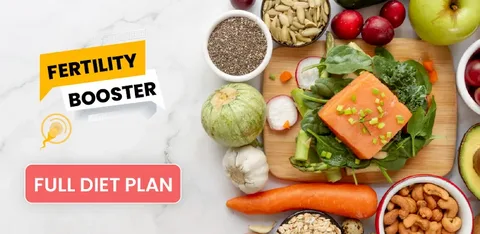
7 Proven Fertility-Boosting Foods That Helped Thousands of African Women Get Pregnant Fast — Even After 40
You have been trying. Month after month, you have hoped, prayed, and waited. This article was written for exactly you.
Whether you are 28 and just starting your conception journey or 43 and wondering if your body still has the capacity to carry a child, the answer to your deepest question might be sitting quietly in your kitchen, your local market, or at the bottom of a pot of egusi soup. Science has been quietly building a compelling case for the idea that what you eat is one of the most powerful levers you can pull to improve your chances of conception. And for African women, many of whom have already been given the keys to a naturally nutrient-rich diet, this is particularly good news.
What the Numbers Tell Us About Fertility in Africa
Before we get into the foods, let us talk about the landscape. Infertility is not a rare, whispered problem in Africa. It is shockingly common, and yet it remains one of the most stigmatized health issues on the continent.
Research shows that infertility rates across sub-Saharan Africa vary widely, ranging from around 9% in Gambia to between 20 and 30% of couples in parts of Nigeria. Even more striking, the World Health Organization estimates that about 30% of women aged 25 to 49 in sub-Saharan Africa suffer from secondary infertility, which is the inability to conceive again after a first pregnancy.
These numbers represent real women. Aunties who cannot explain why conception has not happened. Wives who face whispers at family gatherings. Women who have tried everything their doctors, their mothers, and their village elders suggested, and still come up empty.
The good news is that research consistently points to one factor that sits firmly within your control: your diet. Studies in East Africa have found that nutritional intake plays an important role in secondary female infertility, with poor dietary quality significantly linked to reduced fertility outcomes among women.
Put simply, food is medicine. And some foods are fertility medicine.
This is not a promise that eating more moringa will guarantee twins in nine months. No responsible health writer would make that claim. But the science is clear: the right foods support hormone balance, improve egg quality, regulate ovulation, and create the optimal internal environment for conception, even for women over 40.
Let us walk through the seven most powerful, research-backed fertility-boosting foods, with special attention to how they can be incorporated into the everyday eating patterns of African women.
1. Moringa: Africa’s Own Fertility-Boosting Superfood
If you grew up in West, East, or Central Africa and had a grandmother worth her salt, you probably already know moringa. Called “miracle tree” in much of the continent, moringa oleifera has been used for centuries in traditional medicine. Modern research is now confirming what grandmothers have known for generations.
Moringa leaves are exceptionally rich in folate (vitamin B9), iron, zinc, and vitamins A, C, and E. These are exactly the nutrients that researchers identify as critical for female reproductive health. Folate is one of the most important nutrients when trying to conceive, as it reduces the risk of neural tube defects and supports early fetal development.
But moringa goes further than just folate. Its high antioxidant content helps protect egg cells from oxidative stress, which is particularly important for women over 40, when egg quality naturally begins to decline. Research suggests that dietary antioxidants and anti-inflammatory foods may help support egg quality and the ovarian environment, which is especially relevant for women trying to conceive after 40.
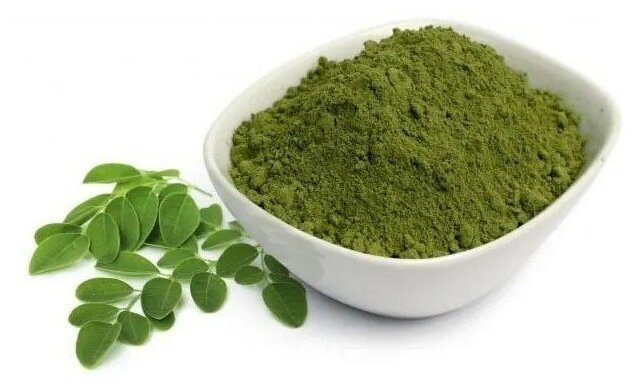
How African women are using moringa for fertility:
- Dried moringa leaf powder stirred into porridge or smoothies each morning
- Fresh moringa leaves added to soups and stews, particularly bitterleaf or okra soup
- Moringa tea brewed and consumed daily, especially in the two weeks after menstruation
The beauty of moringa is that it is not exotic or expensive. It grows freely across much of Africa, can often be found dried in local markets, and integrates seamlessly into existing meal patterns. If you are looking for a single dietary addition that combines fertility support with general nutritional coverage, moringa is likely the most cost-effective starting point available to you.
2. Beans and Lentils: The Humble Fertility-Boosting Powerhouse in Every African Pot
The next time someone dismisses beans as “poor people food,” politely redirect them to the growing body of reproductive science literature. Beans and lentils, including the black-eyed peas, cowpeas, and kidney beans that feature prominently in West African cooking, are among the most fertility-friendly foods available anywhere in the world.
Beans and lentils are excellent sources of spermidine, a compound positively associated with fertility, as well as folate. Researchers have associated higher folate levels with higher implantation rates of fertilized eggs in assisted reproduction studies. In practical terms, that means a diet rich in beans may increase the likelihood that a fertilized egg successfully embeds in the uterine lining, one of the most delicate and often overlooked steps in achieving a viable pregnancy.
There is another layer to the beans story that is particularly relevant for women with polycystic ovary syndrome (PCOS), which is one of the most common causes of ovulatory infertility in African women. Women who get their protein primarily from plant sources like beans have a reduced risk of infertility caused by ovulation problems, according to research on dietary protein and fertility outcomes.

Why this matters for African women specifically:
In Nigeria, Ghana, Kenya, Senegal, and across the continent, beans already appear in countless traditional dishes: moi moi, akara, githeri, thiebou yapp, red red, and more. This means African women do not need to make a dramatic dietary overhaul to access these benefits. They simply need to maintain and perhaps slightly increase the frequency with which beans already appear on their plates.
Practical tips:
- Eat beans at least three to four times per week
- Pair bean dishes with vitamin C-rich foods (like tomatoes or peppers) to improve iron absorption
- Avoid frying bean-based foods excessively, as this can reduce nutrient content and add inflammatory oils
3. Oily Fish and Sardines: Omega-3s That Improve Fertility Naturally
Here is a food that works overtime for your reproductive system. Oily fish, including sardines, mackerel, herring, and fresh catfish, are loaded with omega-3 fatty acids, the same fats that your eggs, hormones, and uterine lining all desperately want more of.
Research indicates that omega-3 fatty acids play an essential role in steroidogenesis (hormone production) and have significant anti-inflammatory properties that may positively affect fertility, with studies suggesting benefits for oocyte growth, maturation, and the reduction of anovulation risk.
To translate that out of scientific language: omega-3s help your body produce the right reproductive hormones, reduce inflammation that can interfere with implantation, and support the healthy development of eggs in your ovaries. For a woman over 40, where both hormonal balance and egg quality can become concerns, this is a meaningful nutritional lever.
Omega-3 fatty acids found in foods like fatty fish, oysters, and flaxseeds play a role in cell membrane integrity, inflammation regulation, and ovarian health, all of which are directly relevant to egg quality and development.

What makes this particularly relevant for African women:
Fresh and smoked fish are already dietary staples across the continent. Smoked herrings and mackerel are stirred into egusi and vegetable soups throughout West Africa. Dagaa and omena (small dried fish) are eaten across East Africa. Grilled tilapia and catfish appear at roadside markets from Accra to Dar es Salaam. These are not foreign foods. They are already in your kitchen.
A few smart tips:
- Aim for at least two to three servings of oily fish per week
- Choose wild-caught options when possible
- Limit large predatory fish (like large tuna or swordfish) due to mercury concerns, especially when trying to conceive
- If fresh fish is not always accessible, small dried fish used in cooking still provide meaningful omega-3 content
4. Sweet Potatoes: The Beta-Carotene Fertility Food You Are Already Eating
If you have ever roasted sweet potatoes over an open flame or boiled them with a little salt for a simple afternoon snack, you were, without knowing it, doing something quite beneficial for your reproductive hormones.
Sweet potatoes are exceptionally rich in beta-carotene, a precursor to vitamin A that your body converts as needed. This is important because vitamin A is important for normal oocyte (egg) maturation, ovarian response, and early embryonic development, making adequate vitamin A levels a critical factor for women trying to conceive.
Beyond vitamin A, sweet potatoes are also rich in vitamin C, potassium, and fiber. The fiber content is particularly important because it helps regulate blood sugar, and blood sugar stability is deeply connected to hormone balance, including the hormones that govern ovulation.
Studies have found that beta-carotene from foods like sweet potatoes can help boost progesterone, an essential hormone for maintaining pregnancy after conception. Low progesterone is one of the more common, and underdiagnosed, reasons why women conceive but experience early miscarriages. So eating sweet potatoes is not only supporting your ability to get pregnant, it may also be supporting your ability to stay pregnant.
How to eat more sweet potatoes:
- Boiled and eaten as a side dish or snack
- Roasted with olive oil and spices
- Added to stews and soups as a natural thickener
- Used in porridge or as a weaning food base (yes, it is that versatile)
Sweet potatoes are affordable, available year-round across most of Africa, and require no special preparation skills. If you are currently eating them only occasionally, consider making them a near-daily fixture in your meals during your conception journey.
5. Eggs: Complete Protein for Hormonal Balance and Ovulation
Eggs have had an unfair reputation in dietary circles over the years, largely due to misguided fears about dietary cholesterol. The good news is that the science has largely cleared eggs of that particular charge. And when it comes to fertility specifically, eggs (the ones you eat) may be among the most complete fertility-supporting foods available.
One whole egg delivers protein, vitamin D, vitamin B12, choline, zinc, and selenium in a single, affordable package. Iron deficiency can affect ovulation, energy levels, and fetal development, making it critical for women trying to conceive to build adequate nutrient stores before pregnancy. Eggs are a meaningful source of heme-adjacent nutrients that support this process.
The vitamin D connection is particularly worth noting. Vitamin D plays a key role in reproductive hormone regulation and may be beneficial for fertility, yet many women are deficient without realizing it. In a sunlit continent like Africa, vitamin D deficiency might seem unlikely. But factors like skin tone, covered clothing, time spent indoors, and dietary patterns mean that deficiency is actually more common than expected, particularly in urban women.
Research shows that people following a diet rich in protein and low in refined carbohydrates often have a higher pregnancy rate, making protein-rich foods like eggs a smart addition to a conception diet.

Practical integration:
- Two to three eggs daily is a reasonable target for women trying to conceive
- Boiled, fried in a small amount of olive oil, poached, or scrambled all work equally well
- Eggs from free-range chickens tend to have higher nutrient density, especially higher omega-3 content
- Pair eggs with vegetables for a complete fertility-supportive meal
6. Avocado: The Monounsaturated Fat Your Hormones Are Craving
Avocado has become something of a global food celebrity, but for African women trying to conceive, it is more than just a trendy social media food. It is a genuinely powerful addition to a fertility diet, and it happens to grow abundantly across much of the continent.
Avocados are full of vitamin K, potassium, and folate, nutrients that assist the body with vitamin absorption, blood pressure regulation, and early pregnancy support. They are also rich in monounsaturated fats (healthy fats) that provide dietary fiber and folic acid, which are crucial during the early stages of pregnancy and conception.
The healthy fat component deserves special attention. Reproductive hormones, including estrogen and progesterone, are synthesized from cholesterol and fatty acids. A diet that is too low in healthy fats can therefore directly impair hormone production. This is a particularly common issue for women who have been on restrictive or very low-fat diets in an effort to manage weight.
Healthy fats are crucial for reproductive hormone synthesis, with avocados, nuts, seeds, and olive oil being excellent choices for women focused on fertility nutrition.
Beyond hormones, avocados also reduce systemic inflammation. Chronic low-grade inflammation is increasingly being recognized as a silent disruptor of fertility, interfering with everything from ovulation to implantation to early embryo development.
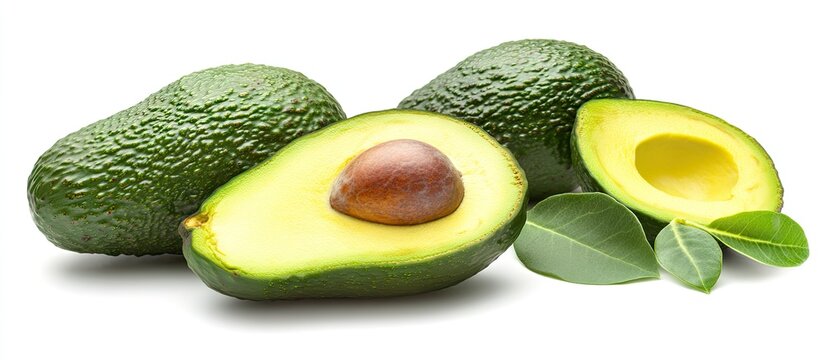
How to use avocado for fertility:
- Mashed and eaten with eggs for breakfast
- Sliced into salads or served alongside grilled fish
- Blended into smoothies with moringa powder and banana
- Spread on whole grain bread as a snack
Avocados are not out of reach in most African cities and towns. In countries like Kenya, Cameroon, Ethiopia, and Uganda, they are often abundant and affordable, sometimes growing in family gardens.
7. Leafy Green Vegetables: Folate, Iron, and Antioxidants for Optimal Fertility
This final category is perhaps the broadest and most accessible of all, because African cooking is already rich in leafy green vegetables. Ugu (pumpkin leaves), bitter leaf, waterleaf, oha leaves, sukuma wiki, morogo, nduma, nchanzi, kontomire, and dozens more varieties are part of everyday cooking across the continent.
The nutritional case for leafy greens in a
diet is multi-dimensional. Folic acid-rich foods, including dark leafy greens, provide a key fertility boost. Research has found that these nutrients, when consumed regularly, have a positive effect on fertility and also support fetal growth and development after conception is achieved.
Dark leafy greens are also among the richest plant-based sources of iron. Antioxidants, which are abundant in vegetables, may help deactivate free radicals in the body that can damage egg cells and disrupt reproductive function. The combination of folate, iron, and antioxidants creates a nutritional profile that supports almost every stage of the conception process.
For women over 40, the antioxidant dimension is especially critical. As eggs age, they become more vulnerable to oxidative damage. A diet rich in antioxidant-dense leafy greens effectively acts as a protective shield for your remaining egg cells, slowing the pace of age-related decline and improving the quality of the eggs you do ovulate.
Vegetables rich in antioxidants and folate support egg quality and overall reproductive health, with a variety of colors providing the widest range of protective nutrients.

Getting the most from leafy greens:
- Cook greens lightly rather than for extended periods, to preserve folate content
- Pair iron-rich greens with a squeeze of lemon juice or tomato to improve absorption
- Aim for at least two to three servings of leafy greens daily
- Use palm oil in moderation when cooking greens, as it provides additional carotenoids
The Fertility Food Comparison Table: What to Eat, Why, and How Often
Here is a comprehensive overview of all seven fertility-boosting foods discussed in this article, showing their key nutrients, their specific fertility benefits, and how frequently you should aim to incorporate them into your diet.
| Food | Key Fertility Nutrients | Primary Fertility Benefit | Recommended Frequency | Availability in Africa |
|---|---|---|---|---|
| Moringa | Folate, Iron, Zinc, Vitamins A, C, E | Egg protection, hormonal support, early embryo development | Daily (1–2 tsp powder or fresh leaves) | Very High (grows widely across Africa) |
| Beans & Lentils | Folate, Plant protein, Spermidine, Iron | Supports ovulation, improves implantation rates, reduces PCOS risk | 3–4 times per week | Very High (cornerstone of African cuisine) |
| Oily Fish / Sardines | Omega-3 fatty acids, Vitamin D, Selenium | Hormone production, reduces inflammation, supports egg quality | 2–3 times per week | High (widely available fresh, smoked, dried) |
| Sweet Potatoes | Beta-carotene (Vitamin A), Vitamin C, Fiber, Potassium | Progesterone support, egg maturation, blood sugar regulation | 4–5 times per week | Very High (year-round availability) |
| Eggs | Protein, Vitamin D, Vitamin B12, Choline, Zinc | Ovulation support, hormone synthesis, reduces nutrient deficiencies | Daily (2–3 eggs) | Very High (affordable and accessible) |
| Avocado | Monounsaturated fats, Folate, Vitamin K, Potassium | Hormone synthesis, anti-inflammatory, improves nutrient absorption | 3–5 times per week | High (abundant in East and Central Africa) |
| Leafy Greens | Folate, Iron, Antioxidants, Calcium | Egg quality protection, ovulation support, reduces oxidative stress | Daily (2–3 servings) | Very High (foundational to African cooking) |
What About Women Over 40? Here Is What You Need to Know
If you are reading this article after your fortieth birthday, you may have encountered a particular kind of discouragement from medical professionals, well-meaning relatives, or late-night research sessions that have left you feeling that time is your enemy.
The conversation about fertility after 40 deserves nuance. Yes, age matters biologically. After age 40, egg quality declines primarily because a higher proportion of eggs contain chromosomal abnormalities, which reduces implantation rates and increases miscarriage risk. This is a biological reality, and pretending otherwise would not serve you.
But here is what is equally true: the decline in egg quality is a spectrum, not a cliff. And nutritional interventions can meaningfully influence where on that spectrum your eggs land.
Fertility specialists often recommend beginning supportive interventions, including targeted dietary changes and lifestyle modifications, three to four months before trying to conceive or starting fertility treatment, noting that even improvements made within a shorter timeframe may still benefit the ovarian environment during this critical window.
Three to four months. That is the timeline that matters. And every item on the seven-food list above begins working from your very first serving. The anti-inflammatory omega-3s start reducing ovarian inflammation. The folate from moringa and leafy greens begins supporting DNA integrity in your eggs. The antioxidants start protecting the eggs you have from further oxidative damage.
According to research published by the National Institutes of Health on the proven Mediterranean dietary approach to fertility, a diet built around whole foods, healthy fats, plant proteins, and antioxidant-rich vegetables, exactly the kinds of foods discussed in this article, has a consistently positive impact on female fertility outcomes across age groups.
There is also a practical argument for nutrition-first approaches that often goes unspoken. Fertility treatments like IVF are expensive, emotionally demanding, and not universally accessible in many parts of Africa. Optimizing your diet costs little, carries no medical side effects, and improves your overall health regardless of whether you conceive. It is, as the economists say, a dominant strategy.
Foods and Habits to Avoid While Trying to Conceive
Knowing what to add to your plate is only half the picture. Knowing what to minimize or remove is equally important.
Research shows that a diet high in trans fats, refined carbohydrates, and added sugars can negatively affect fertility, while diets based on Mediterranean patterns, rich in fiber, omega-3 fatty acids, plant-based proteins, and vitamins, have a positive impact on female fertility.
For African women, this has specific practical implications:
Minimize these when trying to conceive:
- Heavily processed instant noodles and packaged snacks
- Deep-fried street food eaten frequently (suya, puff-puff, and similar foods are fine occasionally, just not as daily staples)
- Sugary soft drinks and artificial fruit juices
- Excessive white rice with no vegetables or protein (a common dietary pattern in many urban areas)
- Alcohol, which the majority of fertility specialists recommend avoiding entirely during conception attempts
- Highly processed margarine and vegetable shortening, which contain trans fats
Support your fertility diet with:
- Adequate hydration (at least 8 glasses of water daily)
- Moderate physical activity (walking, swimming, light jogging)
- Stress management, as chronic stress raises cortisol and can suppress ovulation
- Consistent sleep of seven to eight hours per night
The Role of Your Gut in Getting Pregnant
This might be the most underappreciated fertility connection of all. Your gut microbiome, the community of bacteria that lives in your digestive tract, plays a surprisingly direct role in reproductive health.
A balanced gut microbiome supports nutrient absorption and helps reduce systemic inflammation, both of which are important factors for fertility and early pregnancy.
When your gut is healthy, it absorbs folate, iron, zinc, and other fertility nutrients more efficiently. When your gut is compromised by a diet heavy in processed foods and sugar, absorption suffers, and your reproductive system quietly pays the price.
Fermented foods are the simplest way to support gut health, and many African food traditions are rich in them. Fermented locust beans (dawadawa/iru), fermented cassava products, fermented milk products (like mala or fura da nono), and naturally fermented vegetables all contain beneficial bacteria that support microbiome diversity.
Making fermented foods a regular part of your eating pattern is one of the quietest but most effective fertility-supporting habits you can build.
Building Your Weekly Fertility Meal Plan: A Practical Starting Point
Understanding which foods to eat is one thing. Actually building them into your daily life is another. Here is a simple framework for how a fertility-focused week of eating might look for an African woman using the foods discussed in this article.
A sample weekly approach:
- Breakfast, daily: Moringa powder stirred into oat porridge or blended into a smoothie with banana and avocado. Two boiled eggs on the side.
- Lunch, most days: Beans-based meal (moi moi, githeri, red red, or plain cooked beans) with a portion of leafy green vegetables and fish.
- Dinner, most days: A stew or soup containing oily fish or small dried fish, with sweet potatoes or root vegetables and abundant green leaves. Cooked in palm oil or olive oil.
- Snacks: Fresh or boiled sweet potato, a handful of groundnuts or walnuts, avocado with a squeeze of lemon, or fresh fruit.
- Weekly rotation: Ensure oily fish appears at least twice to three times. Include avocado at least every other day. Never skip the greens.
This is not a radical diet. It is not expensive. It does not require imported superfoods or a nutritionist on retainer. It is, in many ways, simply a more intentional version of the traditional African diet that has sustained generations of healthy pregnancies.
As UCLA Health’s comprehensive review of fertility-boosting foods confirms, the foods most supported by evidence for fertility improvement are whole, minimally processed, plant-forward, and rich in folate, omega-3s, and antioxidants, a description that maps neatly onto the traditional African diet when it is eaten at its most nutritious.
When Food Is Not Enough: Knowing When to Seek Help
This article is a celebration of what food can do. But it would be incomplete without an honest acknowledgment of its limits.
Food can optimize your reproductive environment. It cannot unblock fallopian tubes, reverse severe endometriosis, correct a significant hormonal imbalance, or compensate for a male factor fertility problem. If you have been trying to conceive for twelve months without success (or six months if you are over 35), a visit to a reproductive health specialist is not a defeat. It is a smart, necessary step.
Many of the conditions that contribute to infertility in African women, including fibroids, PCOS, pelvic inflammatory disease, and hormonal disorders, are diagnosable and treatable. Medical interventions including hormonal medications for ovulation induction, surgical options for blocked tubes or fibroids, and assisted reproductive technologies like IUI and IVF are all available pathways for women who need them.
A fertility-supportive diet works best as part of a comprehensive approach that includes regular medical check-ups, stress management, physical activity, and honest conversations with qualified healthcare providers.
Conclusion: Your Plate Is One of Your Most Powerful Fertility Tools
The journey to pregnancy can be long, lonely, and disorienting. In a cultural context where womanhood and motherhood are so deeply intertwined, the inability to conceive can feel like a personal failing rather than a medical circumstance. It is neither.
What the research tells us, clearly and repeatedly, is that your body is not fighting against you. It is responding to its environment, and one of the most direct ways to improve that environment is through what you eat. The seven foods in this article, moringa, beans and lentils, oily fish, sweet potatoes, eggs, avocado, and leafy greens, are not magic bullets. But they are proven, accessible, affordable, and deeply compatible with African food culture.
You do not need to eat like a person from a different country to support your fertility. You may simply need to eat more intentionally like the best version of yourself.
Start today. One handful of moringa leaves. One extra serving of beans. One more piece of grilled fish this week. Small changes, made consistently over three to four months, can shift the nutritional foundation on which conception depends.
Your body is listening to every bite. Make this season of eating count.
CTA: Share This With Someone Who Needs It
If this article helped you, chances are it will help someone you know. Share it with a sister, a friend, a cousin, or a woman in your community who is on this journey. Fertility conversations should not happen in whispers. Let them happen over shared meals.
Read Next: How to Naturally Regulate Your Menstrual Cycle for Better Fertility Outcomes
Drop a comment below: Which of these seven foods are already part of your regular diet? And which one are you going to add this week? Tell us in the comments.
This article is written for informational purposes and is not a substitute for professional medical advice. If you have concerns about your fertility, please consult a qualified healthcare provider.