

Tag

postpartum depression signs

Browsing

12 Dangerous Postpartum Recovery Mistakes Silently Harming New Mothers in 2025

You survived pregnancy, labour, and the first chaotic weeks of motherhood. And now you are quietly falling apart, and nobody told you this was coming.

That persistent lower back ache, the leaking when you sneeze, the exhaustion that goes far beyond “tired,” the way your body feels like a stranger you are politely sharing space with. These are not just the inevitable costs of having a baby. In many cases, they are the direct consequences of postpartum recovery mistakes that are extraordinarily common, widely normalised, and almost never talked about honestly.

Postpartum

Why Postpartum Recovery Mistakes Are Silently Destroying New Mothers’ Health

Every year, at least 40 million women worldwide experience long-term health problems caused by childbirth, according to a landmark study published in The Lancet Global Health. These include pain during sex affecting more than a third of postpartum women, lower back pain in 32 percent of new mothers, urinary incontinence in up to 31 percent, and postpartum depression in 11 to 17 percent. The researchers behind that study made a pointed observation: many of these conditions occur well beyond the six-week mark where postnatal care typically ends.

That gap between when care stops and when problems actually show up is where postpartum recovery mistakes do their worst damage.

The system, for all its intentions, does not adequately prepare most women for the full reality of postpartum recovery. The six-week check happens, the green light gets given, and mothers go home still confused about whether their symptoms are normal, whether they should push through the pain, and whether what they are feeling emotionally qualifies as something to mention or something to quietly endure.

This article names the twelve most common postpartum recovery mistakes that women make in 2025. Not to shame anyone, because every single one of these mistakes is entirely understandable given how little honest guidance most new mothers receive. But because naming them clearly, with the research to back them up, is the first step toward fixing them.


Postpartum Recovery Mistake 1: Treating the Six-Week Check as a Full Medical Clearance

This is the most widespread postpartum recovery mistake of all, and the healthcare system itself is partly responsible for it. The six-week postnatal check is a screening visit, not a rehabilitation assessment. It looks for signs of surgical wound infection, checks blood pressure, discusses contraception, and asks a few questions about mood.

What it does not include, in most standard appointments, is any assessment of pelvic floor muscle function, deep core activation, diastasis recti screening, or a graded return-to-exercise evaluation. Yet many women walk away from that appointment believing they have been fully assessed and fully cleared.

The American College of Obstetricians and Gynecologists updated its guidelines to recommend postpartum support spanning twelve weeks rather than a single six-week visit, precisely because the evidence shows that six weeks is not enough. The uterine scar after a caesarean, the perineal tissue after a vaginal birth, the fascial connections throughout the core, and the pelvic floor ligaments still softened by relaxin are all in various stages of healing and remodelling at six weeks. Being “cleared” is not the same as being recovered.

What to do instead:

  • Ask your GP or midwife specifically about pelvic floor assessment at your six-week check.
  • Request a referral to a pelvic floor physiotherapist regardless of whether you have obvious symptoms.
  • Do not use the six-week check as the sole signal to return to high-impact exercise, heavy lifting, or core-intensive activity.

Postpartum Recovery Mistake 2: Skipping Pelvic Floor Physiotherapy Because You “Feel Fine”

The absence of obvious symptoms is not the same as the absence of dysfunction. This distinction is critically important, and it is one of the most consequential postpartum recovery mistakes a new mother can make.

Pelvic floor dysfunction after childbirth, whether vaginal or caesarean, frequently presents without obvious warning signs in the early weeks. The pelvic floor is a group of muscles, ligaments, and connective tissue at the base of the pelvis supporting the bladder, bowel, and uterus. After the sustained weight of pregnancy and the trauma of delivery, these structures commonly develop weakness, tension, or coordination problems that may not produce symptoms until months later, often triggered by a return to exercise, a second pregnancy, or the hormonal shifts around perimenopause.

Research published in PMC found that pelvic floor muscle training in the first year postpartum reduces the odds of urinary incontinence by 37 percent and pelvic organ prolapse by 56 percent compared with no training. That is a significant risk reduction available to every postpartum woman, but only if she accesses it.

Symptoms that pelvic floor physiotherapy directly addresses:

  • Urinary leakage with coughing, sneezing, laughing, or exercise (stress incontinence).
  • Urgency to urinate with little warning (urge incontinence).
  • Pelvic heaviness or a dragging sensation, particularly after standing for long periods.
  • Pain or reduced sensation during sex (dyspareunia).
  • Difficulty fully emptying the bladder or bowel.
  • Lower back and hip pain that is not explained by posture alone.

You do not need to be leaking or in pain to benefit from seeing a pelvic floor physiotherapist. You only need to have recently had a baby.


Postpartum Recovery Mistake 3: Doing Crunches and Sit-Ups Too Early in Postpartum Recovery

If there is a single exercise that new mothers should remove from their recovery routine in the first several months postpartum, it is the crunch. And its close relatives: the sit-up, the double leg raise, the boat pose, and any exercise that causes the midline of the abdomen to dome or tent upward during exertion.

Here is why. Most women who have recently given birth have some degree of diastasis recti abdominis (DRA), a separation of the two sides of the rectus abdominis along the midline connective tissue known as the linea alba. Research suggests over 60 percent of women have measurable abdominal separation at six to eight weeks postpartum. It is a normal consequence of the uterus expanding during pregnancy, but it does not mean that all exercises are safe to perform while it is present.

Exercises that increase intra-abdominal pressure without adequate deep core engagement force the linea alba to bear load that it is not yet capable of distributing effectively. The result is not just the visible doming that indicates the exercise is too demanding. It is the prolonged difficulty in closing the functional gap that keeps diastasis recti from resolving as efficiently as it otherwise would.

Signs an exercise is too demanding for your current core function:

  • A ridge or cone shape appears down the centre of the abdomen during the movement.
  • You feel pulling or pressure at the incision site (for c-section mothers).
  • Lower back pain or pelvic pressure increases during or after the exercise.
  • You notice urinary leakage triggered by the movement.

Start with diaphragmatic breathing and transverse abdominis activation. Build to glute bridges and modified movements. Work with a pelvic floor physiotherapist to screen for DRA before returning to abdominal exercises with any significant load or flexion.


Postpartum Recovery Mistake 4: Returning to Running Too Soon After Postpartum Recovery Begins

The cultural pressure on new mothers to “bounce back” is relentless and quietly harmful. For many women, returning to running is one of the most visible signals of that bounce-back, and it is also one of the most common ways that postpartum recovery mistakes turn into injuries and long-term pelvic floor dysfunction.

Running is a high-impact activity. Each footfall generates a ground reaction force roughly two to three times body weight, all of which passes through the pelvis and pelvic floor. The pelvic floor muscles must contract powerfully and repeatedly with every stride to maintain continence and support the pelvic organs during this load. In the first weeks and months after birth, when these muscles are still recovering from the physical demands of pregnancy and delivery, that load can exceed their capacity, producing symptoms immediately or weeks later.

The 2019 return-to-running guidelines endorsed by the Association of Chartered Physiotherapists in Sports and Exercise Medicine recommend waiting a minimum of three months before attempting to run postpartum, and only when a series of screening criteria have been met, including the complete absence of urinary leakage, pelvic heaviness, pain, and abdominal coning during impact activities. For many women, that timeline will extend to six months or beyond.

Before returning to running postpartum, you should be able to:

  • Walk briskly for 30 minutes without any pelvic floor symptoms.
  • Perform single-leg balance for ten seconds without pain or instability.
  • Jog on the spot for one minute without leakage, heaviness, or pain.
  • Complete 20 single-leg calf raises on each side without symptoms.

If any of these produce symptoms, your body is asking for more preparation time before impact loading begins. That is not failure. That is information.


Postpartum Recovery Mistake 5: Ignoring the Warning Signs of Postpartum Depression

Postpartum depression affects between 11 and 17 percent of new mothers in the first year after delivery, according to the World Health Organization. Despite that prevalence, it remains dramatically underdiagnosed and undertreated, in large part because the symptoms do not always look like what most people picture when they think of depression.

Postpartum depression does not always present as overwhelming sadness. It presents as rage at a partner who breathes too loudly. It presents as numbness toward the baby you love desperately but feel nothing toward in a given moment. It presents as the persistent, suffocating belief that you are failing, that everyone would be better off without you, that you are just too tired to be a good mother. It presents as anxiety so intense that you cannot sleep even when the baby sleeps.

There is also an important clinical connection between physical and mental postpartum recovery mistakes. Research from the University of Michigan found that urinary incontinence and persistent postpartum pain were independently associated with a positive screen for postpartum depression, suggesting that untreated pelvic floor dysfunction and undertreated physical symptoms can actively increase a woman’s risk of developing depression. These are not separate problems. They are deeply connected ones.

Signs that warrant a conversation with your GP:

  • Persistent feelings of hopelessness or worthlessness beyond the first two weeks postpartum.
  • Intrusive or frightening thoughts, including thoughts of harming yourself or your baby.
  • Inability to eat, sleep, or function even when given the opportunity.
  • Complete emotional disconnection from your baby or partner.
  • Anxiety or panic attacks that feel impossible to control.
  • Feeling like you are performing motherhood rather than experiencing it.

If you recognise yourself in any of these, please speak with your GP or midwife. Postpartum depression is treatable. You do not have to earn the right to ask for help.


Postpartum Recovery Mistake 6: Treating Sleep Deprivation as Inevitable and Unaddressable

“Sleep when the baby sleeps” is simultaneously the most well-intentioned and the most maddening piece of advice given to new mothers. Most of the time, when the baby sleeps there are approximately forty-seven other urgent demands presenting themselves. But dismissing sleep as simply not available is itself one of the most serious postpartum recovery mistakes a new mother can make.

Sleep deprivation is not just uncomfortable. It is physiologically disruptive in ways that directly impair physical recovery. During sleep, the body releases growth hormone, which supports tissue repair including healing of the perineum, the c-section incision, and the muscle fibre damage throughout the pelvic floor and core. Sleep deprivation increases cortisol levels, which in turn increase inflammation, slow wound healing, and suppress immune function. Current postnatal exercise guidelines note explicitly that sleep deprivation increases injury risk and should be factored into decisions about exercise intensity and volume.

The goal here is not to achieve the impossible standard of eight uninterrupted hours. It is to advocate for sleep prioritisation as a legitimate and non-negotiable component of recovery, not a luxury. Asking for help at night, accepting offers from family members, reducing non-essential commitments, and resisting the cultural pressure to demonstrate that you are “managing everything fine” are all acts of physical self-preservation, not weakness.


Postpartum Recovery Mistake 7: Undereating During Postpartum Recovery

The postpartum period brings with it enormous pressure to return to a pre-pregnancy weight as quickly as possible. Social media, magazines, celebrity culture, and well-meaning relatives all contribute to the message that the body that grew a baby should now rapidly shrink back to something more familiar. And many new mothers respond to that pressure by undereating, often without fully realising they are doing it.

This is a particularly consequential postpartum recovery mistake for breastfeeding women. Breastfeeding increases caloric expenditure by approximately 500 calories per day, and inadequate caloric intake during lactation can reduce milk supply, impair mood, and deplete micronutrient stores that are essential for maternal recovery.

Nutritional needs during postpartum recovery are significant. Iron is needed to replenish what was lost during delivery, with postpartum blood loss of 500 to 1,000 millilitres being considered normal after vaginal birth. Protein supports the repair of connective tissue, muscle, and the healing of surgical wounds. Calcium and vitamin D support bone density, which takes a hit during breastfeeding as the body prioritises calcium delivery to milk. Omega-3 fatty acids, particularly DHA, support both postpartum mood stabilisation and the development of the baby’s nervous system if you are breastfeeding.

Nutrients that deserve specific attention in postpartum recovery:

  • Iron: red meat, legumes, dark leafy greens, fortified cereals.
  • Protein: eggs, chicken, fish, lentils, Greek yoghurt, tofu.
  • Calcium: dairy, fortified plant milks, sardines, tahini, broccoli.
  • DHA/Omega-3: oily fish (salmon, mackerel, sardines), algae-based supplements for non-fish eaters.
  • Vitamin D: sunlight exposure, fortified foods, and supplementation where clinically indicated.

If you are struggling to eat well because you cannot find the time, energy, or appetite, that is a legitimate problem to raise with your GP, not a personal failure to optimise your diet.


Postpartum Recovery Mistake 8: Ignoring Scar Tissue Management in Postpartum Recovery

Whether you had a c-section, a perineal tear, an episiotomy, or any other form of birth-related tissue trauma, the scar that forms is a living structure that responds to treatment. Ignoring it is one of the most frequently overlooked postpartum recovery mistakes, with consequences that range from discomfort to significant restriction of movement, bladder urgency, and chronic pain.

After a c-section, scar tissue forms not just on the surface of the skin but through multiple layers of tissue including the fascia, the connective tissue that links the abdominal wall to the pelvic floor. As the scar matures, it can form adhesions, areas where tissue layers stick together rather than gliding freely over each other. These adhesions can create pulling sensations during movement, contribute to the “c-section shelf” of skin above the scar, restrict hip mobility, pull on the bladder producing urgency symptoms, and generate pain with intimacy.

After perineal tears or episiotomy, scar tissue in the perineum can cause dyspareunia (pain with sex), sensitivity or numbness, and restriction of the vaginal opening. All of these are manageable with appropriate scar desensitisation and manual therapy, but only if addressed.

Signs your c-section or perineal scar needs attention:

  • Numbness, hypersensitivity, or itching that has persisted beyond three months.
  • The scar does not move freely in all directions when you attempt to gently shift the skin.
  • A visible ridge or ledge of skin above a c-section scar (the shelf).
  • Pain when wearing waistbands or clothing that sits at scar level.
  • Bladder urgency that seems to be triggered by scar tightness rather than bladder fullness.

Scar massage can begin at the c-section incision at six weeks postpartum, once it is fully closed and free of infection signs. Perineal scar massage for episiotomy or tear repair can generally begin from around six weeks with guidance from a midwife or pelvic floor physiotherapist.


Postpartum Recovery Mistake 9: Dismissing Painful Sex as “Just Normal” After Birth

Dyspareunia, painful sex, affects more than a third of postpartum women according to research published in The Lancet Global Health. And yet in clinical practice, women consistently report being told that some discomfort with sex after birth is expected, that it will improve with time, and that patience is the primary prescription.

That advice, while offered with kindness, contributes to one of the most quietly damaging postpartum recovery mistakes: normalising a symptom that has effective treatments available and that, if left unaddressed, can compound in intensity, erode intimacy, and contribute to postpartum anxiety and depression.

Painful sex after childbirth can arise from multiple causes. In the early months, low oestrogen levels due to breastfeeding cause vaginal dryness and thinning of the vaginal walls, a condition known as genitourinary syndrome of menopause or, when occurring postpartum, sometimes called lactational atrophy. Perineal scarring from tears or episiotomy can produce localised pain at the vaginal opening. Pelvic floor hypertonicity, where the muscles are tight and unable to release properly, is a common cause of deep pain during penetration. Vaginismus, the involuntary contraction of the vaginal muscles, can develop in response to a traumatic birth experience.

All of these conditions are treatable. A pelvic floor physiotherapist can differentiate between them, guide you through appropriate exercises or manual therapy, and recommend vaginal moisturisers, lubricants, or topical oestrogen where appropriate. Your intimacy matters. Your comfort in your own body matters. “Just give it time” is not a treatment plan.


Postpartum Recovery Mistake 10: Lifting Heavy Objects Without Proper Core Activation

New mothers lift constantly. The baby, the car seat, the pram, the nappy bag that somehow weighs more than a small piece of luggage. And in the early weeks and months of postpartum recovery, the way those lifts are executed matters enormously, because lifting with a disengaged core or held breath places significant and repetitive load on healing tissue.

The Valsalva manoeuvre, holding the breath while exerting force, is a common natural pattern during heavy lifting. In a recovered core, it produces a brief and manageable spike in intra-abdominal pressure. In a postpartum core where the deep stabilising muscles are still reconnecting after surgery or delivery, that same pressure spike can overwhelm the pelvic floor, contribute to or worsen diastasis recti, and place stress on the pelvic organs.

Physiotherapists refer to the correct lifting technique in the postpartum period as “exhale on exertion.” On the breath out, the deep core and pelvic floor naturally coordinate to manage pressure. Initiating a lift as you exhale harnesses that natural coordination rather than working against it.

Safe lifting technique for postpartum recovery:

  • Bring the object close to your body before lifting.
  • Take a diaphragmatic breath in to prepare.
  • As you breathe out slowly, gently engage the pelvic floor (a subtle inward lift) and begin the movement.
  • Avoid holding your breath at any point during the lift.
  • Avoid twisting under load, particularly in the early weeks post c-section.

This technique takes about three days to feel natural and a lifetime to make instinctive. Starting now matters.


Postpartum Recovery Mistake 11: Isolating Yourself During Postpartum Recovery

Social isolation in the postpartum period is both extremely common and dramatically underrecognised as a health risk. Research consistently identifies lack of social support as one of the primary risk factors for postpartum depression, and qualitative studies of new mothers frequently highlight loneliness as one of the most unexpected and distressing aspects of early motherhood.

The particular cruelty of postpartum isolation is how invisible it is from the outside. You are surrounded by people congratulating you. You are managing the enormous logistics of keeping a new person alive. You may have a partner or family members present. And yet the specific kind of adult connection, the conversation that is not about feeding schedules and sleep regressions and whether you have tried swaddling, is deeply absent.

This matters clinically, not just emotionally. Chronic loneliness activates the same stress-response pathways as physical pain. It elevates cortisol, suppresses immune function, and impairs the quality of sleep. When you add those physiological effects to the already significant physical demands of postpartum recovery, isolation becomes a compounding factor that slows healing on multiple levels.

Postnatal groups, whether in-person or online, have measurable benefits for maternal mental health. Asking for help, receiving visitors, leaving the house even briefly, maintaining at least one relationship that existed before the baby arrived, all of these are health interventions in the truest sense.


Postpartum Recovery Mistake 12: Not Advocating for Yourself with Healthcare Providers

The final postpartum recovery mistake on this list is perhaps the most systemic and the hardest to address, because it requires pushing back against a healthcare culture that has historically under-investigated, under-treated, and sometimes outright dismissed the postpartum health concerns of women.

Studies have found repeatedly that women do not feel adequately prepared for the postpartum experience and that their concerns are frequently minimised by clinicians. Focus group research from a major urban teaching hospital found that nearly 80 percent of early postpartum mothers reported pain, and nearly a third reported urinary incontinence, yet mothers consistently described feeling unprepared for these symptoms and unsupported by providers when raising them.

Postpartum symptoms that deserve a medical conversation, not patient endurance, include persistent leaking of any kind, pain with sex beyond three to six months postpartum, symptoms of pelvic organ prolapse including heaviness, pressure, or a visible bulge at the vaginal opening, c-section scar pain or restriction beyond three months, ongoing diastasis recti that is not improving with appropriate exercise, and any mood symptoms that are affecting your daily functioning or sense of self.

According to comprehensive guidance on postpartum care from the Mayo Clinic, the postpartum period deserves the same attention to detail as pregnancy itself. You are not being dramatic. You are not being a bad patient. You are advocating for the basic right to recovery, and that is exactly what a system that actually cared for mothers would support.

How to advocate for yourself effectively:

  • Write symptoms down before your appointment. The brain that has been awake since 2am cannot always recall details under pressure.
  • Use specific language: “I leak urine when I exercise,” not “things feel a bit off.”
  • Ask directly: “Should I be referred to a pelvic floor physiotherapist?”
  • If your concern is dismissed without examination, request a second opinion.
  • Remember that your symptoms may appear after the traditional postpartum window. Bring them up anyway.

The Postpartum Recovery Mistakes Quick-Reference Table

Mistake Primary Risk When It Often Shows Up Easiest First Step
Treating 6-week check as full clearance Premature return to exercise Week 6 to 8 Ask GP for pelvic floor referral
Skipping pelvic floor physiotherapy Incontinence, prolapse, pain with sex Weeks 6 to 52 Book a pelvic floor physio assessment
Crunches and sit-ups too early Worsened diastasis recti, pelvic pressure Weeks 6 to 12 Replace with TrA activation and glute bridges
Running too soon Pelvic floor injury, urinary leakage Weeks 6 to 12 Follow 3-month minimum timeline, symptom-screen first
Missing signs of postpartum depression Prolonged mental health crisis Weeks 1 to 52 Speak with GP, complete Edinburgh Postnatal Depression Scale
Treating sleep deprivation as inevitable Impaired healing, elevated injury risk Weeks 1 to 12 Ask for help at night. Accept it without guilt.
Undereating during recovery Nutrient depletion, slowed healing, mood dysregulation Weeks 1 to 24 Focus on protein, iron, calcium, and DHA daily
Ignoring scar tissue management Adhesions, bladder urgency, pain with sex Weeks 6 to 52 Begin gentle scar massage at 6 weeks
Normalising painful sex Worsening dyspareunia, intimacy loss, anxiety Weeks 6 to 52 See a pelvic floor physiotherapist, use lubricant
Lifting without core activation Pelvic floor overload, DRA worsening Weeks 1 to 12 Practise exhale-on-exertion for every lift
Social isolation Postpartum depression risk, impaired healing Weeks 1 to 24 Join one postnatal group, digital or in-person
Not advocating for yourself Untreated conditions becoming chronic Weeks 6 to 52 Prepare a symptom list before every medical appointment

What the Research Actually Tells Us About Postpartum Recovery in 2025

The evidence base around postpartum recovery has advanced significantly in recent years, even as the translation of that evidence into standard clinical practice has lagged behind. A few key findings are worth summarising because they reframe how postpartum recovery mistakes are understood clinically.

First, the connection between physical and mental health in the postpartum period is far more direct than most care pathways acknowledge. Pelvic floor dysfunction, specifically urinary incontinence and persistent pain, is now recognised as an independent risk factor for postpartum depression. Women who are leaking, hurting, or struggling sexually are at meaningfully higher risk of depression, and treating one often helps the other.

Second, the World Health Organization’s 2023 review of postpartum health identified a striking gap in guideline quality: for 40 percent of the 32 priority postpartum conditions analysed, no high-quality clinical guidelines exist. This means that the care women receive is inconsistent not due to negligence alone but due to a genuine absence of evidence-based protocols. That is not an excuse for the gaps, but it is a context for why they exist.

Third, the postpartum period is now understood clinically not as a six-to-eight-week recovery window but as a twelve-month minimum rehabilitation period, with some conditions, particularly pelvic floor dysfunction and emotional recovery from traumatic birth, requiring even longer timelines. The “fourth trimester” concept that has gained traction in maternal health advocacy reflects this understanding, and it is backed by current evidence.


Conclusion: Your Recovery Deserves as Much Attention as Your Pregnancy Did

There is a quiet cultural bargain that new mothers are asked to accept: that the focused attention, the advice, the appointments, and the care that surrounded pregnancy should now be transferred entirely to the baby, and that the mother, having completed her biological task, will more or less reassemble herself in the background.

That bargain is a bad one. And the twelve postpartum recovery mistakes in this article are, in large part, its consequences.

You did something physiologically extraordinary. Your body grew a human being, sustained it for nine months, and then either expelled it through a process of intense muscular effort or was surgically opened to allow its delivery. The idea that six weeks is an adequate recovery window for that process is not medicine. It is a cultural myth dressed up in medical language.

Recovery from childbirth is not a sprint toward your pre-baby body. It is a year-long, layered process of physical and emotional reintegration that requires rest, nourishment, appropriate movement, professional support, and the particular grace of allowing yourself to need those things without apologising for it.

The women who recover well from postpartum challenges are not the ones who pushed hardest or rested least. They are the ones who paid attention to their bodies, asked for help early, and refused to normalise symptoms that deserved treatment. That approach is available to you. Starting now.


Your Next Steps

If this article helped you recognise a mistake you have been making, the best thing you can do is share it with another new mother who might not yet know what she does not know.

Share this with a new mama in your life. You might be handing her the piece of information that changes how she recovers.


Drop a comment below: Which of these postpartum recovery mistakes have you experienced? What do you wish someone had told you before or after your birth? Your story might be exactly what another new mother needs to read today.


This article is intended for informational purposes only and does not constitute medical advice. Every woman’s postpartum recovery is unique. Please consult your GP, midwife, or a qualified pelvic floor physiotherapist before making changes to your postpartum care or exercise plan.
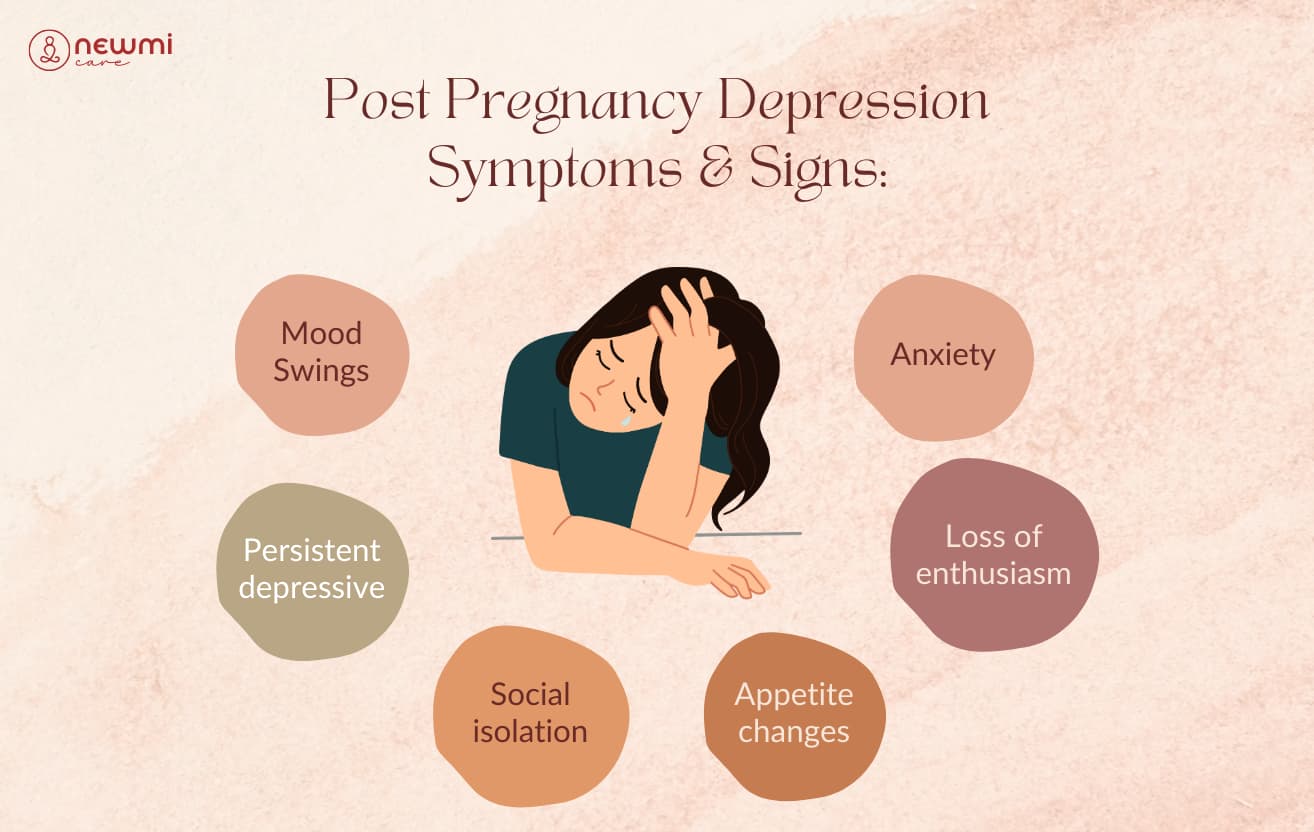
11 Dangerous Postpartum Depression Signs Every New Mother Must Recognize Immediately — And The Fastest Path to Complete Healing

You just brought a new life into the world. Everyone around you is beaming. And yet, something feels deeply, frighteningly wrong.

If that sentence just made you exhale with relief because someone finally said it out loud, then this article was written for you.

Why Postpartum Depression Signs Are So Often Missed

Postpartum depression is one of the most underdiagnosed conditions in modern medicine. Not because it is rare. Not because it is subtle. But because millions of new mothers are told, in a thousand quiet ways, that what they are feeling is simply “part of the experience.”

It is not.

Postpartum depression (PPD) affects approximately 1 in 7 new mothers in the United States, according to the American Psychological Association. That makes it the most common complication of childbirth. More common than gestational diabetes. More common than preterm labor. And yet, it is spoken about in hushed tones, if at all.

The stakes are higher than most people realize. Untreated postpartum depression does not just affect the mother. Research consistently shows it impacts infant development, relationship quality, and the entire family system for years. In rare but serious cases, it escalates into postpartum psychosis, a psychiatric emergency.

This guide will walk you through all 11 postpartum depression signs that demand your attention, and then offer a clear, medically grounded roadmap to the fastest possible recovery. Because you deserve to feel like yourself again, and the road back is more accessible than most new mothers are ever told.

Postpartum Depression Signs


Sign #1: Persistent Sadness That Feels Like More Than Just the Baby Blues

The “baby blues” affect up to 80% of new mothers. Tearfulness, mood swings, and emotional sensitivity in the first two weeks after birth are normal hormonal responses to the dramatic drop in estrogen and progesterone following delivery.

But here is the critical distinction: baby blues lift on their own within two weeks. Postpartum depression does not.

If you find yourself crying without knowing why, feeling a hollow sadness that sits in your chest like a stone, and noticing that two weeks have passed with no improvement, this is one of the most significant early postpartum depression signs. Do not wait for it to resolve on its own. It rarely does without support.

What this postpartum depression symptom feels like in real life:

  • Crying at unexpected moments, often with no clear trigger
  • Feeling like a glass wall separates you from normal life
  • Describing yourself as “going through the motions”
  • Finding no comfort in things that used to bring you joy

The sadness of PPD has a particular quality. It is not grief with a clear object. It is more like weather, a pervasive grey that follows you from room to room regardless of what is actually happening around you. If this description resonates, please keep reading.


Sign #2: Inability to Bond With Your Baby Is a Core Postpartum Depression Symptom

This is the sign that carries the most shame, and the one that most urgently needs to be talked about more openly.

Many mothers with PPD describe looking at their newborn and feeling nothing. Or feeling something closer to resentment or fear than the warm, tidal love they expected. They feed the baby, change the diapers, and perform all the right actions, but they feel like a caretaker rather than a mother.

This is not a character flaw. It is a neurochemical reality. Postpartum depression disrupts the very brain circuits responsible for attachment and reward. Serotonin, dopamine, and oxytocin systems are all affected, meaning the bond that “should” feel automatic simply does not fire the way it is supposed to.

The good news is that with proper treatment, this bond almost always forms. Mothers who receive timely care consistently report that the love eventually arrives, and that it is just as deep and genuine as any bond formed in the delivery room.

Important note: Feeling disconnected from your baby is not evidence that you are a bad mother. It is evidence that your brain needs medical support, the same way a broken leg means your bone needs medical support.


Sign #3: Intrusive Thoughts Are Among the Most Frightening Postpartum Depression Signs

Let’s talk about the symptom that almost no one admits to out loud, even to their doctor.

Many mothers with postpartum depression experience intrusive thoughts. These are unwanted, involuntary mental images or thoughts that feel shocking and deeply disturbing. Common examples include sudden mental images of dropping the baby, fears of something terrible happening to the child, or thoughts of harming oneself or the infant.

These thoughts are not desires. They are symptoms. There is a critical neurological difference between an intrusive thought (unwanted, distressing, ego-dystonic, meaning it feels foreign to who you are) and genuine intent. Mothers experiencing intrusive thoughts are typically horrified by them, which is itself the clearest evidence that these are PPD symptoms and not danger signs about their character.

That said, if thoughts feel persistent, controlled, or welcome in any way, that is a different clinical picture entirely and warrants an immediate call to your healthcare provider or a crisis line.

This postpartum depression symptom affects more new mothers than anyone acknowledges. A 2016 study published in the journal Pediatrics found that over 70% of new parents reported intrusive thoughts in the postpartum period. You are not broken. You are not dangerous. But you do need support, and you deserve to ask for it without shame.


Sign #4: Extreme Fatigue That Sleep Cannot Fix Is a Telling PPD Symptom

Every new parent is tired. That is simply the territory. But there is a particular kind of exhaustion that comes with postpartum depression, and it feels categorically different from ordinary sleep deprivation.

PPD fatigue is bone-deep. It persists even after a rare full night of sleep. It makes the simplest tasks feel insurmountable. Getting up to make coffee can feel like climbing a mountain. Responding to a text message can feel like writing a dissertation.

This is because depression physically alters energy metabolism at the cellular level. It is not laziness, and it cannot be solved by trying harder or pushing through.

Signs that postpartum fatigue has moved beyond normal tiredness:

  • You feel just as exhausted after sleeping as before
  • Tasks that used to be automatic now require enormous mental effort
  • You feel physically heavy, as though gravity has doubled
  • Even things you want to do feel emotionally and physically unreachable

Sign #5: Severe Anxiety and Panic Attacks Often Accompany Postpartum Depression Signs

Here is something that surprises many people: postpartum depression and postpartum anxiety often travel together. In fact, some researchers argue that postpartum anxiety is even more prevalent than depression, yet it receives far less clinical attention and public discussion.

Postpartum anxiety manifests as racing thoughts, an inability to stop worrying about the baby’s health and safety, physical symptoms like heart palpitations and shortness of breath, and a constant, hovering dread that something terrible is about to happen. Some mothers develop full panic attacks, sudden waves of overwhelming fear accompanied by chest tightness, dizziness, and a frightening sense of unreality.

The cruel irony is that anxiety often masquerades as “just being a careful mother.” Society validates hypervigilant mothering. So the woman who checks on her sleeping baby seventeen times a night out of sheer terror may be told she is “wonderfully attentive” when she is actually drowning in anxiety that deserves professional treatment.

If this sounds familiar, please bring it up with your provider at your next visit. You do not need to wait until it becomes unbearable.


Sign #6: Withdrawal From Family and Friends Is a Subtle but Important Postpartum Depression Sign

One of the most telling postpartum depression signs is social withdrawal. The new mother stops responding to texts. She declines visitors who were previously welcomed. She sits in the same room as her partner and feels utterly alone.

This withdrawal is not rudeness. It is a symptom of the way depression distorts social motivation. The brain’s reward system, which normally makes connection feel good, becomes dysregulated under the weight of PPD. Human contact begins to feel like an effort rather than a comfort.

Isolation, in turn, makes depression worse. It is a self-reinforcing spiral that can deepen quickly without intervention.

Signs of concerning postpartum withdrawal:

  • Canceling plans consistently and feeling relieved rather than disappointed
  • Not returning calls or messages for days at a time
  • Feeling like a burden to everyone around you
  • Preferring to be alone even when you previously craved company
  • Putting on a performance of “fine” during brief social contact, then crashing afterward

Sign #7: Difficulty Concentrating and Making Decisions Are Recognized Postpartum Depression Symptoms

“Mom brain” is real, and it is partially explained by normal neurological changes during the postpartum period. But there is a version of cognitive fog that crosses into postpartum depression territory, and knowing the difference matters.

PPD-related cognitive impairment goes beyond forgetting where you put your keys. It includes an inability to make even simple decisions, difficulty following conversations or reading, a sense that your thoughts are moving through thick mud, and a disturbing feeling that you have lost some essential part of your intelligence.

This is sometimes called “depressive cognitive impairment,” and it is a documented neurological effect of depression’s impact on the prefrontal cortex. The brain regions responsible for planning, decision-making, and attention are all affected by the same neurochemical dysregulation driving the emotional symptoms.

The positive news: cognitive symptoms almost always resolve with treatment. Many women report that their mental sharpness returns fully after healing from PPD, sometimes feeling more resilient and self-aware than they were before.


Sign #8: Changes in Appetite and Eating Patterns Signal Postpartum Depression

Depression disrupts the hunger signals that ordinarily regulate eating. For some mothers with PPD, appetite disappears almost entirely. They forget to eat, feel no hunger, and lose weight without trying. For others, the pattern reverses, and food becomes one of the only available sources of comfort, leading to significant emotional eating.

Neither pattern is about willpower or discipline. Both reflect the same underlying disruption to the hypothalamic and reward systems in the brain.

What makes this particularly worth monitoring in the postpartum period is that poor nutrition can directly worsen both physical recovery from childbirth and mood symptoms. Nutrient deficiencies, especially in iron, omega-3 fatty acids, and B vitamins, are common postpartum and can independently worsen depressive symptoms, creating a difficult compounding cycle.

Signs your appetite changes may signal postpartum depression:

  • Going half a day without eating and not noticing until prompted
  • Eating large amounts without feeling satisfied or comforted
  • Losing interest in foods you previously enjoyed
  • Feeling nauseous at the thought of meals without a physical illness explanation

Sign #9: Irritability and Rage Are Often Overlooked Postpartum Depression Signs

When most people picture postpartum depression, they picture sadness. And while sadness is certainly present for many mothers, anger is often the more prominent and most socially misunderstood face of PPD.

Many mothers with postpartum depression describe feeling rage that seems wildly disproportionate to its trigger. Snapping at their partner over minor things. Feeling a hot, explosive irritability they barely recognize in themselves. Experiencing anger so intense it frightens them.

This is one of the postpartum depression signs most likely to go undiagnosed, because clinicians and family members tend to frame it as a relationship problem or a personality issue rather than a psychiatric symptom. But anger is a well-documented presentation of depression in both men and women, and in the postpartum period, it deserves the same clinical attention as sadness.

If you find yourself feeling angrier than you recognize yourself to be, please bring this to your provider’s attention. The anger is the depression speaking, not you. And it responds to treatment just as well as the sadness does.


Sign #10: Physical Symptoms With No Clear Medical Cause Can Indicate PPD

The mind-body connection is not metaphorical. It is anatomical. Depression is a whole-body illness, and postpartum depression regularly expresses itself through physical symptoms that have no other clear medical explanation.

These can include chronic headaches, persistent back pain, stomach discomfort, unexplained aching, and a general feeling of physical unwellness. Some mothers with PPD describe feeling as though they are “coming down with something” for weeks on end, without ever actually developing an illness.

When a new mother presents with these symptoms, the first clinical priority is rightly to rule out physical causes. But when workup comes back normal, postpartum depression belongs on the differential diagnosis list. Treating the depression frequently resolves the physical symptoms entirely, because the symptoms were always the depression in disguise.


Sign #11: Thoughts of Harming Yourself Are the Most Urgent Postpartum Depression Sign

This is the sign that requires the most immediate action, and the one most important to name clearly.

If you are having thoughts of suicide, self-harm, or thoughts that your baby or family would be better off without you, please stop reading and contact support right now. Call or text the 988 Suicide and Crisis Lifeline (call or text 988 in the US), go to your nearest emergency room, or call someone you trust immediately.

These thoughts are a medical emergency. They are not evidence of who you are as a mother or a person. They are a signal that your brain is in crisis and needs urgent help, exactly the way a heart in distress needs urgent help.

Postpartum depression, even in its most severe forms, is treatable. Women who receive appropriate care recover. The darkness lifts. And the mother on the other side of that darkness is fully capable of building a beautiful, present, loving relationship with her child.

You are not a burden. You are not beyond help. And you are not alone.


Postpartum Depression vs. Baby Blues vs. Postpartum Psychosis: A Critical Comparison

Understanding where your experience falls on this spectrum is one of the most important steps toward getting the right care. The table below summarizes the key distinctions clearly.

Feature Baby Blues Postpartum Depression Postpartum Psychosis
Onset 2 to 5 days after birth Within 4 weeks (can occur up to 1 year postpartum) Within 2 weeks, often 24 to 72 hours after birth
Duration Resolves within 2 weeks Weeks to months without treatment Days to weeks; requires immediate hospitalization
Mood symptoms Mild tearfulness, mood swings Persistent sadness, anxiety, anger, numbness Extreme mood swings, mania, severe depression
Cognitive symptoms Mild forgetfulness Difficulty concentrating, decision fatigue Confusion, disorientation, incoherence
Intrusive thoughts Rarely present Common Severe; may include commands or delusions
Hallucinations None None Present (auditory or visual)
Bond with baby Intact Often disrupted Severely disrupted; may involve paranoid beliefs about baby
Treatment needed Rest, support, monitoring Yes: therapy, medication, or both Emergency psychiatric care immediately
Prevalence 50 to 80% of new mothers 1 in 7 new mothers (~15%) 1 to 2 in 1,000 new mothers
Prognosis with treatment Resolves naturally Excellent; full recovery common Good with rapid intervention; higher recurrence risk

Risk Factors That Make Postpartum Depression Signs More Likely

Not every new mother faces equal risk. While PPD can occur in any woman following any pregnancy, certain factors increase vulnerability significantly. Knowing your own risk profile is one of the most empowering things you can do before your baby arrives.

Biological risk factors:

  • Personal history of depression or anxiety
  • Family history of postpartum depression
  • History of premenstrual dysphoric disorder (PMDD)
  • Thyroid dysfunction (postpartum thyroiditis is common and mimics PPD symptoms closely)
  • Nutritional deficiencies, particularly iron and omega-3 fatty acids

Psychological and social risk factors:

  • High levels of stress during pregnancy
  • Traumatic birth experience
  • Lack of social support or practical help at home
  • Relationship conflict or domestic instability
  • Financial stress
  • Perfectionism and high self-expectations around motherhood

Situational risk factors:

  • Infant with health complications requiring extra care
  • Multiple births (twins, triplets)
  • Unplanned or unwanted pregnancy
  • Previous pregnancy loss or infertility
  • Breastfeeding difficulties or complications

Knowing your risk factors is not cause for panic. It is cause for preparation. Women with multiple risk factors benefit enormously from proactive screening, early conversations with their healthcare providers, and building a support network before delivery.


The Fastest Proven Path to Complete Postpartum Depression Healing

Here is the truth the mental health community broadly agrees on: postpartum depression is one of the most treatable psychiatric conditions in existence. With appropriate care, the vast majority of women experience full recovery. The key word is “appropriate,” because not all treatment approaches are equal, and timing matters.

Step One: Get Screened and Diagnosed Correctly

The Edinburgh Postnatal Depression Scale (EPDS) is a validated 10-item questionnaire used by OBGYNs, midwives, and pediatricians to screen for PPD. If you have not been screened, ask for it directly. If you have been screened but feel your results did not capture the full picture of what you are experiencing, say so explicitly.

An accurate diagnosis is the foundation of everything that follows. This also means ruling out thyroid dysfunction, anemia, and other postpartum physical conditions that can cause or worsen mood symptoms, sometimes dramatically.

Step Two: Understand Your Treatment Options Fully

Effective treatment for postpartum depression falls into several well-documented categories. The right combination depends on symptom severity, your personal history, breastfeeding status, and your preferences as an informed patient.

Psychotherapy:

Cognitive Behavioral Therapy (CBT) and Interpersonal Therapy (IPT) are the two most evidence-supported psychotherapy approaches for postpartum depression. Both have strong clinical trial data behind them. CBT helps mothers identify and restructure the thought patterns that maintain depression. IPT focuses specifically on relationship dynamics and role transitions, making it particularly well-suited to the enormous identity shift of new motherhood.

Research consistently shows that therapy alone is effective for mild to moderate PPD. For moderate to severe cases, it works best in combination with medication.

Medication:

Selective serotonin reuptake inhibitors (SSRIs) like sertraline and paroxetine are the first-line pharmacological treatment for PPD. Both are considered compatible with breastfeeding, though all medication decisions should be made in close consultation with your prescribing physician based on your individual situation.

In 2019, the FDA approved brexanolone (Zulresso), the first medication specifically developed and approved for postpartum depression. It works by targeting the neurosteroid system disrupted by the postpartum hormonal plunge. A newer oral version, zuranolone (Zurzuvae), was approved in 2023 and offers significant symptom improvement within days rather than the weeks typically needed for SSRIs. These options represent genuine medical advances, and many women do not know they exist.

Hormonal approaches:

Because PPD is substantially driven by the postpartum drop in estrogen and progesterone, hormonal strategies are an area of active ongoing research. Some practitioners offer progesterone supplementation in the immediate postpartum period for high-risk patients. This is not yet a universal standard of care but represents a promising frontier worth discussing with your provider if you have significant risk factors.

Step Three: Build Your Support Ecosystem Deliberately

No medication or therapy works in isolation. The research on postpartum depression recovery consistently identifies social support as one of the strongest protective and healing factors available.

According to research published by the National Institutes of Health on proven postpartum mental health recovery strategies, mothers with robust social support networks recover from PPD significantly faster than those who are isolated, even when controlling for treatment type and symptom severity.

Practical support building looks like this in action:

  • Partner involvement: Educate your partner about PPD signs and enlist them as an active participant in recovery, not a concerned bystander. Their informed understanding alone reduces maternal shame and increases treatment adherence.
  • Professional home support: Postpartum doulas and night nurses provide practical help that reduces the sleep deprivation and overwhelm that directly fuel PPD.
  • Peer support groups: Connecting with other mothers who have experienced PPD is consistently reported as one of the most healing aspects of recovery. Organizations like Postpartum Support International (PSI) offer free peer support groups, both online and in-person.
  • Family education: Family members who understand PPD are far less likely to offer unhelpful advice and far more likely to provide the kind of practical, non-judgmental support that actually helps.

Step Four: Prioritize Sleep Above Almost Everything Else

Sleep deprivation is not just a side effect of new parenthood. It is a direct physiological driver of postpartum depression. The neurobiological overlap between severe sleep deprivation and clinical depression is substantial, meaning that improving sleep is itself a meaningful treatment intervention, not just a nice-to-have.

This does not mean waiting until the baby sleeps through the night at four months. It means strategically protecting sleep in whatever form is currently possible. Taking shifts with a partner. Accepting help from family members for overnight care. Using safe sleep strategies that allow for more consolidated rest. Sometimes, temporarily supplementing breastfeeding with bottles to allow a longer sleep window for the mother.

The guilt many mothers feel about prioritizing their own sleep over constant availability to their infant is itself frequently a PPD symptom. A rested mother is a more present, more responsive, and healthier mother in every measurable way. This is not a compromise. It is an investment in her recovery.

Step Five: Address Postpartum Nutrition Strategically

The postpartum body is nutritionally depleted. Growing and sustaining a human being draws heavily on maternal stores of iron, iodine, choline, omega-3 fatty acids, vitamin D, and B vitamins. Many of these nutrients play direct roles in neurotransmitter synthesis and brain function, meaning their depletion can directly worsen PPD symptoms.

Continuing a prenatal vitamin through the postpartum period provides a basic foundation. But targeted supplementation may be warranted based on bloodwork, particularly for:

  • Omega-3 fatty acids (EPA and DHA): Low omega-3 levels are associated with increased PPD risk, and supplementation has shown mood benefits in several clinical trials.
  • Iron: Postpartum anemia is common after significant blood loss during delivery, and iron deficiency independently causes fatigue, brain fog, and mood disturbance that can be confused with or worsen PPD.
  • Vitamin D: Deficiency is widespread, particularly in northern latitudes and winter months, and has been linked to depressive disorders across populations.

Discuss targeted testing and supplementation with your healthcare provider. A simple blood panel can identify deficiencies that, when corrected, may significantly improve mood symptoms and overall recovery.

Step Six: Move Your Body, Even a Little

Exercise is one of the most consistently supported non-pharmacological interventions for depression. For postpartum depression specifically, even gentle movement, a 20-minute walk with the stroller, postnatal yoga, or swimming, has been shown to meaningfully improve mood outcomes in clinical studies.

This is not about “bouncing back” or achieving a particular body shape. This is about the genuine neurochemical effects of physical movement: the release of endorphins, the reduction in cortisol, the improvement in sleep quality, and the simple psychological benefit of having done something intentional and self-caring.

Start very small. Even five minutes of intentional movement counts. And please, be genuinely gentle with yourself about what your postpartum body can and cannot do in the early weeks and months.

Step Seven: Know When to Escalate Care

Most women with postpartum depression respond well to outpatient care combining therapy, medication, and support. But some situations require more intensive intervention. Knowing the signs that more support is needed is itself part of a complete recovery plan.

Seek urgent or emergency care if you experience any of the following:

  • Thoughts of suicide or self-harm
  • Thoughts of harming your baby
  • Hallucinations (seeing or hearing things others cannot)
  • Paranoid thoughts about your baby or family members
  • Rapidly worsening symptoms despite current treatment
  • Inability to care for yourself or your baby

Intensive outpatient programs (IOPs), day treatment programs, and in rare cases inpatient psychiatric care exist specifically for these situations. Accessing them is not a failure. It is the appropriate level of care for the severity of the illness. Using them is a form of profound maternal strength, not weakness.


What Partners and Family Members Can Do Right Now

Postpartum depression does not only affect the mother. It affects everyone in her orbit. And the people closest to her have considerably more power to support her healing than most of them realize.

The single most important thing a support person can do is believe her. Not minimize. Not compare. Not offer unsolicited perspective about gratitude. Just believe that what she is experiencing is real, that it is not her fault, and that she deserves help without having to earn or justify it.

Practical support matters enormously: cooking real meals, doing laundry without being asked, taking overnight shifts with the baby, watching older children so she can rest or attend appointments. These acts are not just kindness. They are a direct clinical intervention in her recovery.

The World Health Organization’s guidance on proven maternal mental health support strategies emphasizes that social support and reduction of practical burden are among the most powerful modifiable factors in postpartum recovery outcomes. You do not need a medical degree to help. You need to show up consistently and without judgment.

Learn to recognize the signs of worsening symptoms. Know what to do if she expresses thoughts of self-harm. And resist the culturally ingrained impulse to celebrate her “getting back to normal” before she has actually healed. Recovery is not linear, and she needs the people around her to understand that.


The Cultural Silence That Makes Postpartum Depression Signs Harder to Recognize

Postpartum depression exists inside a culture that tells new mothers to perform joy. Birth announcements are celebrations. Baby showers are cheerful. Social media feeds are carefully curated. And a mother who is quietly falling apart inside a life that looks beautiful from the outside faces a particular kind of compounding loneliness.

There is also a persistent stigma around psychiatric treatment in the postpartum period, fed by misinformation and cultural narratives about “natural” motherhood. Some mothers fear that asking for help will lead to their children being taken away. Some fear judgment from their family or community. Some simply have never been told, clearly and directly, that what they are experiencing has a name, a diagnosis, and an effective treatment.

This article exists to say, clearly and directly: postpartum depression is a medical condition. Seeking treatment for it is no different from seeking treatment for a postpartum infection or a fractured bone. And the decision to get help is not a sign of weakness. It is the most courageous and loving thing you can do, for yourself and for the child who needs you to be well.


Quick Reference: Who to Call for Postpartum Depression Signs and Support

Resource Contact What They Offer
988 Suicide and Crisis Lifeline Call or text 988 24/7 crisis support, including postpartum mental health
Postpartum Support International (PSI) Helpline 1-800-944-4773 Peer support, provider referrals, free online groups
Crisis Text Line Text HOME to 741741 Text-based 24/7 crisis support
Your OB, midwife, or family doctor Use their office number Screening, diagnosis, prescription, referral
PSI Online Support Groups postpartum.net Free weekly online peer support groups
NAMI Helpline 1-800-950-6264 Mental health education and referral support

A Final Word to the Mother Reading This Right Now

If you have read this far, there is probably a reason.

Maybe you recognize yourself in these postpartum depression signs and are not sure what to do next. Maybe you are reading this for someone you love and are trying to understand how to help. Maybe you healed from PPD years ago and are still processing the weight of that experience. Wherever you are, something needs to be said directly to you.

You are not failing at motherhood. You are fighting something real and hard, with real biological weight behind it. The love you are capable of giving your child is not diminished by what your brain chemistry is doing right now. And the path back to yourself is not as long or as difficult as the depression is currently telling you it is.

The next step does not have to be enormous. It can be calling your OB tomorrow morning. It can be texting a friend and telling her something closer to the truth. It can be typing “postpartum depression therapist near me” into a search bar tonight. Small steps are real steps. Taking any one of them is proof of strength.

You deserve to feel well. Your child deserves a mother who gets the help she needs. And the future version of you, the one who has come through this and healed, is waiting on the other side of that first small step toward care.


CTA

If this article helped you or someone you love, please share it. Postpartum depression thrives in silence, and information is one of the most powerful tools we have against it. Forward this to a new mother, a father, a grandparent, or anyone in a new family’s orbit who might need it.

Read Next: How to Build a Postpartum Support Plan Before Your Baby Arrives | Postpartum Anxiety vs. PPD: How to Tell the Difference | The Partner’s Complete Guide to Supporting a Mother With Postpartum Depression

Drop a comment below: Did you experience postpartum depression? What was the first step that helped you most? Your story might be exactly what another mother needs to read today.


This article is intended for informational and educational purposes and does not constitute medical advice. If you believe you may be experiencing postpartum depression or any mental health crisis, please consult a qualified healthcare provider promptly. If you are in immediate danger, call emergency services or 988.