
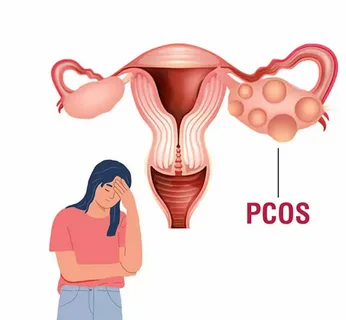
Proven Lifestyle Changes That Help Women Manage PCOS Symptoms Naturally
You were told to “just lose weight” or handed a prescription and sent on your way. If that sounds familiar, you are not alone, and you deserve better than that.
Polycystic Ovary Syndrome affects roughly 1 in 10 women of reproductive age worldwide, making it one of the most common hormonal conditions on the planet. Yet it remains frustratingly misunderstood, underdiagnosed, and often managed with a one-size-fits-all approach that leaves millions of women feeling dismissed.
Here is what the latest research actually shows: while PCOS cannot be cured, its symptoms, ranging from irregular periods and stubborn weight gain to acne, fatigue, and mood changes, can be significantly reduced through targeted, evidence-based lifestyle changes. This is not about miracle protocols or expensive supplement stacks. It is about understanding how your body works, and giving it what it genuinely needs.
This guide covers the most effective, research-backed strategies women are using right now to manage PCOS symptoms naturally. Each section explains what the change is, why it works for PCOS specifically, and how to actually implement it without turning your life upside down.
Whether you were just diagnosed or have been managing PCOS for years, there is something in here for you.

Understanding PCOS Before You Try to Manage PCOS Symptoms Naturally
Before diving into lifestyle strategies, it helps to understand what you are actually working with.
PCOS is a hormonal and metabolic condition driven by a combination of factors, including elevated androgens (male hormones like testosterone), insulin resistance, chronic low-grade inflammation, and disrupted ovulation. These factors do not affect every woman the same way, which is why PCOS looks so different from person to person.
There are four commonly recognized phenotypes of PCOS:
- Classic PCOS (high androgens, irregular cycles, polycystic ovaries)
- Ovulatory PCOS (high androgens, polycystic ovaries, but regular cycles)
- Non-androgenic PCOS (irregular cycles, polycystic ovaries, normal androgens)
- Mild PCOS (irregular cycles and high androgens, but no polycystic ovaries)
This matters because the lifestyle strategies that work best for you may depend on your phenotype, your primary symptoms, and whether insulin resistance is a significant driver for you. Ideally, you work with a healthcare provider, ideally an endocrinologist or a gynecologist specializing in PCOS, to understand your specific presentation.
That said, the lifestyle changes covered in this guide are broadly beneficial across all PCOS types. They address the root drivers of the condition rather than just the surface symptoms.
How a Low-Glycemic Diet Helps You Manage PCOS Symptoms Naturally
If there is one dietary change with the most consistent research support for PCOS, it is reducing the glycemic load of your meals. And no, this does not mean giving up carbohydrates forever.
Insulin resistance affects between 50 and 70 percent of women with PCOS, even those who are not overweight. When your cells resist insulin, your pancreas compensates by producing more of it. High insulin levels then signal the ovaries to produce more androgens, which disrupts ovulation, contributes to acne, promotes excess hair growth, and makes weight management significantly harder.
A low-glycemic diet works by preventing the blood sugar spikes that trigger those excess insulin surges. Instead of eliminating carbs, the goal is to choose carbohydrates that digest slowly and pair them strategically with protein and fat.
What this looks like in practice:
- Replace white rice, white bread, and instant oats with brown rice, sourdough, steel-cut oats, and legumes
- Pair any carbohydrate source with a protein (eggs, chicken, Greek yogurt, lentils) and a fat (olive oil, avocado, nuts)
- Eat fiber-rich vegetables alongside starchy foods to slow glucose absorption
- Limit sugary beverages, fruit juice, and ultra-processed snack foods
A 2021 review published in Nutrients found that low-glycemic dietary patterns significantly improved insulin sensitivity, menstrual regularity, and androgen levels in women with PCOS compared to standard dietary approaches.
This is not about perfection. One higher-glycemic meal does not undo your progress. The goal is consistency over time, not dietary rigidity.
Why an Anti-Inflammatory Eating Pattern Is Key to Managing PCOS Naturally
Chronic low-grade inflammation is one of the less-discussed drivers of PCOS, but it plays a major role. Research shows that women with PCOS have elevated inflammatory markers regardless of body weight, which means inflammation is not just a side effect of excess weight. It is part of the condition itself.
Inflammation worsens insulin resistance, promotes oxidative stress in the ovaries, and can interfere with hormone signaling throughout the body. Addressing it through diet can make a meaningful difference in how you feel and function.
An anti-inflammatory eating pattern for PCOS is less a specific “diet” and more a framework. According to research supported by the World Health Organization’s global nutrition guidance, diets rich in whole foods, healthy fats, and diverse plant foods are consistently associated with lower levels of inflammatory markers.
Foods that reduce inflammation and support PCOS management:
- Fatty fish (salmon, sardines, mackerel) rich in omega-3 fatty acids
- Extra-virgin olive oil, which contains oleocanthal with natural anti-inflammatory properties
- Leafy greens, berries, cruciferous vegetables, and colorful produce
- Turmeric, ginger, and green tea
- Nuts and seeds, especially walnuts and flaxseeds
Foods that tend to increase inflammation and worsen PCOS symptoms:
- Trans fats and heavily processed vegetable oils
- Ultra-processed foods with long ingredient lists
- Excess added sugar and refined grain products
- Red and processed meats consumed in large quantities
The Mediterranean diet is frequently cited in PCOS research as an excellent template for anti-inflammatory eating. It is not restrictive, it is culturally flexible, and it has a strong evidence base across multiple conditions related to metabolic health.
How Strength Training and Exercise Help Women Manage PCOS Symptoms Naturally
Exercise is one of the most powerful tools for managing PCOS, and the research on this is remarkably consistent. But not all exercise is created equal when it comes to this condition, and knowing the difference matters.
The biggest benefit of exercise for PCOS comes from its effect on insulin sensitivity. Even a single session of moderate-intensity exercise can improve how your cells respond to insulin for up to 48 hours. Regular exercise compounds this benefit over time, effectively addressing one of the core drivers of PCOS without any medication.
Strength training deserves particular attention. Building lean muscle mass increases your body’s resting metabolic rate and dramatically improves glucose uptake by your muscle cells, reducing the burden on insulin. Studies have shown that resistance training can reduce testosterone levels, improve menstrual regularity, and decrease symptoms of hyperandrogenism (excess male hormones) in women with PCOS.
Exercise types and their specific benefits for PCOS:
- Resistance training (2 to 4 times per week): Best for improving insulin sensitivity, building muscle, reducing androgen levels, and supporting long-term metabolic health
- Moderate cardio (30 minutes, 3 to 5 times per week): Supports cardiovascular health (women with PCOS have elevated heart disease risk), reduces stress hormones, and improves mood
- Low-intensity movement (daily walking, yoga, swimming): Reduces cortisol, supports recovery, improves sleep quality, and is sustainable long-term
One thing to be cautious about: excessive high-intensity exercise can actually raise cortisol levels, which in turn can worsen insulin resistance and hormonal imbalance in some women with PCOS. More is not always better. Aim for consistency and variety rather than punishing workouts.
Starting with two strength sessions and two moderate cardio sessions per week, combined with daily walking, gives most women excellent results.
The Role of Sleep Quality in Naturally Managing Your PCOS Symptoms
Sleep is the lifestyle factor most commonly overlooked in PCOS management, and it may be the most underrated. Poor sleep does not just make you tired. It directly worsens the hormonal and metabolic dysfunction that drives PCOS.
Sleep deprivation, even a few days of getting less than six to seven hours, raises cortisol and inflammatory markers, impairs insulin sensitivity, disrupts the hormones that regulate appetite (ghrelin and leptin), and interferes with the hypothalamic-pituitary-ovarian axis, which governs your menstrual cycle.
Women with PCOS are also at significantly higher risk of sleep disorders, particularly obstructive sleep apnea and insomnia, compared to women without the condition. Sleep apnea, which involves repeated breathing interruptions during sleep, has been linked to worsening insulin resistance and metabolic syndrome independent of weight.
Evidence-based strategies to improve sleep with PCOS:
- Maintain a consistent sleep and wake time, even on weekends, to support your circadian rhythm
- Keep your bedroom cool (around 65 to 68 degrees Fahrenheit) and dark
- Avoid screens for at least 30 to 60 minutes before bed; the blue light suppresses melatonin production
- Limit caffeine after 1 PM
- If you wake in the night with racing thoughts, a brief body scan or progressive muscle relaxation practice can help
- Speak with your doctor if you snore heavily or wake unrefreshed; sleep apnea screening may be worthwhile
Seven to nine hours of quality sleep is not a luxury. For women managing PCOS, it is a foundational health requirement.
Stress Management as a Natural Strategy for PCOS Symptom Relief
Stress does not just affect your mood. For women with PCOS, chronic stress is a genuine physiological problem that can perpetuate and worsen symptoms.
When you are under stress, your adrenal glands release cortisol. Elevated cortisol triggers the release of glucose into the bloodstream, raises insulin levels, promotes fat storage around the abdomen, and can even stimulate the adrenal glands to produce more androgens. It also disrupts the hypothalamic-pituitary axis, which can suppress ovulation and throw off menstrual cycles.
For women who already have elevated androgens and insulin resistance, chronic stress adds fuel to an already active fire.
Practical stress-reduction strategies supported by research for PCOS:
- Mindfulness-based stress reduction (MBSR): Multiple studies have shown that regular mindfulness practice reduces cortisol, improves psychological wellbeing, and reduces anxiety in women with PCOS. Even 10 minutes per day using a free app like Insight Timer can make a difference.
- Yoga: A particular favorite in PCOS research, yoga combines physical movement with breathwork and has been shown to reduce testosterone levels, improve menstrual regularity, and decrease anxiety in women with PCOS.
- Breathwork: Slow, diaphragmatic breathing activates the parasympathetic nervous system (your “rest and digest” state) within minutes. Try the 4-7-8 technique: inhale for 4 counts, hold for 7, exhale for 8.
- Nature exposure: Simply spending time outdoors in green spaces has been shown in studies to reduce cortisol and improve mood. This does not need to be a hike. A 20-minute walk in a park works.
- Reducing chronic overcommitment: Sometimes stress management means having honest conversations about workload, boundary-setting, and saying no. This is harder than yoga, and probably just as important.
How Managing Blood Sugar with Specific Foods Supports Natural PCOS Management
Beyond the general low-glycemic diet, there are specific foods and nutrients that have particularly strong evidence for improving insulin sensitivity and hormonal balance in women with PCOS.
Inositol is perhaps the most researched supplement in the PCOS world, and while it is not technically a lifestyle change, it comes from food sources and is worth mentioning in context. Myo-inositol and D-chiro-inositol, found in foods like citrus peel, whole grains, nuts, and beans, play a direct role in insulin signaling. Studies have found that supplementing with a 40:1 ratio of myo to D-chiro inositol can improve ovulation rates, reduce androgen levels, and improve insulin sensitivity comparably to metformin in some women.
Magnesium is another nutrient worth focusing on through diet. Many women with PCOS are deficient in magnesium, and magnesium deficiency is associated with insulin resistance. Food sources include dark leafy greens, pumpkin seeds, dark chocolate (yes, really), legumes, and avocado.
Chromium, found in broccoli, grape juice, whole grains, and lean meats, supports insulin receptor activity and has shown modest benefits for insulin sensitivity in PCOS in small studies.
A practical blood sugar-balancing day might look like:
- Breakfast: Eggs scrambled with spinach and avocado on sourdough toast
- Mid-morning snack: A small handful of walnuts with an apple
- Lunch: Lentil soup with a large side salad dressed with olive oil and lemon
- Afternoon snack: Greek yogurt with berries and a sprinkle of flaxseed
- Dinner: Grilled salmon, roasted broccoli with olive oil, and a small portion of brown rice
This is not a prescriptive meal plan but an illustration of how easy it is to build balanced, blood-sugar-friendly eating into a regular day.
The Gut-Hormone Connection: How Gut Health Affects PCOS Symptoms Naturally
Emerging research is revealing a fascinating and important connection between the gut microbiome and PCOS. Women with PCOS consistently show different gut microbiome compositions compared to women without the condition, with lower microbial diversity and reduced populations of beneficial bacteria.
The gut microbiome influences PCOS through several pathways. It helps regulate the metabolism of estrogen and other hormones. It directly affects insulin sensitivity through the production of short-chain fatty acids. It modulates systemic inflammation. And it interacts with the gut-brain axis in ways that influence stress response and mood.
While the science is still developing, the dietary strategies that support a healthy gut also happen to align perfectly with what benefits PCOS anyway: high-fiber foods, fermented foods, diverse plant foods, and reduced ultra-processed food intake.
Gut-supporting strategies with PCOS relevance:
- Aim for 30 or more different plant foods per week to maximize microbiome diversity. This includes vegetables, fruits, whole grains, legumes, nuts, seeds, herbs, and spices. A tablespoon of flaxseed counts. So does a sprinkle of cumin.
- Include fermented foods regularly: plain yogurt, kefir, kimchi, sauerkraut, and miso all contain beneficial live bacteria
- Limit artificial sweeteners, particularly saccharin and sucralose, which some research suggests negatively alter gut bacteria
- Stay well hydrated, as water supports healthy gut transit time and microbiome function
The gut microbiome field is evolving rapidly, and PCOS-specific probiotic interventions are actively being studied. For now, the fundamentals, plenty of fiber and fermented foods, remain the best available approach.
Weight Management Reframed: What Actually Helps Women With PCOS
Weight is a sensitive topic in PCOS, and it is also a genuinely complicated one. Let’s handle it carefully and honestly.
Many women with PCOS find it harder to lose or maintain weight than women without the condition. This is not a personal failing. It is a physiological reality rooted in elevated insulin (which promotes fat storage and suppresses fat breakdown), androgen imbalance (which shifts fat distribution toward the abdomen), and disrupted hunger hormones.
Research does support that modest weight loss, as little as 5 to 10 percent of body weight in women who are overweight, can meaningfully improve menstrual regularity, ovulation, insulin sensitivity, and androgen levels. However, this does not mean weight loss is the only path or that women at a healthy weight have nothing to gain from lifestyle changes.
The strategies in this guide, low-glycemic eating, anti-inflammatory foods, strength training, sleep, and stress management, all improve PCOS symptoms and metabolic health markers independent of weight loss. Many women find that symptom improvement comes first, and if weight loss occurs, it follows naturally rather than being the focus.
What does not work for women with PCOS: very low calorie diets, chronic cardio without strength training, and weight cycling (repeated cycles of restrictive dieting and overeating). These approaches can increase cortisol, worsen insulin resistance, and create a punishing relationship with food and your body.
According to research highlighted in guidance from the U.S. Department of Health and Human Services Office on Women’s Health, a sustainable, balanced approach to nutrition and movement is the most effective long-term strategy for managing PCOS, with specific emphasis on avoiding restrictive eating patterns.
Focus on behaviors, not outcomes. Consistently nourishing eating, enjoyable movement, adequate sleep, and managed stress will do more for your PCOS than any number on a scale.
Reducing Endocrine Disruptor Exposure as Part of Natural PCOS Management
This one does not get nearly as much attention as it deserves. Endocrine disruptors are chemicals that interfere with the body’s hormonal signaling systems, and women with PCOS may be particularly vulnerable to their effects.
Bisphenol A (BPA), found in some plastics and food can linings, has been shown to directly mimic estrogen and disrupt androgen receptor activity. Studies have found higher blood levels of BPA in women with PCOS compared to women without the condition, and some research suggests BPA exposure can worsen insulin resistance and increase androgen levels.
Phthalates, found in many personal care products, fragrances, and plastics, have also been associated with worse hormonal and metabolic markers in women with PCOS.
Practical steps to reduce endocrine disruptor exposure:
- Choose glass, stainless steel, or BPA-free containers for food and beverages
- Avoid heating food in plastic containers, as heat increases chemical leaching
- Choose fragrance-free or naturally scented personal care products where possible
- Look for personal care products certified by the Environmental Working Group (EWG)
- Buy organic produce for the “Dirty Dozen” list items where pesticide residue is highest
- Ventilate your home regularly, as indoor air can concentrate endocrine-disrupting compounds from furniture and carpets
These changes do not need to happen overnight. Gradually replacing products as they run out is a practical and manageable approach.
Tracking Your Cycle: An Underused Tool for Natural PCOS Symptom Management
For women with PCOS, irregular or absent periods can make it feel impossible to track your cycle. But cycle tracking, even imperfect tracking, is one of the most valuable tools available for understanding your own body and monitoring whether your lifestyle changes are working.
Apps like Clue, Flo, or Natural Cycles allow you to log symptoms, mood, energy, cervical mucus, and basal body temperature alongside any period data. Over time, even chaotic patterns start to reveal information about what affects your cycle length, when you might be approaching ovulation, and how your body responds to different behaviors.
Basal body temperature (BBT) tracking, taking your temperature with a basal thermometer every morning before getting out of bed, can confirm whether ovulation is occurring and when. For women with PCOS who are trying to conceive, this data is enormously useful. For those who are not, it still provides a window into hormonal activity.
Beyond cycle data, symptom tracking helps you identify patterns. Does your acne flare after certain foods? Do you notice more fatigue during certain weeks? Does exercise or stress affect your cycle length? This kind of observational data is genuinely useful to share with your doctor and can guide both medical and lifestyle decisions.
Summary Comparison Table: Lifestyle Change, Primary PCOS Benefit, and Ease of Implementation
| Lifestyle Change | Primary PCOS Benefit | Secondary Benefits | Ease of Starting (1 = Easiest) |
|---|---|---|---|
| Low-glycemic diet | Reduces insulin resistance | Weight management, energy, acne | 2 |
| Anti-inflammatory eating | Reduces systemic inflammation | Mood, joint health, heart health | 2 |
| Strength training | Improves insulin sensitivity, lowers androgens | Body composition, bone density | 3 |
| Moderate cardio | Cardiovascular health, stress reduction | Weight management, mood | 2 |
| Quality sleep (7 to 9 hours) | Reduces cortisol, supports hormone regulation | Energy, cognitive function, mood | 3 |
| Stress management | Lowers cortisol, reduces androgen trigger | Mental health, sleep quality | 3 |
| Gut health support | Hormonal metabolism, reduced inflammation | Digestion, immunity | 1 |
| Endocrine disruptor reduction | Reduces hormonal interference | General health | 2 |
| Cycle tracking | Self-knowledge, monitoring progress | Fertility awareness, doctor communication | 1 |
| Blood sugar-friendly foods | Stabilizes insulin and glucose levels | Energy, mood, cravings | 2 |
Bringing It All Together: A Realistic PCOS Lifestyle Plan
The single most important thing to understand about managing PCOS through lifestyle is that you do not need to implement everything at once.
In fact, trying to overhaul your diet, exercise, sleep, stress, and environment simultaneously is a recipe for burnout. And stress, as we have covered, makes PCOS worse. There is a genuine irony in stressing yourself out trying to implement stress management strategies.
A more sustainable approach is to start with one or two changes that feel genuinely accessible, build consistency, and then add more over time. Most people find that starting with sleep and diet gives them enough energy and metabolic improvement that the other changes feel easier to make.
Here is a rough framework for sequencing lifestyle changes:
Weeks 1 to 4: Foundation Focus on sleep consistency (same bedtime, same wake time) and adding protein to every meal. These two changes alone improve insulin sensitivity, reduce cravings, and support energy without requiring major disruption.
Weeks 5 to 8: Movement Add two strength training sessions and three 30-minute walks per week. Do not worry about intensity. Consistency matters far more than the quality of any single workout.
Weeks 9 to 12: Diet refinement Shift toward lower-glycemic carbohydrate choices, increase fiber through more vegetables and legumes, and add fermented foods a few times per week.
Ongoing: Stress and environment Introduce a daily 10-minute mindfulness or breathing practice. Begin gradually reducing endocrine disruptor exposure as a background project.
Most women report noticing symptom changes within three to six months of consistent lifestyle changes, though some improvements, particularly in mood and energy, can appear within weeks.
When Lifestyle Changes Are Not Enough: Combining Natural Approaches With Medical Care
Lifestyle changes are powerful. But for many women with PCOS, they work best alongside, not instead of, appropriate medical care.
Medications like metformin (which improves insulin sensitivity), combined oral contraceptives (which regulate cycles and reduce androgens), spironolactone (for acne and hair-related symptoms), and letrozole (for ovulation induction in fertility treatment) are genuinely effective tools. There is no merit in avoiding medication that could meaningfully improve your quality of life or reproductive outcomes.
The lifestyle strategies in this guide enhance the effectiveness of medical treatment rather than competing with it. Many women find that as their insulin sensitivity improves through diet and exercise, they need lower medication doses. This should always be managed with a healthcare provider rather than independently.
If you have not already, it is worth seeking care from a gynecologist, endocrinologist, or registered dietitian with specific PCOS experience. A PCOS-informed provider can help you understand your specific phenotype, order appropriate labs, and personalize recommendations far beyond what any general guide can offer.
Conclusion: Your Body Is Not Against You
Living with PCOS can feel like your body is working against you. The irregular cycles, the fatigue, the skin changes, the weight that does not respond the way it should. It is easy to feel frustrated, isolated, or like you are doing everything wrong.
You are not doing everything wrong. You are navigating a genuinely complex hormonal condition with limited support and a lot of conflicting information. That is hard, and it deserves acknowledgment.
What the research consistently shows is that meaningful improvement is possible. Not through perfection. Not through expensive protocols. Through consistent, sustainable changes to the way you eat, move, sleep, and manage stress, combined with appropriate medical support when needed.
Every woman’s PCOS looks different, and your journey with it will be your own. But the foundations covered in this guide, stabilizing blood sugar, reducing inflammation, building muscle, sleeping deeply, managing stress, and supporting your gut, address the actual drivers of the condition rather than just masking symptoms.
Start with one thing. Do it consistently. Build from there.
Your body is not your enemy. With the right support, it is remarkably responsive.
Call to Action
If this guide helped you, share it with a woman in your life who is navigating PCOS. You might be the reason she finally gets the information she needed.
Read Next:
- How to Talk to Your Doctor About PCOS: A Practical Guide
- The Best Labs to Ask For If You Suspect PCOS
- PCOS and Mental Health: Understanding the Connection No One Talks About
Drop a comment below: Which lifestyle change has made the biggest difference for your PCOS? We read every one.
Disclaimer: This article is for informational purposes only and does not constitute medical advice. Always consult a qualified healthcare provider before making changes to your diet, exercise routine, or medical treatment plan.