
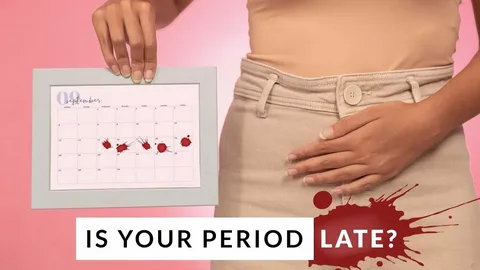
7 Powerful Evidence-Based Remedies for Irregular Periods That Gynecologists Are Finally Recommending in 2025
Your period has ghosted you for two months. Or it showed up three weeks early, uninvited, just before your beach trip. Either way, you are not imagining things, and no, it is not all in your head.
Irregular periods are one of the most common reasons women visit a gynecologist, and yet for years, many women were handed a birth control prescription and sent on their way without a real conversation about why their cycles were off in the first place. That is changing. In 2025, a growing number of gynecologists and reproductive health specialists are recommending a more root-cause-focused approach, blending lifestyle interventions, targeted supplementation, and evidence-based natural therapies alongside conventional medicine.
This post covers seven of the most well-supported remedies for irregular periods, including what the science says, how to apply each one, and what realistic results look like. Whether your cycle is disrupted by PCOS, stress, weight changes, thyroid issues, or something less defined, there is something here that applies to you.
One important note before we dive in: irregular periods can sometimes signal an underlying medical condition. If you have missed three or more cycles in a row, are experiencing unusually heavy bleeding, or have other symptoms like severe pain or abnormal discharge, please consult a gynecologist. The remedies in this article are best used as complements to medical care, not replacements for it.

What Counts as Irregular? Understanding Your Menstrual Cycle Baseline
Before talking about remedies for irregular periods, it helps to know what “irregular” actually means in clinical terms.
A typical menstrual cycle runs between 21 and 35 days, with bleeding lasting two to seven days. When your cycles consistently fall outside that window, arrive unpredictably, or stop altogether, that is considered menstrual irregularity. The medical terms you might hear include oligomenorrhea (infrequent periods, fewer than four to nine cycles per year) and amenorrhea (no period for three months or more in someone who previously had regular cycles).
According to research published in 2025, oligomenorrhea affects approximately 13.5% of women of reproductive age, with polycystic ovary syndrome (PCOS) accounting for a significant portion of cases. But PCOS is far from the only culprit. Thyroid disorders, chronic stress, dramatic weight changes, excessive exercise, and nutritional deficiencies can all throw off the finely tuned hormonal conversation that governs your cycle.
Understanding the likely cause of your irregular periods is the first step toward choosing the right remedy. That is why so many gynecologists now begin with a thorough hormone panel, thyroid assessment, and lifestyle review before recommending any intervention.
Remedy 1: Myo-Inositol Supplementation for Irregular Periods Linked to PCOS
If your irregular periods come alongside symptoms like acne, unwanted facial hair, weight gain around the abdomen, or difficulty losing weight, PCOS may be part of the picture. And myo-inositol, a naturally occurring compound found in fruits, vegetables, and legumes, has become one of the most talked-about supplemental remedies for irregular periods tied to insulin resistance and PCOS.
What It Is and How It Works
Myo-inositol (often abbreviated MI) acts as a second messenger in insulin signaling pathways. Women with PCOS frequently have higher-than-normal urinary excretion of inositol, leading to a functional deficiency that worsens insulin resistance. By restoring inositol levels, supplementation supports the insulin signaling chain, which in turn can improve ovarian function and restore menstrual regularity.
A prospective clinical study published in Cureus in 2024, involving 90 women with PCOS, found that after six months of myo-inositol supplementation, around 68% of participants restored menstrual cycle regularity. The study also recorded statistically significant reductions in luteinizing hormone (LH), the LH/FSH ratio, and fasting insulin levels, all key markers of PCOS-related hormonal imbalance.
A larger systematic review and meta-analysis found that inositols showed results comparable to metformin, the gold-standard insulin sensitizer, for normalizing menstrual cycles in PCOS, with the added benefit of being significantly better tolerated. Many women report far fewer gastrointestinal side effects with myo-inositol than with metformin, which often contributes to better long-term compliance.
How to Use It
- Typical dose: 2 to 4 grams of myo-inositol daily, often combined with 200 mcg of folic acid
- Form: Powder (for better bioavailability) or capsule
- Timeline: Most studies assess outcomes over three to six months; expect to wait at least 8 to 12 weeks before evaluating changes in cycle regularity
- Best for: Women with PCOS, insulin resistance, high LH levels, or anovulatory cycles
What Symptoms It May Help
- Infrequent or absent periods
- Irregular cycle length
- High testosterone or androgen symptoms (acne, hirsutism)
- Difficulty with ovulation or fertility
It is worth noting that the current evidence, while promising, is graded as moderate certainty by major guidelines. The Obstetricians and Gynaecologists of Canada released a position statement in early 2025 recommending myo-inositol as a reasonable option for menstrual cycle management in PCOS, particularly for women who prefer or require non-pharmacological approaches. Always discuss with your healthcare provider before starting supplementation.
Remedy 2: Targeted Stress Management to Reset the Hormonal Axis Disrupting Your Irregular Periods
Here is something most women are never told in a gynecology appointment: your nervous system has a direct line to your ovaries. When stress hijacks that line, your period pays the price.
The Biology Behind Stress and Irregular Periods
Your menstrual cycle is governed by the hypothalamic-pituitary-ovarian (HPO) axis, the three-part communication system between your brain and reproductive organs. When you are under chronic stress, a second hormonal system kicks in: the hypothalamic-pituitary-adrenal (HPA) axis. The problem is that both systems share the same starting point in the hypothalamus.
When cortisol and corticotropin-releasing hormone (CRH) flood the system as part of the stress response, they interfere with the release of gonadotropin-releasing hormone (GnRH), which in turn suppresses the FSH and LH signals your ovaries need to trigger ovulation. Without ovulation, your period becomes irregular, delayed, or absent entirely. In short, your body interprets high stress as “not safe to reproduce right now” and acts accordingly.
A 2024 systematic review covering 41 studies found a consistent association between psychological stress and menstrual dysfunction, with the most common disruptions being irregular cycles and abnormal flow. Researchers concluded that psychological stress is a “modifiable risk factor” for menstrual irregularity, which is actually very good news because it means it is something you can work on.
A gynecologist at UT Physicians explained the mechanism well: when stress triggers a rise in cortisol and endorphins, it interrupts hormone production, leading to abnormal cycles. The same expert noted that over 70% of women whose absent periods were stress-related did recover once cortisol levels dropped.
Evidence-Based Stress Management Strategies
Not all stress management is created equal when it comes to menstrual health. Research points to a specific set of practices that influence the cortisol-HPO axis relationship:
- Mindfulness-based meditation: Eight weeks of consistent mindfulness practice has been shown to normalize cortisol patterns. Even 10 minutes daily of focused breath work can produce measurable effects on the HPA axis response.
- 4-7-8 breathing: Inhale for four counts, hold for seven, exhale for eight. This activates the parasympathetic nervous system, essentially switching your body from fight-or-flight to rest-and-restore.
- Sleep consistency: Research consistently points to seven to nine hours of regular sleep as a key factor in cortisol regulation. Irregular sleep schedules spike cortisol independently of other stressors.
- Journaling: Regular emotional processing through writing reduces the physiological load of unresolved stress, with measurable effects on cortisol reactivity.
- Moderate exercise: Brisk walking, yoga, cycling, or swimming at moderate intensity helps buffer cortisol without triggering the HPA axis the way high-intensity training can.
What Results to Expect
Stress-related menstrual irregularities can respond within one to three months of sustained stress reduction. Women who implement multiple strategies simultaneously (sleep, meditation, moderate movement) tend to see faster improvement. If cycles do not normalize after three to six months of genuine lifestyle intervention, gynecologists recommend further hormonal investigation.
Remedy 3: Anti-Inflammatory Nutrition for Hormonal Balance and Regular Periods
Food is not a cure for every cause of irregular periods. But a poor diet can absolutely make hormonal imbalance worse, and a well-designed eating pattern can meaningfully support cycle regularity, particularly when the underlying issue involves insulin resistance, inflammation, or estrogen excess.
The Diet-Hormone Connection
Your reproductive hormones are built from dietary fat and regulated by the liver, which detoxifies and clears excess estrogen. When your diet is high in refined sugar and processed foods, insulin resistance worsens, which raises androgen levels and disrupts ovulation. When your fat intake is too low, your body may not have enough substrate to produce adequate sex hormones, leading to light, irregular, or absent periods.
Cruciferous vegetables, including broccoli, cauliflower, kale, and Brussels sprouts, contain a compound called diindolylmethane (DIM), which supports the liver’s ability to metabolize excess estrogen. Studies have shown that adequate DIM intake supports a healthier estrogen-to-progesterone ratio, which underpins regular ovulation and predictable cycles.
Conversely, high sugar intake is a known trigger for irregular periods in women with PCOS and insulin resistance. Refined carbohydrates cause rapid insulin spikes that cascade into elevated LH, increased testosterone, and suppressed ovulation. Reducing added sugar and refined grain intake is one of the most consistently recommended dietary changes for women experiencing irregular cycles with a hormonal basis.
What to Eat More Of
- Healthy fats: Avocado, olive oil, walnuts, flaxseed, and fatty fish support hormone synthesis and reduce systemic inflammation
- Cruciferous vegetables: Broccoli, kale, cabbage, arugula, and bok choy for estrogen metabolism
- Complex carbohydrates: Sweet potatoes, quinoa, oats, legumes, and fruit for stable blood sugar and thyroid support
- Magnesium-rich foods: Dark chocolate, leafy greens, pumpkin seeds, and black beans to support progesterone and reduce PMS symptoms
- Zinc sources: Pumpkin seeds, chickpeas, and grass-fed beef, as zinc plays a direct role in ovulation and cycle regulation
What to Reduce
- Refined sugars and ultra-processed foods
- Excessive alcohol, which impairs the liver’s estrogen clearance
- Very low-carbohydrate diets, which can suppress thyroid function and disrupt the HPO axis in some women
- Conventional dairy in large amounts, which may worsen androgen-related symptoms in PCOS
Most gynecologists and registered dietitians who specialize in hormonal health recommend a Mediterranean-style eating pattern as the most evidence-supported dietary approach for women with irregular periods, regardless of the specific cause.
Remedy 4: Correcting Vitamin D Deficiency to Support Menstrual Cycle Regularity
Vitamin D barely registers as a “remedy” in most people’s minds. It sounds too simple. But the research on vitamin D and menstrual irregularities is increasingly difficult to ignore, and gynecologists are now routinely checking vitamin D levels in women presenting with cycle problems.
Why Vitamin D Matters for Your Period
Vitamin D is not really a vitamin. It functions more like a steroid hormone, binding to receptors found throughout the body, including in the ovaries, endometrium, and pituitary gland. Research has consistently found that women with PCOS and irregular periods have significantly lower serum vitamin D levels compared to women with regular cycles. Low vitamin D is associated with increased insulin resistance, higher androgen levels, and impaired follicular development, all of which directly affect ovulation.
A growing body of evidence, including studies reviewed by the Mayo Clinic’s evidence-based hormone health resources, suggests that vitamin D supplementation in deficient women can improve insulin sensitivity, reduce androgen excess, and support more regular ovulation.
How to Approach Vitamin D for Irregular Periods
- Get your levels tested first: A simple blood test measures 25-hydroxyvitamin D. Optimal levels for reproductive health are generally considered to be above 40 to 60 ng/mL. Many women, particularly those living at higher latitudes or spending significant time indoors, are deficient.
- Typical supplementation dose: 1,000 to 4,000 IU daily for maintenance, though women with documented deficiency may need higher therapeutic doses under medical supervision
- Sunlight exposure: 15 to 30 minutes of midday sun on the arms and legs several times per week supports baseline vitamin D production
- Dietary sources: Fatty fish, egg yolks, fortified dairy or plant milks, and beef liver, though food alone rarely provides therapeutic amounts
What Results to Expect
Vitamin D deficiency correction is a slower process, typically requiring two to three months of consistent supplementation to see measurable improvement in serum levels. Women with PCOS who address deficiency as part of a broader intervention tend to see improvements in cycle regularity within three to six months. Vitamin D is one of the most affordable and lowest-risk interventions available, making it a near-universal recommendation among gynecologists screening women for hormonal irregularities.
Remedy 5: Moderate, Consistent Exercise as a Remedy for Irregular Periods (With an Important Caveat)
Exercise is almost universally praised for health, but when it comes to menstrual regularity, the dose matters enormously. The right kind of exercise, at the right intensity, can meaningfully improve cycle regularity. Too much, or the wrong type, can make things significantly worse.
When Exercise Helps
Moderate aerobic exercise and strength training improve insulin sensitivity, reduce systemic inflammation, support healthy weight maintenance, and lower cortisol over time. For women whose irregular periods are tied to PCOS, excess weight, or metabolic dysfunction, consistent moderate movement is genuinely therapeutic. Studies involving women with PCOS show that regular exercise, even without significant weight loss, improves ovulation rates and menstrual regularity.
The sweet spot appears to be 150 to 300 minutes of moderate-intensity activity per week, spread across most days. Walking, cycling, swimming, yoga, dancing, and resistance training all qualify. This level of activity supports the HPO axis without triggering the stress response that disrupts it.
When Exercise Makes Irregular Periods Worse
This is the conversation gynecologists have started having more openly in recent years. Excessive exercise, particularly endurance training, very high-intensity daily training, or dramatic caloric restriction combined with training, can suppress the HPO axis and lead to a condition called functional hypothalamic amenorrhea (FHA). In FHA, the brain essentially turns off ovulation as a protective response to perceived energy deficit or physiological stress.
Female athletes, women training for marathons or triathlons, and those who exercise intensively while eating very little are particularly vulnerable. The triad of low energy availability, menstrual dysfunction, and low bone density, historically called the “female athlete triad,” is a well-established clinical concern.
Practical Guidelines for Exercise and Menstrual Health
- Aim for 150 to 300 minutes of moderate activity per week
- Include at least two resistance training sessions to support insulin sensitivity and bone health
- Build in rest days; daily high-intensity training without adequate recovery is a known cycle disruptor
- If you are training hard and your period has disappeared, work with a sports medicine physician or gynecologist to assess energy availability
- Yoga specifically has accumulated evidence as a supportive practice for PCOS-related irregular periods, likely through its combined effects on cortisol, insulin, and parasympathetic nervous system activation
Remedy 6: Acupuncture for Irregular Periods, An Ancient Practice with Modern Evidence
Acupuncture is the kind of remedy that makes evidence-based clinicians cautious. It is centuries old, it is hard to study with a true placebo, and the mechanisms are not fully mapped. And yet the peer-reviewed evidence on acupuncture for menstrual irregularities, particularly those linked to PCOS and hormonal imbalance, has been accumulating steadily.
What the Research Says
Multiple randomized controlled trials and systematic reviews have examined acupuncture’s effects on menstrual cycle regularity in women with PCOS and hypothalamic amenorrhea. Results suggest that acupuncture may support cycle regulation through several pathways:
- Modulation of the sympathetic nervous system, reducing the stress signaling that suppresses GnRH
- Influence on beta-endorphin levels in the hypothalamus, which affect GnRH pulse frequency
- Potential effects on blood flow to the ovaries, improving follicular development
- Reduction in circulating androgen levels in women with PCOS
A notable study comparing acupuncture, low-frequency electro-acupuncture, and exercise in women with PCOS found that both acupuncture protocols and exercise led to improvements in menstrual frequency, though effects were most pronounced in the acupuncture groups. Swedish researchers studying acupuncture for PCOS-related amenorrhea reported meaningful improvements in menstrual regularity over 16 weeks of treatment.
What to Expect From Acupuncture Treatment
- Session frequency: Typically one to two sessions per week for the first four to eight weeks, then tapering
- Minimum trial period: Most practitioners recommend committing to at least 10 to 12 sessions before assessing results
- Best candidates: Women with stress-related cycle disruption, PCOS-associated irregularities, and hypothalamic amenorrhea
- Integration with other care: Acupuncture works best as part of a broader care plan that includes nutrition, stress management, and medical oversight
Practical Notes
Look for a licensed acupuncturist with specific training in women’s reproductive health. Many integrative gynecology practices now offer acupuncture as part of a coordinated care model. Costs vary significantly depending on location and whether your health insurance covers it.
Remedy 7: Herbal Medicine for Irregular Periods, What the Evidence Actually Supports
Herbal remedies for menstrual irregularities have been used across nearly every culture for thousands of years. In 2025, a handful of these herbs have enough peer-reviewed evidence behind them to merit a genuine clinical conversation, though most gynecologists are appropriately cautious about recommending herbs without individualized assessment.
A small randomized controlled trial on herbal medicine for oligomenorrhea and PCOS published in recent years found that both individualized and standardized herbal treatment protocols showed similar safety profiles and meaningful clinical effects in supporting menstrual regularity. That is not a slam-dunk endorsement, but it is enough to open the door to a serious discussion.
Here are the herbs with the most meaningful evidence base for irregular periods:
Vitex (Chaste Tree Berry)
Vitex agnus-castus is probably the most widely studied herb for menstrual irregularities. It acts on dopamine receptors in the pituitary gland to reduce excess prolactin, and it may also support progesterone levels in the luteal phase. Clinical studies have shown improvements in cycle regularity, particularly in women with corpus luteum insufficiency or hyperprolactinemia-related irregularities.
- Typical dose: 20 to 40 mg of extract (or 160 to 240 mg of the dried herb) daily
- Timeline: Minimum three menstrual cycles before assessing effect
- Caution: Should not be used alongside hormonal contraceptives or during pregnancy
Spearmint Tea
This one surprises most people. Spearmint has demonstrated anti-androgenic properties in several clinical trials, making it particularly relevant for women with PCOS-related irregular periods driven by high testosterone. A Turkish study found that two cups of spearmint tea daily for 30 days significantly reduced free testosterone levels in women with PCOS. Lower androgens support more regular ovulation.
- Dose: Two cups of spearmint tea daily, brewed from dried or fresh spearmint leaves
- Best for: PCOS with high androgens, hirsutism, acne-related irregular cycles
- Safety: Generally very safe; avoid excessive intake during pregnancy
Cinnamon
Cinnamon has been examined for its insulin-sensitizing properties, relevant to PCOS-related irregular periods. A pilot study found that women with PCOS who took cinnamon supplementation daily showed improved menstrual cyclicity compared to placebo. The proposed mechanism is improved insulin signaling, similar to the way myo-inositol works.
- Dose: 1 to 1.5 grams of cinnamon supplement, or approximately half a teaspoon of true Ceylon cinnamon daily
- Important: Use Ceylon cinnamon rather than cassia cinnamon for therapeutic purposes; high cassia intake may affect liver function due to coumarin content
- Best for: PCOS, insulin resistance, blood sugar dysregulation affecting cycles
A Word of Caution on Herbal Remedies
Herbs are not automatically safe because they are natural. Some interact with medications, including thyroid drugs, anticoagulants, and antidepressants. Always disclose herbal use to your gynecologist or primary care provider.
Remedy Comparison Table: Quick Reference Guide for Irregular Periods
| Remedy | Primary Mechanism | Best For | Minimum Trial Period | Evidence Strength | Difficulty Level |
|---|---|---|---|---|---|
| Myo-Inositol | Insulin sensitization, restores HPO axis | PCOS, insulin resistance | 3 to 6 months | Moderate (RCTs available) | Easy |
| Stress Management | Lowers cortisol, restores HPO-HPA balance | Stress-related cycles, hypothalamic amenorrhea | 1 to 3 months | Moderate (systematic reviews) | Moderate |
| Anti-Inflammatory Nutrition | Stabilizes blood sugar, supports liver estrogen clearance | All causes of irregularity | 2 to 3 months | Moderate | Moderate |
| Vitamin D Correction | Improves insulin sensitivity, supports follicular development | Deficient women, PCOS | 2 to 4 months | Moderate | Easy |
| Moderate Exercise | Improves insulin sensitivity, reduces inflammation | PCOS, weight-related irregularity | 1 to 2 months | Strong | Moderate |
| Acupuncture | Modulates sympathetic tone, GnRH signaling | PCOS, hypothalamic amenorrhea, stress-related | 2 to 3 months | Moderate (RCTs, some limitations) | Easy (requires practitioner) |
| Herbal Medicine (Vitex, Spearmint, Cinnamon) | Varies by herb (prolactin, androgen, insulin) | PCOS, high prolactin, high androgens | 2 to 3 months | Emerging (variable by herb) | Easy (with supervision) |
How These Remedies Work Together: Building a Personal Protocol for Irregular Periods
No single remedy works in isolation for most women. The most effective approaches combine two to four strategies that address the specific root cause or causes of your cycle disruption.
A woman with PCOS-related irregular periods, for instance, might combine myo-inositol supplementation, a Mediterranean-style anti-inflammatory diet, vitamin D correction, and moderate resistance training. A woman with stress-related amenorrhea would likely benefit more from a stress management protocol, sleep optimization, reducing exercise intensity, and possibly acupuncture.
The key is to start with a proper diagnosis. That means a visit to a gynecologist who will actually investigate, not just prescribe. A good workup includes a detailed cycle and symptom history, hormone levels (estradiol, progesterone, LH, FSH, testosterone, prolactin), thyroid function (TSH, free T3, free T4), fasting insulin and glucose, a pelvic ultrasound, and vitamin D levels.
According to guidance from the American College of Obstetricians and Gynecologists on abnormal uterine bleeding, identifying whether irregularity is ovulatory or anovulatory in origin is essential to guiding appropriate treatment. That distinction alone can direct you toward the most targeted intervention.
Once you have a diagnosis (or at least a working hypothesis), building a protocol around two to three of the remedies above, applied consistently over three to six months, gives most women the best chance of meaningful improvement.
When to See a Doctor Regardless of What You Try
These evidence-based remedies are genuinely useful, but there are situations where self-management is not sufficient and prompt medical care is essential.
See a gynecologist promptly if you experience:
- No period for three or more months and a negative pregnancy test
- Periods that have suddenly become much heavier, soaking through protection every hour for two hours or more
- Severe pelvic pain during or between periods
- Bleeding after sex or after menopause
- Cycles shorter than 21 days or longer than 45 days consistently
- Any symptoms of thyroid dysfunction: extreme fatigue, sudden weight changes, hair loss, palpitations, or temperature sensitivity
These symptoms can indicate conditions including PCOS, thyroid disorder, hyperprolactinemia, endometriosis, uterine fibroids, or, in some cases, precancerous changes in the uterine lining. Early diagnosis is always better.
The Bottom Line: Irregular Periods Are Not Something You Just Have to Live With
The old model of women’s health handed you a pill and a shrug. The newer model, the one more gynecologists are adopting in 2025, starts with the question: why is this happening, and what can we actually do about the root cause?
Irregular periods are your body’s way of signaling that something in the hormonal ecosystem is out of balance. Whether that something is insulin resistance, chronic stress, nutritional gaps, or an underlying condition, there is now a meaningful menu of evidence-based options to address it.
The seven remedies covered in this post, myo-inositol, stress management, anti-inflammatory nutrition, vitamin D correction, moderate exercise, acupuncture, and targeted herbal medicine, are not magic bullets. They are tools, and like any tool, their effectiveness depends on using the right one for the right job. Start with a proper workup, work with a provider who takes your concerns seriously, and give your chosen interventions enough time to work.
Your cycle is not your enemy. It is a monthly report card on your overall health. When it runs off the rails, that is valuable information. And now you have a much better map for finding your way back.
What to Read Next
If this article resonated with you, you might also find these topics helpful:
Did this help you? Share it with a friend who has been told her irregular periods are “just stress” and sent home without answers. She deserves better information, and so do you.
Drop a comment below: which remedy are you going to try first, and what has your experience been managing irregular periods? Your story might help someone else figure theirs out.
This article is for informational purposes only and does not constitute medical advice. Always consult a qualified healthcare provider before starting any supplement, herbal remedy, or significant dietary change, particularly if you are pregnant, breastfeeding, or managing a diagnosed medical condition.