
7 Proven Fertility-Boosting Foods After 40 (That Actually Work)
You were told the window was closing. Nobody told you it could be nudged back open with a fork.
If you’re over 40 and thinking about getting pregnant or simply wanting to protect your reproductive health, the food on your plate matters more than most doctors take time to explain in a 15-minute appointment. The science is clear, the evidence is growing, and the good news is that some of the most powerful fertility-supporting nutrients in the world are sitting in ordinary grocery stores, not in expensive clinics.
Introduction: Why Fertility After 40 Is Not a Dead End
Let’s be honest about something. The phrase “advanced maternal age” is one of the least comforting things a woman can hear. It sounds clinical. It sounds final. And it carries with it an unspoken suggestion that your body is somehow past its prime and working against you.
But here is what that label doesn’t tell you: your biology is not static. Every cell in your body responds to what you eat, how you sleep, how you move, and how you manage stress. Your eggs, specifically, are not immune to this influence. In fact, research published in journals like Fertility and Sterility and Human Reproduction consistently shows that nutritional interventions can meaningfully improve egg quality, hormonal balance, and uterine health, even in women over 40.
Now, food alone is not a miracle cure. Anyone who tells you otherwise is selling something. But as part of a holistic approach to fertility, the right nutrition strategy can shift your internal environment from hostile to hospitable. It can reduce inflammation, support mitochondrial function in your eggs, regulate the hormones that orchestrate your cycle, and create the conditions your body needs to do what it is, remarkably, still capable of doing.
This article breaks down seven fertility-boosting foods backed by science, explains exactly why they work, and shows you how to weave them into your everyday life without turning eating into a second job.
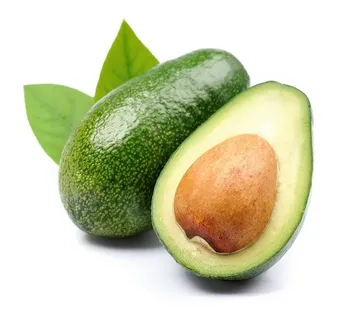
1. Avocados: The Fertility-Boosting Food Your Hormones Have Been Asking For
There is a reason nutritionists have been talking about avocados for years, and it is not just because they photograph well on toast. Avocados are one of the richest dietary sources of monounsaturated fats, the kind of healthy fat your body needs to produce reproductive hormones. Without adequate dietary fat, your body simply cannot manufacture estrogen and progesterone in the amounts required for a healthy cycle.
For women over 40, hormonal balance becomes increasingly complex. Estrogen can fluctuate wildly, progesterone tends to decline, and the fine hormonal choreography that governs ovulation can become less predictable. Avocados provide oleic acid, folate, vitamin E, and potassium, all of which support hormonal regulation and uterine lining health. One study published in the Journal of Human Nutrition and Dietetics found that women who consumed higher amounts of monounsaturated fats had significantly better outcomes in assisted reproduction cycles.

Why avocados support fertility after 40:
- Rich in folate, which reduces the risk of neural tube defects and supports cell division
- High in vitamin E, a powerful antioxidant that protects egg cells from oxidative damage
- Monounsaturated fats support the absorption of fat-soluble fertility vitamins like A, D, E, and K
- Potassium supports uterine health and blood pressure regulation
How to eat more of them: Add half an avocado to smoothies, spread it on whole grain toast, blend it into salad dressings, or eat it simply sliced with lemon and sea salt. You do not need a complicated recipe. You need consistency.
2. Wild-Caught Salmon: The Omega-3 Powerhouse for Egg Quality After 40
If there is one single dietary change that fertility specialists mention most consistently when working with women over 40, it is increasing omega-3 fatty acid intake. And wild-caught salmon is one of the most efficient, bioavailable ways to do exactly that.
Omega-3 fatty acids, specifically DHA and EPA, play a direct role in egg quality. Eggs that are rich in DHA are more structurally sound, more capable of successful fertilization, and less likely to carry chromosomal abnormalities. Given that chromosomal errors in eggs become more common with age, protecting egg integrity through nutrition is one of the smartest strategies available.
Beyond egg quality, omega-3s reduce systemic inflammation, which is one of the most underacknowledged enemies of fertility over 40. Inflammation disrupts hormonal signaling, impairs implantation, and contributes to conditions like endometriosis and polycystic ovary syndrome, both of which can complicate fertility at any age. Salmon also provides vitamin D, selenium, and B12, all of which are critical for reproductive function.

Key fertility benefits of wild-caught salmon:
- DHA directly incorporated into egg cell membranes, improving structural integrity
- EPA reduces prostaglandins that cause inflammation in the reproductive tract
- Selenium protects eggs from oxidative stress and supports thyroid function
- Vitamin D deficiency has been strongly linked to reduced fertility and implantation failure
Practical tip: Aim for two to three servings of wild-caught salmon per week. Farmed salmon contains fewer omega-3s and often higher levels of contaminants. If budget is a concern, canned wild Alaskan salmon is a genuinely excellent and affordable alternative.
3. Leafy Greens: The Fertility-Boosting Foods That Work Overtime for Women Over 40
Spinach, kale, Swiss chard, arugula, collard greens. This category of food is so nutritionally dense that it almost feels unfair to pick just one. Leafy greens are the unsung workhorses of a fertility-supporting diet, and their benefits for women over 40 are particularly compelling.
The folate content alone makes them indispensable. Folate (the natural form of folic acid) is critical for DNA synthesis and repair, for healthy cell division, and for preventing neural tube defects in early pregnancy. But folate does something else that is especially relevant for women trying to conceive after 40: it supports the methylation cycle, a biochemical process that regulates gene expression, detoxifies hormones, and helps maintain chromosomal stability in eggs.
Leafy greens are also rich in iron, calcium, magnesium, and vitamin C. Iron-deficiency anemia is more common in women over 40 and can impair ovulation. Magnesium supports progesterone production and reduces cortisol, the stress hormone that is one of fertility’s greatest adversaries. Vitamin C regenerates other antioxidants in the body and protects reproductive cells from free radical damage.

Fertility nutrients packed into leafy greens:
- Folate for DNA integrity and healthy cell division
- Iron for ovulatory function and red blood cell production
- Magnesium for progesterone support and stress regulation
- Calcium for proper cell signaling in reproductive tissues
- Vitamin K for blood clotting regulation during implantation
Getting creative with greens: If raw salads bore you, try wilting spinach into scrambled eggs, blending kale into a fruit smoothie (the banana masks it entirely), or stirring arugula into warm pasta at the last minute. The goal is daily consumption, and variety keeps it sustainable.
4. Walnuts: The Brain and Fertility-Boosting Food You’re Probably Underrating
Walnuts do not get nearly enough credit in the fertility conversation. Most people associate them with brain health, which is fair, but the same properties that make walnuts exceptional for cognitive function also make them outstanding for reproductive health.
Walnuts are the only tree nut with a significant amount of alpha-linolenic acid (ALA), a plant-based omega-3 fatty acid. They are also packed with arginine, an amino acid that improves blood flow to the uterus and ovaries. Good blood flow means better nutrient and oxygen delivery to reproductive organs, which matters enormously for egg quality and uterine receptivity. A uterus that is well-vascularized is a uterus that is ready to receive and support an embryo.
For women over 40, walnuts also provide melatonin, which is not just a sleep hormone. Melatonin acts as a powerful antioxidant in follicular fluid, the liquid that surrounds developing eggs inside the ovary. Research published in the Journal of Pineal Research found that melatonin levels in follicular fluid are directly correlated with egg quality. Walnuts are one of the few dietary sources of melatonin, making them a uniquely targeted fertility food.

Why walnuts deserve a spot in your daily diet:
- ALA omega-3s support anti-inflammatory pathways relevant to reproductive health
- Arginine improves uterine blood flow and lining thickness
- Melatonin acts as an antioxidant in follicular fluid, protecting developing eggs
- Vitamin E in walnuts protects egg cells from oxidative damage
- Zinc supports progesterone production and healthy ovulation
Serving suggestion: A small handful (about 28 grams or 14 walnut halves) daily is sufficient. Add them to oatmeal, salads, yogurt, or simply eat them as a snack between meals.
5. Lentils and Legumes: Plant-Based Fertility-Boosting Foods That Balance Your Hormones
Here is something that surprises many women when they first hear it: swapping some animal protein for plant-based protein sources like lentils and legumes has been associated with improved ovulatory function. This finding comes partly from the landmark Nurses’ Health Study conducted at Harvard, which followed over 18,000 women and identified dietary patterns that were correlated with ovulatory infertility.
Women who ate more plant protein and less animal protein had significantly lower rates of ovulatory problems. The mechanism is not fully understood, but researchers believe it involves insulin sensitivity, hormonal regulation, and the anti-inflammatory effects of the specific micronutrients found in legumes. For women over 40, who may already be navigating insulin resistance as part of the perimenopause transition, this is especially relevant.
Lentils are also exceptional sources of iron, and specifically non-heme iron, the plant-based form. While non-heme iron is less readily absorbed than heme iron from meat, pairing it with vitamin C dramatically increases absorption. The iron in lentils, combined with their high folate content, makes them one of the most comprehensive fertility foods available at any grocery store.

Fertility benefits of lentils and legumes:
- Plant protein supports ovulatory health and hormonal balance
- High folate content for DNA synthesis and chromosomal stability
- Iron supports ovulation and prevents anemia
- Fiber regulates blood sugar and reduces excess estrogen via improved gut motility
- Zinc from chickpeas and black beans supports progesterone production
Easy additions: Stir lentils into soups and stews, blend chickpeas into hummus, use black beans as a base for grain bowls, or toss lentils into salads for a protein-rich lunch that keeps you full for hours.
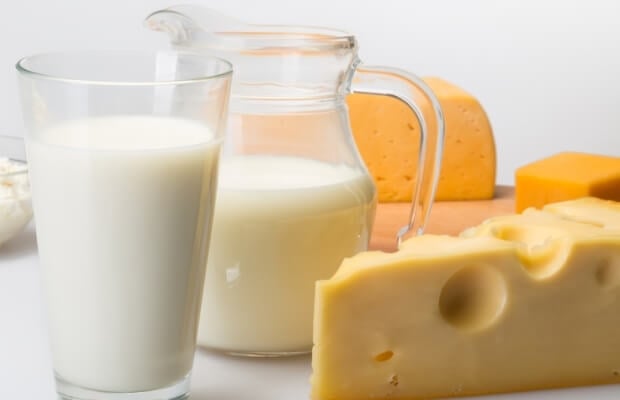
6. Full-Fat Dairy: The Controversial Fertility-Boosting Food Worth Reconsidering After 40
This one tends to raise eyebrows, especially among women who have spent years choosing low-fat yogurt and skim milk in the name of health. But the research on dairy and fertility tells a surprisingly different story, and it is worth sitting with the discomfort of reconsidering a long-held belief.
The same Harvard Nurses’ Health Study that identified plant protein as fertility-protective also found something unexpected: women who consumed full-fat dairy products had lower rates of ovulatory infertility compared to women who consumed primarily low-fat or fat-free dairy. The researchers hypothesized that removing fat from dairy also removes certain fat-soluble reproductive hormones and growth factors that may support ovulatory function.
Full-fat dairy is rich in conjugated linoleic acid (CLA), a fatty acid that has shown anti-inflammatory and immune-modulating properties in research settings. For women over 40, immune dysregulation, including an overactive immune response that can interfere with implantation, is one of the less-discussed fertility challenges. Full-fat dairy also provides calcium, phosphorus, and vitamin D, all of which are essential for reproductive health.
The fertility case for full-fat dairy:
- Associated with lower rates of ovulatory infertility in large observational studies
- CLA content supports immune balance and reduces inflammation
- Calcium and phosphorus support healthy cell division
- Vitamin D (when fortified) addresses one of the most common fertility-related deficiencies
- Probiotics in yogurt and kefir support gut health, which regulates hormone metabolism
A word of nuance: This is not a license to eat unlimited cheese. One to two servings of full-fat dairy daily, such as whole-milk yogurt or a small amount of full-fat cheese, appears to be where the benefit lies. Women with dairy sensitivities or PCOS should work with a practitioner to determine whether dairy is appropriate for their specific situation.
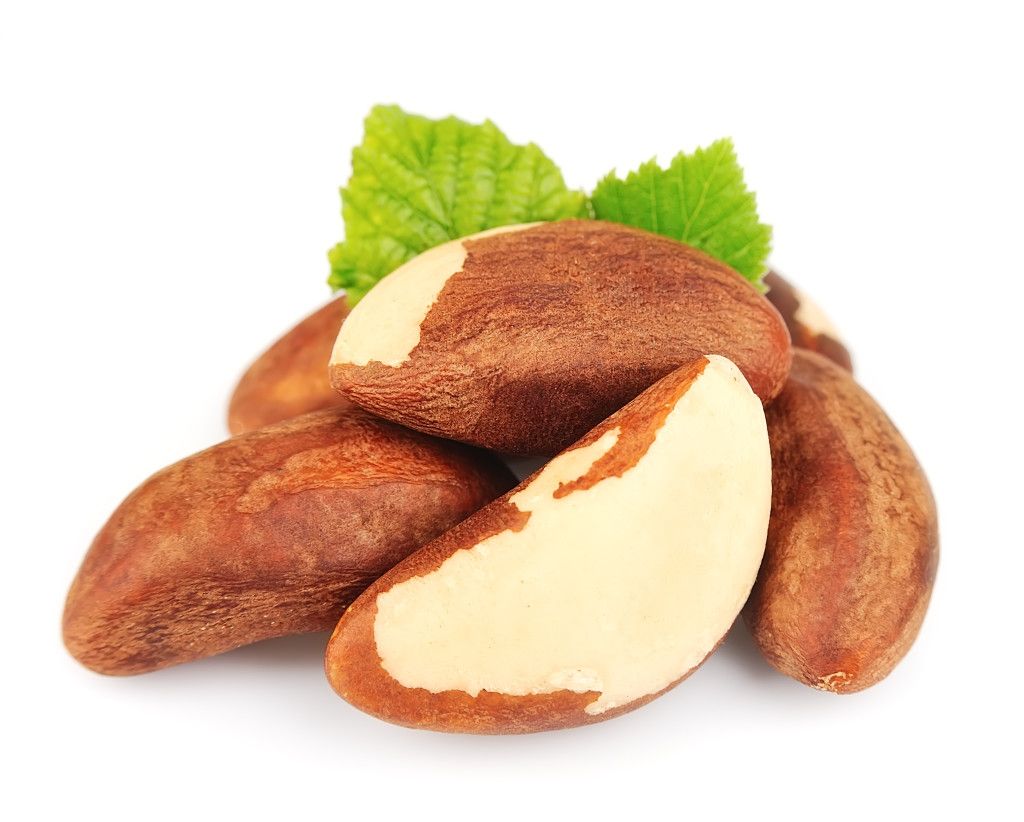
7. Brazil Nuts: The Selenium-Packed Fertility-Boosting Food You Only Need Two Of
Brazil nuts are arguably the most potent single-food source of selenium on the planet. Just two Brazil nuts per day provides the full recommended daily intake of this mineral, which sounds almost too convenient to be true. But the fertility implications of selenium are serious and well-documented.
Selenium is essential for thyroid function, and thyroid health is one of the most overlooked pillars of female fertility. Even subclinical hypothyroidism, where thyroid function is technically within normal range but trending low, can impair ovulation, reduce progesterone production, and increase the risk of early pregnancy loss. Women over 40 are significantly more likely to have thyroid irregularities, making selenium intake particularly critical for this age group.
Beyond the thyroid connection, selenium is a potent antioxidant that protects eggs from oxidative damage. It supports the production of glutathione, the body’s master antioxidant, which is found in high concentrations in healthy follicles. Research published in Biological Trace Element Research has linked adequate selenium status with improved egg quality and reduced chromosomal abnormalities, exactly the kind of protection women over 40 are looking for.
Why two Brazil nuts a day can make a real difference:
- Provides 100% of the daily selenium requirement in just two nuts
- Supports thyroid hormone production and conversion of T4 to active T3
- Boosts glutathione levels, protecting eggs from oxidative stress
- Reduces inflammation in reproductive tissues
- Supports sperm quality too, if a partner is involved in the equation
One important caution: More is not better with selenium. Selenium toxicity (selenosis) can occur with excessive intake, causing hair loss, nail brittleness, and neurological symptoms. Two Brazil nuts daily is the sweet spot. Do not supplement with selenium on top of eating Brazil nuts without guidance from a healthcare provider.
The Fertility-Boosting Food Comparison Table: What Each Food Targets
Understanding what each food actually does helps you build a targeted strategy rather than just eating everything on the list and hoping for the best. Here is a clear breakdown:
| Fertility Food | Primary Fertility Benefit | Key Nutrients | Best For | Daily Serving |
|---|---|---|---|---|
| Avocado | Hormonal balance, uterine health | Folate, Vitamin E, Oleic acid | Hormone regulation, lining thickness | ½ avocado |
| Wild Salmon | Egg quality, inflammation reduction | DHA, EPA, Vitamin D, Selenium | Egg structural integrity | 3x/week |
| Leafy Greens | DNA protection, ovulation support | Folate, Iron, Magnesium | Cell division, ovulatory health | 1–2 large handfuls |
| Walnuts | Antioxidant protection in follicles | ALA, Melatonin, Arginine, Zinc | Follicular fluid quality, uterine blood flow | 14 walnut halves |
| Lentils & Legumes | Ovulatory function, hormone balance | Plant protein, Iron, Folate, Zinc | Insulin sensitivity, ovulation | ½–1 cup cooked |
| Full-Fat Dairy | Ovulatory health, immune balance | CLA, Calcium, Vitamin D, Probiotics | Immune regulation, ovulatory function | 1–2 servings |
| Brazil Nuts | Thyroid function, egg protection | Selenium, Glutathione support | Thyroid health, oxidative stress | 2 nuts |
What this table makes immediately clear is that these foods are not redundant. Each one targets a different aspect of the fertility equation. Salmon protects egg membranes. Brazil nuts protect thyroid function. Leafy greens protect DNA. Walnuts protect follicular fluid. Together, they create a comprehensive nutritional environment that supports fertility from multiple angles simultaneously.
The Oxidative Stress Factor: Why Antioxidants Are Non-Negotiable for Fertility After 40
If there is one biological concept every woman over 40 trying to conceive should understand, it is oxidative stress. Think of oxidative stress as internal rust. Over time, the metabolic processes of living produce unstable molecules called free radicals that can damage cells, including the mitochondria inside your eggs.
Egg cells are particularly vulnerable because they have exceptionally high metabolic demands. They need a tremendous amount of energy to mature, to be fertilized, and to divide correctly. As we age, mitochondrial function in eggs naturally declines, and the damage from free radicals accumulates. This is one of the key reasons egg quality decreases with age.
Antioxidants neutralize free radicals before they can damage cellular structures. Every single food on this list contains significant antioxidant activity: vitamin E in avocados and walnuts, selenium in Brazil nuts, omega-3s in salmon that reduce the inflammatory cascade, folate in leafy greens and lentils that supports cellular repair. According to research compiled by the American Society for Reproductive Medicine, antioxidant-rich diets are associated with improved IVF outcomes and higher rates of natural conception in women over 35.
This is why a fertility diet is not just about adding one superfood. It is about creating an antioxidant-rich internal environment that protects your eggs on a daily basis, because the eggs you ovulate today were developing in your ovaries for the past three to four months. What you eat now is directly influencing the quality of eggs you will ovulate months from now.
What to Reduce Alongside Your Fertility-Boosting Foods
Eating the right foods is powerful. But eating the wrong foods while simultaneously adding the right ones is like trying to fill a bathtub while the drain is open. A few specific dietary patterns are worth reducing when supporting fertility over 40.
Ultra-processed foods are problematic primarily because of their impact on inflammation and insulin resistance. Chips, packaged cookies, fast food, and most convenience meals contain refined carbohydrates, trans fats, and inflammatory seed oils that directly counteract the anti-inflammatory work your salmon and walnuts are doing.
Excessive alcohol is worth addressing without moralizing. Alcohol disrupts hormonal signaling, impairs liver function (which is responsible for metabolizing and clearing excess hormones), and reduces the absorption of key fertility nutrients including zinc and folate. Occasional moderate consumption is unlikely to derail a well-structured fertility diet, but daily drinking creates a meaningful nutritional headwind.
Excess sugar and refined carbohydrates drive insulin spikes that disrupt the delicate hormonal cascade governing ovulation. Insulin resistance, which becomes more common after 40, can suppress sex hormone-binding globulin, leading to excess androgens that interfere with ovulation. Swapping white bread and sugary snacks for the lentils, leafy greens, and whole foods in this list addresses this directly.
Excessive caffeine remains a subject of ongoing debate in fertility research. Most evidence suggests that up to 200mg of caffeine daily (roughly one to two cups of coffee) does not significantly impair fertility. Beyond that threshold, some studies suggest a modest increase in pregnancy loss risk. If you are a committed coffee drinker, staying at one to two cups is a reasonable, evidence-aligned compromise.
Building Your Fertility-Boosting Plate: A Practical Day of Eating
Abstract nutritional advice is easy to nod along to and then forget by dinnertime. Here is what incorporating all seven fertility-boosting foods into a single day actually looks like in practice.
Morning: A smoothie made with a large handful of spinach, half an avocado, a tablespoon of walnut butter, frozen berries, and a scoop of plant-based protein powder. This alone covers leafy greens, avocado, and walnuts before you have even sat down at your desk.
Mid-morning snack: A small bowl of full-fat Greek yogurt topped with two Brazil nuts (crushed) and a drizzle of honey. Thyroid support and probiotic coverage done before noon.
Lunch: A large salad base of arugula and kale tossed with lemon vinaigrette, topped with a cup of lentils, diced cucumber, roasted red peppers, and a sprinkle of pumpkin seeds for extra zinc. Folate, iron, plant protein, and magnesium in one bowl.
Dinner: Wild-caught salmon fillet baked with lemon and herbs, served alongside roasted sweet potato and steamed broccoli with a drizzle of olive oil. DHA, vitamin D, and additional antioxidants from the cruciferous vegetables.
This is not a rigid meal plan. It is a demonstration that eating for fertility does not require specialty ingredients, elaborate preparation, or a nutritionist on speed dial. It requires intention and repetition.
Supplements vs. Food: Where Fertility-Boosting Foods Fit in the Bigger Picture
A question that comes up consistently: if I am taking a prenatal vitamin and fertility supplements, do I still need to focus on food?
The answer is an unambiguous yes, and here is why. Supplements are exactly what the name implies: supplementary. They fill gaps. They cannot replicate the complex matrix of nutrients, fiber, phytochemicals, and cofactors that come packaged together in whole foods. Your body absorbs nutrients from food more efficiently than from pills, in part because food contains the companion nutrients that aid absorption.
For example, the iron in your prenatal vitamin is absorbed far better when you eat it alongside vitamin C from leafy greens. The vitamin D in your supplement functions better when you also have adequate magnesium, which you get from nuts and greens. Omega-3 supplements are genuinely useful, especially for women who do not eat fish, but the form found in wild salmon (DHA and EPA directly) is more bioavailable than the ALA in flaxseed oil that your body then has to convert.
Think of whole foods as your foundation and supplements as the reinforcements. Both have a role. Neither replaces the other.
A Note on Timing: How Long Does Dietary Change Take to Impact Egg Quality?
This is one of the most important, and most underappreciated, aspects of fertility nutrition. The eggs you ovulate in any given month have been developing for approximately 90 to 120 days. This means the nutritional environment your body provided three to four months ago is directly shaping the eggs you are releasing today.
The practical implication of this is both sobering and encouraging. It is sobering because it means there is no quick fix. You cannot eat salmon for a week and expect dramatically improved egg quality at your next cycle. But it is encouraging because it means that consistent dietary changes made today will meaningfully impact the eggs you ovulate three months from now, and the months after that.
Women who approach fertility nutrition as a sustained practice rather than a short-term intervention tend to see the most meaningful results. This is a marathon, not a sprint, and the finish line is worth the commitment.
The Emotional Side of Eating for Fertility After 40
Food can become fraught when you are trying to conceive. Every meal starts to feel weighted with consequence. Every indulgence brings a whisper of guilt. And the emotional labor of tracking, optimizing, and “doing everything right” while simultaneously managing the anxiety of the fertility journey can become exhausting to the point of counterproductive.
Here is a grounding perspective: stress itself is a fertility disruptor. Cortisol, the primary stress hormone, directly suppresses reproductive hormones. The psychological burden of a hyper-restrictive, fear-driven approach to eating can create its own hormonal interference.
The goal is not perfection. The goal is a consistent pattern that leans heavily toward nourishing, anti-inflammatory, antioxidant-rich foods while leaving room for the pleasure of eating, the joy of shared meals, and the grace of imperfect days. Eating a piece of birthday cake at a celebration is not going to derail three months of intentional nutrition. The aggregate pattern is what matters.
Be kind to yourself in this process. The women who navigate fertility challenges most gracefully are rarely the ones who followed every rule perfectly. They are the ones who stayed consistent, stayed curious, and stayed gentle with themselves when they inevitably fell short.
Conclusion: Your Fork Is One of Your Most Powerful Fertility Tools
Turning 40 does not close the door on fertility. It changes the terrain, certainly, but the body’s capacity to respond to nourishment does not expire with your third decade.
The seven fertility-boosting foods explored in this article, avocados, wild salmon, leafy greens, walnuts, lentils, full-fat dairy, and Brazil nuts, are not exotic or expensive. They are real food, widely available, and backed by a growing body of research that takes women’s fertility seriously at every age.
Each one works differently: some protect the structural integrity of your eggs, some regulate the hormones that orchestrate your cycle, some reduce the inflammation that quietly undermines reproductive function, and some target the thyroid imbalances that fly under the radar until they become a problem.
Together, they create an internal environment where fertility can thrive, where eggs are better protected, where hormones can do their jobs, and where your body receives the message that it is supported, nourished, and ready.
You cannot control everything about this process. But you can control what you put on your plate. And that, as it turns out, is more powerful than most people realize.
Frequently Asked Questions About Fertility-Boosting Foods After 40
Can diet alone improve egg quality after 40? Diet is one of the most evidence-supported, modifiable factors for egg quality. It cannot reverse the natural aging of eggs, but it can meaningfully reduce oxidative damage, support mitochondrial function, and improve the hormonal environment in which eggs develop. It works best as part of a comprehensive approach that also includes appropriate medical support, adequate sleep, stress management, and regular movement.
How long before trying to conceive should I start eating for fertility? Ideally, three to six months before you begin trying to conceive. This timeline aligns with the 90 to 120-day development window for eggs and allows dietary changes to influence the eggs you will be ovulating during your conception attempts.
Do these foods help if I am doing IVF? Yes. Multiple studies have found that women undergoing IVF who follow antioxidant-rich, Mediterranean-style diets have better outcomes including higher rates of fertilization, better embryo quality, and improved implantation rates. These foods are complementary to, not in conflict with, assisted reproductive technology.
Are there foods I should completely avoid? There are foods worth significantly reducing rather than rigidly eliminating: ultra-processed foods, excessive alcohol, trans fats, and excessive sugar. A single meal off-plan will not derail your fertility. A consistently poor dietary pattern will create headwinds. Focus on what you consistently add, not on what you occasionally enjoy.
Share This and Keep Reading
If this article helped you see fertility nutrition differently, share it with a friend who is navigating this season of life. The right information at the right moment can change everything.
Read Next:
Drop a comment below: Which of these seven fertility-boosting foods are you already eating regularly, and which one surprised you most? Your experience might be exactly what another reader needs to hear.