Tag

fertility foods after 40

Browsing

7 Proven Fertility-Boosting Foods That Helped Thousands of African Women Get Pregnant Fast — Even After 40

You have been trying. Month after month, you have hoped, prayed, and waited. This article was written for exactly you.

Whether you are 28 and just starting your conception journey or 43 and wondering if your body still has the capacity to carry a child, the answer to your deepest question might be sitting quietly in your kitchen, your local market, or at the bottom of a pot of egusi soup. Science has been quietly building a compelling case for the idea that what you eat is one of the most powerful levers you can pull to improve your chances of conception. And for African women, many of whom have already been given the keys to a naturally nutrient-rich diet, this is particularly good news.

What the Numbers Tell Us About Fertility in Africa

Before we get into the foods, let us talk about the landscape. Infertility is not a rare, whispered problem in Africa. It is shockingly common, and yet it remains one of the most stigmatized health issues on the continent.

Research shows that infertility rates across sub-Saharan Africa vary widely, ranging from around 9% in Gambia to between 20 and 30% of couples in parts of Nigeria. Even more striking, the World Health Organization estimates that about 30% of women aged 25 to 49 in sub-Saharan Africa suffer from secondary infertility, which is the inability to conceive again after a first pregnancy.

These numbers represent real women. Aunties who cannot explain why conception has not happened. Wives who face whispers at family gatherings. Women who have tried everything their doctors, their mothers, and their village elders suggested, and still come up empty.

The good news is that research consistently points to one factor that sits firmly within your control: your diet. Studies in East Africa have found that nutritional intake plays an important role in secondary female infertility, with poor dietary quality significantly linked to reduced fertility outcomes among women.

Put simply, food is medicine. And some foods are fertility medicine.

This is not a promise that eating more moringa will guarantee twins in nine months. No responsible health writer would make that claim. But the science is clear: the right foods support hormone balance, improve egg quality, regulate ovulation, and create the optimal internal environment for conception, even for women over 40.

Let us walk through the seven most powerful, research-backed fertility-boosting foods, with special attention to how they can be incorporated into the everyday eating patterns of African women.


1. Moringa: Africa’s Own Fertility-Boosting Superfood

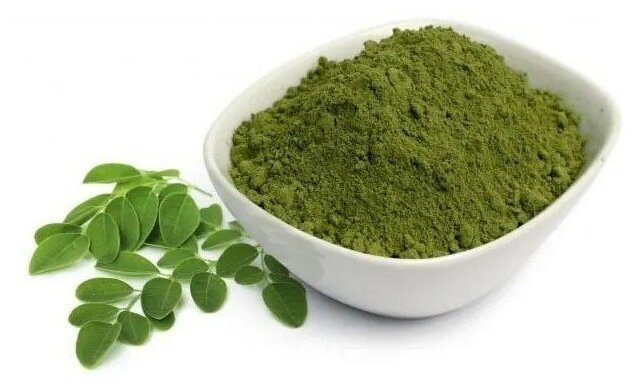
If you grew up in West, East, or Central Africa and had a grandmother worth her salt, you probably already know moringa. Called “miracle tree” in much of the continent, moringa oleifera has been used for centuries in traditional medicine. Modern research is now confirming what grandmothers have known for generations.

Moringa leaves are exceptionally rich in folate (vitamin B9), iron, zinc, and vitamins A, C, and E. These are exactly the nutrients that researchers identify as critical for female reproductive health. Folate is one of the most important nutrients when trying to conceive, as it reduces the risk of neural tube defects and supports early fetal development.

But moringa goes further than just folate. Its high antioxidant content helps protect egg cells from oxidative stress, which is particularly important for women over 40, when egg quality naturally begins to decline. Research suggests that dietary antioxidants and anti-inflammatory foods may help support egg quality and the ovarian environment, which is especially relevant for women trying to conceive after 40.
Fertility

How African women are using moringa for fertility:

  • Dried moringa leaf powder stirred into porridge or smoothies each morning
  • Fresh moringa leaves added to soups and stews, particularly bitterleaf or okra soup
  • Moringa tea brewed and consumed daily, especially in the two weeks after menstruation

The beauty of moringa is that it is not exotic or expensive. It grows freely across much of Africa, can often be found dried in local markets, and integrates seamlessly into existing meal patterns. If you are looking for a single dietary addition that combines fertility support with general nutritional coverage, moringa is likely the most cost-effective starting point available to you.


2. Beans and Lentils: The Humble Fertility-Boosting Powerhouse in Every African Pot

The next time someone dismisses beans as “poor people food,” politely redirect them to the growing body of reproductive science literature. Beans and lentils, including the black-eyed peas, cowpeas, and kidney beans that feature prominently in West African cooking, are among the most fertility-friendly foods available anywhere in the world.

Beans and lentils are excellent sources of spermidine, a compound positively associated with fertility, as well as folate. Researchers have associated higher folate levels with higher implantation rates of fertilized eggs in assisted reproduction studies. In practical terms, that means a diet rich in beans may increase the likelihood that a fertilized egg successfully embeds in the uterine lining, one of the most delicate and often overlooked steps in achieving a viable pregnancy.

There is another layer to the beans story that is particularly relevant for women with polycystic ovary syndrome (PCOS), which is one of the most common causes of ovulatory infertility in African women. Women who get their protein primarily from plant sources like beans have a reduced risk of infertility caused by ovulation problems, according to research on dietary protein and fertility outcomes.

Fertility

Why this matters for African women specifically:

In Nigeria, Ghana, Kenya, Senegal, and across the continent, beans already appear in countless traditional dishes: moi moi, akara, githeri, thiebou yapp, red red, and more. This means African women do not need to make a dramatic dietary overhaul to access these benefits. They simply need to maintain and perhaps slightly increase the frequency with which beans already appear on their plates.

Practical tips:

  • Eat beans at least three to four times per week
  • Pair bean dishes with vitamin C-rich foods (like tomatoes or peppers) to improve iron absorption
  • Avoid frying bean-based foods excessively, as this can reduce nutrient content and add inflammatory oils

3. Oily Fish and Sardines: Omega-3s That Improve Fertility Naturally

Here is a food that works overtime for your reproductive system. Oily fish, including sardines, mackerel, herring, and fresh catfish, are loaded with omega-3 fatty acids, the same fats that your eggs, hormones, and uterine lining all desperately want more of.

Research indicates that omega-3 fatty acids play an essential role in steroidogenesis (hormone production) and have significant anti-inflammatory properties that may positively affect fertility, with studies suggesting benefits for oocyte growth, maturation, and the reduction of anovulation risk.

To translate that out of scientific language: omega-3s help your body produce the right reproductive hormones, reduce inflammation that can interfere with implantation, and support the healthy development of eggs in your ovaries. For a woman over 40, where both hormonal balance and egg quality can become concerns, this is a meaningful nutritional lever.

Omega-3 fatty acids found in foods like fatty fish, oysters, and flaxseeds play a role in cell membrane integrity, inflammation regulation, and ovarian health, all of which are directly relevant to egg quality and development.

Picture background

What makes this particularly relevant for African women:

Fresh and smoked fish are already dietary staples across the continent. Smoked herrings and mackerel are stirred into egusi and vegetable soups throughout West Africa. Dagaa and omena (small dried fish) are eaten across East Africa. Grilled tilapia and catfish appear at roadside markets from Accra to Dar es Salaam. These are not foreign foods. They are already in your kitchen.

A few smart tips:

  • Aim for at least two to three servings of oily fish per week
  • Choose wild-caught options when possible
  • Limit large predatory fish (like large tuna or swordfish) due to mercury concerns, especially when trying to conceive
  • If fresh fish is not always accessible, small dried fish used in cooking still provide meaningful omega-3 content

4. Sweet Potatoes: The Beta-Carotene Fertility Food You Are Already Eating

If you have ever roasted sweet potatoes over an open flame or boiled them with a little salt for a simple afternoon snack, you were, without knowing it, doing something quite beneficial for your reproductive hormones.

Sweet potatoes are exceptionally rich in beta-carotene, a precursor to vitamin A that your body converts as needed. This is important because vitamin A is important for normal oocyte (egg) maturation, ovarian response, and early embryonic development, making adequate vitamin A levels a critical factor for women trying to conceive.

Beyond vitamin A, sweet potatoes are also rich in vitamin C, potassium, and fiber. The fiber content is particularly important because it helps regulate blood sugar, and blood sugar stability is deeply connected to hormone balance, including the hormones that govern ovulation.

Studies have found that beta-carotene from foods like sweet potatoes can help boost progesterone, an essential hormone for maintaining pregnancy after conception. Low progesterone is one of the more common, and underdiagnosed, reasons why women conceive but experience early miscarriages. So eating sweet potatoes is not only supporting your ability to get pregnant, it may also be supporting your ability to stay pregnant.

How to eat more sweet potatoes:

  • Boiled and eaten as a side dish or snack
  • Roasted with olive oil and spices
  • Added to stews and soups as a natural thickener
  • Used in porridge or as a weaning food base (yes, it is that versatile)

Sweet potatoes are affordable, available year-round across most of Africa, and require no special preparation skills. If you are currently eating them only occasionally, consider making them a near-daily fixture in your meals during your conception journey.


5. Eggs: Complete Protein for Hormonal Balance and Ovulation

Eggs have had an unfair reputation in dietary circles over the years, largely due to misguided fears about dietary cholesterol. The good news is that the science has largely cleared eggs of that particular charge. And when it comes to fertility specifically, eggs (the ones you eat) may be among the most complete fertility-supporting foods available.

One whole egg delivers protein, vitamin D, vitamin B12, choline, zinc, and selenium in a single, affordable package. Iron deficiency can affect ovulation, energy levels, and fetal development, making it critical for women trying to conceive to build adequate nutrient stores before pregnancy. Eggs are a meaningful source of heme-adjacent nutrients that support this process.

The vitamin D connection is particularly worth noting. Vitamin D plays a key role in reproductive hormone regulation and may be beneficial for fertility, yet many women are deficient without realizing it. In a sunlit continent like Africa, vitamin D deficiency might seem unlikely. But factors like skin tone, covered clothing, time spent indoors, and dietary patterns mean that deficiency is actually more common than expected, particularly in urban women.

Research shows that people following a diet rich in protein and low in refined carbohydrates often have a higher pregnancy rate, making protein-rich foods like eggs a smart addition to a conception diet.

Picture background

Practical integration:

  • Two to three eggs daily is a reasonable target for women trying to conceive
  • Boiled, fried in a small amount of olive oil, poached, or scrambled all work equally well
  • Eggs from free-range chickens tend to have higher nutrient density, especially higher omega-3 content
  • Pair eggs with vegetables for a complete fertility-supportive meal

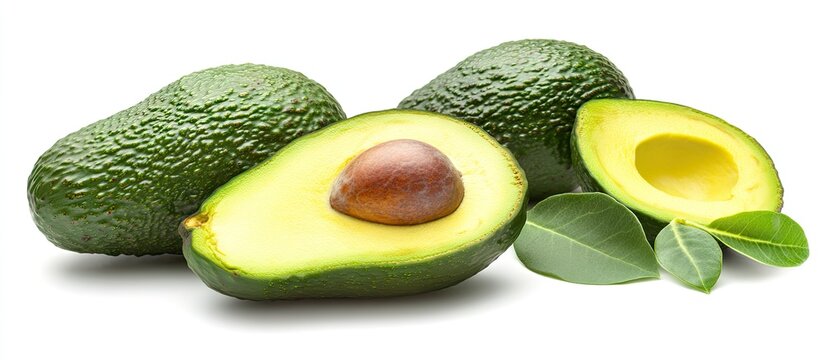
6. Avocado: The Monounsaturated Fat Your Hormones Are Craving

Avocado has become something of a global food celebrity, but for African women trying to conceive, it is more than just a trendy social media food. It is a genuinely powerful addition to a fertility diet, and it happens to grow abundantly across much of the continent.

Avocados are full of vitamin K, potassium, and folate, nutrients that assist the body with vitamin absorption, blood pressure regulation, and early pregnancy support. They are also rich in monounsaturated fats (healthy fats) that provide dietary fiber and folic acid, which are crucial during the early stages of pregnancy and conception.

The healthy fat component deserves special attention. Reproductive hormones, including estrogen and progesterone, are synthesized from cholesterol and fatty acids. A diet that is too low in healthy fats can therefore directly impair hormone production. This is a particularly common issue for women who have been on restrictive or very low-fat diets in an effort to manage weight.

Healthy fats are crucial for reproductive hormone synthesis, with avocados, nuts, seeds, and olive oil being excellent choices for women focused on fertility nutrition.

Beyond hormones, avocados also reduce systemic inflammation. Chronic low-grade inflammation is increasingly being recognized as a silent disruptor of fertility, interfering with everything from ovulation to implantation to early embryo development.
Picture background

How to use avocado for fertility:

  • Mashed and eaten with eggs for breakfast
  • Sliced into salads or served alongside grilled fish
  • Blended into smoothies with moringa powder and banana
  • Spread on whole grain bread as a snack

Avocados are not out of reach in most African cities and towns. In countries like Kenya, Cameroon, Ethiopia, and Uganda, they are often abundant and affordable, sometimes growing in family gardens.


7. Leafy Green Vegetables: Folate, Iron, and Antioxidants for Optimal Fertility

This final category is perhaps the broadest and most accessible of all, because African cooking is already rich in leafy green vegetables. Ugu (pumpkin leaves), bitter leaf, waterleaf, oha leaves, sukuma wiki, morogo, nduma, nchanzi, kontomire, and dozens more varieties are part of everyday cooking across the continent.

The nutritional case for leafy greens in a

diet is multi-dimensional. Folic acid-rich foods, including dark leafy greens, provide a key fertility boost. Research has found that these nutrients, when consumed regularly, have a positive effect on fertility and also support fetal growth and development after conception is achieved.

Dark leafy greens are also among the richest plant-based sources of iron. Antioxidants, which are abundant in vegetables, may help deactivate free radicals in the body that can damage egg cells and disrupt reproductive function. The combination of folate, iron, and antioxidants creates a nutritional profile that supports almost every stage of the conception process.

For women over 40, the antioxidant dimension is especially critical. As eggs age, they become more vulnerable to oxidative damage. A diet rich in antioxidant-dense leafy greens effectively acts as a protective shield for your remaining egg cells, slowing the pace of age-related decline and improving the quality of the eggs you do ovulate.

Vegetables rich in antioxidants and folate support egg quality and overall reproductive health, with a variety of colors providing the widest range of protective nutrients.

Picture background

Getting the most from leafy greens:

  • Cook greens lightly rather than for extended periods, to preserve folate content
  • Pair iron-rich greens with a squeeze of lemon juice or tomato to improve absorption
  • Aim for at least two to three servings of leafy greens daily
  • Use palm oil in moderation when cooking greens, as it provides additional carotenoids

The Fertility Food Comparison Table: What to Eat, Why, and How Often

Here is a comprehensive overview of all seven fertility-boosting foods discussed in this article, showing their key nutrients, their specific fertility benefits, and how frequently you should aim to incorporate them into your diet.

Food Key Fertility Nutrients Primary Fertility Benefit Recommended Frequency Availability in Africa
Moringa Folate, Iron, Zinc, Vitamins A, C, E Egg protection, hormonal support, early embryo development Daily (1–2 tsp powder or fresh leaves) Very High (grows widely across Africa)
Beans & Lentils Folate, Plant protein, Spermidine, Iron Supports ovulation, improves implantation rates, reduces PCOS risk 3–4 times per week Very High (cornerstone of African cuisine)
Oily Fish / Sardines Omega-3 fatty acids, Vitamin D, Selenium Hormone production, reduces inflammation, supports egg quality 2–3 times per week High (widely available fresh, smoked, dried)
Sweet Potatoes Beta-carotene (Vitamin A), Vitamin C, Fiber, Potassium Progesterone support, egg maturation, blood sugar regulation 4–5 times per week Very High (year-round availability)
Eggs Protein, Vitamin D, Vitamin B12, Choline, Zinc Ovulation support, hormone synthesis, reduces nutrient deficiencies Daily (2–3 eggs) Very High (affordable and accessible)
Avocado Monounsaturated fats, Folate, Vitamin K, Potassium Hormone synthesis, anti-inflammatory, improves nutrient absorption 3–5 times per week High (abundant in East and Central Africa)
Leafy Greens Folate, Iron, Antioxidants, Calcium Egg quality protection, ovulation support, reduces oxidative stress Daily (2–3 servings) Very High (foundational to African cooking)

What About Women Over 40? Here Is What You Need to Know

If you are reading this article after your fortieth birthday, you may have encountered a particular kind of discouragement from medical professionals, well-meaning relatives, or late-night research sessions that have left you feeling that time is your enemy.

The conversation about fertility after 40 deserves nuance. Yes, age matters biologically. After age 40, egg quality declines primarily because a higher proportion of eggs contain chromosomal abnormalities, which reduces implantation rates and increases miscarriage risk. This is a biological reality, and pretending otherwise would not serve you.

But here is what is equally true: the decline in egg quality is a spectrum, not a cliff. And nutritional interventions can meaningfully influence where on that spectrum your eggs land.

Fertility specialists often recommend beginning supportive interventions, including targeted dietary changes and lifestyle modifications, three to four months before trying to conceive or starting fertility treatment, noting that even improvements made within a shorter timeframe may still benefit the ovarian environment during this critical window.

Three to four months. That is the timeline that matters. And every item on the seven-food list above begins working from your very first serving. The anti-inflammatory omega-3s start reducing ovarian inflammation. The folate from moringa and leafy greens begins supporting DNA integrity in your eggs. The antioxidants start protecting the eggs you have from further oxidative damage.

According to research published by the National Institutes of Health on the proven Mediterranean dietary approach to fertility, a diet built around whole foods, healthy fats, plant proteins, and antioxidant-rich vegetables, exactly the kinds of foods discussed in this article, has a consistently positive impact on female fertility outcomes across age groups.

There is also a practical argument for nutrition-first approaches that often goes unspoken. Fertility treatments like IVF are expensive, emotionally demanding, and not universally accessible in many parts of Africa. Optimizing your diet costs little, carries no medical side effects, and improves your overall health regardless of whether you conceive. It is, as the economists say, a dominant strategy.


Foods and Habits to Avoid While Trying to Conceive

Knowing what to add to your plate is only half the picture. Knowing what to minimize or remove is equally important.

Research shows that a diet high in trans fats, refined carbohydrates, and added sugars can negatively affect fertility, while diets based on Mediterranean patterns, rich in fiber, omega-3 fatty acids, plant-based proteins, and vitamins, have a positive impact on female fertility.

For African women, this has specific practical implications:

Minimize these when trying to conceive:

  • Heavily processed instant noodles and packaged snacks
  • Deep-fried street food eaten frequently (suya, puff-puff, and similar foods are fine occasionally, just not as daily staples)
  • Sugary soft drinks and artificial fruit juices
  • Excessive white rice with no vegetables or protein (a common dietary pattern in many urban areas)
  • Alcohol, which the majority of fertility specialists recommend avoiding entirely during conception attempts
  • Highly processed margarine and vegetable shortening, which contain trans fats

Support your fertility diet with:

  • Adequate hydration (at least 8 glasses of water daily)
  • Moderate physical activity (walking, swimming, light jogging)
  • Stress management, as chronic stress raises cortisol and can suppress ovulation
  • Consistent sleep of seven to eight hours per night

The Role of Your Gut in Getting Pregnant

This might be the most underappreciated fertility connection of all. Your gut microbiome, the community of bacteria that lives in your digestive tract, plays a surprisingly direct role in reproductive health.

A balanced gut microbiome supports nutrient absorption and helps reduce systemic inflammation, both of which are important factors for fertility and early pregnancy.

When your gut is healthy, it absorbs folate, iron, zinc, and other fertility nutrients more efficiently. When your gut is compromised by a diet heavy in processed foods and sugar, absorption suffers, and your reproductive system quietly pays the price.

Fermented foods are the simplest way to support gut health, and many African food traditions are rich in them. Fermented locust beans (dawadawa/iru), fermented cassava products, fermented milk products (like mala or fura da nono), and naturally fermented vegetables all contain beneficial bacteria that support microbiome diversity.

Making fermented foods a regular part of your eating pattern is one of the quietest but most effective fertility-supporting habits you can build.


Building Your Weekly Fertility Meal Plan: A Practical Starting Point

Understanding which foods to eat is one thing. Actually building them into your daily life is another. Here is a simple framework for how a fertility-focused week of eating might look for an African woman using the foods discussed in this article.

A sample weekly approach:

  • Breakfast, daily: Moringa powder stirred into oat porridge or blended into a smoothie with banana and avocado. Two boiled eggs on the side.
  • Lunch, most days: Beans-based meal (moi moi, githeri, red red, or plain cooked beans) with a portion of leafy green vegetables and fish.
  • Dinner, most days: A stew or soup containing oily fish or small dried fish, with sweet potatoes or root vegetables and abundant green leaves. Cooked in palm oil or olive oil.
  • Snacks: Fresh or boiled sweet potato, a handful of groundnuts or walnuts, avocado with a squeeze of lemon, or fresh fruit.
  • Weekly rotation: Ensure oily fish appears at least twice to three times. Include avocado at least every other day. Never skip the greens.

This is not a radical diet. It is not expensive. It does not require imported superfoods or a nutritionist on retainer. It is, in many ways, simply a more intentional version of the traditional African diet that has sustained generations of healthy pregnancies.

As UCLA Health’s comprehensive review of fertility-boosting foods confirms, the foods most supported by evidence for fertility improvement are whole, minimally processed, plant-forward, and rich in folate, omega-3s, and antioxidants, a description that maps neatly onto the traditional African diet when it is eaten at its most nutritious.


When Food Is Not Enough: Knowing When to Seek Help

This article is a celebration of what food can do. But it would be incomplete without an honest acknowledgment of its limits.

Food can optimize your reproductive environment. It cannot unblock fallopian tubes, reverse severe endometriosis, correct a significant hormonal imbalance, or compensate for a male factor fertility problem. If you have been trying to conceive for twelve months without success (or six months if you are over 35), a visit to a reproductive health specialist is not a defeat. It is a smart, necessary step.

Many of the conditions that contribute to infertility in African women, including fibroids, PCOS, pelvic inflammatory disease, and hormonal disorders, are diagnosable and treatable. Medical interventions including hormonal medications for ovulation induction, surgical options for blocked tubes or fibroids, and assisted reproductive technologies like IUI and IVF are all available pathways for women who need them.

A fertility-supportive diet works best as part of a comprehensive approach that includes regular medical check-ups, stress management, physical activity, and honest conversations with qualified healthcare providers.


Conclusion: Your Plate Is One of Your Most Powerful Fertility Tools

The journey to pregnancy can be long, lonely, and disorienting. In a cultural context where womanhood and motherhood are so deeply intertwined, the inability to conceive can feel like a personal failing rather than a medical circumstance. It is neither.

What the research tells us, clearly and repeatedly, is that your body is not fighting against you. It is responding to its environment, and one of the most direct ways to improve that environment is through what you eat. The seven foods in this article, moringa, beans and lentils, oily fish, sweet potatoes, eggs, avocado, and leafy greens, are not magic bullets. But they are proven, accessible, affordable, and deeply compatible with African food culture.

You do not need to eat like a person from a different country to support your fertility. You may simply need to eat more intentionally like the best version of yourself.

Start today. One handful of moringa leaves. One extra serving of beans. One more piece of grilled fish this week. Small changes, made consistently over three to four months, can shift the nutritional foundation on which conception depends.

Your body is listening to every bite. Make this season of eating count.


CTA: Share This With Someone Who Needs It

If this article helped you, chances are it will help someone you know. Share it with a sister, a friend, a cousin, or a woman in your community who is on this journey. Fertility conversations should not happen in whispers. Let them happen over shared meals.

Read Next: How to Naturally Regulate Your Menstrual Cycle for Better Fertility Outcomes

Drop a comment below: Which of these seven foods are already part of your regular diet? And which one are you going to add this week? Tell us in the comments.


This article is written for informational purposes and is not a substitute for professional medical advice. If you have concerns about your fertility, please consult a qualified healthcare provider.
7 Proven Fertility-Boosting Foods After 40 (That Actually Work)

You were told the window was closing. Nobody told you it could be nudged back open with a fork.

If you’re over 40 and thinking about getting pregnant or simply wanting to protect your reproductive health, the food on your plate matters more than most doctors take time to explain in a 15-minute appointment. The science is clear, the evidence is growing, and the good news is that some of the most powerful fertility-supporting nutrients in the world are sitting in ordinary grocery stores, not in expensive clinics.


Introduction: Why Fertility After 40 Is Not a Dead End

Let’s be honest about something. The phrase “advanced maternal age” is one of the least comforting things a woman can hear. It sounds clinical. It sounds final. And it carries with it an unspoken suggestion that your body is somehow past its prime and working against you.

But here is what that label doesn’t tell you: your biology is not static. Every cell in your body responds to what you eat, how you sleep, how you move, and how you manage stress. Your eggs, specifically, are not immune to this influence. In fact, research published in journals like Fertility and Sterility and Human Reproduction consistently shows that nutritional interventions can meaningfully improve egg quality, hormonal balance, and uterine health, even in women over 40.

Now, food alone is not a miracle cure. Anyone who tells you otherwise is selling something. But as part of a holistic approach to fertility, the right nutrition strategy can shift your internal environment from hostile to hospitable. It can reduce inflammation, support mitochondrial function in your eggs, regulate the hormones that orchestrate your cycle, and create the conditions your body needs to do what it is, remarkably, still capable of doing.

This article breaks down seven fertility-boosting foods backed by science, explains exactly why they work, and shows you how to weave them into your everyday life without turning eating into a second job.


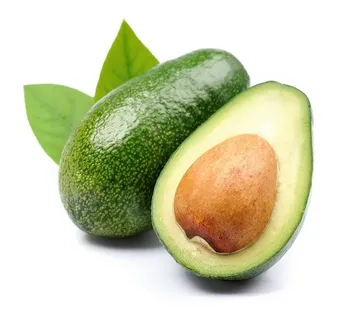
1. Avocados: The Fertility-Boosting Food Your Hormones Have Been Asking For

There is a reason nutritionists have been talking about avocados for years, and it is not just because they photograph well on toast. Avocados are one of the richest dietary sources of monounsaturated fats, the kind of healthy fat your body needs to produce reproductive hormones. Without adequate dietary fat, your body simply cannot manufacture estrogen and progesterone in the amounts required for a healthy cycle.

For women over 40, hormonal balance becomes increasingly complex. Estrogen can fluctuate wildly, progesterone tends to decline, and the fine hormonal choreography that governs ovulation can become less predictable. Avocados provide oleic acid, folate, vitamin E, and potassium, all of which support hormonal regulation and uterine lining health. One study published in the Journal of Human Nutrition and Dietetics found that women who consumed higher amounts of monounsaturated fats had significantly better outcomes in assisted reproduction cycles.

Fertility-Boosting Foods

Why avocados support fertility after 40:

  • Rich in folate, which reduces the risk of neural tube defects and supports cell division
  • High in vitamin E, a powerful antioxidant that protects egg cells from oxidative damage
  • Monounsaturated fats support the absorption of fat-soluble fertility vitamins like A, D, E, and K
  • Potassium supports uterine health and blood pressure regulation

How to eat more of them: Add half an avocado to smoothies, spread it on whole grain toast, blend it into salad dressings, or eat it simply sliced with lemon and sea salt. You do not need a complicated recipe. You need consistency.


2. Wild-Caught Salmon: The Omega-3 Powerhouse for Egg Quality After 40

If there is one single dietary change that fertility specialists mention most consistently when working with women over 40, it is increasing omega-3 fatty acid intake. And wild-caught salmon is one of the most efficient, bioavailable ways to do exactly that.

Omega-3 fatty acids, specifically DHA and EPA, play a direct role in egg quality. Eggs that are rich in DHA are more structurally sound, more capable of successful fertilization, and less likely to carry chromosomal abnormalities. Given that chromosomal errors in eggs become more common with age, protecting egg integrity through nutrition is one of the smartest strategies available.

Beyond egg quality, omega-3s reduce systemic inflammation, which is one of the most underacknowledged enemies of fertility over 40. Inflammation disrupts hormonal signaling, impairs implantation, and contributes to conditions like endometriosis and polycystic ovary syndrome, both of which can complicate fertility at any age. Salmon also provides vitamin D, selenium, and B12, all of which are critical for reproductive function.

Fertility-Boosting Foods

Key fertility benefits of wild-caught salmon:

  • DHA directly incorporated into egg cell membranes, improving structural integrity
  • EPA reduces prostaglandins that cause inflammation in the reproductive tract
  • Selenium protects eggs from oxidative stress and supports thyroid function
  • Vitamin D deficiency has been strongly linked to reduced fertility and implantation failure

Practical tip: Aim for two to three servings of wild-caught salmon per week. Farmed salmon contains fewer omega-3s and often higher levels of contaminants. If budget is a concern, canned wild Alaskan salmon is a genuinely excellent and affordable alternative.


3. Leafy Greens: The Fertility-Boosting Foods That Work Overtime for Women Over 40

Spinach, kale, Swiss chard, arugula, collard greens. This category of food is so nutritionally dense that it almost feels unfair to pick just one. Leafy greens are the unsung workhorses of a fertility-supporting diet, and their benefits for women over 40 are particularly compelling.

The folate content alone makes them indispensable. Folate (the natural form of folic acid) is critical for DNA synthesis and repair, for healthy cell division, and for preventing neural tube defects in early pregnancy. But folate does something else that is especially relevant for women trying to conceive after 40: it supports the methylation cycle, a biochemical process that regulates gene expression, detoxifies hormones, and helps maintain chromosomal stability in eggs.

Leafy greens are also rich in iron, calcium, magnesium, and vitamin C. Iron-deficiency anemia is more common in women over 40 and can impair ovulation. Magnesium supports progesterone production and reduces cortisol, the stress hormone that is one of fertility’s greatest adversaries. Vitamin C regenerates other antioxidants in the body and protects reproductive cells from free radical damage.

Fertility-Boosting Foods

Fertility nutrients packed into leafy greens:

  • Folate for DNA integrity and healthy cell division
  • Iron for ovulatory function and red blood cell production
  • Magnesium for progesterone support and stress regulation
  • Calcium for proper cell signaling in reproductive tissues
  • Vitamin K for blood clotting regulation during implantation

Getting creative with greens: If raw salads bore you, try wilting spinach into scrambled eggs, blending kale into a fruit smoothie (the banana masks it entirely), or stirring arugula into warm pasta at the last minute. The goal is daily consumption, and variety keeps it sustainable.


4. Walnuts: The Brain and Fertility-Boosting Food You’re Probably Underrating

Walnuts do not get nearly enough credit in the fertility conversation. Most people associate them with brain health, which is fair, but the same properties that make walnuts exceptional for cognitive function also make them outstanding for reproductive health.

Walnuts are the only tree nut with a significant amount of alpha-linolenic acid (ALA), a plant-based omega-3 fatty acid. They are also packed with arginine, an amino acid that improves blood flow to the uterus and ovaries. Good blood flow means better nutrient and oxygen delivery to reproductive organs, which matters enormously for egg quality and uterine receptivity. A uterus that is well-vascularized is a uterus that is ready to receive and support an embryo.

For women over 40, walnuts also provide melatonin, which is not just a sleep hormone. Melatonin acts as a powerful antioxidant in follicular fluid, the liquid that surrounds developing eggs inside the ovary. Research published in the Journal of Pineal Research found that melatonin levels in follicular fluid are directly correlated with egg quality. Walnuts are one of the few dietary sources of melatonin, making them a uniquely targeted fertility food.

Fertility-Boosting Foods

Why walnuts deserve a spot in your daily diet:

  • ALA omega-3s support anti-inflammatory pathways relevant to reproductive health
  • Arginine improves uterine blood flow and lining thickness
  • Melatonin acts as an antioxidant in follicular fluid, protecting developing eggs
  • Vitamin E in walnuts protects egg cells from oxidative damage
  • Zinc supports progesterone production and healthy ovulation

Serving suggestion: A small handful (about 28 grams or 14 walnut halves) daily is sufficient. Add them to oatmeal, salads, yogurt, or simply eat them as a snack between meals.


5. Lentils and Legumes: Plant-Based Fertility-Boosting Foods That Balance Your Hormones

Here is something that surprises many women when they first hear it: swapping some animal protein for plant-based protein sources like lentils and legumes has been associated with improved ovulatory function. This finding comes partly from the landmark Nurses’ Health Study conducted at Harvard, which followed over 18,000 women and identified dietary patterns that were correlated with ovulatory infertility.

Women who ate more plant protein and less animal protein had significantly lower rates of ovulatory problems. The mechanism is not fully understood, but researchers believe it involves insulin sensitivity, hormonal regulation, and the anti-inflammatory effects of the specific micronutrients found in legumes. For women over 40, who may already be navigating insulin resistance as part of the perimenopause transition, this is especially relevant.

Lentils are also exceptional sources of iron, and specifically non-heme iron, the plant-based form. While non-heme iron is less readily absorbed than heme iron from meat, pairing it with vitamin C dramatically increases absorption. The iron in lentils, combined with their high folate content, makes them one of the most comprehensive fertility foods available at any grocery store.

Fertility-Boosting Foods

Fertility benefits of lentils and legumes:

  • Plant protein supports ovulatory health and hormonal balance
  • High folate content for DNA synthesis and chromosomal stability
  • Iron supports ovulation and prevents anemia
  • Fiber regulates blood sugar and reduces excess estrogen via improved gut motility
  • Zinc from chickpeas and black beans supports progesterone production

Easy additions: Stir lentils into soups and stews, blend chickpeas into hummus, use black beans as a base for grain bowls, or toss lentils into salads for a protein-rich lunch that keeps you full for hours.


6. Full-Fat Dairy: The Controversial Fertility-Boosting Food Worth Reconsidering After 40

This one tends to raise eyebrows, especially among women who have spent years choosing low-fat yogurt and skim milk in the name of health. But the research on dairy and fertility tells a surprisingly different story, and it is worth sitting with the discomfort of reconsidering a long-held belief.

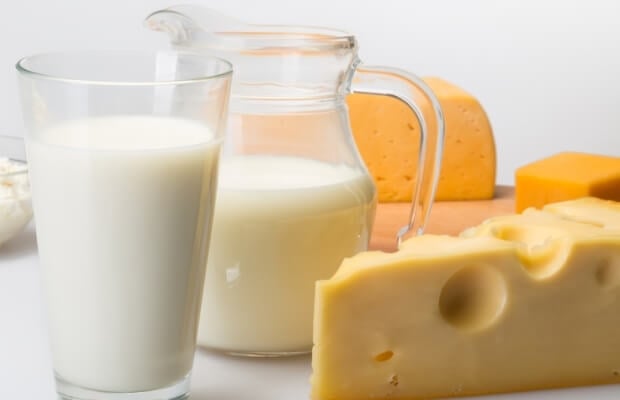
The same Harvard Nurses’ Health Study that identified plant protein as fertility-protective also found something unexpected: women who consumed full-fat dairy products had lower rates of ovulatory infertility compared to women who consumed primarily low-fat or fat-free dairy. The researchers hypothesized that removing fat from dairy also removes certain fat-soluble reproductive hormones and growth factors that may support ovulatory function.

Full-fat dairy is rich in conjugated linoleic acid (CLA), a fatty acid that has shown anti-inflammatory and immune-modulating properties in research settings. For women over 40, immune dysregulation, including an overactive immune response that can interfere with implantation, is one of the less-discussed fertility challenges. Full-fat dairy also provides calcium, phosphorus, and vitamin D, all of which are essential for reproductive health.

Fertility-Boosting Foods

The fertility case for full-fat dairy:

  • Associated with lower rates of ovulatory infertility in large observational studies
  • CLA content supports immune balance and reduces inflammation
  • Calcium and phosphorus support healthy cell division
  • Vitamin D (when fortified) addresses one of the most common fertility-related deficiencies
  • Probiotics in yogurt and kefir support gut health, which regulates hormone metabolism

A word of nuance: This is not a license to eat unlimited cheese. One to two servings of full-fat dairy daily, such as whole-milk yogurt or a small amount of full-fat cheese, appears to be where the benefit lies. Women with dairy sensitivities or PCOS should work with a practitioner to determine whether dairy is appropriate for their specific situation.


7. Brazil Nuts: The Selenium-Packed Fertility-Boosting Food You Only Need Two Of

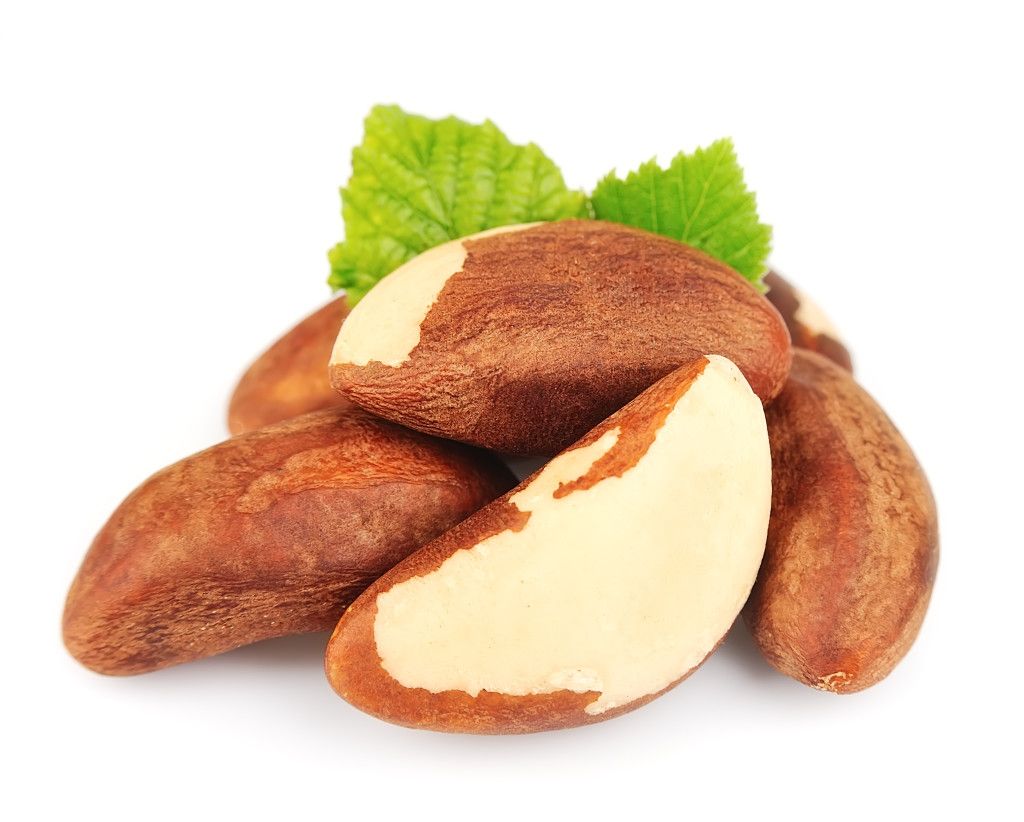
Brazil nuts are arguably the most potent single-food source of selenium on the planet. Just two Brazil nuts per day provides the full recommended daily intake of this mineral, which sounds almost too convenient to be true. But the fertility implications of selenium are serious and well-documented.

Selenium is essential for thyroid function, and thyroid health is one of the most overlooked pillars of female fertility. Even subclinical hypothyroidism, where thyroid function is technically within normal range but trending low, can impair ovulation, reduce progesterone production, and increase the risk of early pregnancy loss. Women over 40 are significantly more likely to have thyroid irregularities, making selenium intake particularly critical for this age group.

Beyond the thyroid connection, selenium is a potent antioxidant that protects eggs from oxidative damage. It supports the production of glutathione, the body’s master antioxidant, which is found in high concentrations in healthy follicles. Research published in Biological Trace Element Research has linked adequate selenium status with improved egg quality and reduced chromosomal abnormalities, exactly the kind of protection women over 40 are looking for.

Fertility-Boosting Foods

Why two Brazil nuts a day can make a real difference:

  • Provides 100% of the daily selenium requirement in just two nuts
  • Supports thyroid hormone production and conversion of T4 to active T3
  • Boosts glutathione levels, protecting eggs from oxidative stress
  • Reduces inflammation in reproductive tissues
  • Supports sperm quality too, if a partner is involved in the equation

One important caution: More is not better with selenium. Selenium toxicity (selenosis) can occur with excessive intake, causing hair loss, nail brittleness, and neurological symptoms. Two Brazil nuts daily is the sweet spot. Do not supplement with selenium on top of eating Brazil nuts without guidance from a healthcare provider.


The Fertility-Boosting Food Comparison Table: What Each Food Targets

Understanding what each food actually does helps you build a targeted strategy rather than just eating everything on the list and hoping for the best. Here is a clear breakdown:

Fertility Food Primary Fertility Benefit Key Nutrients Best For Daily Serving
Avocado Hormonal balance, uterine health Folate, Vitamin E, Oleic acid Hormone regulation, lining thickness ½ avocado
Wild Salmon Egg quality, inflammation reduction DHA, EPA, Vitamin D, Selenium Egg structural integrity 3x/week
Leafy Greens DNA protection, ovulation support Folate, Iron, Magnesium Cell division, ovulatory health 1–2 large handfuls
Walnuts Antioxidant protection in follicles ALA, Melatonin, Arginine, Zinc Follicular fluid quality, uterine blood flow 14 walnut halves
Lentils & Legumes Ovulatory function, hormone balance Plant protein, Iron, Folate, Zinc Insulin sensitivity, ovulation ½–1 cup cooked
Full-Fat Dairy Ovulatory health, immune balance CLA, Calcium, Vitamin D, Probiotics Immune regulation, ovulatory function 1–2 servings
Brazil Nuts Thyroid function, egg protection Selenium, Glutathione support Thyroid health, oxidative stress 2 nuts

What this table makes immediately clear is that these foods are not redundant. Each one targets a different aspect of the fertility equation. Salmon protects egg membranes. Brazil nuts protect thyroid function. Leafy greens protect DNA. Walnuts protect follicular fluid. Together, they create a comprehensive nutritional environment that supports fertility from multiple angles simultaneously.


The Oxidative Stress Factor: Why Antioxidants Are Non-Negotiable for Fertility After 40

If there is one biological concept every woman over 40 trying to conceive should understand, it is oxidative stress. Think of oxidative stress as internal rust. Over time, the metabolic processes of living produce unstable molecules called free radicals that can damage cells, including the mitochondria inside your eggs.

Egg cells are particularly vulnerable because they have exceptionally high metabolic demands. They need a tremendous amount of energy to mature, to be fertilized, and to divide correctly. As we age, mitochondrial function in eggs naturally declines, and the damage from free radicals accumulates. This is one of the key reasons egg quality decreases with age.

Antioxidants neutralize free radicals before they can damage cellular structures. Every single food on this list contains significant antioxidant activity: vitamin E in avocados and walnuts, selenium in Brazil nuts, omega-3s in salmon that reduce the inflammatory cascade, folate in leafy greens and lentils that supports cellular repair. According to research compiled by the American Society for Reproductive Medicine, antioxidant-rich diets are associated with improved IVF outcomes and higher rates of natural conception in women over 35.

This is why a fertility diet is not just about adding one superfood. It is about creating an antioxidant-rich internal environment that protects your eggs on a daily basis, because the eggs you ovulate today were developing in your ovaries for the past three to four months. What you eat now is directly influencing the quality of eggs you will ovulate months from now.


What to Reduce Alongside Your Fertility-Boosting Foods

Eating the right foods is powerful. But eating the wrong foods while simultaneously adding the right ones is like trying to fill a bathtub while the drain is open. A few specific dietary patterns are worth reducing when supporting fertility over 40.

Ultra-processed foods are problematic primarily because of their impact on inflammation and insulin resistance. Chips, packaged cookies, fast food, and most convenience meals contain refined carbohydrates, trans fats, and inflammatory seed oils that directly counteract the anti-inflammatory work your salmon and walnuts are doing.

Excessive alcohol is worth addressing without moralizing. Alcohol disrupts hormonal signaling, impairs liver function (which is responsible for metabolizing and clearing excess hormones), and reduces the absorption of key fertility nutrients including zinc and folate. Occasional moderate consumption is unlikely to derail a well-structured fertility diet, but daily drinking creates a meaningful nutritional headwind.

Excess sugar and refined carbohydrates drive insulin spikes that disrupt the delicate hormonal cascade governing ovulation. Insulin resistance, which becomes more common after 40, can suppress sex hormone-binding globulin, leading to excess androgens that interfere with ovulation. Swapping white bread and sugary snacks for the lentils, leafy greens, and whole foods in this list addresses this directly.

Excessive caffeine remains a subject of ongoing debate in fertility research. Most evidence suggests that up to 200mg of caffeine daily (roughly one to two cups of coffee) does not significantly impair fertility. Beyond that threshold, some studies suggest a modest increase in pregnancy loss risk. If you are a committed coffee drinker, staying at one to two cups is a reasonable, evidence-aligned compromise.


Building Your Fertility-Boosting Plate: A Practical Day of Eating

Abstract nutritional advice is easy to nod along to and then forget by dinnertime. Here is what incorporating all seven fertility-boosting foods into a single day actually looks like in practice.

Morning: A smoothie made with a large handful of spinach, half an avocado, a tablespoon of walnut butter, frozen berries, and a scoop of plant-based protein powder. This alone covers leafy greens, avocado, and walnuts before you have even sat down at your desk.

Mid-morning snack: A small bowl of full-fat Greek yogurt topped with two Brazil nuts (crushed) and a drizzle of honey. Thyroid support and probiotic coverage done before noon.

Lunch: A large salad base of arugula and kale tossed with lemon vinaigrette, topped with a cup of lentils, diced cucumber, roasted red peppers, and a sprinkle of pumpkin seeds for extra zinc. Folate, iron, plant protein, and magnesium in one bowl.

Dinner: Wild-caught salmon fillet baked with lemon and herbs, served alongside roasted sweet potato and steamed broccoli with a drizzle of olive oil. DHA, vitamin D, and additional antioxidants from the cruciferous vegetables.

This is not a rigid meal plan. It is a demonstration that eating for fertility does not require specialty ingredients, elaborate preparation, or a nutritionist on speed dial. It requires intention and repetition.


Supplements vs. Food: Where Fertility-Boosting Foods Fit in the Bigger Picture

A question that comes up consistently: if I am taking a prenatal vitamin and fertility supplements, do I still need to focus on food?

The answer is an unambiguous yes, and here is why. Supplements are exactly what the name implies: supplementary. They fill gaps. They cannot replicate the complex matrix of nutrients, fiber, phytochemicals, and cofactors that come packaged together in whole foods. Your body absorbs nutrients from food more efficiently than from pills, in part because food contains the companion nutrients that aid absorption.

For example, the iron in your prenatal vitamin is absorbed far better when you eat it alongside vitamin C from leafy greens. The vitamin D in your supplement functions better when you also have adequate magnesium, which you get from nuts and greens. Omega-3 supplements are genuinely useful, especially for women who do not eat fish, but the form found in wild salmon (DHA and EPA directly) is more bioavailable than the ALA in flaxseed oil that your body then has to convert.

Think of whole foods as your foundation and supplements as the reinforcements. Both have a role. Neither replaces the other.


A Note on Timing: How Long Does Dietary Change Take to Impact Egg Quality?

This is one of the most important, and most underappreciated, aspects of fertility nutrition. The eggs you ovulate in any given month have been developing for approximately 90 to 120 days. This means the nutritional environment your body provided three to four months ago is directly shaping the eggs you are releasing today.

The practical implication of this is both sobering and encouraging. It is sobering because it means there is no quick fix. You cannot eat salmon for a week and expect dramatically improved egg quality at your next cycle. But it is encouraging because it means that consistent dietary changes made today will meaningfully impact the eggs you ovulate three months from now, and the months after that.

Women who approach fertility nutrition as a sustained practice rather than a short-term intervention tend to see the most meaningful results. This is a marathon, not a sprint, and the finish line is worth the commitment.


The Emotional Side of Eating for Fertility After 40

Food can become fraught when you are trying to conceive. Every meal starts to feel weighted with consequence. Every indulgence brings a whisper of guilt. And the emotional labor of tracking, optimizing, and “doing everything right” while simultaneously managing the anxiety of the fertility journey can become exhausting to the point of counterproductive.

Here is a grounding perspective: stress itself is a fertility disruptor. Cortisol, the primary stress hormone, directly suppresses reproductive hormones. The psychological burden of a hyper-restrictive, fear-driven approach to eating can create its own hormonal interference.

The goal is not perfection. The goal is a consistent pattern that leans heavily toward nourishing, anti-inflammatory, antioxidant-rich foods while leaving room for the pleasure of eating, the joy of shared meals, and the grace of imperfect days. Eating a piece of birthday cake at a celebration is not going to derail three months of intentional nutrition. The aggregate pattern is what matters.

Be kind to yourself in this process. The women who navigate fertility challenges most gracefully are rarely the ones who followed every rule perfectly. They are the ones who stayed consistent, stayed curious, and stayed gentle with themselves when they inevitably fell short.


Conclusion: Your Fork Is One of Your Most Powerful Fertility Tools

Turning 40 does not close the door on fertility. It changes the terrain, certainly, but the body’s capacity to respond to nourishment does not expire with your third decade.

The seven fertility-boosting foods explored in this article, avocados, wild salmon, leafy greens, walnuts, lentils, full-fat dairy, and Brazil nuts, are not exotic or expensive. They are real food, widely available, and backed by a growing body of research that takes women’s fertility seriously at every age.

Each one works differently: some protect the structural integrity of your eggs, some regulate the hormones that orchestrate your cycle, some reduce the inflammation that quietly undermines reproductive function, and some target the thyroid imbalances that fly under the radar until they become a problem.

Together, they create an internal environment where fertility can thrive, where eggs are better protected, where hormones can do their jobs, and where your body receives the message that it is supported, nourished, and ready.

You cannot control everything about this process. But you can control what you put on your plate. And that, as it turns out, is more powerful than most people realize.


Frequently Asked Questions About Fertility-Boosting Foods After 40

Can diet alone improve egg quality after 40? Diet is one of the most evidence-supported, modifiable factors for egg quality. It cannot reverse the natural aging of eggs, but it can meaningfully reduce oxidative damage, support mitochondrial function, and improve the hormonal environment in which eggs develop. It works best as part of a comprehensive approach that also includes appropriate medical support, adequate sleep, stress management, and regular movement.

How long before trying to conceive should I start eating for fertility? Ideally, three to six months before you begin trying to conceive. This timeline aligns with the 90 to 120-day development window for eggs and allows dietary changes to influence the eggs you will be ovulating during your conception attempts.

Do these foods help if I am doing IVF? Yes. Multiple studies have found that women undergoing IVF who follow antioxidant-rich, Mediterranean-style diets have better outcomes including higher rates of fertilization, better embryo quality, and improved implantation rates. These foods are complementary to, not in conflict with, assisted reproductive technology.

Are there foods I should completely avoid? There are foods worth significantly reducing rather than rigidly eliminating: ultra-processed foods, excessive alcohol, trans fats, and excessive sugar. A single meal off-plan will not derail your fertility. A consistently poor dietary pattern will create headwinds. Focus on what you consistently add, not on what you occasionally enjoy.


Share This and Keep Reading

If this article helped you see fertility nutrition differently, share it with a friend who is navigating this season of life. The right information at the right moment can change everything.

Read Next:

Drop a comment below: Which of these seven fertility-boosting foods are you already eating regularly, and which one surprised you most? Your experience might be exactly what another reader needs to hear.