10 Shocking Signs of Infertility Women Over 35 Must Know Before Trying to Conceive
Your body has been whispering to you for years. The question is whether you’ve been listening.
If you’re a woman over 35 who’s thinking about starting or growing your family, this article could genuinely change the trajectory of your journey. Not because it contains miracle cures or magic answers, but because it hands you something far more powerful: awareness.
Introduction: Why Fertility After 35 Deserves Your Full Attention
Let’s be honest about something. Society has done women a disservice by treating fertility like a light switch, something that’s either “on” or “off.” The truth is far more nuanced, and far more important to understand, especially when you’re a woman over 35 who’s considering trying to conceive.
You’ve probably heard the statistics. You may have even rolled your eyes at them. “Fertility declines after 35” gets tossed around like a weather forecast, vague, impersonal, and easy to dismiss. But behind that statistic are real biological signals that your body sends, sometimes loudly, sometimes in whispers, long before you ever see two lines on a pregnancy test or sit in a fertility clinic.
Here’s the thing that nobody tells you at your annual check-up: many of the most significant signs of infertility don’t look like what you’d expect. They don’t announce themselves with alarms and flashing lights. They show up disguised as “normal” things. A slightly shorter cycle here. A heavier period there. Fatigue you chalk up to a busy life. Pain you’ve been told to just “deal with.”
This article isn’t here to scare you. It’s here to empower you with the kind of knowledge that your future self will thank you for. Because the difference between catching a fertility issue early and discovering it after months (or years) of heartbreaking attempts is often just information, the kind of information you’re about to read.
Whether you’re actively trying to conceive, thinking about it in the next year or two, or simply want to understand your reproductive health on a deeper level, these ten signs of infertility are ones every woman over 35 should know. Some will surprise you. Some might make you pick up the phone and call your doctor. And that’s exactly the point.
We’re going to walk through each sign in detail. Not just what it is, but why it happens, what the science says, how it connects to your fertility after 35, and most importantly, what you can actually do about it. By the time you finish reading, you’ll have a clearer picture of your own reproductive health than most women get from a standard gynecological exam.
Let’s get started. Your body is talking. It’s time to learn the language.
Sign 1: Irregular Periods Are a Major Sign of Infertility After 35
If your menstrual cycle has always been like clockwork and suddenly starts acting like it has a mind of its own, pay attention. Irregular periods are one of the most common and most overlooked signs of infertility, and they become increasingly significant for women over 35.
A “regular” menstrual cycle typically falls between 21 and 35 days, with most women averaging around 28 days. Irregular periods mean your cycle length varies significantly from month to month, or your period disappears entirely for stretches of time. While the occasional off-cycle can happen to anyone (stress, travel, illness), a persistent pattern of irregularity after 35 is a signal worth investigating.
Why Irregular Periods Matter More After 35
Here’s the biology behind it. Your menstrual cycle is orchestrated by a delicate hormonal symphony involving estrogen, progesterone, follicle-stimulating hormone (FSH), and luteinizing hormone (LH). When your cycle is regular, it generally means ovulation is occurring predictably. When it’s not, something in that hormonal chain is off, and that “something” directly affects your ability to conceive.
For women over 35, irregular periods can indicate:
- Diminished ovarian reserve — Your egg supply is naturally declining, and the remaining eggs may not trigger consistent hormonal responses.
- Anovulation — You’re having periods without actually ovulating, which means there’s no egg available for fertilization.
- Thyroid dysfunction — Both hypothyroidism and hyperthyroidism become more common with age and can wreak havoc on your cycle.
- Polycystic ovary syndrome (PCOS) — While PCOS is often diagnosed earlier, some women don’t get a diagnosis until they start actively trying to conceive in their mid-to-late 30s.
- Perimenopause — Yes, it can start in your late 30s. Perimenopause doesn’t mean menopause is imminent, but it does mean your hormone levels are beginning to fluctuate more dramatically.
What to Do About It
If your periods have become unpredictable, the first step is tracking. Use a period-tracking app or a simple calendar to document the first day of each cycle, the duration of bleeding, and any symptoms you notice. After three to four months of data, bring this information to your OB-GYN or reproductive endocrinologist.
Your doctor will likely order blood work to check your hormone levels (including FSH, estradiol, AMH, and thyroid hormones) and may recommend an ultrasound to evaluate your ovaries and uterine lining. The key takeaway here is that irregular periods after 35 are not something to shrug off. They are your body’s way of raising a flag, and the sooner you respond, the more options you have.
Don’t wait until you’ve been trying to conceive for a year to mention this to your doctor. For women over 35, the American College of Obstetricians and Gynecologists recommends seeking evaluation after just six months of unsuccessful attempts, or sooner if you have known risk factors like irregular cycles.
Sign 2: Extremely Painful Periods Could Signal Hidden Signs of Infertility
We need to talk about period pain. Not the mild cramping that a heating pad and some ibuprofen can handle. We’re talking about the kind of pain that makes you cancel plans, call in sick to work, or curl up in a ball wondering if something is genuinely wrong inside your body.
Because something might be.
Severe menstrual pain, known medically as dysmenorrhea, is one of the most under-discussed signs of infertility. For decades, women have been told that painful periods are “just part of being a woman.” And while mild to moderate cramping is indeed normal, debilitating pain is not. It’s a symptom, and it can point to conditions that directly impact your fertility.
The Conditions Behind the Pain
The two biggest culprits behind severe period pain that also affect fertility are endometriosis and adenomyosis. Let’s break both down.
Endometriosis occurs when tissue similar to the uterine lining grows outside the uterus, attaching to the ovaries, fallopian tubes, the outer surface of the uterus, or other pelvic organs. This misplaced tissue still responds to hormonal changes each month, causing inflammation, scarring, and adhesions. Endometriosis affects an estimated 10% of reproductive-age women, but it takes an average of seven to ten years to receive a diagnosis. Many women aren’t diagnosed until they’re in their 30s or 40s and struggling to conceive.
Adenomyosis is endometriosis’s lesser-known cousin. Instead of tissue growing outside the uterus, it grows into the muscular wall of the uterus itself. This causes the uterus to enlarge and become boggy, leading to heavy, painful periods and difficulty with implantation. Adenomyosis is more common in women over 35, particularly those who have had previous uterine surgeries.
Symptoms to Watch For
Beyond severe cramping, be alert for these related symptoms:
- Pain during or after intercourse (dyspareunia)
- Pain with bowel movements or urination, especially during your period
- Chronic pelvic pain that persists outside of menstruation
- Heavy bleeding or clotting during periods
- Bloating or gastrointestinal symptoms that worsen cyclically
- Fatigue that seems disproportionate to your lifestyle
- Lower back pain that intensifies around your period
Why This Matters for Trying to Conceive
Endometriosis can damage the fallopian tubes, interfere with ovulation, create a hostile environment for implantation, and even reduce egg quality. Studies suggest that 30% to 50% of women with endometriosis experience infertility. Adenomyosis, meanwhile, can impair implantation and increase miscarriage risk.
If you’re a woman over 35 experiencing severe period pain, don’t wait. Request a referral to a reproductive endocrinologist or a gynecologist who specializes in endometriosis. Diagnosis may involve imaging (ultrasound or MRI) and, in some cases, laparoscopic surgery. Early identification gives you the chance to explore treatment options, whether medical or surgical, that can improve your fertility outcomes before time becomes an even bigger factor.
Sign 3: Changes in Menstrual Flow Are Subtle Signs of Infertility
You know your period better than anyone. You know how many tampons or pads you go through. You know whether you’re a “heavy day one, light day three” kind of person. So when something changes, you notice, even if you don’t say anything about it.
Changes in menstrual flow, whether your periods have become significantly heavier, lighter, shorter, or longer, are important signs of infertility that deserve attention, especially for women over 35 who are considering trying to conceive.
When Your Period Gets Lighter or Shorter
If your period has become noticeably lighter or shorter than it used to be (say, going from five days of moderate flow to two days of spotting), this could indicate a thinning uterine lining. A healthy uterine lining, typically at least 7mm thick during the implantation window, is essential for a fertilized egg to implant and develop. A thin lining can be caused by hormonal imbalances, low estrogen levels, or poor blood flow to the uterus.
For women over 35, lighter periods can also signal declining ovarian function. As your ovarian reserve decreases, your body may produce less estrogen, which directly affects how thick your uterine lining grows each cycle. This is not something to panic about, but it is something to discuss with your doctor, particularly if it represents a noticeable shift from your baseline.
When Your Period Gets Heavier
On the other end of the spectrum, suddenly heavier periods can point to:
- Uterine fibroids — Benign growths in or on the uterus that become more common after 35. Depending on their size and location, fibroids can interfere with implantation, block the fallopian tubes, or distort the uterine cavity.
- Uterine polyps — Small growths on the uterine lining that can prevent implantation.
- Adenomyosis — As discussed earlier, this condition causes the uterine wall to thicken, leading to heavy, prolonged bleeding.
- Hormonal imbalances — Estrogen dominance (too much estrogen relative to progesterone) can cause the uterine lining to build up excessively, resulting in heavy, clot-filled periods.
The Practical Takeaway
Keep a menstrual diary. Note not just timing but also flow volume, color, clotting, and duration. If you notice a significant change that persists over two or more cycles, bring it up with your healthcare provider. Simple imaging like a transvaginal ultrasound or a saline infusion sonogram can reveal fibroids, polyps, or lining abnormalities that might be affecting your fertility.
Your menstrual flow is like a monthly report card on your reproductive health. If the grades are changing, it’s worth finding out why.
Sign 4: Hormonal Imbalance Symptoms Are Key Signs of Infertility in Women Over 35
Hormones don’t just regulate your period. They influence your skin, your hair, your weight, your mood, your sleep, your digestion, and yes, your fertility. When they’re out of balance, the effects ripple across your entire body. And those ripples often show up as visible, tangible symptoms long before you have trouble conceiving.
Hormonal imbalance is one of the most far-reaching signs of infertility, and it becomes more prevalent as women cross the 35-year threshold. Here’s what to watch for.
The Telltale Symptoms
- Persistent adult acne, especially along the jawline and chin, which can indicate elevated androgens (male hormones)
- Unexplained weight gain, particularly around the midsection, which is associated with insulin resistance and PCOS
- Hair thinning or loss on your scalp, sometimes accompanied by increased facial or body hair (hirsutism)
- Severe PMS or premenstrual mood disorders (PMDD), which can signal progesterone deficiency
- Chronic fatigue that doesn’t improve with rest
- Night sweats or hot flashes, which may indicate fluctuating estrogen levels or early perimenopause
- Low libido or vaginal dryness
- Breast tenderness that worsens before your period
- Difficulty sleeping, especially in the second half of your cycle
- Brain fog or difficulty concentrating
The Hormonal Players
For women over 35 who are trying to conceive, several hormones are particularly important:
FSH (Follicle-Stimulating Hormone): Rising FSH levels indicate that your brain is working harder to stimulate your ovaries to produce eggs. Elevated FSH is a classic marker of diminished ovarian reserve.
AMH (Anti-Mullerian Hormone): AMH is produced by the cells surrounding your developing eggs and serves as one of the best indicators of your remaining egg supply. Low AMH for your age can suggest a smaller ovarian reserve.
Estradiol (E2): The primary form of estrogen during your reproductive years. Both high and low levels can interfere with ovulation and implantation.
Progesterone: Essential for maintaining the uterine lining and supporting early pregnancy. Low progesterone, sometimes called “luteal phase deficiency,” can cause implantation failure or early miscarriage.
Thyroid hormones (TSH, T3, T4): Thyroid dysfunction is remarkably common in women over 35 and can cause irregular cycles, anovulation, and increased miscarriage risk. Even “subclinical” hypothyroidism (slightly elevated TSH with normal T3/T4) has been linked to reduced fertility.
Prolactin: Elevated prolactin can suppress ovulation. This can be caused by stress, certain medications, or benign pituitary tumors called prolactinomas.
Getting Tested
If you’re experiencing multiple symptoms from the list above, request a comprehensive hormone panel from your doctor. This should ideally be done on specific cycle days for the most accurate results: FSH and estradiol on cycle day 2 or 3, progesterone about seven days after suspected ovulation, and AMH anytime (it doesn’t fluctuate significantly with your cycle).
Don’t accept “your labs are normal” without seeing the actual numbers. “Normal” ranges on lab reports are designed for the general population, not for optimizing fertility. A reproductive endocrinologist can interpret your results in the specific context of trying to conceive after 35.
Sign 5: Recurrent Miscarriage Is One of the Most Devastating Signs of Infertility
This one is hard to talk about. And it’s even harder to live through. But recurrent miscarriage, defined as two or more consecutive pregnancy losses, is a significant and heartbreaking sign of infertility that affects a disproportionate number of women over 35.
If you’ve experienced pregnancy loss, know this first: it was not your fault. Miscarriage is far more common than most people realize, occurring in approximately 10% to 20% of known pregnancies. But for women over 35, that number climbs. By age 40, the miscarriage rate approaches 40%, and by 45, it’s over 50%.
Why Miscarriage Risk Increases After 35
The primary reason is egg quality. As women age, their eggs are more likely to have chromosomal abnormalities (aneuploidy). A chromosomally abnormal embryo may implant briefly but usually cannot develop into a viable pregnancy, resulting in early miscarriage. This isn’t a reflection of your health, your lifestyle, or your worthiness to be a mother. It’s biology, plain and simple.
But chromosomal issues aren’t the only cause. Other factors that contribute to recurrent miscarriage in women over 35 include:
- Uterine abnormalities — Fibroids, polyps, a septate uterus, or scar tissue (Asherman’s syndrome) can interfere with implantation or early embryonic development.
- Hormonal insufficiency — Low progesterone can prevent the uterine lining from adequately supporting a pregnancy.
- Blood clotting disorders — Conditions like antiphospholipid syndrome (APS) or Factor V Leiden can cause tiny blood clots in the placenta, cutting off blood supply to the developing embryo.
- Thyroid dysfunction — Both overt and subclinical thyroid disorders increase miscarriage risk.
- Autoimmune conditions — Certain autoimmune disorders, including lupus and APS, are associated with higher miscarriage rates.
- Cervical insufficiency — A weakened cervix that opens too early in pregnancy, typically in the second trimester.
When to Seek Help
If you’ve had two or more miscarriages, especially after 35, it’s time for a thorough workup. This should include:
- Karyotyping (chromosomal analysis) for both you and your partner
- Comprehensive blood clotting panel
- Thyroid function tests
- Progesterone level testing in the luteal phase
- Uterine evaluation via ultrasound, hysteroscopy, or saline sonogram
- Autoimmune screening
Many causes of recurrent miscarriage are treatable. Blood thinners for clotting disorders, progesterone supplementation for hormonal deficiency, surgery for uterine abnormalities, and thyroid medication can all dramatically improve outcomes. But you need the diagnosis first, and you won’t get it if you don’t ask for the investigation.
If you’re grieving a loss while reading this, take a breath. You are not alone. And seeking answers is not giving up hope. It’s fighting for it.
Sign 6: History of Pelvic Infections Points to Hidden Signs of Infertility
Your reproductive past isn’t just your past. It’s a roadmap to your present fertility. And one of the most consequential landmarks on that map is any history of pelvic infections.
Pelvic inflammatory disease (PID), chlamydia, gonorrhea, and other infections of the reproductive tract can leave lasting damage, even if you were treated and thought the issue was resolved years ago. This is one of the sneakiest signs of infertility because the damage is often silent: no symptoms, no pain, no obvious indication that your fallopian tubes or uterine environment have been compromised.

The Silent Damage of Past Infections
When infections like chlamydia or gonorrhea go untreated, or even when they’re treated but caught late, they can cause inflammation and scarring in the fallopian tubes. This scarring can partially or completely block the tubes, preventing sperm from reaching the egg or preventing a fertilized egg from traveling to the uterus for implantation.
Tubal factor infertility accounts for approximately 25% to 30% of all female infertility cases. And here’s the gut punch: up to 70% of chlamydia infections in women are asymptomatic. That means you could have had an infection, cleared it (either naturally or with antibiotics), and never known it was there, only to discover years later that it left behind damage.
Beyond STIs: Other Infections That Matter
Pelvic infections aren’t limited to sexually transmitted infections. Other sources include:
- Post-surgical infections — following procedures like appendectomies, C-sections, or any abdominal/pelvic surgery
- IUD-related infections — rare with modern IUDs, but historically a risk factor, particularly with older devices
- Post-abortion infections — any uterine procedure carries a small risk of introducing bacteria
- Ruptured appendix — particularly if it occurred on the right side near the right fallopian tube and ovary
What You Can Do
If you have a history of any pelvic infection, STI, or pelvic surgery, be upfront with your fertility specialist. They may recommend a hysterosalpingogram (HSG), a procedure where dye is injected into the uterus and X-rays are taken to check whether the fallopian tubes are open. Alternatively, a saline sonogram or laparoscopy may be used.
If tubal blockage is found, options include surgical repair (in some cases), or bypassing the tubes entirely through in vitro fertilization (IVF). The important thing is knowing whether the tubes are open before spending months trying to conceive naturally when it may not be possible through that route.
Knowledge is power, especially when time is a factor. And for women over 35, time is always a factor.
Sign 7: Thyroid Disorders Are Underdiagnosed Signs of Infertility in Women Over 35
If there’s one organ that doesn’t get nearly enough credit (or scrutiny) when it comes to fertility, it’s the thyroid. This small, butterfly-shaped gland at the base of your neck controls your metabolism, energy, body temperature, and, crucially, your reproductive function.
Thyroid disorders are among the most underdiagnosed signs of infertility, and they are disproportionately common in women. Women are five to eight times more likely than men to develop thyroid conditions, and the risk increases with age. For women over 35 who are trying to conceive, thyroid function should be near the top of the testing list.
How Thyroid Problems Affect Fertility
Hypothyroidism (underactive thyroid): When your thyroid doesn’t produce enough hormones, it can lead to irregular or absent ovulation, elevated prolactin levels (which suppress ovulation), a shortened luteal phase, and poor endometrial development. All of these reduce your chances of conceiving and maintaining a pregnancy.
Hyperthyroidism (overactive thyroid): Excess thyroid hormones can cause irregular periods, light or absent periods, and difficulty conceiving. Uncontrolled hyperthyroidism during pregnancy increases the risk of miscarriage, preterm birth, and preeclampsia.
Hashimoto’s thyroiditis: This autoimmune condition is the most common cause of hypothyroidism. Beyond the thyroid dysfunction itself, the autoimmune component can independently affect fertility. Women with Hashimoto’s have higher rates of miscarriage and may benefit from treatment even when their TSH levels are technically within the “normal” range.
The TSH Controversy
Here’s where it gets tricky. The standard “normal” range for TSH (thyroid-stimulating hormone) on most lab reports is roughly 0.5 to 4.5 mIU/L. But many reproductive endocrinologists consider a TSH above 2.5 mIU/L to be suboptimal for conception and early pregnancy. Some data suggests that a TSH between 1.0 and 2.0 mIU/L is ideal for women trying to conceive.
This means you could have your TSH checked, be told everything is “fine,” and still have a thyroid level that’s compromising your fertility. If your TSH is above 2.5, request a full thyroid panel including free T3, free T4, and thyroid antibodies (TPO and TG antibodies). Discuss with your doctor whether treatment, typically a low dose of levothyroxine, might be appropriate.
Symptoms of Thyroid Dysfunction to Watch For
- Unexplained fatigue or sluggishness
- Weight gain (hypo) or weight loss (hyper) that doesn’t match your diet and activity level
- Feeling cold all the time (hypo) or heat intolerance (hyper)
- Constipation (hypo) or frequent bowel movements (hyper)
- Dry skin and brittle nails
- Hair loss or thinning
- Depression, anxiety, or mood swings
- Brain fog or difficulty concentrating
- Menstrual irregularities
- Muscle aches or joint pain
The good news? Thyroid conditions are highly treatable. With proper medication and monitoring, most women with thyroid disorders can conceive and carry healthy pregnancies. But you can’t treat what you don’t test for. If you’re a woman over 35 planning to conceive, make thyroid testing a non-negotiable part of your preconception workup.
Sign 8: Chronic Stress and Sleep Disruption Are Overlooked Signs of Infertility
Here’s a sign of infertility that nobody wants to hear about because it feels too “vague,” too “lifestyle-y,” and too hard to quantify. But chronic stress and sleep disruption have profound, measurable effects on your reproductive hormones, and dismissing them as “just part of modern life” is a mistake, especially for women over 35.
Let’s be clear: stress doesn’t cause infertility by itself. Telling a woman who’s struggling to conceive to “just relax” is dismissive, unhelpful, and scientifically incomplete. But chronic, unrelenting stress, the kind that comes from demanding careers, caregiving responsibilities, financial pressure, relationship strain, or the fertility journey itself, does create a hormonal environment that is actively hostile to conception.
The Science of Stress and Fertility
When you’re under chronic stress, your body produces elevated levels of cortisol. This isn’t the brief cortisol spike you get from a scary movie or a near-miss on the highway. It’s a sustained elevation that disrupts the hypothalamic-pituitary-gonadal (HPG) axis, the communication highway between your brain and your reproductive organs.
Elevated cortisol can:
- Suppress GnRH (gonadotropin-releasing hormone), which reduces FSH and LH production, leading to irregular or absent ovulation
- Lower progesterone levels, since cortisol and progesterone compete for the same precursor hormone (pregnenolone)
- Increase inflammation, which can impair egg quality and implantation
- Disrupt thyroid function, creating a cascading hormonal effect
- Elevate prolactin, which further suppresses ovulation
A landmark study published in the journal Human Reproduction found that women with the highest levels of alpha-amylase (a biomarker for stress) had a 29% reduction in fertility compared to women with the lowest levels. That’s not a trivial number.
The Sleep Connection
Sleep disruption compounds the problem. Your reproductive hormones, including FSH, LH, estrogen, and progesterone, follow circadian rhythms. They’re secreted in specific patterns that depend on quality sleep. When you consistently get fewer than seven hours, or when your sleep is fragmented and poor quality, these hormonal rhythms are disrupted.
Shift workers, for example, have higher rates of menstrual irregularity and longer time-to-conception compared to women who work standard hours. But you don’t have to work the night shift to be affected. The blue-light-scrolling, caffeine-dependent, always-on culture that many women over 35 inhabit is its own form of circadian disruption.
What Actually Helps
This isn’t a “take a bubble bath and you’ll get pregnant” section. This is about making real, structural changes to your stress load and sleep hygiene that give your hormones the best possible chance of functioning optimally.
- Sleep: Aim for 7 to 9 hours per night. Create a consistent sleep schedule. Limit screen time for at least 30 minutes before bed. Keep your bedroom cool, dark, and quiet.
- Stress management: Identify your top three stressors and honestly assess which ones you can reduce, delegate, or eliminate. Consider evidence-based approaches like cognitive behavioral therapy (CBT), mindfulness-based stress reduction (MBSR), yoga, or regular moderate exercise.
- Cortisol management: Reduce caffeine intake (especially after noon), practice deep breathing or meditation for even 10 minutes daily, and prioritize activities that genuinely bring you joy, not obligations that drain you.
- Set boundaries around fertility research and treatment. Ironically, the stress of fertility treatment itself can compound the problem. Take breaks when you need them.
Chronic stress and poor sleep won’t always prevent conception, but they can make an already challenging fertility landscape after 35 significantly more difficult. Treat your nervous system as a fertility organ. Because in many ways, it is.
Sign 9: Unexplained Weight Changes Can Be Alarming Signs of Infertility
Weight is a sensitive topic, and it should be handled with nuance. But when we’re discussing signs of infertility, we can’t ignore the well-documented relationship between body weight, body composition, and reproductive function. This isn’t about aesthetics or fitting into a certain size. It’s about how your body’s metabolic status communicates with your reproductive system.
Both significant weight gain and significant weight loss can impair fertility, and these effects are amplified for women over 35 who are trying to conceive.
How Excess Weight Affects Fertility
Fat tissue isn’t just passive storage. It’s an active endocrine organ that produces estrogen. When body fat levels are significantly elevated, excess estrogen can disrupt the delicate hormonal feedback loops that regulate ovulation.
Women with a BMI above 30 are more likely to experience:
- Irregular or absent ovulation (anovulation)
- Insulin resistance and elevated insulin levels, which stimulate the ovaries to produce excess androgens
- PCOS or PCOS-like symptoms
- Poorer egg quality
- Reduced response to fertility medications
- Higher miscarriage rates
- Increased pregnancy complications (gestational diabetes, preeclampsia, C-section)
According to the Mayo Clinic’s comprehensive guide on female infertility, maintaining a healthy weight is one of the most impactful modifiable factors in female fertility.
How Being Underweight Affects Fertility
On the other end of the spectrum, being significantly underweight (BMI below 18.5) or having very low body fat percentage can suppress reproductive hormones entirely. Your body essentially decides that conditions aren’t safe for pregnancy and shuts down ovulation, a condition known as hypothalamic amenorrhea.
This is particularly relevant for women who:
- Exercise intensely without adequate caloric intake
- Follow highly restrictive diets
- Have a history of eating disorders
- Experience chronic illness that affects nutrient absorption
The Unexplained Part
Here’s where it becomes a sign of infertility specifically: unexplained weight changes. If you’re gaining weight without changes to your diet or activity level, or losing weight despite eating normally, something metabolic is going on. Possible culprits include:
- Thyroid dysfunction (see Sign 7)
- PCOS and insulin resistance
- Adrenal disorders (Cushing’s syndrome, adrenal insufficiency)
- Chronic inflammation
- Gut health issues affecting nutrient absorption
These aren’t just weight issues. They’re systemic conditions that affect your entire hormonal ecosystem, including your fertility. If your weight has changed significantly without explanation, investigate the cause before chalking it up to aging or stress. The underlying condition may be the same one standing between you and conception.
A Note About Weight Stigma
No woman should feel shamed about her body, especially in the context of fertility. The goal isn’t perfection. It’s awareness. Understanding how your metabolic health intersects with your reproductive health empowers you to make informed choices. If your doctor dismisses your fertility concerns with “just lose weight” without further investigation, that’s a sign you need a different doctor, not that you’ve failed.
Sign 10: Family History of Early Menopause Is a Genetic Sign of Infertility
Of all the signs of infertility on this list, this one requires the least medical testing and the most family conversation. If your mother, grandmother, or sisters experienced menopause before age 45, particularly before 40, your own fertility timeline may be shorter than average. This is information that could fundamentally change your family-planning decisions.
The Genetic Component of Ovarian Aging
While environmental and lifestyle factors influence fertility, the age at which your ovarian reserve declines is heavily influenced by genetics. Studies have identified several genes associated with the timing of menopause, and the correlation between mothers’ and daughters’ age at menopause is well-established.
If your mother went through menopause at 42, for example, your own ovarian reserve may begin declining more rapidly in your mid-30s. This doesn’t mean you’ll definitely have difficulty conceiving, but it does mean that the “fertility cliff” that most women experience in their late 30s to early 40s might arrive earlier for you.
Primary Ovarian Insufficiency (POI)
In more extreme cases, some women experience premature ovarian failure or primary ovarian insufficiency (POI), where the ovaries stop functioning normally before age 40. POI affects approximately 1% of women, and genetic factors play a significant role. If any woman in your family experienced this, your risk is elevated.
Symptoms of POI can include:
- Irregular or absent periods
- Hot flashes and night sweats
- Vaginal dryness
- Difficulty conceiving
- Low libido
- Mood changes
- Difficulty sleeping
Gathering Your Family History
This might feel awkward, but it’s one of the most valuable fertility conversations you can have. Ask the women in your family:
- At what age did they go through menopause?
- Did they have difficulty getting pregnant?
- Were they told they had “early menopause” or premature ovarian failure?
- Did they experience significant menstrual changes in their 30s?
- Were fertility treatments used?
Even approximate answers are helpful. And if you can’t get this information from family (due to estrangement, death, or adoption), mention this gap to your fertility specialist so they can adjust their evaluation accordingly.
Proactive Testing
If your family history raises concerns, consider having your AMH (anti-Mullerian hormone) and antral follicle count (AFC) tested now, even if you’re not ready to conceive yet. These tests provide a snapshot of your current ovarian reserve and can help you and your doctor create a proactive timeline. If results suggest a faster-than-average decline, you might consider:
- Accelerating your conception timeline
- Egg freezing for future use
- Earlier referral to a reproductive endocrinologist
- More aggressive monitoring of your ovarian function over time
You can’t change your genes. But you can act on the information they provide. And for women over 35, acting early is always better than acting late.
The Complete Signs of Infertility Comparison Table for Women Over 35
To help you visualize all ten signs, how urgent they are, what testing to request, and what treatment options exist, here’s a comprehensive comparison table:
| Sign of Infertility | Key Symptoms | Diagnostic Tests | Potential Treatments | Urgency Level |
|---|---|---|---|---|
| Irregular Periods | Cycle length varies by more than 7 days; missed periods | Hormone panel (FSH, LH, E2, AMH), thyroid tests, ultrasound | Hormone therapy, ovulation induction, lifestyle changes | Moderate to High |
| Extremely Painful Periods | Debilitating cramps, pain during sex, bowel/urinary pain | Ultrasound, MRI, laparoscopy | Surgery (excision), hormone therapy, IVF | High |
| Changes in Menstrual Flow | Significantly heavier, lighter, shorter, or longer periods | Transvaginal ultrasound, saline sonogram, hormone panel | Fibroid/polyp removal, hormone supplementation, endometrial support | Moderate |
| Hormonal Imbalance Symptoms | Acne, hair loss, weight gain, severe PMS, fatigue, low libido | Comprehensive hormone panel (day 2/3 and mid-luteal), thyroid panel | Medication, lifestyle changes, targeted supplementation | Moderate to High |
| Recurrent Miscarriage | Two or more consecutive pregnancy losses | Karyotyping, clotting panel, uterine evaluation, autoimmune screening, thyroid tests | Blood thinners, progesterone, surgery, PGT-A with IVF | Very High |
| History of Pelvic Infections | Prior STIs, PID, pelvic surgery; often asymptomatic | HSG (hysterosalpingogram), laparoscopy | Tubal surgery, IVF | High |
| Thyroid Disorders | Fatigue, weight changes, temperature sensitivity, mood changes, menstrual irregularity | TSH, free T3, free T4, TPO antibodies, TG antibodies | Levothyroxine, anti-thyroid medication, regular monitoring | High |
| Chronic Stress and Sleep Disruption | Persistent stress, insomnia, cortisol-related symptoms, hormonal disruption | Cortisol testing, sleep studies, symptom assessment | CBT, MBSR, sleep hygiene, lifestyle restructuring | Moderate |
| Unexplained Weight Changes | Weight gain or loss without dietary/activity changes | Metabolic panel, insulin/glucose testing, thyroid tests, PCOS screening | Treatment of underlying condition, nutritional support, exercise guidance | Moderate to High |
| Family History of Early Menopause | Family members with menopause before 45; POI in family | AMH, antral follicle count (AFC), genetic screening | Egg freezing, accelerated timeline, IVF | High (time-sensitive) |
This table is a reference tool, not a diagnostic guide. But it can help you organize your thoughts and communicate effectively with your healthcare provider. Print it, bring it to your appointment, and use it to advocate for yourself.
Beyond the Ten Signs: Additional Factors That Affect Fertility After 35
While we’ve covered the ten most significant signs of infertility, a few additional factors deserve mention for women over 35 who are trying to conceive.
Environmental and Lifestyle Factors
Your fertility doesn’t exist in a vacuum. It’s influenced by the environment you live in and the choices you make every day. Some factors to be aware of:
- Smoking: Accelerates ovarian aging. Smokers reach menopause an average of one to four years earlier than non-smokers. Even secondhand smoke exposure has been linked to reduced fertility.
- Alcohol: Moderate to heavy alcohol consumption is associated with longer time-to-conception and increased miscarriage risk. While the occasional glass of wine is unlikely to affect fertility, daily or heavy drinking can.
- Environmental toxins: Exposure to endocrine-disrupting chemicals (EDCs) found in plastics (BPA, phthalates), pesticides, and certain personal care products can interfere with hormone function. Consider switching to glass food containers, choosing organic produce when possible, and reviewing your product ingredients.
- Caffeine: The data is mixed, but most experts suggest keeping caffeine intake below 200mg per day (about one 12-ounce cup of coffee) when trying to conceive.
- Exercise: Both extremes are problematic. Too little exercise is associated with metabolic dysfunction, while excessive high-intensity exercise can suppress ovulation. Moderate, consistent activity (walking, swimming, yoga, light strength training) is ideal.
Male Factor Infertility
This article focuses on female signs of infertility, but it would be irresponsible not to mention that male factors contribute to approximately 40% to 50% of all infertility cases. If you’re a woman over 35 trying to conceive, ensure your partner also undergoes evaluation. A simple semen analysis can identify issues with sperm count, motility, or morphology that might be contributing to difficulty conceiving.
Male fertility also declines with age, though more gradually than female fertility. Sperm quality, DNA fragmentation, and ejaculate volume all decline in men over 40. If both partners are over 35, a comprehensive evaluation of both parties is particularly important.
Mental Health and Fertility
The emotional toll of infertility is real, and it matters. Depression and anxiety are more common in women experiencing infertility, and these mental health conditions can independently affect hormonal function and conception rates. If you’re struggling emotionally, seeking support, whether through therapy, support groups, or trusted friends and family, is not a luxury. It’s part of your fertility plan.
What to Do Right Now: A Preconception Action Plan for Women Over 35
Knowledge without action is just trivia. So let’s turn everything you’ve learned into a concrete plan. If you’re a woman over 35 who is thinking about trying to conceive, here’s your step-by-step action plan.
Step 1: Schedule a Preconception Visit
Don’t wait until you’ve been trying for months. Schedule a preconception appointment with your OB-GYN or, better yet, a reproductive endocrinologist. Come prepared with:
- Your menstrual history (cycle lengths, flow changes, pain levels)
- Your family reproductive history (see Sign 10)
- A list of all medications and supplements you take
- Any symptoms from this article that resonate with you
- A printed or saved version of the comparison table above
Step 2: Request Comprehensive Testing
At minimum, your preconception workup should include:
- Hormone panel: FSH, LH, estradiol (day 2 or 3), progesterone (mid-luteal), AMH (any day)
- Thyroid panel: TSH, free T3, free T4, TPO antibodies
- Complete blood count and metabolic panel
- STI screening (even if you’ve been in a long-term relationship)
- Pelvic ultrasound to evaluate ovaries (antral follicle count) and uterus
- Consider HSG if there’s any history of pelvic infection or surgery
Step 3: Optimize Your Lifestyle
Based on the modifiable factors we’ve discussed:
- Nutrition: Focus on a fertility-supportive diet rich in leafy greens, healthy fats (omega-3s), lean protein, whole grains, and antioxidant-rich fruits and vegetables. Consider a high-quality prenatal vitamin with methylated folate (not just folic acid), vitamin D, CoQ10, and omega-3s.
- Movement: Aim for 150 minutes of moderate exercise per week. Include walking, swimming, yoga, or gentle strength training.
- Sleep: Prioritize 7 to 9 hours of quality sleep per night.
- Stress management: Implement at least one evidence-based stress reduction practice daily.
- Eliminate: Smoking (completely), excessive alcohol, unnecessary toxin exposure.
Step 4: Start Tracking
If you’re not already, begin tracking your cycle, ovulation signs, and basal body temperature. Tools like OPKs (ovulation predictor kits), BBT thermometers, and apps like Fertility Friend or Natural Cycles can provide valuable data that helps both you and your doctor understand your unique pattern.
Step 5: Set a Timeline with Your Doctor
For women over 35, the standard recommendation is to seek fertility evaluation after six months of regular, well-timed intercourse without conception. However, if you have any of the signs discussed in this article, don’t wait six months. Seek evaluation sooner. Every cycle matters, and early intervention can make a meaningful difference in outcomes.
Step 6: Know Your Options
If natural conception proves challenging, know that you have options:
- Ovulation induction with medications like letrozole or clomiphene citrate
- Intrauterine insemination (IUI) for mild male factor or unexplained infertility
- In vitro fertilization (IVF) with or without genetic testing of embryos (PGT-A)
- Egg freezing if you want to preserve options while addressing a treatable condition
- Donor eggs or embryos if ovarian reserve is critically diminished
- Gestational surrogacy in cases where uterine factors prevent carrying a pregnancy
None of these options represent failure. They represent science meeting determination. And they are available to you.
The Emotional Side: What Nobody Tells You About Trying to Conceive After 35
We’ve spent thousands of words on the medical signs of infertility. But fertility isn’t just a medical journey. It’s a deeply emotional one. And for women over 35, it often comes wrapped in layers of societal pressure, self-doubt, grief, and an aching awareness that the biological clock isn’t a metaphor.
The Grief Nobody Acknowledges
When you’re trying to conceive and it’s not happening, there’s a specific kind of grief that sets in. It’s the grief of a possibility you always assumed would be easy. It’s the grief of watching friends post pregnancy announcements while you sit in a fertility clinic waiting room. It’s the grief of negative pregnancy tests, of periods that arrive like monthly reminders of what hasn’t happened yet.
This grief is valid. It is not dramatic, it is not “too much,” and it does not mean you’re ungrateful for what you have. It means you’re human.
The Isolation
Infertility can be profoundly isolating. You might not feel comfortable telling friends or family what you’re going through. You might feel disconnected from pregnant women or new parents. You might withdraw from social situations that feel too painful.
If this resonates with you, please know that support exists. RESOLVE: The National Infertility Association offers support groups, advocacy resources, and community. Online communities on platforms like Reddit (r/infertility, r/TryingForABaby) provide anonymous spaces where women share experiences, ask questions, and support each other through the ups and downs.
The Relationship Strain
Trying to conceive can put enormous pressure on intimate relationships. Sex becomes medicalized and timed. Conversations become logistics-heavy. Partners may grieve differently or have different comfort levels with treatment options. Communication, patience, and sometimes couples counseling can be invaluable during this period.
The Financial Burden
Let’s not sugarcoat it: fertility treatment is expensive. A single IVF cycle in the United States averages $12,000 to $17,000, not including medications, which can add another $3,000 to $7,000. Many insurance plans provide limited or no coverage. This financial reality adds yet another layer of stress to an already stressful situation.
Research your insurance coverage, employer benefits, and state mandates (some states require fertility coverage). Look into financing options like fertility-specific loans, payment plans through clinics, and grants offered by organizations like Baby Quest Foundation and The Cade Foundation.
The Resilience
Here’s the part that matters most: women who navigate infertility are among the strongest, most resilient people you’ll ever meet. Every blood draw, every ultrasound, every injection, every two-week wait requires courage. And regardless of the outcome, that courage is something to be profoundly proud of.
Frequently Asked Questions About Signs of Infertility in Women Over 35
Is it harder to get pregnant after 35?
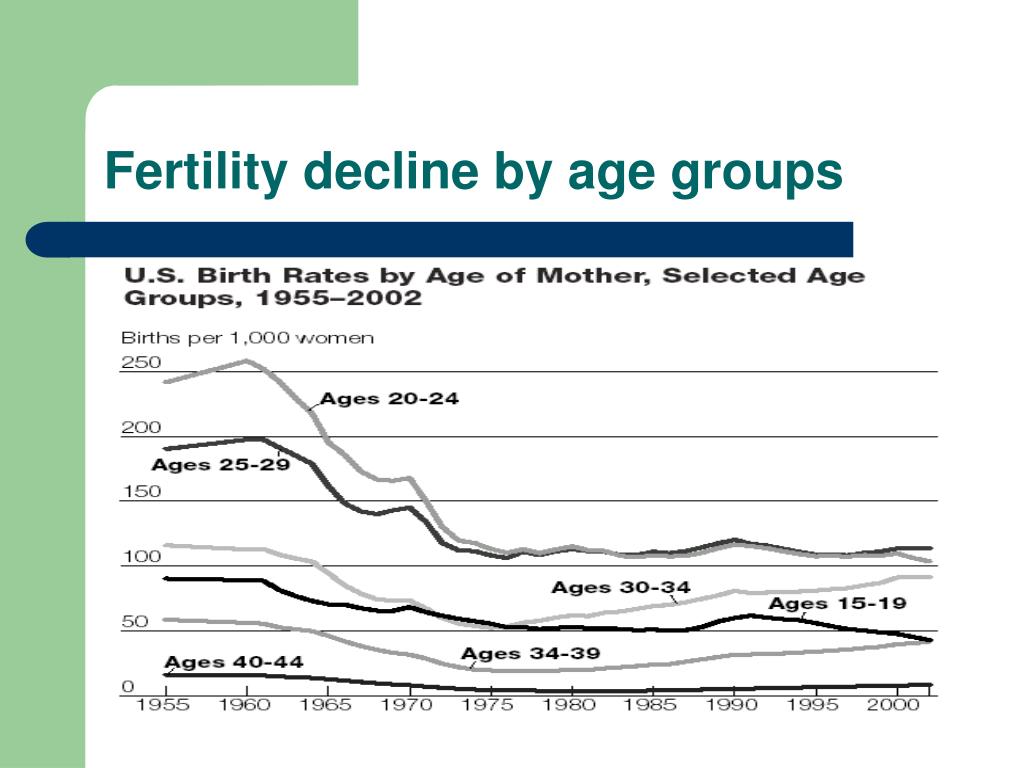
Yes, statistically. Fertility begins declining gradually in the early 30s and more sharply after 35. By age 35, you have roughly a 15% to 20% chance of conceiving naturally each cycle, compared to about 25% to 30% in your 20s. By 40, that drops to about 5% to 10% per cycle. However, many women over 35 conceive without difficulty, and medical interventions can significantly improve success rates.
How long should I try before seeing a doctor?
For women over 35, the general recommendation is to seek evaluation after six months of well-timed intercourse without conception. If you have any known risk factors or signs of infertility discussed in this article, seek evaluation sooner, even before you start trying.
What’s the single most important test for fertility?
There’s no single “most important” test, but AMH (anti-Mullerian hormone) combined with an antral follicle count (AFC) on ultrasound provides the best snapshot of your ovarian reserve. These tests, along with day 3 FSH and estradiol, give your doctor a comprehensive picture of your current fertility status.
Can you improve egg quality after 35?
Egg quality is primarily determined by age and genetics, and you cannot reverse the aging process. However, emerging research suggests that certain supplements may support mitochondrial function in eggs, potentially improving quality. CoQ10 (ubiquinol form, 200 to 600mg daily), DHEA (under medical supervision only), vitamin D, and omega-3 fatty acids are the most commonly studied. Always consult your doctor before starting any supplement regimen.
Does stress really cause infertility?
Stress alone doesn’t “cause” infertility, but chronic stress can create hormonal conditions that make conception significantly harder. Think of it as a contributing factor that amplifies other issues rather than a standalone cause.
Should my partner be tested too?
Absolutely. Male factor infertility contributes to 40% to 50% of all infertility cases. A semen analysis is simple, non-invasive, and should be one of the first tests performed. It’s far less logical to put a woman through extensive testing before confirming that the sperm are healthy.
Understanding Your Fertility Timeline: When Signs of Infertility Become Time-Critical
One of the most important concepts for women over 35 to understand is the relationship between age and fertility treatment success rates. This isn’t about inducing panic. It’s about ensuring you have realistic expectations and can make informed decisions about timing.
IVF Success Rates by Age
IVF success rates decline with age, primarily because of egg quality:
| Age | Live Birth Rate per IVF Cycle (Own Eggs) |
|---|---|
| Under 35 | ~41% to 43% |
| 35 to 37 | ~33% to 36% |
| 38 to 40 | ~23% to 27% |
| 41 to 42 | ~13% to 18% |
| Over 42 | ~3% to 9% |
Source: Society for Assisted Reproductive Technology (SART) 2021 data
These numbers aren’t meant to discourage you. They’re meant to motivate timely action. If you’re 35 and have signs of infertility, addressing them now means potentially higher success rates than waiting until 38 or 40. Every year matters, and sometimes every cycle matters.
Egg Freezing as a Strategic Option
If you’re reading this article and thinking, “I’m not ready to try yet, but I might be in a few years,” egg freezing (oocyte cryopreservation) is worth serious consideration. Freezing your eggs at 35 preserves their quality at that age, giving you better odds of success if you use them later.
The ideal age for egg freezing is before 35, but 35 to 37 still yields good results. After 38, both the number and quality of eggs retrieved typically decline. The process involves hormone stimulation, egg retrieval, and cryopreservation, usually completed within two weeks. Costs range from $6,000 to $15,000 per cycle, plus annual storage fees.
Think of it as an insurance policy. You may never need it. But if you do, you’ll be grateful it’s there.
How to Advocate for Yourself in Fertility Care
One of the most frustrating aspects of navigating signs of infertility is the reality that many women feel dismissed, minimized, or rushed by their healthcare providers. This is unacceptable, but it is unfortunately common. Here’s how to advocate effectively for your fertility care.
Come Prepared
Bring data to your appointment. Cycle tracking logs, symptom diaries, family history notes, and specific questions written down. This communicates to your provider that you’re informed and serious, and it ensures nothing gets forgotten during a rushed 15-minute appointment.
Ask Specific Questions
Instead of “Is everything normal?” ask:
- “What is my exact FSH level, and what does it indicate about my ovarian reserve?”
- “Is my TSH optimal for conception, or just within the general normal range?”
- “Based on my AMH and AFC, what is my estimated ovarian reserve compared to other women my age?”
- “Are there any structural abnormalities on my ultrasound that could affect implantation?”
- “Given my age and history, what is your recommended timeline before pursuing assisted reproduction?”
Get Second Opinions
If your gut tells you something is wrong but your doctor says everything is fine, trust your gut. Seek a second opinion, ideally from a board-certified reproductive endocrinologist (REI). General OB-GYNs are wonderful for many things, but fertility evaluation and treatment is a subspecialty that requires specific expertise.
Know Your Rights
You have the right to:
- See your own lab results and imaging reports
- Understand every test and procedure before consenting
- Seek treatment from a provider who listens and respects your concerns
- Refuse any treatment or procedure you’re not comfortable with
- Request referrals to specialists
Your fertility journey is yours. Own it.
Conclusion: Your Body Is Your Best Fertility Indicator
If there’s one thing this article should leave you with, it’s this: your body is constantly communicating with you about its reproductive health. The signs of infertility we’ve discussed, from irregular periods and painful cramps to thyroid issues and family history, are not random events. They are data points, and together, they tell a story.
For women over 35, that story becomes more time-sensitive with each passing year. But time-sensitive doesn’t mean hopeless. It means urgent. It means worthy of attention, investigation, and action. The women who have the best outcomes, whether they conceive naturally, through IVF, or through other paths to parenthood, are the ones who pay attention to the signals, seek help early, and refuse to be dismissed.
You are not “too old.” You are not “overreacting.” You are not “just stressed.” You are a woman who deserves answers, support, and every possible advantage that modern medicine and self-awareness can provide.
If even one sign on this list resonated with you, let it be the catalyst for a conversation. With your doctor. With your partner. With yourself. Because the difference between knowing and not knowing, between acting and waiting, can be everything.
Your body has been whispering. Now you know how to listen.
Share This With Someone Who Needs It
If this article helped you, please share it with a friend, sister, coworker, or anyone over 35 who is thinking about starting a family. The signs of infertility are too important to keep to yourself, and awareness is the first step toward hope.
Drop a comment below: Which of these signs surprised you the most? Have you experienced any of them? Your story might help someone else feel less alone.
Disclaimer: This article is for informational purposes only and does not constitute medical advice. Always consult a qualified healthcare professional for personalized guidance regarding your fertility and reproductive health.