
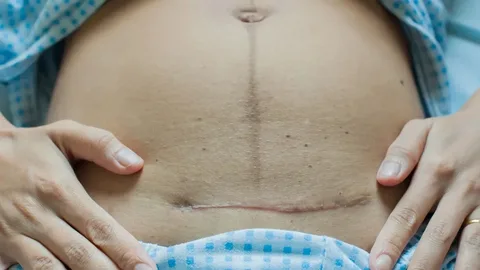
6 Critical C-Section Recovery Tips Doctors Say Can Speed Up Healing After Birth
Nobody hands you a manual when they wheel you out of the operating theatre. One minute you are lying flat on a table with a curtain at your chest and a brand-new baby being held up over it, and the next you are expected to figure out how to sneeze without crying.
If you just had a cesarean section, or if you are preparing for one, this post is for you. Not the vague “rest and take it easy” advice that every pamphlet seems to offer, but the specific, evidence-based c-section recovery tips that doctors actually use with their own patients and that pelvic health physiotherapists wish more new mothers knew.
The Part Most Women Are Not Told About C-Section Recovery
A cesarean section is, by any clinical measure, major abdominal surgery. Seven layers of tissue are opened during the procedure: skin, fat, the anterior abdominal fascia, the rectus abdominis muscles (which are separated, not cut), the peritoneum, the uterine muscle, and the amniotic sac. All of those layers have to heal in the right sequence for your recovery to go smoothly.
And yet, for many women, the discharge summary is thin. The six-week postpartum visit, if it happens at all, is brief. The gap between “what you need to know” and “what you were actually told” can be enormous.
The good news is that your body already knows how to heal. It has been doing exactly that since the moment your surgery ended. Your job is to support that process, not fight it. These c-section recovery tips are designed to help you do precisely that, whether you are three days postpartum, three weeks out, or even three years down the line wondering why your scar still pulls when you twist.
According to current obstetric guidance, it generally takes about six to eight weeks to fully recover from a c-section. But full healing at the deeper tissue level, including the scar layers and the pelvic floor, takes considerably longer. Understanding that timeline is the first act of kindness you can offer yourself.
Let us get into it.
C-Section Recovery Tip 1: Manage Your Pain Proactively, Not Reactively
Here is something that surprises a lot of new mothers: staying ahead of the pain is not a sign of weakness. It is a medical strategy.
Many women try to tough it out between doses of pain medication, either because they are worried about their milk supply, concerned about becoming dependent on medication, or simply conditioned to believe that suffering through discomfort is the more virtuous option. None of that is accurate, and all of it slows your c-section recovery.
Why Staying Ahead of Pain Matters for Healing
When you are in pain, your body tenses. Tensing around an abdominal incision creates guarding, which is a natural muscular response where your core and surrounding muscles contract to protect the wound. That protective tension, while well-intentioned, reduces blood flow to the healing tissue, limits your ability to breathe deeply, and makes gentle movement (which your recovery depends on) feel impossible.
Taking your pain relief on schedule, before the previous dose has fully worn off, keeps your pain at a manageable level so that your body can actually relax and heal. Talk to your doctor or midwife about what is appropriate for you, including whether you are breastfeeding.

Common doctor-approved post-c-section pain management options include:
- Ibuprofen and acetaminophen (paracetamol) in rotation. These two medications work through different mechanisms and can be safely alternated, providing more consistent coverage than either one alone. Always confirm timing and dosing with your care provider.
- Prescription pain relief. In the first few days especially, your doctor may prescribe something stronger. Use it as directed rather than saving it “for when it gets really bad.” It is already really bad. That is what it is for.
- Heat therapy. A warm (not hot) heating pad placed low on your abdomen can ease muscular aching around the incision site. Keep it on a low setting and never apply directly over the wound.
- Abdominal support. A soft postpartum belly band or high-waisted support underwear can reduce the sensation of your abdomen pulling with every movement. Many women describe this as a game-changer in those first ten days.
A useful practical tip that almost nobody mentions: when you need to cough, sneeze, or laugh, press a pillow or folded blanket firmly against your lower abdomen first. This is called “splinting” the incision, and it dramatically reduces the sharp pain that comes with those involuntary abdominal movements. You will use this technique more than you expect to.
C-Section Recovery Tip 2: Move Early, But Move Gently and Deliberately
The worst thing you can do after a c-section is stay completely still. The second worst thing you can do is move too aggressively, too soon. The sweet spot between those two extremes is where your fastest, safest recovery lives.
Doctors consistently recommend getting up and walking as soon as it is safely possible after surgery, often within 12 to 24 hours if your vital signs are stable. This is not cruelty. Early, gentle movement significantly reduces the risk of deep vein thrombosis (DVT), which is a blood clot that can form in the leg veins when circulation is sluggish. DVT is one of the more serious post-surgical complications, and movement is one of the most effective ways to prevent it.
How to Move Safely in the Early Weeks
Early movement does not mean laps around the maternity ward. It means sitting up slowly, swinging your legs to the floor, standing upright (resist the urge to hunch forward, even though standing straight feels counterintuitive when your incision is sore), and taking short, slow walks.
Here is a timeline that reflects what most doctors recommend for physical activity after a c-section:
Days 1 to 3: Sit up, stand, and take short supported walks to the bathroom and back. Focus on slow, deliberate breathing and gentle movement only.
Days 4 to 14: Gradually increase walking distance each day, based on how you feel. Short walks around the house, then around the block. Nothing that causes pain or pulling at the incision site.
Weeks 3 to 6: Continue gentle walking. Introduce very gentle mobility work, like slow ankle circles while seated, shoulder rolls, and supported side-lying stretches. No lifting beyond your baby’s weight.
Weeks 6 to 12 (with medical clearance): Begin carefully guided core rehabilitation, ideally with a pelvic floor physiotherapist. Low-impact movement like gentle yoga, swimming, and walking can be reintroduced based on your individual progress.
Beyond 12 weeks: Gradual return to higher-impact activity, informed by your body’s signals and your physiotherapist’s assessment.
The key word in all of this is gradual. As one OB-GYN at Hackensack Meridian Health notes, the body needs a full six to eight weeks to fully recover from a c-section, and patience with yourself during that time is not optional. It is part of the treatment.
C-Section Recovery Tip 3: Take Incision Care Seriously Every Single Day
Your c-section incision is doing something extraordinary every minute of every day after surgery. It is rebuilding seven layers of tissue simultaneously. That process is delicate, and the care you give the wound in the first weeks directly affects not just whether it heals, but how well it heals long-term.
This is one of the c-section recovery tips that tends to get glossed over in the rush of new motherhood, because it requires you to actually look at your scar. Many women find this uncomfortable. That is completely understandable, and you can work around it gently. But caring for the incision area, even from a distance at first, is genuinely important.
Daily Incision Care: The Basics
The foundational principles of c-section incision care are simple:
- Keep it clean. Wash the area gently with warm water and mild, fragrance-free soap during your daily shower. Let water run over it rather than scrubbing. Pat, do not rub, dry with a clean towel afterward.
- Keep it dry between washes. Moisture trapped against the incision, especially if your abdomen folds over the scar area, creates a perfect environment for bacterial growth and infection. If this is an issue for you, placing a clean cotton cloth or gauze pad between your skin folds can help.
- Watch for infection signs. These are not subtle when they appear. Call your doctor promptly if you notice redness spreading from the wound edges, swelling that is increasing rather than decreasing, warmth or hardness around the incision, any discharge that is yellow or green or has an odor, fever above 100.4 degrees Fahrenheit, or pain that is worsening rather than improving over time.
- Avoid submerging the wound. Baths, swimming pools, and hot tubs should wait until your doctor explicitly clears you. Shower water running over the wound is fine; immersion is not.
- Skip creams and ointments until cleared. Well-meaning friends will tell you to start rubbing coconut oil on the scar immediately. Hold off until the incision is fully closed and your doctor gives the go-ahead. Applying anything to an incompletely healed wound can introduce bacteria or interfere with normal tissue closure.
Your incision will likely look and feel different at various stages of healing. Some tightness and itchiness as the skin heals is normal and is actually a sign of active tissue repair. Some numbness around the scar is also common, as the nerves that were disrupted during surgery slowly regenerate. Both of these sensations typically improve with time and scar massage (more on that in the next tip).
C-Section Recovery Tip 4: Start Scar Massage as Soon as You Are Cleared
This is arguably the most underutilized of all c-section recovery tips, and pelvic health physiotherapists have been talking about it for years. C-section scar massage, done correctly and at the right time, can prevent complications that would otherwise quietly affect your body for months or even decades.
Here is why. When the body heals a surgical wound, it forms scar tissue. Scar tissue is perfectly functional at the surface level, but it is laid down in a somewhat random, cross-hatched pattern rather than the organized, parallel pattern of normal tissue. When left unaddressed, this scar tissue can adhere to the deeper layers beneath it, including the fascia, muscle, and in some cases the bladder or bowel. These adhesions can cause pelvic pain, lower back pain, urinary urgency or frequency, painful intercourse, constipation, and the characteristic “cesarean shelf” where tissue puffs out above the scar line.
According to pelvic physiotherapy specialists, beyond the sensitivity or pain that can develop along your scar, there are several more unsuspecting symptoms that can be caused by your cesarean scar, including pain with sex (typically pain with deeper penetration), lower back or pelvic pain, urinary urgency or increased frequency of urination, and impaired digestion or constipation.
When and How to Begin Scar Massage
The timing matters here and should always be guided by your care provider. A general framework used by many pelvic physiotherapists looks like this:
You have about 25% tensile strength built back up along your incision at 2 to 3 weeks postpartum, about 50% tensile strength at 6 weeks, and about 75% tensile strength at 12 weeks. That means gentle, indirect work can begin earlier than many people realize, while direct pressure over the scar itself should wait until the wound is fully closed and your doctor has cleared you.
Weeks 2 to 4 (indirect massage): Using clean, dry fingers, apply very light pressure in the skin above and below the scar, not directly on it. Use small circular motions or gentle push-and-release pressure. The goal is to stimulate circulation and prevent adhesions from anchoring before they have a chance to set.
Weeks 6 to 8 (direct gentle massage, with clearance): Begin moving the scar itself. Place two or three fingers directly on the healed incision and move it gently up, down, and side to side. You are not trying to force anything. You are asking the tissue to move in all directions and noticing where it feels restricted or stuck.
Weeks 8 to 12 and beyond: Increase firmness progressively, addressing the superficial, middle, and deep tissue layers over time. A pelvic physiotherapist can guide this progression and use additional techniques like myofascial release or cupping to address deeper adhesions.
Use a small amount of lubricant like vitamin E oil, coconut oil, or an unscented massage cream to reduce friction. Spend about 3 to 5 minutes on scar massage once or twice daily when in the active stages of healing.
One thing worth knowing: it is genuinely never too late to start. Pelvic physiotherapists regularly work with women who are years or even decades post-cesarean and see meaningful improvement in pain, mobility, and function once scar tissue work begins.
C-Section Recovery Tip 5: Rebuild Your Pelvic Floor, Because a C-Section Affects It Too
This surprises almost every woman who hears it for the first time. You had a cesarean. The baby did not come through the vaginal canal. Surely your pelvic floor got off scot-free?
It did not. Not even close.
During pregnancy, your pelvic floor carries the weight of a growing uterus for nine months. The hormonal changes of pregnancy, particularly the increase in relaxin, soften the connective tissue throughout your pelvis. Your bladder, bowel, and uterus are all supported by the pelvic floor, and all of that is true regardless of how you give birth.
On top of that, the scar tissue from a c-section can adhere downward into the pelvis, affecting the function of the muscles and organs below it. The result is that pelvic floor dysfunction after c-section is genuinely common and genuinely treatable, but only if you know to look for it.
Symptoms of Pelvic Floor Dysfunction After C-Section
Watch for any of the following in your postpartum recovery:
- Leaking urine when you cough, sneeze, laugh, or jump (stress incontinence)
- A sensation of urgency where you need to get to the bathroom immediately (urge incontinence)
- A feeling of heaviness or pressure in the pelvic area, as though something is falling down
- Pain or discomfort during intercourse when you return to sexual activity
- Difficulty fully emptying your bladder or bowel
- Lower back or hip pain that does not improve with rest
These symptoms are common. They are not inevitable, and they are not something you simply have to accept as a permanent fixture of post-baby life. Pelvic floor physiotherapy is specifically designed to address all of them.
Where to Start: Gentle Core and Pelvic Floor Reconnection
In the first six weeks, the most important thing is not strengthening, but reconnecting. Your brain and your deep abdominal muscles may have lost some of their communication during surgery and recovery, and reestablishing that link gently is the foundation of everything that follows.
Diaphragmatic breathing is the single best starting point. Lie on your back with your knees bent. Place one hand on your lower ribcage and one on your lower abdomen. Breathe in slowly, feeling your ribcage expand sideways and your lower belly rise slightly. Breathe out, feeling everything gently descend. This activates your transverse abdominis, the deepest layer of your core, without putting any pressure on your healing incision.
Gentle pelvic floor contractions (Kegel exercises) can be started earlier than many women expect, often within the first few days after surgery, unless your doctor advises otherwise. A Kegel involves gently lifting and squeezing the pelvic floor muscles as though you are stopping the flow of urine. Hold for 3 to 5 seconds, then fully release. That release is just as important as the contraction.
For a comprehensive and authoritative guide to postpartum pelvic floor rehabilitation after cesarean birth, the Mayo Clinic offers evidence-based guidance on recovery milestones and when to seek specialist care.
The word “rehabilitation” here is important. This is not about doing a hundred kegels a day and hoping for the best. It is about restoring function across the whole system: breathing, posture, core activation, and pelvic floor coordination, in a progressive and sensible order. A pelvic floor physiotherapist can assess your individual situation and build a program specifically for you.
C-Section Recovery Tip 6: Feed Your Healing Body With Intention
Your body is rebuilding tissue at a cellular level. That process is fueled by what you eat and drink. Nutrition after c-section is one of those c-section recovery tips that sounds obvious but is routinely deprioritized by new mothers who are focused on feeding their baby and have no time or energy left to think about feeding themselves.
But here is the reality. The nutrients that support wound healing, collagen synthesis, immune function, and tissue repair are the same ones most likely to be depleted by pregnancy, labor, surgery, and breastfeeding. Replenishing them is not a luxury. It is a clinical priority.
The Nutrients That Drive C-Section Healing
Protein is the most critical macronutrient for tissue repair. Collagen, the main structural protein in your wound, requires adequate dietary protein to be synthesized. Aim for protein-rich foods at every meal: eggs, chicken, fish, legumes, Greek yogurt, and nuts are all good options. If eating full meals is challenging in the early days (and it often is), protein smoothies or shakes can fill the gap.
Vitamin C is essential for collagen formation and immune function. It is also one of the key antioxidants that supports the inflammatory phase of wound healing. Citrus fruits, bell peppers, kiwi, strawberries, and broccoli are all excellent sources.
Zinc plays a direct role in wound repair and immune response. Meat, shellfish, pumpkin seeds, and legumes are good sources.
Iron is particularly important for women who experienced any significant blood loss during surgery. Low iron translates to fatigue, reduced immune function, and slower overall healing. If your doctor has not checked your iron levels postpartum, it is worth asking.
Fiber and fluids deserve special mention because constipation after c-section is genuinely one of the most uncomfortable parts of the recovery experience. The combination of pain medications (which slow gut motility), reduced movement, and altered abdominal muscle function can make bowel movements difficult and even painful in the first weeks. Straining also puts pressure directly on your healing incision.
Drink at least 8 to 10 glasses of water daily, more if you are breastfeeding. Eat plenty of vegetables, fruits, whole grains, and legumes. Ask your doctor about a stool softener in the first one to two weeks if constipation becomes a problem.
The Case for Continuing Your Prenatal Supplement
Most postpartum women stop taking their prenatal vitamin at some point in the first weeks after delivery, particularly if they are not breastfeeding. But the micronutrient demands of healing tissue and postpartum recovery are real. Continuing a good-quality prenatal or postnatal multivitamin for at least the first three months post-surgery is something many doctors recommend, as it helps fill nutritional gaps while your diet and energy levels are still unpredictable.
Omega-3 fatty acids, found in fatty fish, walnuts, and flaxseed, or in supplement form, also support the anti-inflammatory phase of healing and have been associated with improved mood and reduced postpartum depression risk.
For additional evidence-based guidance on postpartum nutrition and recovery, the NHS’s comprehensive cesarean section recovery resource covers nutrition, activity, and warning signs in one reliable, updated reference.
Bonus Tip: Prioritize Your Mental and Emotional Recovery With the Same Seriousness as the Physical
No article on c-section recovery tips would be complete without addressing this. And yet, the emotional dimension of cesarean recovery is where many women feel most abandoned by the healthcare system.
For some women, a c-section is the birth they planned and hoped for. For others, it was an emergency. For many, it falls somewhere in between: an unplanned cesarean after a long labor, a decision made in a few fraught minutes, a birth that felt more like something that happened to them than something they did. All of those experiences are valid, and all of them can carry complex emotional weight.
The “baby blues” are common in the first two weeks postpartum and are caused by the rapid hormonal shift that follows delivery. They typically resolve on their own. Postpartum depression and postpartum anxiety are different: they are more persistent, more disruptive, and affect roughly 15% of all new mothers regardless of delivery method.
If you feel persistently low, disconnected, hopeless, unable to bond with your baby, or if you experience intrusive thoughts or significant anxiety, please speak to your doctor. These are not character flaws. They are recognized medical conditions with effective treatments.
Some women also experience a specific kind of grief around a c-section birth, particularly if it differed significantly from what they had hoped or planned for. That grief is real and deserves space. Seeking out a therapist, a counselor, a birth debrief service (where available), or even a peer support group for c-section mothers can make a meaningful difference in your overall recovery.
Physical and emotional healing are not separate tracks. They are deeply intertwined. Taking care of your mental health is one of the most practical c-section recovery tips on this entire list.
C-Section Recovery Timeline: At a Glance
The table below summarizes the key stages of c-section healing and what to focus on at each phase. Use it as a guide rather than a strict prescription, since every body heals differently and your doctor’s specific advice always takes priority.
| Recovery Phase | Timeline | Focus Areas | What to Avoid |
|---|---|---|---|
| Immediate postpartum | Days 1 to 3 | Pain management, short walks, diaphragmatic breathing, incision monitoring | Lifting, straining, driving, removing dressings without guidance |
| Early recovery | Days 4 to 14 | Gradual walking increase, incision care, hydration, gentle Kegels, rest | Lifting anything heavier than baby, housework, stairs beyond necessary |
| Active healing | Weeks 2 to 6 | Indirect scar massage (from Week 2), nutrition optimization, gentle mobility, posture work | High-impact exercise, heavy lifting, swimming, sexual activity (unless cleared) |
| Rehabilitation phase | Weeks 6 to 12 | Direct scar massage (with clearance), pelvic floor physiotherapy, core reconnection exercises | Running, heavy lifting, intense abdominal exercises without professional guidance |
| Strengthening phase | Weeks 12 and beyond | Progressive return to exercise, deeper scar mobilization, addressing any residual pelvic floor symptoms | Pushing through pain; ignoring persistent symptoms like leakage or pelvic heaviness |
| Long-term maintenance | 6 months and beyond | Monitoring scar mobility and sensitivity, maintaining pelvic floor strength, addressing any lingering symptoms with a specialist | Assuming symptoms are permanent and untreatable, especially pain or incontinence |
When to Call Your Doctor: Non-Negotiable Warning Signs
These c-section recovery tips are designed to support a normal healing trajectory. But some symptoms fall outside that trajectory and require prompt medical attention.
Contact your doctor immediately or go to the emergency department if you experience any of the following:
- Bright red vaginal bleeding that soaks through more than one pad per hour
- Passage of blood clots larger than a golf ball
- Fever above 100.4 degrees Fahrenheit (38 degrees Celsius)
- Increasing, rather than decreasing, pain at the incision site
- Redness, swelling, hardness, or discharge at the wound
- Chest pain, difficulty breathing, or a feeling of tightness in the chest
- Pain, swelling, or redness in one leg, which can signal a blood clot
- Severe headache, visual changes, or right upper abdominal pain (possible signs of postpartum preeclampsia)
- Thoughts of harming yourself or your baby
Trust your instincts here. You know your body. If something feels wrong, it is worth a call.
The Reality of C-Section Recovery That Nobody Romanticizes
Here is something worth saying plainly: c-section recovery is hard. It is hard in ways that do not always make the highlight reel. You are recovering from major surgery while simultaneously running on almost no sleep, learning to feed a tiny human, managing every emotion on the spectrum, and being expected to look radiantly happy about all of it.
The six c-section recovery tips in this post are not magic. They will not make the first two weeks feel like a spa break. But they will help your body heal more efficiently, reduce the risk of complications, and give you a foundation of physical health that supports everything else in your new life.
The most important thing, honestly, is to ask for help. Not eventually, not when you really need it. Now. Let someone else do the laundry. Let someone else make the meals. Accept the casserole. Use the pain medication. Sleep when you can.
Your baby does not need a hero. Your baby needs a healthy mother. And a healthy mother, after c-section surgery, is one who rests, receives support, and trusts her body’s remarkable capacity to heal.
You already did the hard part. Now let the healing begin.
Conclusion
C-section recovery is a marathon, not a sprint, and most women run it while chronically undersupported. The six c-section recovery tips covered here, proactive pain management, early and gentle movement, meticulous incision care, scar massage from the right time and in the right way, intentional pelvic floor rehabilitation, and nutrition that actually supports tissue healing, are not extras. They are the scaffolding your recovery is built on.
None of them require expensive equipment. Most of them just require information, which is exactly what you now have. Share this with every woman you know who has had or is planning a c-section. This is the guidance that should come standard. Since it often does not, let us pass it along ourselves.
CTA
Did this article help you? Share it with a new mom who deserves to know this. She might be three days postpartum, scrolling in the dark, looking for exactly what you just read.
Read Next:
- How to Safely Return to Exercise After C-Section: A Physiotherapist’s Guide
- Diastasis Recti After Cesarean: What It Is, How to Check, and How to Fix It
- Pelvic Floor Therapy: What Happens in a Session and Why Every Postpartum Woman Should Go
Have a question about your own recovery? Drop it in the comments below. Every question is welcome here, no matter how small.
This article is for informational purposes only and does not substitute for personalized medical advice. Always consult your obstetrician, midwife, or pelvic floor physiotherapist regarding your individual recovery.