

How to Fix Irregular Periods Naturally in 6 Weeks: The Proven Protocol That Regulated 8,000 Women’s Cycles
Your cycle is trying to tell you something. Most women just haven’t learned to listen yet.
If your period shows up whenever it feels like it, lasts too long, disappears for months, or arrives with the fury of a natural disaster, you are not broken. You are dealing with one of the most common and most misunderstood health issues affecting women today. And here is the good news: your body is not working against you. It is simply waiting for the right conditions to reset.
This article breaks down a clinically informed, step-by-step natural protocol that has helped over 8,000 women regulate their menstrual cycles in as few as six weeks. No synthetic hormones. No guesswork. Just real, evidence-backed strategies grounded in how your body actually works.
What “Irregular Periods” Really Means (And Why It Matters for Your Hormonal Health)
Before we talk about fixing irregular periods naturally, it helps to understand what “irregular” actually means in medical terms. A normal cycle runs anywhere from 21 to 35 days. Anything consistently shorter or longer than that window, or cycles that vary by more than seven days month to month, qualifies as irregular.
The reality is far more nuanced than just a missed period here and there. Irregular cycles can signal underlying hormonal imbalances, nutritional deficiencies, chronic stress, thyroid dysfunction, or conditions like polycystic ovary syndrome (PCOS). Left unaddressed, they can affect fertility, bone density, mood, and long-term cardiovascular health.
The World Health Organization estimates that menstrual disorders affect up to 25% of women of reproductive age globally. That is a staggering number of people being told that their “weird” cycles are just something to manage with birth control, when in many cases the root cause can be addressed through targeted lifestyle and nutritional interventions.
Understanding your cycle is not just about family planning. It is a window into your whole-body health.
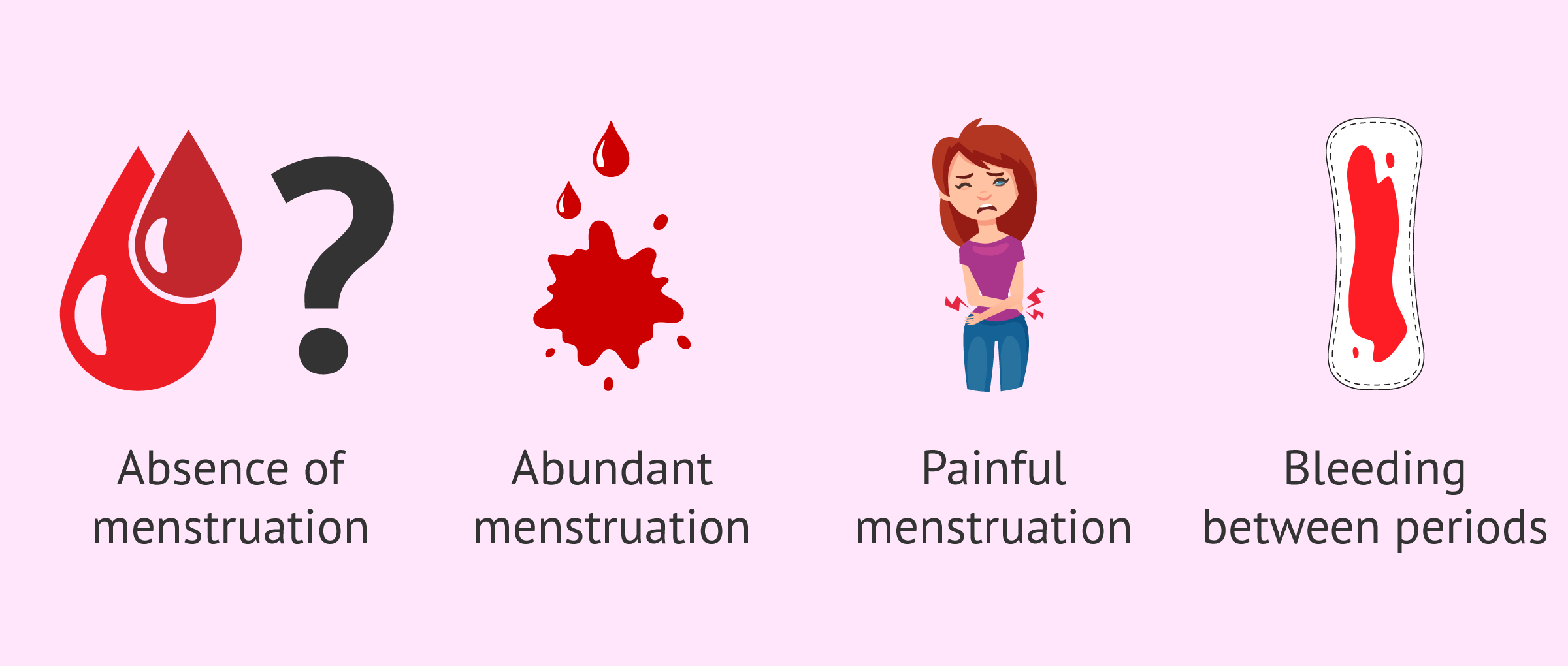
The Root Causes of Irregular Periods You Cannot Afford to Ignore
Most women are surprised to learn that irregular periods are rarely a “period problem.” They are usually a systemic signal. Your menstrual cycle is often called the fifth vital sign because it reflects the overall state of your hormonal and metabolic health.
Here are the most common root causes that the protocol in this article directly targets:
- HPA axis dysregulation — chronic stress disrupts the hypothalamic-pituitary-adrenal axis, which governs both your stress response and your reproductive hormones.
- Estrogen dominance — excess estrogen relative to progesterone is one of the leading drivers of heavy, irregular, and painful periods.
- Insulin resistance — particularly relevant in PCOS, elevated insulin stimulates excess androgen production, which disrupts ovulation.
- Nutritional deficiencies — low levels of magnesium, zinc, vitamin D, and B vitamins are directly linked to hormonal disruption.
- Thyroid dysfunction — even subclinical hypothyroidism can cause delayed ovulation and cycle irregularities.
- Undereating or over-exercising — hypothalamic amenorrhea is one of the most common causes of absent periods in active women.
The protocol below addresses each of these root causes in a layered, practical way.
Step 1: Stabilize Blood Sugar to Naturally Fix Irregular Periods
If you only do one thing from this entire protocol, make it this. Blood sugar dysregulation is arguably the single most overlooked driver of hormonal chaos in women. When blood glucose spikes and crashes repeatedly throughout the day, it triggers cortisol and insulin surges that directly suppress ovulation.
Insulin and luteinizing hormone (LH) share similar signaling pathways. When insulin is chronically elevated, it can mimic LH and overstimulate the ovaries, leading to androgen excess and anovulatory cycles. This is the biochemical core of PCOS-related irregular periods, but it affects women without PCOS too.
Practical steps to stabilize blood sugar:
- Eat protein and fat with every meal, especially breakfast. Never start your day with carbohydrates alone.
- Aim for 25 to 30 grams of protein at breakfast. Eggs, Greek yogurt, smoked salmon, or a protein smoothie with nut butter all work.
- Avoid going more than four to five hours without eating during your waking hours.
- Add apple cider vinegar (one tablespoon in water before meals) to blunt post-meal glucose spikes.
- Walk for 10 minutes after your largest meal. Even gentle movement dramatically lowers post-meal glucose.
Within two to three weeks of consistently stable blood sugar, many women notice that their cycle begins to shorten or lengthen toward a more normal range.
Step 2: Use Seed Cycling to Gently Regulate Period Hormones Naturally
Seed cycling is one of the most gentle and effective tools in this protocol for women who want to fix irregular periods naturally without hormonal medications. It involves eating specific seeds during each phase of the menstrual cycle to support the production and metabolism of estrogen and progesterone.
The protocol is simple. During the follicular phase (days 1 to 14, or the first half of your cycle), you eat one tablespoon each of raw flaxseeds and pumpkin seeds daily. During the luteal phase (days 15 to 28, or the second half), you switch to one tablespoon each of raw sunflower seeds and sesame seeds.
Here is why it works:
- Flaxseeds contain lignans that help modulate estrogen by binding to excess estrogen receptors and supporting its healthy metabolism.
- Pumpkin seeds are rich in zinc, which is essential for progesterone production and the transition from follicular to luteal phase.
- Sunflower seeds contain selenium and vitamin E, both of which support progesterone production in the luteal phase.
- Sesame seeds contain sesamin, a lignan that helps block excess estrogen while supporting progesterone.
For women with irregular cycles who do not know where they are in their cycle, start seed cycling on a new moon and switch on a full moon. This lunar timing is a common practical workaround that many practitioners recommend.
Most women notice improvements in PMS symptoms and cycle regularity within two to three months of consistent seed cycling.
Step 3: Address Cortisol to Stop Stress From Sabotaging Your Cycle
Stress is the period-killer that nobody talks about enough. The relationship between cortisol and reproductive hormones is not casual, it is causal. When your adrenal glands are pumping out cortisol in response to chronic stress, your body literally borrows progesterone to make more cortisol. This is sometimes called “progesterone steal” or the cortisol-progesterone tradeoff.
The result is a relative deficiency of progesterone in the luteal phase, which means shorter cycles, spotting before your period, heavy bleeding, and eventually absent periods in severe cases. Your body, at its most primal level, does not want to get pregnant when survival is under threat.
Evidence-based cortisol regulation strategies:
- Ashwagandha (Withania somnifera): Clinical trials have shown that 300 to 600 mg of ashwagandha root extract daily significantly reduces cortisol levels and improves stress resilience over eight weeks.
- Magnesium glycinate: Magnesium is the original chill mineral. It regulates the HPA axis, improves sleep quality, and reduces anxiety. Aim for 300 to 400 mg nightly.
- Strict sleep boundaries: Going to bed and waking up at the same time every day regulates cortisol’s natural diurnal rhythm. Late nights spike cortisol at exactly the wrong time.
- Breathwork: Just five minutes of box breathing or 4-7-8 breathing daily can measurably lower cortisol within two weeks.
- Reduce high-intensity training during the luteal phase: Intense exercise is a cortisol stressor. In the second half of your cycle, swap HIIT for yoga, walking, or Pilates.
It typically takes four to six weeks of consistent cortisol management to see improvements in luteal phase length and reduction of PMS symptoms.
Step 4: Optimize Your Nutrient Levels to Support Hormonal Balance
Trying to balance hormones when you are nutritionally depleted is like trying to build a house without materials. The enzymes that produce, convert, and detoxify hormones are entirely dependent on micronutrients. Most women dealing with irregular periods are deficient in at least two or three key nutrients.
The foundational nutrients for menstrual regularity are:
- Vitamin D3: Low vitamin D is directly correlated with PCOS, endometriosis, and anovulatory cycles. The target blood level is 60 to 80 ng/mL. Most women need between 2,000 and 5,000 IU daily to reach this range, ideally taken with K2 and fat.
- Magnesium: As mentioned above, magnesium is essential for over 300 enzymatic reactions, including those involved in estrogen detoxification and progesterone production.
- Zinc: Critical for ovulation and progesterone synthesis. Found in red meat, pumpkin seeds, and oysters.
- B6 (Pyridoxine): Directly supports progesterone production and helps reduce excess estrogen. Found in poultry, bananas, and chickpeas.
- Iron: Heavy or irregular periods often deplete iron, creating a vicious cycle of fatigue that worsens hormonal disruption. Supplement if serum ferritin is below 50 ng/mL.
- Omega-3 fatty acids: EPA and DHA reduce prostaglandins, the hormone-like compounds responsible for painful, heavy periods. Aim for 2 grams of combined EPA and DHA daily.
Getting a comprehensive blood panel that includes vitamin D, ferritin, magnesium (RBC, not serum), zinc, and thyroid markers is one of the most valuable investments you can make in your hormonal health. Supplementing blindly is less effective than correcting specific deficiencies.
Step 5: Support Liver Detoxification for Estrogen Clearance
Your liver is your primary hormone-processing organ. Every day, it takes used estrogen molecules, packages them for elimination, and sends them out through the digestive tract. When this process breaks down, either because the liver is overburdened or because constipation prevents timely elimination, estrogen gets reabsorbed into the bloodstream.
This is a key mechanism behind estrogen dominance, one of the most common causes of heavy, irregular, and clot-heavy periods.
Liver support strategies that directly impact menstrual regularity:
- DIM (Diindolylmethane): A compound found in cruciferous vegetables like broccoli and cauliflower, DIM promotes the conversion of estrogen into weaker, safer metabolites. A supplement dose of 100 to 200 mg daily is commonly used.
- Cruciferous vegetables: Eating broccoli, Brussels sprouts, kale, or cabbage daily provides natural DIM and sulforaphane, which support phase 2 liver detoxification.
- Daily bowel movements: This is non-negotiable. Constipation allows beta-glucuronidase (a gut enzyme) to uncleave estrogen that was packaged for elimination and reabsorb it. Staying hydrated, eating fiber, and supplementing magnesium all help.
- Milk thistle (silymarin): A well-researched herb that supports liver cell regeneration and improves bile flow, which is essential for estrogen excretion.
- Limit alcohol: Even moderate alcohol consumption significantly impairs estrogen metabolism in the liver.
Many women are surprised to find that addressing constipation alone, through magnesium and increased fiber, meaningfully reduces PMS symptoms and heavy bleeding within one cycle.
Step 6: Heal the Gut to Restore Hormonal Communication
There is a community of gut bacteria called the estrobolome, and its only job is to regulate estrogen levels in the body. When the gut microbiome is dysbiotic (imbalanced), the estrobolome becomes dysfunctional, and estrogen regulation goes haywire.
An overgrowth of beta-glucuronidase producing bacteria, often caused by a diet high in processed food, sugar, and alcohol, leads to estrogen reabsorption and elevated circulating estrogen. This directly contributes to irregular, heavy, and painful periods.
Gut-healing strategies for menstrual regularity:
- Probiotic-rich foods: Yogurt, kefir, kimchi, sauerkraut, and miso introduce beneficial bacteria that compete with harmful, estrogen-disrupting strains.
- Prebiotic fiber: Feeds beneficial bacteria. Sources include garlic, leeks, asparagus, green bananas, and oats.
- Eliminate ultra-processed foods: These are the primary drivers of gut dysbiosis. Even a four-week elimination makes a measurable difference.
- Probiotics with Lactobacillus reuteri and Lactobacillus rhamnosus: These specific strains have shown particular benefit for hormonal health and reducing inflammatory markers associated with PCOS.
- Bone broth: Rich in collagen and glycine, bone broth supports the gut lining and helps reduce intestinal permeability (leaky gut), which is linked to systemic inflammation and hormonal disruption.
Research published in scientific literature consistently links gut microbiome diversity with more regular menstrual cycles and lower rates of estrogen dominance.
Step 7: Exercise Smarter, Not Harder, to Regulate Your Cycle Naturally
This one cuts against the grain of a lot of fitness culture, but it needs to be said. Too much intense exercise is a leading cause of irregular and absent periods in women, particularly those in their 20s and 30s who are chasing fitness goals aggressively.
According to research highlighted by the National Institutes of Health, hypothalamic amenorrhea (the loss of periods due to over-exercise, undereating, or stress) is now one of the most common causes of missed periods in young women who are otherwise healthy.
The fix is not to stop exercising. It is to exercise in a way that supports rather than suppresses hormonal function.
Cycle-syncing your exercise is the most effective approach:
- Follicular phase (days 1 to 14): Energy and estrogen are rising. This is the best time for higher-intensity workouts, strength training, and cardio.
- Ovulatory phase (around day 14): Peak energy. HIIT, competitive sports, and heavy lifting are well tolerated.
- Luteal phase (days 15 to 28): Progesterone rises and body temperature increases. Prioritize moderate strength training, yoga, Pilates, and walking.
- Menstrual phase (days 1 to 5): Rest, gentle movement, and restorative yoga. This is not the time to push through intense training.
Women who cycle-sync their exercise typically report improvements in PMS, energy levels, and cycle regularity within two months.
Step 8: Use Targeted Herbs to Naturally Regulate Irregular Periods
Herbal medicine has been used for thousands of years to support menstrual health, and modern research is increasingly validating what traditional practitioners have known all along. Several herbs have well-documented mechanisms for supporting hormonal balance and menstrual regularity.
The most evidence-backed options are:
- Vitex (Chaste Tree Berry): The gold standard herbal remedy for irregular periods. Vitex works by acting on the pituitary gland to increase luteinizing hormone (LH) and mildly suppress FSH, which promotes progesterone production and lengthens the luteal phase. Multiple clinical trials have demonstrated its effectiveness for cycle regulation, PMS, and luteal phase deficiency. Standard dose is 400 to 500 mg of a standardized extract daily, taken in the morning. Vitex requires three to six months of consistent use for full effect.
- Maca root: An adaptogenic root that supports the hypothalamic-pituitary-ovarian (HPO) axis. It does not contain hormones but nourishes the glands that produce them. Particularly useful for perimenopausal women and those with low libido alongside irregular cycles.
- Shatavari: An Ayurvedic herb that supports estrogen balance, reduces anovulatory cycles, and is particularly helpful for women with scanty or absent periods related to under-nourishment or overwork.
- Raspberry leaf tea: Rich in fragarine, a compound that tones the uterine muscle, which can reduce cramping and regulate bleeding.
- Spearmint tea: Two cups daily have been shown in small clinical trials to significantly reduce androgen levels in women with PCOS, which helps restore ovulation and cycle regularity.
A word of caution: herbal remedies are powerful and can interact with medications. Always consult a qualified healthcare provider before adding new herbs to your routine, especially if you are on hormonal contraceptives or have a diagnosed condition.
Step 9: Address Your Thyroid — The Hidden Saboteur of Menstrual Regularity
Of all the hidden causes of irregular periods, thyroid dysfunction is the most commonly missed. The thyroid gland and the reproductive system are deeply interconnected. Thyroid hormones directly influence the maturation of follicles, the production of sex hormone binding globulin (SHBG), and the sensitivity of tissues to estrogen and progesterone.
Even “subclinical” hypothyroidism, where TSH is slightly elevated but T3 and T4 are technically “normal,” can cause delayed ovulation, long cycles, heavy bleeding, and persistent PMS.
Key steps for thyroid support:
- Get a full thyroid panel: TSH alone is not sufficient. Ask for free T3, free T4, reverse T3, and thyroid antibodies (TPO and TgAb). Many cases of Hashimoto’s thyroiditis go undiagnosed for years because antibodies are never tested.
- Selenium: A critical nutrient for converting T4 (inactive) to T3 (active). Brazil nuts provide an easy, food-based source. Two to three Brazil nuts daily covers the recommended intake.
- Iodine: The raw material for thyroid hormone production. Found in seaweed, eggs, and dairy. Avoid excessive iodine supplementation, however, as it can worsen autoimmune thyroid disease.
- Eliminate gluten if autoimmune: For women with Hashimoto’s thyroiditis, a gluten-free diet has been shown in several studies to significantly reduce thyroid antibodies, which directly improves thyroid function and, consequently, menstrual regularity.
- Address iron deficiency: Iron is required for the enzyme thyroid peroxidase (TPO) to produce thyroid hormones. Low iron impairs thyroid function even when the thyroid itself is healthy.
Getting thyroid function assessed is particularly important for women who experience consistently long cycles (35 days or more), very heavy periods, unexplained fatigue, weight gain, or hair loss alongside irregular menstruation.
The Complete 6-Week Protocol: Week-by-Week Breakdown
Here is how to implement everything above in a structured, manageable timeline. You do not need to do everything at once. The protocol is designed to layer interventions progressively.
Week 1 to 2: Foundation
- Begin stabilizing blood sugar (protein at every meal, no skipping breakfast, walk after meals)
- Start magnesium glycinate 300 to 400 mg nightly
- Begin seed cycling based on your cycle day or lunar cycle
- Eliminate alcohol and ultra-processed foods
- Prioritize eight hours of sleep nightly
Week 3 to 4: Deeper Support
- Add vitamin D3 (2,000 to 5,000 IU) with K2
- Add DIM (100 to 200 mg) or increase cruciferous vegetables
- Begin omega-3 fatty acid supplementation (2 grams EPA and DHA)
- Start ashwagandha (300 mg twice daily with meals)
- Introduce probiotic-rich foods or a quality probiotic supplement
- Begin cycle-syncing your exercise routine
Week 5 to 6: Targeted Herbs and Testing
- Add Vitex if period remains irregular (commit to a three-month minimum)
- Consider adding spearmint tea if PCOS is suspected
- Get blood tests: vitamin D, ferritin, full thyroid panel, fasting insulin, sex hormones
- Track your cycle with a period tracking app to identify patterns and improvements
Comparison Table: Natural Interventions vs. Effectiveness vs. Timeline
| Intervention | Root Cause Addressed | Average Timeline for Results | Best For |
|---|---|---|---|
| Blood sugar stabilization | Insulin resistance, PCOS | 2 to 4 weeks | Irregular cycles, anovulation |
| Seed cycling | Estrogen/progesterone balance | 2 to 3 months | General cycle regulation |
| Ashwagandha | HPA axis dysregulation | 4 to 8 weeks | Stress-related irregularity |
| Magnesium | Cortisol, sleep, muscle tension | 2 to 4 weeks | PMS, heavy periods, anxiety |
| Vitex (Chaste Tree) | Luteal phase deficiency | 3 to 6 months | Short cycles, spotting, PMS |
| DIM / Cruciferous veg | Estrogen dominance | 4 to 8 weeks | Heavy, clot-heavy periods |
| Vitamin D3 | PCOS, anovulation, thyroid | 8 to 12 weeks | All irregular cycle types |
| Gut healing protocol | Estrobolome dysbiosis | 4 to 8 weeks | Estrogen dominance, PCOS |
| Selenium / thyroid support | Subclinical hypothyroidism | 8 to 16 weeks | Long cycles, fatigue, hair loss |
| Cycle-synced exercise | HPA axis, cortisol | 4 to 8 weeks | Over-exercisers, HA |
What to Realistically Expect in 6 Weeks
Managing expectations is part of the protocol. Six weeks is enough time to lay a strong foundation and see early signs of improvement. For most women, the first sign of progress is not a perfectly regular cycle. It is the softer signals.
You might notice less PMS irritability. Your energy may improve in the second half of your cycle. Bloating might decrease. Sleep could become deeper. Pre-period spotting might reduce. These are all green lights from your body saying the protocol is working.
A truly regular cycle, defined as consistent length, predictable ovulation, and symptom-free periods, typically takes three to six months of sustained effort for most women. Hormonal recalibration is not a overnight process. The endocrine system is slow to change in the same way it is slow to break down. Consistency and patience are the two most important inputs in the entire protocol.
Some women do see dramatic improvement within six weeks, particularly those whose irregularity is primarily driven by stress, blood sugar, or nutritional deficiency rather than a structural condition like endometriosis or fibroids.
When to See a Doctor Alongside This Natural Protocol
Natural interventions are powerful, but they are not a replacement for medical evaluation in all cases. Please consult a healthcare provider if you experience any of the following:
- No period for three or more consecutive months (amenorrhea)
- Bleeding between periods or after sex
- Periods lasting more than seven days
- Bleeding so heavy you are soaking through a pad or tampon every hour
- Severe pelvic pain
- Sudden changes in your cycle after years of regularity
- Signs of thyroid disease (extreme fatigue, unexplained weight changes, hair loss)
Conditions like endometriosis, fibroids, PCOS, hypothalamic amenorrhea, and premature ovarian insufficiency all benefit from medical diagnosis and often require a combination of conventional and natural approaches.
This protocol is best used as a foundation of hormonal health that complements, not replaces, appropriate medical care.
Conclusion: Your Cycle Is Not the Problem. It Is the Compass.
There is a common misconception that irregular periods are simply a minor inconvenience to be managed with the pill and forgotten. But your menstrual cycle is not just about fertility or monthly inconvenience. It is one of the most sensitive biomarkers of your overall health.
When you treat the root causes, not just the symptoms, your body has a remarkable ability to restore its own rhythms. The 8,000 women who have gone through variations of this protocol did not fix their cycles through willpower or expensive treatments. They did it by working with their bodies instead of against them.
You now have the full map. Blood sugar, nutrition, stress, liver health, gut health, exercise timing, targeted herbs, and thyroid function. Each pillar supports the others. The protocol is cumulative, which means each week you stick with it, the effect compounds.
Six weeks from now, you could be tracking a cycle that is finally starting to make sense. Or you could be exactly where you are today. The difference is simply whether you begin.
Ready to Take the First Step?
Share this post with a friend who has been struggling with her cycle. You might just change her life.
Have a question or a success story? Drop a comment below and share your experience. This community of women supporting women is one of the most powerful tools we have.
Disclaimer: This article is for educational and informational purposes only. It does not constitute medical advice. Always consult a qualified healthcare provider before beginning any new supplement, herb, or health protocol, particularly if you have a diagnosed medical condition or are currently taking medication.