
3 Sudden Symptoms in Early Pregnancy That Need Urgent Care (Before It Becomes a Devastating Emergency)
The Moment Everything Felt Wrong
You’re six weeks pregnant. Maybe you only found out last Thursday. The test stick is still sitting on your bathroom shelf because part of you cannot quite believe it yet.
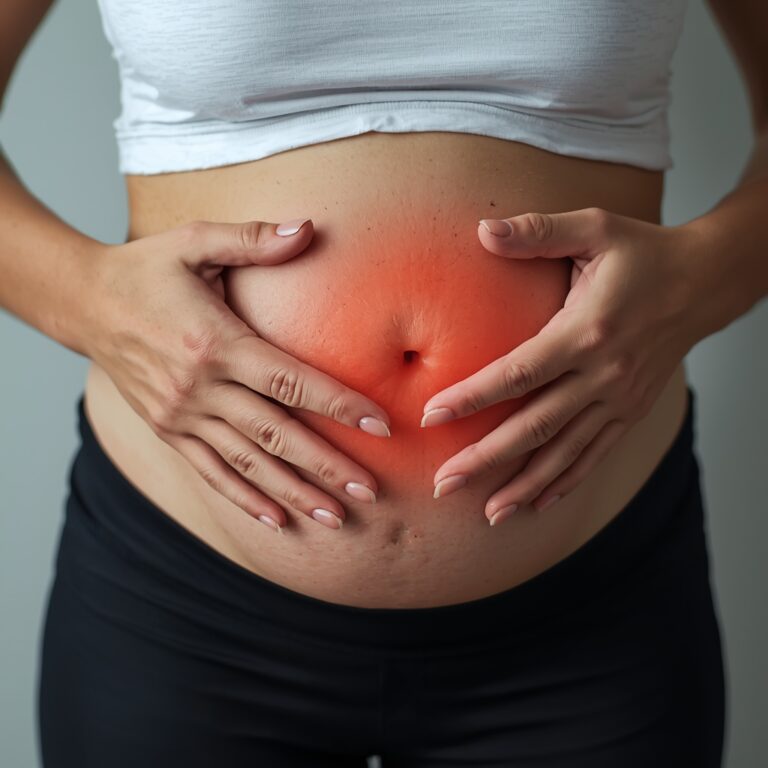
And then, somewhere between making tea and sitting down to work, something shifts. A sharp pull in your lower belly. A gush of blood that soaks through your underwear. Vomiting so relentless that you haven’t kept water down in 36 hours.
You reach for your phone. You type your symptoms into the search bar at 2am, squinting at the blue light, reading one terrifying forum thread after another. Some say it’s normal. Some say go to A&E immediately. You don’t know which voice to trust.
Here is what I want you to know, right now, before you read another word: your instinct that something is wrong matters. Early pregnancy is a time when your body is changing faster than at almost any other point in your life, and most of what you feel is normal. But there are three specific symptoms that are not normal. Three presentations that, in my clinical experience, get missed or minimised far too often, and that carry real consequences when they are.
This article will not frighten you. But it will equip you. There is a difference.
What “Sudden” Means in Early Pregnancy, and Why It Matters
The Clinical Foundation
The first trimester, roughly the period from conception to twelve weeks of gestation, is one of the most biologically complex phases of human development. Your uterus is growing. Your hormone levels, particularly human chorionic gonadotropin (hCG, the hormone detected by pregnancy tests) and progesterone, are rising sharply. Your cardiovascular system is already increasing its blood volume. Your immune system has partially downregulated to accommodate the embryo.
Think of early pregnancy as a construction site running at full capacity. Most of the time, the scaffolding holds. But when something goes structurally wrong during this phase, it tends to go wrong quickly.
This is why the word “sudden” is clinically important. Gradual, slow-building symptoms are often the body’s normal adjustment process. A symptom that appears abruptly, that escalates within hours, or that feels qualitatively different from anything you have experienced before, signals that something may have broken in the scaffolding.
The three symptoms covered in this article represent three of the most time-sensitive complications of early pregnancy: ectopic pregnancy, early pregnancy loss with haemorrhage risk, and severe pregnancy-related vomiting that crosses into a medically serious condition called hyperemesis gravidarum. Each can present suddenly. Each requires prompt assessment. And each is far more common than most women are told.
Here is the direct answer to what you may be searching for: The sudden symptoms in early pregnancy that warrant urgent medical attention are sharp, one-sided lower abdominal pain (particularly with shoulder tip pain), heavy vaginal bleeding with or without the passage of tissue, and relentless vomiting that prevents you from keeping any fluid down for more than 12 to 24 hours. If you experience any of these, you need same-day medical assessment, not a “wait and see” approach.
One of the clearest gaps in mainstream antenatal care is the lag between when a woman becomes pregnant and when she is first seen clinically. In many healthcare systems, that first appointment does not occur until eight to twelve weeks. For the complications described in this article, that window of unmonitored time is exactly when risks are highest.
3 Sudden Symptoms in Early Pregnancy That Require Urgent Medical Attention
Symptom 1: Sharp, One-Sided Lower Abdominal or Pelvic Pain, Especially With Shoulder Tip Pain
This is the symptom most likely to be underestimated, normalised, or sent home from urgent care with reassurance.
Some degree of pelvic discomfort is genuinely normal in early pregnancy. The uterus stretches. The round ligaments (thick fibrous bands that support the uterus on either side) pull and cramp. You may feel a dull ache or occasional twinges. None of that is the symptom being described here.
The sudden symptoms in early pregnancy that should never be dismissed is pain that is distinctly one-sided, that is sharp or stabbing rather than dull, and that either persists, worsens over several hours, or is accompanied by any of the following: vaginal bleeding, dizziness, fainting, or an unusual ache in your shoulder tip or the right side of your collarbone.
That shoulder tip pain is the detail most women do not know. It is called referred pain, meaning that pain originating in one location is perceived in a completely different area of the body. When blood accumulates in the abdominal cavity (a consequence of internal bleeding), it can irritate the diaphragm, the dome-shaped muscle beneath your lungs. The diaphragm shares a nerve pathway with the shoulder, so you feel the pain there. If you experience sharp, sudden shoulder pain alongside any abdominal discomfort in early pregnancy, this is a clinical red flag regardless of how mild the abdominal symptoms seem.
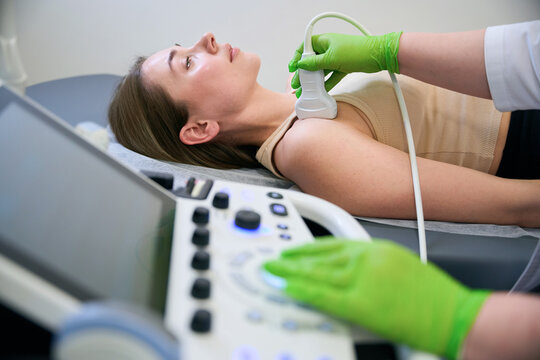
The reason this combination of symptoms matters so urgently is its association with ectopic pregnancy. An ectopic pregnancy occurs when a fertilised egg implants outside the uterus, most commonly within one of the fallopian tubes. The tube is not designed to expand the way the uterus is. As the embryo grows, the tube can rupture. This is a life-threatening emergency involving rapid internal haemorrhage.
Ectopic pregnancy affects approximately one in every 80 pregnancies, according to guidance from the Royal College of Obstetricians and Gynaecologists. It is the leading cause of pregnancy-related death in the first trimester in the United Kingdom. And critically, many women with ectopic pregnancies have had a positive pregnancy test, feel pregnant, and may have had no previous risk factors whatsoever.
Risk factors do exist and include a previous ectopic pregnancy, a history of pelvic inflammatory disease, previous fallopian tube surgery, smoking, the use of assisted reproductive techniques, and the presence of an intrauterine device (IUD) at the time of conception. But in clinical practice, I have seen ectopic pregnancies in women with none of these factors. Risk stratification is useful for surveillance. It is not a reliable tool for ruling out the diagnosis in a symptomatic woman.
The non-obvious detail here is that some women with ectopic pregnancies describe their pain as intermittent, not constant. They may feel fine for an hour and then have a sharp episode. This intermittent quality can falsely reassure both the woman and her clinician. A fallopian tube does not rupture on a schedule. Pain that comes and goes in early pregnancy, particularly if localised to one side and associated with any spotting, requires formal assessment with an ultrasound and serial hCG blood tests, not watchful waiting at home.
What to do: Go to your nearest emergency department or early pregnancy assessment unit (EPAU) immediately. Do not drive yourself if the pain is severe or you feel faint. You will need a transvaginal ultrasound and blood tests. The sooner an ectopic is identified, the more treatment options remain available, including medication rather than emergency surgery.
Symptom 2: Heavy Vaginal Bleeding, Especially With Clots or the Passage of Tissue
Bleeding in early pregnancy is extraordinarily common. Research suggests that between 20 and 30 per cent of all pregnant women experience some degree of vaginal bleeding in the first trimester, and more than half of those pregnancies continue normally. Implantation bleeding, which is light spotting that occurs around the time the embryo embeds into the uterine lining, is well-documented and usually harmless.
So it is entirely understandable that many women, and sometimes their healthcare providers, respond to early pregnancy bleeding with a reassurance that goes no further than, “bleeding can be normal.”
But there is a clinically meaningful difference between spotting and heavy bleeding. And there are specific characteristics of bleeding that change its urgency entirely.
Heavy vaginal bleeding in early pregnancy means soaking through a full-sized pad within an hour or less, for two or more hours consecutively. It means bleeding that is accompanied by severe cramping, rather than mild menstrual-type discomfort. It means the passage of clots larger than a 50 pence coin, or the passage of grey or pale tissue, which may signal that pregnancy tissue is being expelled.
This presentation can indicate several things clinically. The most common is a threatened miscarriage, where pregnancy tissue is still present in the uterus but bleeding has begun, and the outcome is not yet determined. It can also indicate an inevitable or incomplete miscarriage, where the pregnancy has ended and some or all tissue remains in the uterus. Less commonly, it may indicate a condition called a subchorionic haematoma, where a collection of blood develops between the placenta and the uterine wall, which requires monitoring.
The reason this symptom is underserved in standard care is not because clinicians do not know what heavy bleeding means. It is because, in many settings, women are still being told to “rest at home and see if it settles” without any investigation. The standard of care for suspected miscarriage should include an urgent ultrasound to assess whether the pregnancy is viable, whether the cervix is open (which indicates an inevitable miscarriage), and whether any tissue remains in the uterus. It should also include blood typing, because women who are Rhesus-negative (Rh-negative) require an injection of anti-D immunoglobulin to prevent a serious immune complication affecting future pregnancies.
The non-obvious clinical detail most women are not told: heavy bleeding in early pregnancy is not always a miscarriage, and a miscarriage is not always over just because bleeding has stopped. Incomplete miscarriage, where pregnancy tissue remains in the uterus after bleeding has ceased, can lead to infection if left untreated. The cessation of bleeding is not, on its own, clinical reassurance that the situation has resolved.
Additionally, some women experience what is called a missed miscarriage, where the embryo has stopped developing but the body has not yet expelled it. In this case, there may be no bleeding at all, or only very light spotting, even though the pregnancy has ended. This is typically detected on ultrasound. It is worth knowing about because the absence of bleeding does not guarantee that a pregnancy is progressing.
If you are soaking pads, passing large clots, or passing tissue, you need same-day assessment. If bleeding is lighter but persistent for more than two to three days, you need an appointment within 24 to 48 hours. An early pregnancy assessment unit is the appropriate setting for this, not a standard GP telephone consultation.
Symptom 3: Relentless Vomiting With an Inability to Keep Any Fluid Down
Nearly every pregnant woman is familiar with morning sickness, the nausea and vomiting that commonly accompany the first trimester. The name is famously misleading. For many women, it is not confined to the morning at all. It can be persistent throughout the day and deeply disruptive to daily life.
Morning sickness, as unpleasant as it is, is generally not medically serious. The nausea tends to peak between six and eight weeks, and for most women begins to ease by twelve to fourteen weeks. It is associated with rising hCG levels and, though the mechanisms are not fully understood, may also be linked to sensitivity to oestrogen and to a bacterium called Helicobacter pylori that some pregnant women carry.
But there is a condition that sits far beyond the discomfort of morning sickness, and it is one of the most undertreated and misunderstood conditions in all of women’s health.
Hyperemesis gravidarum, which translates roughly as “excessive vomiting in pregnancy,” affects between one and three per cent of pregnancies. It is characterised by nausea and vomiting so severe that a woman cannot maintain adequate nutrition or hydration. The clinical thresholds that distinguish it from normal morning sickness include: vomiting more than three to four times per day, weight loss of five per cent or more of pre-pregnancy body weight, and evidence of dehydration or electrolyte imbalance on blood tests.
The symptom you need to act on is this: if you have been vomiting so frequently that you cannot keep water down for 12 hours or more, or if you feel dizzy when you stand, have not urinated in eight hours or more, have developed a rapid heartbeat, or are experiencing muscle weakness, you are showing signs of dehydration significant enough to require medical assessment.
Dehydration in pregnancy is not merely uncomfortable. Severe dehydration reduces blood flow to the placenta, depletes electrolytes such as potassium and sodium that regulate heart function, and, in its most severe form, can lead to a rare but serious neurological complication called Wernicke’s encephalopathy, caused by thiamine (vitamin B1) deficiency when the body is unable to absorb nutrients for a prolonged period.
The non-obvious reality here is that hyperemesis gravidarum is still widely under-recognised and undertreated in clinical practice. As I’ve seen with many patients, women are sent home with advice to eat dry crackers and ginger tea, which is entirely appropriate advice for morning sickness, but wholly inadequate for hyperemesis gravidarum. The difference matters clinically, not only because the treatments differ, but because untreated hyperemesis gravidarum carries risks to both mother and baby, including low birth weight, premature birth, and, for the woman herself, severe nutritional deficiencies, kidney damage, and profound psychological distress.
If you are vomiting consistently and cannot stay hydrated, you need IV fluids, antiemetic medication (medication to control nausea), and assessment for electrolyte disturbance. This is not a condition to manage at home without medical support. You should attend your nearest emergency department or, where available, a specialist hyperemesis clinic.
It is also worth knowing that hyperemesis gravidarum carries a significant psychological burden. Women with this condition are at elevated risk of depression and anxiety, not only because of the physical suffering, but because the condition is so often minimised. If you have been told this is “just morning sickness,” and your symptoms match the picture described here, you are not being overdramatic. You are being underserved.
In My 19 Years of Clinical Practice, What I Have Seen Most Often Is…
In my 19 years of clinical practice, what I’ve seen most often is this: women who have delayed seeking urgent care for early pregnancy symptoms not because they were unaware that something was wrong, but because they were afraid of being told they were overreacting.
This is the pattern I return to again and again. A woman calls the surgery, describes her symptoms, and is told to “monitor at home.” She calls a helpline, and the person on the other end, clearly trying to be reassuring, says, “A little bleeding is common in early pregnancy.” She reads three forum threads that say the same thing, puts down her phone, and waits. Sometimes, the situation does resolve and she is fine. But sometimes, that wait is the thing that transforms a manageable complication into a crisis.
The gap in standard early pregnancy care is not knowledge. Most clinicians know what an ectopic pregnancy is, what signs suggest a haemodynamically significant bleed, and what hyperemesis gravidarum requires. The gap is in access. The early pregnancy assessment unit system, where it exists, is genuinely excellent. The problem is that many women either do not know it exists, or do not feel entitled to present there without a GP referral.
You do not need a referral to attend an emergency department. You do not need to have a specific diagnosis before you seek help. You need a symptom that is worsening, not resolving, or that falls into one of the three categories described in this article. That is enough.
Trust your read of your own body. Not because your body is always right, but because you are the only one who knows what it feels like from the inside. And when the inside tells you that something has changed sharply and suddenly, that signal deserves to be taken seriously.
When to See a Specialist: Specific Red Flags and Timeframes
The following symptoms in early pregnancy require same-day assessment. Do not wait for a routine appointment. Do not send a message through an online portal and hope for a response by end of day.
Go to your nearest emergency department or early pregnancy assessment unit immediately if:
You experience sudden, sharp pain localised to one side of your lower abdomen or pelvis, particularly if it is accompanied by any vaginal bleeding, dizziness, fainting, or an unusual ache in your right or left shoulder tip. This combination of symptoms must be assessed to rule out ectopic pregnancy, which requires an urgent transvaginal ultrasound and serial blood hCG measurements. The specialist you need is an obstetrician or gynaecologist with access to emergency ultrasound.
You are bleeding heavily enough to soak through a full-sized pad within an hour, for two consecutive hours or more. You are passing clots larger than a 50 pence coin, or you have noticed pale or grey tissue in the blood. This requires same-day assessment at an early pregnancy unit or emergency department, including an urgent ultrasound and blood group testing. Delay increases the risk of haemorrhage and, in Rh-negative women, immune sensitisation affecting future pregnancies.
You have been unable to keep any fluid down for 12 hours or more, or you are showing signs of dehydration: no urination for eight or more hours, dizziness on standing, a rapid or irregular heartbeat, dark amber urine, or severe weakness. This requires emergency assessment for dehydration, electrolyte imbalance, and, where appropriate, IV rehydration and antiemetic therapy. The appropriate setting is your emergency department. According to guidance from the Royal College of Obstetricians and Gynaecologists, women with hyperemesis gravidarum who cannot tolerate oral fluids should be admitted for inpatient care.
Book an urgent appointment within 24 to 48 hours if:
You are experiencing light but persistent spotting over more than two to three days, even without pain. You are nauseated and vomiting but still managing to keep some fluid down, though your symptoms are worsening rather than improving. You have had cramping that is mild to moderate but has not resolved after 24 hours. In these cases, contact your GP or midwife for a same-week appointment and request an early pregnancy referral.
You Are Not Overreacting. You Are Paying Attention.
Early pregnancy is one of the most physically and emotionally demanding transitions a woman can experience, and it happens largely without clinical oversight for several weeks. That is a structural gap in care, not a reflection of how serious your experience is or how seriously you should take your symptoms.
The most important takeaway from this article is straightforward: a sudden symptom in early pregnancy, one that appears sharply, worsens within hours, or is accompanied by the specific red flags described here, deserves same-day medical assessment. Not tomorrow. Not after the weekend. Today.
You do not need to prove how bad things are before you present for help. You do not need to be collapsing in the hallway. You need a symptom that is new, sudden, and worsening, and a system that takes you seriously when you describe it.
If this article helped clarify something you have been sitting with, share it with a friend who is newly pregnant and worrying. Read next: What Actually Happens at an Early Pregnancy Assessment Unit (And Why You Should Know Before You Need It). Or drop a comment below with your experience. Your story may be exactly what another woman needs to read to trust her instincts.
You came to this page because something felt wrong. That instinct is worth listening to. Now you have the clinical language to match it.
Medical Disclaimer
This article is for informational purposes only and does not constitute medical advice. Always consult a qualified healthcare provider before making any changes to your health or treatment plan.