Tag

boost fertility naturally

Browsing

7 Proven Fertility Treatments That Can Help You Get Pregnant Faster in 2025

You have been doing everything “right,” and still, nothing. If that sentence hit somewhere deep, this article was written for you.

Fertility conversations in a doctor’s office often stop at the standard checklist: eat well, reduce stress, track your cycle, and “just keep trying.” What they don’t always tell you is that there is a growing body of evidence behind specific, actionable strategies that can meaningfully shift the odds in your favor. These are not miracle cures. They are not internet myths. They are evidence-informed approaches that reproductive medicine specialists are increasingly recommending to women who want to optimize every possible advantage before, during, or alongside conventional treatment.

The landscape of reproductive health has changed dramatically heading into 2025. The World Health Organization estimates that infertility affects 1 in 6 people of reproductive age at some point in their lives, and as demand for fertility services rises worldwide, access to care remains severely limited in many regions. At the same time, new research is revealing that lifestyle, nutrition, targeted supplementation, and integrative therapies can all play a genuine supporting role in fertility outcomes, whether you are trying naturally or working with a clinic.

This guide covers seven proven fertility treatments and strategies that deserve far more spotlight than they get. Each section explains what the approach is, how to do it correctly, what the science says, and what realistic results look like. No fluff, no false promises. Just clear, practical information that puts you back in the driver’s seat.
Pregnant


1. CoQ10 Supplementation: The Proven Fertility Treatment That Targets Egg Quality at the Cellular Level

If you have only ever heard of CoQ10 in the context of heart health, you are not alone. But inside fertility circles, this antioxidant has quietly become one of the most widely recommended supplements for women trying to conceive, particularly those over 35 or dealing with diminished ovarian reserve.

Coenzyme Q10 is a molecule your body produces naturally. Its primary job is to support energy production inside cells, specifically inside the mitochondria, which are the tiny power plants that keep your cells running. Here is why that matters for fertility: egg cells have extraordinarily high energy demands. From the moment an egg begins maturing through fertilization and the first days of embryo growth, it relies almost entirely on its own mitochondrial energy stores. When those stores are compromised by aging, oxidative stress, or nutritional gaps, egg quality suffers.

A 2025 review published in Frontiers in Cell and Developmental Biology confirms that CoQ10’s antioxidant characteristics have shown promise in enhancing oocyte quality and boosting pregnancy rates, making it a prominent focus of current reproductive research. Importantly, the same review notes that combining CoQ10 with other adjunctive treatments, such as vitamins and acupuncture, produces significantly stronger results than CoQ10 alone.

How to take it correctly:

  • The typical fertility dosage ranges from 200mg to 600mg daily, depending on age and individual circumstances
  • Choose a “ubiquinol” form or a micronized CoQ10 product, as these are absorbed far more effectively by the body than standard capsules
  • Start at least 60 to 90 days before you want to conceive, since egg maturation takes approximately three months
  • Take it with a meal that contains healthy fat, as CoQ10 is fat-soluble

What conditions it helps most:

  • Women over 35 with age-related decline in egg quality
  • Diminished ovarian reserve (low egg count)
  • Poor response to ovarian stimulation in IVF cycles
  • Polycystic ovary syndrome (PCOS), where hormonal instability affects egg development

Realistic timeline: Most research uses a minimum 60-day supplementation window. Some women begin to see improved ovarian response and embryo quality after one full egg maturation cycle, which is roughly three months.

A note worth including: CoQ10 is generally safe, widely available, and relatively affordable. That said, always discuss supplementation with your doctor, especially if you are already on fertility medications.


2. The Mediterranean Diet: A Proven Fertility Treatment Hiding in Plain Sight on Your Plate

Nobody wants another lecture about eating vegetables. But the Mediterranean diet deserves a moment because it is not just vaguely “good for you.” It has been specifically studied in relation to fertility outcomes, and the data is genuinely encouraging.

The Mediterranean dietary pattern emphasizes fruits, vegetables, whole grains, legumes, olive oil, fish, and nuts, while naturally limiting processed foods, refined carbohydrates, and red meat. What makes it uniquely relevant to fertility is its powerful anti-inflammatory effect. Chronic low-grade inflammation is increasingly recognized as a disruptor of ovulation, implantation, and hormonal balance.

Dietary components that have a positive influence on ovulation include carbohydrates with a low glycemic index, plant protein, monounsaturated and polyunsaturated fatty acids, folic acid, vitamin D, and antioxidants. Eating habits structured around the Mediterranean diet appear particularly beneficial due to its anti-inflammatory properties. On the flip side, the same research identifies high-glycemic refined carbs, saturated fats, and trans fats as negatively affecting ovulation and increasing oxidative stress.

How to apply it practically:

  • Swap refined carbs (white bread, white rice) for whole grains like farro, quinoa, or barley
  • Replace processed vegetable oils with extra virgin olive oil as your primary cooking fat
  • Aim for two to three servings of fatty fish per week, including salmon, sardines, or mackerel
  • Fill half your plate with colorful vegetables at most meals
  • Snack on a small handful of walnuts or almonds rather than packaged food

Why it works for fertility specifically:

Omega-3 fatty acids from fish support healthy hormone signaling and reduce inflammation in the reproductive tract. Antioxidants from fruits and vegetables combat the oxidative stress that damages eggs and disrupts the uterine environment. Legumes and whole grains provide slow-releasing carbohydrates that keep blood sugar and insulin levels stable, which is particularly important for women with PCOS or irregular cycles.

What to expect: This is not a quick fix, but research consistently shows that dietary shifts sustained over three to six months can improve ovarian function, regulate cycles, and support a healthier uterine lining. Think of it as building a better foundation, one meal at a time.


3. Targeted Cycle Tracking: The Proven Fertility Treatment That Most Women Aren’t Doing Accurately

You have probably heard that timing intercourse around ovulation matters. What often gets lost in that advice is just how narrow the fertile window actually is, and how easy it is to miss it entirely without a reliable tracking method.

Here is something worth knowing: a woman is typically fertile for only five to six days per cycle. Sperm can survive in the reproductive tract for up to five days, but an egg is only viable for twelve to twenty-four hours after ovulation. This means the highest-pregnancy-rate timing is actually the two to three days before ovulation, not the day of ovulation itself. Many couples miss this window repeatedly simply because they are tracking inaccurately.

Modern cycle tracking has come a long way from counting calendar days. Today, women have access to a combination of tools that, used together, provide a much more precise picture of their individual fertility window.

The three-method approach:

  • Basal body temperature (BBT): Your resting temperature rises by a small but measurable amount after ovulation, typically 0.2 to 0.5 degrees Celsius. Tracking this daily, first thing in the morning before getting out of bed, builds a pattern over several months that helps you predict ovulation timing more accurately.
  • LH surge testing: Luteinizing hormone surges roughly 24 to 36 hours before ovulation. Over-the-counter urine tests detect this surge and give you your best advance warning. Digital tests tend to be more reliable than line-comparison strips for first-time trackers.
  • Cervical mucus observation: As ovulation approaches, cervical fluid shifts from dry or cloudy to clear, slippery, and stretchy, similar in texture to raw egg white. This is your body’s own biological signal that fertile days are underway.

Using all three methods together dramatically reduces the chance of miscalculating your window. Apps like Clue, Natural Cycles, and Ovia can help you log and interpret patterns over time, though they work best when fed consistent, accurate data.

Who benefits most: Women with irregular cycles, PCOS, or thyroid conditions often experience unpredictable ovulation timing and benefit enormously from multi-method tracking rather than relying on calendar calculations alone.


4. Acupuncture: An Integrative Proven Fertility Treatment Worth a Serious Second Look

Acupuncture occupies a complicated position in fertility conversations. It has passionate advocates, appropriately cautious scientists, and a growing body of research that is encouraging without being conclusive. Understanding what the evidence actually says, rather than what enthusiasts or skeptics claim, is the most useful place to start.

Techniques such as mindfulness-based stress reduction, acupuncture, and targeted nutritional plans are gaining traction as complementary therapies in 2025, and by addressing lifestyle factors alongside medical treatments, patients are better supported in achieving successful pregnancies and overall wellness. Acupuncture in fertility contexts is theorized to work through several pathways: improving blood flow to the ovaries and uterus, modulating the hormonal axis, reducing the stress hormones that can suppress reproductive function, and potentially improving the receptivity of the uterine lining.

When researchers analyzed the results of multiple studies, they found acupuncture is correlated with improved fertility markers like clinical pregnancy and live birth rates, especially when performed at higher frequency.

How to approach it practically:

  • Look for a licensed acupuncturist with specific training in reproductive health or Traditional Chinese Medicine fertility protocols
  • Most fertility-focused acupuncture protocols involve weekly sessions, often timed around different phases of the menstrual cycle
  • If you are undergoing IVF, some research has focused specifically on acupuncture sessions performed on or around embryo transfer day, though evidence here remains mixed
  • Give any acupuncture protocol at least two to three full menstrual cycles before evaluating its effect

What conditions it may help most:

  • Stress-related cycle irregularity
  • Poor blood flow to the uterus, which can affect implantation
  • Hormonal imbalances affecting ovulation quality
  • Supporting emotional wellbeing through the fertility journey, which itself has measurable physiological effects

The honest answer is that acupuncture is unlikely to transform outcomes on its own. But as part of a comprehensive approach that also includes nutrition, supplementation, and medical care, the evidence suggests it earns its place.


5. Vitamin D Optimization: The Overlooked Proven Fertility Treatment Sitting in Your Blood Panel

If you have had a recent blood panel done and no one mentioned your vitamin D level in relation to your fertility, you are not alone. And yet, vitamin D deficiency is extraordinarily common, affecting an estimated 40 to 50% of reproductive-age women globally, and its link to fertility outcomes is stronger than most people realize.

Vitamin D is not just a vitamin in the traditional sense. It functions more like a hormone, influencing gene expression throughout the body, including in the ovaries, uterus, and endometrium. Receptors for vitamin D have been found in eggs, sperm, and the cells lining the uterus, suggesting it plays active roles throughout the conception process.

Sufficient vitamin D levels help regulate reproductive hormones such as estrogen and progesterone, which are vital for regular menstrual cycles and preparing the uterine lining for pregnancy. Optimal vitamin D levels support ovulation, the development of healthy eggs, and a more receptive uterine lining.

How to optimize your vitamin D for fertility:

  • Get your 25-hydroxyvitamin D blood level tested. This is a simple, inexpensive test that your GP can order
  • Optimal levels for fertility are generally considered to be between 40 and 80 ng/mL, though many labs flag deficiency only below 20 ng/mL, leaving a significant gap where many women sit
  • If you are deficient, supplementing with 2,000 to 4,000 IU daily of vitamin D3 (not D2) alongside a vitamin K2 supplement helps ensure proper absorption and calcium metabolism
  • Sun exposure for 15 to 20 minutes daily on exposed skin during peak hours provides natural vitamin D, though this varies significantly by geography, skin tone, and season

What to expect: Blood levels typically respond to supplementation within eight to twelve weeks. Many women with unexplained infertility, recurrent implantation failure in IVF, or PCOS find that optimizing vitamin D was an overlooked piece of a larger puzzle.

Important: Do not supplement at very high doses without testing and monitoring. Vitamin D toxicity, while rare, is possible and requires blood level confirmation before high-dose protocols.


6. Stress Reduction Through Targeted Mind-Body Practices: A Proven Fertility Treatment With Measurable Biological Effects

Telling someone who is struggling to conceive to “just relax” is one of the most well-meaning yet tone-deaf pieces of advice imaginable. It is also slightly ironic, because while casual stress management advice misses the mark, there is real and growing evidence that chronic psychological stress does measurably affect reproductive hormones and ovulation quality.

Chronic stress elevates cortisol, the body’s primary stress hormone. Elevated cortisol suppresses the release of GnRH, the hormone that triggers the cascade of hormonal signals responsible for ovulation. It also disrupts the delicate balance between estrogen and progesterone, which can shorten the luteal phase or disrupt implantation. The effect is not dramatic in mild or short-term stress, but in women who are chronically activated, the hormonal impact is real.

The good news is that targeted mind-body practices have measurable biological effects, not just psychological ones. The WHO’s first global guideline on infertility, published in 2025, emphasizes the need to ensure ongoing access to psychosocial support for all those affected by infertility, recognizing the emotional toll, which can lead to depression, anxiety, and feelings of social isolation.

Practices with the strongest evidence base:

  • Mindfulness-based stress reduction (MBSR): An 8-week structured program developed at the University of Massachusetts that combines meditation, body scanning, and mindful movement. Multiple studies have found it reduces cortisol levels and improves psychological wellbeing in women undergoing fertility treatment
  • Yoga: Fertility-focused yoga classes combine gentle movement with breathwork and stress-reduction techniques. Two to three sessions per week of moderate-intensity yoga has been associated with lower cortisol and improved ovarian blood flow in some studies
  • Cognitive behavioral therapy (CBT): For women experiencing significant anxiety or depression related to their fertility journey, CBT with a therapist familiar with reproductive health is one of the most evidence-backed interventions available
  • Regular, moderate-intensity exercise: Not excessive training, which can suppress ovulation, but 150 minutes per week of moderate activity like walking, swimming, or cycling reduces systemic inflammation and improves hormonal balance

What to avoid: Very high-intensity exercise, including marathon training and competitive CrossFit programming, has been associated with reduced LH pulsatility and disrupted ovulation in some research. Moderation is the operative word.


7. Pre-Conception Testing and Personalized Medicine: The Proven Fertility Treatment That Starts With Knowing Your Numbers

One of the most empowering shifts in fertility care in 2025 is the move toward genuinely personalized, data-driven approaches. Rather than treating every woman on a standard protocol, leading clinics and an increasing number of forward-thinking OB-GYNs are beginning reproductive journeys with comprehensive testing that reveals a woman’s specific physiological picture.

Many women spend months or years trying to conceive without ever knowing key markers that could change their entire approach. Getting clear on your baseline is not medical overkill. It is strategy. According to the American College of Obstetricians and Gynecologists, a fertility evaluation is appropriate after 12 months of unprotected sex if you are under 35, or after 6 months if you are 35 or older. However, baseline testing earlier than this can reveal actionable information that shapes your conception approach immediately.

Key markers worth knowing:

  • AMH (Anti-Mullerian Hormone): The most reliable marker of ovarian reserve. It reflects the remaining egg supply and helps predict how your ovaries are likely to respond to stimulation. This is particularly useful for women over 32 or those with a family history of early menopause
  • FSH and estradiol (Day 3 levels): These hormones, measured on the third day of your menstrual cycle, provide a snapshot of how hard your pituitary gland is working to stimulate your ovaries. Elevated FSH can indicate reduced reserve
  • Thyroid function (TSH, Free T4): Thyroid dysfunction is one of the most commonly overlooked contributors to irregular cycles, difficulty conceiving, and early pregnancy loss. An underactive or overactive thyroid can be treated effectively once identified
  • Prolactin: Elevated prolactin can suppress ovulation even in women with apparently normal cycles
  • Fasting insulin and blood glucose: Particularly relevant for women with PCOS or a family history of diabetes, since insulin resistance is a key driver of ovulatory dysfunction

Genetic profiling now allows clinicians to customize treatment plans based on an individual’s unique genetic makeup, analyzing specific genetic markers and variations to predict how a patient might respond to particular medications and protocols. This tailored approach minimizes trial-and-error in finding the right treatment, potentially reducing the number of cycles required to achieve pregnancy.

Understanding these numbers does not require an immediate referral to a fertility specialist. Many of these tests can be ordered through your general practitioner or OB-GYN and can be done alongside natural conception efforts. The goal is to stop guessing and start working with your body’s actual data.

For women already working with a fertility clinic, the Mayo Clinic’s comprehensive fertility guide outlines the full spectrum of diagnostic and treatment options available at various stages of the fertility journey, from initial evaluation through assisted reproductive technology.


Comparison Table: 7 Proven Fertility Treatments at a Glance

Treatment Primary Benefit Best For Time to See Effect Difficulty Level Cost Range
CoQ10 Supplementation Improves egg quality and mitochondrial energy Women 35+, low ovarian reserve, IVF patients 60 to 90 days Easy Low (20 to 60 USD/month)
Mediterranean Diet Reduces inflammation, supports hormone balance All women; especially PCOS, irregular cycles 3 to 6 months Moderate Low to medium
Targeted Cycle Tracking Pinpoints the fertile window accurately All women; especially irregular cycles Immediate to 1 cycle Easy to moderate Low (free apps + OPK strips)
Acupuncture Improves uterine blood flow, reduces stress Stress-related infertility, IVF support 2 to 3 cycles Easy (passive) Medium (50 to 150 USD/session)
Vitamin D Optimization Supports ovulation, uterine receptivity, hormone balance Women with deficiency, unexplained infertility 8 to 12 weeks Easy Low (5 to 30 USD/month supplement + blood test)
Mind-Body Stress Reduction Reduces cortisol, supports hormonal regulation Chronically stressed women, IVF patients 4 to 8 weeks Moderate Low to medium
Pre-Conception Testing Reveals individual fertility picture for targeted action All women trying to conceive Immediate results Easy (blood draw) Low to medium (varies by insurance)

A Note on What “Proven” Actually Means in Fertility Research

It would be dishonest to present any of the above as guaranteed pregnancy strategies. Fertility research is genuinely complex, partly because conception is a multifactorial event that involves the health of both partners, timing, genetics, and factors that medicine cannot yet fully quantify.

What “proven” means in this context is that each of these strategies has supporting evidence from peer-reviewed research, is recommended by at least some reproductive medicine specialists, carries a low risk of harm, and addresses a real biological mechanism relevant to conception. None of them replace medical care. All of them are best discussed with your doctor or a reproductive endocrinologist, who can help you prioritize the approaches most relevant to your specific situation.

Fertility is not a problem to be solved by willpower or by buying every supplement on the shelf. It is a biological process that responds to the right conditions, and your job is to create as many of those right conditions as you can, systematically and patiently.


Conclusion: You Have More Tools Than You Think

The fertility journey is one of the most emotionally demanding experiences a person can navigate. It is filled with hope, disappointment, information overload, and the persistent, exhausting feeling that you must be missing something.

What this guide has hopefully demonstrated is that there is no single missing thing. There is a toolkit, and most of it is accessible, evidence-supported, and within your reach right now. CoQ10, the Mediterranean diet, precise cycle tracking, acupuncture, vitamin D, stress reduction, and comprehensive testing are not alternatives to medical care. They are powerful companions to it.

The women who tend to feel most grounded in their fertility journey are not necessarily the ones with the easiest path. They are the ones who feel genuinely informed about their own bodies, who know their numbers, who have built sustainable daily habits, and who have assembled a support system that includes both good medicine and good self-care.

Start with one strategy. Master it. Then add another. And give each approach the time it needs to work, because your body, with the right support, is far more capable than you may currently believe.


You’re Not Doing This Alone

Share this guide with a friend who is quietly struggling with her own fertility journey. Sometimes the most powerful thing you can do for someone is hand them information they didn’t know they needed.

Drop a comment below: Which of these seven strategies are you already using, and which one surprised you the most? Your experience might be exactly what another reader needs to hear.


This article is for informational purposes only and does not constitute medical advice. Always consult a qualified healthcare provider before beginning any new supplement, dietary change, or treatment protocol, especially if you have been diagnosed with a fertility-related condition or are currently undergoing fertility treatment.
7 Proven Fertility-Boosting Foods After 40 (That Actually Work)

You were told the window was closing. Nobody told you it could be nudged back open with a fork.

If you’re over 40 and thinking about getting pregnant or simply wanting to protect your reproductive health, the food on your plate matters more than most doctors take time to explain in a 15-minute appointment. The science is clear, the evidence is growing, and the good news is that some of the most powerful fertility-supporting nutrients in the world are sitting in ordinary grocery stores, not in expensive clinics.


Introduction: Why Fertility After 40 Is Not a Dead End

Let’s be honest about something. The phrase “advanced maternal age” is one of the least comforting things a woman can hear. It sounds clinical. It sounds final. And it carries with it an unspoken suggestion that your body is somehow past its prime and working against you.

But here is what that label doesn’t tell you: your biology is not static. Every cell in your body responds to what you eat, how you sleep, how you move, and how you manage stress. Your eggs, specifically, are not immune to this influence. In fact, research published in journals like Fertility and Sterility and Human Reproduction consistently shows that nutritional interventions can meaningfully improve egg quality, hormonal balance, and uterine health, even in women over 40.

Now, food alone is not a miracle cure. Anyone who tells you otherwise is selling something. But as part of a holistic approach to fertility, the right nutrition strategy can shift your internal environment from hostile to hospitable. It can reduce inflammation, support mitochondrial function in your eggs, regulate the hormones that orchestrate your cycle, and create the conditions your body needs to do what it is, remarkably, still capable of doing.

This article breaks down seven fertility-boosting foods backed by science, explains exactly why they work, and shows you how to weave them into your everyday life without turning eating into a second job.


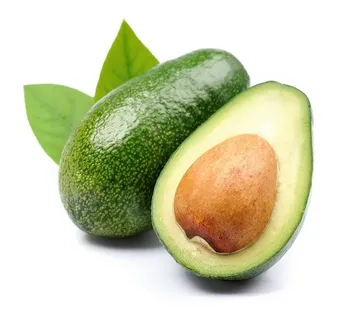
1. Avocados: The Fertility-Boosting Food Your Hormones Have Been Asking For

There is a reason nutritionists have been talking about avocados for years, and it is not just because they photograph well on toast. Avocados are one of the richest dietary sources of monounsaturated fats, the kind of healthy fat your body needs to produce reproductive hormones. Without adequate dietary fat, your body simply cannot manufacture estrogen and progesterone in the amounts required for a healthy cycle.

For women over 40, hormonal balance becomes increasingly complex. Estrogen can fluctuate wildly, progesterone tends to decline, and the fine hormonal choreography that governs ovulation can become less predictable. Avocados provide oleic acid, folate, vitamin E, and potassium, all of which support hormonal regulation and uterine lining health. One study published in the Journal of Human Nutrition and Dietetics found that women who consumed higher amounts of monounsaturated fats had significantly better outcomes in assisted reproduction cycles.

Fertility-Boosting Foods

Why avocados support fertility after 40:

  • Rich in folate, which reduces the risk of neural tube defects and supports cell division
  • High in vitamin E, a powerful antioxidant that protects egg cells from oxidative damage
  • Monounsaturated fats support the absorption of fat-soluble fertility vitamins like A, D, E, and K
  • Potassium supports uterine health and blood pressure regulation

How to eat more of them: Add half an avocado to smoothies, spread it on whole grain toast, blend it into salad dressings, or eat it simply sliced with lemon and sea salt. You do not need a complicated recipe. You need consistency.


2. Wild-Caught Salmon: The Omega-3 Powerhouse for Egg Quality After 40

If there is one single dietary change that fertility specialists mention most consistently when working with women over 40, it is increasing omega-3 fatty acid intake. And wild-caught salmon is one of the most efficient, bioavailable ways to do exactly that.

Omega-3 fatty acids, specifically DHA and EPA, play a direct role in egg quality. Eggs that are rich in DHA are more structurally sound, more capable of successful fertilization, and less likely to carry chromosomal abnormalities. Given that chromosomal errors in eggs become more common with age, protecting egg integrity through nutrition is one of the smartest strategies available.

Beyond egg quality, omega-3s reduce systemic inflammation, which is one of the most underacknowledged enemies of fertility over 40. Inflammation disrupts hormonal signaling, impairs implantation, and contributes to conditions like endometriosis and polycystic ovary syndrome, both of which can complicate fertility at any age. Salmon also provides vitamin D, selenium, and B12, all of which are critical for reproductive function.

Fertility-Boosting Foods

Key fertility benefits of wild-caught salmon:

  • DHA directly incorporated into egg cell membranes, improving structural integrity
  • EPA reduces prostaglandins that cause inflammation in the reproductive tract
  • Selenium protects eggs from oxidative stress and supports thyroid function
  • Vitamin D deficiency has been strongly linked to reduced fertility and implantation failure

Practical tip: Aim for two to three servings of wild-caught salmon per week. Farmed salmon contains fewer omega-3s and often higher levels of contaminants. If budget is a concern, canned wild Alaskan salmon is a genuinely excellent and affordable alternative.


3. Leafy Greens: The Fertility-Boosting Foods That Work Overtime for Women Over 40

Spinach, kale, Swiss chard, arugula, collard greens. This category of food is so nutritionally dense that it almost feels unfair to pick just one. Leafy greens are the unsung workhorses of a fertility-supporting diet, and their benefits for women over 40 are particularly compelling.

The folate content alone makes them indispensable. Folate (the natural form of folic acid) is critical for DNA synthesis and repair, for healthy cell division, and for preventing neural tube defects in early pregnancy. But folate does something else that is especially relevant for women trying to conceive after 40: it supports the methylation cycle, a biochemical process that regulates gene expression, detoxifies hormones, and helps maintain chromosomal stability in eggs.

Leafy greens are also rich in iron, calcium, magnesium, and vitamin C. Iron-deficiency anemia is more common in women over 40 and can impair ovulation. Magnesium supports progesterone production and reduces cortisol, the stress hormone that is one of fertility’s greatest adversaries. Vitamin C regenerates other antioxidants in the body and protects reproductive cells from free radical damage.

Fertility-Boosting Foods

Fertility nutrients packed into leafy greens:

  • Folate for DNA integrity and healthy cell division
  • Iron for ovulatory function and red blood cell production
  • Magnesium for progesterone support and stress regulation
  • Calcium for proper cell signaling in reproductive tissues
  • Vitamin K for blood clotting regulation during implantation

Getting creative with greens: If raw salads bore you, try wilting spinach into scrambled eggs, blending kale into a fruit smoothie (the banana masks it entirely), or stirring arugula into warm pasta at the last minute. The goal is daily consumption, and variety keeps it sustainable.


4. Walnuts: The Brain and Fertility-Boosting Food You’re Probably Underrating

Walnuts do not get nearly enough credit in the fertility conversation. Most people associate them with brain health, which is fair, but the same properties that make walnuts exceptional for cognitive function also make them outstanding for reproductive health.

Walnuts are the only tree nut with a significant amount of alpha-linolenic acid (ALA), a plant-based omega-3 fatty acid. They are also packed with arginine, an amino acid that improves blood flow to the uterus and ovaries. Good blood flow means better nutrient and oxygen delivery to reproductive organs, which matters enormously for egg quality and uterine receptivity. A uterus that is well-vascularized is a uterus that is ready to receive and support an embryo.

For women over 40, walnuts also provide melatonin, which is not just a sleep hormone. Melatonin acts as a powerful antioxidant in follicular fluid, the liquid that surrounds developing eggs inside the ovary. Research published in the Journal of Pineal Research found that melatonin levels in follicular fluid are directly correlated with egg quality. Walnuts are one of the few dietary sources of melatonin, making them a uniquely targeted fertility food.

Fertility-Boosting Foods

Why walnuts deserve a spot in your daily diet:

  • ALA omega-3s support anti-inflammatory pathways relevant to reproductive health
  • Arginine improves uterine blood flow and lining thickness
  • Melatonin acts as an antioxidant in follicular fluid, protecting developing eggs
  • Vitamin E in walnuts protects egg cells from oxidative damage
  • Zinc supports progesterone production and healthy ovulation

Serving suggestion: A small handful (about 28 grams or 14 walnut halves) daily is sufficient. Add them to oatmeal, salads, yogurt, or simply eat them as a snack between meals.


5. Lentils and Legumes: Plant-Based Fertility-Boosting Foods That Balance Your Hormones

Here is something that surprises many women when they first hear it: swapping some animal protein for plant-based protein sources like lentils and legumes has been associated with improved ovulatory function. This finding comes partly from the landmark Nurses’ Health Study conducted at Harvard, which followed over 18,000 women and identified dietary patterns that were correlated with ovulatory infertility.

Women who ate more plant protein and less animal protein had significantly lower rates of ovulatory problems. The mechanism is not fully understood, but researchers believe it involves insulin sensitivity, hormonal regulation, and the anti-inflammatory effects of the specific micronutrients found in legumes. For women over 40, who may already be navigating insulin resistance as part of the perimenopause transition, this is especially relevant.

Lentils are also exceptional sources of iron, and specifically non-heme iron, the plant-based form. While non-heme iron is less readily absorbed than heme iron from meat, pairing it with vitamin C dramatically increases absorption. The iron in lentils, combined with their high folate content, makes them one of the most comprehensive fertility foods available at any grocery store.

Fertility-Boosting Foods

Fertility benefits of lentils and legumes:

  • Plant protein supports ovulatory health and hormonal balance
  • High folate content for DNA synthesis and chromosomal stability
  • Iron supports ovulation and prevents anemia
  • Fiber regulates blood sugar and reduces excess estrogen via improved gut motility
  • Zinc from chickpeas and black beans supports progesterone production

Easy additions: Stir lentils into soups and stews, blend chickpeas into hummus, use black beans as a base for grain bowls, or toss lentils into salads for a protein-rich lunch that keeps you full for hours.


6. Full-Fat Dairy: The Controversial Fertility-Boosting Food Worth Reconsidering After 40

This one tends to raise eyebrows, especially among women who have spent years choosing low-fat yogurt and skim milk in the name of health. But the research on dairy and fertility tells a surprisingly different story, and it is worth sitting with the discomfort of reconsidering a long-held belief.

The same Harvard Nurses’ Health Study that identified plant protein as fertility-protective also found something unexpected: women who consumed full-fat dairy products had lower rates of ovulatory infertility compared to women who consumed primarily low-fat or fat-free dairy. The researchers hypothesized that removing fat from dairy also removes certain fat-soluble reproductive hormones and growth factors that may support ovulatory function.

Full-fat dairy is rich in conjugated linoleic acid (CLA), a fatty acid that has shown anti-inflammatory and immune-modulating properties in research settings. For women over 40, immune dysregulation, including an overactive immune response that can interfere with implantation, is one of the less-discussed fertility challenges. Full-fat dairy also provides calcium, phosphorus, and vitamin D, all of which are essential for reproductive health.

Fertility-Boosting Foods

The fertility case for full-fat dairy:

  • Associated with lower rates of ovulatory infertility in large observational studies
  • CLA content supports immune balance and reduces inflammation
  • Calcium and phosphorus support healthy cell division
  • Vitamin D (when fortified) addresses one of the most common fertility-related deficiencies
  • Probiotics in yogurt and kefir support gut health, which regulates hormone metabolism

A word of nuance: This is not a license to eat unlimited cheese. One to two servings of full-fat dairy daily, such as whole-milk yogurt or a small amount of full-fat cheese, appears to be where the benefit lies. Women with dairy sensitivities or PCOS should work with a practitioner to determine whether dairy is appropriate for their specific situation.


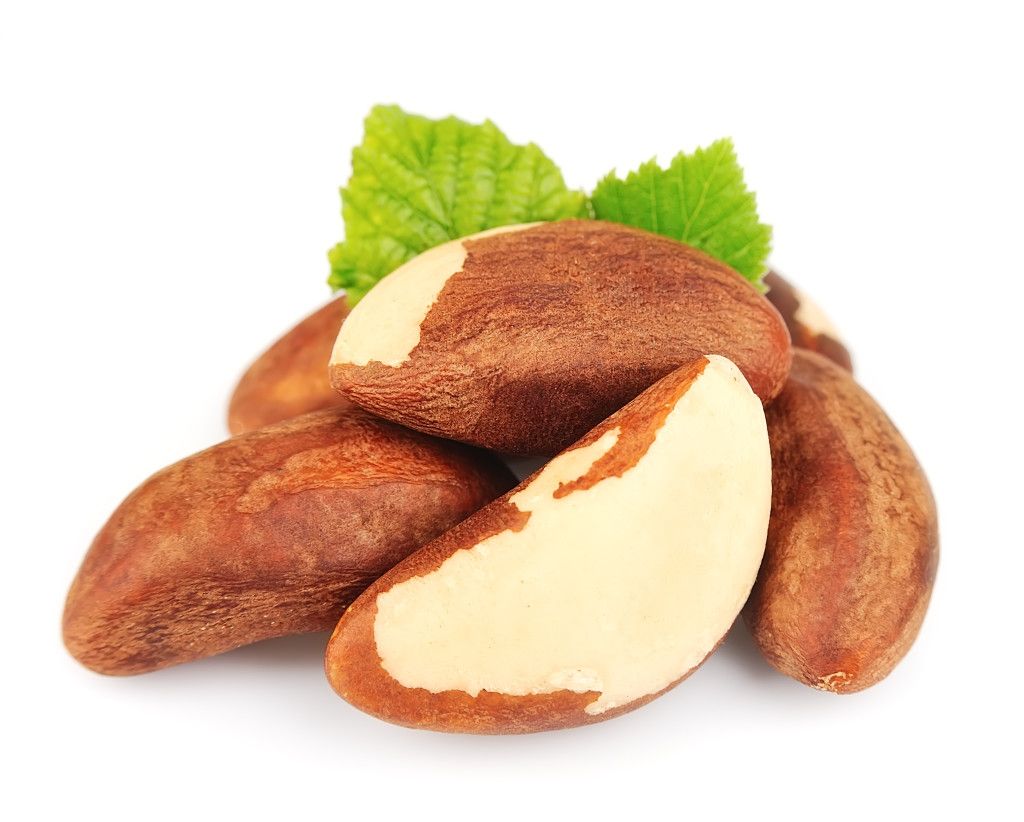
7. Brazil Nuts: The Selenium-Packed Fertility-Boosting Food You Only Need Two Of

Brazil nuts are arguably the most potent single-food source of selenium on the planet. Just two Brazil nuts per day provides the full recommended daily intake of this mineral, which sounds almost too convenient to be true. But the fertility implications of selenium are serious and well-documented.

Selenium is essential for thyroid function, and thyroid health is one of the most overlooked pillars of female fertility. Even subclinical hypothyroidism, where thyroid function is technically within normal range but trending low, can impair ovulation, reduce progesterone production, and increase the risk of early pregnancy loss. Women over 40 are significantly more likely to have thyroid irregularities, making selenium intake particularly critical for this age group.

Beyond the thyroid connection, selenium is a potent antioxidant that protects eggs from oxidative damage. It supports the production of glutathione, the body’s master antioxidant, which is found in high concentrations in healthy follicles. Research published in Biological Trace Element Research has linked adequate selenium status with improved egg quality and reduced chromosomal abnormalities, exactly the kind of protection women over 40 are looking for.

Fertility-Boosting Foods

Why two Brazil nuts a day can make a real difference:

  • Provides 100% of the daily selenium requirement in just two nuts
  • Supports thyroid hormone production and conversion of T4 to active T3
  • Boosts glutathione levels, protecting eggs from oxidative stress
  • Reduces inflammation in reproductive tissues
  • Supports sperm quality too, if a partner is involved in the equation

One important caution: More is not better with selenium. Selenium toxicity (selenosis) can occur with excessive intake, causing hair loss, nail brittleness, and neurological symptoms. Two Brazil nuts daily is the sweet spot. Do not supplement with selenium on top of eating Brazil nuts without guidance from a healthcare provider.


The Fertility-Boosting Food Comparison Table: What Each Food Targets

Understanding what each food actually does helps you build a targeted strategy rather than just eating everything on the list and hoping for the best. Here is a clear breakdown:

Fertility Food Primary Fertility Benefit Key Nutrients Best For Daily Serving
Avocado Hormonal balance, uterine health Folate, Vitamin E, Oleic acid Hormone regulation, lining thickness ½ avocado
Wild Salmon Egg quality, inflammation reduction DHA, EPA, Vitamin D, Selenium Egg structural integrity 3x/week
Leafy Greens DNA protection, ovulation support Folate, Iron, Magnesium Cell division, ovulatory health 1–2 large handfuls
Walnuts Antioxidant protection in follicles ALA, Melatonin, Arginine, Zinc Follicular fluid quality, uterine blood flow 14 walnut halves
Lentils & Legumes Ovulatory function, hormone balance Plant protein, Iron, Folate, Zinc Insulin sensitivity, ovulation ½–1 cup cooked
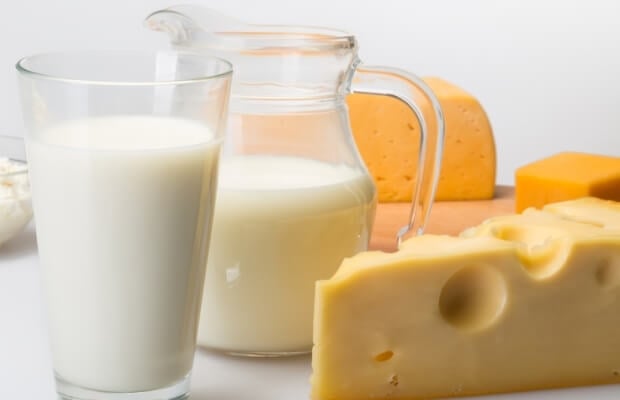
Full-Fat Dairy Ovulatory health, immune balance CLA, Calcium, Vitamin D, Probiotics Immune regulation, ovulatory function 1–2 servings
Brazil Nuts Thyroid function, egg protection Selenium, Glutathione support Thyroid health, oxidative stress 2 nuts

What this table makes immediately clear is that these foods are not redundant. Each one targets a different aspect of the fertility equation. Salmon protects egg membranes. Brazil nuts protect thyroid function. Leafy greens protect DNA. Walnuts protect follicular fluid. Together, they create a comprehensive nutritional environment that supports fertility from multiple angles simultaneously.


The Oxidative Stress Factor: Why Antioxidants Are Non-Negotiable for Fertility After 40

If there is one biological concept every woman over 40 trying to conceive should understand, it is oxidative stress. Think of oxidative stress as internal rust. Over time, the metabolic processes of living produce unstable molecules called free radicals that can damage cells, including the mitochondria inside your eggs.

Egg cells are particularly vulnerable because they have exceptionally high metabolic demands. They need a tremendous amount of energy to mature, to be fertilized, and to divide correctly. As we age, mitochondrial function in eggs naturally declines, and the damage from free radicals accumulates. This is one of the key reasons egg quality decreases with age.

Antioxidants neutralize free radicals before they can damage cellular structures. Every single food on this list contains significant antioxidant activity: vitamin E in avocados and walnuts, selenium in Brazil nuts, omega-3s in salmon that reduce the inflammatory cascade, folate in leafy greens and lentils that supports cellular repair. According to research compiled by the American Society for Reproductive Medicine, antioxidant-rich diets are associated with improved IVF outcomes and higher rates of natural conception in women over 35.

This is why a fertility diet is not just about adding one superfood. It is about creating an antioxidant-rich internal environment that protects your eggs on a daily basis, because the eggs you ovulate today were developing in your ovaries for the past three to four months. What you eat now is directly influencing the quality of eggs you will ovulate months from now.


What to Reduce Alongside Your Fertility-Boosting Foods

Eating the right foods is powerful. But eating the wrong foods while simultaneously adding the right ones is like trying to fill a bathtub while the drain is open. A few specific dietary patterns are worth reducing when supporting fertility over 40.

Ultra-processed foods are problematic primarily because of their impact on inflammation and insulin resistance. Chips, packaged cookies, fast food, and most convenience meals contain refined carbohydrates, trans fats, and inflammatory seed oils that directly counteract the anti-inflammatory work your salmon and walnuts are doing.

Excessive alcohol is worth addressing without moralizing. Alcohol disrupts hormonal signaling, impairs liver function (which is responsible for metabolizing and clearing excess hormones), and reduces the absorption of key fertility nutrients including zinc and folate. Occasional moderate consumption is unlikely to derail a well-structured fertility diet, but daily drinking creates a meaningful nutritional headwind.

Excess sugar and refined carbohydrates drive insulin spikes that disrupt the delicate hormonal cascade governing ovulation. Insulin resistance, which becomes more common after 40, can suppress sex hormone-binding globulin, leading to excess androgens that interfere with ovulation. Swapping white bread and sugary snacks for the lentils, leafy greens, and whole foods in this list addresses this directly.

Excessive caffeine remains a subject of ongoing debate in fertility research. Most evidence suggests that up to 200mg of caffeine daily (roughly one to two cups of coffee) does not significantly impair fertility. Beyond that threshold, some studies suggest a modest increase in pregnancy loss risk. If you are a committed coffee drinker, staying at one to two cups is a reasonable, evidence-aligned compromise.


Building Your Fertility-Boosting Plate: A Practical Day of Eating

Abstract nutritional advice is easy to nod along to and then forget by dinnertime. Here is what incorporating all seven fertility-boosting foods into a single day actually looks like in practice.

Morning: A smoothie made with a large handful of spinach, half an avocado, a tablespoon of walnut butter, frozen berries, and a scoop of plant-based protein powder. This alone covers leafy greens, avocado, and walnuts before you have even sat down at your desk.

Mid-morning snack: A small bowl of full-fat Greek yogurt topped with two Brazil nuts (crushed) and a drizzle of honey. Thyroid support and probiotic coverage done before noon.

Lunch: A large salad base of arugula and kale tossed with lemon vinaigrette, topped with a cup of lentils, diced cucumber, roasted red peppers, and a sprinkle of pumpkin seeds for extra zinc. Folate, iron, plant protein, and magnesium in one bowl.

Dinner: Wild-caught salmon fillet baked with lemon and herbs, served alongside roasted sweet potato and steamed broccoli with a drizzle of olive oil. DHA, vitamin D, and additional antioxidants from the cruciferous vegetables.

This is not a rigid meal plan. It is a demonstration that eating for fertility does not require specialty ingredients, elaborate preparation, or a nutritionist on speed dial. It requires intention and repetition.


Supplements vs. Food: Where Fertility-Boosting Foods Fit in the Bigger Picture

A question that comes up consistently: if I am taking a prenatal vitamin and fertility supplements, do I still need to focus on food?

The answer is an unambiguous yes, and here is why. Supplements are exactly what the name implies: supplementary. They fill gaps. They cannot replicate the complex matrix of nutrients, fiber, phytochemicals, and cofactors that come packaged together in whole foods. Your body absorbs nutrients from food more efficiently than from pills, in part because food contains the companion nutrients that aid absorption.

For example, the iron in your prenatal vitamin is absorbed far better when you eat it alongside vitamin C from leafy greens. The vitamin D in your supplement functions better when you also have adequate magnesium, which you get from nuts and greens. Omega-3 supplements are genuinely useful, especially for women who do not eat fish, but the form found in wild salmon (DHA and EPA directly) is more bioavailable than the ALA in flaxseed oil that your body then has to convert.

Think of whole foods as your foundation and supplements as the reinforcements. Both have a role. Neither replaces the other.


A Note on Timing: How Long Does Dietary Change Take to Impact Egg Quality?

This is one of the most important, and most underappreciated, aspects of fertility nutrition. The eggs you ovulate in any given month have been developing for approximately 90 to 120 days. This means the nutritional environment your body provided three to four months ago is directly shaping the eggs you are releasing today.

The practical implication of this is both sobering and encouraging. It is sobering because it means there is no quick fix. You cannot eat salmon for a week and expect dramatically improved egg quality at your next cycle. But it is encouraging because it means that consistent dietary changes made today will meaningfully impact the eggs you ovulate three months from now, and the months after that.

Women who approach fertility nutrition as a sustained practice rather than a short-term intervention tend to see the most meaningful results. This is a marathon, not a sprint, and the finish line is worth the commitment.


The Emotional Side of Eating for Fertility After 40

Food can become fraught when you are trying to conceive. Every meal starts to feel weighted with consequence. Every indulgence brings a whisper of guilt. And the emotional labor of tracking, optimizing, and “doing everything right” while simultaneously managing the anxiety of the fertility journey can become exhausting to the point of counterproductive.

Here is a grounding perspective: stress itself is a fertility disruptor. Cortisol, the primary stress hormone, directly suppresses reproductive hormones. The psychological burden of a hyper-restrictive, fear-driven approach to eating can create its own hormonal interference.

The goal is not perfection. The goal is a consistent pattern that leans heavily toward nourishing, anti-inflammatory, antioxidant-rich foods while leaving room for the pleasure of eating, the joy of shared meals, and the grace of imperfect days. Eating a piece of birthday cake at a celebration is not going to derail three months of intentional nutrition. The aggregate pattern is what matters.

Be kind to yourself in this process. The women who navigate fertility challenges most gracefully are rarely the ones who followed every rule perfectly. They are the ones who stayed consistent, stayed curious, and stayed gentle with themselves when they inevitably fell short.


Conclusion: Your Fork Is One of Your Most Powerful Fertility Tools

Turning 40 does not close the door on fertility. It changes the terrain, certainly, but the body’s capacity to respond to nourishment does not expire with your third decade.

The seven fertility-boosting foods explored in this article, avocados, wild salmon, leafy greens, walnuts, lentils, full-fat dairy, and Brazil nuts, are not exotic or expensive. They are real food, widely available, and backed by a growing body of research that takes women’s fertility seriously at every age.

Each one works differently: some protect the structural integrity of your eggs, some regulate the hormones that orchestrate your cycle, some reduce the inflammation that quietly undermines reproductive function, and some target the thyroid imbalances that fly under the radar until they become a problem.

Together, they create an internal environment where fertility can thrive, where eggs are better protected, where hormones can do their jobs, and where your body receives the message that it is supported, nourished, and ready.

You cannot control everything about this process. But you can control what you put on your plate. And that, as it turns out, is more powerful than most people realize.


Frequently Asked Questions About Fertility-Boosting Foods After 40

Can diet alone improve egg quality after 40? Diet is one of the most evidence-supported, modifiable factors for egg quality. It cannot reverse the natural aging of eggs, but it can meaningfully reduce oxidative damage, support mitochondrial function, and improve the hormonal environment in which eggs develop. It works best as part of a comprehensive approach that also includes appropriate medical support, adequate sleep, stress management, and regular movement.

How long before trying to conceive should I start eating for fertility? Ideally, three to six months before you begin trying to conceive. This timeline aligns with the 90 to 120-day development window for eggs and allows dietary changes to influence the eggs you will be ovulating during your conception attempts.

Do these foods help if I am doing IVF? Yes. Multiple studies have found that women undergoing IVF who follow antioxidant-rich, Mediterranean-style diets have better outcomes including higher rates of fertilization, better embryo quality, and improved implantation rates. These foods are complementary to, not in conflict with, assisted reproductive technology.

Are there foods I should completely avoid? There are foods worth significantly reducing rather than rigidly eliminating: ultra-processed foods, excessive alcohol, trans fats, and excessive sugar. A single meal off-plan will not derail your fertility. A consistently poor dietary pattern will create headwinds. Focus on what you consistently add, not on what you occasionally enjoy.


Share This and Keep Reading

If this article helped you see fertility nutrition differently, share it with a friend who is navigating this season of life. The right information at the right moment can change everything.

Read Next:

Drop a comment below: Which of these seven fertility-boosting foods are you already eating regularly, and which one surprised you most? Your experience might be exactly what another reader needs to hear.

How To Get Pregnant Fast Naturally In 3 Months: The Ultimate Proven Step-By-Step Plan For African And Western Women

You’ve been dreaming of that positive pregnancy test. This plan was written to make it happen, faster than you think possible.

Whether you’re just starting your conception journey or you’ve been trying for a while and feel like your body is keeping secrets from you, this guide is for you. Every tip, every strategy, every piece of advice you’re about to read is grounded in science, shaped by real women’s experiences, and designed to work for both African and Western women, because your biology deserves to be seen, respected, and supported.


Introduction: Why Getting Pregnant “Fast” Is Not Just About Luck

Here is a truth that too many women discover far too late: getting pregnant is not purely a matter of chance. Yes, there is a biological window. Yes, timing matters. But the difference between a woman who conceives in her first month of trying and one who waits 18 months often comes down to knowledge, not luck.

The global fertility conversation has, for too long, been dominated by Western clinical frameworks that don’t always account for the nutritional realities, lifestyle patterns, stress environments, and even the cultural pressures that African women navigate daily. Meanwhile, many Western women are battling their own modern fertility thieves, including chronic stress, endocrine-disrupting chemicals in everyday products, and diets built on ultra-processed convenience foods.

This guide bridges that gap. It is a complete, step-by-step fertility optimization plan that takes the best of reproductive science and translates it into actionable daily habits any woman can implement, starting today.

By the end of this article, you will understand how your hormones work together (and against each other), what your cycle is actually telling you, which foods belong in your fertility kitchen, how to time intercourse with precision, and how to protect your body from the invisible fertility saboteurs most women never think about.

Three months is not a magic number. It is, however, the minimum time frame in which meaningful hormonal shifts, nutritional changes, and egg quality improvements begin to show measurable results, because it takes approximately 90 days for an egg to fully mature before ovulation. That means the choices you make today are literally shaping the egg that could become your baby three months from now.

Let’s get into it.

Pregnant


Step 1: Understand Your Menstrual Cycle To Get Pregnant Fast Naturally

Before you can optimize your fertility, you need to understand the machinery you’re working with. The menstrual cycle is not just the week you bleed. It is a full hormonal symphony that plays out over 21 to 35 days, and every phase matters.

The cycle has four phases: menstruation, the follicular phase, ovulation, and the luteal phase. Most conception advice focuses only on ovulation, but the truth is that what happens in every other phase either supports or undermines your ability to conceive.

Here’s what each phase means for your fertility:

  • Menstruation (Days 1-5 approximately): Your uterine lining sheds. This is the body’s reset. Heavy, painful, or irregular periods here can signal underlying issues like fibroids, endometriosis, or hormonal imbalance.
  • Follicular Phase (Days 1-13 approximately): Estrogen rises, the uterine lining thickens, and follicles in the ovaries compete to produce a dominant egg. Supporting estrogen here, through nutrition and stress management, sets the stage for a quality egg.
  • Ovulation (Day 14 in a 28-day cycle, but variable): A surge in luteinizing hormone (LH) triggers the release of the mature egg. This is your fertility peak. The egg survives for only 12 to 24 hours after release.
  • Luteal Phase (Days 15-28 approximately): Progesterone dominates. This hormone prepares the uterine lining for implantation. Low progesterone in this phase is one of the most common and most overlooked causes of early pregnancy loss.

Understanding this cycle means you stop guessing and start working with your body rather than against it.


Step 2: Track Ovulation Precisely To Boost Your Chances Of Getting Pregnant Naturally

Here is where most women lose the most time on their conception journey. They assume ovulation happens on Day 14. For many women, especially those with longer or shorter cycles, it simply does not.

Ovulation tracking is the single highest-impact habit you can build in your first month of trying. It removes the guesswork entirely and tells you with confidence when your fertile window opens and closes.

The three most reliable ovulation tracking methods:

  • Basal Body Temperature (BBT) Charting: Your resting body temperature rises by 0.2 to 0.5 degrees Celsius after ovulation, triggered by progesterone. Take your temperature every morning before you get out of bed, using a basal thermometer (more precise than a regular one), and chart it over several cycles. The pattern will reveal your consistent ovulation day.
  • Ovulation Predictor Kits (OPKs): These test your urine for the LH surge that occurs 24 to 36 hours before ovulation. They are widely available and highly accurate. For African women in markets where OPKs are less accessible, digital apps paired with BBT tracking are an excellent alternative.
  • Cervical Mucus Monitoring: In the days leading up to ovulation, cervical mucus transitions from dry or creamy to a clear, stretchy, egg-white consistency. This “egg-white cervical mucus” (EWCM) is your body’s natural signal that ovulation is approaching and conditions are optimal for sperm travel.

Using all three methods together gives you the most complete picture. Within one to two cycles, you will know your body’s ovulation pattern with confidence.


Step 3: Time Intercourse Strategically To Get Pregnant Fast Naturally

Knowing when you ovulate is only half the equation. The other half is understanding the sperm side of the equation, because sperm can survive in the female reproductive tract for up to five days, while the egg lasts only 12 to 24 hours.

This means the most effective strategy is not waiting for ovulation day and then trying. It is beginning intercourse in the days before ovulation so that sperm are already waiting when the egg arrives.

The optimal fertile window schedule:

  • Have intercourse every 1 to 2 days during the 5-day window leading up to and including ovulation day.
  • The two most critical days are the day before ovulation and ovulation day itself.
  • Avoid long gaps (more than 3 days) between intercourse during this window, as sperm quality can decline with very infrequent ejaculation, but daily intercourse in non-fertile periods is unnecessary and can reduce sperm concentration.

A common myth is that certain sexual positions increase conception chances. There is no robust clinical evidence supporting this. What does matter is that the sperm reach the cervix, which happens regardless of position in most circumstances.

Lying down for 10 to 15 minutes after intercourse may help in some cases, though the research is mixed. It costs nothing to try.


Step 4: Optimize Your Diet To Get Pregnant Fast Naturally

The relationship between diet and fertility is one of the most well-documented areas of reproductive science. What you eat directly affects your hormonal balance, egg quality, uterine health, and your body’s ability to support early implantation.

The Harvard Nurses’ Health Study, one of the most comprehensive fertility nutrition studies ever conducted, found that women who followed a “fertility diet” rich in plant proteins, healthy fats, and complex carbohydrates had significantly higher rates of conception than those on typical Western diets.

Foods that powerfully support natural conception:

  • Leafy greens (spinach, kale, ugwu, bitter leaf): Rich in folate, which is critical for preventing neural tube defects and supporting early cell division. African leafy vegetables like ugwu (fluted pumpkin leaves) are especially dense in iron, folate, and antioxidants.
  • Fatty fish (salmon, mackerel, sardines): Omega-3 fatty acids support healthy hormone production and reduce inflammation in the reproductive system.
  • Whole eggs: Contain choline, a critical nutrient for brain development in early pregnancy, plus healthy fats that support estrogen metabolism.
  • Legumes (beans, lentils, lentils, cowpeas): Plant-based protein has been consistently linked to better ovulatory function compared to high animal-protein diets.
  • Full-fat dairy: Counterintuitively, research suggests full-fat dairy (not low-fat) is associated with better fertility outcomes. Low-fat dairy products may actually interfere with ovulation in some women.
  • Colorful fruits and vegetables: Antioxidants like Vitamin C, Vitamin E, and beta-carotene protect eggs from oxidative stress, which degrades egg quality over time.
  • Pumpkin seeds and sesame seeds: Zinc-rich and excellent for progesterone production in the luteal phase.

Foods to reduce or eliminate:

  • Trans fats (found in fried fast foods and many packaged snacks): directly linked to anovulation (lack of ovulation)
  • High-mercury fish (shark, king mackerel, swordfish): mercury accumulates in eggs and disrupts hormonal signaling
  • Excess refined sugar and white carbohydrates: spike insulin, which disrupts the hormonal cascade needed for ovulation
  • Alcohol: even moderate consumption has been linked to reduced fertility in women

For African women specifically, the traditional diet, when eaten in its unprocessed form, is genuinely fertility-supportive. Dishes built around beans, leafy vegetables, palm oil (in moderation), fresh fish, and fermented foods are excellent foundations. The fertility risk often comes with urbanization and the shift toward processed, packaged foods. Going back to ancestral eating patterns is not just culturally rich. It is biologically smart.


Step 5: Take The Right Supplements To Support Getting Pregnant Fast Naturally

Diet is the foundation, but targeted supplementation can fill critical gaps and actively accelerate your path to conception. The supplement industry is noisy and confusing, so here is a clear, evidence-based list.

Non-negotiable supplements for conception:

  • Folic Acid (or Methylfolate): 400 to 800 mcg daily, ideally started 3 months before trying to conceive. This is the most important supplement for preventing neural tube defects. Women with the MTHFR gene mutation (more common than most realize) need methylfolate, the active form, rather than synthetic folic acid.
  • Vitamin D3: Deficiency is extraordinarily common, especially in women who spend limited time outdoors or live in higher latitudes. Vitamin D plays a direct role in egg quality, implantation, and immune tolerance of the embryo. Get your levels tested; many women need 2,000 to 4,000 IU daily to reach optimal levels.
  • CoQ10 (Coenzyme Q10): Supports mitochondrial function in eggs. Eggs require enormous amounts of cellular energy to divide properly after fertilization. CoQ10 supplementation has been shown in clinical studies to improve egg quality, particularly in women over 30. The ubiquinol form is more bioavailable than ubiquinone.
  • Iron: Many African women in particular are mildly iron-deficient due to diets high in non-heme (plant-based) iron and heavy menstrual periods. Low iron is directly linked to anovulation. A blood test can confirm your status before supplementing.
  • Magnesium: Supports progesterone production and reduces the cortisol response to stress, making it doubly valuable for women in high-stress environments.
  • Omega-3 Fish Oil: If your diet is low in fatty fish, supplementing with 1,000 to 2,000 mg of combined EPA and DHA daily supports egg quality and reduces uterine inflammation.

A note on prenatal vitamins: Starting a high-quality prenatal vitamin 3 months before conception covers many of these bases in one supplement. Look for one that contains methylfolate rather than folic acid, includes Vitamin D, and avoids excessive synthetic additives.


Step 6: Manage Stress To Get Pregnant Fast Naturally

This is the section most fertility guides either skip entirely or treat as a footnote. It deserves far more than that.

Chronic stress is a genuine, physiologically measurable fertility disruptor. When your body perceives sustained threat (whether from financial pressure, relationship tension, workplace demands, or the anxiety of trying to conceive itself), it prioritizes survival over reproduction. Cortisol, the primary stress hormone, directly suppresses GnRH, the hormone that signals the entire reproductive cascade. High cortisol can delay or prevent ovulation entirely, even in otherwise healthy women.

For many African women, this layer of stress is compounded by cultural and family pressure to conceive, particularly after marriage. The monthly interrogations from in-laws, the unsolicited advice, the silent comparisons to pregnant relatives, these are not small stresses. They are chronic, relentless, and they have a measurable biological impact.

Evidence-based stress reduction strategies that directly support fertility:

  • Acupuncture: Multiple clinical studies support its role in reducing cortisol, improving blood flow to the uterus, and supporting ovulatory regularity. It is widely available and increasingly affordable.
  • Mindfulness-Based Stress Reduction (MBSR): A structured 8-week program that has been shown in fertility-specific studies to meaningfully reduce anxiety and, in some studies, improve conception rates.
  • Moderate exercise: 30 minutes of walking, swimming, or yoga, 4 to 5 days per week, is optimal. Intense exercise (marathon training, daily high-intensity workouts) can suppress ovulation by disrupting LH pulsatility.
  • Social support: Women in strong social support networks consistently show better fertility outcomes than isolated women. Whether that support comes from a partner, a close friend, an online community, or a therapist, it matters.
  • Journaling: Writing freely about stressors for even 15 minutes per day has been shown to reduce physiological markers of stress. It sounds almost too simple, but the research is solid.

Protecting your mental environment during your conception journey is not self-indulgent. It is reproductive medicine.


Step 7: Eliminate Environmental Toxins To Get Pregnant Fast Naturally

This is the fertility conversation nobody wants to have, because it requires changing everyday habits that feel completely unrelated to pregnancy. But the evidence is now overwhelming.

Endocrine-disrupting chemicals (EDCs) are synthetic compounds that mimic, block, or interfere with the body’s natural hormones. They are found in a staggering range of everyday products, from plastic food containers to cosmetics to pesticide residues on produce. They accumulate in body fat and, critically, in follicular fluid, the environment in which your eggs develop.

The most significant EDCs to reduce exposure to:

  • Bisphenol A (BPA) and BPS: Found in plastic water bottles, food can linings, and thermal receipt paper. Switch to glass or stainless steel water bottles. Avoid heating food in plastic containers.
  • Phthalates: Found in synthetic fragrances, nail polish, and many personal care products. Choose fragrance-free or naturally-scented alternatives. This is especially relevant for African women who use heavy fragrance-based body lotions and hair products.
  • Parabens: Preservatives in many cosmetics and skincare products. Look for paraben-free alternatives.
  • Pesticides: Wash all produce thoroughly. Prioritize organic for the “dirty dozen” high-pesticide crops when budget allows. For many African women buying fresh produce at markets, thorough washing remains the most practical solution.
  • Heavy metals (lead, mercury, arsenic): Found in some traditional cosmetics, certain herbal remedies, and contaminated water sources. Be cautious of imported “skin-lightening” products, which have been found in studies across sub-Saharan Africa to contain significant levels of mercury and lead, both of which are documented reproductive toxins.

Reducing your EDC load takes about 3 months of consistent effort to meaningfully lower tissue concentrations. Starting now means a cleaner hormonal environment for egg development by the time you’re in your active conception window.


Step 8: Evaluate And Improve Male Partner Fertility To Get Pregnant Fast Naturally

Half the chromosomes in your future baby come from your partner. Male factor infertility contributes to approximately 40 to 50% of all infertility cases. Yet in many cultures, particularly across African communities, the conversation about infertility defaults almost exclusively to the woman.

This is not only scientifically inaccurate. It is a significant reason why couples take longer than necessary to conceive.

What your partner can do to optimize sperm quality:

  • Avoid heat exposure: Sperm production requires a temperature slightly lower than body temperature, which is why the testes are located outside the body. Hot baths, saunas, tight underwear, and laptops placed directly on the lap all raise scrotal temperature and reduce sperm quality. This is reversible with lifestyle change.
  • Improve diet: The same antioxidant-rich, whole-food diet that benefits female fertility also benefits sperm quality. Zinc (found in pumpkin seeds, beef, and oysters) is particularly important for sperm motility and morphology.
  • Take supplements: CoQ10, Vitamin C, Vitamin E, zinc, and selenium have all been shown to improve sperm parameters. A men’s fertility supplement that combines these is a convenient option.
  • Reduce alcohol and stop smoking: Both significantly reduce sperm count, motility, and morphology. The effects are reversible but take 2 to 3 months to normalize.
  • Get a semen analysis: If you’ve been trying for several months without success, a semen analysis is simple, inexpensive, and provides crucial diagnostic information. It can be done at most pathology labs and eliminates months of uncertainty.

Approaching conception as a team effort, not a female responsibility, is both more effective and more fair.


Step 9: Address Underlying Health Conditions That Affect Getting Pregnant Naturally

Sometimes the reason conception is slow has nothing to do with timing or diet or stress. It has to do with an underlying condition that needs to be identified and treated. The most important of these are:

Polycystic Ovary Syndrome (PCOS): The most common hormonal disorder in women of reproductive age, affecting 1 in 10 globally and with particularly high prevalence in women of African descent. PCOS disrupts ovulation through elevated androgens and insulin resistance. The good news is that it responds dramatically well to lifestyle interventions, particularly a low-glycemic diet, regular exercise, and targeted supplementation with inositol (myo-inositol and D-chiro-inositol in a 40:1 ratio).

Thyroid disorders: Both hypothyroidism (underactive thyroid) and hyperthyroidism (overactive thyroid) can suppress ovulation or cause early miscarriage. A simple blood test (TSH, Free T3, Free T4) can identify this. Subclinical hypothyroidism, where TSH is elevated but below the clinical threshold for treatment, is particularly common in women of African descent and is often missed in routine screening.

Endometriosis: Affects 1 in 10 women and is a leading cause of unexplained fertility challenges. It is chronically underdiagnosed, particularly in Black African women, due to a persistent and false clinical belief that Black women have higher pain tolerance. If you experience severe period pain, painful intercourse, or pain with bowel movements during your period, push for investigation.

Uterine fibroids: Extremely common in women of African descent, with rates 2 to 3 times higher than in white women. Most fibroids do not affect fertility. However, submucosal fibroids (those protruding into the uterine cavity) can interfere with implantation and require treatment.

Cervical factors: Hostile cervical mucus (sometimes triggered by past infections or certain lubricants) can prevent sperm from reaching the egg. If you notice consistently poor cervical mucus quality, speak to your gynecologist. Avoid commercial lubricants unless they are specifically labeled as fertility-friendly (such as Pre-Seed or Conceive Plus).

Getting a thorough pre-conception health screen, including blood work, a pelvic ultrasound, and a review of your menstrual history, is never wasted time. According to the World Health Organization’s reproductive health guidelines, early identification of treatable conditions is the most effective way to reduce time to conception.


Step 10: Build Consistent Preconception Health Habits For Both Partners

Everything discussed above works best when it becomes a lifestyle rather than a series of isolated actions. The 90-day period before your target conception month is your preparation window, and the daily habits you build in that window lay the biological groundwork for a healthy pregnancy.

Your 90-day preconception checklist:

  • Start tracking your cycle immediately (BBT, OPKs, cervical mucus)
  • Begin a high-quality prenatal vitamin with methylfolate
  • Overhaul your diet toward whole foods, with an emphasis on leafy vegetables, legumes, healthy fats, and antioxidant-rich produce
  • Reduce or eliminate alcohol
  • Begin moderate daily exercise if not already active
  • Audit your personal care and household products for EDCs
  • Schedule a preconception appointment with your OB/GYN or midwife
  • Have your partner begin his own fertility protocol
  • Identify and begin actively managing your primary stressors
  • Get blood work done: full hormone panel, thyroid, iron, Vitamin D, blood sugar

This is not an overwhelming list when broken down into weekly actions. In fact, most women who complete this 90-day preparation report feeling better physically and emotionally within the first few weeks, regardless of whether they have conceived yet.


Fertility Optimization Plan: What Each Step Targets and Expected Impact

Step What It Targets Time to See Results Impact Level
Cycle Tracking & Ovulation Fertile window accuracy Immediate (1 cycle) Very High
Intercourse Timing Egg-sperm meeting probability Immediate Very High
Diet Optimization Hormonal balance, egg quality 4-12 weeks High
Targeted Supplementation Egg quality, hormonal support 8-12 weeks High
Stress Management Cortisol reduction, LH regularity 2-6 weeks High
EDC Reduction Hormonal environment cleansing 8-12 weeks Moderate-High
Male Partner Optimization Sperm quality improvement 10-12 weeks Very High
Underlying Health Conditions Treating root cause Variable Critical
Preconception Health Habits Full system optimization 8-12 weeks High
Thyroid & Hormonal Screening Identify hidden barriers Immediate (on diagnosis) Critical

African Women and Fertility: Addressing The Unique Context

It would be incomplete to write this guide without addressing the specific context many African women navigate on their conception journey.

African women face a constellation of fertility-relevant factors that differ meaningfully from the Western clinical baseline. These include higher rates of PCOS, fibroids, and thyroid disorders. They also include greater exposure to certain environmental toxins (particularly in skin-lightening products and hair relaxers, both of which contain documented endocrine disruptors), and the significant psychological burden of cultural pressure to conceive.

At the same time, African women often have access to remarkable natural fertility resources that their Western counterparts do not. Traditional African diets, when eaten in their unprocessed form, are genuinely nutritionally dense and fertility-supportive. Herbs like utazi, moringa, and bitter leaf have long histories of use as reproductive tonics in various African medical traditions, and some, like moringa, are now being validated by modern nutritional science for their antioxidant and anti-inflammatory properties.

The key for African women is not to abandon their cultural food heritage in favor of “Western” fertility diets. It is to reclaim the nutritional wisdom embedded in that heritage while reducing the modern dietary patterns (processed foods, excess sugar, commercial seed oils) that undermine it.

The cultural pressure to conceive is its own fertility risk factor. The chronic stress of being asked monthly when you will have a baby, or the shame attached to not conceiving quickly in communities where motherhood is central to a woman’s identity, is real, measurable, and physiologically disruptive. Acknowledging this is not complaining. It is science. And managing it, through community, therapy, communication with your partner, or simply setting boundaries with intrusive relatives, is as medically relevant as any supplement on this list.


What To Expect Month By Month On Your 3-Month Natural Conception Plan

Month 1: Foundation Building

This month is about establishing new habits rather than expecting results. You’re beginning cycle tracking, starting supplements, overhauling your diet, and (ideally) getting baseline blood work done. Your first full cycle of BBT charting will reveal your ovulation pattern. Focus on consistency rather than perfection.

Many women feel a meaningful improvement in energy, mood, and cycle regularity within the first 30 days of dietary changes and supplementation. This is your body responding, and it is a good sign.

Month 2: Optimization and Timing

By now you have one full cycle of data. You know roughly when you ovulate. Your supplements are building up in your system. Your diet is more consistent. This month, you begin applying everything with precision. Use your OPK results to target your fertile window with confidence. Pay attention to cervical mucus quality as a secondary confirmation.

This is also the month to have the conversation with your partner about his role in the process, if you haven’t already. His supplementation and lifestyle changes, begun in Month 1, are now beginning to show benefits in sperm quality.

Month 3: Peak Fertility Window

This is the month your 90-day preparation was building toward. Egg quality has been supported through three full maturation cycles. Sperm quality has been optimized. Your hormonal environment is cleaner, your stress better managed, your cycle well-understood.

If conception does not occur in Month 3, this is not a failure. It is information. The average healthy couple conceives within 6 months of timed, unprotected intercourse. If you have implemented all the steps in this guide consistently and have not conceived by Month 6, a fertility consultation is the logical and recommended next step, not because something is necessarily wrong, but because specialist guidance can identify any remaining barriers quickly.


When To See A Doctor

Natural optimization is powerful. It is also not always sufficient on its own, and knowing when to escalate is part of a smart fertility strategy.

Seek a fertility evaluation if:

  • You are under 35 and have not conceived after 12 months of timed intercourse
  • You are 35 to 40 and have not conceived after 6 months of timed intercourse
  • You are over 40 and have not conceived after 3 months of timed intercourse
  • You have irregular or absent periods
  • You have a known diagnosis of PCOS, endometriosis, fibroids, or thyroid disorder
  • You have had two or more miscarriages
  • Your partner has a known history of reproductive health issues

A fertility consultation is not an admission of failure. It is the intelligent next step in a proactive plan.


Conclusion: Your Body Is Ready. Now Give It The Right Support.

Here is what 4,000 words of fertility science ultimately comes down to: your body was built for this. The capacity to conceive is woven into your biology at the deepest level. What this plan offers is not a workaround or a trick. It is a way of removing the obstacles, giving your reproductive system the nutritional and hormonal environment it needs, and working with your cycle rather than guessing at it.

Three months is genuinely enough time for a woman with no underlying fertility condition to dramatically improve her conception odds. For women who do have underlying conditions, three months of preparation combined with early medical consultation is still the fastest, most effective path forward.

The women who conceive quickly are not luckier than you. They are better informed. Now, you are too.

Start today. Track your cycle tonight. Take your prenatal vitamin in the morning. Cook the ugwu soup or the salmon salad this weekend. Talk to your partner this evening. Every single action you take in the next 90 days is building the body that will carry your child.

You’ve got this.


CTA: Ready To Take The Next Step?

Share this guide with a friend or sister who’s on her own conception journey. The information in here could save her months of uncertainty.

Save this post to your health board on Pinterest or your browser bookmarks so you can refer back to it throughout your 3-month plan.

Drop a comment below: Where are you in your journey? Are you just starting out, or have you been trying for a while? Let’s talk, you are not alone in this, and your story might be exactly what another woman needs to read today.

Read Next:


Disclaimer: This article is for informational purposes only and does not constitute medical advice. Always consult a qualified healthcare provider before beginning any new supplement regimen or if you have concerns about your reproductive health.