

5 Life-Changing Things That Happen to Your Body 6 Weeks After Giving Birth Nobody Warns You About
Written by Dr. Naomi, Board-Certified Women’s Health Physician and Reproductive Endocrinologist | Webzalo.com
She Expected to Feel Normal by Now
It is 11 o’clock on a Wednesday morning. The baby is finally asleep. You have managed to drink half a cup of tea while it was still warm, which feels like a personal achievement of enormous proportions. And as you sit down for the first time in what feels like days, you realise something quietly unsettling: you do not feel like yourself.
Not just tired. Not just adjusting. Something feels fundamentally different. Your hair is coming out in handfuls. You cannot get from the sofa to the bathroom without leaking. Your mood swings in a way that frightens you slightly. And yet, at your six-week postnatal check last week, you were asked four questions, declared physically well, and sent home in eleven minutes.
You were told you had been cleared.
Cleared for what, exactly?
This is the gap that I encounter constantly in my clinic. Women arrive at six weeks postpartum having passed their medical review, and yet experiencing profound physical and emotional changes that nobody named, nobody explained, and nobody prepared them for. The body changes 6 weeks after giving birth are real, well-documented, and almost entirely under-discussed in mainstream postnatal care.
This article is the conversation that appointment should have been.
What Is Actually Happening to Your Body: The Clinical Foundation
The Postpartum Body Is Not Bouncing Back. It Is Rebuilding.
The phrase “bouncing back” after birth may be the single most misleading concept in postpartum health. Your body does not bounce. It rebuilds. From scratch. Across multiple organ systems simultaneously.
Think of it this way. For nine months, your body functioned as two circulatory systems, two hormonal environments, and an entire separate immune system, all maintained within one body. Delivery does not simply press a reset button. It initiates a complex, carefully sequenced withdrawal and reconstruction process that takes months, sometimes well over a year, to complete.
At six weeks, you are not at the end of postpartum recovery. You are, in many physiological respects, still in the thick of it.
The clinical term for the full postpartum period is the puerperium, which technically refers to the six weeks following delivery, during which the uterus involutes (contracts back to its pre-pregnancy size) and lochia (the uterine discharge that follows birth) resolves. But the puerperium as a clinical framework significantly undersells the timeline of postpartum physiological change.
Hormonal recalibration, pelvic floor remodelling, neurological changes, immune system adjustments, and significant shifts in cardiovascular function continue well beyond the six-week mark. The reason this is so consistently underserved in mainstream medicine is partly structural: the postnatal healthcare system was designed around infection prevention and uterine involution. It was not designed around the full physiological and psychological landscape of postpartum recovery.
A direct answer for clarity: the body changes 6 weeks after giving birth include ongoing hormonal fluctuation, pelvic floor instability, postpartum hair shedding, mood and cognitive shifts, and changes to libido and vaginal tissue. These are all normal aspects of postpartum recovery and do not mean something has gone wrong. They mean your body is doing exactly what it needs to do.
5 Body Changes 6 Weeks After Giving Birth That Nobody Warns You About
Format A: Signs and Changes You Are Experiencing, With the Clinical Explanation You Deserve
Change 1: Your Hair Is Falling Out in Quantities That Feel Catastrophic
You reach into the shower drain and pull out what appears to be enough hair to construct a small animal. You find it on pillows, in the baby’s fist, wrapped around your wrists. Your ponytail feels thinner. Your hairline looks different. And nobody mentioned this was going to happen.
This is postpartum hair loss, and the clinical name for it is telogen effluvium. Here is why it happens.
During pregnancy, elevated oestrogen levels extend the anagen phase, which is the active growth phase of the hair cycle. In simple terms, high pregnancy hormones keep hair in a prolonged growth mode, which is why many women experience noticeably thicker, lusher hair during pregnancy. After delivery, oestrogen levels drop rapidly and dramatically. This drop triggers a synchronised shift of a large proportion of hair follicles into the telogen phase, the resting and shedding phase of the hair cycle. The result is a sudden, high-volume shedding that typically peaks between eight and sixteen weeks postpartum but is often well underway by week six.
The important clinical clarification here is that telogen effluvium involves shedding of existing hair, not damage to the follicles themselves. This means the hair will regrow. The shedding does not indicate a nutritional deficiency or a thyroid problem on its own. However, if the shedding is severe, if it continues beyond six months postpartum without any sign of regrowth, or if you notice patchy or localised hair loss rather than generalised thinning, those patterns warrant investigation. Postpartum thyroid dysfunction, which affects roughly five to ten per cent of women in the year following birth, can cause or significantly worsen postpartum hair shedding.
The shedding you are experiencing at six weeks is almost certainly hormonal in origin. It is temporary. It is also, understandably, distressing. That distress is valid. You do not have to minimise it just because the cause is benign.
Change 2: Your Pelvic Floor Feels Like a Stranger
At six weeks postpartum, many women describe their pelvic floor as something they are newly and uncomfortably aware of. Before birth, it was simply there, doing its job without announcement. Now, it announces itself constantly.
Leaking when you sneeze, cough, or laugh (called stress urinary incontinence) is experienced by a significant proportion of women in the postpartum period. A sense of pressure, heaviness, or dragging in the vaginal or perineal area (the area between the vagina and rectum) may indicate some degree of pelvic organ prolapse, a condition in which the bladder, uterus, or bowel descends into the vaginal canal due to weakened pelvic floor support. This does not mean a prolapse is severe or permanent. Mild prolapse is common postpartum, often resolves with targeted rehabilitation, and does not invariably require surgical intervention.
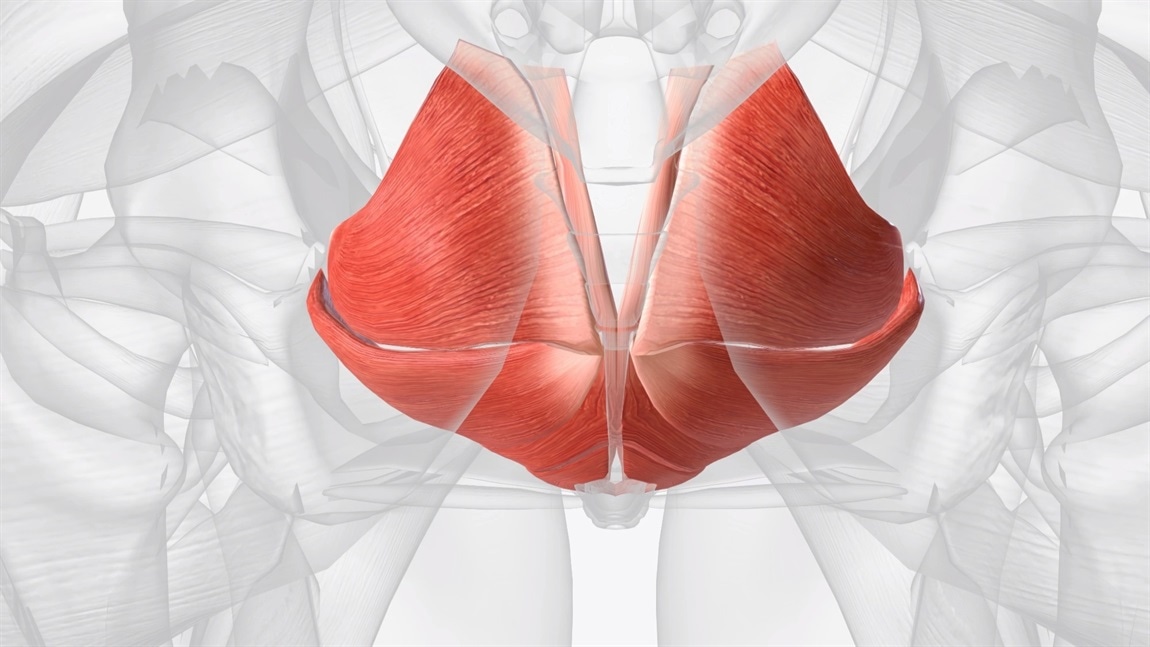
What is less discussed is the way the pelvic floor can also present as overly tight or hypertonic after birth, particularly in women who experienced a long or difficult second stage of labour, or who have significant perineal trauma. Pelvic floor hypertonicity (excessive muscle tension rather than weakness) can cause pain with penetration, difficulty inserting a tampon, pelvic heaviness, and incomplete bladder emptying. These symptoms are frequently misattributed to scar tissue, healing tenderness, or simply “being early in recovery,” when in fact they reflect a pelvic floor that needs skilled release work rather than more strengthening exercises.
This distinction matters enormously, because prescribing Kegel exercises (pelvic floor contractions) to a hypertonic pelvic floor is roughly equivalent to telling someone with a muscle spasm to clench harder. It can make things worse, not better.
At six weeks, your pelvic floor is still healing. Connective tissue, fascia, and muscle fibres are in active repair. The relaxin hormone, which loosened your ligaments and pelvic joints during pregnancy to facilitate delivery, remains elevated during breastfeeding. This means your pelvic floor support system is still in a state of relative laxity, even as it is trying to rebuild strength.
Change 3: Your Hormones Are Doing Something Nobody Prepared You For
The hormonal environment of the postpartum period is one of the most dramatic physiological shifts the human body can undergo outside of puberty and menopause. And yet it is rarely explained to women in advance.
During pregnancy, oestrogen and progesterone (the primary female reproductive hormones) reach their highest lifetime levels. Delivery triggers an abrupt withdrawal of both. Oestrogen in particular drops to levels lower than those seen in the follicular phase of a non-pregnant menstrual cycle, and this drop happens within hours to days of birth.
If you are breastfeeding, oestrogen suppression continues. Prolactin, the hormone that drives milk production, inhibits the hypothalamic-pituitary-ovarian axis, which is the hormonal communication pathway responsible for regulating oestrogen production and the menstrual cycle. This is why many breastfeeding women experience prolonged amenorrhoea (absence of periods) postpartum, and why vaginal dryness, reduced libido, and discomfort with intercourse are so common during breastfeeding. These are direct, physiological consequences of low oestrogen, not psychological responses.
The emotional consequences of this hormonal withdrawal are equally significant. Postpartum blues, characterised by weeping, mood lability (rapid mood shifts), and emotional vulnerability in the first two weeks after birth, affect the majority of new mothers and are directly tied to the rapidity of this hormonal drop. By six weeks, for most women, the acute hormonal crash has stabilised somewhat. But oestrogen remains suppressed, progesterone is low, and cortisol (the stress hormone) is often chronically elevated due to sleep deprivation and the demands of newborn care.
This combination creates a hormonal environment that is genuinely challenging for mood regulation, cognitive function, energy, and emotional resilience. It does not mean you are depressed. It does not mean you are failing at motherhood. It means your endocrine system, the hormonal system of the body, is in a state of significant flux, and that flux has real, measurable effects on how you feel.
Change 4: Your Brain Is Genuinely, Biologically Different
“Mum brain” is real. Not as an affectionate joke about forgetfulness, but as a documented neurological phenomenon with a specific scientific name: matrescence.
Matrescence refers to the profound psychological and neurological transition into motherhood. Research in neuroimaging (brain scanning technology) has shown that the brains of new mothers undergo measurable structural changes during pregnancy and in the postpartum period. Specifically, grey matter volume decreases in regions associated with social cognition, which is the brain’s ability to model other people’s mental states. Far from being a deficit, researchers interpret this as a form of neural specialisation: the brain pruning and refining the circuits needed for attunement to the baby’s needs.
What this means practically is that at six weeks postpartum, your brain is not the same brain it was before pregnancy. It is not worse. It is reorganised. But reorganisation has a cost, and that cost often presents as difficulty concentrating, reduced working memory (the ability to hold multiple pieces of information in mind simultaneously), and a sense of cognitive fog that is disorienting, particularly for women who previously prided themselves on sharp mental performance.
Sleep deprivation compounds this significantly. The specific impact of fragmented sleep on the prefrontal cortex, which is the region responsible for decision-making, emotional regulation, and complex reasoning, is well established in sleep research. Six weeks of disrupted sleep has cumulative neurological effects that go beyond ordinary tiredness. This is not weakness. It is neuroscience.
According to Healthline’s guide to postpartum brain changes, the structural brain changes associated with new motherhood can persist for up to two years after birth and may represent a lasting neural adaptation rather than a temporary disruption.
Knowing this does not make the fog lift. But it does mean you are not imagining it, and you are not losing your mind.
Change 5: Your Relationship With Your Body, Including Intimacy, Has Fundamentally Shifted
At six weeks postpartum, many women receive medical clearance for sexual intercourse. This clearance refers to physical tissue healing. It says nothing about whether you actually want to, feel ready to, or find intercourse comfortable when you try.
The disconnect between “medically cleared” and “personally ready” is one of the most consistently unaddressed gaps in postpartum care. And it encompasses far more than just sexual desire.
Your relationship with your body as a whole has changed. Your body has done something extraordinary, and it looks and feels different as a result. Breasts that are breastfeeding serve a functional role that can make erotic sensation feel strange or conflicted. Abdominal skin that has stretched may feel unfamiliar. Perineal scar tissue from an episiotomy (a surgical cut to widen the vaginal opening during delivery) or a spontaneous tear may make the idea of intercourse feel anxious-making, even if healing has progressed normally.
Vaginal dryness is extremely common postpartum, particularly in breastfeeding women, for the oestrogen-related reasons described in Change 3. Low oestrogen causes the vaginal mucosa (the internal lining) to thin and produce less natural lubrication, a condition called vaginal atrophy or, more accurately, genitourinary syndrome of menopause (GSM), though in postpartum women it is better described simply as lactational atrophic vaginitis. Whatever the terminology, the practical effect is the same: intercourse can be uncomfortable, or even painful, and this has a physiological explanation, not a psychological one.
As I’ve seen with many patients, this is one of the areas where women most consistently blame themselves. They assume they should want intimacy by now. They worry their relationship is suffering. They feel guilty about their lack of desire, even as their body continues to recover from an extraordinary physiological event. The guilt adds an additional layer of emotional weight to what is already a physically and hormonally complex period.
Your timeline for returning to intimacy, in whatever form that takes, belongs to you. There is no clinical obligation attached to the six-week clearance. It is a physical milestone, not a starting gun.
The Clinical Insight: What I Have Observed Across 19 Years of Practice
In my 19 years of clinical practice, what I’ve seen most often is the profound mismatch between what women are told to expect at six weeks postpartum and what they are actually experiencing. The six-week check, as it is currently structured in many healthcare systems, was designed with a specific and limited purpose: to confirm uterine involution, check blood pressure, review wound healing, and discuss contraception. It was not designed as a comprehensive postpartum wellness review, and in most settings, it does not function as one.
The consequence is that women arrive at my clinic weeks or months later, often distressed and sometimes ashamed, carrying symptoms they have been quietly managing alone because they assumed those symptoms were either normal and therefore not worth raising, or abnormal and therefore frightening to voice. They tell me things like: “I thought the leaking would have stopped by now but I didn’t want to make a fuss.” Or: “I’ve been crying almost every day but the health visitor said it was just baby blues, and that should have passed by now.”
The body changes 6 weeks after giving birth extend far beyond what postnatal appointments typically address, and the care gap this creates is not a small one. What I want you to take from this article is the understanding that your symptoms have explanations. They have names. And they have, in most cases, effective, evidence-based pathways to resolution. You are not being dramatic. You are navigating one of the most complex physiological transitions the human body can undergo, and you deserve clinical guidance that reflects that complexity.
Understanding Postpartum Mental Health: Beyond Baby Blues
When It Is More Than Hormonal Adjustment
The postpartum period is a time of significant psychological adjustment, and the line between normal emotional turbulence and a clinical mental health condition that warrants support is not always clearly drawn. Understanding the distinctions helps you advocate for yourself with precision.
Postpartum blues affect the majority of new mothers, typically peaking around day three to five after birth and resolving within two weeks. They present as weeping, emotional sensitivity, mild anxiety, and mood lability. They are hormonally driven and do not require clinical treatment beyond support and reassurance.
Postpartum depression (PPD) is clinically distinct. It involves persistent low mood, loss of interest or pleasure in activities previously enjoyed, significant changes in sleep or appetite beyond what newborn care explains, feelings of worthlessness or guilt, and in some cases, intrusive thoughts. PPD affects approximately one in five women in the postpartum year and can onset at any point in the first twelve months, not only in the first weeks. The six-week check is not a reliable diagnostic window for PPD.
Postpartum anxiety, which is frequently co-occurring with PPD but can also present independently, involves persistent, excessive worry that is difficult to control, physical symptoms of anxiety (racing heart, breathlessness, muscle tension), hypervigilance around the baby’s safety, and difficulty relaxing even when the baby is settled. Postpartum anxiety is arguably underdiagnosed relative to PPD because it does not always fit the cultural image of a depressed new mother.
Postpartum OCD involves intrusive, unwanted thoughts that are distressing to the person experiencing them. These thoughts are ego-dystonic, meaning they are completely contrary to what the mother actually wants. They are not a sign of intent or danger. They are a feature of anxiety misfiring within a context of acute vulnerability. Women experiencing these thoughts are almost never a risk to their babies, but they need compassionate, skilled clinical support.
If any of these descriptions resonate, please raise them directly with your GP, midwife, or health visitor. Be specific. You do not have to frame it as “I am struggling.” You can say: “I am experiencing persistent anxiety that is not improving,” or “I have been having distressing intrusive thoughts.” Specificity helps clinicians respond appropriately.
The Postpartum Menstrual Cycle: What to Expect and When
Your Period After Birth: The Timeline Demystified
One of the most variable and frequently misunderstood aspects of postpartum recovery is the return of the menstrual cycle. Women ask about this constantly, and the answer is genuinely individual.
If you are not breastfeeding, menstruation typically returns between six and twelve weeks postpartum, as oestrogen and progesterone levels begin to recover and the hypothalamic-pituitary-ovarian axis restarts its cyclical function.
If you are exclusively breastfeeding, the return of your period is suppressed by elevated prolactin levels, and many women do not menstruate until they reduce or stop breastfeeding. However, this is not universal. Some breastfeeding women see their period return as early as six to eight weeks postpartum, while others do not menstruate for twelve to eighteen months.
A critical clinical point that is often omitted from standard postpartum guidance: you can ovulate before your first postpartum period returns. This means it is possible to become pregnant before you have experienced any postpartum menstruation. Breastfeeding offers some contraceptive protection through a method called the Lactational Amenorrhoea Method (LAM), but this protection is only reliable if you are exclusively breastfeeding, your baby is under six months old, and your periods have not yet returned. When any one of these conditions changes, the contraceptive protection of breastfeeding is no longer reliable.
When your period does return, do not be surprised if it is different from your pre-pregnancy cycle. Heavier, lighter, more or less painful, irregular for the first several cycles: all of these variations are common as the hormonal system restores its rhythm. Give it three to six months to settle before concluding that your cycle has permanently changed.
Postpartum Physical Recovery: What Is Still Healing at Six Weeks
Your Uterus, Your Perineum, and Your Abdominal Wall
Understanding what is still actively healing at six weeks helps calibrate realistic expectations for how your body feels and what it can do.
The uterus has completed the bulk of its involution by six weeks. Before birth, your uterus weighed approximately one kilogram and was the size of a watermelon. By six weeks, it has returned to roughly pre-pregnancy size and weight (around 60 grams). Lochia (the postpartum uterine discharge) should have resolved or reduced to a minimal, almost non-existent amount by this point. If you are still experiencing heavy or bright red bleeding at six weeks, that requires clinical review.
Perineal tissue healing, particularly where sutures (stitches) were placed following a tear or episiotomy, is typically complete in terms of surface skin closure by six weeks. However, deeper connective tissue, fascia, and nerve fibres continue to remodel for several months. This is why pain, sensitivity, or numbness in the perineal area can persist well beyond six weeks and is not necessarily a sign that healing has gone wrong. Scar tissue massage, introduced under the guidance of a pelvic floor physiotherapist, can significantly improve scar tissue pliability and reduce long-term discomfort.
The abdominal wall, particularly for women who experienced diastasis recti (separation of the rectus abdominis muscles, the two central columns of abdominal muscles that run vertically down the front of the abdomen) during pregnancy, requires a specific and staged rehabilitation approach. Diastasis recti affects a significant proportion of pregnant women and often persists at six weeks postpartum. It can contribute to lower back pain, abdominal weakness, and a persistent abdominal “pouch” that does not respond to general core exercises. In fact, certain exercises, including traditional sit-ups and leg raises, can make diastasis recti worse if introduced too early or without guidance.
If you are uncertain whether you have diastasis recti, ask your GP or physiotherapist to check at your six-week review. It is a simple manual test that takes less than a minute.
Nutrition and Recovery: Fuelling the Postpartum Body
What Your Body Is Still Demanding at Six Weeks
Postpartum nutritional demands are significant and frequently underappreciated. Your body is simultaneously healing tissue, recalibrating hormones, and, if you are breastfeeding, producing milk. Each of these processes has specific nutritional requirements.
Iron is often depleted following birth, particularly if you experienced significant blood loss. Iron-deficiency anaemia (low red blood cell levels due to insufficient iron) is common postpartum and can contribute significantly to fatigue, breathlessness, brain fog, and reduced exercise tolerance. If you are experiencing profound exhaustion that feels disproportionate to your sleep deprivation, it is worth asking your GP for a blood test to check your haemoglobin and ferritin levels.
Ferritin is the stored form of iron, and it is a more sensitive indicator of iron status than haemoglobin alone. Many women have haemoglobin levels within the normal range while their ferritin is low, which means the anaemia may be missed on a basic blood count but is still contributing to their symptoms.
According to the NHS’s complete guide to vitamins and nutrition after birth, breastfeeding women in particular should continue taking a vitamin D supplement throughout the postnatal period, as breast milk alone does not provide sufficient vitamin D for mother or baby, and maternal deficiency is associated with fatigue, low mood, and musculoskeletal discomfort.
Calcium demand increases substantially during breastfeeding, as the body draws on maternal calcium reserves to supply breast milk. Ensuring adequate dietary calcium during the breastfeeding period is straightforward if dairy is tolerated, but women who avoid dairy need to be attentive to alternative calcium sources, including fortified plant milks, tofu set with calcium, tinned fish with bones, and leafy green vegetables.
Protein intake is often lower than it should be postpartum simply because new mothers are not prioritising their own meals. Protein is essential for tissue repair, immune function, and hormone synthesis. Prioritising protein at every meal, even in simple, accessible forms, is one of the most practical nutritional steps you can take to support your postpartum recovery.
Sleep Deprivation: The Most Under-Discussed Medical Issue in Postpartum Care
What Fragmented Sleep Actually Does to Your Body
Sleep deprivation is so universally expected in new parenthood that it has become normalised to the point of being dismissed as a health issue. It should not be.
Sleep is the period during which tissue repair accelerates, cortisol levels reset, growth hormone is secreted, and the brain consolidates learning and memory. Chronic sleep fragmentation, which is the hallmark of newborn parenting rather than simply total sleep reduction, is physiologically distinct from a shortened but uninterrupted night’s sleep. Fragmented sleep disrupts sleep architecture, meaning the specific sequence of sleep stages (light sleep, deep sleep, REM sleep) that the body needs to cycle through for restorative benefit.
At six weeks postpartum, the cumulative physiological effects of six weeks of fragmented sleep include elevated inflammatory markers, reduced immune function, heightened cortisol and reduced resilience to stress, impaired glucose regulation, and, as mentioned earlier, significant prefrontal cortex impairment affecting decision-making and emotional regulation.
None of this is presented to frighten you. It is presented to contextualise why you feel as you do, and to make a clear clinical argument against the cultural expectation that you should feel fine, be functioning at full capacity, and have your pre-pregnancy body back at six weeks postpartum.
You are doing something extraordinary. Your body is working harder than it has at any point in your life. The fact that you are managing it at all is clinically impressive.
When to See a Specialist: Specific Red Flags and the Right Clinician to See
The following are specific symptoms that warrant prompt clinical attention beyond your standard GP appointment. In each case, the specialist is named specifically.
If you are experiencing urinary leakage (stress incontinence) with any activity, including coughing, sneezing, laughing, or low-impact exercise, and it has not improved by eight weeks postpartum: book an assessment with a pelvic floor physiotherapist. Do not wait for your GP to refer you. Many pelvic floor physiotherapists accept self-referrals. Early intervention significantly improves outcomes.
If you have a sense of pressure, heaviness, or a bulge at the vaginal entrance that is present when standing and does not resolve after lying down: request a pelvic organ prolapse assessment from your GP within two weeks. If prolapse is confirmed, ask for a referral to a urogynaecologist (a specialist in female pelvic floor disorders) or a pelvic floor physiotherapist with specific prolapse rehabilitation experience.
If your postpartum bleeding has restarted or increased in volume after a period of reduction, or if you are still passing bright red blood or clots at six weeks postpartum: contact your GP or maternity unit promptly, ideally within 24 to 48 hours. Secondary postpartum haemorrhage (unexpected heavy bleeding after the first 24 hours) requires clinical assessment.
If you are experiencing persistent low mood, anxiety, or intrusive thoughts that have lasted more than two weeks and are not improving: contact your GP and ask specifically about screening for postpartum depression and postpartum anxiety. Use the Edinburgh Postnatal Depression Scale (EPDS) as a reference if helpful. If you feel in immediate distress, contact your local crisis mental health line or attend your nearest emergency department.
If your hair loss is severe, is not showing any sign of regrowth by five to six months postpartum, or is accompanied by fatigue, constipation, weight gain, or feeling cold all the time: ask your GP to arrange thyroid function tests, including TSH, free T4, and free T3, alongside a full blood count and ferritin level. Postpartum thyroiditis affects a meaningful proportion of postpartum women and is frequently missed.
If intercourse remains painful at three months postpartum despite adequate lubrication: a referral to a pelvic floor physiotherapist or a gynaecologist with an interest in vulvovaginal health is appropriate. Painful intercourse is not an inevitable or permanent consequence of birth. It is a clinical symptom with identifiable causes and effective treatments.
You Are Not Behind. You Are In Process.
Here is what I want you to hold onto from everything you have just read.
The body changes 6 weeks after giving birth are not evidence of failure. They are evidence of an extraordinary physiological process that is still actively underway. Your hair loss, your pelvic floor symptoms, your hormonal fog, your changed relationship with your body and your sense of self: these are not signs that something has gone wrong. They are signs that your body is doing exactly what postpartum bodies do.
The most important takeaway is this: the six-week check is not the finish line. It is a checkpoint in the middle of a much longer recovery process. If your symptoms are not addressed at that appointment, you are entitled to seek further support. You are entitled to ask for a pelvic floor physiotherapy referral. You are entitled to thyroid and iron tests. You are entitled to a mental health screening. You are entitled to a conversation that takes longer than eleven minutes.
Your recovery matters. Your health matters. And naming what you are experiencing, clearly and specifically, is the most powerful clinical tool you have.
Share this article with a new mum who needed to hear that she is not alone in this
Medical Disclaimer
This article is for informational purposes only and does not constitute medical advice. Always consult a qualified healthcare provider before making any changes to your health or treatment plan.
Dr. Naomi is a board-certified women’s health physician with 19 years of clinical experience in reproductive endocrinology and integrative gynaecology. She writes exclusively for webzalo.com, a trusted women’s health resource for women aged 25 to 50 navigating reproductive and hormonal health challenges.